
Wildlife of
Wallis and Futuna
About Wallis and Futuna
Wallis and Futuna (a French overseas collectivity in the South Pacific) offers a distinctly ocean-first wildlife story: while the land area is small, the surrounding lagoons and reef-fringed waters support the kind of rich coastal biodiversity that defines tropical Oceania. On land, pockets of humid forest on volcanic slopes and coastal vegetation host a suite of Pacific island birds, reptiles, and invertebrates-often subtle compared with the spectacle underwater, but important as part of the archipelago's natural heritage and as habitat for breeding and roosting seabirds.
The signature ecosystems are its coral reefs, lagoon systems, and nearshore seagrass/algal habitats, which function as nurseries and feeding grounds for reef fish, invertebrates, and sea turtles. Reef flats, coral bommies, and channels create a mosaic of microhabitats that reward slow exploration by snorkel or dive, while the open ocean beyond the reef edge connects the islands to wider migratory routes for pelagic species. Volcanic uplands, freshwater seeps, and coastal wetlands add ecological variety, supporting native plants and providing stepping-stone habitats for birds.
Although it is not part of African conservation, Wallis and Futuna contributes to global and Pacific-wide conservation through the protection and stewardship of marine habitats that underpin regional biodiversity and migratory species (notably whales, seabirds, and turtles). The wildlife experience is uniquely intimate and community-adjacent: quiet lagoons, low visitor pressure, and strong local ties to the sea mean encounters often feel personal-snorkeling over living coral, watching seabirds commute between islets, and timing visits to coincide with seasonal ocean wildlife activity.
Geography
Wallis and Futuna's wildlife is strongly shaped by small, steep volcanic islands ringed by coral reefs and lagoons. On land, limited area, rugged relief, and short watersheds compress habitats into narrow elevation bands-from coastal strand vegetation and mangroves to inland tropical forest on ridges and volcanic slopes-so many species have small, fragmented ranges. In contrast, the surrounding reef-lagoon systems provide extensive habitat for fish, seabirds, turtles, and invertebrates; coastal configuration (passes, reef flats, lagoons) largely determines where marine biodiversity concentrates and where seabird nesting and turtle foraging occur.
Key Landscapes
- Volcanic high islands with steep ridges and upland slopes (Futuna and Wallis), creating sharp habitat gradients over short distances
- Crater and volcanic lakes (e.g., crater-lake basins on Wallis) that support freshwater/brackish wetlands
- Short, fast-flowing streams and deeply incised valleys on Futuna that form localized riparian habitat
- Coastal cliffs and rocky shores (especially around Futuna/Alofi) used by nesting/roosting seabirds
- Coral reef complexes (fringing and barrier reefs) that provide high-diversity marine habitat and coastal protection
- Large lagoon systems (notably around Wallis) with reef flats, channels, and passes that structure fish and invertebrate distributions
- Mangroves and coastal wetlands in sheltered lagoon areas (important nursery habitat for marine life and for coastal birds)
- Sandy beaches and dune/strand vegetation that can serve as turtle nesting or coastal bird habitat where disturbance is low
Ecoregions
- Tongan tropical moist forests (WWF; Tropical & Subtropical Moist Broadleaf Forests) - primary terrestrial forest zone for the islands
- Tonga Islands marine ecoregion (MEOW; Tropical Southwestern Pacific) - coral reefs and lagoons supporting reef biodiversity typical of tropical Oceania
Protected Areas
Wallis and Futuna (a French overseas collectivity) has no large, well-known national-park system. Conservation is typically carried out through a mix of territorial regulations (for example, fisheries rules and species protections), customary authority (temporary customary closures or closed areas), and site-based stewardship around lagoons, islets, and reefs. Because the territory's biodiversity value is strongly marine (coral reefs, lagoon habitats, turtle and seabird areas), many of the most important conservation places are coastal and offshore rather than inland; terrestrial priorities center on remaining native forest patches, watershed slopes, and crater-lake catchments on Wallis (Uvea), plus upland forests on Futuna and the largely uninhabited Alofi.
Approximate land under formal protection: ≈0-1% (formal, gazetted protected areas are very limited/unclear; conservation is largely managed through customary/sectoral measures rather than a large statutory protected-area network).
Notable Parks & Reserves
Lagoon of Wallis (Uvea Lagoon) and reef islets
Locally managed marine area (customary and territorial fisheries measures; not a national park)The barrier reef, lagoon and small islets are Wallis and Futuna's main wildlife area, helping coral-reef biodiversity, turtle feeding grounds, and seabird roosting and nesting on quiet islets. Local fishing rules and temporary closures greatly help protect wildlife.

Alofi Island - coastal habitat and surrounding reefs
Key Biodiversity Area / important seabird area (non-statutory; local customary stewardship)Alofi is mostly uninhabited compared with Wallis and Futuna, making it one of the best refuges for seabirds and relatively undisturbed coastal and reef communities. Its cliffs and shorelines provide nesting and roosting opportunities and reduced human pressure for sensitive species.
Futuna Upland Forests (including the Mount Puke area)
Key Biodiversity Area / Important Bird Area (non-statutory site; not a national park)The steep interior of Futuna retains some of the most important terrestrial habitat in the collectivity-native forest used by fruit bats and forest birds-and helps protect water resources. These uplands are critical because lowland habitats are more altered and fragmented.
Wallis (Uvea) crater-lake catchments (for example, Lake Lalolalo and nearby crater lakes)
Locally protected scenic and nature sites (customary and territorial management; not a formal national reserve network)Wallis' volcanic crater lakes and their surrounding vegetation form rare freshwater habitats on small oceanic islands and can act as local refuges for wetland-dependent wildlife. Protecting lake catchments also reduces sediment and nutrient runoff into the lagoon and reefs.
Futuna fringing reef and nearshore lagoon habitats
Community-managed coastal fisheries area (customary/territorial measures; not a Ramsar/MPA in the strict sense)Futuna's nearshore reefs provide key feeding and nursery habitat for reef fish and invertebrates and are important for turtle movement around the island. Because reefs are close to settlements, targeted no-take periods/areas can be especially important for sustaining biodiversity and fisheries.
Wallis reef pass and outer-reef slope habitats (seaward barrier reef)
Ecologically important reef area (no widely recognized statutory protected-area designation)The outer reef and any pass-like channels concentrate currents and plankton, supporting higher fish biomass and better coral health than many sheltered inshore areas. These zones can be among the best places for underwater wildlife viewing where access and sea conditions allow.
Wildlife
Wallis and Futuna's wildlife experience is defined far more by its coral reefs, lagoons, and nearshore ocean than by its small volcanic land area. On land, native vertebrate diversity is relatively low (typical of remote Pacific islands) and is dominated by a few bats, seabirds/landbirds, and small reptiles, with many additional species present as human introductions. In contrast, the surrounding reef-and-lagoon habitats support high tropical marine biodiversity-sea turtles, reef fish, large clams, and (seasonally) migrating whales-often making snorkeling/diving and lagoon excursions the most rewarding ways to see wildlife.
Iconic Species

Notable Populations
- Marine biodiversity (reef fish, turtles, clams, seabirds) is disproportionately important compared with the small land area; the lagoons and reef systems drive most wildlife viewing.
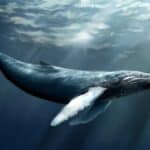
- Seasonal humpback whale presence links Wallis and Futuna to the wider South Pacific breeding/migration network, making winter/early spring the key period for potential sightings.
- Locally important sea turtle foraging (and in some places nesting) occurs in the territory's sheltered lagoons and reef flats, with green and hawksbill turtles being the emblematic species.
- Seabird use of offshore islets and reef edges (tropicbirds, boobies, terns) is a defining feature of the wildlife character, especially away from main settlements.
Conservation
Primary Threats
- Rising ocean temperatures drive coral bleaching episodes and reduce reef resilience; ocean acidification threatens reef-building corals and calcifying organisms. Sea-level rise and more intense cyclone-driven swell increase coastal erosion and inundation risk around low-lying coastal settlements and infrastructure, while heavy rainfall events increase sediment runoff into lagoons.
- Lagoon and reef fisheries are central to subsistence and local food security, so even modest population-driven demand can concentrate fishing pressure in easily accessed nearshore areas. Targeted removal of key functional groups (e.g., herbivores) can weaken reef recovery after bleaching, and localized depletion can occur around villages and popular fishing grounds.
- Solid waste (especially plastics), limited landfill capacity, and occasional illegal dumping can contaminate coastal habitats. Untreated or insufficiently treated wastewater and runoff from settled areas contribute nutrients and pathogens to lagoons, elevating risks of algal overgrowth and degrading water quality in enclosed reef-lagoon systems.
- Coastal vegetation clearing for housing and community facilities, small-scale land conversion, and shoreline hardening (seawalls, reclamation) reduce natural buffers (mangrove-like strand vegetation and coastal forest where present) and increase sediment delivery to reefs. On land, remaining native forest patches can be fragmented by gardening, tracks, and incremental development.
- Introduced rats, cats, and other invasive predators can impact seabirds and native fauna, while invasive plants can outcompete native vegetation in disturbed areas. Biosecurity risks are heightened by reliance on shipping/air links for goods, which increases the chance of new introductions (including agricultural pests and disease vectors).
- Shoreline armoring, small reclamation works, dredging/harbor maintenance, and alteration of natural drainage patterns can change lagoon circulation and increase turbidity. On land, repeated burning/clearing for gardens can simplify ecosystems and reduce watershed stability, increasing erosion into fringing reefs.
- Ports, coastal roads, the airport and associated earthworks concentrate development in vulnerable coastal zones. Construction and maintenance can increase sedimentation, while expanded maritime infrastructure can increase anchoring/grounding risks on shallow reef flats if not well managed.
- Freshwater resources are limited on small volcanic islands; droughts and dry-season shortages can intensify pressure on catchments and groundwater. Increased water abstraction and catchment disturbance can reduce baseflows and increase erosion, indirectly harming lagoon and reef habitats.
- Smallholder agriculture (root crops and mixed gardens) can expand into slopes or marginal areas, particularly after storm damage or economic shocks. Clearing on steep terrain increases soil loss during heavy rains, sending sediment and nutrients into coastal waters where it smothers corals and seagrass/algal communities.
- Even with relatively low tourism compared to other Pacific destinations, local recreation and boating can disturb sensitive reef areas through trampling on reef flats, collecting, and anchoring on shallow coral heads. Disturbance can be most acute at a few easily accessible lagoon sites.
Wildlife Tourism
Wallis and Futuna's wildlife tourism is small-scale, community-oriented, and overwhelmingly marine-focused. With a tiny land area but extensive surrounding waters, its coral reefs, lagoons, and open ocean are the main draw-snorkeling, diving, lagoon excursions, and pelagic encounters (seasonal whales/dolphins) rather than "big game" on land. Economic importance: Tourism is not a major pillar compared with public-sector employment and local livelihoods, but wildlife-based activities (boat hire, guiding, homestays, handicrafts, local transport) can be meaningful for villages and families. Visitors tend to be independent travelers, divers, and cultural travelers seeking low-crowd nature. History & stewardship: Coastal and lagoon resources are deeply tied to customary practices (fishing grounds, reef use, village protocols). Wildlife experiences work best when arranged through local operators or community contacts-this supports local stewardship and helps visitors navigate customary access. Accessibility & practicality: Access is limited compared with other Pacific destinations. Flights are infrequent and typically route via New Caledonia (and sometimes other regional hubs); inter-island logistics (Wallis ↔ Futuna) can be tight, so build buffer days. Tourism infrastructure is modest: fewer dive/boat operators, limited accommodation variety, and variable equipment availability-pre-book guides, confirm gear sizes, and travel with essentials (reef-safe sunscreen, rash guard, dry bag, spare mask strap).
- Wildlife viewing is possible year-round, but conditions and target species vary.
- May-October (generally drier, more stable seas): Best overall for lagoon time-clearer water for snorkeling/diving, easier boat days to islets, more comfortable hiking on Futuna's ridges. Great for reef fish, coral gardens, turtles (in-water encounters), and seabirds around islets.
- July-October (seasonal whales in the wider South Pacific): Best window to ask local boat operators about offshore whale-watching opportunities. Encounters can be occasional and conditions-dependent; always choose operators who keep respectful distances.
- November-March (warmer, wetter; higher storm/cyclone risk at times): Lush landscapes and warm water. This period can align with sea turtle nesting activity in parts of tropical Oceania; if local guides confirm active nesting beaches, it can be a highlight. Plan around rain and prioritize sheltered lagoon sites.
- April & November (shoulder months): Often a good compromise-warm water, fewer weather extremes than mid-wet season, and solid visibility for snorkel/diving when winds are light.
Top Wildlife Experiences
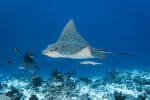
- Lagoon "drift snorkel safari" on Wallis: Hire a local boat and guide to hop between reef patches and let gentle currents carry you over coral gardens-look for parrotfish, butterflyfish, giant clams, and reef sharks at a respectful distance.
- Outer-reef boat trip (conditions permitting): When seas are calm, venture closer to the pass/outer edge with an experienced skipper for chances of pelagic sightings (dolphins and, in season, whales) plus vivid drop-off snorkeling for advanced swimmers.
- Sea turtle-focused snorkeling session: Go with a guide who knows turtle-friendly spots and etiquette (no chasing, no blocking surfacing). Combine with education on local reef use and seasonal protections if applicable.
- Islet day with seabird watching: Pack a picnic and do a slow, quiet walk on lagoon islets to observe nesting/roosting seabirds and shorebirds; bring binoculars and keep distance from nests.
- Night reef walk at very low tide (guided): Explore intertidal life-crabs, sea cucumbers, small fish in tide pools-learning how locals read tides and reefs. Wear sturdy water shoes and follow strict "look, do not collect" rules.
- Scuba dive the lagoon and reef edge (if operator availability aligns): Ask specifically for sites with coral bommies, swim-throughs, and macro life; schedule multiple shorter dives to match limited local logistics and maximize chances of calm conditions.
- Futuna ridge-to-coast nature trek: Hike with a local guide for panoramic views and chances to spot native/coastal birds and fruit bats, then finish with a coastal snorkel to contrast mountain ecology with reef biodiversity.
- Responsible whale-watching outing (seasonal): If July-October conditions and local operators allow, take an offshore trip with a strict code of conduct-slow approach, engines neutral when appropriate, no in-water whale interactions unless explicitly legal and locally endorsed.
Safari Types Available
- Lagoon boat safaris (islet hopping + snorkeling)
- Snorkeling safaris (guided reef circuits, drift snorkels)
- Scuba diving trips (lagoon/outer reef, operator-dependent)
- Whale-watching boat excursions (seasonal, conditions-dependent)
- Dolphin-spotting and pelagic wildlife cruises (opportunistic)
- Seabird and shorebird walks on islets (low-impact birding)
- Guided intertidal/reef-flat walks at low tide (marine micro-fauna)
- Hiking-based nature excursions (ridge/coastal treks with wildlife spotting)
Did You Know?
Wallis Island (Uvea) contains several steep-sided volcanic crater lakes, including Lake Lalolalo, which create small freshwater habitats on a very small tropical island.
A French territory where the wildlife you notice first is often marine, not terrestrial: because the lagoon and reef area around Wallis is so large relative to land, everyday biodiversity (fish, corals, turtles, rays) can feel more like an "at-sea national park" than a land-based one.
Alofi is essentially a ready-made wildlife refuge: Alofi (part of the Futuna group) has no permanent population today, so compared with inhabited islands it can function as a low-disturbance haven for native vegetation and nesting/coastal wildlife.
The native land-mammal list is tiny: like many remote Pacific islands, Wallis and Futuna's only truly native terrestrial mammals are bats-most other mammals present are introduced-so the "top" land mammals are flying, not walking.
Ocean-to-land wildlife habitat ratio: Wallis and Futuna's land area is only ~142 km², but its Exclusive Economic Zone is about ~300,000 km²-over 2,000× more ocean than land, meaning most of its biodiversity is marine (reef, lagoon, and open-ocean species).
A lagoon that outweighs the land: the lagoon around Wallis (Uvea) is roughly ~260 km²-bigger than the *entire* land area of Wallis and Futuna combined (~142 km²), making the lagoon-and-reef ecosystem the territory's dominant wildlife habitat by area.
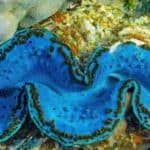
"World's biggest clam" lives in its reefs: giant clams (Tridacna spp.) occur on Wallis and Futuna's coral reefs; the group includes the world's largest bivalves (the largest species can exceed ~1 m and weigh well over 100 kg).
Biggest seasonal visitors: humpback whales (Megaptera novaeangliae)-among the largest migrating mammals (adults commonly ~12-16 m)-pass through/take up seasonal habitat in the South Pacific waters around the territory, making whale encounters a "largest-animal-in-the-neighborhood" highlight of local marine life.