
Wildlife of
Cocos (Keeling) Islands
About Cocos (Keeling) Islands
The Cocos (Keeling) Islands' wildlife character is quintessentially oceanic: small, palm-fringed coral islands encircling a turquoise lagoon, where most of the biodiversity lives in or over the water. Their natural heritage is defined by tropical marine ecosystems-reef fish, corals, rays and sharks-paired with important breeding and roosting habitat for seabirds on the more remote islets. For visitors, the sense of isolation is part of the appeal: life here feels shaped by currents, tides, and migratory routes rather than by large terrestrial fauna.
The key ecosystems are the coral reefs and lagoon flats (nursery and feeding grounds), the outer reef slope and drop-offs (a gateway to pelagic species), and the sandy beaches and vegetated islets that support nesting turtles and seabird colonies. Snorkeling and diving often reveal striking habitat contrasts over short distances-from sheltered lagoon coral gardens to surge-swept ocean-facing reefs-with frequent encounters of schooling fish, reef predators, and seasonal pulses of larger open-ocean visitors.
In global conservation terms, the Cocos (Keeling) Islands matter as a remote Indian Ocean refuge and monitoring point for reef health, migratory seabirds, and wide-ranging marine species that connect Australia's external territories with the broader Indo-Pacific. Their wildlife experience is uniquely "atoll-centric": you can watch seabirds wheeling overhead, then step into clear water to explore reef life minutes later-often with minimal crowds and a strong sense of being at the edge of the map.
Geography
The Cocos (Keeling) Islands' wildlife is shaped by extremely limited land area and a dominant marine setting: low-lying coral atolls with sandy islets, a shallow lagoon, and surrounding fringing reefs. Terrestrial habitats are narrow coastal strands and small patches of woodland, so most native biodiversity is coastal (seabird nesting colonies, beach-nesting turtles) and marine (coral-reef and pelagic species). Habitat distribution is strongly controlled by exposure to waves (ocean side vs lagoon side), the presence of undisturbed islets (notably North Keeling/Pulu Keeling), and human-modified vegetation on the inhabited atoll (coconut plantations and settlements).
Key Landscapes
- Two low coral atolls (North Keeling and South Keeling) with minimal elevation and no rivers/lakes
- Shallow tropical lagoon (especially within South Keeling) with seagrass/algal flats important for marine feeding areas
- Fringing coral reefs and reef flats encircling the atolls (key habitat for reef fish, corals, and invertebrates)
- Ocean-facing beaches and berms used by nesting sea turtles and roosting/nesting seabirds
- Small vegetated islets, including relatively intact native woodland on North Keeling (important seabird breeding habitat)
- Human-modified coconut groves/plantations and settlement landscapes on parts of South Keeling that alter terrestrial habitat availability
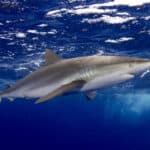
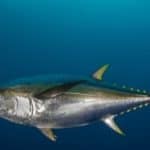
- Nearshore-to-deep-ocean gradient immediately off the reef crest, supporting pelagic wildlife close to shore (e.g., tuna, sharks, seabirds)
Ecoregions
- Cocos Islands moist forests (WWF terrestrial ecoregion; very small, coastal/atoll woodland and strand vegetation)
- Cocos (Keeling) Islands/Christmas Island marine ecoregion (MEOW classification; coral reefs and surrounding tropical Indian Ocean waters-useful for describing reef/pelagic biodiversity even though WWF's primary ecoregion set is terrestrial)
Protected Areas
Protected areas on the Cocos (Keeling) Islands are dominated by Commonwealth (Australian Government) marine and island protections managed under Parks Australia and the EPBC Act framework. Terrestrial protection is concentrated on the uninhabited North Keeling Island (a globally important seabird rookery), while most conservation value and managed protection by area is marine-covering coral reefs, the lagoon/atoll system, and offshore pelagic waters used by migratory species (turtles, seabirds, dolphins and whales).
Land under formal protection is small but significant: approximately ~8% of the territory's land area (driven mainly by North Keeling Island within Pulu Keeling National Park). By contrast, the surrounding ocean is extensively protected through the Cocos (Keeling) Marine Park and the marine component of Pulu Keeling National Park, so the majority of the protected estate by area is marine rather than terrestrial.
Notable Parks & Reserves
Pulu Keeling National Park (North Keeling Island - terrestrial)
Commonwealth National Park (Parks Australia)An uninhabited coral island and one of the most important seabird nesting sites in the eastern Indian Ocean; it also supports nesting marine turtles and intact native coastal vegetation largely free from development impacts.
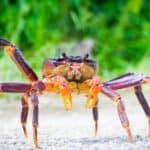
Pulu Keeling National Park (surrounding reef and waters)
Commonwealth National Park (marine component)Protects reef slope and near-island waters used by nesting turtles and large numbers of seabirds, with healthy coral and reef-fish communities that benefit from strong protection and remoteness.

Cocos (Keeling) Islands Marine Park (South Keeling Atoll lagoon and reef habitats)
Australian Marine Park / Commonwealth Marine Park (Parks Australia; zoned marine protected area)Safeguards the main atoll's lagoon and fringing reefs-key habitat for coral-reef biodiversity, foraging turtles, reef sharks and large schools of reef fish, and a focal area for reef conservation in a remote ocean setting.

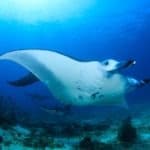
Cocos (Keeling) Islands Marine Park (offshore pelagic waters)
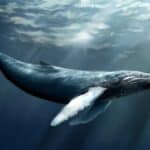
Australian Marine Park / Commonwealth Marine Park (Parks Australia; zoned marine protected area)Encompasses open-ocean habitat used by migratory megafauna and pelagic fish, supporting seasonal movements of whales and dolphins and feeding areas for wide-ranging seabirds.
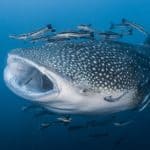
North Keeling Island Ramsar wetland (within Pulu Keeling National Park)
Ramsar Wetland of International Importance (overlapping with Commonwealth National Park)Recognized internationally for its seabird breeding aggregations and coastal/lagoon-associated wetland values typical of remote coral atolls, including turtle nesting beaches and highly productive nearshore waters.
Wildlife
The Cocos (Keeling) Islands are a tiny, remote pair of coral atolls in the eastern Indian Ocean. Wildlife is defined less by land animals (there are few native terrestrial species) and more by tropical marine ecosystems: a clear lagoon, coral reefs, pelagic waters, and seabird- and turtle-nesting habitats-especially on the largely uninhabited North Keeling Island (Pulu Keeling National Park). Visitors typically come for nesting sea turtles, dense seabird colonies, and reef/lagoon life (corals, reef fish, rays, reef sharks), plus occasional dolphins and migrating whales offshore.
Iconic Species
Endemic Species
Notable Populations
- North Keeling (Pulu Keeling National Park) supports regionally important breeding colonies of tropical seabirds, especially red-footed boobies and frigatebirds.
- The islands are a significant nesting area in the eastern Indian Ocean for sea turtles-particularly Green and Hawksbill turtles-making beach and nearshore protection locally critical.
- The atolls function as a mid-ocean stopover and refuge for migratory shorebirds and seabirds moving across the Indian Ocean flyways.
- Surrounding reefs and lagoon habitats underpin very high marine biodiversity (corals and reef fish), which in turn supports turtle foraging and seabird feeding grounds.
Conservation
Primary Threats
- Sea-level rise and increased storm surge threaten low-elevation shorelines, turtle nesting beaches, and coastal vegetation, while marine heatwaves drive coral bleaching and reduced reef resilience in the lagoon and outer reef. Warming and acidification also risk shifting reef communities and lowering calcification rates, which can reduce habitat complexity for reef fish and invertebrates.
- Introduced predators and pests are a persistent risk to island biodiversity, especially ground- and burrow-nesting seabirds and endemic/isolated bird populations. Biosecurity pressure is high because pests can arrive with cargo, aircraft, or vessels; established invasives (e.g., rats/cats on inhabited islands and invasive weeds/insects) can prey on eggs/chicks, compete with native species, and alter vegetation structure.
- Marine debris (especially plastics and lost fishing gear) accumulates on remote Indian Ocean shorelines and reef flats, entangling wildlife and degrading nesting beaches. Local solid-waste constraints and wastewater/stormwater runoff around settlements can add nutrients and contaminants to nearshore waters, affecting lagoon water quality and coral/seagrass condition.
- While local fishing pressure is relatively small, reef and lagoon systems are spatially limited and sensitive; targeted removal of key predators or herbivores can quickly alter reef dynamics. The remote location also creates enforcement challenges for deterring illegal fishing in surrounding waters, which can affect pelagic species and sharks.
- Because land area is very limited, even small footprints from housing, roads, shoreline works, or air/port facilities can remove or fragment coastal strand vegetation and disturb turtle nesting zones. Coastal erosion-amplified by storms and sea-level rise-can narrow beaches and reduce available nesting/roosting habitat.
- Boating, anchoring, and high-use beach areas can disturb nesting seabirds and turtles, and can physically damage coral and seagrass in shallow lagoon habitats. Noise, lights near nesting beaches, and increased visitation to sensitive islets can reduce breeding success if not carefully managed.
- Critical infrastructure (airstrip, jetties/boat ramps, coastal protection works, utilities) is concentrated on narrow coastal margins. This can harden shorelines, disrupt sediment movement, increase light/noise near wildlife habitat, and raise spill risks (fuel/chemicals) that would have rapid impacts in a small lagoon environment.
- Historic coconut plantation land use and ongoing vegetation change have altered native plant communities in parts of the atolls, affecting habitat quality for nesting/roosting seabirds and altering dune/shoreline stability. Management often involves balancing cultural/settlement needs with restoring native coastal vegetation and maintaining natural lagoon/reef processes.
Wildlife Tourism
Wildlife tourism in the Cocos (Keeling) Islands is small-scale, nature-led, and centered on the lagoon, reefs, beaches, and seabird colonies rather than large land mammals. As a remote Australian external territory (two coral atolls in the eastern Indian Ocean), access is limited and controlled mostly via flights to West Island, which naturally keeps visitor numbers low and supports a "high-value, low-impact" style of travel. Economically, wildlife-focused visitors (snorkelers, divers, birders, photographers, and turtle-watchers) are a key driver for local accommodation, guides/charters, and equipment hire, especially on West Island, while day trips and cultural visits to the Cocos Malay community add to the experience. Conservation awareness has grown alongside tourism: the islands' reputation has been built over recent decades through their pristine lagoon ecosystems, seabirds, nesting sea turtles, and outstanding coral and pelagic life. Practical note for travelers: plan logistics early (flights, limited rooms, gear), and expect weather and sea conditions to strongly shape what you can do day-to-day.
- General pattern: dry-season trade winds bring clearer days but can increase wind chop; the shoulder seasons often give calmer lagoon conditions. Wildlife is present year-round, but the "best" months depend on whether you prioritize turtles, seabirds, or underwater visibility.
- April-June (shoulder season): Often calmer water windows for lagoon snorkeling and glassy conditions for reef sessions; strong all-round time for underwater photography and longer boat days.
- July-October (drier, windier): Great for seabird activity and dramatic skies; good for kitesurf/windsports plus wildlife boating when conditions allow. Expect more windy days that can limit offshore trips.
- November-March (warmer, wetter, cyclone risk): Water is warm and marine life is active, but rain squalls and occasional rough seas can disrupt plans; best for flexible itineraries. Turtles (broad guidance): Sea turtle nesting and hatchling activity is seasonal and variable by beach and year. As a practical approach, target the warmer months (roughly Nov-Mar) for higher chances of encountering nesting activity, and allow multiple nights for beach walks. Always follow local guidance to avoid disturbance. Seabirds: Most months offer excellent birding, with heightened visibility and activity in the drier months (roughly May-Oct).
Top Wildlife Experiences
- Lagoon snorkel safari by small boat: Spend a full day hopping between coral bommies and sand flats inside the lagoon to see giant clams, reef fish schools, rays, and healthy coral gardens; ideal for photographers and first-time reef snorkelers.
- Outer-reef drift snorkel (conditions permitting): Time the tide and swell with a local operator to drift along the reef edge for chances of larger pelagic visitors and stronger coral drop-offs; best done with a guide for safety.
- Scuba dive the outer reef walls: Join guided dives to explore steep coral slopes, turtles on the reef, reef sharks, and passing pelagics; bring a camera for wide-angle coral scenes and schools.
- Night beach walk for turtles (seasonal): Walk quiet beaches with red-filter lights and local guidance to look for nesting turtles or hatchlings; keep distance, stay low, and never use flash.
- Seabird photography walk: Early-morning walk to seabird hotspots to photograph frigatebirds, terns, noddies, and other tropical seabirds in flight; combine with sunrise for the best light and calmer winds.
- Kayak or SUP wildlife paddle across the lagoon: A low-noise paddle over seagrass and sand flats to spot rays, small reef fish, and birdlife along the shoreline; great in calm morning conditions.
- Reef-flat discovery at low tide: Join a guided intertidal exploration to learn about crabs, mollusks, sea cucumbers, and coral ecology; perfect for families and natural-history travelers (and safer/less impactful with a guide).
- Bluewater boat day (pelagic focus): Weather-dependent offshore trip to look for dolphins, tuna activity, seabirds feeding over bait balls, and occasional larger pelagics; bring binoculars and motion-sickness protection.
- Responsible wildlife photography day: A structured day combining sunrise birds, midday reef scenes, and golden-hour beach wildlife, with a focus on low-impact techniques (no baiting, no touching corals, no harassment of turtles or birds).
Safari Types Available
- Boat-based lagoon wildlife cruises (snorkel-focused, island-hopping within the atoll)
- Outer-reef snorkeling excursions (tide/swell dependent)
- Scuba diving safaris (reef walls, coral gardens, pelagic encounters)
- Pelagic/bluewater wildlife charters (dolphins, seabirds, offshore fish activity; conditions permitting)
- Self-powered paddling safaris (kayak/SUP lagoon wildlife viewing)
- Guided birding walks and seabird photography outings
- Night wildlife walks (seasonal turtle nesting/hatchling observation)
- Intertidal/reef-flat "walking safaris" at low tide (marine natural history, guided for safety and minimal impact)
Did You Know?
A place famous for beaches and lagoons has almost no native "classic" land wildlife: there are no native land mammals on the atolls-so the land ecosystem's biggest native players are birds, reptiles, and invertebrates.
One of the most wildlife-packed islands (North Keeling) has no permanent residents and very limited access; that's a big reason seabird colonies remain so large and relatively undisturbed compared with inhabited tropical islands.
The islands' forests are, in a real sense, built by seabirds: coral sand is naturally nutrient-poor, but seabird guano imports ocean nutrients onto land, fertilising vegetation and powering the whole food web (from insects to crabs).
Within the same atoll system you can see two different "worlds" that many places don't have side-by-side: a protected lagoon that functions as a nursery for juvenile reef fish, and-just beyond the rim-a steep outer-reef edge where larger, more pelagic species patrol in deeper water.
Both green turtles and hawksbill turtles are recorded nesting in the territory-two threatened species using the same small set of remote, low-lying coral beaches in the eastern Indian Ocean.
North Keeling Island (in Pulu Keeling National Park) supports one of the world's largest red-footed booby colonies-commonly cited at around ~30,000 birds during the breeding season (tens of thousands of nests/individuals on a single tiny island).
North Keeling is one of the most important seabird breeding sites in the eastern Indian Ocean, with thousands of nesting frigatebirds (notably great frigatebirds) concentrated on a land area of only about ~1.4 km².
By sheer birds-per-area, North Keeling is extreme: BirdLife International recognises it as an Important Bird Area because >50,000 breeding seabirds can be present on ~1.4 km²-roughly >35,000 birds per km².
The Cocos buff-banded rail (Gallirallus philippensis andrewsi) is an island-endemic subspecies found only on the Cocos (Keeling) Islands-one of the territory's most distinctive land animals and a classic example of rail populations evolving reduced flight on predator-free islands.