
Wildlife of
Pitcairn
About Pitcairn
Wildlife in the Pitcairn Islands is defined by isolation: a tiny human footprint set amid vast ocean, steep volcanic terrain, and some of the least disturbed tropical marine habitats on Earth. On land, the islands' rugged slopes and remnants of native forest support distinctive plant communities and provide nesting and roosting habitat for seabirds, while offshore stacks and cliffs become loud, busy breeding grounds during the season. The real headline, however, is the surrounding ocean-clear, nutrient-linked waters that sustain an impressive web of life from reef fish to pelagic predators, making Pitcairn notable for marine biodiversity rather than big terrestrial fauna.
Key ecosystems include fringing coral reefs and lagoons (especially around Ducie Atoll), deeper seamount and drop-off habitats, and the globally important limestone island ecosystems of Henderson-an uninhabited UNESCO World Heritage Site famed for its seabird colonies and endemic land birds. Together these habitats form a stronghold for central Polynesian marine and island biodiversity, where seabirds connect land and sea by transporting nutrients, and intact reefs and open-ocean habitats support healthy food chains. For visitors and researchers, the experience is often about witnessing ecological processes with minimal modern disturbance: nesting colonies, thriving reef communities, and the sheer abundance that can persist when pressure is low.
In global conservation terms, Pitcairn punches far above its size: it encompasses one of the world's largest fully protected marine reserves (the Pitcairn Islands Marine Reserve), a flagship example of large-scale ocean protection. While it is not part of African conservation, it is an important node in global efforts to safeguard remote ocean ecosystems, migratory seabirds, and wide-ranging marine species across the Pacific. What makes wildlife experiences here unique is the combination of remoteness, rarity, and protection-encounters tend to be less about crowds and more about pristine seascapes, breeding seabirds, and vibrant underwater life in a setting that feels truly far from the modern world.
Geography
Wildlife on the Pitcairn Islands is strongly shaped by extreme isolation, tiny land area, and a mix of rugged volcanic terrain (Pitcairn) and low coral/limestone islands (Henderson, Oeno, Ducie). Steep cliffs, limited freshwater, and sparse lowland plains concentrate land habitats into small, fragmented patches, while extensive coastline, cliffs, and predator-free (or near predator-free) nesting sites support globally important seabird colonies. Most biodiversity and biomass is marine: coral reefs, atoll lagoons, and surrounding pelagic waters influence the distribution of reef fish, sharks, turtles, and seabirds that forage far offshore but breed on land.
Key Landscapes
- Steep volcanic high island (Pitcairn): ridges, narrow valleys, and rugged slopes creating small, isolated forest patches
- Coastal cliffs and rocky shorelines (notably Henderson's limestone cliffs) providing secure seabird nesting/roosting habitat
- Raised coral limestone island (Henderson): karst-like terrain, plateau and cliff systems, limited surface freshwater
- Coral atolls (Oeno and Ducie): reef flats, sandy islets, and protected lagoons supporting seabirds, turtles, and reef communities
- Fringing reefs and reef passes: key habitats for reef fish and invertebrates; influence nutrient flow into lagoons
- Large surrounding pelagic zone: open-ocean foraging habitat for seabirds and highly mobile marine fauna (e.g., tunas, sharks)
- Very limited freshwater (small seeps/seasonal runoff): constrains terrestrial fauna and concentrates vegetation and invertebrates in moist gullies
Ecoregions
- Henderson Island subtropical moist forests (WWF terrestrial ecoregion; raised limestone island vegetation and endemic-rich habitats)
- Pitcairn Islands moist forest/woodland habitats (often treated within Polynesian island forest groupings in global schemes; fragmented by rugged topography and human land use)
- Coral atoll and reef-islet vegetation zones (strand vegetation, scrub, and nesting-ground habitats on Oeno and Ducie)
- Central South Pacific coral reef and lagoon ecosystems (marine ecological zone; reef, lagoon, and fore-reef habitats around Oeno and Ducie)
- Open-ocean (pelagic) South Pacific waters surrounding the islands (marine ecological zone influencing seabird and migratory species distributions)
Protected Areas
The Pitcairn Islands (a remote UK Overseas Territory) protect biodiversity primarily through large-scale marine protection and strict controls on the mostly uninhabited outer islands (Henderson, Ducie, and Oeno). Conservation priorities focus on globally important seabird colonies, endemic land birds on Henderson, and relatively intact central-Polynesian marine ecosystems (reef communities, pelagic fish, and marine mammals).
Land: approximately ~85-95% of the territory's very small land area is under some form of formal or de facto protection/restricted use, largely because the uninhabited islands (especially Henderson Island, a UNESCO site) are managed for conservation with tightly controlled access. The inhabited Pitcairn Island has more limited formally designated terrestrial protection. Marine: the Pitcairn Islands Marine Reserve (established 2016) protects most of the surrounding EEZ (~834,000 km²), with the great majority designated no-take and a small nearshore area allowing local subsistence fishing.
Notable Parks & Reserves
Pitcairn Islands Marine Reserve
Large-scale Marine Protected Area / Marine ReserveOne of the world's largest large-scale marine protected areas, safeguarding extensive pelagic waters and reef systems around the islands and supporting migratory routes for whales, sharks, and tunas. Its isolation and no-take management help maintain comparatively intact marine food webs.
Henderson Island World Heritage Site (Henderson Island)
UNESCO World Heritage Site (Natural) / protected island with restricted accessA near-pristine raised coral island with globally significant seabird colonies and multiple endemic land birds, making it one of the South Pacific's most important natural refuges. Strict access controls help protect nesting sites and unique terrestrial ecosystems.
Ducie Atoll (Ducie Island)
Important Bird and Biodiversity Area (IBA) / within the Pitcairn Islands Marine ReserveAn extremely remote atoll supporting major tropical seabird breeding colonies and important nesting habitat on low coral islets. Its surrounding waters contribute to the wider marine reserve's protection for reef and pelagic species.
Oeno Island and Sandy Island (Oeno Atoll)
Important Bird and Biodiversity Area (IBA) / within the Pitcairn Islands Marine ReserveA classic coral atoll with lagoon and islets used by breeding seabirds and as habitat for marine turtles and reef life. The atoll's isolation and inclusion within the marine reserve enhance protection of nesting beaches and surrounding reefs.


Pitcairn Island (community-managed terrestrial conservation and biosecurity areas)
Territory/local conservation management areas (site-specific protections rather than a single national-park system)The only inhabited island, where conservation is centered on protecting remaining native vegetation, controlling invasive species, and maintaining habitat for the territory's endemic land bird. Local management and biosecurity are crucial to prevent further biodiversity loss.
UNESCO World Heritage Sites
- Henderson Island (Natural World Heritage Site)
Wildlife
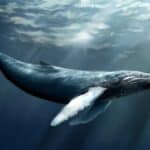
The Pitcairn Islands (Pitcairn, Henderson, Ducie and Oeno) are one of the world's most isolated island groups, and their wildlife character is defined by: (1) globally important seabird colonies on predator-free or near-pristine outer islands/atolls, (2) a small set of landbirds and reptiles adapted to tiny Pacific islands, and (3) rich oceanic biodiversity in the vast surrounding waters of the Pitcairn Islands Marine Reserve. Terrestrial mammal diversity is extremely limited (mostly introduced species on inhabited Pitcairn), while seabirds, marine turtles, and visiting whales/dolphins dominate the "signature" wildlife experience.
Iconic Species
Endemic Species
Notable Populations
- Henderson Island supports one of the world's most important breeding concentrations for Henderson Petrel (Pterodroma atrata), making the territory central to the species' global persistence.
- Henderson Island also holds a major breeding population of Murphy's Petrel (Pterodroma ultima), reinforcing the Pitcairn group's global significance for tropical petrels.
- Ducie and Oeno (low coral atolls) support regionally significant seabird colony assemblages (e.g., sooty terns and other tropical seabirds) typical of predator-free central Pacific atolls.
- The Pitcairn Islands Marine Reserve protects a vast, highly oceanic ecosystem, providing globally important large-scale refuge for pelagic biodiversity and relatively intact tropical marine food webs.
Conservation
Primary Threats
- Introduced mammals are the dominant land-based threat. Rats on Henderson prey on eggs/chicks of ground- and burrow-nesting seabirds and disrupt native invertebrate communities; cats and rats on inhabited Pitcairn can impact seabirds and native fauna around settlements; and introduced herbivores (historically including goats on Pitcairn) can degrade vegetation, increase erosion, and reduce habitat quality for nesting seabirds and endemic plants. Biosecurity is difficult because every supply shipment can be a new introduction pathway.
- Remote location does not prevent pollution-Henderson Island is internationally documented for extremely high loads of marine plastic debris deposited by ocean currents. This results in entanglement/ingestion risks to seabirds and marine life, physical smothering of beach/nearshore habitats, and persistent microplastics in coastal environments. Limited local waste management options also make end-of-life disposal and hazardous waste handling challenging on the inhabited island.
- Warming seas, ocean acidification, and shifting currents threaten coral reef health on the atolls (bleaching risk), alter pelagic productivity that seabirds rely on, and increase the likelihood of extreme weather damaging nesting habitat. Sea-level rise and storm surge can reduce low-lying beach nesting areas on Ducie and Oeno and increase coastal erosion on Pitcairn.
- Local subsistence fishing is small, but the much larger risk is from distant-water fishing pressure and potential IUU activity in the wider region. Even with a large no-take reserve, enforcement relies heavily on satellite monitoring and periodic patrols; any illegal extraction (e.g., tuna, sharks, deepwater species) would have outsized impacts given the islands' relative ecological intactness and slow recovery rates for many oceanic species.
- Direct disturbance is limited by the tiny population, but sensitive seabird colonies can be affected by visitation, small-scale development around the settlement, introduced predators concentrated near human activity, and occasional tourism or yacht landings. On small islands, even low levels of trampling or repeated access to nesting areas can reduce breeding success.
- Freshwater and arable land are naturally limited on Pitcairn. During dry periods, water scarcity can constrain vegetation recovery and encourage localized land pressure near the settlement. Limited local capacity and supplies can also hinder sustained conservation operations (e.g., long-term invasive control or debris removal).
- Port/landing infrastructure needs, energy systems, and communications upgrades can create localized habitat disturbance and increase pathways for invasive species introductions via imported materials. Maintenance and construction are logistically difficult, increasing the risk that projects proceed with constrained environmental oversight unless explicitly resourced.
- Large-scale clearing is minimal, but localized habitat modification around the settlement (gardens, tracks, small works) can fragment native vegetation and create edge habitat favorable to invasive species. On low coral atolls, nesting habitat is naturally limited and highly sensitive to storm-driven loss and erosion.
Wildlife Tourism
Wildlife tourism in the Pitcairn Islands is small-scale but high-impact, centered on seabirds, marine life, and pristine island ecosystems rather than big-game "safaris." Economically, visitor spending (cruise ship landings, yacht visits, guided hikes, locally made crafts/produce) is meaningful because the resident population is tiny and the cash economy is limited; wildlife-rich shore excursions and nature guiding are among the clearest ways visitors contribute directly to the community. Historically, interest has grown through conservation attention on the islands' globally significant seabird colonies and the creation/recognition of large-scale marine protection in surrounding waters, which elevated Pitcairn's profile for divers, birders, and expedition cruise travelers. Accessibility is the biggest constraint: there are no commercial airports. Most visitors arrive via expedition cruise ships or private yachts; access to Pitcairn itself depends on sea conditions and local landing logistics. Once ashore, wildlife viewing is typically on foot along steep trails, from coastal lookouts, and by small boat/snorkel when conditions allow. Plan for a "remote expedition" style trip-limited services, variable weather/sea state, and a strong emphasis on low-impact nature experiences.
Because access and activities depend heavily on sea state and local conditions, aim for the drier, more settled part of the year while timing key wildlife events. Below is a practical month-by-month guide (conditions and wildlife vary year to year):
- May-June: Comfortable temperatures and generally more reliable weather. Good all-round time for seabird viewing from headlands and for clear-water snorkeling when seas cooperate.
- July-September: Often the best window for expedition-style visits (cooler, generally steadier). Prime for pelagic birding from boats and excellent visibility for snorkeling/free-diving; good odds of encountering migrating whales in the wider region during winter months (sightings are possible but not guaranteed close to shore).
- October-November: Warming seas and productive marine life; strong for snorkeling and fish activity on reefs and in sheltered coves. Seabird activity remains high.
- December-March: Hotter, more humid, and cyclone-season risk in the broader South Pacific; sea/landing conditions can be less predictable. Wildlife remains, but trip reliability and comfort may be reduced.
- April: Transitional; can be a sweet spot with improving conditions and strong marine viewing.
What to see when (high-level):
- Seabirds: Best viewed year-round, with peaks during breeding seasons (timing varies by species). Look for busy cliffside colonies, soaring tropicbirds, and noddies/terns offshore.
- Marine life: Best snorkeling/boat visibility typically in the drier season (often June-November), with warm-water reef fish and occasional larger pelagics.
- Whales (regional): Highest chance in austral winter (roughly July-October), especially from boats during ocean crossings/around deeper waters.
Top Wildlife Experiences
- Seabird colony hike to coastal cliffs: Walk with a local guide to prominent headlands and cliff viewpoints to watch nesting and soaring seabirds; bring binoculars and plan for steep, rugged terrain.
- Pelagic birding by small boat (conditions permitting): Cruise just offshore to scan for seabirds feeding over deep water-an expedition-style experience where the journey is part of the wildlife encounter.
- Snorkel a sheltered bay for reef fish and invertebrates: Enter from shore or boat into calmer coves to see colorful reef fish, sea urchins, and coral communities; best on clear, calm days.
- Dawn wildlife lookout session: Start early at a high viewpoint for peak bird activity, dramatic light, and calmer winds-ideal for photography and identifying species in flight.
- Night walk for nocturnal wildlife sounds: Join a guided evening stroll to listen for seabirds and nocturnal calls; use red-light headlamps to minimize disturbance.
- "Ridge-to-reef" natural history trek: Combine inland flora, coastal geology, and seabird viewpoints in one hike, learning how isolation shaped the islands' ecosystems.
- Marine megafauna watch from offshore waters: On transit legs or dedicated outings, keep watch for whales and dolphins; use a dedicated spotter and follow strict approach distances.
- Intertidal rockpool exploration: At low tide, carefully explore tide pools for small fish, crabs, and mollusks-excellent for families and macro photography (watch footing on slippery rock).
- Citizen-science style bird list walk: Do a structured checklist walk with a guide-record sightings, note behaviors, and contribute observations that can support local conservation awareness.
- Underwater photography/freediving session: For experienced swimmers, focus on clear-water reef scenes and fish behavior; always prioritize safety and local advice on currents and surge.
Safari Types Available
- Guided hiking/trekking wildlife tours (cliff and ridge birding)
- Boat-based wildlife viewing (nearshore and pelagic conditions permitting)
- Snorkeling and freediving wildlife excursions
- Shore-based wildlife lookouts and photography sessions
- Intertidal/wildlife discovery walks (tidepooling)
- Night nature walks (low-impact, sound-focused wildlife viewing)
- Expedition cruise-style zodiac landings and shore excursions (operator-led)
- Citizen-science/interpretive natural history tours with local guides
Did You Know?
One of the planet's worst plastic-pollution paradoxes: despite having no permanent residents, Henderson Island was found (in a widely cited 2017 study) to hold ~37.7 million pieces of plastic weighing ~17.6 tonnes-among the highest debris densities recorded for any island.
A handful of people safeguard an ocean the size of a country: the territory's human population is only a few dozen, yet their waters span hundreds of thousands of square kilometers and include one of the largest no-take MPAs on Earth.
An island with its own miniature "lost world" biodiversity: Henderson has multiple endemics beyond birds-commonly cited figures include about 10 endemic plant species and several endemic land snails-remarkable for an island only ~37 km².
A place where seabirds, not humans, are the main "engineers": on atolls like Ducie (uninhabited), seabird colonies dominate the land ecosystem-nutrients arrive largely via guano, which effectively fertilizes the sparse vegetation.
Isolation can protect (some) agriculture from global pests: Pitcairn is known for beekeeping where the destructive Varroa mite has historically been absent, enabling production of distinctive "clean" honey in a way many countries can't replicate.
One of the world's largest fully protected marine reserves: the Pitcairn Islands Marine Reserve (created in 2016) covers ~834,000 km² of ocean-an enormous no-take area for sharks, tuna, turtles, and reef life relative to the territory's tiny land area.
World-record seabird hotspot: Ducie Atoll supports the world's largest known breeding population of Murphy's petrel (Pterodroma ultima), with surveys commonly citing on the order of ~250,000 breeding pairs.
A global geological/ecological rarity: Henderson Island is widely described as the world's largest raised coral atoll (makatea), with a largely intact ecosystem that helped earn it UNESCO World Heritage status (1988).
"Only-here" bird species: the Henderson crake (Zapornia atra) is endemic to Henderson Island-its entire natural global range is a single small island.
"Only-here" songbird: the Pitcairn reed warbler (Acrocephalus vaughani) is endemic to Pitcairn Island, making the inhabited island itself the entire natural range of a bird species.