N S W E
Wildlife Expeditions

Wildlife of
Tuvalu

Tuvalu's wildlife draw is its living ring of coral atolls-clear lagoons and reef slopes where vibrant reef fish, sea turtles, seabirds, and (seasonally) migrating whales turn a tiny nation into a big marine-wildlife experience.
3 Species
26 km² Land Area
Overview

About Tuvalu

Tuvalu's natural heritage is defined by the ocean: a chain of low-lying coral atolls and reef islands where life thrives in lagoons, reef flats, and deep outer slopes. Because there's little land area and few native terrestrial mammals, the country's biodiversity story is overwhelmingly marine and coastal-schools of reef fish, invertebrate-rich coral communities, and seabirds that depend on islets and shorelines for nesting and roosting. For visitors, the sense of intimacy is part of the appeal: wildlife viewing often happens close to shore, in shallow, bright lagoons and along reef edges that are accessible by small boat.

Key ecosystems include coral reefs (the nation's ecological foundation), lagoon habitats that function as nurseries for many fish species, and coastal strand vegetation that stabilizes sandy islets and supports seabird colonies. These systems are significant not just for biodiversity but also for food security and cultural life; healthy reefs underpin local fisheries and protect shorelines from wave energy. Tuvalu sits within the broader Pacific "blue" conservation landscape, and its greatest global conservation relevance is as a frontline nation for climate and ocean-change awareness-reef resilience, sustainable fisheries, and marine protected areas are central to safeguarding wildlife here.

What makes the wildlife experience unique is the scale and setting: expansive reefs surrounding some of the smallest, lowest islands on Earth, where you can snorkel over coral gardens, scan the horizon for pelagic visitors beyond the reef crest, and watch seabirds commuting between ocean feeding grounds and nesting islets. Tuvalu's wildlife is a reminder that some of the planet's most important biodiversity occurs not in vast savannas or forests, but in narrow rings of coral and the open ocean they frame.

Physical Features

Geography

Tuvalu's geography-nine very low-lying coral atolls and reef islands with thin, porous soils and no true rivers-concentrates wildlife into coastal and marine habitats. Terrestrial biodiversity is limited and patchy, mostly on beach strand, scrub, and small wetland areas, while the most important habitats are offshore coral reefs, lagoons, and seagrass/algal flats that support reef fish, turtles, seabirds, and other marine life. The small land area and extreme exposure to storms, erosion, and sea-level rise strongly shape where nesting seabirds, coastal plants, and brackish wetland species can persist.

26 km² Land Area
One of the world's smallest countries (often cited as the 4th smallest by land area); about 26 km²-less than half of Manhattan's land area. Size Rank

Key Landscapes

  • Low-lying coral atolls and reef islands (narrow land rims around lagoons)
  • Coral reefs and reef flats (outer reef slopes, fringing reefs)
  • Lagoons (shallow, sheltered waters critical for fish nurseries and invertebrates)
  • Beaches, dune/strand vegetation, and coastal scrub (key for seabird roosting/nesting where undisturbed)
  • Brackish ponds and small wetlands (scarce but important for waterbirds and coastal biodiversity)
  • Intertidal zones and mangrove patches where present (limited but locally important)
  • Nearshore pelagic waters and channels between islets (movement corridors for fish and marine megafauna)

Ecoregions

  • Tuvalu tropical moist forests (terrestrial; very limited area on low coral islands)
  • Central Polynesian coral reefs (marine ecoregion complex encompassing reef and lagoon systems around Tuvalu)
Parks & Reserves

Protected Areas

Tuvalu's protected-area system is small and strongly marine-focused, reflecting the country's low-lying atolls, reefs, and lagoons. The only widely documented nationally gazetted protected area is the Funafuti Conservation Area (a lagoon-and-reef reserve on the capital atoll). Beyond this, much biodiversity protection occurs through community-based management (customary fishing restrictions, seasonal closures, and locally managed marine areas) and through internationally recognized biodiversity sites (e.g., BirdLife Important Bird Areas/Key Biodiversity Areas) that are important for seabirds but may not have the same legal status as a national reserve.

Notable Parks & Reserves

Funafuti Conservation Area (FCA)

National Conservation Area / Marine Protected Area

Tuvalu's flagship protected area, safeguarding coral reef slopes, lagoon habitats, and small motu (islets) that support nesting seabirds and foraging sea turtles. It is the country's most reliable site for observing intact lagoon-and-reef biodiversity and for long-term conservation monitoring.

Green sea turtle
Hawksbill turtle
Giant clams
Bumphead parrotfish
Humphead wrasse
Reef sharks
Black noddy

Nanumea Atoll Seabird and Reef Area (community-managed; internationally recognized as an Important Bird Area/Key Biodiversity Area)

Important Bird Area / Key Biodiversity Area (non-statutory) + local/community marine management

Nanumea is important for seabird breeding and roosting on small islets and for productive lagoon/reef habitats that sustain pelagic and reef fish. Conservation significance is often linked to community stewardship and the atoll's role as a refuge for colonial nesting birds.

Sooty tern
Brown booby
Red-footed booby
Great frigatebird
Black noddy
Green sea turtle

Nukulaelae Atoll Lagoon and Seabird Area (community-managed; Important Bird Area/Key Biodiversity Area)

Important Bird Area / Key Biodiversity Area (non-statutory) + local/community marine management

Nukulaelae's lagoon and reef flats provide feeding habitat for turtles and reef fish, while secluded shoreline/islet areas support seabird colonies. It is notable for representing the atoll ecosystems that underpin most of Tuvalu's native biodiversity.

White tern
Brown noddy
Sooty tern
Red-tailed tropicbird
Green sea turtle
Giant clams

Niulakita Islet Seabird Rookery and Reef (community-managed; Important Bird Area/Key Biodiversity Area)

Important Bird Area / Key Biodiversity Area (non-statutory) + local/community conservation measures

Niulakita (Tuvalu's southernmost island) is valued for relatively undisturbed seabird nesting areas and surrounding reef habitat. Its small size and isolation can make it an important refuge for breeding seabirds and a high-priority site for invasive-species prevention.

Red-tailed tropicbird
Great frigatebird
Brown booby
Black noddy
White tern
Green sea turtle

Nui Atoll Lagoon and Reef Area (community-managed; Important Bird Area/Key Biodiversity Area)

Important Bird Area / Key Biodiversity Area (non-statutory) + local/community marine management

Nui's lagoon system supports reef fish nurseries and invertebrate-rich flats, while coastal habitats can host seabird roosting and nesting. It is representative of Tuvalu's nature values where fisheries sustainability and biodiversity protection are tightly linked.

Giant clams
Reef sharks
Parrotfish
Parrotfish
Surgeonfish
Surgeonfish
White tern
Green sea turtle

Vaitupu Coastal-Lagoon Biodiversity Area (community-managed; Important Bird Area/Key Biodiversity Area)

Important Bird Area / Key Biodiversity Area (non-statutory) + local/community marine management

Vaitupu's coastal habitats and nearshore reefs contribute to national seabird and marine biodiversity, with particular importance for foraging seabirds and lagoon-associated reef life. Local management practices are key to maintaining these values.

Brown noddy
Black noddy
White tern
Sooty tern
Giant clams
Hawksbill turtle
Animals

Wildlife

Tuvalu's wildlife diversity is defined far more by its lagoons, reefs, and open ocean than by land ecosystems. As a very low-lying coral-atoll nation with little freshwater and limited native vegetation, it has few native terrestrial vertebrates; instead, its standout nature experiences are snorkeling/diving with reef fishes and invertebrates, encountering sea turtles on reefs and nesting beaches, and observing seabird colonies on islets. The Funafuti Conservation Area is the best-known place to see Tuvalu's reef-and-seabird biodiversity concentrated in one protected site.

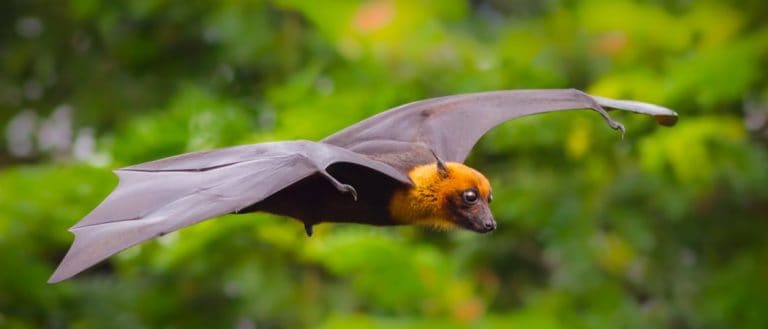
Very low on land (≈1 native bat species historically/locally recorded; other mammals mostly introduced). Marine mammals occur offshore but are irregularly documented around the atolls. Mammals
≈40-70 species recorded (small resident landbird set; many seabirds and migratory shorebirds/waders). Breeding seabirds are a major feature on islets. Birds
≈8-15 species (mostly geckos/skinks plus marine turtles). Reptiles
0 native amphibians (atoll conditions generally unsuitable; any records are typically introductions and not widespread). Amphibians

Iconic Species

Green Sea Turtle A flagship species for Tuvalu's reef-and-lagoon wildlife. Individuals are commonly encountered while snorkeling over seagrass/reef-edge areas, and nesting can occur on sandy islets; protected waters such as the Funafuti Conservation Area are among the best places to look.
Hawksbill Sea Turtle Notable for its close association with coral reef habitat and its conservation importance across the Pacific. In Tuvalu it is an iconic reef encounter for divers/snorkelers, especially around healthy coral heads and reef slopes.
Great Frigatebird One of the most conspicuous seabirds over atolls-often seen soaring over lagoons and passing over islets. Tuvalu's uninhabited motu/islets provide important roosting and nesting habitat in the central Pacific context.
Red-footed Booby A classic tropical seabird associated with remote islets; visitors most often notice them around seabird rookeries and while traveling between islets. Their presence is part of the characteristic 'seabird-atoll' experience in Tuvalu.
Brown Booby Frequently recorded around reef passes and outer-reef waters where it plunge-dives for fish. It is a reliable species to watch from boats and shorelines near productive reef edges.
Red-tailed Tropicbird An iconic oceanic bird of tropical atolls; its long tail streamers make it a sought-after sighting. It is typically seen ranging over outer reefs and near nesting islets.
Sooty Tern Forms loud, dense colonies on suitable islets and is emblematic of Tuvalu's seabird heritage. Large tern gatherings (in season and where undisturbed) are one of the most striking wildlife spectacles on low coral islands.
Blacktip Reef Shark
Blacktip Reef Shark A signature lagoon-and-reef predator often encountered in shallow reef flats and along drop-offs. In Tuvalu, sightings are most likely in clearer, less-disturbed reef areas, including within/near protected waters.
Napoleon Wrasse (Humphead Wrasse) A charismatic, large reef fish prized by divers; it's notable wherever reef habitat remains complex and well-managed. Encounters highlight the conservation value of Tuvalu's coral ecosystems.
Giant Clams (Tridacna clams) Highly visible reef invertebrates in shallow coral gardens and lagoon patch reefs. In Tuvalu they're an iconic 'reef health' species-easy to appreciate while snorkeling in clear lagoon waters.

Notable Populations

  • Seabird breeding colonies on small islets/motu are a defining component of Tuvalu's biodiversity (frigatebirds, boobies, terns, noddies, and tropicbirds), making certain islets regionally important seabird habitat despite the country's tiny land area.
  • Tuvalu provides nesting and foraging habitat for marine turtles (notably Green and Hawksbill), with key sites associated with quieter islets and protected/less-disturbed reef and lagoon areas such as the Funafuti Conservation Area.
  • High reef-to-land ratio means Tuvalu's most significant biodiversity is marine: coral reef fish assemblages and lagoon ecosystems are central to the country's natural heritage and the primary focus of wildlife viewing.
Protection

Conservation

Primary Threats

  • Existential threat for Tuvalu's atolls: sea-level rise drives chronic coastal erosion and inundation; storm surge and king tides damage shorelines and infrastructure; saltwater intrusion degrades the freshwater lens and coastal vegetation; marine heatwaves cause coral bleaching; ocean acidification weakens coral growth and reef resilience, reducing fish habitat and coastal protection.
  • Very limited land area means small shifts in shoreline translate into major losses. Erosion, coastal squeeze from seawalls, and land reclamation/infilling can reduce beaches, dunes, coastal strand vegetation, and turtle nesting sites; reef degradation also represents functional habitat loss for reef-associated fish and invertebrates.
  • Pressure concentrates on nearshore reef and lagoon fisheries (reef fish, invertebrates, and potentially vulnerable species) because local diets and income depend on them. Limited alternatives and small lagoon systems increase the risk of localized depletion, especially around populated islets such as Funafuti.
  • Waste management challenges on small, densely used islands lead to litter and plastics entering lagoons and reefs; localized sewage and nutrient runoff can contribute to lagoon eutrophication and reef stress. Contaminants and debris can harm seabirds and marine life through ingestion and entanglement.
  • Atoll ecosystems are susceptible to invasive plants and animals introduced via shipping and inter-island transport. Rats, cats, and invasive plants can reduce seabird breeding success, affect native vegetation, and alter small island food webs; marine invasives are also a risk through hull fouling.
  • Coastal protection works, causeways, ports, and land reclamation can alter currents and sediment movement, fragment coastal habitats, and degrade water quality in lagoons. Hard shoreline armoring can accelerate beach loss and reduce natural coastal buffers.
  • Extraction of beach sand and coral rock for construction (where it occurs) can accelerate erosion and weaken natural coastal defenses. Limited freshwater availability is also stressed by drought and salt intrusion, creating pressure on groundwater lenses.
  • High human use on small islets can disturb seabird rookeries and turtle nesting areas; boat traffic and anchoring can damage corals and seagrass (where present). Recreational and subsistence activities concentrate in accessible lagoon and reef zones near settlements.
  • Shoreline modification (seawalls, dredging, channel changes) and lagoon infilling can change hydrodynamics and sedimentation, affecting coral, seagrass/algal communities, and fish nursery areas. Modifying natural coastal vegetation for development reduces storm buffering.
Visit

Wildlife Tourism

Wildlife tourism in Tuvalu is small-scale, community-oriented, and overwhelmingly marine-focused. Rather than classic "safaris," visitors come for coral-reef snorkeling/diving, lagoon wildlife, seabird colonies, and the chance to experience intact atoll ecosystems. Economically, nature-based travel contributes modestly compared with the public sector and remittances, but it can be meaningful for local operators (boatmen, guides, homestays) and supports conservation awareness-especially around marine habitats and the Funafuti Conservation Area. Historically, Tuvalu's appeal has centered on culture and remote-island adventure; organized wildlife tourism has grown gradually alongside improved small-boat services, visiting yachts, and limited dive/snorkel guiding. Accessibility is the main constraint: international access is typically via Funafuti (the capital atoll) with limited flight frequency; inter-island travel is by boat and can be weather-dependent. Facilities are simple, so the best trips are planned around tides, sea conditions, and local guide availability rather than high-end infrastructure.

Top Wildlife Experiences

  • Snorkel the Funafuti Conservation Area with a local boatman/guide, focusing on coral gardens, reef-fish schools, and lagoon-edge drop-offs (plan around tide and current for the clearest water).
  • Take a dedicated "outer reef drift snorkel" day (conditions permitting): enter on the reef edge with a guide/spotter boat and drift along coral walls to look for larger pelagics and dense fish life.
  • Join a seabird and islet-hopping excursion: visit uninhabited islets to observe terns, noddies, frigatebirds, and other seabirds from a respectful distance, combined with reef-flat exploration at low tide.
  • Do a night snorkeling session in the lagoon (with a safety boat/shore spotter): look for sleeping parrotfish, nocturnal crustaceans, and hunting reef predators; best on calm, clear nights.
  • Explore reef flats on a guided low-tide walk: learn to identify coral types, sea cucumbers, urchins, small reef fish in pools, and traditional ecological knowledge about edible/non-edible species.
  • Arrange a "lagoon wildlife photography" boat trip at golden hour: shoot seabirds, shoreline life, and clear-water reef textures; combine with a short snorkel at a patch reef.
  • Free-dive or snorkel a patch-reef circuit inside the lagoon: hop between multiple bommies (coral heads) to compare species assemblages-an excellent way to maximize sightings even on windier days.
  • Go responsible fishing with local fishers (line fishing rather than destructive methods) and pair it with reef interpretation-learn about species, seasonality, and customary practices; keep/consume only what's needed.
  • If you're arriving by yacht or joining a sailing charter: do a reef-and-lagoon sail with wildlife stops, using the boat as a mobile base for snorkels and birdwatching on remote islets.

Safari Types Available

  • Boat-based snorkeling safaris (lagoon and reef-edge trips)
  • Marine "blue-water"/outer-reef excursions (weather-dependent)
  • Drift snorkeling (current-assisted, guided with support boat)
  • Guided reef-flat walks at low tide (intertidal wildlife and ecology)
  • Seabird-watching and islet-hopping tours (islet visits)
  • Night snorkeling (calm conditions, safety-focused)
  • Wildlife photography outings (boat/shore-based, timed for light and tides)
  • Responsible artisanal fishing experiences with wildlife interpretation
  • Sailing/yacht-based wildlife itineraries (for visiting yachts or small charters when available)
Fun Facts

Did You Know?

Tuvalu has no rivers or streams (atolls are porous limestone), and that lack of permanent freshwater helps explain a striking wildlife fact: there are no native amphibians (no native frogs/toads) and essentially no true freshwater fish fauna-most animal life is marine or coastal.

Some of Tuvalu's most important "forests" are literally built by seabirds: guano from nesting colonies fertilizes otherwise nutrient-poor coral sand, helping support hardy coastal trees (often including Pisonia grandis on Pacific atolls) that then become prime nesting habitat-bird poop helps create bird forests.

These tiny atolls can host globe-trotting visitors: Arctic-breeding migratory shorebirds (such as Pacific golden plovers) regularly use Tuvalu as non-breeding habitat and refuelling ground, linking the country's beaches and reef flats to migrations spanning thousands of kilometres.

Conservation in Tuvalu isn't only done with fences and signage-traditional community management (including temporary customary bans or no-take closures on reef areas in some places) can function like rotating marine protected areas, allowing heavily targeted reef species to recover before fishing resumes.

Tuvalu is an ocean-wildlife superpower on paper: it has only about 26 km² of land but an Exclusive Economic Zone of roughly 900,000 km²-one of the highest ocean-to-land ratios of any country, meaning most of Tuvalu's "territory" is reef and open-ocean habitat.

Tuvalu is one of the world's lowest-lying countries (highest natural point is only around 4-5 m above sea level), so it has essentially no altitude-driven habitats-its native biodiversity is dominated by reefs, lagoons, and seabird islets rather than forests or mountains.

The Funafuti Conservation Area is Tuvalu's flagship protected wildlife site and the country's largest protected area: about 33 km² covering reef, lagoon and six small islets, set aside mainly to safeguard reef life plus nesting/roosting seabirds and marine turtles.

Tuvalu is among the smallest UN member states by land area, giving it one of the tiniest terrestrial biodiversity "footprints" of any nation-yet its nationally important wildlife (turtles, reef fish, seabirds) is concentrated into narrow coastal strips, reef flats, and lagoon edges.

Thank you for reading! Have some feedback for us?