N S W E
Wildlife Expeditions

Wildlife of
French Polynesia

French Polynesia is a South Pacific wildlife destination defined by crystal lagoons and outer-reef drop-offs where sharks, rays, turtles, dolphins, and seasonal whales thrive amid some of the planet's most iconic coral-reef scenery.
22 Species
3,521 km² Land Area
Overview

About French Polynesia

Spread across more than 100 islands and atolls, French Polynesia's wildlife character is overwhelmingly marine: warm, clear waters support vibrant coral reefs and lagoon nurseries, while the open ocean delivers big-animal encounters. Its natural heritage includes dazzling reef fish diversity, charismatic megafauna (reef sharks, eagle rays, turtles), and seabird colonies on remote islets. On land, wildlife is more limited due to small island size and long human history, but there are important endemic plants and birds-especially in higher, wetter volcanic islands like Tahiti and Moorea-where conservation and invasive-species control can be crucial for native biodiversity.

The region's key ecosystems are its barrier reefs and lagoons (calm, nutrient-rich habitats that shelter juvenile fish and invertebrates), outer-reef slopes (high-energy coral communities and predator-rich zones), and the pelagic realm that surrounds the archipelagos-one of the world's great "blue corridors." The Tuamotu Archipelago's atolls are particularly significant for shark and ray encounters, while the Society Islands' reef-lagoon systems provide accessible snorkeling and diving with high species visibility. Seasonal migrations add another layer: humpback whales arrive to breed and calve in Polynesian waters, making boat-based whale watching and (where regulated) in-water encounters a defining experience.

In global conservation terms, French Polynesia contributes to safeguarding vast ocean habitats in the central South Pacific, supporting international efforts to protect migratory whales, sharks, turtles, and seabirds that move across national boundaries. Community-led marine management, protected areas, and responsible wildlife tourism help reinforce the value of living reefs and healthy predator populations. What makes the wildlife experience unique here is the combination of postcard lagoons with genuine big-animal presence-often in shallow, sunlit water-paired with a strong cultural connection to the ocean that shapes how many visitors experience and interpret marine life.

Physical Features

Geography

French Polynesia's wildlife is shaped by extreme geographic fragmentation: more than 100 widely scattered islands and atolls create many isolated habitats, driving high endemism on the high volcanic islands (e.g., Tahiti, Moorea, the Marquesas) while the low coral atolls (e.g., Tuamotu) support specialized coastal strand, seabird, and lagoon-dependent communities. Steep elevation gradients on volcanic islands produce sharp habitat zonation from coastal lowlands to cloud-forest ridges, whereas atolls concentrate terrestrial life in narrow, drought-prone land rims but support exceptionally productive lagoons and reef systems. The vast surrounding ocean and reef passes/currents strongly structure marine distributions (reef fish, sharks, turtles, cetaceans) and connectivity among island groups.

3,521 km² Land Area
About the size of Rhode Island (USA); if ranked as a country by land area, roughly around ~170th. Size Rank

Key Landscapes

  • High volcanic islands with steep mountains and knife-edge ridgelines (strong elevation-driven habitat zonation)
  • Deep valleys, short fast-flowing streams, and waterfalls on high islands (freshwater and riparian microhabitats, limited but important)
  • Cloud-forest and montane shrublands on upper slopes and summits (key for endemic plants, birds, and invertebrates)
  • Narrow coastal plains and lowland forests/agroforests (most human-altered; critical remaining habitat fragments)
  • Coral atolls with thin, porous limestone soils and coastal strand vegetation (terrestrial habitat constrained to narrow land rims)
  • Barrier reefs, fringing reefs, and reef flats (core habitat for reef fishes and invertebrates)
  • Large lagoon systems within atolls and barrier reefs (nursery areas; high productivity)
  • Reef passes and channels linking lagoons to open ocean (hotspots for pelagic predators and migratory species)
  • Seamounts and open pelagic waters across the EEZ (important for tuna, sharks, seabirds, and cetaceans)

Ecoregions

  • Society Islands tropical moist forests (WWF terrestrial ecoregion)
  • Marquesas tropical moist forests (WWF terrestrial ecoregion)
  • Tuamotu tropical moist forests / atoll vegetation complexes (WWF terrestrial ecoregion commonly mapped for the Tuamotus)
  • Tubuai Islands tropical moist forests (WWF terrestrial ecoregion; covers the Tubuai/Austral Islands group)
  • Central Polynesia marine region (MEOW/WWF marine biogeographic framework; includes reef-lagoon systems of the Society, Tuamotu, and Marquesas groups)
Parks & Reserves

Protected Areas

French Polynesia's protected-area system is led by the Government of French Polynesia (a French overseas collectivity) and is a mix of: (1) territorial nature reserves on key seabird islets and atolls and some terrestrial habitats, (2) territorial natural parks and protected valleys on high islands (notably Tahiti), (3) marine and lagoon protections created by local regulations (including managed areas around reef passes and lagoons), and (4) community-led customary temporary closures that function as locally managed marine areas. In addition, French Polynesia has pursued very large-scale ocean management and zoning initiatives across its vast EEZ to safeguard pelagic species, reefs, and seamount ecosystems, with varying levels of restriction depending on zone.

Protected Coverage

Approximate terrestrial coverage: ~3-6% of land area under formal protected status (territorial reserves, parks, and classified/protected sites). Marine coverage is much larger in area due to lagoon MPAs and EEZ-scale ocean zoning/management, but only a smaller share is typically "highly protected/no-take" in practice.

Notable Parks & Reserves

Fakarava UNESCO Biosphere Reserve (Tuamotu Archipelago)

UNESCO Biosphere Reserve (Man and the Biosphere Programme)

A globally renowned atoll-lagoon ecosystem with exceptionally clear water, healthy coral habitats, and dramatic reef passes that concentrate predators; it is one of the best shark-viewing locations in the Pacific and a major conservation focus for reef resilience.

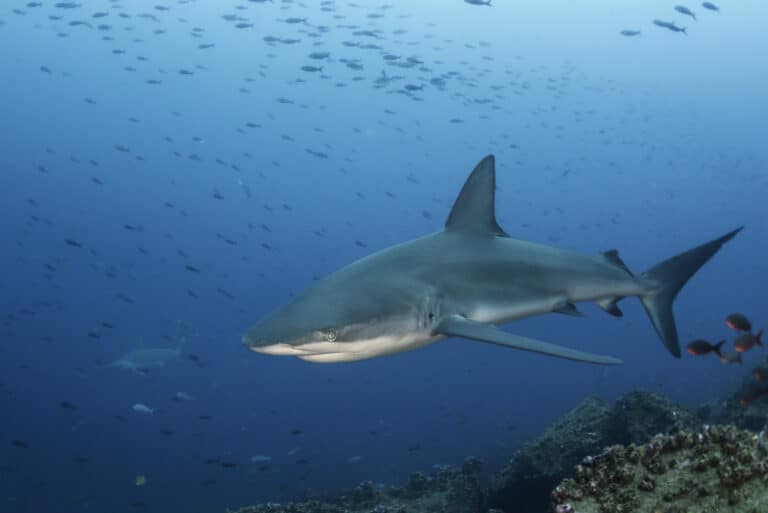
Grey reef shark
Grey reef shark
Blacktip reef shark
Blacktip reef shark
Great hammerhead shark (seasonal/occasional)
Manta ray
Manta ray
Green sea turtle
Hawksbill sea turtle
Napoleon wrasse

Taiaro Atoll Nature Reserve (Tuamotu Archipelago)

Territorial Nature Reserve (strict protection)

A remote, largely closed atoll with minimal human disturbance, important for seabird breeding and for maintaining near-pristine lagoon and reef conditions that act as a reference site for Tuamotu reef conservation.

Red-footed booby
Brown booby
Great frigatebird
Sooty tern
Red-tailed tropicbird
Green sea turtle

Hatutaa (Hatutu) Island Nature Reserve (Marquesas Islands)

Territorial Nature Reserve

An uninhabited Marquesan island valued for large seabird colonies and intact coastal habitats; its isolation makes it important for safeguarding nesting sites and reducing pressures from development.

Red-footed booby
Great frigatebird
White tern
Brown noddy
Sooty tern

Motu One (Sanden) and associated islets/lagoon habitats (Society Islands)

Protected islets / local protected-area measures (site-level protection varies)

Remote sandy islets and surrounding reefs/lagoon habitats that serve as important seabird nesting and resting sites and contribute to the conservation of nearshore marine biodiversity in the Societies.

White tern
Brown noddy
Red-tailed tropicbird
Green sea turtle
Reef heron

Tahiti - Papenoo Valley & adjacent mountain protected landscapes (Tahiti Nui, Society Islands)

Territorial Natural Park / Protected valley landscapes (site designations vary by valley)

Steep volcanic valleys and montane rainforest provide the core habitat for some of French Polynesia's most threatened endemic forest birds; these uplands are central to invasive-species control and watershed protection.

Tahiti monarch
Tahiti reed-warbler
Tahiti swiftlet
Pacific fruit bat
Tahiti tree snail (native Partula spp., where reintroduced/managed)

Moorea community customary-closure network and lagoon managed areas (Society Islands)

Community customary closures / Locally Managed Marine Areas (customary plus municipal management)

A well-known example of community-based marine management where customary temporary closures and locally managed areas help protect lagoon nurseries, reef fish populations, and coral habitats while supporting sustainable lagoon use.

Humpback whale (seasonal, offshore)
Spinner dolphin
Blacktip reef shark
Blacktip reef shark
Manta ray
Manta ray
Giant trevally
Giant trevally
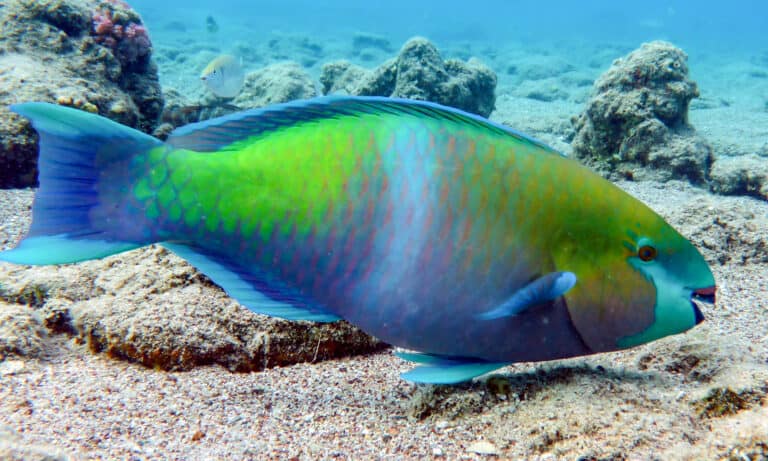
Parrotfish (reef herbivores)

UNESCO World Heritage Sites

  • Taputapuatea (Raiatea) - UNESCO World Heritage Site
Animals

Wildlife

French Polynesia's wildlife diversity is defined far more by the ocean than by land. Spread across a vast area of the South Pacific, its high volcanic islands (e.g., Tahiti, Moorea) and low coral atolls (especially the Tuamotus) create an exceptional mosaic of reef, lagoon, pelagic, and seabird habitats. Terrestrial mammal diversity is naturally low (mostly bats, with other mammals largely introduced), while birds-especially seabirds and a set of highly range-restricted island endemics-are a major highlight. The signature visitor experience is marine: wintering/breeding humpback whales, lagoon dolphins, manta rays, reef sharks, and sea turtles in clear-water reefs and passes.
~25-35 (most are cetaceans; only a few native land mammals, mainly bats) Mammals
~200-300 recorded (with ~80-120 regular breeders; includes many seabirds and several island endemics) Birds
~15-25 (mostly geckos and skinks; plus sea turtles) Reptiles
0 native; ~1-2 introduced frogs in some islands Amphibians

Iconic Species

Humpback Whale
Humpback Whale A flagship species of the Society Islands (Tahiti/Moorea). Adults migrate here during the austral winter (roughly July-October) to breed and calve, making French Polynesia one of the South Pacific's premier whale-watching/whale-swim destinations (under regulated conditions).
Spinner Dolphin Frequently seen in calm lagoons and along reef edges, especially around the Society Islands and some Tuamotu atolls. Their predictable daytime resting areas and acrobatic spinning displays define many lagoon wildlife excursions.
Reef Manta Ray A major draw in Bora Bora and other clear lagoons where mantas visit cleaning stations. Encounters are often shallow and visible in calm lagoon water, making the species especially iconic for divers and snorkelers.
Blacktip Reef Shark
Blacktip Reef Shark One of the most commonly encountered sharks in shallow lagoons and sand flats (famously in Bora Bora/Moorea lagoons). Often seen cruising very close to shore and in shallow water, shaping the classic "lagoon predator" experience.
Lemon Shark
Lemon Shark Notable in some island reef passes and deeper lagoon areas where individuals can be reliably encountered by divers. Larger-bodied than blacktips, they are a headline species for shark-focused trips.
Green Sea Turtle Commonly observed grazing on seagrass/algae in lagoons and along reefs. Several remote atolls provide important nesting habitat, making turtles a frequent and culturally significant sight across the territory.
Hawksbill Turtle Less common than green turtles but highly sought-after for its striking shell pattern and coral-reef association. Encounters typically occur on healthy reef slopes and lagoon bommies.
Great Frigatebird A signature tropical seabird often seen soaring over lagoons and offshore waters. Remote islets and atolls support breeding seabird communities where frigatebirds are among the most conspicuous aerial predators/scavengers.
Humphead (Napoleon) Wrasse A charismatic, reef-associated giant fish that divers look for on outer reef slopes and passes. Where reefs are well-protected, individuals can become relatively approachable and are a marker of healthier reef fish assemblages.

Endemic Species

Tahiti Monarch Critically endangered and restricted to a small area of Tahiti's remaining native forest (notably a few valleys). It is one of French Polynesia's most famous conservation priorities and an emblem of how isolated islands produce-and can rapidly lose-unique birds. Endemic
Tahiti Reed Warbler Endemic to the Society Islands (including Tahiti) and tied to remaining lowland/valley vegetation. Its limited range makes it a notable target for endemic-focused birding. Endemic
Society Islands Lorikeet A bright, nectar-feeding parrot endemic to the Society Islands. Best sought on islands where it persists in suitable forest and coastal flowering trees; also a conservation icon due to vulnerability to habitat loss and invasive predators. Endemic
Ultramarine Lorikeet A Marquesas endemic famous for its deep blue coloration. Stronghold populations occur on a small subset of islands (notably Ua Huka), making it a key "must-see" Marquesan bird. Endemic
Marquesas Kingfisher Endemic to the Marquesas and dependent on remaining forest/woodland habitats. Its restricted island distribution makes it one of the hallmark endemic birds for visitors interested in the archipelago's unique fauna. Endemic
Tuamotu Sandpiper A highly range-restricted shorebird of the Tuamotu atolls, favoring relatively undisturbed islets. It is one of the best-known atoll endemics and a priority species for conservation and specialized birding. Endemic
Atoll Fruit-Dove A Tuamotu endemic fruit-dove tied to native atoll vegetation. Often localized and sensitive to habitat change and invasive species, it represents the distinctive landbird fauna of coral atolls. Endemic
Rapa Fruit-Dove Endemic to Rapa Iti (Austral Islands). Its single-island distribution makes it a classic example of extreme island endemism in French Polynesia. Endemic

Notable Populations

  • A major seasonal breeding/calving area for humpback whales in the central South Pacific (peak sightings typically July-October around Tahiti/Moorea and nearby waters).
  • Remote Tuamotu atolls and islets support regionally important seabird breeding colonies (including terns, noddies, and frigatebirds), benefiting from isolation and limited disturbance on some islets.
  • Key nesting and foraging habitats for sea turtles (green and hawksbill) occur on multiple atolls and remote islands, making French Polynesia an important turtle stronghold in the South Pacific.
  • The remaining wild population of the Tahiti monarch is confined to a very small area of Tahiti, making French Polynesia globally important for the survival of this species.
  • Stronghold islands for ultramarine lorikeet in the Marquesas (notably Ua Huka) are globally important because the species occurs nowhere else.
Protection

Conservation

Primary Threats

  • Ocean warming drives coral bleaching and shifts reef community structure in lagoons (notably around high-use islands like Tahiti, Moorea, Bora Bora). Sea-level rise and increased storm intensity threaten low-lying atolls (Tuamotus) through erosion, overwash, and saltwater intrusion, affecting coastal habitats and freshwater lenses. Ocean acidification reduces coral calcification, undermining long-term reef growth that protects shorelines and supports fisheries.
  • Fishing pressure is concentrated near population centers and within accessible lagoons and nearshore reefs; localized depletion can occur for reef fish and invertebrates that support subsistence and tourism demand. In the wider EEZ, pelagic fisheries (e.g., tuna) require careful management to avoid overexploitation and bycatch impacts; monitoring and enforcement across vast distances remains costly and logistically difficult.
  • Land-based runoff and wastewater from coastal settlements and tourism infrastructure can elevate nutrients and sediments in lagoons, contributing to algal blooms, reduced water clarity, and stress on corals and seagrass/algal habitats. Solid waste and plastics accumulate on beaches and reefs, including debris transported by ocean currents to remote atolls, harming seabirds and marine life and complicating waste management on small islands.
  • Coastal development (resorts, marinas, shoreline hardening) and land conversion around urbanized coasts-especially Tahiti-reduces and fragments coastal vegetation, wetlands, and nearshore nursery areas. Dredging and lagoon modifications for navigation or construction can directly damage reef flats and alter sediment dynamics in enclosed lagoons.
  • Introduced rats, cats, dogs, and invasive ants threaten native seabird colonies and endemic land birds by predation and nest disturbance. Invasive plants can outcompete native flora in moist and montane forests on high islands, altering habitat for endemic species. Invasive marine organisms can also spread via shipping and inter-island transport, posing risks to lagoon ecosystems.
  • High tourism intensity in iconic lagoons (e.g., Bora Bora, Moorea) increases reef trampling, anchor damage, wildlife harassment (e.g., rays/sharks during feeding interactions), and disturbance of nesting seabirds on islets. Growing vessel traffic in lagoons increases noise and collision risk for marine fauna and can degrade sensitive habitats without well-managed mooring and access rules.
  • Port expansion, coastal roads, and airport infrastructure (particularly on narrow coastal plains and low atolls) can remove coastal habitats, alter water flow, and increase sedimentation. Inter-island connectivity and shipping improve livelihoods but also increase pathways for invasive species and accidental pollution events.
  • On small islands and atolls, limited freshwater resources can be depleted or salinized by drought and over-extraction, indirectly stressing terrestrial ecosystems and driving further coastal alteration. Extraction of coastal materials (sand/coral rubble) for construction, where it occurs, can exacerbate erosion and habitat degradation.
  • While large-scale illegal wildlife trade is not the defining issue, demand for marine curios and ornamental species, and occasional pressure on protected or charismatic species, can occur in tourist markets. Stronger controls and education are important to prevent localized exploitation and ensure compliance with protections for marine mammals, turtles, and certain reef species.
  • Alteration of lagoon circulation (through dredged passes, causeways, or shoreline engineering) can change salinity/temperature regimes and sediment transport, affecting coral health and fisheries productivity. Watershed modifications on high islands can increase peak runoff and sediment delivery to reefs during heavy rains.
Visit

Wildlife Tourism

Best Time to Visit

Year-round marine wildlife, with strong seasonal highlights:
- January-March: Warm water, great lagoon snorkeling and manta ray/scuba conditions in many atolls; peak summer can bring heavier rain and occasional cyclones (most risk Jan-Mar). Look for reef sharks, turtles, eagle rays; excellent coral and reef fish viewing in lagoons.
- April-June: Transition to drier season; often improving visibility and calmer conditions. Prime time for diving/drift passes in Tuamotu (e.g., Rangiroa/Fakarava) and for pelagic encounters (sharks, large schools of fish).
- July-October: Peak humpback whale season (best generally August-September) around Tahiti and Moorea; also excellent for dolphin encounters and clear-water diving in many areas. Cooler, drier weather; higher demand-book early.
- November-December: Shoulder season; good water temperatures and fewer crowds. Continued strong diving/snorkeling; occasional early/late whale sightings can occur but are less reliable than Aug-Sep.

Top Wildlife Experiences

  • Swim-with-whales (humpback) in Moorea or Tahiti with a licensed operator during peak season (Aug-Sep), following local approach-distance rules and guide briefings.
  • Drift dive a Tuamotu pass (e.g., Tiputa Pass in Rangiroa or Garuae Pass) for 'blue-water' action-reef sharks, dolphins (often in Rangiroa), and dense fish schools.
  • Snorkel the manta ray cleaning stations (seasonal/conditions-dependent) in Bora Bora's lagoon with a naturalist guide who can time the visit for best probability and low disturbance.
  • Dive Fakarava's South Pass (Tetamanu area) for high-density reef shark encounters and dramatic current-fed reef scenes; pair with a relaxed lagoon snorkel day for contrast.
  • Join an early-morning lagoon paddle (kayak/SUP) in Bora Bora or Moorea to spot rays, reef fish, and seabirds in glassy conditions before boat traffic increases.
  • Take a responsible dolphin-watching/snorkeling excursion (where permitted and managed) in the Society Islands, prioritizing operators that avoid chasing and limit time with pods.
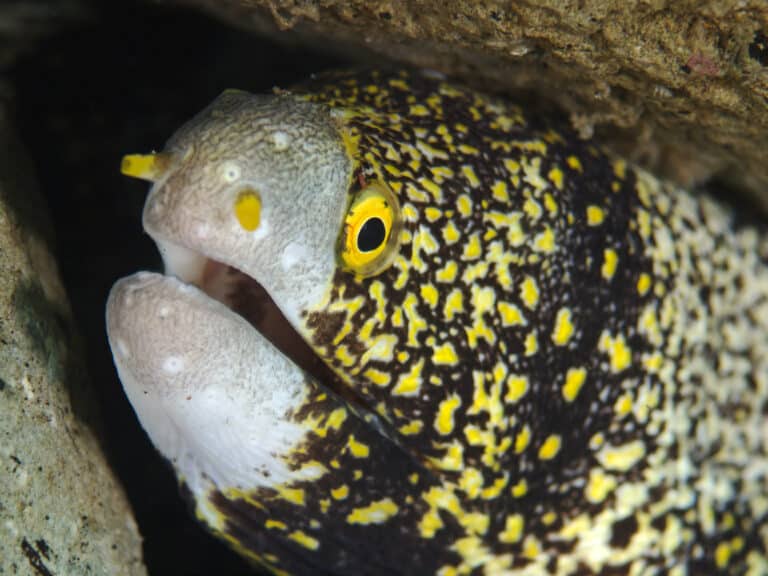
  • Night snorkel or night dive in a lagoon (Tahiti, Moorea, Rangiroa) to see hunting moray eels, crustaceans, sleeping parrotfish, and bioluminescence on dark nights.
  • Visit a pearl farm in the Tuamotu or Gambier islands to learn how lagoon health underpins black pearl cultivation-often combined with lagoon wildlife spotting and snorkeling.
  • Hike with a local guide in the Marquesas for endemic birds and dramatic coastal ecosystems, combining wildlife with archaeology and ridge-to-bay viewpoints.
  • Book a multi-day liveaboard or expedition cruise across atolls for remote reef exploration, seabird colonies (where accessible), and far-from-crowds snorkeling/diving.
  • Snorkel a coral garden (e.g., Moorea or Bora Bora) with a reef-safe briefing, focusing on slow, shallow exploration for turtles, giant clams, and reef fish nurseries.

Safari Types Available

  • Boat-based wildlife safaris (lagoon cruises, reef-edge trips, whale watching)
  • Snorkel safaris (guided lagoon snorkels, coral garden tours, drift snorkels in passes when conditions allow)
  • Scuba diving safaris (day-boat diving, pass/drift dives, shark-focused dives)
  • Liveaboard/expedition cruises (multi-island reef and atoll exploration)
  • Kayak/SUP wildlife tours (quiet-water lagoon exploration for rays, turtles, seabirds)
  • Shore-based wildlife viewing (turtle spotting, reef flats at low tide, coastal birding in select areas)
  • Hiking/trekking for terrestrial/endemic wildlife (notably in the Marquesas; limited but rewarding bird-focused outings)
  • Night wildlife experiences (night snorkel/dive; occasional guided stargazing paired with nocturnal shoreline nature walks)
Fun Facts

Did You Know?

French Polynesia's land is tiny compared with its sea: it governs an EEZ of roughly 5,000,000 km², so its "wildlife country" is overwhelmingly ocean-most native biodiversity you can encounter is marine, not terrestrial.

Tahitian "black pearls" aren't dyed black: they're produced by the black-lipped pearl oyster (Pinctada margaritifera), and their natural colors can range from charcoal to green, peacock, and aubergine depending on the oyster and lagoon conditions.

A famous conservation story here is about snails, not sharks: many endemic Partula tree snails from Tahiti/Moorea crashed after an introduced predatory snail was released; surviving lineages were kept alive in captive-breeding programs and are being reintroduced to restore lost island biodiversity.

Some iconic "islands" are mostly water-atolls like Rangiroa are essentially a thin ring of land around a vast lagoon, meaning much of the habitat (and most of the animals) are in the lagoon and reef passes rather than on dry ground.

Humpback whales migrate to French Polynesia to breed and calve in warm waters; in places like Moorea and Rurutu, whales can be encountered close to shore because the island shelves drop quickly into deep ocean, bringing large marine wildlife unusually near land.

Rangiroa (Tuamotu Archipelago) is among the largest atolls on Earth-its lagoon is about 1,400+ km², dwarfing the atoll's land area and supporting an enormous reef-and-lagoon food web.

Fakarava's South Pass (Tumakohua) hosts one of the world's largest known gatherings of grey reef sharks-dives and scientific surveys commonly report several hundred individuals, with peak counts reaching roughly 700.

French Polynesia's waters became one of the world's largest shark sanctuaries when shark fishing was banned across its ~5 million km² Exclusive Economic Zone (EEZ), protecting multiple shark and ray species over an ocean area comparable to Western Europe.

The Tahiti monarch (Pomarea nigra), found only on Tahiti, is one of the world's rarest birds-down to fewer than ~50 mature individuals in recent assessments, making it a flagship species for island-bird conservation.

French Polynesia's nationwide marine protected area initiative (covering the full EEZ, about 5 million km², with a large strictly protected core announced at about 1.1 million km²) ranks among the largest ocean-scale protection efforts on the planet-critical for wide-ranging wildlife like tuna, sharks, and marine mammals.

Thank you for reading! Have some feedback for us?