N S W E
Wildlife Expeditions

Wildlife of
Tokelau

Tokelau's wildlife draw is its pristine atoll lagoons and reef flats-an intimate South Pacific seascape where visitors come for vibrant coral-reef life, turtles, and dense seabird colonies far from mass tourism.
1 Species
12 km² Land Area
Overview

About Tokelau

Tokelau (Atafu, Nukunonu, and Fakaofo) is a tiny, remote chain of low-lying coral atolls where nature is defined by ocean, wind, and reef. With very limited land area and no mountains or rivers, terrestrial biodiversity is sparse compared with larger Pacific islands; instead, Tokelau's natural heritage shines offshore, in the lagoon and outer reef, and overhead in the form of seabirds that use the atolls as vital resting and nesting sites. For wildlife enthusiasts, the appeal is the sense of scale and proximity-reef, lagoon, beach, and birdlife are always close, and the human footprint is small.

The key ecosystems are classic atoll habitats: shallow turquoise lagoons, coral reef crests and outer slopes, reef flats exposed at low tide, and narrow strips of coastal vegetation. These ecosystems underpin local food webs and culture, supporting reef fish, invertebrates, and larger marine visitors, while also buffering the islands from waves. Healthy reefs and clear lagoon waters can offer excellent viewing conditions for snorkeling and reef exploration (where access and local rules allow), and the atolls' remoteness helps sustain the feeling of encountering marine life in an unhurried, natural setting.

In global conservation terms, Tokelau's importance is tied to the broader Pacific: protecting coral reefs and seabird habitat in a region on the front line of climate change and sea-level rise. Its largely intact marine environment contributes to connectivity across the central South Pacific for migratory seabirds and wide-ranging marine species, and local stewardship is crucial to keeping reef resources resilient. What makes the wildlife experience unique here is the combination of isolation, simplicity, and seascape dominance-Tokelau is less about big terrestrial fauna and more about immersive reef-and-bird encounters in one of the world's smallest, most ocean-centered territories.

Physical Features

Geography

Tokelau's geography-three tiny, low-lying coral atolls (Atafu, Nukunonu, Fakaofo) with no mountains or rivers-means wildlife is concentrated in coastal and marine habitats. Terrestrial habitat is limited to narrow reef-islets with strand vegetation and coconut woodland, so land biodiversity is relatively low and strongly shaped by salt spray, storms, drought, and isolation. In contrast, lagoons, reef flats, and surrounding ocean waters provide the primary habitat for most native wildlife, supporting seabirds (nesting/roosting on motu), reef fish, invertebrates, and migratory marine species; habitat availability and quality are closely tied to reef condition and lagoon/ocean productivity.

12 km² Land Area
Among the world's smallest territories by land area (roughly the size of a small town; far smaller than most countries). Size Rank

Key Landscapes

  • Three coral atolls: Atafu, Nukunonu, Fakaofo (rings of small islets/motu around lagoons)
  • Shallow atoll lagoons (seagrass/algal beds, nurseries for fish and invertebrates)
  • Fringing coral reefs and reef flats/reef crest (wave-exposed to sheltered gradients)
  • Fore-reef slopes and surrounding pelagic waters (open-ocean feeding for seabirds and migratory species)
  • Sandy beaches and coastal strand (nesting/roosting for seabirds; limited terrestrial flora)
  • Coconut-dominated woodland and scrub on islets; freshwater as a thin groundwater lens (strong constraint on terrestrial fauna)
  • No permanent rivers, lakes, or highlands; extremely low elevation increases storm surge and sea-level sensitivity (affecting nesting habitat and vegetation).

Ecoregions

  • WWF (terrestrial): Central Polynesian tropical moist forests (atoll/strand vegetation and coconut woodland variants; very limited extent in Tokelau)
  • Marine (commonly used regional frameworks): Central Pacific coral reef and pelagic systems (atoll reef-lagoon-ocean gradient; often mapped within Central Pacific/Polynesia marine ecoregion schemes).
Parks & Reserves

Protected Areas

Tokelau's conservation system is small and largely community-led, reflecting its tiny land area and strong customary management of reefs and lagoons. Formal, stand-alone "national park" style terrestrial protected areas are limited; the most meaningful biodiversity protection typically comes from locally managed marine areas (LMMAs), village rules (e.g., seasonal/area closures), and territory-wide fisheries measures aimed at sustaining reef fish, turtles, seabirds, and sharks.

Protected Coverage

Land under formal protection: very limited and difficult to quantify precisely (Tokelau has ~12 km² of land and most legal/active protection is marine and customary). A reasonable approximation is <5% of land in clearly demarcated, formally protected reserves, while marine protections and community-managed no-take/limited-take zones cover much more area (especially lagoon/reef areas and territory-wide shark protections).

Notable Parks & Reserves

Atafu Atoll Lagoon & Reef Community Conservation Area (Locally Managed Marine Area)

Community-managed marine conservation area (LMMA / locally managed reef and lagoon zones)

Atafu's lagoon and outer reef support diverse coral and reef-fish communities and are important for sea turtles and seabird-foraging. Local management (closures and gear/harvest controls) is central to maintaining reef resilience in a very isolated atoll system.

Green sea turtle
Hawksbill turtle
Giant clams
Reef manta ray
Bumphead parrotfish
Blacktip reef shark
Blacktip reef shark

Nukunonu Atoll Lagoon & Reef Community Conservation Area (Locally Managed Marine Area)

Community-managed marine conservation area (LMMA / locally managed reef and lagoon zones)

Nukunonu's large lagoon is one of Tokelau's key marine habitats, with productive seagrass/coral areas that support turtles and a wide range of reef fish. It is also important for seabirds that feed over lagoon and adjacent pelagic waters.

Green sea turtle
Hawksbill turtle
Napoleon wrasse (humphead wrasse)
Giant clams
Brown booby
Sooty tern

Fakaofo Atoll Lagoon & Reef Community Conservation Area (Locally Managed Marine Area)

Community-managed marine conservation area (LMMA / locally managed reef and lagoon zones)

Fakaofo's reef passages, lagoon edges, and outer reef slopes provide feeding and nursery habitat for reef fish and invertebrates, with regular use by turtles and reef sharks. Local controls on harvest help protect key food webs in a low-lying atoll environment.

Green sea turtle
Hawksbill turtle
Grey reef shark
Grey reef shark
Giant clams
Black noddy
Great frigatebird

Tokelau Shark Sanctuary (Tokelau Exclusive Economic Zone)

Shark sanctuary (EEZ-wide fisheries protection measure; bans/strict limits on shark fishing and finning, depending on regulation)

A territory-wide shark sanctuary helps protect wide-ranging pelagic and reef sharks that underpin ocean ecosystem health and support reef balance around all three atolls. This is especially significant given Tokelau's dependence on marine resources and the regional vulnerability of sharks to overfishing.
Animals

Wildlife

Tokelau's wildlife diversity is defined far more by ocean and sky than by land. As three tiny, low-lying coral atolls, it has very limited terrestrial habitat, no native land mammals, and only a small set of hardy reptiles (mainly lizards) able to colonize remote atolls. In contrast, the surrounding lagoon and reef systems support the main "wildlife experience": abundant reef life, occasional marine mammals, and conspicuous seabird assemblages that feed and (where predator pressure is low) breed on islets and coastal strand vegetation. Many birds seen are wide-ranging seabirds and migratory shorebirds rather than strictly resident land birds.
~10-15 (mostly whales and dolphins in surrounding waters; no native terrestrial mammals) Mammals
~40-60 recorded (dominated by seabirds and migratory shorebirds; very few landbirds) Birds
~6-10 (sea turtles plus a few skinks/geckos) Reptiles
0 (none native; generally absent from remote low coral atolls) Amphibians

Iconic Species

Green Sea Turtle A flagship marine species for Tokelau's lagoon and outer reef; commonly encountered while snorkeling/diving in clear shallows and reef-edge feeding areas, and of special conservation interest across the atolls.
Hawksbill Sea Turtle A threatened coral-reef-associated turtle that visitors hope to spot on reef slopes and coral-rich areas; Tokelau's reefs provide important foraging habitat in a largely oceanic setting.
Great Frigatebird Highly visible soaring seabird of the atolls, often seen cruising over lagoons and passes; notable for aerial behavior and kleptoparasitism (harassing other seabirds to drop fish).
Red-footed Booby A classic tropical booby associated with remote atolls; typically seen commuting between offshore feeding grounds and roosting/nesting areas on vegetated islets.
Sooty Tern Famed for dense, noisy colonies where conditions are suitable; large feeding flocks may be seen offshore over schools of fish and tuna.
Brown Noddy A common, approachable tropical seabird around atolls; frequently seen around lagoon edges and islets, often in mixed tern/noddy roosts.
White Tern (Fairy Tern) An iconic 'tropic' seabird of coconut- and strand-vegetated islets; known for its elegant all-white plumage and for nesting on bare branches rather than building a nest.
Spinner Dolphin A charismatic cetacean sometimes encountered in Tokelau's surrounding waters; valued by visitors for surface activity and group behavior in clear tropical seas.
Humpback Whale
Humpback Whale A seasonal visitor to the broader South Pacific region; sightings are possible during migration periods in offshore waters, adding to Tokelau's "big ocean wildlife" appeal.

Notable Populations

  • Tokelau's biodiversity significance is concentrated in its reefs, lagoons, and seabird use of small islets-typical of remote central-Pacific atolls where marine productivity drives wildlife presence.
  • Regular habitat for threatened sea turtles (especially green and hawksbill) in warm, clear reef environments; these are among the most conservation-significant vertebrates associated with the territory.
  • Seabirds (terns, noddies, boobies, frigatebirds) form the most conspicuous wildlife component; where nesting islets remain suitable, colonies can be locally important at the scale of the central Pacific.
Protection

Conservation

Primary Threats

  • Tokelau's atolls sit only a few meters above sea level, making them extremely vulnerable to sea-level rise, king-tide inundation, storm surge, and coastal erosion. Warming seas and marine heatwaves drive coral bleaching and reduce reef resilience; ocean acidification threatens calcifying organisms that build reefs. Changes in rainfall and drought increase pressure on freshwater lenses and rainwater storage, indirectly stressing ecosystems and increasing reliance on imported goods.
  • Fishing is central to subsistence and culture; pressures concentrate on lagoon and nearshore reefs where impacts are felt quickly (e.g., reduced reef fish, invertebrates such as giant clams, and depletion around easily accessed reef flats). While industrial fishing is less likely right on the reefs, Tokelau's wider EEZ is exposed to regional tuna fishing pressure, making effective surveillance and compliance important but challenging given remoteness.
  • Solid waste is a persistent atoll issue: limited land for disposal, high dependence on imported packaged goods, and difficult backhaul/processing can lead to leakage of plastics into lagoons and beaches. Wastewater and septic seepage can elevate nutrients and pathogens in nearshore waters, contributing to localized reef stress in a small, enclosed lagoon environment.
  • Small atolls are highly vulnerable to introduced rats, cats, ants, and invasive plants that can quickly impact seabird nesting success and native vegetation. Biosecurity is difficult because all supplies arrive by ship, and even a single introduction can spread rapidly across islets used by breeding seabirds.
  • Land area is extremely limited, so even small coastal works, shoreline armoring, reclamation, and expansion of village areas can remove or fragment key habitats (coastal strand vegetation, pandanus/coconut forest, turtle nesting beaches where present, and seabird nesting sites on small islets). Erosion and chronic inundation effectively 'take' habitat even without development.
  • Seabird colonies and turtle nesting areas (where they occur) are sensitive to disturbance from foot traffic, dogs, lights, and harvesting activities. Because people live close to all habitats, disturbance can be continuous, especially on small islets used for fishing camps or resource gathering.
  • On low atolls, key natural resources (reef fish, invertebrates, coconut and pandanus products, limited freshwater) can be depleted quickly when harvest increases during supply disruptions, population changes, or after storms. The narrow ecological base means recovery can be slow, and shortages can drive intensified harvesting in the lagoon.
  • Coastal protection structures, causeways, boat channels, and reclamation-often built to defend communities from waves and flooding-can alter lagoon circulation and sediment dynamics, smother corals, and accelerate erosion elsewhere. Port/landing upgrades can increase turbidity and damage reefs during construction in the absence of specialized mitigation capacity.
  • Managing atoll vegetation (clearing, planting, and maintaining coconut-dominated landscapes) and modifying shorelines to reduce flooding can simplify habitats and reduce native coastal vegetation important for nesting and shoreline stability. Lagoon modifications (e.g., dredging or channel changes) can shift ecological conditions in an enclosed system.
Visit

Wildlife Tourism

Tokelau's wildlife tourism is small-scale, community-based, and almost entirely marine- and seabird-focused. As three tiny, low-lying coral atolls (Atafu, Nukunonu, Fakaofo), its natural draw is lagoon-and-reef biodiversity-reef fish, turtles, rays, and seasonal pelagic visitors-plus nesting and roosting seabirds on islets and shorelines. Economically, tourism is not a major sector compared with local livelihoods and government support, but visiting wildlife travelers can have meaningful impact by using local boat operators, guides, and homestay-style accommodation, and by purchasing local services while keeping group sizes low. Accessibility is the main constraint: Tokelau is remote, reached via Samoa (typically by boat to the atolls), with limited capacity, infrequent schedules, and weather-dependent crossings. Expect simple facilities, strong local customs, and wildlife viewing that rewards patient, low-impact travel rather than "big infrastructure" tourism.

Best Time to Visit

Tokelau is a year-round wildlife destination, with conditions shaped by trade winds, swell, rainfall, and ocean visibility. Practical wildlife timing (use as a planning guide; exact timing can vary by year):
- May-October (drier, trade-wind season): Generally steadier weather and clearer water windows between windy days-often best overall for snorkeling, lagoon cruises, and seabird watching. Look for reef fish diversity, turtles in lagoons/reef edges, and active seabird colonies.
- November-April (wetter, cyclone season risk in the broader region): Fewer visitors; humidity and squalls are more common and sea crossings can be less predictable, but calm spells can deliver excellent snorkeling visibility. Pelagic life can be more noticeable around passes and outside reefs during good-weather days.
- June-September: Prime months to plan dedicated seabird-focused days (many tropical seabirds are highly active around colonies and feeding areas during these cooler, drier months).
- July-October: Often a strong window for longer lagoon/outer-reef days when conditions allow-good for turtles, rays, and big schools of reef fish.
- December-March: If traveling in these months, build in buffer days for weather; prioritize flexible, short-notice lagoon trips and nearshore snorkeling when seas are calm.
(Always confirm current sea conditions locally before committing to outer-reef trips.)

Top Wildlife Experiences

  • Lagoon snorkeling day with a local boat operator (Atafu/Nukunonu/Fakaofo): drift over coral gardens, look for parrotfish, surgeonfish, butterflyfish, giant clams, and occasional turtles-bring reef-safe sunscreen and your own mask/snorkel if possible.
  • Seabird sunrise/sunset watch from the ocean side (weather permitting): scan for tropicbirds, noddies, terns, and frigatebirds riding the wind-best done with a guide who knows roosting and flight corridors.
  • Guided boat trip to motu (small islets) for low-impact seabird viewing: keep distance from nesting areas, use binoculars, and focus on observation/photography rather than close approach.
  • Turtle-spotting lagoon cruise: slow-speed circuit along reef edges and seagrass-like shallows where turtles may surface; pair it with a snorkeling session only where permitted and non-intrusive.
  • Outer-reef "blue water" look (conditions-dependent): short offshore run to watch for larger pelagic fish, feeding seabirds, and occasional rays; this is more about wildlife watching than guaranteed encounters.
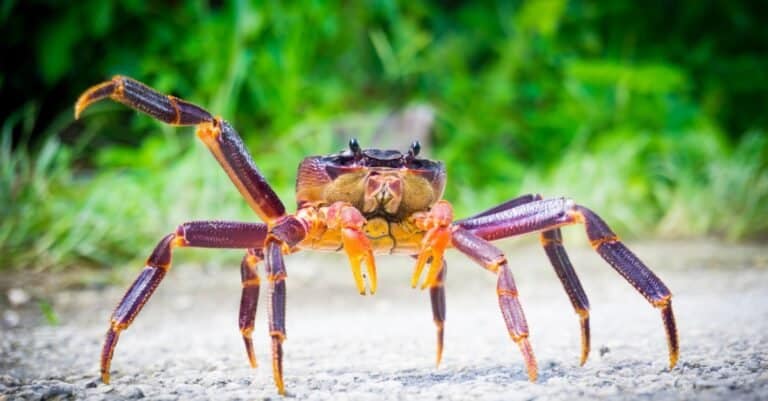
  • Night shoreline walk for crabs and intertidal life (where locally appropriate): observe ghost crabs, hermit crabs, and other nocturnal shoreline activity-use a red light and avoid handling wildlife.
  • Reef-flat exploration on a low tide with a knowledgeable local: learn to identify corals, sea cucumbers, urchins, and small fish in tide pools while following strict 'look, don't touch' etiquette.
  • Canoe/kayak-style paddling in calm lagoon water (where available): quiet approach improves chances to see turtles, rays, and schools without engine noise.
  • Responsible fishing-and-wildlife day (subsistence-style, if offered): combine traditional methods with catch limits and local rules; enjoy bird and turtle sightings en route and learn about sustainable use of reef resources.
  • Citizen-science-style nature journaling: log seabird counts, turtle sightings, and reef species with a guide or host community-useful in remote places where long-term biodiversity data are limited.

Safari Types Available

  • Boat-based lagoon wildlife cruises (snorkel-focused)
  • Snorkeling safaris (guided or boat-supported)
  • Seabird-watching excursions (shore-based and boat-based)
  • Motu/islet nature visits (low-impact, guide-led)
  • Outer-reef/blue-water wildlife watching (conditions-dependent)
  • Tide-pool and reef-flat walks at low tide (guide-recommended)
  • Night nature walks for intertidal and crab activity
  • Canoe/kayak paddling wildlife trips (when available)
  • Cultural-ecology experiences (traditional knowledge of reefs, birds, and sustainable harvest)
Fun Facts

Did You Know?

There are no rivers, lakes, or streams-because coral atolls are basically porous limestone. That means Tokelau has no freshwater fish or amphibian ecosystems at all; wildlife is split between saltwater reefs/lagoons and a very small terrestrial strip.

The "real" habitat area is underwater: from an ecological point of view, Tokelau's reefs, passes, and lagoon systems provide vastly more living space than the land-so the most important wildlife encounters (fish, turtles, sharks, cetaceans) are in the sea, not on shore.

Seabirds act like ecosystem engineers: on tiny atolls, nesting seabirds concentrate nutrients via guano, which measurably fertilizes soils and can influence coastal vegetation and even nearshore productivity-so birds help 'feed' the island's land and lagoon.

Tokelau's isolation cuts both ways: it limits how many land species can naturally colonize (keeping terrestrial biodiversity low), but it also means a single invasive predator (like rats) can have outsized impacts on ground- and tree-nesting seabirds-small islands amplify ecological cause-and-effect.

One of the most "ocean-dominated" places on Earth: Tokelau has only ~10 km² of land but an Exclusive Economic Zone of about ~319,000 km²-so its wildlife stewardship is overwhelmingly marine rather than terrestrial.

Tokelau has declared its entire Exclusive Economic Zone (about 319,000 square kilometers) as the Tokelau Marine Park-an unusually large fully-ocean-based protected area for such a small land territory.

Extreme low-elevation atoll ecology: with a highest point only around ~5 m above sea level, Tokelau is among the world's lowest-lying inhabited territories-meaning essentially all "land wildlife" lives in a narrow strip of trees and coral sand, while most biodiversity is on reefs and in lagoons.

Near-zero native land-mammal fauna: Tokelau is among the rare inhabited places where the only native mammals are marine (dolphins and whales offshore), with no native terrestrial mammals-an unusually "seabird-and-sea" dominated vertebrate community.

Thank you for reading! Have some feedback for us?