N S W E
Wildlife Expeditions

Wildlife of
American Samoa

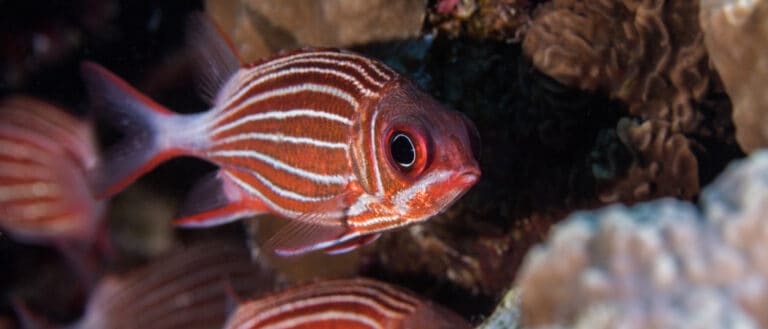
American Samoa stands out for a rare blend of lush volcanic rainforests and vibrant coral reefs where visitors can spot sea turtles, humpback whales in season, and dazzling reef fish in clear South Pacific waters.
2 Species
199 km² Land Area
Overview

About American Samoa

American Samoa's wildlife character is defined by its compact yet spectacular island landscapes: steep volcanic ridges cloaked in tropical rainforest, coastal wetlands and mangroves, and a surrounding ring of coral reefs that supports rich marine life. As a Polynesian archipelago and U.S. territory, it offers an accessible window into South Pacific natural heritage, with strong cultural ties to the ocean and land that shape how wildlife and habitats are valued and used. While terrestrial wildlife is less species-rich than in large continental nations, the islands' real abundance is felt along the shore and underwater-where reef communities, turtles, and seasonal whales deliver the most memorable encounters.

Key ecosystems include upland and lowland rainforests (important for native forest birds and watershed protection), fringing and patch reefs (nursery grounds for reef fish and invertebrates), and coastal habitats such as mangroves and lagoons that buffer storms and support juvenile marine species. The National Park of American Samoa is especially significant because it protects a rare continuum of habitats-from ridge to reef-across multiple islands, helping conserve both land and seascapes in one of the Pacific's biodiversity hotspots.

In global conservation terms, American Samoa contributes to the broader Pacific effort to safeguard coral reef resilience, sea turtle habitats, and migratory marine megafauna that traverse national boundaries. Its wildlife experience is unique for how quickly you can move from rainforest hikes with panoramic crater-and-coast views to snorkeling or diving over coral gardens the same day. The mix of protected areas, living Polynesian culture, and intimate scale means wildlife viewing often feels personal and place-based-less about big game spectacle and more about immersion in island ecosystems and the ocean's seasonal rhythms.

Physical Features

Geography

American Samoa's wildlife is strongly shaped by its small, steep volcanic islands surrounded by extensive coral-reef and deep-ocean habitats. On land, elevation gradients (from coastal lowlands to montane ridges) and heavy tropical rainfall create rainforest and cloud-forest conditions that concentrate native birds, bats, and endemic plants in upland refuges, while limited flat terrain restricts broad lowland habitats. Along the coast, narrow shorelines, small wetlands/mangroves, and beaches support seabirds and sea turtle nesting, and the surrounding fringing reefs, lagoons, and pelagic waters drive exceptionally high marine biodiversity (reef fish, corals, sharks, and migratory species). Isolation also promotes endemism and makes habitats sensitive to disturbance and invasive species.

199 km² Land Area
About the size of Washington, D.C.; among the world's smallest inhabited territories Size Rank

Key Landscapes

  • Volcanic high islands (especially Tutuila, Ta'u, Ofu-Olosega) with steep ridgelines and cratered peaks
  • Tropical rainforest covering much of the interior; wetter uplands and ridge forests acting as key refuges for native/endemic species
  • Short, flashy streams and small watersheds draining to the coast (important for riparian vegetation and sediment delivery to reefs)
  • Narrow coastal plains and cliffs; limited lowland habitat concentrates human activity and fragments coastal ecosystems
  • Mangroves and small coastal wetlands/estuaries (localized but important nurseries and bird habitat)
  • Sandy beaches and rocky shorelines (critical for seabirds and sea turtle nesting/nearshore foraging)
  • Fringing coral reefs, reef flats, and lagoons around the islands (core habitat for reef fish and invertebrates)
  • Offshore pelagic waters, steep drop-offs, and seamount-influenced deep ocean (supporting tuna, billfish, sharks, marine mammals)

Ecoregions

  • Samoan tropical moist forests (WWF terrestrial ecoregion)
  • Samoa Islands marine ecoregion / Tropical Southwestern Pacific (marine biogeographic classification; commonly used alongside WWF terrestrial ecoregions)
Parks & Reserves

Protected Areas

American Samoa's protected-area system is led by U.S. federal designations that safeguard both rainforest and some of the most intact coral-reef ecosystems in the central South Pacific. The cornerstone is the National Park of American Samoa (the only U.S. National Park south of the equator), complemented by large-scale marine protections including a National Marine Sanctuary (around Tutuila) and the remote Rose Atoll wildlife refuge/monument. In addition to these formal federal sites, many coastal resources are also managed through locally led, village-based marine and fisheries stewardship, which can add conservation value even when not designated as fully statutory protected areas.

Protected Coverage

Approximately ~8% of American Samoa's land area is within the National Park of American Samoa (about 4,000 acres of land). Marine protection coverage is substantial as well (National Marine Sanctuary of American Samoa plus Rose Atoll Marine National Monument waters), but the exact percentage varies by how boundaries and categories are counted.

Notable Parks & Reserves

National Park of American Samoa

National Park (U.S. National Park Service)

Protects a rare mix of tropical rainforest, cloud-forested ridges, and coral reefs across Tutuila, Ofu/Olosega, and Ta'u - key habitat for native fruit bats, seabirds, and nesting sea turtles. The park is especially notable for pairing high-biodiversity reefs with intact upland forest in a Polynesian setting.

Samoan flying fox
Pacific sheath-tailed bat
Blue-crowned lorikeet
White-collared kingfisher
Pacific reef heron
Green sea turtle
Hawksbill sea turtle

National Park of American Samoa - Ofu & Olosega Unit

National Park (unit of the National Park of American Samoa)

Famous for exceptionally clear water and healthy fringing reefs, this unit is one of the best places in the territory to see vibrant reef fish communities and sea turtles in shallow lagoons. It also supports shorebirds and coastal forest wildlife along one of the region's standout beach-and-reef systems.

Green sea turtle
Hawksbill sea turtle
Giant clam
Giant clam
Humphead wrasse
Parrotfish
Parrotfish
Blacktip reef shark
Blacktip reef shark

National Park of American Samoa - Ta'Å« Unit

National Park (unit of the National Park of American Samoa)

This remote, steep volcanic island unit contains some of the territory's wildest native forest, supporting important bat populations and forest birds. Offshore waters and cliffs can attract seabirds, while surrounding reefs contribute to high marine diversity.

Samoan flying fox
Pacific sheath-tailed bat
Blue-crowned lorikeet
White-tailed tropicbird
Red-footed booby
Green sea turtle

National Park of American Samoa - Tutuila Unit

National Park (unit of the National Park of American Samoa)

Protects rugged ridgelines and rainforest above the main population center, providing refuge for native bats and forest birds while helping safeguard watersheds. Nearby reefs and coastal habitats add opportunities to observe reef fish and coastal birdlife.

Samoan flying fox
Pacific sheath-tailed bat
White-collared kingfisher
Blue-crowned lorikeet
Pacific reef heron
Hawksbill sea turtle

Fagatele Bay Unit (National Marine Sanctuary of American Samoa)

National Marine Sanctuary (NOAA) - unit of the National Marine Sanctuary of American Samoa

A steep-walled volcanic bay with high coral and reef-fish diversity, valued for protecting relatively intact reef communities close to Tutuila. The unit is notable for excellent snorkeling/diving habitat and for safeguarding spawning, feeding, and nursery areas for reef species.
Green sea turtle
Hawksbill sea turtle
Giant clam
Giant clam
Humphead wrasse
Parrotfish
Parrotfish
Blacktip reef shark
Blacktip reef shark
Reef manta ray

Rose Atoll National Wildlife Refuge & Rose Atoll Marine National Monument

National Wildlife Refuge (U.S. Fish & Wildlife Service) / Marine National Monument

An extremely remote atoll that serves as a major seabird rookery and an important stronghold for marine life, including sharks and sea turtles, in a largely undisturbed setting. Its isolation and strict protections make it one of the most ecologically significant sites in American Samoa.

Red-footed booby
Sooty tern
Great frigatebird
Green sea turtle
Hawksbill sea turtle
Blacktip reef shark
Blacktip reef shark
Giant trevally
Giant trevally
Animals

Wildlife

American Samoa's wildlife experience is defined by lush Polynesian rainforest on steep volcanic islands and exceptionally rich nearshore marine ecosystems-fringing reefs, lagoons, and offshore pelagic waters. Terrestrial diversity is relatively low (few native land mammals and no native amphibians), but birdlife (especially seabirds) and marine megafauna are standout highlights. The National Park of American Samoa protects key rainforest-to-reef habitats, while remote Rose Atoll is a major sanctuary for seabirds and sea turtles.
~10-15 total recorded (only a few native, mainly fruit bats; most others are introduced such as rats, pigs, cats, dogs) Mammals
~90-130 recorded (dozens of seabirds and shorebirds; ~20-35 regularly breeding landbirds/seabirds) Birds
~15-25 (mostly geckos and skinks; plus marine turtles and sea snakes in surrounding waters) Reptiles
0 native; ~1-2 introduced (e.g., cane toad in some areas) Amphibians

Iconic Species

Green Sea Turtle A flagship species for American Samoa's reef and lagoon habitats; best seen snorkeling/diving around protected reefs and lagoons, with nesting activity most associated with remote islets/atolls (notably Rose Atoll).
Hawksbill Sea Turtle A globally threatened reef-associated turtle valued for sightings on coral reefs; encountered around healthy reef edges and shallow coral gardens where it forages on sponges.
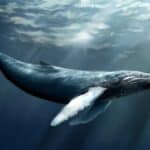
Humpback Whale
Humpback Whale Seasonal visitor during the South Pacific breeding/calving period; whales are regularly seen from shore and by boat in winter months, making American Samoa part of a broader Oceania humpback breeding region.
Spinner Dolphin Commonly encountered in nearshore waters; known for acrobatic spins and frequent boat/shore sightings in calm coastal areas and channels.
Samoan Fruit Bat (Samoan Flying Fox) A charismatic native forest pollinator/seed disperser; often seen flying at dusk over rainforest ridgelines and valleys (including within the national park).
Pacific Flying Fox One of the most conspicuous native land mammals; forms roosts and is frequently seen commuting over villages and forest canopy at sunrise/sunset.
Red-footed Booby An iconic tropical seabird of offshore islets; best associated with protected seabird nesting areas and remote sanctuaries (notably Rose Atoll).
White-tailed Tropicbird A signature 'tropic' seabird often seen gliding along sea cliffs and over open water; nests in remote, less-disturbed areas.
Small Giant Clam A defining coral-reef species for snorkelers; its colorful mantles are conspicuous in shallow reef flats and lagoons across American Samoa's reefs.

Endemic Species

Samoan Starling A Samoan-archipelago endemic (primarily American Samoa and Samoa) and a characteristic forest bird, often seen in canopy flocks and forest edges. Endemic
Samoan Triller Near-endemic to the Samoan Islands; a typical voice of lowland and montane forest, frequently recorded by birders in native and secondary woodland. Endemic
Samoan White-eye A Samoan-archipelago endemic; small, active canopy bird commonly encountered in forest and shrub habitats. Endemic
Samoan Swiftlet A near-endemic swiftlet of the Samoan region; often seen hawking insects over valleys and cliffs, and valued by visitors looking for Pacific island specialties. Endemic
Many-colored Fruit Dove A colorful Samoan-archipelago endemic fruit dove strongly tied to intact forest; a key target for rainforest birdwatching. Endemic
Samoan Reed Warbler Primarily restricted to the Samoan Islands; typically found in dense vegetation and forest margins, more often heard than seen. Endemic

Notable Populations

  • Rose Atoll supports one of American Samoa's most important seabird nesting assemblages (including large colonies of tropical seabirds such as boobies and terns) within a highly protected refuge setting.
  • Rose Atoll is a key nesting area for sea turtles in the territory, especially green turtles, making it a conservation focal point in the central South Pacific.
  • American Samoa lies within a broader South Pacific humpback whale breeding/calving region, with reliable seasonal sightings that are significant for regional conservation and monitoring.
  • Native flying foxes (Pteropus spp.) remain essential forest pollinators and seed dispersers across the islands, making their local roosts and foraging flights a cornerstone of the terrestrial wildlife experience.
Protection

Conservation

Primary Threats

  • Rising sea surface temperatures drive coral bleaching and reduced reef resilience; ocean acidification impairs coral growth; sea-level rise and stronger storms/cyclones increase coastal erosion and damage reefs and turtle nesting areas, while heavier rainfall events increase landslide risk and sediment runoff into lagoons.
  • Land-based runoff (sediment and nutrients) from steep watersheds, unpaved/eroding roads, construction, and some agriculture degrades nearshore reefs by smothering corals and fueling algal growth. Solid waste and marine debris (including plastics and lost fishing gear) accumulate on beaches and reef flats, affecting turtles and seabirds. Wastewater infrastructure limitations can contribute to localized water-quality problems in embayments.
  • Nearshore reef fisheries that communities rely on can experience localized depletion, particularly for vulnerable or slow-growing species and invertebrates. Fishing pressure can increase around accessible reefs and during periods when offshore fishing is constrained by weather or costs, reducing reef fish biomass and ecosystem function.
  • Introduced predators (e.g., rats and feral cats) and invasive ants can impact native forest birds and other wildlife, while invasive plants alter rainforest structure and regeneration. Invasive marine organisms and coral predators/disease interactions (including outbreaks that can follow warming events) can further stress already heat-impacted reefs.
  • Limited flat land concentrates housing and services along the coast; clearing for homes, roads, and small agriculture can fragment lowland forests and riparian buffers. Coastal modification and encroachment reduce natural shoreline vegetation that stabilizes sediment and provides habitat.
  • Road building and upgrades on steep terrain can trigger erosion and chronic sediment delivery to reefs if drainage and slope stabilization are inadequate. Coastal facilities (harbors, seawalls, shoreline hardening) can alter currents and sediment movement, degrading adjacent reef and beach habitats.
  • Shoreline armoring, stream channel alterations, and land grading can change hydrology and increase peak flows that transport sediment to lagoons. Changes in coastal vegetation (clearing mangrove-like wet areas where present, removing native strand plants) reduce natural protection and habitat complexity.
  • Boating, anchoring, trampling on reef flats, and concentrated recreation in accessible bays can physically damage corals and seagrass/algal beds. Disturbance at beaches can affect turtle nesting success, especially where lighting or frequent human presence occurs.
  • Coral disease risks rise when reefs are stressed by heat and poor water quality; outbreaks can reduce coral cover and diversity. Wildlife health can also be affected by pollutants and debris ingestion/entanglement, particularly for sea turtles.
  • Historically and occasionally, take of certain wildlife (e.g., fruit bats or sea turtles) can pressure populations if not controlled; even low levels can be significant for slow-reproducing species and small local populations, especially when combined with habitat stressors.
  • Direct wildlife trade is not a dominant driver, but illegal retention or movement of protected species/parts (e.g., turtle products) can occur and requires enforcement and public outreach to prevent impacts and deter trafficking pathways through U.S.-linked transport.
Visit

Wildlife Tourism

American Samoa's wildlife tourism is small-scale but high-impact, centered on marine biodiversity (coral reefs, reef fish, sea turtles, rays, dolphins/whales seasonally) and lush tropical rainforest habitats. Economically, wildlife-focused visitors support local guides, boat operators, dive shops, village-based accommodations, and crafts-often as a complement to government and local employment rather than a mass-tourism mainstay. Conservation and visitor access are strongly shaped by the National Park of American Samoa (the only U.S. National Park south of the equator, established in 1988) and by village land stewardship and cultural protocols. Accessibility is moderate: most visitors arrive by air to Tutuila (Pago Pago area) and then use local taxis/rental cars plus boats/ferries for outer islands and marine trips. The overall experience is intimate and community-connected: fewer crowds, clearer cultural context, and excellent reef-and-forest wildlife viewing when conditions are right.

Best Time to Visit

May-October (dry season) is generally best for comfortable hiking, clearer water for snorkeling/diving, and more reliable boat days.

Month-by-month highlights (practical planning):
- Jan-Mar: Warmer, wetter period; rainforest is lush and active with birds/insects. Good snorkeling on calm days, but expect more rain and occasional rough seas.
- Apr: Transition month-often improving visibility and sea conditions; good shoulder-season option for reefs and hikes.
- May-Jun: Excellent mix of calmer seas and comfortable temperatures; strong time for snorkeling/diving and coastal wildlife.
- Jul-Oct: Peak for outdoor comfort and water clarity; best overall for multi-activity trips (reef + forest + boat days).
- Jul-Nov: Best window for seeing migrating humpback whales in the region (sightings vary by year and exact location; join local whale-watching/boat trips when operating).
- Nov-Dec: Increasing humidity and rainfall; still good reef life, but plan flexible days around weather.

Wildlife you're likely to see year-round (with conditions):
- Reefs: butterflyfish, parrotfish, surgeonfish, wrasses, anemonefish, giant clams, sea stars, occasional reef sharks.
- Turtles: green and hawksbill sea turtles (most commonly encountered while snorkeling/diving in appropriate habitats).

Top Wildlife Experiences

  • Snorkel a coral reef with a local guide to maximize wildlife spotting (turtles, giant clams, schooling reef fish) and learn reef-safe techniques and etiquette.
  • Join a boat-based dolphin and pelagic wildlife search (conditions permitting), combining offshore scanning with a snorkel stop on a sheltered reef.
  • Take a dedicated whale-watching outing during the Jul-Nov season window (when operators run trips), focusing on responsible viewing distances and time-on-animal limits.
  • Hike a rainforest-to-coast trail in the National Park with binoculars for native and regional forest birds, then finish with a swim/snorkel at a protected bay if conditions allow.
  • Do a night-time "reef by torch" shore walk/snorkel with a permitted guide (where legal and safe) to spot nocturnal reef life like sleeping parrotfish, crustaceans, and hunting octopus.
  • Kayak or paddleboard a calm lagoon/nearshore area at sunrise for rays, reef fish, and birdlife, timing it for the least wind and boat traffic.
  • Book a scuba dive (or beginner 'try dive') focused on reef ecology-asking for sites with turtle cleaning stations, healthy coral structure, and fish abundance.
  • Visit a turtle-friendly beach area with a conservation-minded guide or community program to learn about threats (plastics, light pollution, fishing gear) and how local protection works-without disturbing nesting/haul-out areas.
  • Plan a cultural-and-nature day that pairs a village visit (permission-based) with a guided coastal walk to identify seabirds and intertidal life (crabs, mollusks), emphasizing respectful access on village lands.
  • Photograph macro reef life on a dedicated snorkel/dive (nudibranchs, shrimp, juvenile fish) for a different 'safari' style-slow, observant, and highly rewarding.

Safari Types Available

  • Boat-based marine wildlife viewing (dolphins, seasonal whales, seabirds)
  • Snorkeling safaris (guided reef exploration from shore or boat)
  • Scuba diving safaris (single-day dives or multi-day dive-focused itineraries)
  • Coastal/intertidal walking safaris (tide-dependent shoreline naturalist walks)
  • Rainforest hiking safaris (guided trails for birds, plants, and habitat interpretation)
  • Kayak/SUP wildlife paddles (lagoon and nearshore exploration)
  • Night wildlife experiences (guided nocturnal reef/shore observations where permitted and safe)
  • Community-led conservation experiences (education-focused visits supporting local stewardship)
Fun Facts

Did You Know?

Some of the world's most heat-tolerant corals have been studied in American Samoa: back-reef pools around Ofu can swing by roughly 6 degrees C in a single day and reach unusually high temperatures for coral reefs, yet many corals persist - making the site a natural 'stress test' for reef survival.

American Samoa's biggest native land animals are bats: fruit bats (flying foxes) are major rainforest seed dispersers and pollinators there, filling ecological roles that monkeys or large birds play in other tropical forests.

A famous local wildlife event is the palolo (marine worm) spawning: around a specific lunar timing in October/November, worms release edible reproductive segments in synchronized swarms that people traditionally harvest - an ocean 'hatch' timed like a biological clock.

Just east of Tau is Vailuluu Seamount, an active submarine volcano; scientists discovered a new cone growing inside its crater ('Nafanua,' reported in the early 2000s), highlighting how new habitat can literally be created underwater within American Samoa's waters.

National Marine Sanctuary of American Samoa is the largest site in the U.S. National Marine Sanctuary System by area (about 13,581 sq mi / 35,163 km2), protecting reefs, open ocean, and seamount habitats around multiple island groups.

Fagatele Bay (on Tutuila) was designated as the smallest U.S. national marine sanctuary site - only about 0.25 sq mi (about 0.65 km2) - yet it includes very steep underwater walls that pack reef habitats into a tiny footprint.

Rose Atoll is the southernmost coral atoll under U.S. jurisdiction, and its tiny land area supports disproportionately large seabird rookeries (it's protected as Rose Atoll National Wildlife Refuge).

The National Park of American Samoa is the only U.S. National Park located south of the equator, protecting a rare U.S.-administered mix of tropical rainforest and adjacent coral reef ecosystems in Polynesia.

Thank you for reading! Have some feedback for us?