Marine Toad
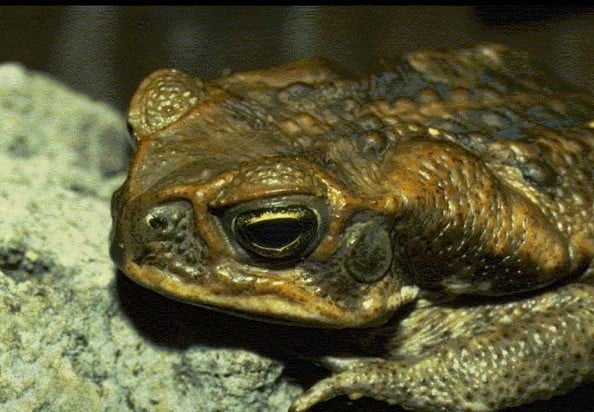
Big toad. Bigger toxins.

Big toad. Bigger toxins.
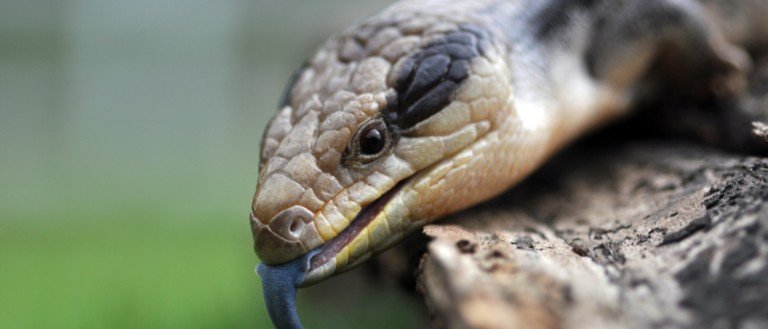
Smooth scales, global explorers
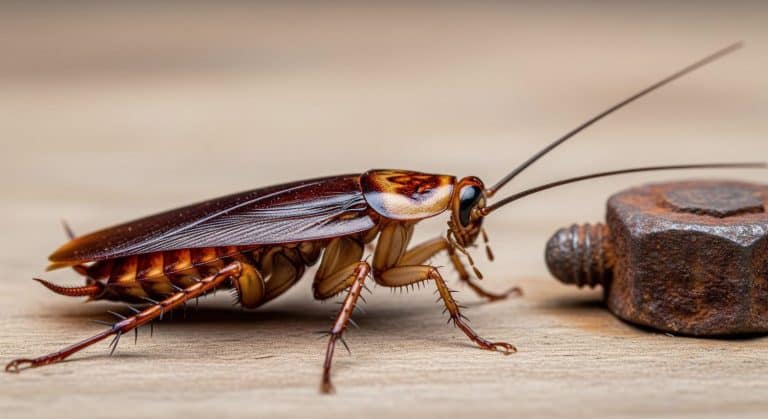
Nature's nighttime clean-up crew
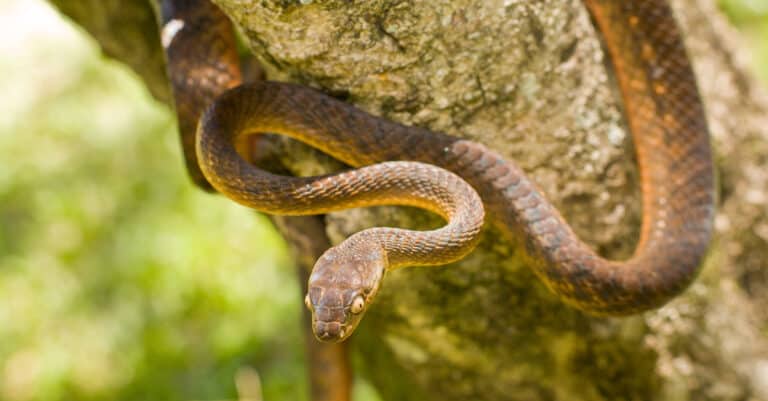
Night-climber that changed Guam's forests
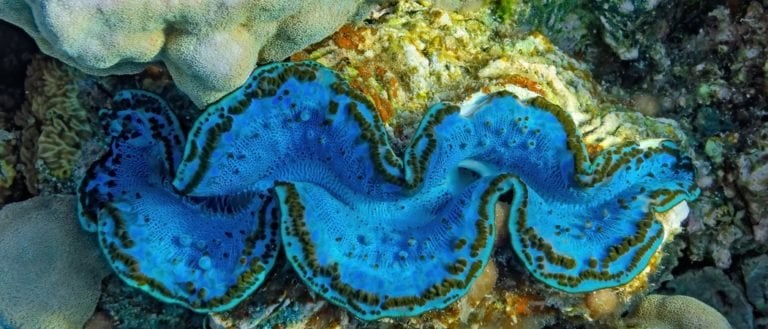
The clam that runs on sunlight.
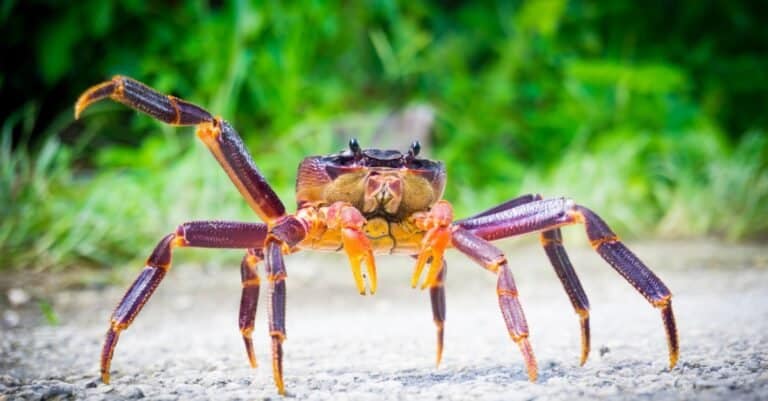
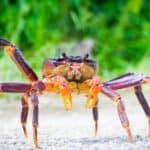
Biggest land crab. Biggest grip.
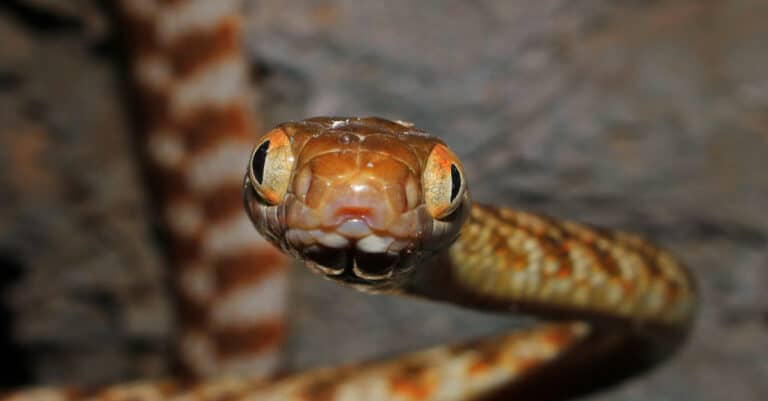
Guam's unwelcome night hunter
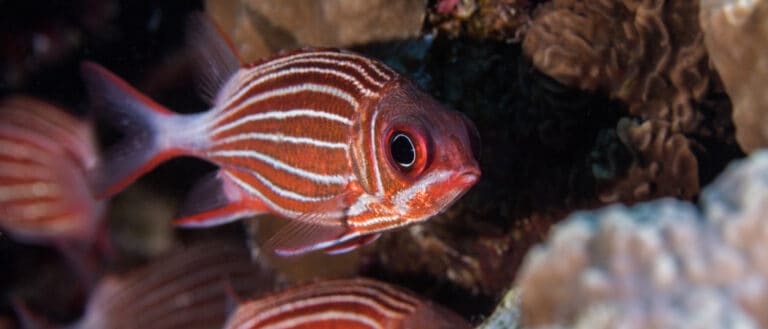
Big eyes, night bites, reef grunts.
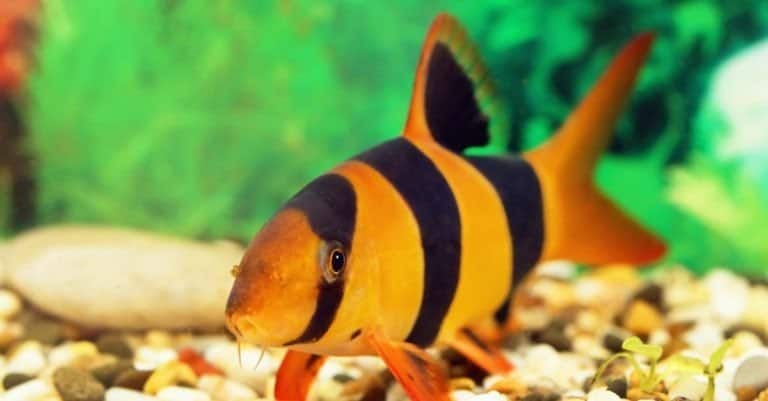
Barbels, burrows, and fast-stream grip
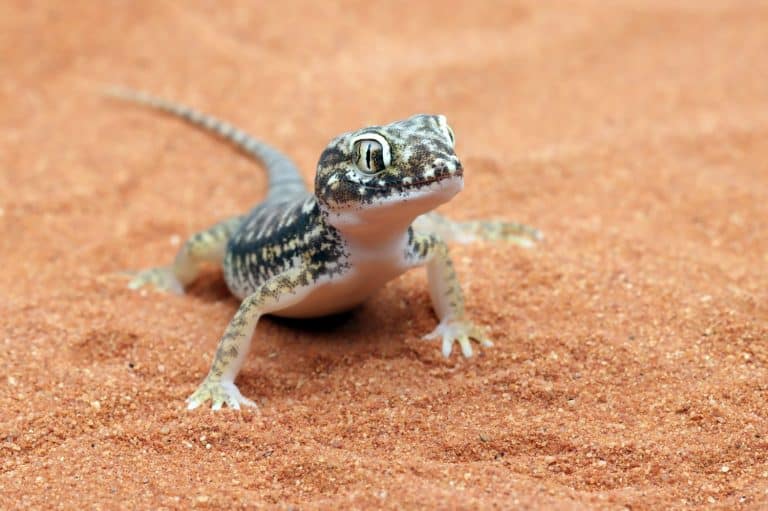
Tiny toes, big grip.
Guam's wildlife character is defined by an island crossroads of Micronesia: warm, clear seas packed with reef life and a terrestrial landscape of limestone forests, ravines, and coastal strand vegetation. For visitors, the most immediate "wow" is marine-schools of reef fish, sea turtles, rays, and colorful corals that make snorkeling and diving the signature way to encounter Guam's biodiversity. On land, the experience is equally compelling but more conservation-focused: several native birds have declined dramatically under pressure from invasive species and habitat changes, making Guam an important place to learn how island ecosystems respond to disturbance and how recovery is planned.
Key ecosystems include fringing reef and patch-reef communities, seagrass beds, and lagoon and reef-flat habitats that function as nurseries for fish and invertebrates, plus steep limestone coastlines and upland limestone forests that historically supported distinctive island birdlife. These habitats are significant not just for species richness but for resilience: the reefs and nearshore waters remain among Guam's strongest wildlife assets and a major reason nature travelers come here. Seabirds, especially those using cliffs, offshore areas, and protected islets, add a dramatic above-water dimension-best experienced through coastal viewpoints and boat trips.
In global conservation terms, Guam is often cited as a case study for the outsized impact invasive species can have on island biodiversity, and for the intensive management required to protect remaining native fauna. Ongoing efforts-biosecurity, habitat protection, monitoring, and targeted recovery programs-make the wildlife experience uniquely educational: visitors can enjoy world-class reef encounters while also seeing firsthand how conservation is carried out on a small island where preventing new introductions and protecting key habitats are central to safeguarding what remains and restoring what can return.
Guam's small size but strong north-south geologic contrast creates distinct wildlife habitats. The north is a relatively flat, porous limestone plateau with karst and cave systems that support limestone forests and groundwater-fed wetlands; the south is older volcanic terrain with higher relief, wetter slopes, and short, steep watersheds that shape riparian habitats. Around the island, fringing reefs, reef flats, and lagoons drive especially high marine biodiversity and strongly influence coastal species distributions (reef fish, sea turtles, seabirds). Habitat fragmentation, coastal development, and invasive species pressures are major factors affecting where native wildlife persists.
Guam (a U.S. unincorporated territory in Micronesia) protects biodiversity through a mix of U.S. federal lands and locally managed conservation areas. Terrestrial protection is anchored by the Guam National Wildlife Refuge (Ritidian Unit) in the island's limestone forest/shoreline and complemented by other restricted-access conservation lands (e.g., Haputo). Marine conservation is largely delivered via a network of small nearshore Marine Preserves that protect coral reef habitats important for reef fish, sea turtles, and invertebrates. While Guam's protected areas help safeguard reefs, beaches, and remaining native forests, many native terrestrial species have been heavily impacted by invasive predators and habitat change, making habitat protection and biosecurity especially important.
Approximate land under formal protection: ~8-12% (order-of-magnitude estimate combining major federal and territorial protected lands). Nearshore waters: multiple small Marine Preserves protect key reef patches, but they cover only a modest fraction of Guam's coastal waters overall (site-by-site closures rather than a single large MPA).
Guam's main wildlife refuge protects northern limestone forest, coastal strand, and beach habitat. It supports the endangered Mariana fruit bat, provides nesting and feeding areas for sea turtles and seabirds, and works on habitat restoration and invasive predator control to help native forest birds recover.
A major locally protected area in northern Guam conserving limestone forest and rugged coastline, providing refuge for native forest wildlife and coastal species. Its relative remoteness and habitat quality make it significant for conservation on an island with extensive development pressures.
A high-visibility urban-adjacent reef reserve that protects coral communities and reef fish assemblages, offering some of Guam's most accessible snorkeling-based wildlife viewing. The preserve helps reduce local fishing pressure in a heavily visited bay.
A well-known snorkel/dive site featuring coral "pools" and patch reef habitat supporting dense reef fish and invertebrate life. It is important for education, tourism stewardship, and protecting nearshore reef biodiversity.
Protects southern reef-flat and coral communities that serve as nursery and feeding habitat for reef fish and invertebrates. The reserve contributes to a more representative network of protected reefs beyond Guam's main tourism centers.
Although designated primarily for cultural and historical values, portions of the park include beaches, coastal vegetation, and adjacent reef areas that provide habitat for seabirds and sea turtles and help conserve coastal ecosystems in developed parts of Guam.
Guam's wildlife experience is defined less by large land mammals and more by tropical reef life, seabirds, and a small set of native forest species that have persisted despite intense pressure from invasive predators (especially the brown tree snake) and habitat change. Visitors most reliably encounter biodiversity in coastal waters (coral reefs, reef fish, turtles, dolphins) and at seabird sites on cliffs and offshore islets, while native terrestrial birdlife is comparatively reduced and conservation-focused (reintroductions and managed populations).
Guam's wildlife tourism is centered on its warm-water coral reefs, clear lagoons, and limestone-forest habitats, making marine life the main draw (reef fish, turtles, rays, dolphins, seasonal whales) with strong add-ons like seabird watching and conservation-focused outings. Economically, wildlife experiences are a core part of the island's visitor economy (snorkeling, diving, boat tours, fishing charters, eco-kayak trips), supported by a mature tourism infrastructure (hotels, tour operators, marinas) and U.S.-standard logistics (USD currency, English widely spoken, straightforward permitting and safety norms). Historically, Guam's nature tourism grew alongside post-war travel and the rise of dive/snorkel culture in Micronesia; today it also reflects conservation realities-some native terrestrial species have declined due to invasive species and habitat change, so the most reliable "big wildlife moments" are typically on the water or along seabird coasts. Accessibility is high: wildlife viewing often requires short drives from major visitor areas, and many signature marine sites are reachable by shore entry or brief boat rides, making it feasible for weekenders and first-time snorkelers as well as advanced divers.
Guam's forests can be eerily quiet: in many areas there are few (or no) native forest birds left to produce a typical tropical "dawn chorus," a striking sensory consequence of an invasive predator.
Snakes can knock out the power: brown tree snakes routinely climb electrical infrastructure, and snake-caused short-circuits have been a documented source of island power outages-an unusual way wildlife directly affects daily life.
Losing birds changed the whole food web: studies on Guam found dramatically higher spider/web abundance in forests after bird declines, because birds that once ate spiders and large insects were gone.
Some "Guam" wildlife survives mainly off-Guam: because snakes remain widespread, several native birds persist largely through captive breeding or populations established on other islands-so conserving Guam's biodiversity often means managing habitats beyond Guam itself.
One of the highest snake densities ever recorded: Guam's invasive brown tree snake (Boiga irregularis) has been measured at roughly up to ~100 snakes per hectare (~10,000 per km²) in some habitats-an extreme density for a large, nocturnal predator.
One of the most severe modern bird-collapses on any tropical island: after the brown tree snake spread, about 10 of Guam's ~12 native forest bird species were extirpated from the island (many disappearing from most of Guam by the late 1980s/1990s).
A conservation "rescue record" case: the Guam rail (Hypotaenidia owstoni) became extinct in the wild on Guam, survived through captive breeding, and was later reintroduced to other snake-free islands-making it a flagship example of preventing total extinction via intensive ex-situ conservation.
Among the longest-running reef-protection efforts in the region: Tumon Bay was designated a marine preserve in 1974, placing it among the earlier modern marine protected areas in the U.S. Pacific aimed at safeguarding reef fish and coral communities.
16 species documented in our encyclopedia
Thank you for reading! Have some feedback for us?
We appreciate your help in improving our content.
Our editorial team will review your suggestions and make any necessary updates.
There was an error submitting your feedback. Please try again.