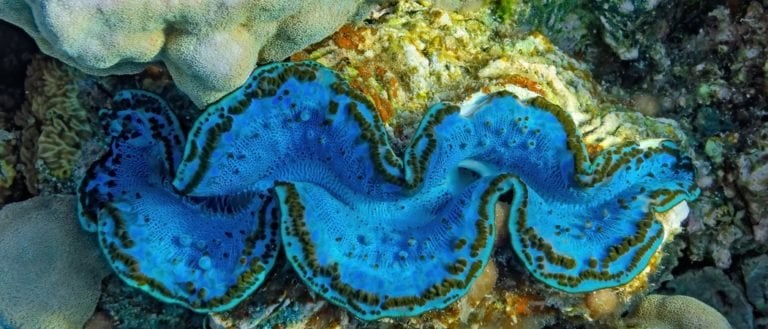
Giant Clam
The clam that runs on sunlight.

The clam that runs on sunlight.
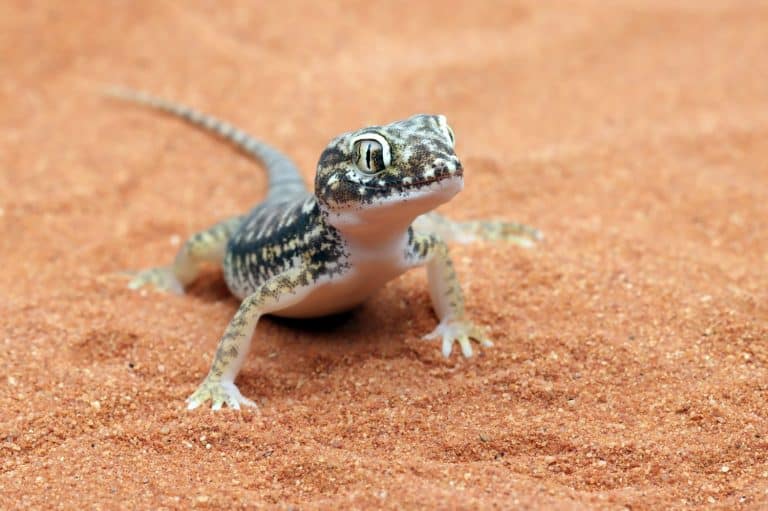
Tiny toes, big grip.
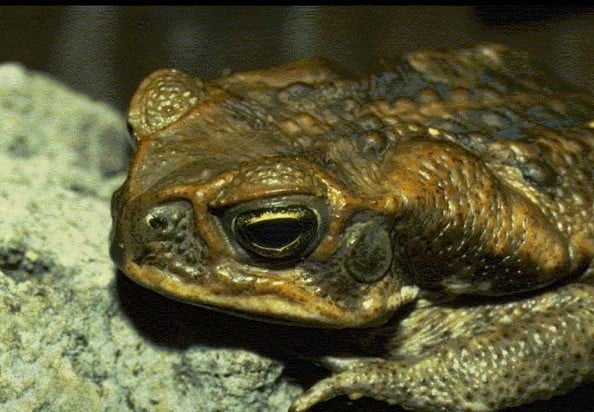
Big toad. Bigger toxins.
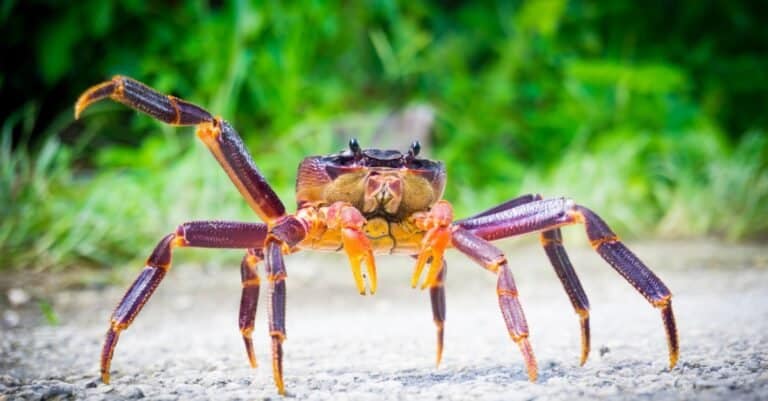
Biggest land crab. Biggest grip.
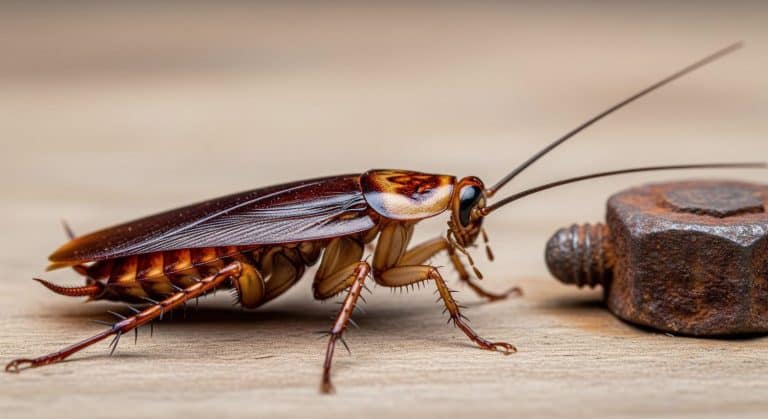
Nature's nighttime clean-up crew
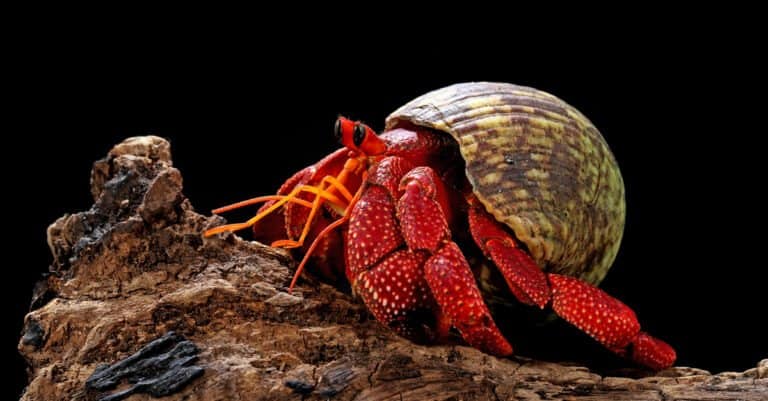
Red rover of the rainforest shore
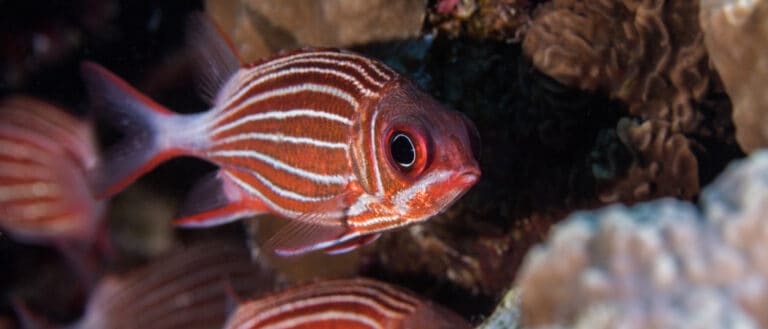
Big eyes, night bites, reef grunts.
The Northern Mariana Islands' wildlife character is defined by ocean-first biodiversity: warm, clear waters ring the islands with coral reefs, seagrass patches, and reef channels that support colorful reef fish, sharks, rays, turtles, and invertebrates-while rugged cliffs and remote islets host seabirds and coastal specialists. On land, the limestone (karst) landscapes, native forests, and wetlands shelter a smaller but distinctive suite of island birds and reptiles shaped by isolation, with many populations sensitive to habitat loss and invasive species.
Key ecosystems include fringing and patch reefs, outer reef slopes, and lagoons that function as nurseries for fish and invertebrates and as feeding grounds for sea turtles. The islands' limestone terraces, sinkholes, and coastal caves create microhabitats that can hold pockets of native vegetation and freshwater-dependent wildlife, while offshore stacks and uninhabited islands provide relatively undisturbed breeding and roosting sites for seabirds. This land-sea connectivity is central here: what happens in upland forests and along shorelines directly affects reef health through runoff, sedimentation, and water quality.
In global conservation terms, the Northern Mariana Islands contribute to Western Pacific marine stewardship and island biodiversity protection within the broader U.S.-affiliated Micronesia region. Conservation priorities emphasize safeguarding coral reefs from climate stress, reducing impacts from invasive species, protecting nesting and roosting areas for seabirds, and maintaining intact coastal habitats that support both wildlife and fisheries. What makes the wildlife experience unique is the ease of pairing world-class reef exploration with dramatic karst scenery and seabird watching-often with fewer crowds than many better-known tropical destinations, and with the thrill of exploring a remote ocean archipelago where nature is strongly shaped by volcanic and limestone geology.
The Northern Mariana Islands' wildlife is shaped by small, isolated tropical islands with strong contrasts between limestone/karst platforms (especially Saipan-Tinian-Rota) and the more active volcanic islands to the north. Steep coastal cliffs, limited surface freshwater, and extensive fringing reefs concentrate many species into narrow habitat belts (coastal strand, limestone forest, upland/volcanic forest). Offshore, clear oligotrophic waters, reef slopes, and nearby deep ocean (including proximity to the Mariana Trench) support high marine biodiversity, while cliffs and offshore islets provide key nesting sites for seabirds.
Protected areas in the Northern Mariana Islands (CNMI) are a mix of (1) large-scale federal marine protection through the Marianas Trench Marine National Monument, (2) smaller federally managed coastal land under the U.S. National Park Service (American Memorial Park on Saipan), and (3) CNMI-government conservation areas and marine protected areas (MPAs) designated and enforced primarily through the CNMI Department of Lands & Natural Resources/Division of Fish & Wildlife and coastal regulators. The overall system is strongly marine-focused, reflecting CNMI's high-value coral reefs, seabird islands, and deep-ocean ecosystems.
Terrestrial (land) protection is relatively limited compared with marine protection. A reasonable order-of-magnitude estimate is ~5-10% of CNMI land area under some formal protected designation (federal park units and locally designated conservation areas), while marine protection is extensive due to the Marianas Trench Marine National Monument (about 95,216 square miles / 246,610 km² total monument area across units in waters adjacent to the Northern Mariana Islands and Guam).
This remote, largely undisturbed northern-islands unit protects some of the CNMI's healthiest reef ecosystems and critical seabird foraging/roosting waters, with high value for pelagic wildlife and coral-reef conservation. The isolation and limited local impacts make it a regional benchmark for marine biodiversity.
Maug's volcanic caldera and surrounding reefs are a standout hotspot for reef fish, coral communities, and open-ocean visitors; it is also important for seabirds nesting/roosting in the northern archipelago. The area is valued for its near-pristine reef condition and scientific importance.
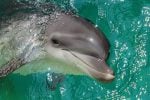
Asunción's surrounding waters support seabirds and pelagic predators and include reefs and nearshore habitats that are comparatively less affected by coastal development. It contributes to conserving northern-archipelago wildlife that depends on intact land-sea connections.
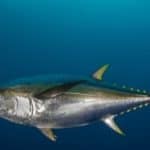
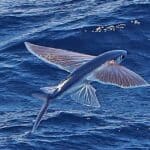
Protects a chain of submarine volcanoes and hydrothermal-vent systems where chemosynthetic life forms the base of the food web-globally rare habitats important for biodiversity and climate/ocean science. Wildlife values are strongest for specialized deep-sea communities rather than typical reef viewing.
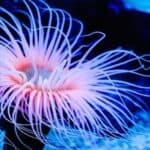
Encompasses the deepest trench ecosystems on Earth, protecting hadal habitats that host uniquely adapted animals and an intact deep-ocean food web. It is globally significant for conservation of deep-sea biodiversity and for long-term scientific monitoring.
A flagship nearshore MPA for snorkeling and reef viewing in CNMI, protecting coral habitat, reef fish nurseries, and turtle-use areas within Saipan Lagoon. It is one of the most accessible places to see reef biodiversity while supporting local fisheries management goals.
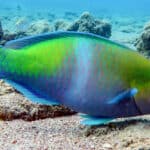
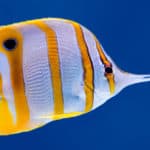
A key coastal seabird site where cliffs and offshore waters support nesting/roosting birds and nearshore reef life. It is notable for reliable seabird viewing and the role of protected coastal habitat in supporting breeding colonies.
One of Saipan's most important wetland habitats, supporting waterbirds and acting as a refuge amid urban/coastal development. The site is especially valuable for resident and migratory birds that depend on freshwater/brackish wetland habitat.
Wildlife diversity in the Northern Mariana Islands (CNMI) is defined less by large terrestrial mammals and more by island endemism, seabird colonies, bat populations, and exceptionally rich coral-reef ecosystems. Limestone forests and rugged volcanic slopes (especially on Rota) support several globally rare birds found nowhere else, while nearshore reefs and drop-offs host sea turtles, reef fish, sharks, rays, and seasonal pelagic visitors. Many land animals are native birds and reptiles, with relatively few native mammals (mostly bats) and almost no native amphibians; introduced species (rats, cats, pigs, deer on some islands, etc.) are a major ecological pressure.
Wildlife tourism in the Northern Mariana Islands (CNMI) is overwhelmingly marine- and seabird-focused: coral reefs, drop-offs, lagoons, and offshore seamounts support reef fish, sea turtles, dolphins and migrating whales, while limestone cliffs and remote islets host important seabird colonies. Economically, nature-based travel (diving, snorkeling, whale watching, kayaking, hiking to birding sites) is a key part of the visitor experience on Saipan, Tinian, and Rota, supporting local operators, guides, boat charters, and conservation-linked spending. Historically, the islands became known internationally through WWII sites, but over time the region's clear water, dramatic karst coastlines, and world-class underwater visibility helped shape a strong dive-and-snorkel reputation. Accessibility is practical: most visitors base on Saipan (the main gateway with most lodging and operators) and add day trips or short hops to Tinian/Rota for quieter reefs and birding; many top wildlife encounters are reachable via short boat rides or easy shore entries, while a few require open-water conditions and experienced operators (blue-water diving, offshore whale watching).
Jan-Mar: Peak humpback whale season in the Marianas-best window for whale-watching boat trips and (where permitted and safely guided) in-water whale encounters; also strong chances for dolphin sightings on offshore runs. Apr-Jun: Calmer seas and excellent water clarity for snorkeling/diving on reefs and walls; reliable sea turtle encounters on nearshore reefs; seabird activity continues on cliff/islet rookeries. Jul-Oct: Warm water and great reef life; good for night dives (octopus, crustaceans) and lagoon/kayak trips, though conditions can be more variable during the wetter, storm-prone period-plan with flexible dates and choose leeward sites. Nov-Dec: Transition into whale season; improving chances of humpbacks later in December plus strong diving visibility on many sites; good time for combined reef + birding itineraries.
Some CNMI birds "hatch eggs with geothermal heat": the Micronesian megapode buries its eggs in warm sand/soil (often heated by sun or geothermal activity) and lets the ground incubate them-no sitting on the nest required.
A Saipan bird is so distinctive it's the only member of its entire genus: the golden white-eye (Cleptornis marchei) is endemic to Saipan and represents a one-species genus found nowhere else on Earth.
There are swiftlets in the CNMI that navigate caves like bats: the Mariana swiftlet uses clicking sounds for echolocation to fly through dark limestone caves where it roosts and nests.
One CNMI volcano-caldera reef is a natural "ocean acidification lab": CO₂ seeps around Maug (a submerged caldera) create locally acidified seawater, letting scientists observe how corals and reef fish cope under future-like conditions.
In the nearby Mariana volcanic arc, hydrothermal vents can release liquid carbon dioxide-famously documented at NW Eifuku seamount's 'Champagne Vent'-a rare phenomenon that supports specialized deep-sea life adapted to extreme chemistry.
Earth's deepest ocean trench sits right next door: the Mariana Trench runs just east of the Northern Mariana Islands and includes the Challenger Deep, the deepest known point on the planet (~10.9 km / ~36,000 ft below sea level).
The Mariana Trench near the CNMI yielded one of the deepest-confirmed fish records: the hadal snailfish (Pseudoliparis swirei) has been observed and collected at about 8,178 m depth.
The CNMI is part of the range of the coconut crab (Birgus latro), the world's largest land-dwelling arthropod-adults can reach ~4 kg and span close to 1 meter from leg to leg.
The Northern Mariana Islands host the northernmost tropical coral reefs under U.S. jurisdiction, making them a "high-latitude edge" stronghold for reef biodiversity in American waters.
The Mariana Trench Marine National Monument (established 2009) protects CNMI reef and trench habitats across a vast area, creating one of the largest U.S. ocean wildlife refuges for deep-sea and coral-reef ecosystems.
7 species documented in our encyclopedia
Thank you for reading! Have some feedback for us?
We appreciate your help in improving our content.
Our editorial team will review your suggestions and make any necessary updates.
There was an error submitting your feedback. Please try again.