Blacktip Reef Shark
Black tip. Bright reef. Loyal patrol.

Black tip. Bright reef. Loyal patrol.
Guardian of the reef drop-off

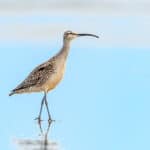
Born to soar, built to steal
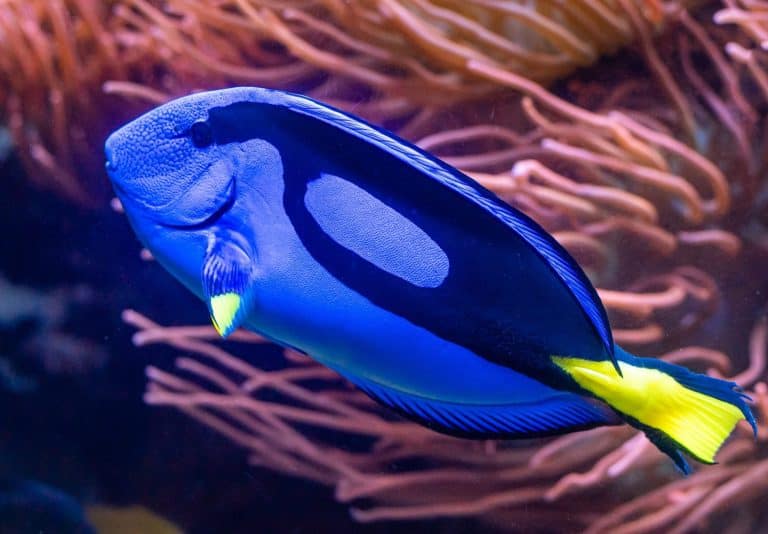
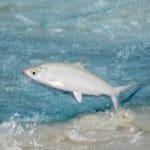
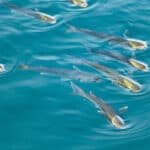
Blue body, yellow tail-reef grazer
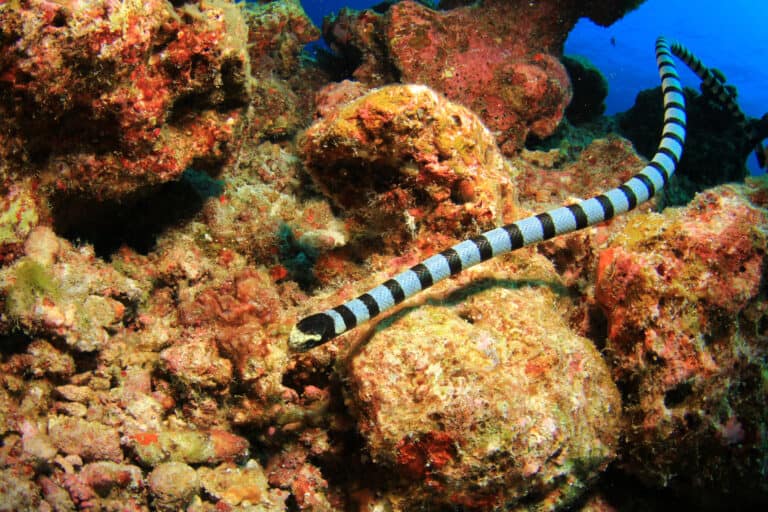
Elapids that learned to breathe the sea
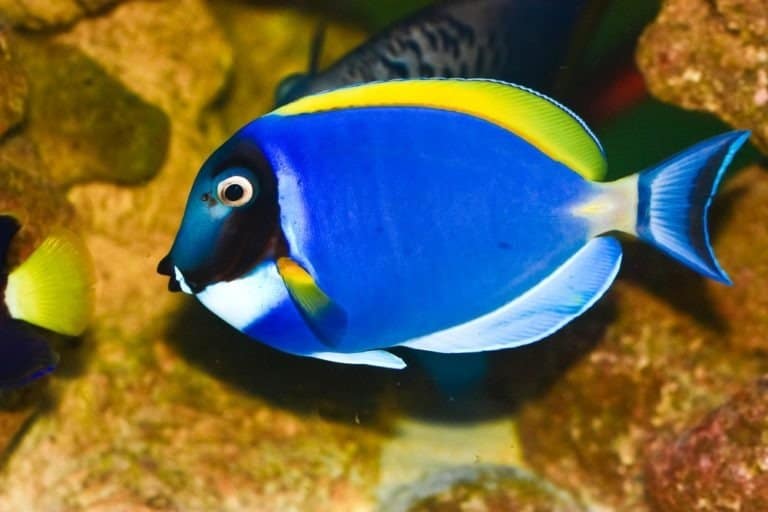
Reef gardeners with a hidden blade
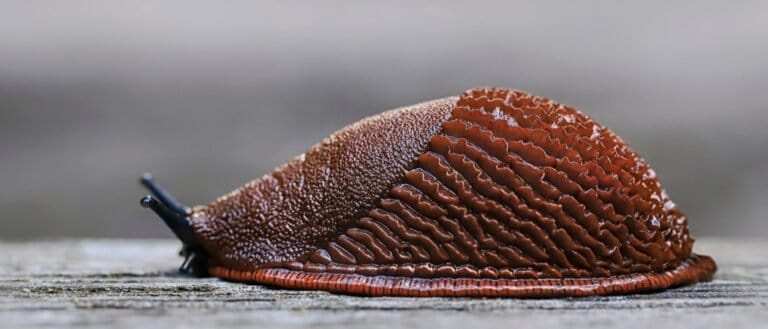
Mucus-powered recyclers of the land
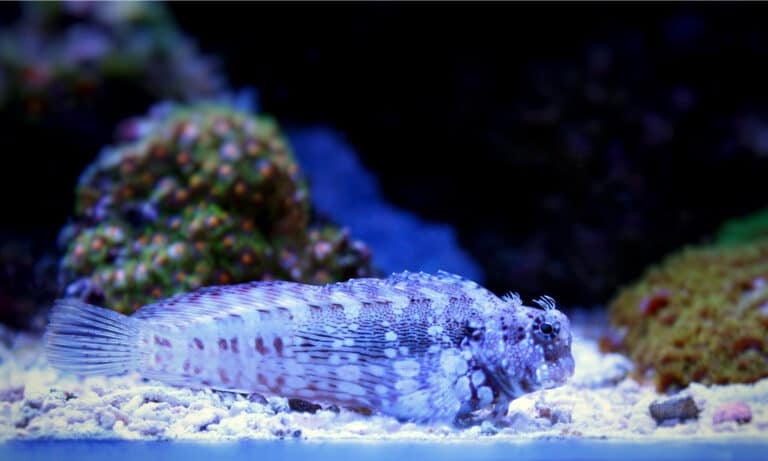
The reef's tiny rock-hopping grazer
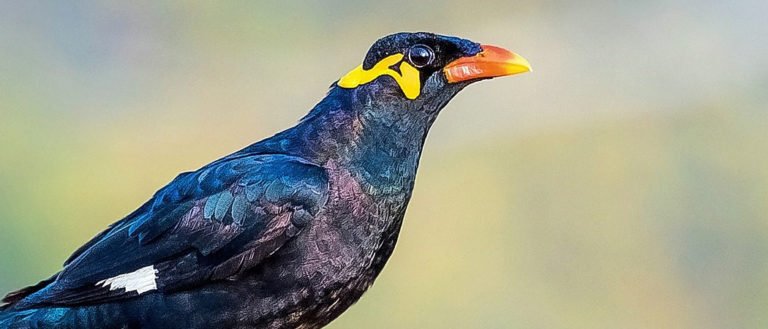
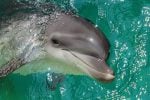
Bold, brainy, and brilliantly vocal
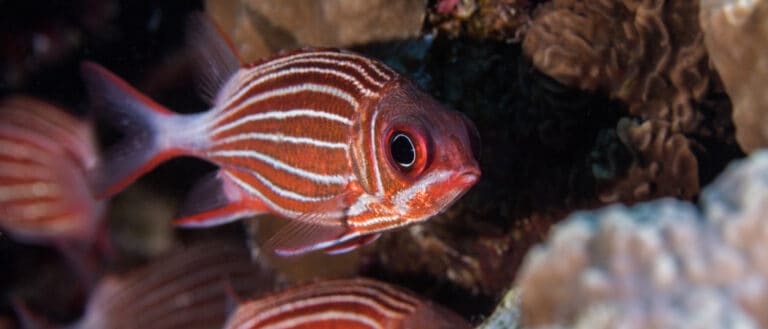
Big eyes, night bites, reef grunts.
Tonga's wildlife identity is shaped by the ocean: a widely scattered archipelago where coral reefs, seagrass beds, mangroves, and sheltered lagoons support a rich tropical marine community. While terrestrial mammals are limited on many islands, Tonga's coasts and forests still shelter important birdlife-especially seabirds that depend on predator-free islets for nesting-and distinctive Pacific reptiles and invertebrates. For visitors, the country's natural heritage is experienced as a close connection between island culture and the sea, where daily life, food, and traditions are intertwined with coastal ecosystems.
The kingdom's most celebrated wildlife event is the seasonal arrival of humpback whales, which migrate to Tongan waters to breed and calve in warm, protected conditions. Beyond whales, reef systems host colorful fish assemblages, sea turtles, and a diversity of corals and reef invertebrates, with clearer water and calmer lagoon habitats creating excellent opportunities for snorkeling and diving. Coastal wetlands and nearshore habitats also provide feeding and nursery grounds for many species, making habitat health especially important for sustaining Tonga's marine productivity.
In global conservation terms, Tonga matters as part of the greater South Pacific "blue" biodiversity network-an important migratory and breeding region for wide-ranging marine megafauna, and a reservoir of coral reef diversity in the face of climate stress. What makes the wildlife experience unique here is its scale and intimacy: small-island settings, relatively uncrowded waters, and a strong focus on respectful, regulated wildlife interactions allow visitors to observe iconic species-especially humpbacks-at close range while appreciating the fragility and value of island and reef ecosystems.
Tonga's wildlife distribution is shaped by its scattered, low-lying coral-limestone islands and higher volcanic islands spread across a large area of ocean. Terrestrial habitats are naturally limited and fragmented (small island sizes, few rivers, thin soils), so native land fauna is relatively species-poor but often locally specialized (e.g., forest birds, fruit bats). In contrast, the surrounding marine environment dominates biodiversity: fringing reefs, lagoons, seagrass beds, and deep offshore waters support reef fish, turtles, seabirds, and seasonal migrations of humpback whales that use sheltered waters for breeding and calving. Exposure to cyclones, coastal erosion, and sea-level change strongly influences where coastal forests, wetlands, and nesting beaches persist.
Tonga's protected-area system is relatively small on land but more developed in coastal and marine management. Terrestrial protection is centered on 'Eua National Park (the country's main formal national park) plus smaller forest/watershed reserves and locally managed conservation areas. Marine conservation is a major focus: Tonga declared a national whale sanctuary covering its waters for humpback whale protection, and the Fisheries Department supports a growing network of community-based Special Management Areas (SMAs) that function like no-take or limited-take marine reserves to protect coral reefs, lagoon habitats, and spawning/nursery grounds. Tonga also participates in international site-based protection through Ramsar (wetlands of international importance).
Tonga's flagship terrestrial protected area, safeguarding some of the archipelago's best remaining native forest, steep limestone landscapes, and coastal cliffs. It is notable for forest birds and island biodiversity, and it provides critical habitat for Tonga's native flying foxes.
A large lagoon and mangrove/wetland system on Tongatapu that supports migratory shorebirds and resident waterbirds, while also functioning as an important fish nursery area. It is Tonga's best-known wetland conservation site and a key habitat in an otherwise heavily populated island.
A nationwide sanctuary established to protect humpback whales that migrate to Tonga's warm waters to breed and calve, making Tonga one of the South Pacific's premier whale-watching destinations. The sanctuary also benefits other pelagic species by reducing harmful disturbance and supporting protective management.
A cluster of community-managed reef and lagoon areas around Vava'u that protect coral habitats, reef fish spawning areas, and turtle foraging grounds. These sites are notable for snorkel/diving wildlife viewing and for locally enforced fisheries restrictions in key habitats.

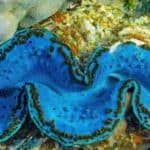
Community-managed coastal and reef areas across the Ha'apai group that help conserve coral reefs and nearshore fisheries, supporting both biodiversity and local livelihoods. These waters can be especially important as nursery habitat for reef fish and as turtle habitat on relatively low-lying islands.
The remote northern Niuas (Niuatoputapu and Niuafo'ou) retain relatively intact coastal ecosystems compared with more populated islands, supporting seabirds, native forest patches, and productive nearshore reefs. Conservation here is typically via local/community rules and small site-based reserves rather than large, formal national parks.
Tonga's wildlife experience is defined far more by the ocean than by land. With over 170 tropical islands spread across clear, warm South Pacific waters, the kingdom supports rich coral reefs, lagoons, seagrass beds, and steep offshore drop-offs that attract whales, dolphins, sea turtles, and reef megafauna. Terrestrial biodiversity is comparatively modest (small land area, young volcanic islands, long human settlement history), but Tonga still holds notable island birdlife, fruit bats, and a suite of Pacific reptiles-plus a handful of globally important, highly localized endemics.
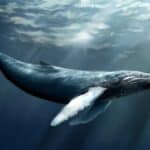
Wildlife tourism in Tonga is strongly marine-focused, built around the country's warm, clear South Pacific waters, coral reefs, and nearshore habitats rather than large terrestrial mammals. The flagship draw is the seasonal migration of humpback whales that come to Tongan waters to breed and calve-an experience that has become one of the kingdom's most internationally recognized nature-based tourism products and a major reason visitors plan trips in the peak season. Wildlife travel here also supports local operators, boat crews, guides, accommodations, and conservation initiatives tied to marine protection and responsible whale encounters. Historically, Tonga's wildlife appeal grew from reef snorkeling/diving and beach-based nature travel, then expanded with the rise of regulated whale-watching and (where permitted) in-water whale encounters. Accessibility is practical but island-hopping takes planning: most international arrivals route via Tongatapu (Nuku'alofa) with onward flights or ferries to island groups such as Ha'apai and Vava'u, which are especially popular for whale season and lagoon activities. Trips are typically small-group and operator-led, with weather and sea conditions shaping daily plans-so building in buffer days improves your chances for top encounters.
Key wildlife seasons (with what to see):
- July-October: Peak humpback whale season (breeding/calving). Best for boat-based whale watching; in-water encounters may be offered by licensed operators under local rules and conditions. Vava'u and Ha'apai are especially sought after.
- August-September: Often considered prime months for whales (higher encounter rates) plus generally good visibility for snorkeling/diving on calmer days.
- November-March: Best overall window for tropical reef life-warm water, active reef fish, turtles around reefs and lagoons; good for snorkeling/kayaking. (Also cyclone season risk; conditions can be variable.)
- April-June: Shoulder season with fewer crowds; good for reefs and birdlife; whales begin arriving later in this period (more likely from late June).
- Year-round: Reef snorkeling/diving (conditions vary by island and weather), seabirds along coasts and small islets, and lagoon wildlife viewing by boat/kayak.
A bird in Tonga "incubates" without body heat: the Niuafoou megapode buries its eggs in naturally warm volcanic/composting soils and leaves the heat to do the work-no sitting on a nest.
Humpback whales come to Tonga's warm waters to mate and give birth, but they generally don't feed there; adults largely live off fat reserves built up on high-latitude feeding grounds.
Tonga's geography can change fast enough to rewrite wildlife habitat maps: the 2022 Hunga Tonga-Hunga Haapai eruption dramatically altered (and partially destroyed) the small island-instantly changing potential seabird and coastal-marine habitat.
Some of the planet's least-accessible ecosystems sit right beside Tonga: expeditions sampling the Tonga Trench have recovered deep-sea scavengers (like amphipods) from depths near 11 km, showing complex food webs can exist with no sunlight.
Because many humpbacks use sheltered channels and reef-fringed waters around island groups like Vavau, whale watching in Tonga can happen remarkably close to shore compared with many other humpback destinations.
Horizon Deep in the Tonga Trench (~10,800 m) is the deepest known point in the Southern Hemisphere-and is often cited as Earth's second-deepest point after the Mariana Trench-creating hadal habitats next to Tonga's islands.
Tonga is the only country that hosts the entire natural range of the Niuafoou megapode (Megapodius pritchardii), an endangered bird found only in the Niua group.
Tonga (especially Vavau) is one of the few places in the world where in-water encounters (snorkeling) with wild humpback whales are legally permitted under a regulated permitting system.
Tongan waters are among the South Pacific's key tropical breeding and calving areas for humpback whales, with seasonal arrivals typically peaking in the austral winter (roughly July-October).
29 species documented in our encyclopedia
Thank you for reading! Have some feedback for us?
We appreciate your help in improving our content.
Our editorial team will review your suggestions and make any necessary updates.
There was an error submitting your feedback. Please try again.