

H
Species Profile

Hardhead Catfish

Ariopsis felis

Brackish whiskers, venomous spines.
iStock.com/LagunaticPhoto

Hardhead Catfish Distribution

Click a location to explore more animals from that region

This map shows coastal regions where Hardhead Catfish are found.

Loading map...
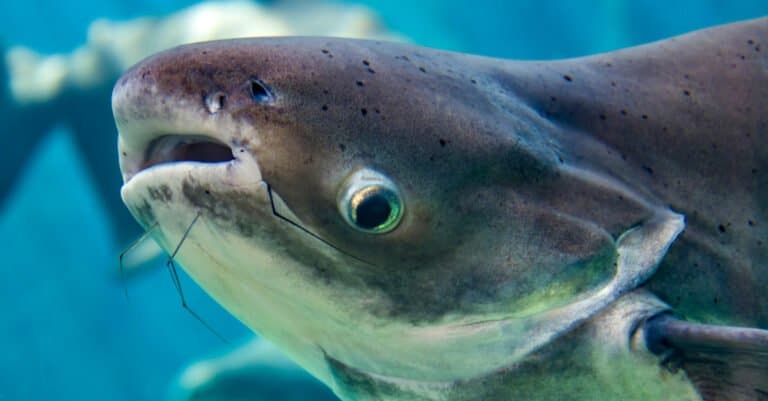
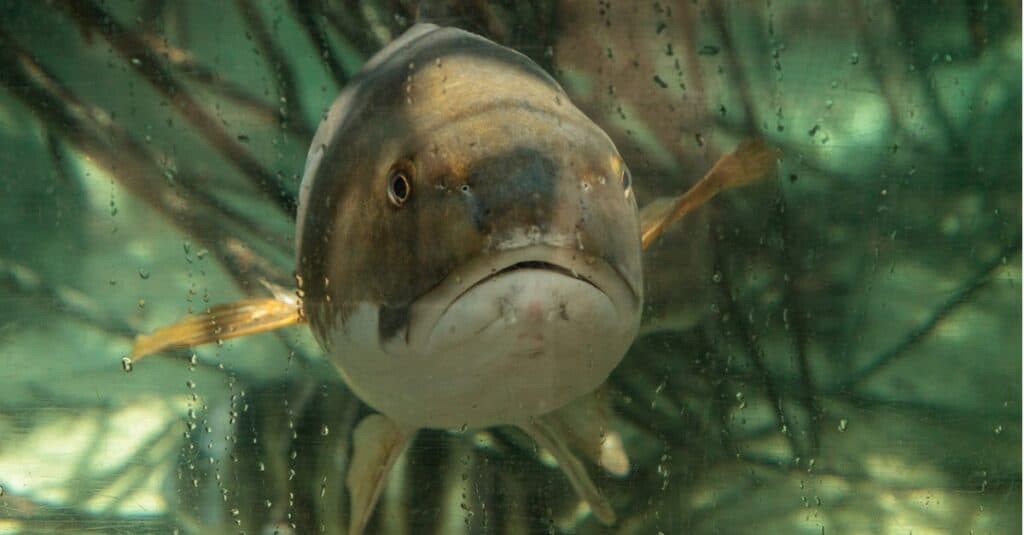
hardhead catfish close up

At a Glance

Wild Species
Also Known As Sea catfish, Sea cat, Saltwater catfish, Marine catfish
Diet Omnivore
Activity Crepuscular+
Lifespan 5 years
Weight 4.5 lbs
Status Least Concern
Did You Know?

It's a true sea catfish (Family Ariidae), not a freshwater channel catfish-common in bays and estuaries.

Scientific Classification

A coastal marine/brackish "sea catfish" common in shallow waters of the western Atlantic and Gulf of Mexico, recognized by its stout head, whisker-like barbels, and venomous fin spines typical of many catfishes.

Kingdom
Animalia
Phylum
Chordata
Class
Actinopterygii
Order
Siluriformes
Family
Ariidae
Genus
Ariopsis
Species
Ariopsis felis

Distinguishing Features

  • Marine/brackish 'sea catfish' (family Ariidae) rather than a freshwater Ictaluridae catfish
  • Three pairs of barbels around the mouth
  • Strong, sharp dorsal and pectoral fin spines that can inflict painful wounds (often venom-associated in catfishes)
  • Stout body and head; commonly encountered in coastal fisheries and as bycatch

Physical Measurements

Length
1 ft 2 in (8 in – 2 ft 4 in)
Weight
2 lbs (0 lbs – 10 lbs)
Venomous

Appearance

Primary Colors
Secondary Colors
Skin Type Scaleless (naked) catfish skin with a mucus layer; head is stout with a bony cranial shield typical of Ariidae ('sea catfishes').
Distinctive Features
  • Sea catfish (Family Ariidae) of shallow coastal marine and brackish/estuarine waters; common name 'hardhead catfish' is regional and can be applied to other ariid catfishes elsewhere-here specifically *Ariopsis felis* of the western Atlantic/Gulf region.
  • Found in the western Atlantic and Gulf of Mexico, commonly along the U.S. Atlantic coast (sometimes as far north as the Mid-Atlantic and New England), through Florida and across the Gulf to Mexico.
  • Maximum size: reported up to 70 cm total length (TL) (FishBase: Froese & Pauly, *Ariopsis felis*). Adults commonly encountered are much smaller (often ~30-40 cm TL in many inshore fisheries/angler reports).
  • Venomous/spined fins: stout dorsal and pectoral fin spines with associated venom glands typical of many catfishes; punctures can cause intense pain and swelling-handling caution is warranted (standard medical/field guidance for ariid catfishes).
  • Three pairs of barbels ('whiskers') around the mouth used for benthic foraging in turbid estuaries and near-bottom habitats.
  • Habitat: typically shallow bays, estuaries, tidal creeks, and nearshore coastal waters over mud/sand bottoms; frequently tolerant of brackish conditions and salinity gradients (ecology summarized in FishBase and regional Gulf/Atlantic coastal fish guides).
  • Diet/foraging behavior: benthic omnivore/scavenger-commonly eats crustaceans (e.g., shrimp, crabs), mollusks, polychaetes, small fishes, and carrion/detritus; feeds near bottom using barbels and taste/chemosensory cues (general diet reported in coastal fish ecology references).
  • Reproduction/behavior characteristic of Ariidae: males mouthbrood the large eggs/young in the buccal cavity; brooding males typically reduce or cease feeding during incubation (widely documented family-level behavior and reported for *A. felis* in regional life-history accounts).

Sexual Dimorphism

Sex differences are not obvious, but males are mouthbrooders (hold eggs/young in their mouths) and have larger mouth cavities during breeding. Females look deeper-bodied when full of eggs and are often reported slightly larger in catches for Ariopsis felis (Ariidae).

  • Oral brooding: males incubate eggs/early young in the mouth (buccal cavity), often with reduced feeding during brooding.
  • Buccal cavity/head region may appear proportionally broader during the breeding period (functional adaptation for mouthbrooding).
  • Gravid females show noticeably distended abdomen prior to spawning.
  • Typically associated with producing relatively large, yolky eggs characteristic of sea catfishes (Ariidae mouthbrooders).

Did You Know?

It's a true sea catfish (Family Ariidae), not a freshwater channel catfish-common in bays and estuaries.

Maximum reported size is about 70 cm total length (FishBase); many adults are far smaller inshore.

Males mouthbrood: they carry large eggs/young in the mouth instead of building a nest.

The first dorsal and pectoral fins have stiff spines with venom glands; punctures can be intensely painful.

It's euryhaline: commonly moves between salty bays and low-salinity/brackish waters.

The species name felis is Latin for "cat," referencing its barbel "whiskers."

Unique Adaptations

  • Venomous fin spines: dorsal and pectoral spines are connected to venom glands-an effective predator deterrent, but a hazard to anglers.
  • Euryhaline osmoregulation: tolerates a wide salinity range (commonly from near-fresh brackish water up to fully marine conditions), enabling use of estuaries as feeding/nursery habitat.
  • Barbels packed with sensory cells: "whiskers" are rich in taste and touch receptors for finding prey in low visibility.
  • Armored head and robust skull: the "hardhead" look comes from a stout, bony head that helps protect against predators and abrasive habitats.
  • Male mouthbrooding with large eggs: ariid catfishes produce relatively large eggs (often ~1-1.5 cm diameter reported for sea catfishes) and invest heavily in parental care via oral incubation, boosting survival in dynamic coastal habitats.

Interesting Behaviors

  • Estuary roaming: frequently patrols shallow bays, channels, and marsh edges, especially where currents concentrate food.
  • Bottom foraging: uses barbels and taste/chemosensory cues to locate prey in turbid water and over soft sediments.
  • Opportunistic feeding: eats a wide mix of benthic invertebrates (e.g., shrimp, crabs, worms), mollusks, small fishes, and carrion; also scavenges around docks and fishing piers.
  • Schooling/aggregations: often occurs in groups, especially where food is abundant or during seasonal movements.
  • Male oral incubation (mouthbrooding): after spawning, the male retains the large eggs/young in his mouth for weeks, greatly reducing feeding during brooding (typical of Ariidae).
  • Defensive "lock and jab": when threatened or handled, it erects dorsal/pectoral spines; spines can snag nets and skin and may inject venom.

Cultural Significance

Along the U.S. Gulf Coast and western Atlantic, hardhead catfish (Ariopsis felis) is often caught by accident near piers and bays. Its spines snag gear and it steals bait, yet people use it for cut bait and eat it locally. It is a brackish/marine sea catfish, not a freshwater species.

Myths & Legends

Name-origin lore (natural history): The species epithet felis ("cat") reflects a long tradition of comparing barbelled catfishes to cats with whiskers; "sea catfish" entered common usage for coastal Ariidae worldwide.

On the Gulf Coast, hardhead catfish (Ariopsis felis) are called bait stealers and 'trash fish.' Stories at docks warn about being spined, teaching people to handle them carefully.

Regional naming tradition: In many coastal communities, fishers distinguish "hardhead" from the larger gafftopsail catfish by head shape and fin/whisker look-part of a shared dockside identification culture passed down through generations.

Conservation Status

LC Least Concern

Widespread and abundant in the wild.

Population Unknown

Life Cycle

Birth 35 frys
Lifespan 5 years

Lifespan

In the Wild
3–8 years
In Captivity
3–10 years

Reproduction

Mating System Monogamy
Social Structure Transient
Breeding Pattern Seasonal
Fertilization Substrate Spawning
Birth Type Substrate_spawning

Hardhead catfish (Ariopsis felis) spawn in spring–summer in shallow coastal bays and estuaries. Males collect few large demersal eggs (~20–50, ~12–15 mm) and hold them in their mouths for 6–10 weeks; care is by males, so spawning is seasonal and pair-based.

Behavior & Ecology

Social School Group: 10
Activity Crepuscular, Nocturnal
Diet Omnivore Benthic crustaceans-especially shrimp and small crabs.

Temperament

Generally non-aggressive and gregarious/neutral toward conspecifics outside breeding contexts; primarily a benthic forager that tolerates close proximity in loose schools
Defensive when handled or threatened; capable of injuring predators/handlers using venom-associated fin spines typical of sea catfishes (Ariidae). Display is more defensive than actively aggressive
Opportunistic feeder and scavenger; will competitively converge on concentrated food resources (e.g., discards), increasing short-term crowding and contact rates

Communication

Stridulation/clicking or squeaking sounds produced by rubbing/locking the pectoral fin spine apparatus-sound production is widely documented in Ariidae and reported for hardhead catfish in handling/disturbance and social contexts Species-specific call repertoires and quantified rates are not consistently standardized across publications
Low-frequency drumming/knocking-like sounds associated with swim bladder musculature are reported across many catfish lineages and used in close-range social signaling; direct, high-resolution acoustic characterization specifically for Ariopsis felis is limited compared with some other siluriforms
Tactile exploration and close-range signaling using barbels (mechanosensory and chemosensory function) during foraging and social proximity
Chemical cueing in turbid/brackish habitats (e.g., alarm cues from injury and reproductive cues/pheromones inferred from catfish biology); precise pheromone identification for Ariopsis felis is not well resolved
Mechanosensory communication via the lateral line (detecting water movements from nearby fish, predators, and schooling neighbors), supporting loose schooling and coordinated movement in low-visibility water

Habitat

Terrain:
Coastal Riverine Sandy Muddy

Ecological Role

Estuarine/coastal benthic omnivore and facultative scavenger (mesopredator) linking detrital/benthic invertebrate production to higher trophic levels.

Predation on benthic invertebrates (helps structure benthic communities) Scavenging of carrion and consumption of detritus (nutrient recycling/energy transfer) Sediment disturbance while foraging (bioturbation) Provides prey/energy source for larger predators (e.g., sharks, larger teleosts, marine mammals, piscivorous birds)

Diet Details

Main Prey:
penaeid shrimp Small crabs Amphipods and other small crustaceans Polychaete worms Bivalves and other mollusks Small fish Carrion +1
Other Foods:
Detritus Filamentous algae Seagrass and saltmarsh plant fragments

Human Interaction

Domestication Status

Wild

Ariopsis felis (hardhead catfish) is a wild, not domesticated sea catfish from the western Atlantic and Gulf of Mexico. It lives in shallow coastal and brackish waters near estuaries. Not bred for people; kept short-term in research or public aquariums. Males mouthbrood eggs. Relevance: fisheries, limited aquaculture, common nuisance catch, venomous fin spines.

Danger Level

Moderate
  • Painful envenomation/puncture wounds from venom-associated dorsal and pectoral fin spines during handling (a well-documented hazard for venomous catfishes/ariids; e.g., Halstead, 1988, Poisonous and Venomous Marine Animals of the World; general medical/toxicology references on catfish spine injuries)
  • Secondary infection risk after puncture wounds (marine/brackish exposure can increase infection concern)
  • Physical puncture/laceration risk even without significant venom effects if spines break or embed

As a Pet

Not Suitable as Pet

Legality: Hardhead Catfish (Ariopsis felis) is not a common pet. Laws differ by local or state rules and often allow only if caught under fishing rules. Moving, holding, or showing live fish varies; public aquariums may keep them with permits.

Care Level: Expert Only

Purchase Cost: Up to $150
Lifetime Cost: $3,000 - $15,000

Economic Value

Uses:
Minor commercial/ artisanal fishery (limited regional use) Recreational bycatch (often discarded) Bait (locally used) Public aquarium/education display
Products:
  • baitfish (where used)
  • limited local food fish (fresh/frozen, variable acceptance)
  • educational/aquarium display value

Relationships

Predators 5

Bull shark
Bull shark Carcharhinus leucas
Blacktip shark
Blacktip shark Carcharhinus limbatus
Atlantic sharpnose shark Rhizoprionodon terraenovae
Bottlenose dolphin
Bottlenose dolphin Tursiops truncatus
Brown pelican Pelecanus occidentalis

Related Species 5

Colombian shark catfish Ariopsis seemanni Shared Genus
Gafftopsail catfish Bagre marinus Shared Family
Coco sea catfish Bagre bagre Shared Family
Madamango sea catfish Cathorops spixii Shared Family
Freshwater sea catfish Cathorops aguadulce Shared Family

Ecological Equivalents 4

Animals that fill a similar ecological role in their ecosystem

Gafftopsail catfish Bagre marinus Co-occurs with hardhead catfish (Ariopsis felis) in shallow coastal and estuarine waters of the Gulf and Atlantic. Both are bottom-dwelling, feed on crustaceans, fish, and carrion, have venomous dorsal and pectoral spines, and overlap in soft-bottom nearshore habitats.
Channel catfish Ictalurus punctatus Not a sea catfish (family Ictaluridae), but serves as a functional ecological analog: possesses barbels for benthic foraging, has an opportunistic diet (invertebrates and fish), and frequently uses turbid, low-visibility waters. It also overlaps in brackish reaches of estuaries where channel catfish occur, especially in low-salinity zones.
Atlantic croaker Micropogonias undulatus Common estuarine and coastal benthic feeder on polychaetes and crustaceans. Shares a soft-bottom foraging niche and overlaps spatially with hardhead catfish in shallow bays, seagrass edges, and tidal channels.
Striped mullet
Striped mullet Mugil cephalus Frequent co-occurrence in shallow brackish lagoons and estuaries. Although mullet are primarily detritivores and algivores, both species exploit productive nearshore habitats and can strongly overlap in nursery areas and tidal flats, where hardhead catfish also scavenges and forages on the benthos.

Named after the bony plate on the top of the skull, the hardhead catfish is a medium-sized marine predator or omnivore that sifts along the bottom of the ocean, looking for food. It is often mistaken for the Gafftopsail catfish (though the two species aren’t even members of the same genus). They are very common and plentiful throughout the southeastern United States, but not that popular among recreational or commercial fishers.

2 Incredible Hardhead Catfish Facts!

  • The sharp, serrated spines next to the dorsal (topmost) and pectoral (side) fins can not only pierce the skin and draw blood, but the mucus covering the spine also contains a painful toxin. Since fishers sometimes discard them on the beach, you should be careful about stepping on them, because the spines can puncture shoes.
  • It’s been speculated that the hardhead catfish may use echolocation to sense its surrounding environment and avoid obstacles. This is because the species emits a low-frequency pulse quite often.

Classification and Scientific Name

The scientific name of the hardhead catfish is Ariopsis felis. The genus of Ariopsis, which contains four living members, may come from the combination of two different Greek words: “ari” means great strength or superior, and “opsis” means appearance. This is a reference to the fish’s strong, hard-headed appearance. Felis is simply the Latin name for a cat.

Appearance

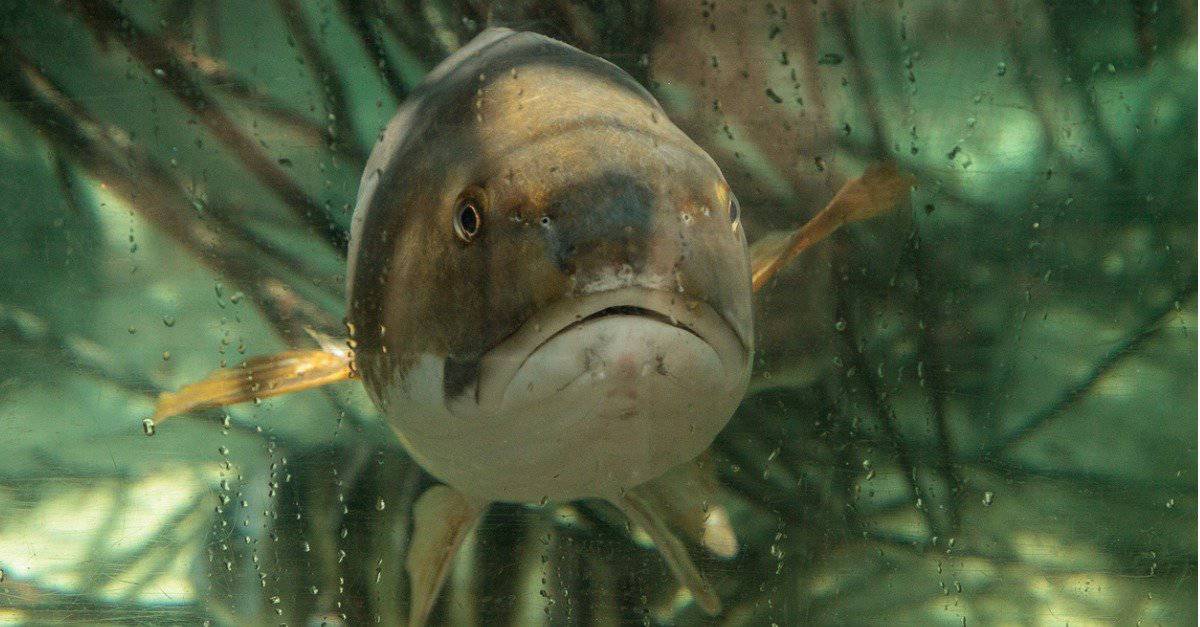
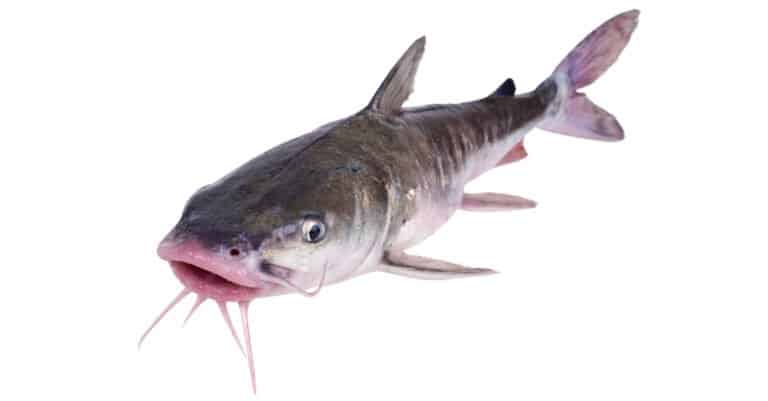
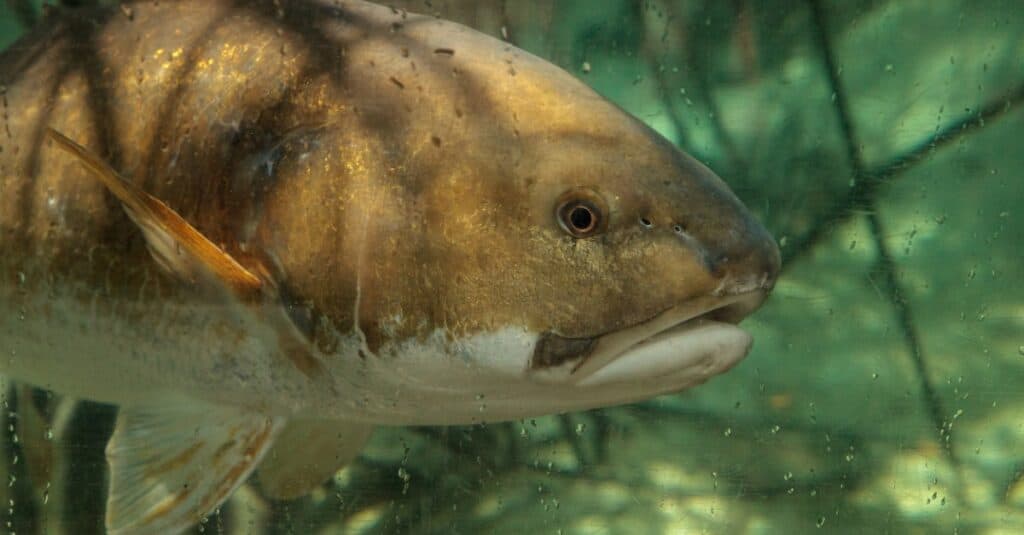
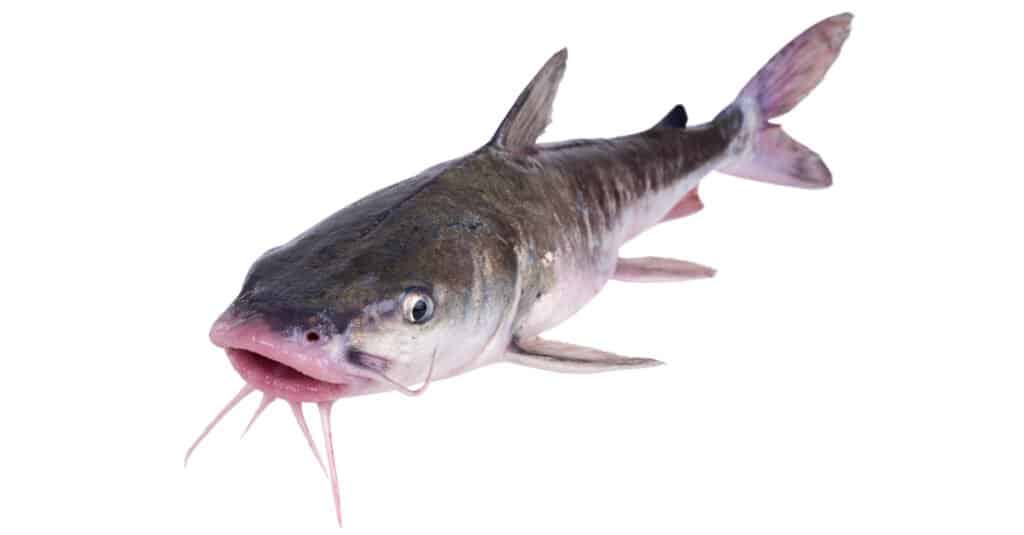
The hardhead catfish is characterized by a long body, forked tail, flattened head with hard bony plates, and, of course, six barbels (whiskers) projecting from the mouth and chin that help it sense its surrounding environment. The upper half of the body is a silvery bluish-green or brown color, while the underside is mostly white. These fish are normally 12 to 16 inches long and weigh 1 to 3 pounds. The largest ever specimen documented was about 27 inches long and weighed just under 10 pounds. Females generally have larger pelvic fins than males.
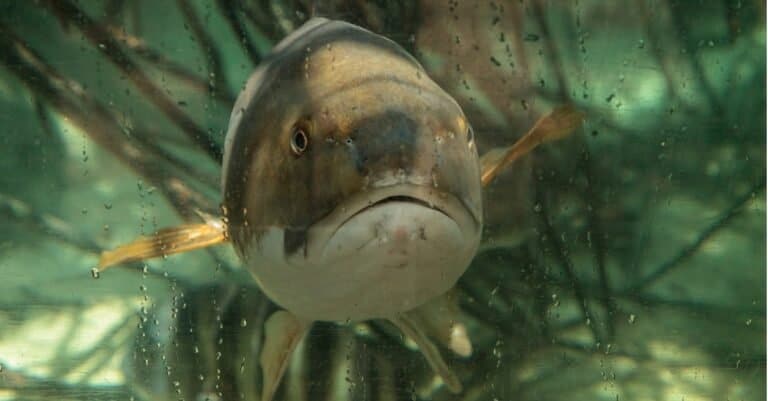
hardhead catfish swimming

The six whiskers on this catfish are the most distinctive feature.

Distribution, Population, and Habitat

The hardhead catfish can be found near the eastern coast of the United States, within a reasonable distance of the shoreline, sometimes even gathering around the lights of docks. They also travel as far inland as brackish (salty) estuaries and river mouths with sandy bottoms, especially in the spawning season, but they rarely move far enough to reach freshwater. The greatest concentration of catfish appears around the southeastern United States and the Gulf of Mexico.

While population numbers are unknown, it is currently classified as a species of least concern by the IUCN Red List. They are sometimes vulnerable to pollution and large algae blooms, which restrict the amount of oxygen, killing many fish in the area.

Predators and Prey

The hardhead catfish is an omnivore. It sifts along the bottom of the ocean or estuary for food with its whiskers and then picks out whatever morsel it can find. It is not particularly picky about what it eats. These are opportunistic predators.

What eats the hardhead catfish?

The hardhead catfish are preyed upon by larger fish such as sharks and gars. The venomous spine provides a degree of protection against predators. They also like to travel in schools.

What does the hardhead catfish eat?

The diet of the hardhead catfish consists of algae, seagrasses, sea cucumbers, shrimp, crabs, gastropods (like sea snails), and small fish.

Reproduction and Lifespan

The spawning season of the hardhead catfish usually takes place every year between May and September in the shallow waters of estuaries and river mouths, though some may choose to spawn in deeper ocean waters. Females only produce 20 to 65 eggs per spawn, a relatively low number compared to many fish. However, they compensate for this with stronger parental investment.

The male will keep the eggs hidden safely away in his mouth to protect them from predators. Mouth brooding is the technical term for this strategy. Males do not hunt for food when they carry the eggs in their mouths. However, it’s been speculated that they may consume some of the non-viable or unfertilized eggs in the brood.

After about a 30-day gestation period, the larvae will emerge from the eggs. They will remain safe within the father’s mouth until they fully absorb their egg yolks after about two to four weeks. Even after learning to hunt on their own, the juveniles may continue to seek refuge in the father’s mouth for some time afterward. Because of this interesting reproductive strategy, juvenile hardhead catfish have higher survival rates than many other types of fish. The typical lifespan is five to eight years.
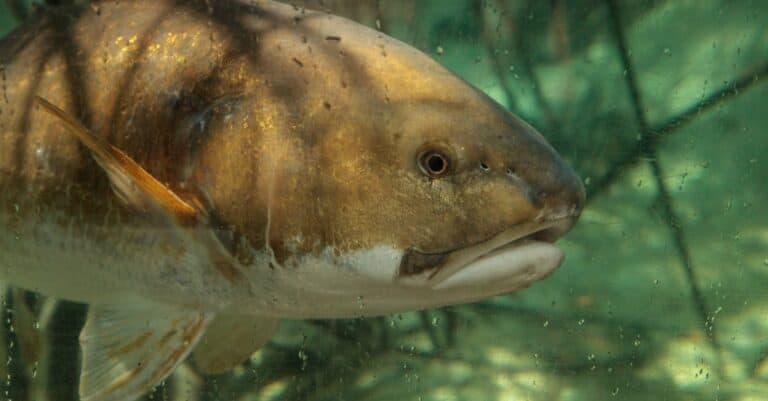
isolated hardhead catfish

The male hardhead catfish protects the eggs and babies in his mouth.

Hardhead Catfish in Fishing and Cooking

The hardhead catfish is very plentiful and common all along the southeastern coast of the United States. They are often considered to be a nuisance by fishers because they steal bait intended for other fish. The meat is also not highly regarded by fishers, perhaps because of how difficult it can be to clean it. When this catfish is deliberately sought after, bottom trawling is a common method of fishing for large numbers.

Live bait, including chicken or small fish, also works well for recreational fishing. Just about any medium tackle and spinning reel will work well, but they do put up a strong fight in comparison to their size. Because of the painful sting from the spine, they must be handled with extreme care. The meat tends to have a fishy taste, but the intensity depends on several factors, including the catfish’s diet and oceanic conditions.

View all 287 animals that start with H

Sources

  1. The University of Southern Mississippi / Accessed October 16, 2021
  2. Reel Pursuits / Accessed October 16, 2021
A-Z Animals Staff

About the Author

A-Z Animals Staff

AZ Animals is a growing team of animals experts, researchers, farmers, conservationists, writers, editors, and -- of course -- pet owners who have come together to help you better understand the animal kingdom and how we interact.
Connect:

Thank you for reading! Have some feedback for us?


Hardhead Catfish FAQs (Frequently Asked Questions)

The hardhead catfish are primarily found along the eastern coast of the United States, down to the Gulf of Mexico.