N S W E
Wildlife Expeditions

Wildlife of
Connecticut

From Long Island Sound salt marshes to inland hardwood ridges, Connecticut packs coastal-migratory spectacle and forest wildlife into a compact state.
204 Species
12,406 km² Land Area
Overview

About Connecticut

Connecticut is an “edge” state where coast, rivers, and upland forests sit close together. That mix gives many kinds of habitat in a short drive. The state is part of the Atlantic Flyway, with big spring and fall migrations, busy estuaries in summer, and wintering raptors and waterfowl. Key places are Long Island Sound’s estuaries, salt marshes, mudflats, and barrier beaches—important nurseries for fish and feeding spots for shorebirds and waterfowl. Inland are mixed deciduous forests (oak-hickory, maple-beech), hemlock ravines, and rocky ridges that hold deer, black bear, bobcat, and many songbirds. The Connecticut River and Housatonic River act as wildlife highways, linking coast and uplands. Connecticut stands out for close-by urban areas and high-value wetlands and forests, so wildlife viewing often happens near people.

Physical Features

Geography

Connecticut's varied landscape includes a Long Island Sound coast with tidal marshes and estuaries, rivers linking coast and inland, and hardwood forests. Coastal areas host migratory birds, shellfish, and nurseries for marine/diadromous fish; uplands and hills support forest mammals, amphibians, and vernal-pool wetlands. Urban sprawl fragments habitat, so river valleys and protected coastal wetlands help wildlife move and keep biodiversity.

12,406 km² (land area) Land Area
3rd smallest U.S. state by area Size Rank
State Type
Elevation Range

Sea level to ~725 m (2,379 ft) at the state high point on the south slope of Mount Frissell

Coastline

Atlantic coast via Long Island Sound (~155 km / 96 mi of shoreline) with extensive estuaries, tidal marshes, and coastal embayments

Key Landscapes

Long Island Sound coastline (embayments, tidal flats, beaches, coastal bluffs) Coastal salt marshes, estuaries, and tidal rivers (critical migratory bird and fish nursery habitat) Connecticut River Valley (largest river corridor; major migration and dispersal route) Housatonic River basin (riparian forests, floodplains, reservoir/lake habitats) Thames River basin (including the Quinebaug and Shetucket; riparian and wetland mosaics) Farmington River and other coldwater tributaries (notable freshwater/riverine habitats) Litchfield Hills / northwestern uplands (mixed hardwood-conifer forests, headwater streams) Taconic/Berkshire-related highlands in the northwest (higher-elevation forest and rocky habitats) Metacomet Ridge / traprock ridges (cliff, talus, oak woodland, and raptor migration features) Glacially formed wetlands, ponds, and vernal pools across the interior (amphibian breeding habitats)
State Symbols

Official Wildlife Symbols

bird

American robin

Designated 1943

fish

American shad

Designated 2003

insect

European praying mantis

Designated 1977

marine

Eastern oyster

Designated 1989

wildflower

Mountain laurel

Designated 1907

tree

White oak (Charter Oak)

Designated 1947

animal

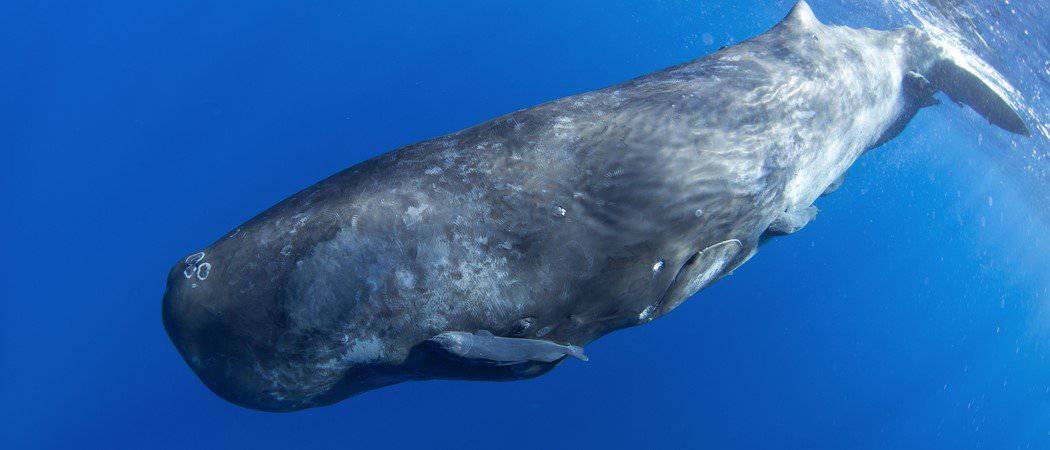
Sperm whale

Designated 1975

Parks & Reserves

Protected Areas

Connecticut's protected areas include state parks, state forests, wildlife management areas (WMAs), coastal preserves, and some federal units. Because the state is small and mostly suburban, many important habitats are kept as connected pieces along Long Island Sound estuaries, the Connecticut River, and eastern upland forests. Priorities: tidal marshes, beaches and dunes, migratory bird stopover sites, and hardwood‑hemlock forests.

Protected Coverage

Approximately 17% of Connecticut's land area is in permanently protected public or conservation ownership (state, federal, municipal, and major land trusts), with additional acreage under partial protections or conservation easements.

National Parks & Preserves

Weir Farm National Historical Park

About 60 acres (NPS core lands), with additional adjacent conserved partner lands

Though best known for cultural history, this small NPS unit protects a surprisingly diverse patchwork of mature woods, wetlands, and old fields that support songbirds, raptors, amphibians, and pollinators in a highly developed region.

Wood thrush Eastern bluebird Painted turtle Red fox Great horned owl

Appalachian National Scenic Trail (Connecticut section)

Approximately 52 miles of trail corridor across Connecticut

A 50+ mile forested ridgeline-and-river corridor in northwestern Connecticut that protects interior forest habitat and provides a major migration pathway/stopover for birds; also notable for reptile and raptor habitat on rocky outcrops.

American black bear Bobcat Scarlet tanager Timber rattlesnake Broad-winged hawk

New England National Scenic Trail (Connecticut section)

Roughly 50 miles of trail across Connecticut (portion of a 215-mile route)

Traverses the Metacomet Ridge and associated forest blocks, an important raptor-migration landscape with cliff, talus, and traprock microhabitats that increase biodiversity and support specialized reptiles and plants.

Peregrine falcon Turkey vulture Wood thrush Eastern box turtle White-tailed deer

Quinebaug and Shetucket Rivers Valley National Heritage Corridor (The Last Green Valley)

Regional corridor spanning dozens of communities across eastern Connecticut (landscape-scale protected parcels and river corridors)

An NPS-affiliated conservation landscape focused on free-flowing river corridors, floodplain forests, and large, connected rural habitats in eastern Connecticut-important for freshwater turtles, river mammals, and nesting/foraging birds.

River otter Wood turtle North American beaver Belted kingfisher Great blue heron

State & Provincial Parks

Pachaug State Forest

About 27,000 acres

Connecticut's largest state forest, protecting one of the state's best remaining interior forest blocks with extensive wetlands and headwater streams-stronghold habitat for wide-ranging mammals, forest birds, and herpetofauna.

American black bear Bobcat Fisher Barred owl Eastern box turtle

Hammonasset Beach State Park

About 900+ acres

A premier Long Island Sound wildlife-viewing site with beach, dune, and tidal marsh habitats that support migrating shorebirds, nesting coastal birds, and estuarine species.

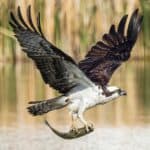
Piping plover Least tern Osprey Diamondback terrapin Horseshoe crab

Rocky Neck State Park

About 680 acres

Coastal park with salt marsh, beach, and grassland habitats-excellent for waterfowl, wading birds, and seasonal songbird migration, with adjacent marsh systems that are conservation priorities statewide.

Saltmarsh sparrow Willet Snowy egret Osprey Clapper rail

Peoples State Forest

About 3,000 acres

Large, forested habitat in the Farmington River watershed with coldwater streams and extensive canopy cover-good for raptors, beavers/otters, and forest interior birds; also supports important riparian corridors.

Bald eagle North American beaver Brook trout Pileated woodpecker Black bear

Wildlife Refuges

Stewart B. McKinney National Wildlife Refuge

Multiple coastal units/islands totaling thousands of acres (refuge is dispersed across sites)

Connecticut's flagship coastal NWR, protecting critical nesting and roosting islands, beaches, and salt marshes along Long Island Sound-vital for imperiled shorebirds and colonial waterbirds, and a seasonal haul-out area for seals.

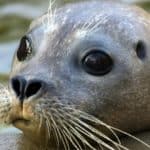
Piping plover Roseate tern American oystercatcher Black skimmer Harbor seal

Silvio O. Conte National Fish and Wildlife Refuge (Connecticut River watershed units)

Watershed-wide refuge with multiple protected parcels; Connecticut units include river and floodplain habitats

A watershed-scale refuge protecting floodplain forests, backwaters, and migratory fish habitat; key for river restoration, anadromous fish runs, and raptor recovery along the Connecticut River system.

Bald eagle Osprey American shad River otter Wood turtle

Connecticut National Estuarine Research Reserve (NOAA) - Barn Island, Lord Cove, and Great Island sites

Three-site reserve spanning several thousand acres of estuarine and coastal habitats

A science-and-conservation reserve protecting some of the state's highest-quality tidal marshes and estuarine gradients-important nursery habitat for fish and crustaceans and essential feeding/breeding areas for marsh birds.

Saltmarsh sparrow Blue crab Winter flounder Great egret Ribbed mussel

Barn Island Wildlife Management Area

Approximately 1,024 acres

One of Connecticut's largest and most important coastal WMAs, protecting extensive salt marsh, mudflat, and coastal shrub habitats that are among the best in the region for marsh birds and migratory waterfowl.

Saltmarsh sparrow Virginia rail American black duck Glossy ibis Diamondback terrapin

Wilderness Areas

  • Bigelow Hollow State Park & Nipmuck State Forest (eastern uplands forest-and-wetland complex with relatively low road density in places)
  • Housatonic Highlands / Northwest Highlands forest blocks (large, connected habitats around the upper Housatonic basin and Taconic foothills)
  • Metacomet Ridge traprock corridor (cliff-and-ridgeline habitats with key raptor migration viewpoints and relatively intact ridgeline forests)
  • Pachaug-Arcadia-eastern forest block connections (interior forest cores and headwater wetlands spanning Pachaug State Forest and adjacent conserved lands)
  • The Last Green Valley landscape (Quinebaug-Shetucket region) as a broad road-light conservation matrix supporting connected river corridors and forests
Animals

Wildlife

Connecticut's wildlife diversity is shaped by a sharp coast-to-interior gradient: Long Island Sound's estuaries, beaches, salt marshes, and rocky islands support seabirds, shorebirds, seals, and migratory fish, while inland river valleys and mature second-growth hardwood forests support large mammals and forest birds. Dense suburban development fragments habitat, so many of the state's signature wildlife experiences concentrate in coastal marshes, the Connecticut River corridor, large forest blocks in the northwest/east, and protected offshore islands.

~55-65 species Mammals
~420-440 species recorded (includes migrants and vagrants; totals vary by checklist source and year) Birds
~20-25 species Reptiles
~15-20 species Amphibians
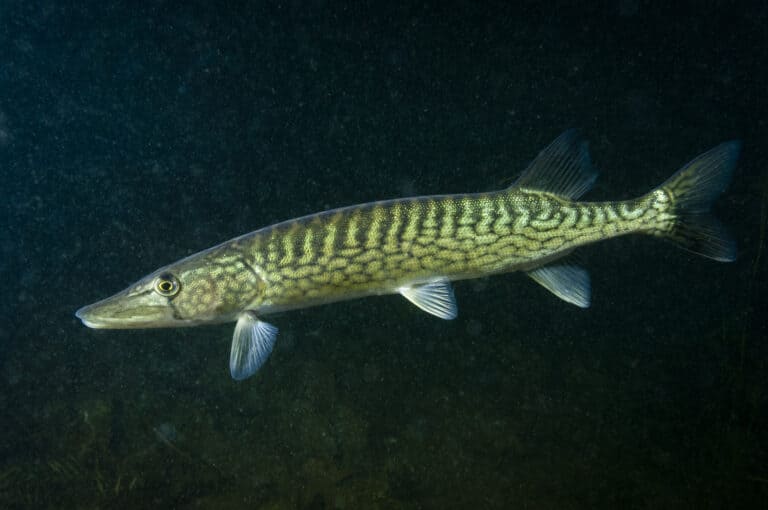
~180-220 species (freshwater + coastal/marine combined, approximate) Fish

Endemic & Rare Species

New England Cottontail

Sylvilagus transitionalis

Regionally rare; conservation concern (species of greatest conservation need in much of its range)

A shrubland specialist that has declined with loss of young forest/brushy habitat; Connecticut supports targeted habitat restoration for it.

Saltmarsh Sparrow

Ammospiza caudacutus

Globally vulnerable/rapidly declining (sea-level-rise driven risk)

A tidal-marsh obligate; Connecticut's coastal marshes are part of the species' core breeding range and key to its persistence.

Roseate Tern

Sterna dougallii

Federally endangered (U.S.); rare breeder in the region

Nests in small numbers on protected coastal islands; highly sensitive to disturbance and dependent on managed nesting sites.

Puritan Tiger Beetle

Cicindela puritana

Federally threatened

Specialized to sandy riverbank habitats; the Connecticut River supports one of the best-known populations, making the state important for recovery.

Bog Turtle

Glyptemys muhlenbergii

Federally threatened; extremely rare and localized

Requires calcareous fens and wet meadows that are scarce and vulnerable; Connecticut occurrences are limited and heavily protected.

Timber Rattlesnake

Crotalus horridus

State endangered (in Connecticut)

Persists in a small number of rocky ridge/den complexes; an important indicator of intact upland habitats and low persecution.

Shortnose Sturgeon

Acipenser brevirostrum

Federally endangered

An anadromous sturgeon that uses major river systems; protected populations in/near the Connecticut River are regionally significant.

Atlantic Sturgeon

Acipenser oxyrinchus

Federally endangered (New York Bight distinct population segment; other DPS vary)

Historic migrations include Long Island Sound and large rivers; recovery depends on protecting spawning and foraging habitats from impacts.

Notable Populations

  • Connecticut River corridor as a major migratory pathway and wintering area for Bald Eagles and other raptors.
  • Connecticut River sandy-bank habitats supporting a federally threatened Puritan Tiger Beetle population of national conservation importance.
  • Long Island Sound salt marshes forming an important breeding landscape for Saltmarsh Sparrow (a rangewide declining species).
  • Coastal/offshore island nesting assemblages (e.g., terns and other seabirds) that are regionally important and intensively managed.
  • Diadromous fish runs (e.g., shad, alewife/blueback herring) in the Connecticut River system-ecologically significant and culturally iconic.

Recent Changes

  • Bald Eagle and Osprey populations increased markedly over recent decades due to contaminant bans, legal protection, and habitat management; nesting is now regular in the state.
  • American Black Bear distribution expanded south and east from traditional strongholds, increasing encounters in suburban areas.
  • Bobcat numbers and sightings increased following recovery and continued forest regeneration in parts of the state.
  • Ongoing declines and heightened risk for tidal-marsh obligates (especially Saltmarsh Sparrow) driven by sea-level rise, marsh drowning, and intensified coastal flooding.
  • Beach-nesting birds (e.g., Piping Plover, terns) remain conservation-dependent; productivity fluctuates with storms, predation, and human disturbance despite intensive management.
  • Warm-water shifts and ecosystem change in Long Island Sound have contributed to declines of some cold-adapted marine species (notably American lobster) and altered coastal food webs.
  • Barriers and water-quality issues continue to constrain diadromous fish recovery in some tributaries, while targeted dam removals/fish-passage projects have improved access in others (localized gains).
Visit

Wildlife Viewing

Connecticut packs many wildlife spots into a small state: salt marshes and rocky shores on Long Island Sound, the Connecticut River, hardwood forests, wetlands, and ridges. You can do coastal birding, river eagle-watching, spring amphibian nights (frogs and salamanders), and fall hawk migration. Best viewing is at dawn and dusk; often 30 to 60 minutes from towns.

Best Seasons

Spring (Mar-May)

Peak migration for songbirds and waterfowl along the coast and river valleys; active vernal pools with wood frogs and spotted salamanders on rainy nights; osprey return to nesting platforms; excellent marsh bird activity (listen for rails/bitterns). Bring waterproof boots and plan early-morning walks.

Summer (Jun-Aug)

Best time for coastal experiences: seal haul-outs (view from shore/boat at respectful distances), salt-marsh herons/egrets, osprey feeding young, and shorebird activity on mudflats at low tide. Freshwater turtles bask; dragonflies are abundant. Heat/humidity can be high-go early or near sunset.

Fall (Sep-Nov)

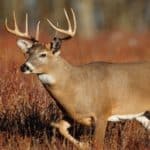
One of the state's top wildlife seasons: raptor migration (hawks, falcons, eagles) along ridges and coastal points; shorebird and waterfowl movement increases; excellent photography light. Rut activity for white-tailed deer is visible in late fall (observe carefully from a distance).

Winter (Dec-Feb)

Reliable bald eagle viewing on the Connecticut River and other open-water areas; wintering ducks/loons/grebes on Long Island Sound; occasional snowy owl years along beaches and airports (view respectfully and from far away). Leaf-off conditions make mammals easier to spot; dress for wind on the coast.

Top Wildlife Experiences

  • Bald eagle winter watch on the Connecticut River (Essex-Old Lyme-Old Saybrook area): scan open water and river edges from public viewpoints; pair with a river cruise when available for higher odds.
  • Spring birding at Stewart B. McKinney National Wildlife Refuge coastal units (e.g., Great Island/Wrights Pond area in Old Lyme): look for salt-marsh sparrows, herons/egrets, and migrating warblers; time visits with the tide for mudflat feeding activity.
  • Raptor migration at Lighthouse Point Park (New Haven) in fall: watch for broad-winged hawks, sharp-shinned hawks, peregrine falcons, and migrating songbirds moving along the coastline; bring binoculars and a folding chair for a few hours of sky-watching.
  • Dawn paddle or shoreline wildlife walk at Hammonasset Beach State Park (Madison): excellent for shorebirds, terns, egrets, and seasonal waterfowl; explore salt marsh edges and tidal creeks for the most activity.
  • Wetland birding and beaver/muskrat spotting at the Silvio O. Conte National Fish & Wildlife Refuge (Connecticut River watershed sites): focus on backwaters and marshes for bitterns, rails (heard more than seen), and late-day mammal movement.
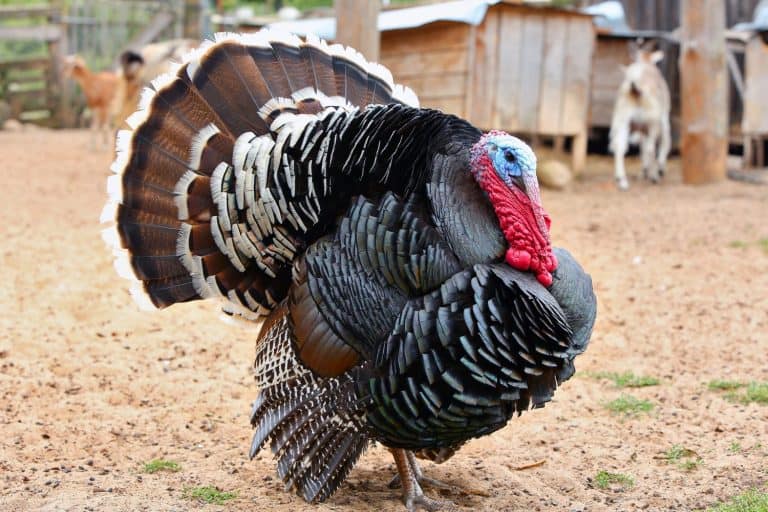
  • Forest-and-wetland circuit at Natchaug State Forest & adjacent forests (e.g., Natchaug region): look for pileated woodpeckers, barred owls, wild turkey, and spring amphibians; ideal for a quiet, inland contrast to the coast.
  • Seal viewing and coastal wildlife boat trip from the Mystic-Stonington area: in colder months especially, watch for hauled-out harbor seals and winter seabirds; choose operators with wildlife-first practices and keep a respectful distance.

Wildlife Watching Types

Coastal birding (salt marshes, beaches, mudflats) Songbird migration walks (spring/fall) Raptor migration hawk-watches (ridgelines/coastal points) Bald eagle viewing (especially winter along major rivers) Waterfowl and sea duck watching on Long Island Sound Seal watching (seasonal, primarily harbor seals) Whale watching (limited from CT; better odds via longer offshore trips or connecting to nearby New England ports) Amphibian nights at vernal pools (spring rains) Wildlife-friendly paddling (canoe/kayak in tidal creeks and river backwaters) Night owling (barred/great horned owl listening routes where permitted)

Guided Options

  • Connecticut Department of Energy & Environmental Protection (DEEP) programs: seasonal guided walks, birding events, and nature center programming at state parks/forests (check individual park calendars).
  • Connecticut Audubon Society field trips: guided bird walks and migration outings at key sanctuaries and coastal hotspots.
  • U.S. Fish & Wildlife Service programming at Stewart B. McKinney NWR and Silvio O. Conte NWR: occasional ranger-led walks, talks, and refuge events (varies by unit/season).
  • Connecticut River Museum (Essex) river cruises: seasonal eagle and wildlife-focused cruises when offered-great for winter eagle viewing without constant shoreline scanning.
  • Local naturalist-led kayak and coastal ecology tours (Mystic-Stonington-Old Lyme corridor): look for operators emphasizing low-impact wildlife viewing and tide-based route planning.
  • Hawk watch groups and volunteer-led counts (fall): informal but visitor-friendly gatherings at popular watch sites (bring optics; learn ID tips on-site).
Habitats

Ecosystems

Connecticut is in the temperate broadleaf forest zone of southern New England, with coastal influence from Long Island Sound. Its ecosystems reflect a humid continental climate—warm summers, cold winters—glacial soils, many towns, regrowing hardwood forests, rivers, lakes, and wetlands. Biodiversity is highest where marshes, streams, and mixed upland forests meet, and in forest blocks in northwest hills.

Biomes

Temperate Forest

Dominant terrestrial biome: second-growth deciduous and mixed forests (oak-hickory and maple-beech-birch), with hemlock-white pine components, especially in cooler ravines and uplands.

Most of inland Connecticut; widespread but fragmented by development and roads.

Freshwater

Rivers (Connecticut, Housatonic, Thames and tributaries), glacial lakes/ponds, reservoirs, and riparian floodplains supporting fish, amphibians, freshwater mussels, and wet meadow communities.

Statewide along major river corridors and in lake/pond-rich landscapes; linear and patchy but ubiquitous.

Wetland

Tidal salt marshes along Long Island Sound; inland swamps, marshes, bogs, vernal pools, and wet meadows that support waterfowl, wading birds, turtles, and specialized plants.

Common statewide; highest concentration along the coast and major river floodplains, plus numerous small inland wetlands.

Marine

Long Island Sound's nearshore marine and brackish waters, including benthic habitats (mud/sand flats, eelgrass where present) supporting shellfish, finfish nurseries, and coastal food webs.

Southern edge of the state along the entire coastline; nearshore-dominated rather than open-ocean.

Habitats

Forest

Extensive second-growth forest matrix, especially in the northwest hills and interior; key for songbirds, deer, bobcat, and forest amphibians.

Deciduous Forest

Oak-dominated ridges and slopes; maple-beech-birch in cooler/moister settings; strong fall mast production supporting wildlife.

Coniferous Forest

Hemlock ravines and mixed conifer stands (white pine/hemlock) in cooler microsites; important winter cover and stream shading.

Woodland

Edge woodlands and small woodlots common in suburban/agricultural landscapes; high edge effects and invasive pressure.

Grassland

Early-successional fields, hayfields, and managed grasslands (including airports/utility corridors) supporting declining grassland birds in limited areas.

Shrubland

Old-field shrublands and coastal scrub patches; valuable for pollinators and shrubland birds but often transitional without management.

River/Stream

Major river systems (Connecticut, Housatonic, Thames) with riparian forests, floodplains, and migratory fish runs in connected reaches.

Lake

Natural lakes are limited; many water bodies are reservoirs and kettle ponds that support warmwater/coolwater fisheries and aquatic vegetation.

Pond

Numerous small ponds and kettle holes; vernal-pond complexes are critical breeding sites for amphibians.

Wetland

Statewide mix of tidal and non-tidal wetlands; includes wet meadows, forested wetlands, and vernal pools with high ecological value.

Swamp

Forested wetlands (red maple/black gum and mixed swamps) common in lowlands and along slow streams.

Marsh

Salt marshes along Long Island Sound and freshwater marshes inland; key for nutrient cycling, storm buffering, and bird habitat.

Bog

Scattered acidic bogs/fens and peatlands in glacial basins; localized but ecologically distinctive plant communities.

Estuary

Tidal rivers and embayments feeding Long Island Sound (e.g., lower Connecticut River); nurseries for fish and shellfish and major migratory bird stopover areas.

Coastal

Shoreline mosaic of dunes (limited), bluffs, coastal forests, tidal wetlands, and developed waterfront; highly pressured by development and sea-level rise.

Beach

Sandy beaches occur but are limited and often managed; important for shorebirds where disturbance is controlled.

Rocky Shore

Rocky coasts and tidal ledges, especially in eastern sections and around headlands; supports intertidal communities.

Seabed/Benthic

Long Island Sound benthic habitats (mud, sand, gravel) supporting shellfish beds and bottom-dwelling invertebrates.

Urban

Dense urban centers and industrial waterfronts (e.g., Hartford area inland; coastal cities) with fragmented green space and altered waterways.

Suburban

Dominant human land-use pattern across much of the state; a patchwork of lawns, small forests, wetlands, and corridors.

Agricultural/Farmland

River-valley and scattered farmland (hay, row crops, orchards, pasture) providing open habitats but with nutrient/runoff concerns.

Ecoregions

WWF: Northeastern coastal forests EPA Level III: Northeastern Coastal Zone EPA Level III: Northeastern Highlands
Protection

Conservation

Primary Threats

  • Suburban expansion and redevelopment in the I-95 and I-91 corridors (and around Hartford/New Haven/Bridgeport/Stamford) fragment forests and wetlands, reduce large interior-forest blocks, and increase edge effects that harm forest birds and other interior-dependent wildlife.
  • Coastal marshes, dunes, and beaches are squeezed by development and shoreline armoring, while inland vernal pools, riparian buffers, and early-successional shrublands are lost to development and forest maturation without disturbance-reducing habitat for species like New England cottontail and nesting shorebirds.
  • Road density and traffic cause wildlife mortality and sever movement corridors; culverts and undersized stream crossings impede aquatic organism passage. Dams and legacy mill structures on rivers and tributaries limit access to spawning habitat for river herring, shad, and sturgeon.
  • Shoreline stabilization (seawalls, revetments), dredging, and altered sediment dynamics reduce natural beach/dune formation and degrade coastal resilience. River channelization, impoundments, and altered flow regimes change temperature and habitat structure for freshwater fish and mussels.
  • Nutrient loading (notably nitrogen) and stormwater runoff contribute to hypoxia and harmful algal blooms in Long Island Sound. Road salt, legacy industrial contaminants, and emerging pollutants (e.g., PFAS in some watersheds) affect freshwater systems and coastal food webs.
  • Sea-level rise inundates and compresses tidal marshes where inland migration is blocked by development; warming waters and marine heatwaves stress Long Island Sound ecosystems (including shellfish and finfish communities). Increased heavy rainfall drives flashier flows, erosion, and pollutant pulses.
  • Invasives reshape both forests and wetlands: Phragmites can convert diverse saltmarsh and roadside wetlands; Japanese barberry and other understory invaders alter forest structure; emerald ash borer changes riparian/lowland forests; aquatic invasives (e.g., zebra mussels in some waters) can alter food webs.
  • White-nose syndrome has severely reduced hibernating bat populations (including listed species). Tick-borne disease ecology is influenced by fragmented forests and high deer densities, affecting wildlife and human health and complicating management priorities.
  • High recreational use of beaches and dunes (dogs, off-trail foot traffic) disrupts nesting and brood-rearing for piping plovers and terns. Boating and shoreline recreation can disturb seal haul-outs and sensitive nearshore habitats.
  • Growing black bear presence and high deer densities increase conflicts (property damage, road collisions), driving demand for management actions while also affecting forest regeneration and understory diversity.
  • Fishing pressure, combined with warming and habitat constraints, can stress coastal stocks in and around Long Island Sound (e.g., forage fish dynamics and migratory species). Riverine species remain vulnerable where spawning runs are still rebuilding and access is constrained.
Fun Facts

Did You Know?

Connecticut has two native venomous snakes-the timber rattlesnake and the northern copperhead-and both are state-protected; most residents never see them because their populations are small and localized to specific rocky/ridge habitats.

Harbor seals are regular winter visitors in Long Island Sound; you can often spot them hauled out on rocks and shoals off the Connecticut coast during the cold months.

Sea turtles aren't just a "southern" thing here: juvenile Kemp's ridley (critically endangered) and other species can end up cold-stunned in Long Island Sound in late fall, prompting real rescue-and-rehab responses in Connecticut.

Black bears were largely absent from Connecticut for generations, but natural recolonization from Massachusetts in the late 20th century helped re-establish a breeding population-now sightings occur well beyond the northwest corner.

A lot of Connecticut's "best wildlife viewing" happens in heavily human-shaped places: salt marsh edges, old millponds, and suburban wetland complexes are prime habitat for animals like great blue herons, beavers, and otters.

Silvio O. Conte National Fish and Wildlife Refuge (focused on the Connecticut River watershed) is the only U.S. National Wildlife Refuge established to protect an entire watershed-spanning ~7.2 million acres across CT, MA, VT, and NH.

At ~410 miles long, the Connecticut River is the longest river in New England-making it the region's biggest single migratory corridor for species like American shad, river herring, and (historically) Atlantic salmon.

The Connecticut River Estuary was designated a "Wetland of International Importance" (Ramsar site) in 1994-an internationally recognized hotspot for migratory birds on the Atlantic Flyway.

Barn Island Wildlife Management Area in Stonington is Connecticut's largest coastal Wildlife Management Area (about 1,000 acres) and one of the state's biggest, most intact complexes of salt marsh, dunes, and coastal forest.

The Connecticut River supports the largest remaining American shad run in New England-so prominent that it anchors one of the region's signature river migrations each spring.

Connecticut is the third smallest state in the US, but that doesn’t mean it’s lacking in biodiversity. While roughly 60% of Connecticut is covered by forest, the rest is claimed by coasts and wetlands. Dozens of mammals, reptilians, and amphibians call the state home along with hundreds of species of birds.
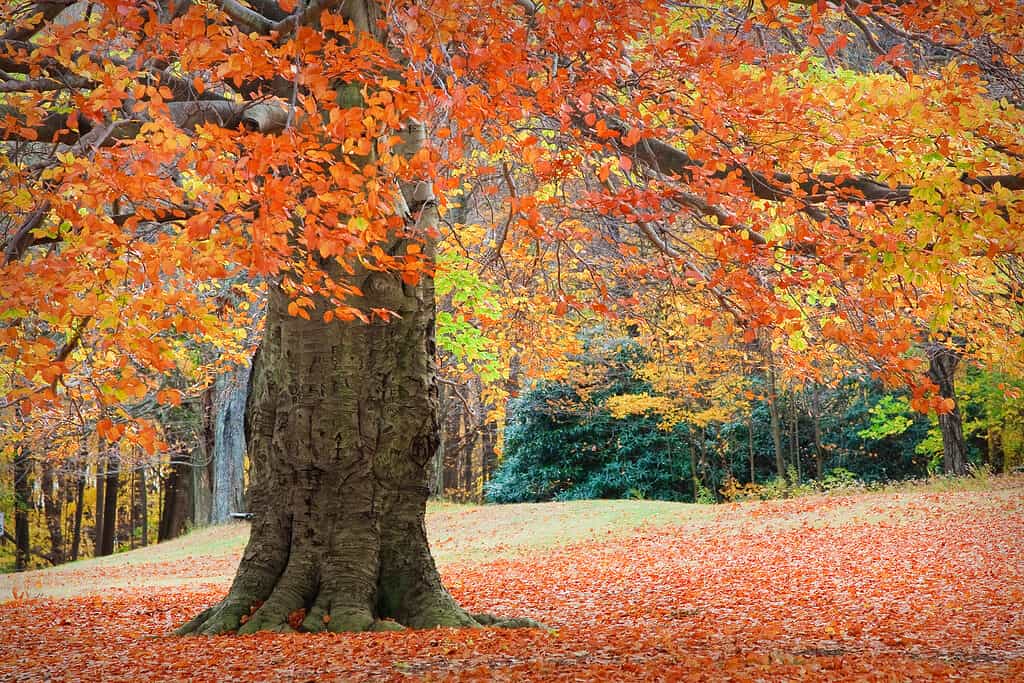
Image of beautiful fall-colored tree in a forest.

60% of Connecticut’s 3.4 million acres are covered by trees.

Notable wildlife of Connecticut includes the badger, beaver, long-tailed weasel, and white-tail deer — but that’s just scratching the surface of the animal diversity in the state. The coasts and marshes play home to a huge marine population.

The Official Animal of Connecticut
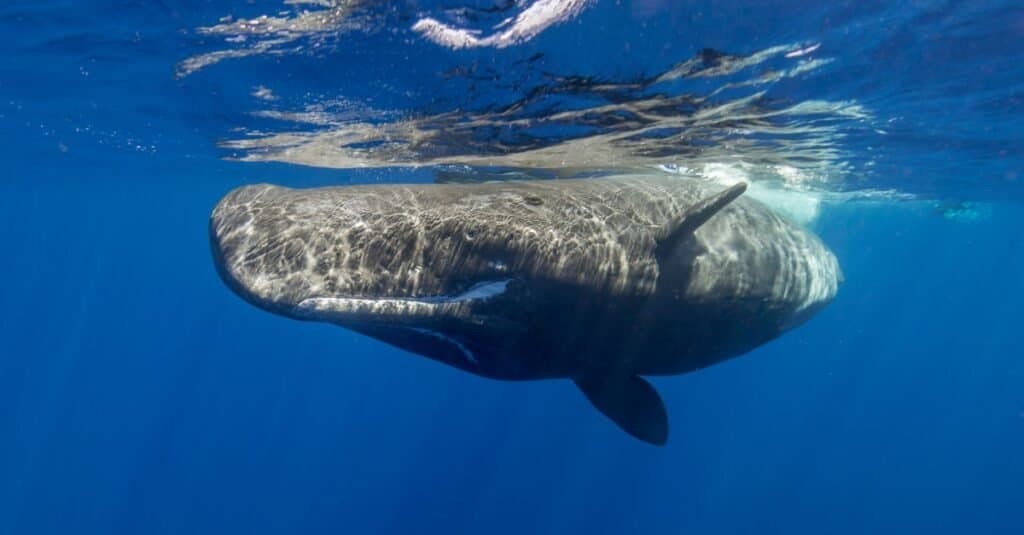
Animals With the Toughest Skin-sperm whale

The sperm whale was chosen as the official state animal of Connecticut for its role in the state’s history and to raise awareness of its endangered status.

Connecticut didn’t settle on an official state animal until 1975. The sperm whale was chosen because it played a part in the state’s history but also to raise awareness for its position as one of the rarest species on the endangered wildlife list. Connecticut was once an epicenter for the whaling industry, but the modern embrace of the sperm whale demonstrates a shift toward conservation.

Connecticut also has a state bird in the form of the American robin. Designated by the general assembly in 1943, the robin was chosen thanks to the ubiquitous presence of their songs and chirps throughout the state.

Where To Find The Top Wild Animals in Connecticut
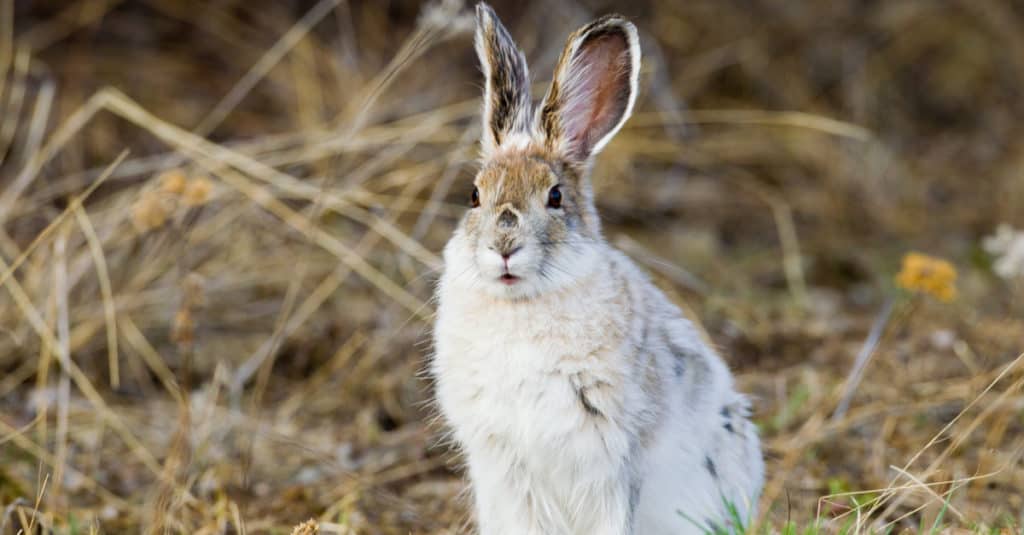
Snowshoe Hare

Snowshoe hares are native to the state of Connecticut.

The landmass of Connecticut may be small, but it packs in a lot of biodiversities. Coast to the east gives way to a variety of different marshlands, waterfalls, and finally dry forests and mountains.

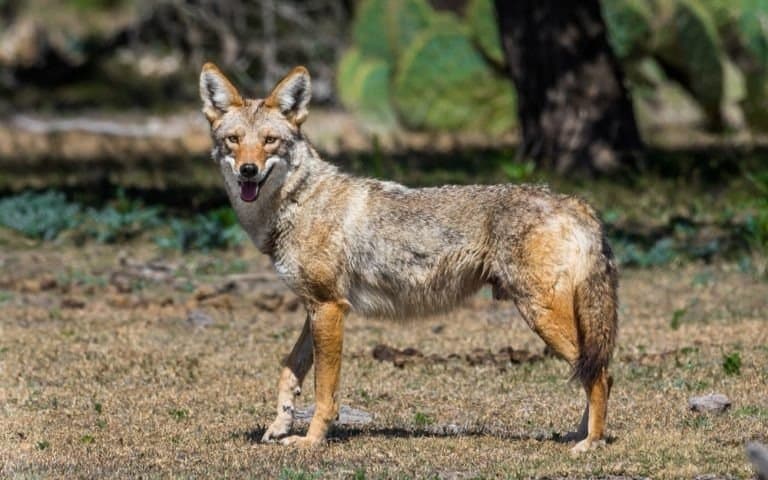
Connecticut’s woodland ecosystem is similar to much of North America. Predators like black bears, coyotes, and red foxes hunt in search of prey like white-tail deer and snowshoe hares. The long-tailed weasel and badger also have a home here along with a number of different rodents.

The marshlands of Connecticut are unique in that they’re home to both tidal wetlands and salt marshes. While both have their own flora and fauna, woodchucks and beavers both play prominent roles in these regions along with river otters, turtles, and a number of different frogs and snakes.

The largest animal you’ll find in the waters surrounding Connecticut is the imposing sperm whale, but they aren’t the only marine life worth seeing. Gray and harbor seals can both be found along with porpoises on Connecticut’s beaches.
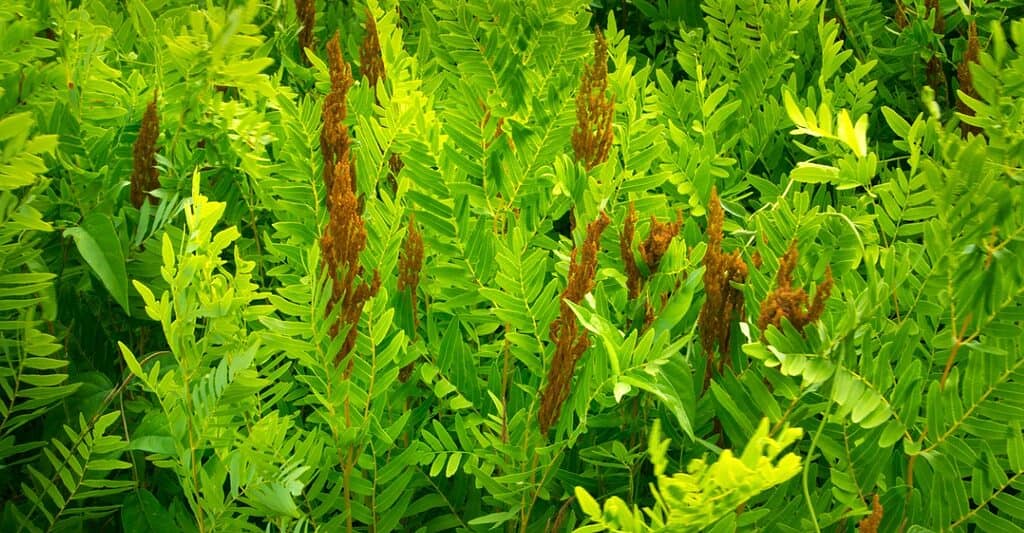
royal fern

Native plants and animals can be seen at Connecticut’s White Memorial Conservation Center.

Highly recommended spots for wildlife sightings include:

The Most Dangerous Animals In Connecticut Today
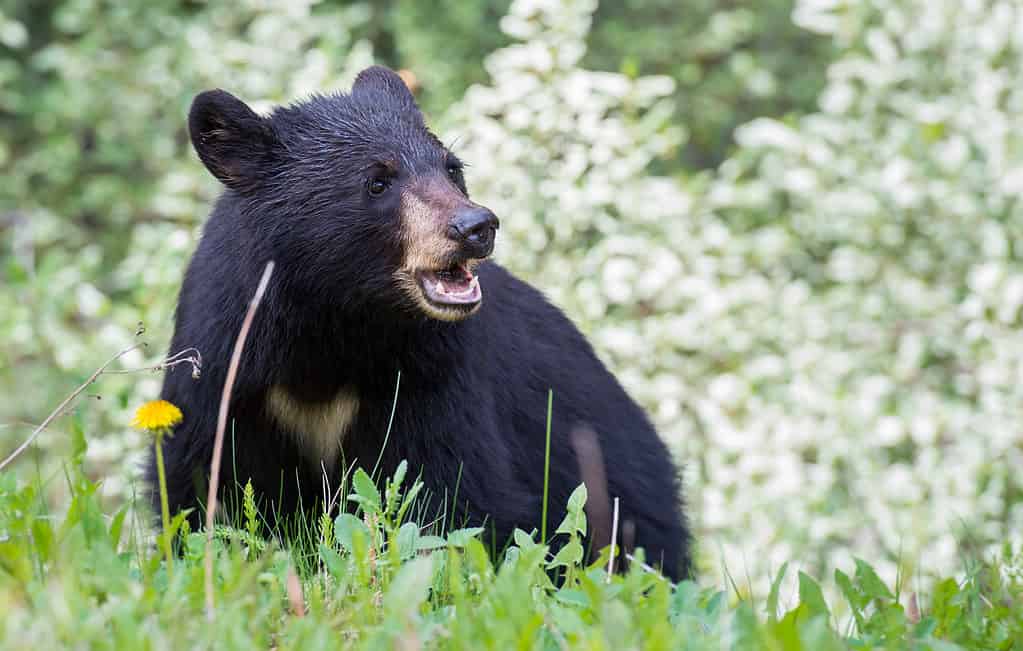
Black Bear

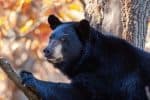
Black bears weigh up to 500 pounds and are considered to be one of the most dangerous animals in Connecticut.

It’s very unlikely that you’ll be seriously endangered walking through nature in Connecticut, but that’s not to say there aren’t some fierce predators out in the wild. The most dangerous mammal is easily the black bear. These massive bears can weigh up to 500 pounds and run up to 35 miles per hour, but it’s estimated that there are only roughly 300 of these bears in the state. Coyotes are a relatively recent addition to the ecosystem, but they can sometimes be found in the city. Bobcats are even rarer.

But the most dangerous animals are actually reptiles rather than mammals. Copperheads and timber rattlesnakes are both highly poisonous, but they both maintain very small populations in the state. The timber rattlesnake is actually endangered and mostly confined to preserves.

Largest Animal in Connecticut
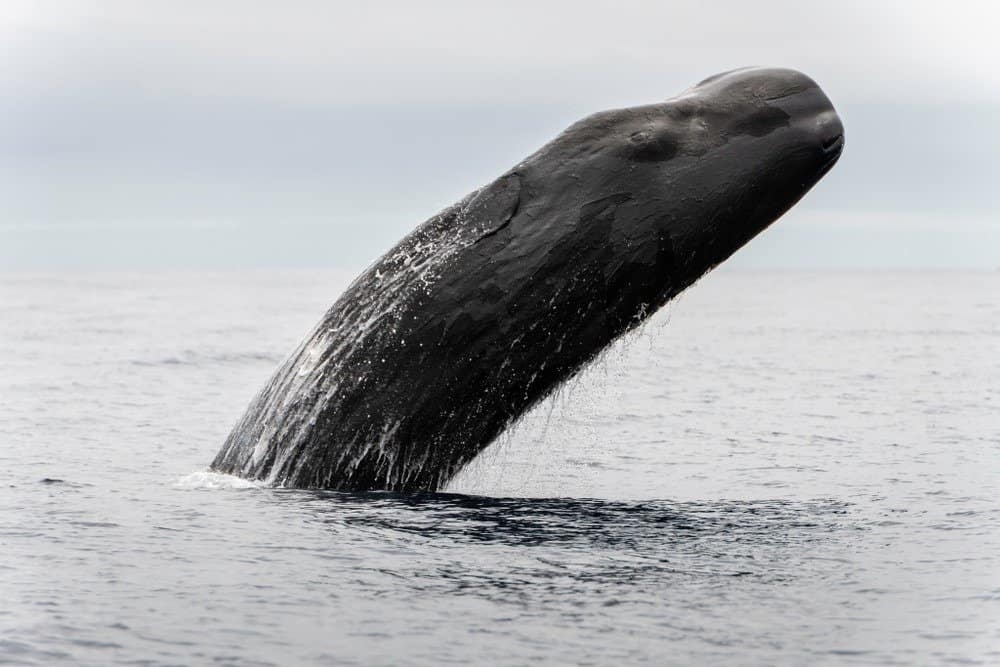
Sperm whale breaching off the coast of Pico Island, The Azores, Portugal.

The sperm whale is the largest animal in Connecticut.

The sperm whale has a long history with Connecticut – which wasn’t always a good thing for the animal made famous in Herman Melville’s “Moby Dick”. During the 1800s Connecticut ranked second only to Massachusetts in the American whaling industry. The sperm whale was the species most sought after by whalers for its oil used for lamps and other products. The great whale is now on the endangered species list.

At over 60 feet in length and weighing up to 53 tons, the sperm whale is the largest of the toothed whales and the largest animal in Connecticut waters. The sperm whale’s brain is the largest of any creature on earth – housed in a head that takes up a third of its body. These giants of the ocean live in deep water and can dive up to 10,000 feet deep. Sperm whales feed on squid, fish, octopus, sharks, and more to consume as much as 2,700 pounds of food per day.

Rarest Animal in Connecticut
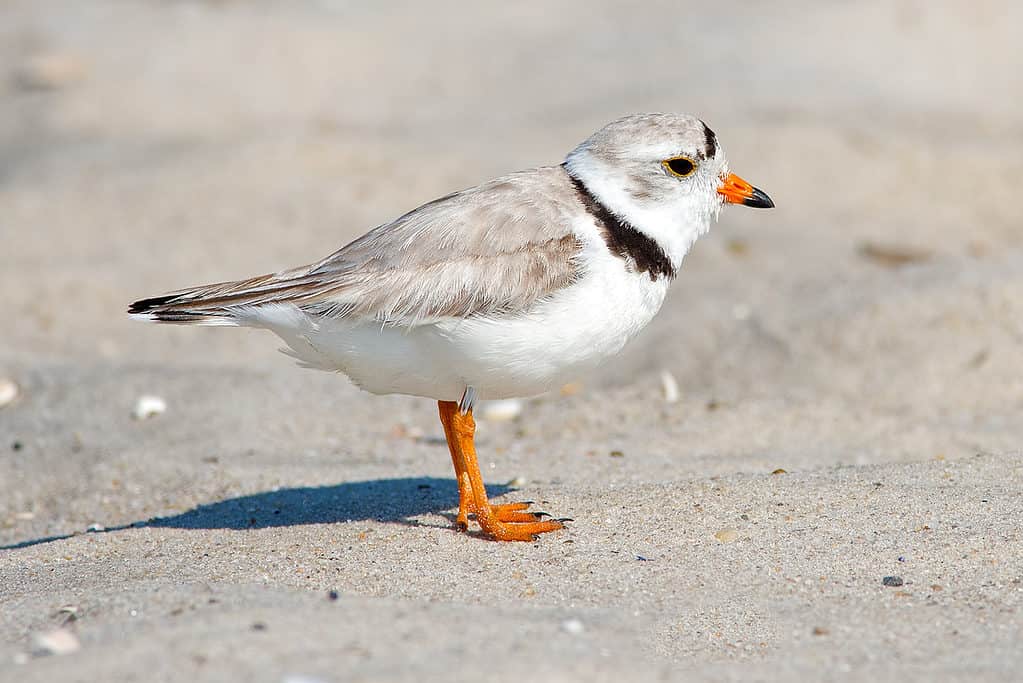
piping plover

The piping plover is one of the rarest animals in Connecticut.

The tiny piping plover is a shorebird that is native to Connecticut and is listed as a federally endangered species in the state. Measuring only 7 inches in length, this stocky little bird nests and breeds on sandy beaches along the Atlantic coast. Adult piping plovers have a short, orange bill with a black tip, a black crown stripe, and black neckband. The bird was named for its melodic, plaintive whistle.

The piping plover controls insect and small crustacean populations on beaches – making it an important part of the beach environment. The little shorebirds are often prey to bigger gulls, rats, foxes, raccoons, and domestic cats. Many of its nesting habitats have been lost to coastal development and human recreation on beaches – especially the use of off-road vehicles.

Endangered Animals In Connecticut
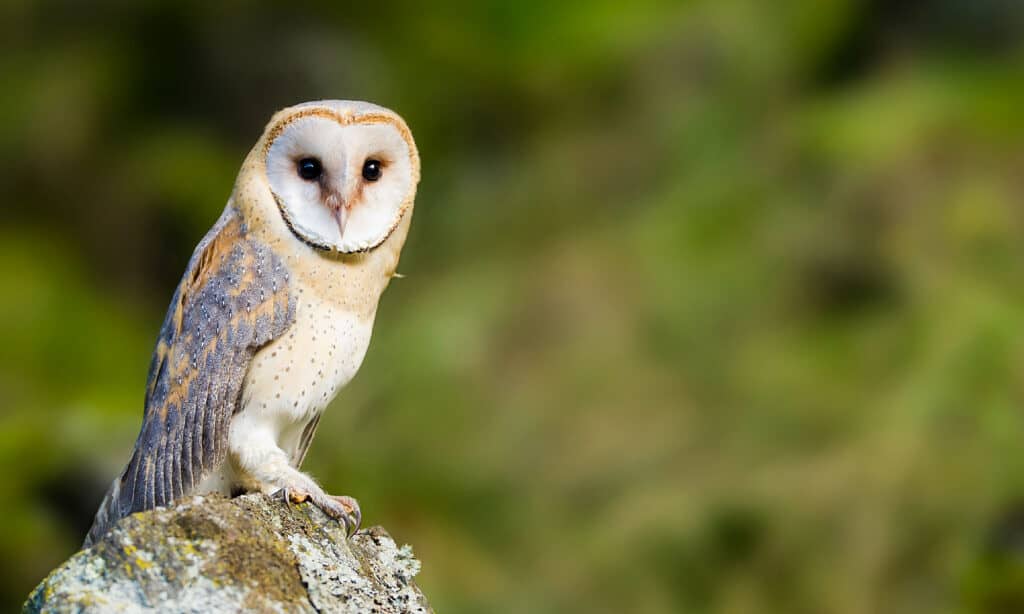
Barn Owl, Photography, Perching, Alertness, Animal

Barn owls are endangered in Connecticut but are on their way to recovery.

The most prominent endangered animals in Connecticut include:

  • Least shrew – Small mammals commonly mistaken for rodents
  • Sperm whale – The state animal of Connecticut, almost driven to extinction by whaling
  • Barn owl – The most widely recognized breed of owl, on its way back to recovery as a species
  • Leatherback sea turtle – A highly migratory species largely endangered by the fishing industry
  • Bald eagle – America’s national bird, currently increasing in population after being brought to the brink

Zoos in Connecticut
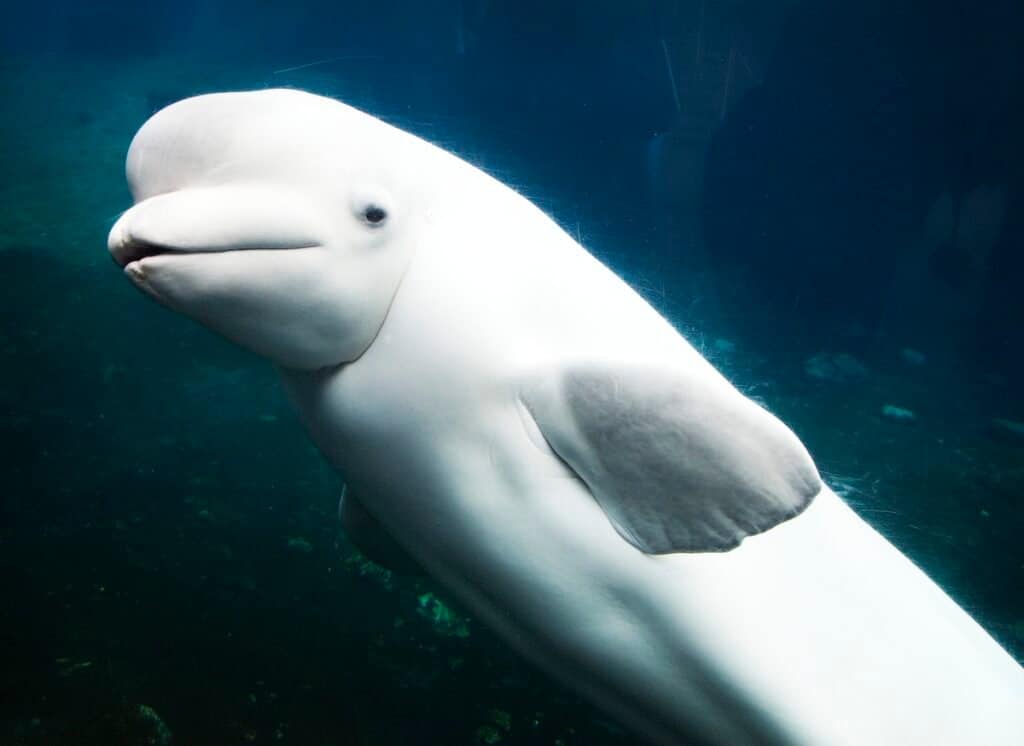
Mystic Aquarium has a renowned outdoor beluga whale display.

Connecticut’s zoos include:

  • Beardsley Zoo: Located in Bridgeport, Connecticut, Beardsley Zoo is divided into nine major exhibits including the Rainforest Building, a Predators enclosure featuring Amur leopards and tigers and a rare Andean bear, an Alligator Alley trail featuring animals of the southeastern U.S., a Hoofstock trail with animals of the great plains including bison, a New England Farmyard, a wolf exhibit, a native reptile house and an education center called Professor Beardsley’s Research Station.
  • Mystic Aquarium: Located in Mystic, Connecticut, the Mystic Aquarium is one of only two U.S. facilities featuring Steller sea lions and is known for its popular outdoor Beluga whale display. Special exhibits include a ray and shark touch pool, an African penguin exhibit, a jelly gallery, and the “Jurassic Giants” dinosaur exhibit.

Wild Animals in Connecticut
Animals in Wisconsin

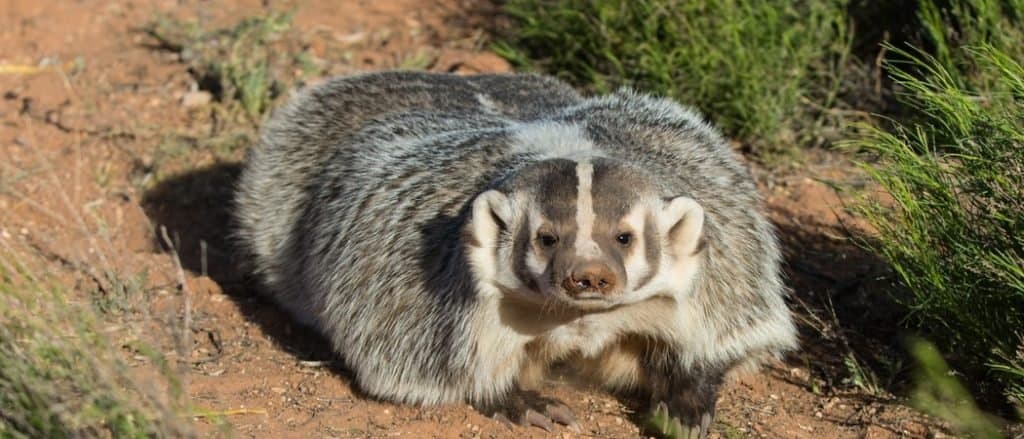
American badgers are native to Connecticut.

Over 60% of Connecticut is forested, making it the 14th most forested state in the country. And while the native wildlife might not be strange to the average American, the diversity at play here is. And the preservation efforts covered in the state’s Wildlife Action Plan are designed to protect everything from fish to rodents and ensure that wild animals continue to have a place within Connecticut’s ecosystems.

Predators like black bears are common, but you’ll also find more regional native species like the long-tailed weasel and badger to be a common sight. The strange star-nosed mole is also native to the state, but the fact that it only lives in the wetlands means that it’s one of the rarest mammals to see.

Snakes in Connecticut
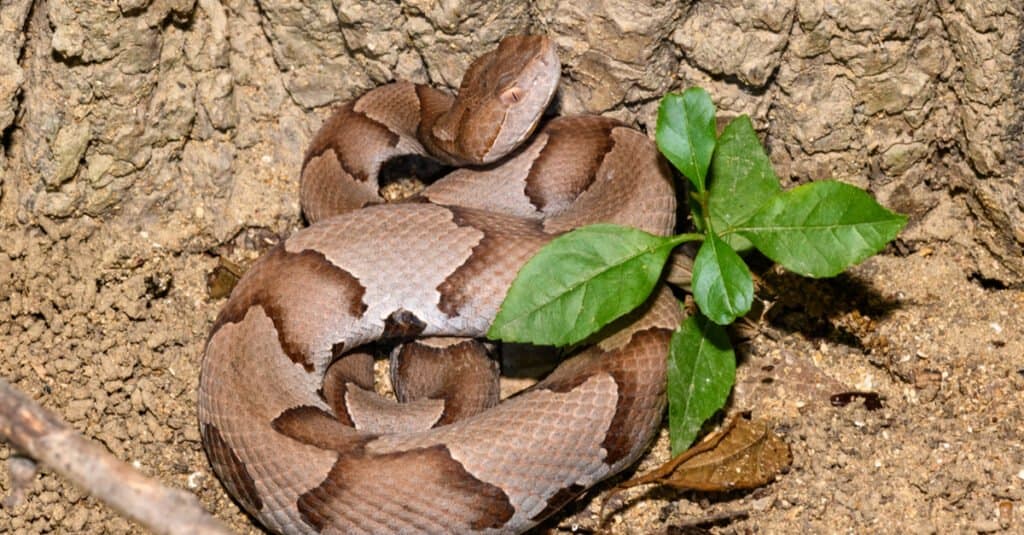
Eastern Copperhead

Eastern copperheads are one of two venomous snakes in Connecticut.

There are 14 species of snakes in Connecticut. Most are relatively small and avoid humans, however, there are two venomous states that will live within the state’s borders. Both the timber rattlesnake and copperhead are venomous, and you should be aware of what both look like while enjoying the outdoors in Connecticut!

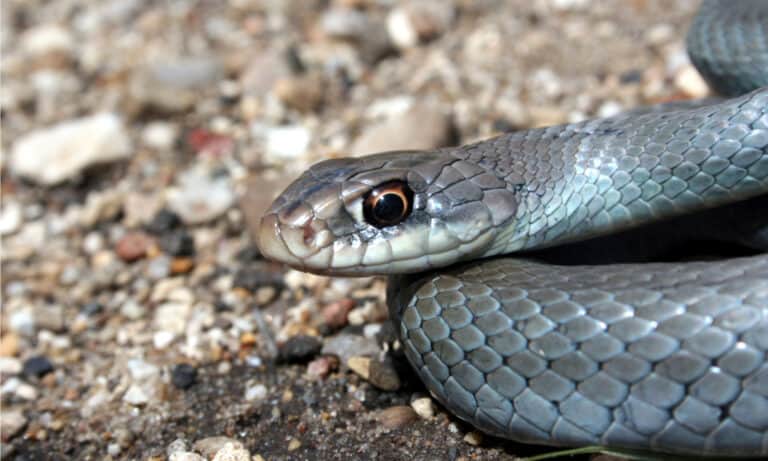
Other common snakes in the state include the smooth green snake, the common garter snake, and the redbelly snake. If you’re near water and see a snake it’s likely the northern water snake. These water snakes live in many of Connecticut’s waterways.

Official Connecticut State Insect
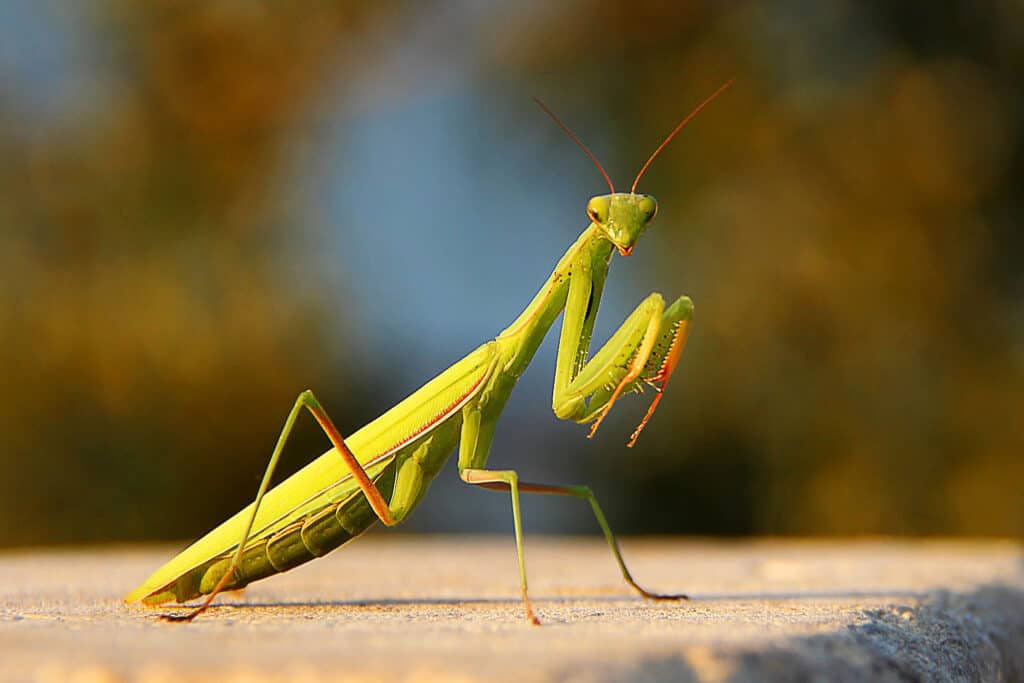
The European mantis is the official state insect of Connecticut.

The official Connecticut state insect is the European mantis. This strange-looking insect was first brought from Europe to North America to fight plant pests insects. Today, from the beginning of May or June until the arrival of winter weather, the European mantis can be spotted all over Connecticut.

This large insect is an accomplished hunter that eats moths, mosquitoes, roaches, flies, aphids, lizards, and small rodents. They are fierce predators who chase their prey after terrifying them by spreading their wings in a frightening display of power.

Read about:

  • extinct animals that lived in Connecticut.
  • the longest biking trail in Connecticut.
  • the largest bear ever caught in Connecticut.
  • the common ticks in Connecticut.
  • the types of hawks in Connecticut.
  • the best fish to catch in Connecticut in the summer.

Animals Found in Connecticut

204 species documented in our encyclopedia

Thank you for reading! Have some feedback for us?