N S W E
Wildlife Expeditions

Wildlife of
Virginia

From Appalachian peaks to Chesapeake Bay marshes, Virginia packs mountain, forest, and estuary habitats into one of the East's richest wildlife crossroads.
275 Species
102,279 km² Land Area
Overview

About Virginia

Virginia's wildlife is shaped by big habitat changes across a small area: cool Appalachian forests in the west, rolling Piedmont woodlands and rivers in the center, and salt marshes and barrier islands of the Atlantic Coastal Plain in the east. Northern and southern species meet here, bringing many different kinds of animals, with both year-round residents and migrants. The Blue Ridge and Allegheny highlands have wide-ranging mammals and many songbirds in oak-hickory and spruce forests. The Piedmont's mix of hardwoods, fields, and rivers supports deer, raptors, and amphibians. The Chesapeake Bay and its estuaries are a key nursery for fish and blue crabs and attract huge numbers of waterfowl, shorebirds, and wading birds. Virginia is a major flyway: ridges, capes, and coastal lagoons guide migrating hawks and songbirds, and tidal marshes offer great wildlife viewing. You can go from mountain streams to brackish marshes and barrier-island dunes in one day.

Physical Features

Geography

Virginia's wildlife changes from the cool, high Appalachian forests in the west to the warmer Piedmont and the low, wet Atlantic Coastal Plain in the east. Big rivers (Potomac, James, Rappahannock, York) and the Chesapeake Bay make many wetlands, estuaries, and stream corridors that hold lots of life and give stopover routes for migratory birds on the Atlantic Flyway.

102,279 km² (land area) Land Area
35th largest U.S. state by total area Size Rank
State Type
Elevation Range

Sea level to 1,746 m (5,729 ft) at Mount Rogers

Coastline

Atlantic Ocean coastline via the Eastern Shore and barrier islands, plus extensive tidal shoreline along the Chesapeake Bay and its major tidal rivers/estuaries

Key Landscapes

Appalachian Mountains (including Blue Ridge and Ridge-and-Valley) with high-elevation hardwood and mixed forests Allegheny Highlands and mountain headwaters feeding coldwater streams (trout and aquatic invertebrate habitat) Piedmont rolling hills and river valleys-forest-field mosaics supporting deer, turkey, songbirds, and edge species Atlantic Coastal Plain with pine-hardwood forests, pocosins, and extensive tidal freshwater and brackish wetlands Chesapeake Bay estuary-eelgrass beds, oyster reefs, tidal marshes, and open-water habitat supporting waterfowl, shorebirds, and nursery grounds for fish Barrier islands and coastal dunes (Eastern Shore) with beach-nesting birds and unique maritime forests/grasslands where present
State Symbols

Official Wildlife Symbols

bird

Northern cardinal

Designated 1950

insect

Eastern tiger swallowtail

Designated 1991

fish

Brook trout (state freshwater fish)

Designated 1993

fish

Striped bass / Rockfish (state saltwater fish)

Designated 2002

tree

American dogwood

Designated 1956

Parks & Reserves

Protected Areas

Virginia's protected areas span Appalachian highlands, Piedmont, and the Atlantic Coastal Plain with Chesapeake Bay estuaries. Protection comes from federal lands (Shenandoah National Park; parts of George Washington and Jefferson National Forests; National Wildlife Refuges), state parks, preserves, wildlife areas, and private conservation easements. They protect Blue Ridge headwater forests, the Great Dismal Swamp, and barrier islands on Atlantic Flyway.

Protected Coverage

≈17% of Virginia's land area is in public conservation ownership or similarly managed protected lands (federal/state/local). Additional acreage is protected via private conservation easements, so the broader conservation footprint is higher.

National Parks & Preserves

Shenandoah National Park

≈199,000 acres (≈311 sq mi)

A long, forested Blue Ridge ridgeline with extensive interior habitat, cold-water streams, and large tracts of mature hardwood forest-excellent for woodland bird diversity, black bear viewing, and recovering native wildlife.

American black bear White-tailed deer Bobcat Wild turkey Brook trout

Blue Ridge Parkway (Virginia segment)

Parkway corridor ≈76,000 acres total (469 miles long; ≈217 miles in Virginia)

A continuous high-elevation corridor of forests, balds, and coves that functions as a movement pathway for wildlife and supports exceptional songbird migration and raptor passage along ridgelines.

Black bear Pileated woodpecker Scarlet tanager Wild turkey Broad-winged hawk

Assateague Island National Seashore

≈41,000 acres (Maryland-Virginia unit)

Barrier-island beaches, dunes, and salt marshes that support shorebirds, nesting turtles, and coastal marsh wildlife; pairs well with adjacent refuge lands for some of Virginia's best coastal wildlife viewing.

Sanderling Piping plover Brown pelican Diamondback terrapin Loggerhead sea turtle

Prince William Forest Park

≈15,000 acres

One of the largest protected forest blocks in the Washington, DC region, with streams, wetlands, and mixed hardwood forest that supports breeding songbirds, amphibians, and wide-ranging mammals in a heavily developed landscape.

Barred owl White-tailed deer Red fox Wood frog Pileated woodpecker

Cumberland Gap National Historical Park

≈24,000 acres (Kentucky-Tennessee-Virginia unit)

Rugged Appalachian forests and limestone habitats at a biogeographic crossroads; notable for high native plant and cave/karst biodiversity and strong forest wildlife communities.

Black bear Bobcat Wild turkey Timber rattlesnake

State & Provincial Parks

Grayson Highlands State Park

≈4,800 acres

High-elevation spruce-hardwood and open balds near Mount Rogers that concentrate wildlife viewing (including iconic open-country species and rich breeding bird communities).

Red crossbill Ruffed grouse Black bear White-tailed deer Northern flying squirrel (regional high-elevation species)

First Landing State Park

≈2,900 acres

Rare Coastal Plain habitats (maritime forest, dunes, salt marsh) in an urbanizing region-excellent for birding, herps, and estuarine wildlife along the Chesapeake Bay.

Osprey Bald eagle Great blue heron Diamondback terrapin River otter

False Cape State Park

≈4,300 acres

A remote barrier-island park with beaches, dunes, maritime forest, and back-barrier marshes-important for nesting/stopover birds and coastal mammals.

Piping plover American oystercatcher Bald eagle Red fox Loggerhead sea turtle

Pocahontas State Park

≈7,900 acres

Large Piedmont reservoir-and-forest complex with wetlands and mixed woods that supports amphibian diversity and strong breeding bird populations close to Richmond.

Wood duck Barred owl White-tailed deer Beaver Green frog

Wildlife Refuges

Great Dismal Swamp National Wildlife Refuge

≈112,000 acres

One of the largest intact freshwater swamp forests in the Mid-Atlantic; critical for swamp-dependent birds, black bears, and migratory songbirds, and a cornerstone for wetland conservation in southeastern Virginia.

American black bear Prothonotary warbler Barred owl River otter Cottonmouth (Northern cottonmouth)

Back Bay National Wildlife Refuge

≈9,200 acres

Barrier-beach, dunes, and brackish marshes that host major concentrations of wintering waterfowl and migrating shorebirds on the Atlantic Flyway.

Tundra swan Northern pintail Snow goose American black duck Peregrine falcon

Chincoteague National Wildlife Refuge

≈14,000 acres

Marshes, maritime forest, and beach on Virginia's Eastern Shore-famous for exceptional waterfowl and shorebird viewing and for protecting sensitive coastal habitats.

Snow goose Delmarva fox squirrel Piping plover Sanderling Bald eagle

Rappahannock River Valley National Wildlife Refuge

≈8,000+ acres (expanding via acquisitions/easements)

A growing network of conserved riparian forests, marshes, and farmland along the tidal Rappahannock-important for bald eagles, migratory birds, and native fish nurseries.

Bald eagle Osprey Wood duck River otter Striped bass (tidal nursery use)

Wilderness Areas

  • Ramseys Draft Wilderness (George Washington National Forest)
  • Rich Hole Wilderness (George Washington National Forest)
  • James River Face Wilderness (George Washington National Forest)
  • Three Ridges Wilderness (George Washington National Forest)
  • The Priest Wilderness (George Washington National Forest)
  • Saint Mary's Wilderness (George Washington National Forest)
  • Peters Mountain Wilderness (George Washington & Jefferson National Forests)
  • Barbours Creek Wilderness (Jefferson National Forest)
  • Brush Mountain Wilderness (Jefferson National Forest)
  • Clinch Mountain Wilderness (Jefferson National Forest)
  • Garden Mountain Wilderness (Jefferson National Forest)
  • Mountain Lake Wilderness (Jefferson National Forest)
  • Rough Mountain Wilderness (Jefferson National Forest)
  • Thunder Ridge Wilderness (Jefferson National Forest)
  • Mount Rogers Wilderness (Jefferson National Forest / Mount Rogers National Recreation Area)
  • Lewis Fork Wilderness (Jefferson National Forest / Mount Rogers National Recreation Area)
  • Big Wilson Creek Wilderness (Jefferson National Forest / Mount Rogers National Recreation Area)
  • Little Wilson Creek Wilderness (Jefferson National Forest / Mount Rogers National Recreation Area)
Animals

Wildlife

Virginia's wildlife diversity is driven by strong habitat gradients-from high-elevation Appalachian spruce-hardwood forests and cove hardwoods, through Piedmont oak-hickory and river corridors, to Atlantic Coastal Plain pocosins, salt marshes, barrier islands, and the Chesapeake Bay estuary. This mix supports exceptional amphibian and freshwater fish diversity (especially in Appalachian headwaters), major Atlantic Flyway bird migrations and wintering waterfowl concentrations, and a blend of northern and southern species at their range edges.

~100 species (including bats and marine mammals seasonally/coastally) Mammals
~480-500 species recorded (high due to migration along the Atlantic Flyway) Birds
~55-60 species Reptiles
~80-90 species (notably diverse salamanders in the Appalachians) Amphibians
~200+ freshwater fish species; 300+ total including estuarine and marine species along the coast and Chesapeake Bay Fish

Endemic & Rare Species

Shenandoah Salamander

Plethodon shenandoah

Federally Endangered; Virginia endemic

Restricted to a few high-elevation talus slopes in Shenandoah National Park; an icon of Appalachian endemism and climate-sensitive mountaintop habitats.

Virginia Big-eared Bat

Corynorhinus townsendii virginianus

Federally Endangered; very limited range

A cave-roosting bat with a small Appalachian distribution; highlights the importance of cave protection and the impacts of disturbance and disease on bats.

Delmarva Fox Squirrel

Sciurus niger cinereus

Delisted (recovered; removed from the U.S. Endangered Species Act list in 2015)

A charismatic, big-bodied squirrel of the Coastal Plain; Virginia's Eastern Shore is part of its range, and the species remains a conservation focus through habitat management despite ESA delisting.

Red-cockaded Woodpecker

Dryobates borealis

Federally Threatened; rare in Virginia

Pine-specialist of open, mature pine systems; persists in small, managed populations, underscoring the value of longleaf and older-pine restoration in the Coastal Plain.

Atlantic Sturgeon

Acipenser oxyrinchus

Federally Endangered (several DPS listed); still recovering

Historically depleted by harvest and habitat impacts; Virginia's tidal rivers are important for migration and recovery in the Chesapeake region.

Piping Plover

Charadrius melodus

Federally Threatened (Atlantic Coast population)

Nests on open beaches and barrier islands; highly sensitive to disturbance and shoreline change, making it a focal species for coastal stewardship.

James Spinymussel

Pleurobema collina

Federally Endangered; very restricted range

A rare freshwater mussel tied to clean, stable river habitats (notably in the James/Roanoke drainages); a strong indicator of watershed health.

Eastern Hellbender

Cryptobranchus alleganiensis

State-imperiled in parts of its range; declining regionally

A large, fully aquatic salamander of cool, rocky streams in southwestern Virginia; threatened by sedimentation, habitat alteration, and water-quality degradation.

Notable Populations

  • Chesapeake Bay and tidal rivers support one of the largest and most visible concentrations of nesting Bald Eagles in the eastern United States.
  • Virginia's portion of the Chesapeake Bay is a major Atlantic Flyway hub, with significant wintering and staging populations of waterfowl (including large numbers of Tundra Swans in coastal bays and refuges).
  • Barrier islands and beach systems along the Virginia coast support regionally important nesting habitat for beach-nesting birds (e.g., Piping Plover) and sea turtles (especially Loggerheads).
  • Appalachian headwaters in western Virginia are a stronghold for native Brook Trout and one of the most diverse salamander regions in North America.
  • The Chesapeake Bay estuary and major rivers (e.g., James, York, Rappahannock, Potomac) provide critical migratory corridors for anadromous and estuarine fishes, including recovering Atlantic Sturgeon and river herring runs in some systems.

Recent Changes

  • Elk were reintroduced to southwestern Virginia starting in the 2010s, creating a new large-mammal viewing opportunity and an ongoing management focus.
  • Bald Eagle and Peregrine Falcon populations have rebounded strongly since late-20th-century declines, with expanding nesting in coastal/urban areas.
  • White-nose syndrome has caused major bat declines in Virginia, affecting multiple cave-hibernating species and reshaping nighttime insect predator communities.
  • Chronic wasting disease (CWD) has expanded in Virginia's deer population over time, influencing hunting regulations and surveillance in affected regions.
  • Sea-level rise and increased coastal flooding are accelerating habitat change in marshes and barrier islands, pressuring beach-nesting birds and shifting coastal wildlife distributions.
  • Warmth-associated coastal and wetland species (e.g., American Alligator in far southeastern Virginia/Great Dismal Swamp area) are being reported more consistently, suggesting a gradual northward range presence in suitable habitats.
  • Some anadromous fish runs and estuarine species show localized improvements where habitat restoration and water-quality efforts have progressed, though barriers, warming, and watershed impacts continue to constrain recovery.
Visit

Wildlife Viewing

Virginia's Appalachian highlands, rolling Piedmont, and Chesapeake Bay/Atlantic coast give many kinds of wildlife and viewing spots. Watch spring and fall migrations on the Atlantic Flyway, look for elk and black bears in mountain forests, see wild ponies on barrier islands, and explore estuaries for dolphins, seabirds, and wintering waterfowl.

Best Seasons

Spring (Mar-May)

Peak bird migration (warblers, thrushes, raptors) across coastal refuges and mountain ridgelines; breeding activity begins for many species; wildflowers plus active amphibians in forests and wetlands. Great for birding at Back Bay NWR and Shenandoah's overlooks, and for paddling quiet marshes before summer crowds.

Summer (Jun-Aug)

Best for coastal and bay wildlife by boat or kayak-bottlenose dolphins around Virginia Beach/Cape Henry area and along the Chesapeake Bay; seabird colonies and shorebirds; turtles and wading birds in marshes. Mountain mornings/evenings can be productive for mammals (black bear, deer), but plan around heat/humidity and afternoon storms.

Fall (Sep-Nov)

Second major migration pulse-songbirds and strong hawk/raptor movement along ridges; excellent photography light and comfortable temperatures. Fall is prime for scenic wildlife drives (Skyline Drive in Shenandoah) and for coastal birding as shorebirds and waterfowl build.

Winter (Dec-Feb)

Outstanding waterfowl season on Chesapeake Bay tributaries and coastal impoundments (tundra swans, snow geese, diving ducks); bald eagles concentrate near rivers and open water. Clear air and leaf-off conditions improve long-distance viewing in the mountains; dress for wind on the coast.

Top Wildlife Experiences

  • Search for wild ponies and coastal birdlife on Assateague Island (Chincoteague National Wildlife Refuge): use the Wildlife Loop/Beach Road area and marsh overlooks for ponies, herons/egrets, shorebirds, and seasonal waterfowl.
  • Paddle or boat the Chesapeake Bay's Eastern Shore marshes (e.g., around Kiptopeke State Park/nearby coastal bays): look for bottlenose dolphins, ospreys, pelicans, and migrating shorebirds; go early for calmer water and better light.
  • Raptor-watch along Virginia's mountain ridges in Shenandoah National Park (Skyline Drive overlooks): scan thermals for hawks and eagles during fall migration; combine with dawn/dusk drives for black bear and white-tailed deer.
  • Look for elk in Southwest Virginia near Breaks Interstate Park and surrounding Appalachian habitats: plan sunrise/sunset roadside scanning and quiet hikes at the park's overlooks/valleys for the best chance at large mammals and forest birds.
  • Visit Back Bay National Wildlife Refuge (Virginia Beach) for a one-stop coastal migration hotspot: boardwalks and dike trails offer close views of waterfowl, waders, rails, and wintering birds; bring a scope for open-water scanning.
  • Explore Great Dismal Swamp National Wildlife Refuge for swamp specialists: walk the wildlife drive/boardwalk areas for prothonotary warbler (seasonal), woodpeckers, owls, and wetland mammals; a prime choice for atmospheric, forested-wetland wildlife photography.
  • Join a boat trip in the Virginia Beach/Cape Henry area or Chesapeake Bay for dolphin and seabird viewing: combine with lighthouse/jetty birding where feasible; mornings often have smoother seas and more predictable wildlife activity.
  • Winter eagle and waterfowl day-trip along the Potomac and Rappahannock river corridors (viewing from public parks/overlooks): scan for bald eagles, diving ducks, and swans-best after cold fronts when birds concentrate on open water.

Wildlife Watching Types

Birding hotspots (Atlantic Flyway migration, coastal refuges, mountain ridgelines) Waterfowl and swan watching (Chesapeake Bay and tidal rivers in winter) Raptor/hawk watching (fall ridgeline migration in the Appalachians, including Shenandoah) Dolphin watching (coastal Atlantic and Chesapeake Bay mouths, especially summer) Wild horse/pony viewing (barrier island ecosystems on the Eastern Shore) Large mammal tracking (black bear and deer in mountain forests; elk opportunities in far Southwest) Marsh and swamp wildlife walks (waders, rails, amphibians, reptiles in coastal plain wetlands) Paddling-based wildlife viewing (kayak/canoe routes in tidal creeks, bays, and swamp canals)

Guided Options

  • Chincoteague National Wildlife Refuge ranger-led walks/talks and seasonal birding programs (when offered)
  • Shenandoah National Park ranger programs (wildlife-focused walks, evening talks, and guided outings seasonally)
  • Great Dismal Swamp NWR interpretive programs and special events (check refuge schedule)
  • Virginia State Parks guided programs (many parks run seasonal ranger naturalist hikes, owl prowls, and paddling programs-varies by park)
  • Local whale/dolphin and wildlife-watching boat tours out of Virginia Beach and nearby coastal ports (seasonal offerings; look for operators emphasizing naturalist narration)
  • Chesapeake Bay Foundation and regional nature centers' field programs (periodic bay ecology and birding trips, depending on schedule)
Habitats

Ecosystems

Virginia spans the Appalachian Mountains to the Atlantic Coastal Plain, creating large changes in elevation, temperature, and moisture. Much of the state is temperate broadleaf/mixed forest with extensive rivers (Shenandoah, James, Roanoke, New, Potomac) and coastal wetlands and estuaries tied to Chesapeake Bay and barrier-lagoon systems. This supports many plants, Appalachian salamanders and songbirds, and migratory birds and anadromous fish.

Biomes

Temperate Forest

Dominant biome across the Appalachians, Piedmont, and much of the Coastal Plain, ranging from oak-hickory and mixed mesophytic forests in the west to oak-pine and coastal plain mixed forests in the east.

Majority of land area statewide; most continuous in western Virginia and across the Piedmont.

Freshwater

Large river systems, headwater streams, floodplains, and impoundments; cool, high-gradient mountain streams transition to warmwater rivers and tidal freshwater reaches near the Fall Line and lower coastal rivers.

Statewide along all major drainages; densest network in mountainous and piedmont watersheds.

Wetland

Tidal and non-tidal wetlands including freshwater marshes, forested swamps, pocosins/peaty wetlands, riverine floodplain wetlands, and coastal salt/brackish marsh complexes tied to Chesapeake Bay and the Atlantic lagoons.

Concentrated on the Coastal Plain and Chesapeake Bay margins; also common along major river floodplains inland.

Marine

Nearshore Atlantic waters, bays and inlets, and submerged habitats supporting seagrass in lagoons, shellfish reefs, and coastal fish nurseries; heavily influenced by estuarine mixing from Chesapeake Bay outflow.

Limited to the Atlantic coastline and nearshore waters; most extensive ecological influence via Chesapeake Bay and coastal inlets.

Temperate Grassland

Not a dominant statewide biome, but present as native grassland openings (historic/persistent barrens, glades, prairielike patches) and modern surrogate grasslands (old fields, managed rights-of-way).

Small, patchy remnants and secondary grasslands; scattered in the Ridge-and-Valley, Piedmont, and some coastal plain openings.

Alpine

True alpine conditions are absent, but the highest elevations have cool, wind-exposed highland communities with boreal-affinity species near mountaintops and ridgelines.

Very limited; restricted to highest Appalachian peaks and exposed ridges.

Habitats

Forest

Extensive forest cover statewide; includes mixed hardwood, pine-hardwood, and riparian forests that form the matrix for most terrestrial biodiversity.

Deciduous Forest

Oak-hickory and mixed mesophytic hardwood forests (notably in the Blue Ridge and Ridge-and-Valley), with rich spring wildflower displays and high salamander diversity.

Coniferous Forest

Pine-dominated stands on the Coastal Plain and Piedmont (including loblolly/shortleaf systems) and conifer components at higher elevations (e.g., hemlock pockets, pine-oak on ridges).

Woodland

Open-canopy oak/pine woodlands and savanna-like barrens maintained historically by fire, especially on dry ridges and sandy coastal plain sites.

Grassland

Native and semi-natural openings such as shale barrens, glades, powerline/roadside corridors, and managed fields that support grassland birds and pollinators.

Shrubland

Early-successional thickets, coastal shrub dunes, and regenerating cutovers/old fields important for species like shrubland birds and small mammals.

Mountain

Appalachian landscapes of the Blue Ridge and Ridge-and-Valley, with steep slopes, coves, cold headwaters, and elevational zonation; includes high-elevation refugia communities.

Cliff/Rocky Outcrop

Rock outcrops and clifflines (including shale and limestone exposures) that host specialized plants and nesting raptors.

Cave

Karst caves and subterranean streams in the Valley and Ridge (notably the Shenandoah Valley region) supporting bats and cave-adapted invertebrates.

River/Stream

Major rivers and tributaries (James, Rappahannock, York, Potomac tributaries, Roanoke, New, Shenandoah) spanning cold headwaters to tidal freshwater reaches.

Lake

Natural lakes are limited, but reservoirs and impoundments (e.g., Smith Mountain Lake, Kerr/John H. Kerr Reservoir shared regionally) provide open-water habitat and recreation pressures.

Pond

Beaver ponds, farm ponds, and vernal pools supporting amphibian breeding and wetland plant communities.

Wetland

Forested wetlands (swamps and bottomlands), marshes, pocosin-like peat wetlands in places, and extensive tidal wetland systems along the Bay and coastal rivers.

Swamp

Forested swamps and bottomland hardwood systems on the Coastal Plain and along river floodplains; includes bald cypress-tupelo and mixed swamp forests in suitable areas.

Marsh

Tidal salt and brackish marshes fringing Chesapeake Bay and the Atlantic lagoons, plus freshwater marshes along inland floodplains and impoundments.

Bog

Rare, localized peatland/acidic wetland features and seepage wetlands in mountainous and coastal settings (often small and conservation-significant).

Estuary

Chesapeake Bay and its tributary estuaries (York, Rappahannock, James, Potomac estuary reach) with strong salinity gradients, submerged aquatic vegetation beds, and oyster reef restoration areas.

Coastal

Atlantic Coastal Plain shoreline systems including barrier islands, lagoons, and coastal bays (e.g., areas along the Eastern Shore) influenced by storms and sea-level rise.

Beach

Sandy oceanfront and bay beaches on the Eastern Shore and near coastal inlets; important for shorebirds and sea turtle strandings (occasional nesting farther south regionally).

Rocky Shore

Limited on the open Atlantic coastline (mostly sandy), but present as riprap/rocky edges and natural hard substrates along parts of tidal rivers and the Bay.

Seabed/Benthic

Nearshore benthic habitats offshore and in bay mouths/inlets; includes sand and mud bottoms supporting benthic invertebrates and demersal fish.

Urban

Urban ecosystems around Northern Virginia (DC metro), Richmond, Hampton Roads, and other cities, with fragmented habitats and urban stream challenges.

Suburban

Extensive suburban matrix (especially Northern Virginia and around Richmond/Hampton Roads) with mixed canopy cover, invasive species pressure, and stormwater-driven stream impacts.

Agricultural/Farmland

Cropland and pasture across the Shenandoah Valley, Piedmont, and Coastal Plain; interacts strongly with water quality in tributaries to Chesapeake Bay.

Ecoregions

EPA Level III ecoregions (Virginia): Blue Ridge; Ridge and Valley; Central Appalachians; Southwestern Appalachians; Piedmont; Southeastern Plains; Middle Atlantic Coastal Plain; Northern Atlantic Coastal Plain (Delmarva/Eastern Shore). WWF Terrestrial ecoregions (Virginia): Appalachian-Blue Ridge forests; Central Appalachian mixed mesophytic forests; Allegheny Highlands forests; Piedmont Atlantic mixed forests; Southeastern mixed forests; Middle Atlantic coastal forests.
Protection

Conservation

Primary Threats

  • Conversion and fragmentation of forests, wetlands, and grasslands from suburban expansion (Northern Virginia, Richmond suburbs, Hampton Roads) and second-home/recreation development in mountain and coastal counties; coastal wetland loss also occurs where marshes cannot migrate inland due to bulkheads, roads, and development ("coastal squeeze").
  • Sea-level rise and stronger coastal storms accelerate erosion and saltwater intrusion in tidal marshes and low-lying Coastal Plain forests; warming streams and altered flow regimes stress coldwater species (e.g., brook trout) in the Appalachians; heavier rain events increase runoff to the Chesapeake Bay and tributaries.
  • Nutrient and sediment runoff from agriculture and urban stormwater drives algal blooms, low-oxygen events, and habitat degradation in Chesapeake Bay tributaries (James, York, Rappahannock, Potomac); legacy toxics and PFAS concerns occur near industrial sites and military facilities; acid mine drainage in parts of the southwest historically impaired streams.
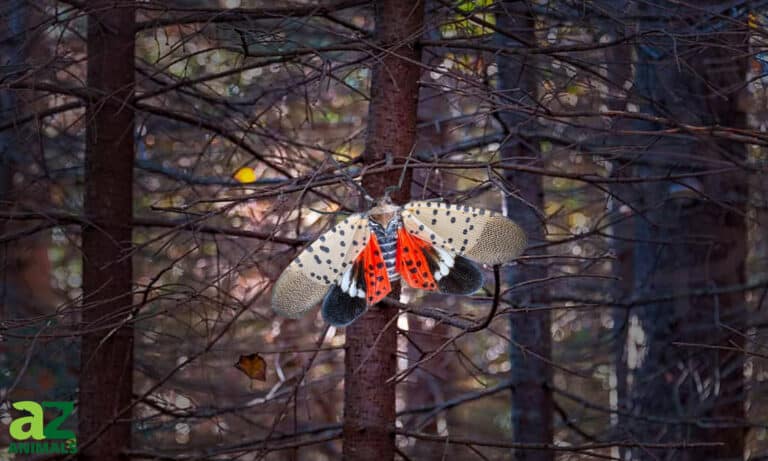
  • Blue catfish and northern snakehead alter tidal river food webs (notably in the James, York, and Rappahannock systems); invasive plants (e.g., Phragmites, Japanese stiltgrass, kudzu) displace native marsh and forest understory communities; invasive forest pests (emerald ash borer, hemlock woolly adelgid, spotted lanternfly) change canopy structure and stream shading.
  • White-nose syndrome has reduced cave-hibernating bat populations (including threatened species) in Virginia's extensive karst and cave regions; chronic wasting disease affects deer management in parts of western/northern Virginia and increases management complexity and surveillance needs.
  • Generally managed via regulated seasons, but localized pressure and illegal take can affect vulnerable populations (e.g., poaching of raptors historically; ongoing enforcement needs); overabundant deer in suburban landscapes can drive habitat degradation through overbrowsing, indirectly affecting forest regeneration and understory biodiversity.
  • Illegal collection of reptiles/amphibians and rare plants from Appalachian and Coastal Plain sites occurs opportunistically; enforcement and permit systems aim to reduce trafficking and unsustainable collecting of native species.
  • Historic and ongoing pressures on anadromous fishes (e.g., river herring, American shad) and blue crab/menhaden dynamics in Chesapeake Bay; management involves quotas, seasonal closures, and habitat restoration, but recovery is constrained by habitat quality and migration barriers.
  • Recreational pressure (boating, beach use on barrier islands, off-trail hiking, caving) can disturb nesting shorebirds and colonial waterbirds, damage dune vegetation, and disrupt bat roosts; high-use parks near metro areas face chronic trail and shoreline impacts.
  • Conflicts include black bear interactions in exurban mountain communities, nuisance beavers affecting roads/culverts, and increasing encounters with coyotes/foxes in suburban areas; shoreline property protection measures can conflict with living-shoreline habitat goals.
  • Small, isolated populations of rare mussels, fishes, and cave invertebrates in individual river basins or karst systems risk inbreeding and reduced resilience; fragmentation by dams/road crossings can prevent recolonization after local die-offs.
  • Groundwater withdrawals in parts of the Coastal Plain can affect aquifer levels and connected wetlands; localized overuse of water during drought periods can reduce stream flows critical for mussels and spawning fishes.
  • Road expansion, utility corridors, shoreline armoring, and legacy dams fragment habitats; undersized culverts impede fish and aquatic organism passage in headwater streams; ports and naval infrastructure in Hampton Roads add pressure on adjacent coastal habitats.
  • Channelization, dredging, and hardened shorelines simplify tidal habitats; fire suppression in some systems can reduce early-successional habitats and alter oak/pine dynamics; dam operations alter temperature and flow regimes affecting downstream aquatic species.
  • While total farmland area has fluctuated, intensive livestock and row-crop practices in some watersheds elevate nutrient/sediment loads unless BMPs are implemented; conversion of marginal lands can reduce riparian buffers and grassland bird habitat.
  • Rapid growth in Northern Virginia and along I-64/I-81 corridors increases impervious cover, stormwater volumes, and stream "flashiness," degrading aquatic habitat; urban heat islands and light pollution affect migratory birds in major flyway routes.
  • Most forestry is regulated and can be compatible with conservation when best practices are used, but poorly implemented harvests can increase sedimentation in trout/mussel streams, fragment interior forest habitat, and reduce old/large-tree structure needed by some species.
  • Coal mining and associated legacy impacts in the southwest (including acid mine drainage and altered hydrology) have impaired some headwater systems; reclamation and treatment projects are improving conditions in targeted watersheds but long-term maintenance is often required.
Fun Facts

Did You Know?

Bull sharks-one of the few shark species that can handle freshwater-are documented in Virginia's tidal James River; they're occasionally caught well upstream toward the Richmond area during warm months.

Brook trout are the only trout native to Virginia; the familiar rainbow trout and brown trout found in many stocked streams were introduced (from western North America and Europe, respectively).

Chincoteague's famous "wild ponies" are feral horses on the Virginia end of Assateague Island; the herd is actively managed (including annual roundups and veterinary care), not a native wild species left entirely on its own.

Southeastern Virginia's nutrient-poor wetlands can host carnivorous plants-such as sundews (Drosera) and pitcher plants (Sarracenia)-that make up for poor soils by trapping and digesting insects.

Many of Virginia's Appalachian salamanders are lungless (Plethodontidae): they breathe through their skin and mouth lining, which is why cool, moist forest microclimates are critical to their survival.

The Chesapeake Bay-touching eastern Virginia-is the largest estuary in the United States and is widely recognized as the Atlantic Coast's largest nursery area for striped bass ("rockfish"), producing huge numbers of juveniles from its tidal rivers and creeks.

Virginia's Tidewater is a major Atlantic Flyway wintering hub: Chesapeake Bay and nearby coastal habitats can hold tens of thousands of tundra swans in a season (often on the order of ~30,000-40,000 birds).

Great Dismal Swamp National Wildlife Refuge protects about 112,000 acres of forested wetland. It's one of the largest intact swamps on the Atlantic Coastal Plain and supports swamp wildlife, including black bears.

The Shenandoah salamander (Plethodon shenandoah) lives nowhere on Earth except three mountaintops in Shenandoah National Park (Hawksbill, Stony Man, and The Pinnacles), giving it one of the smallest natural ranges of any U.S. vertebrate.

The state of Virginia can be split up into five separate ecological regions with environments ranging from coastline and wetlands to lowlands to dramatic hills and mountains. The Virginia Department of Wildlife Resources lists over a hundred species of mammal in the state, but that’s just scratching the surface of wildlife that includes extensive marine ecosystems and over 200 endemic bird species.

Much of Virginia’s wildlife is similar to adjoining states like North Carolina and Tennessee. White-tail deer, black bears, squirrels, and other rodents are all integral parts of these ecosystems, and both golden eagles and woodpeckers patrol the skies. Virginia’s waters are also a delight for fishing enthusiasts. Pike, perch, trout, and bass are just a few of the fish found in abundance in Virginia’s lakes and rivers.

The Official Animal of Virginia
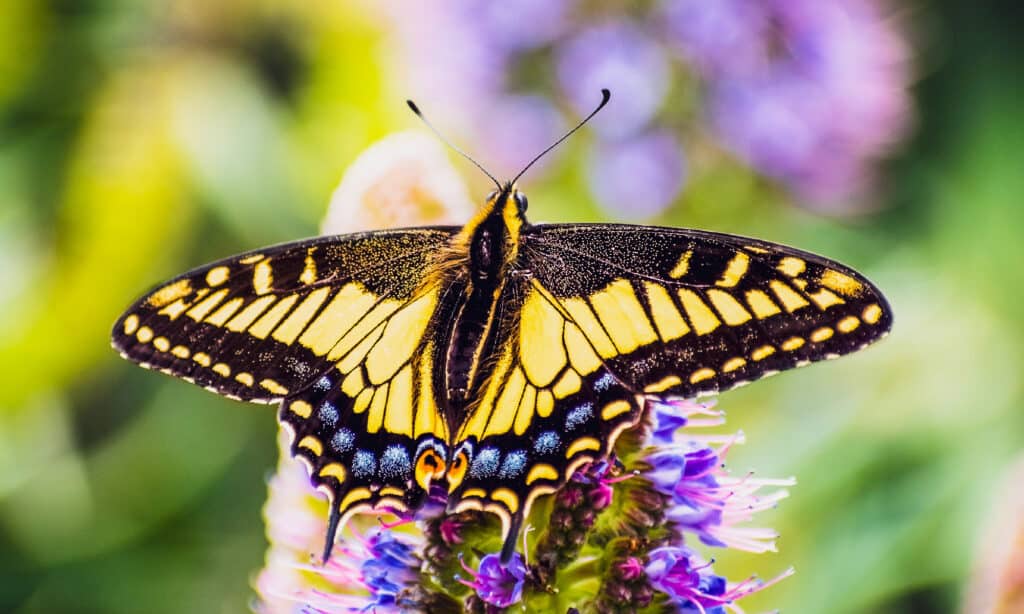
Western Tiger Swallowtail (Papilio rutulus)

The Tiger swallowtail butterfly is the official insect of Virginia.

The state bird of Virginia, the cardinal, is a songbird with a distinct red hue. It can be seen throughout the year in much of North America and is known for its legendary singing ability. The state bat, the native Virginia Big-Eared bat, has large ears that are used to detect prey in the night sky. This species is identified by its unique fur coloration, which ranges from reddish-brown to black.

The Eastern Garter snake is another reptile species found in Virginia and serves as their official state snake. They inhabit many different habitats ranging from woodlands to grassy meadows and feed primarily on small rodents or frogs.

Finally, one of nature’s most beautiful insects, the Tiger Swallowtail butterfly, was declared Virginia’s official insect in 1977 due to its stunning yellow and black markings that truly stand out amongst other butterflies. While there may not be an official animal for the Commonwealth State just yet, it doesn’t mean you won’t find plenty of incredible creatures living within its borders!

Where To Find The Top Wild Animals in Virginia
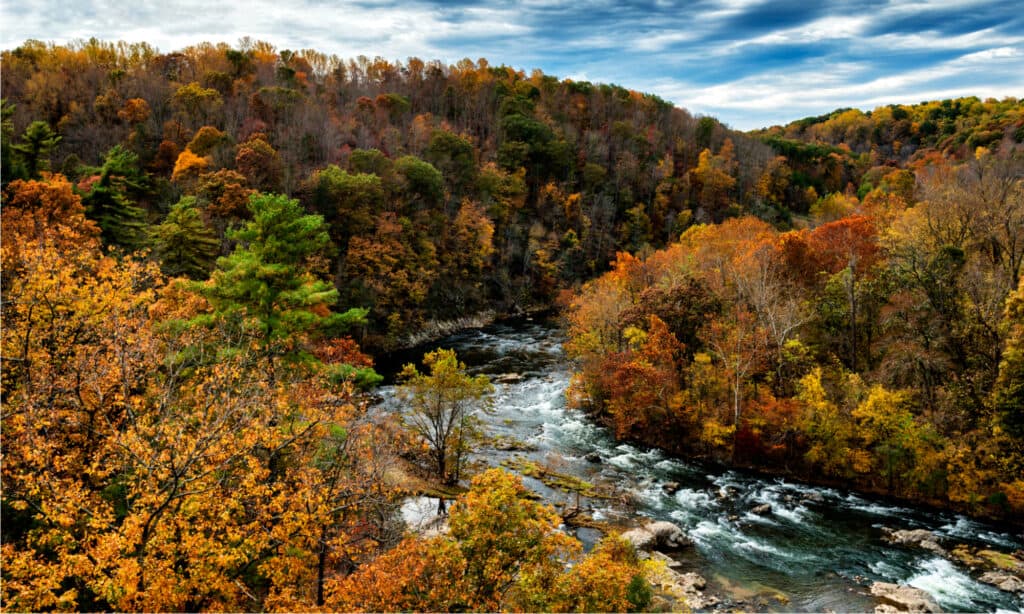
Longest River in North Carolina - The Roanoke River

The Roanoke River along the Blue Ridge Parkway National Park, Virginia, is a great spot to see wildlife.

Virginia is home to a whopping 41 state parks and 22 national parks, waterfalls with thousands of campsites available — and while that means there are plenty of places to see nature, it can be a little bit overwhelming if you don’t know where to start.

The Mid-Atlantic Coastal Plain is home to stretches of wild Atlantic coastline as well as expansive swamps and estuaries. The wildlife here includes red foxes, turtles, river otters, and multiple species of shrews, mice, and other rodents.

Further inland is the Central Appalachian Forest. The heavily wooded area encompasses the heavily wooded Blue Ridge Mountains, which then extend all the way to Pennsylvania. Many of the same species from the Mid-Atlantic Coastal Plain call this region home. Black bears are the apex predator here, but they share the land with rabbits, foxes, moose, and white-tail deer.

Five major rivers dump into the bay that feeds the Chesapeake Bay Lowlands region, and that makes it a similar ecosystem to the Mid-Atlantic Coastal Plain. Bird species like bald eagles and ospreys tend to dominate here, as the marshlands leave them with plenty of marine prey for scavenging. The hundreds of species of fish here make it ideal for fishing. Some sharks are also a common sight in Virginia Beaches.

The foothills of the Appalachian Mountains are known as the Piedmont Region, and the environment here is rich with species shared with both the swamp and the mountains. White-tail deer are a common sight, but you’ll also find coyotes, woodpeckers, and marine wildlife that includes both catfish and sunfish.

The South Atlantic Coastal Plain stretches out to Florida and South Carolina and is predominantly marsh and swamp. Multiple rivers run through this area, and the ecosystem is primarily composed of wading birds, reptiles, and amphibians, in addition to the rich fish population.

Popular places to see animals in each ecoregion include:

The Most Dangerous Animals In Virginia Today

black bear cubs
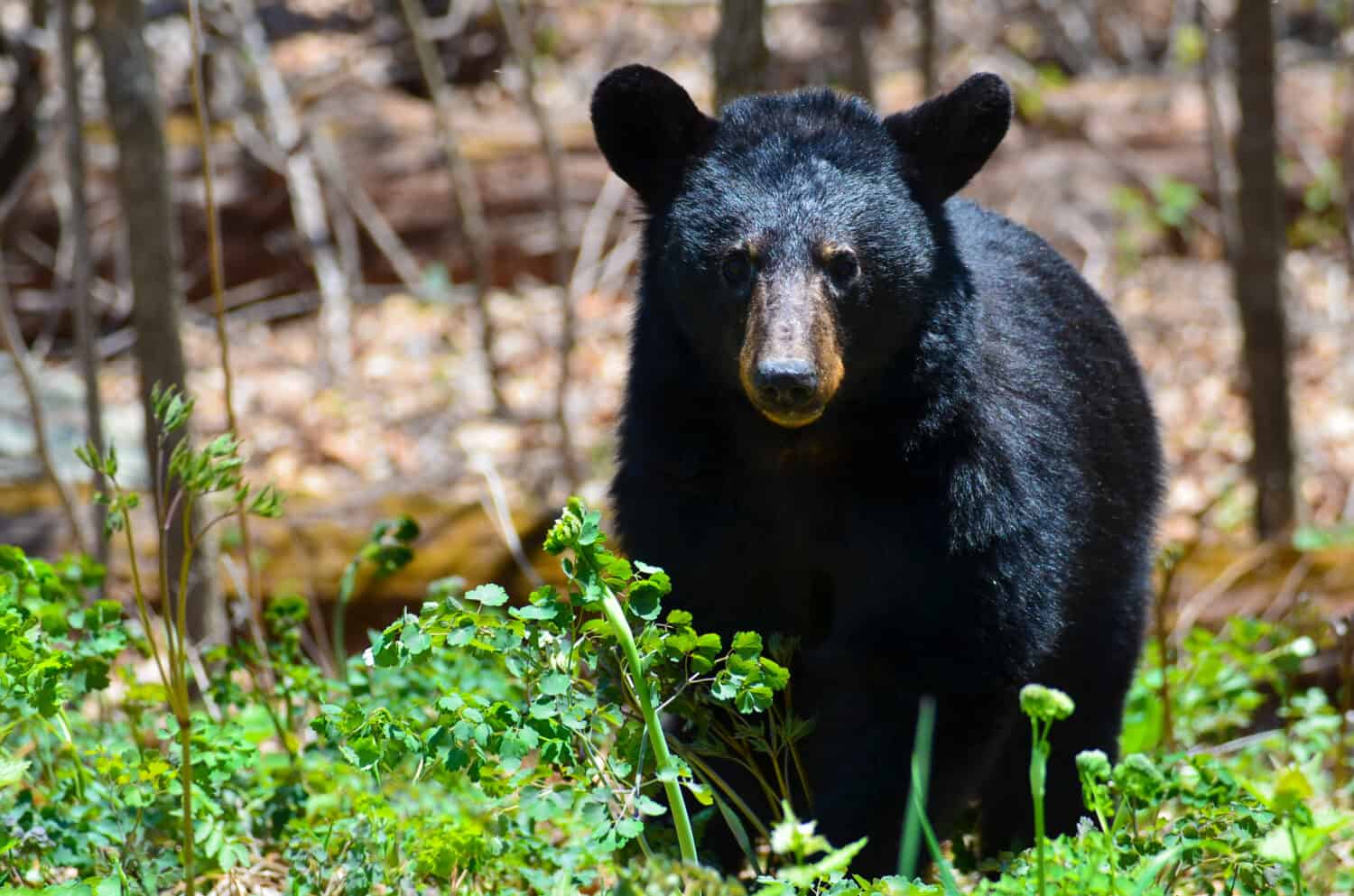
Black bears are some of the more dangerous animals in Virginia.

The vast and unspoiled wilderness of Virginia has created massive playgrounds where fierce predators can roam unhindered. The black bear is common throughout the state. That said, there are predatory cats in the form of both pumas and bobcats.

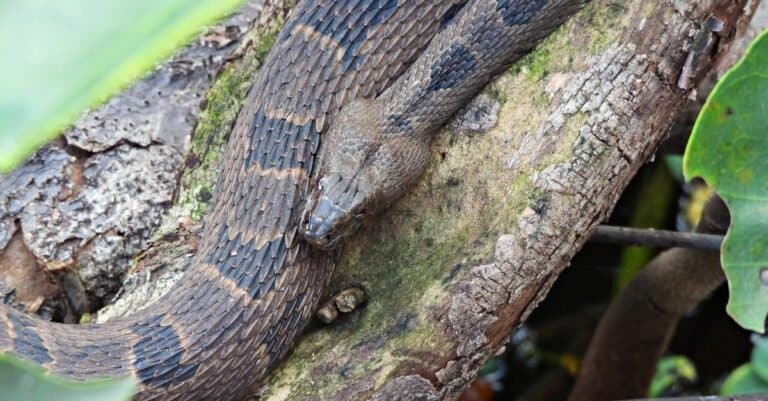
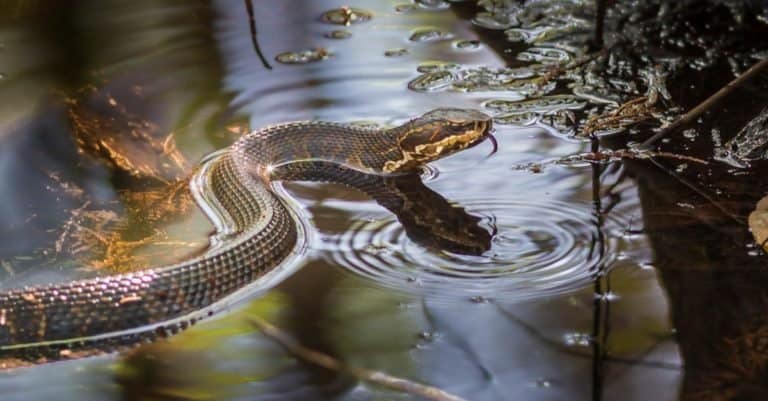
Of Virginia’s roughly 30 snake species, only three are venomous. The copperhead, cottonmouth, and timber rattlesnake all produce venom that could exacerbate a bite. The copperhead is the least venomous of the three, and bites are rarely fatal.

3 Biggest Animals in Virginia
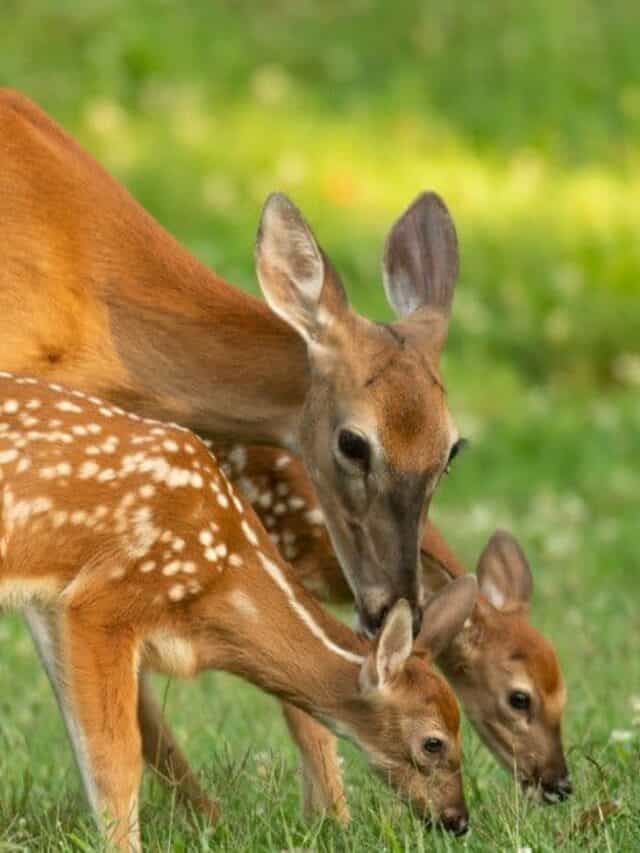
A white-tailed deer doe and its two fawns in an open meadow in summer.
White-tailed deer are among the largest animals in Virginia.

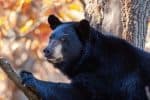
The three biggest animals found in Virginia are black bears, white-tailed deer, and wild turkeys. Black bears can reach up to 6 feet high when standing on their hind legs and weigh up to 600 pounds. They live in the heavily forested areas of western Virginia as well as in some suburban neighborhoods around Richmond.

White-tailed deer are the most common large mammal in Virginia, with a typical adult male measuring between 3.5 and 4 feet tall at the shoulder and weighing around 200 pounds. These animals can be seen almost anywhere across the state, from woodlands to suburbs or even grassy fields near highways.

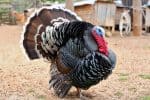
Wild turkeys are also abundant throughout much of Virginia, with adults reaching heights over 3 feet when standing upright and body weights up to 18 lbs for males or 10 lbs for females. Turkeys prefer open habitats such as woods edges or grassy fields, but they may have been seen straying into yards looking for food scraps during winter months.

All three species play an important role in keeping ecosystems balanced by helping control populations of smaller prey species, spreading seeds through their droppings, creating habitat diversity by grazing, and providing food sources for larger predators like mountain lions or coyotes that rarely venture into settled areas of Virginia but still rely on these same foods available there.

3 Rarest Animals in Virginia
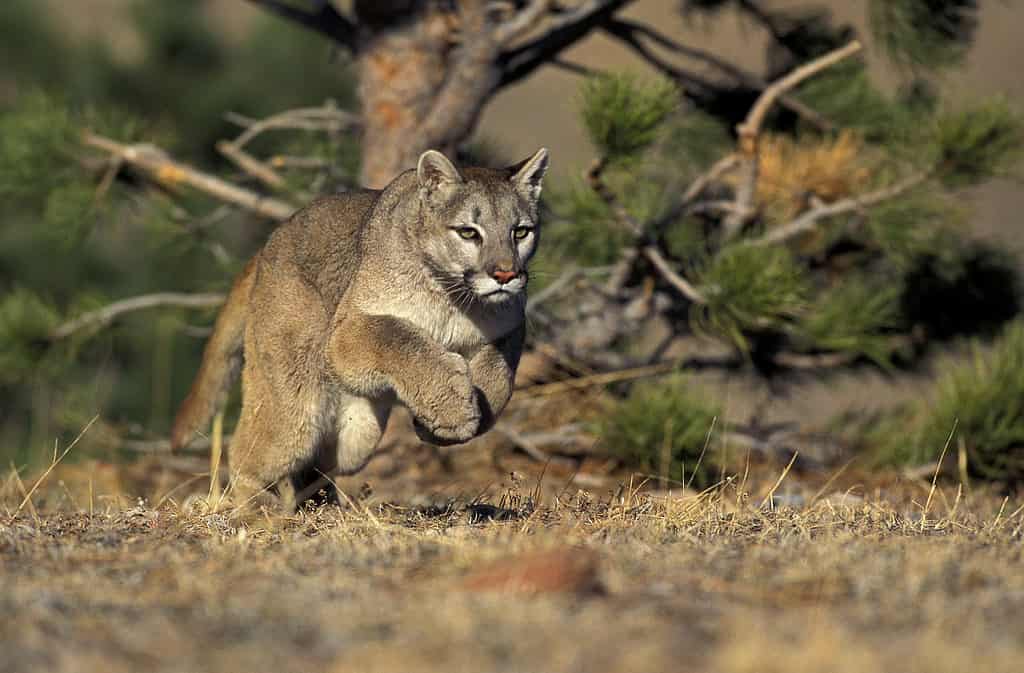
Mountain lions can reach 50 mph in short bursts.

Mountain lions are a rare animal to spot in Virginia

There are a few rare animals in Virginia that have not been officially classified as endangered species. The first of these is the mountain lion, which can be found in the mountainous areas of western and southwestern Virginia. This species has a strong history with Native American tribes in the area who tell stories about its presence and even hunted them for their fur. In modern times, this animal is rarely seen, but sightings do still occur on occasion.

Another rare animal living in Virginia is the Black Bear. These creatures prefer to inhabit wooded areas along rivers and streams where they can find food such as fish, berries, and nuts. They typically live alone or with their cubs until they reach maturity. While black bears are not considered an endangered species yet, conservation efforts have been put into place to help protect them from habitat loss due to human activity, such as logging or development projects near their natural habitats.

The last rare animal native to Virginia is the Allegheny Woodrat – also known as “packrats” by those who live near them! These rodents build intricate dens out of sticks and leaves that provide shelter and escape from predators like foxes or coyotes. They primarily eat vegetation such as fruits and nuts but may occasionally hunt small prey animals, like insects or lizards.

Endangered Animals
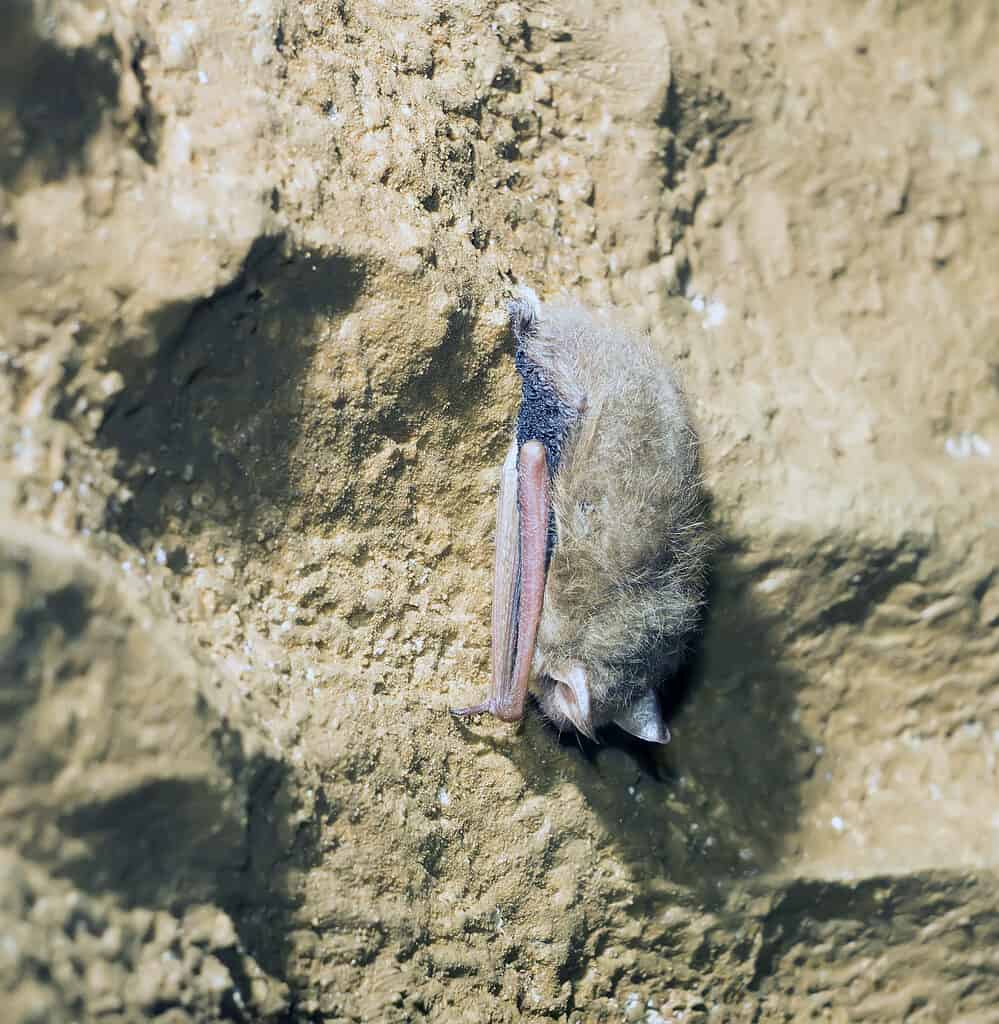
Indianna bat

The Indiana bat is endangered in Virginia.

The Virginia landscape is home to over two dozen endangered animals. These include species such as the Eastern hellbender, red-cockaded woodpecker, Indiana bat, and more. So why are these animals becoming endangered in Virginia? The primary reason for their endangerment is habitat loss caused by human activities like urbanization and the development of land for agricultural use. Additionally, illegal hunting and poaching can also contribute to the decline of certain animal populations.

What can Virginians do to help protect these animals? One way would be through volunteering with organizations that work on conservation efforts or engaging with local governments regarding policies around wildlife protection. Lobbying state legislators or donating resources towards restoration projects are also great ways to show support for preserving our native species and habitats.

Lastly, educating oneself on what specific threats each species faces will help give a better understanding of how they’re impacted by changes in their environment so that we can better advocate for them when needed!

  • Gray bat – A species that’s entire population is restricted to only 11 caves.
  • Humpback whale – Known for their beautiful and mesmerizing songs, they’re still recovering from exploitation by the whaling industry.
  • West Indian manatee – One of the rarest sea mammals, it’s remained on the U.S. Endangered Species list since the 1970s.
  • Red-cockaded woodpecker – A species that ranks among the rarest of wild woodpeckers, this species has seen devastation thanks to the loss of the long-leaf pine.

Zoos in Virginia
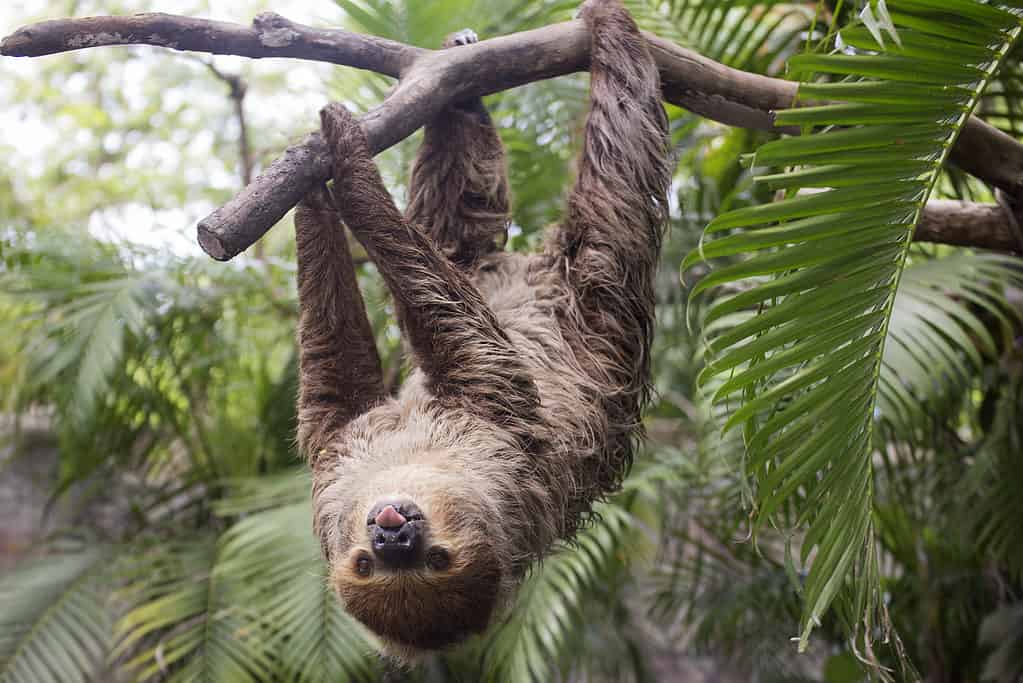
There are zoos all over the U.S. where you can "hang" with sloths!

Unusual animals like sloths can be viewed at zoos in Virginia.

Zoos can be incredibly beneficial to animals and humans alike. For animals, zoos provide a safe environment with plentiful resources, such as food and shelter. They also have dedicated teams of veterinarians and animal care specialists who are there to ensure that the animals get the best possible care. This helps create an ideal habitat for endangered species, allowing them to thrive in captivity and potentially increase their numbers over time.

For humans, zoos offer educational opportunities for conservation and wildlife preservation, helping people understand why it is important to protect these creatures from going extinct in the wild. Additionally, they give us access to see incredible species up close that we may not otherwise have the chance to encounter in our daily lives. This gives us greater insight into how unique each creature truly is. On top of that, zoos often host programs that help teach children responsibility through caring for different types of animals, making it an excellent way for them to foster a sense of respect toward nature at an early age!

Virginia zoos include:

Native Plants in Virginia
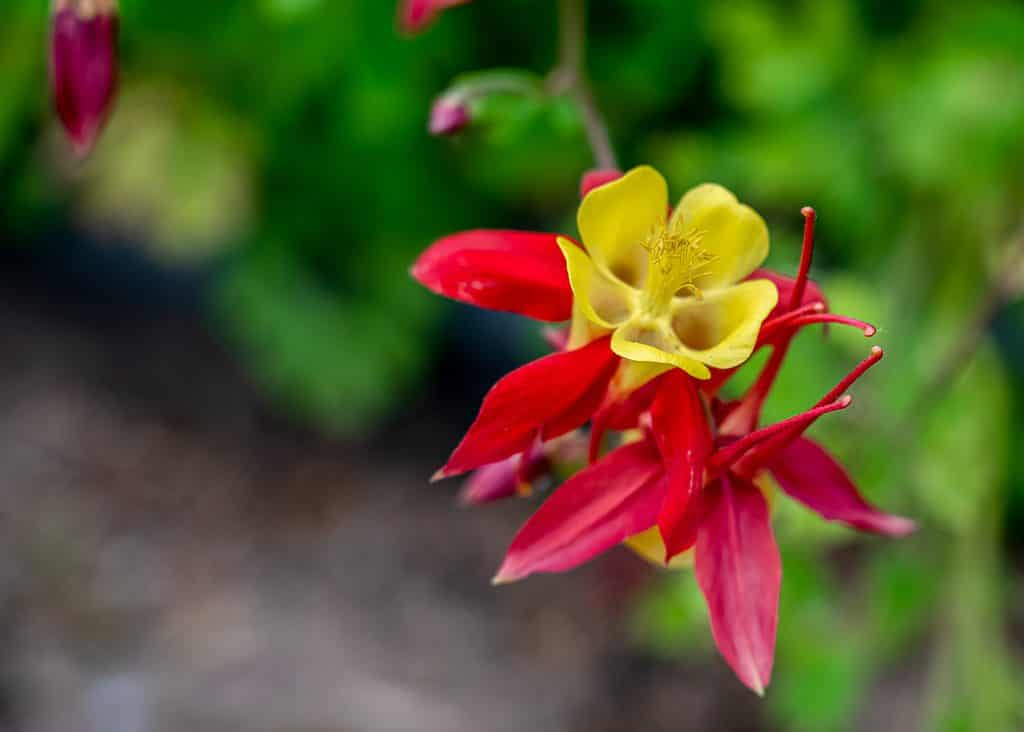
Columbines are native to Virginia.

From wild geranium and black-eyed Susans to wild bergamot and flowering dogwood, each of these plants, flowers, and trees is unique in its own right, whether you’re in Old Dominion or not. If you’re more of a flora person than fauna, there are beautiful native plants in Virginia worth exploring.

Virginia is home to a wide variety of native wildflowers, including species such as bluebells, trilliums, and Indian pinks. These flowers can be seen in open fields, meadows, woodlands, and along roadsides throughout the state.

In addition to these common varieties, there are also numerous rare or endangered species found only in certain parts of Virginia. Some examples include the white fringeless orchid, which grows in wet woods and on moss-covered rocks, and the mountain laurel, which prefers acidic soils.

You may spot a purple coneflower growing in moist soils or a wild columbine in rocky habitats. And, of course, there is the waterleaf which thrives near streams and wetlands. Each wildflower has its own unique habitat preferences, so it’s important to do some research before heading out into nature to observe them!

Beetles in Virginia

Beetles play a significant role in Virginia’s ecosystem. while beetles have their pros and cons, they remain essential in the balance of things. Virginia has a host of indigenous beetles with interesting characteristics.

Read about:

  • extinct animals that lived in Virginia.
  • ticks in Virginia.
  • spiders in Virginia.
  • roaches In Virginia.
  • the most beautiful waterfalls in Virginia.
  • the biggest fish in Virginia.
  • the best dog parks in Virginia Beach, Norfolk, Richmond, and Chesapeake, Virginia.
  • the best places to camp in Virginia.
  • the best fish to catch in Virginia this summer.
  • the longest biking trail in Virginia.
  • Native Plants in Virginia
  • Discover the Coldest Place in Virginia

Animals Found in Virginia

275 species documented in our encyclopedia

Thank you for reading! Have some feedback for us?