E
Species Profile

English Angora Rabbit

Oryctolagus cuniculus (English Angora breed)

All fluff, all finesse.
Mary Swift/Shutterstock.com

English Angora Rabbit Distribution

Click a location to explore more animals from that region

Origin Location

This map shows the native origin of the English Angora Rabbit. As a domesticated species, they are now found worldwide.

Loading map...

Found in 1 country

Size Comparison

Human 5'8"
English Angora Rabbit 9 in

English Angora Rabbit stands at 14% of average human height.

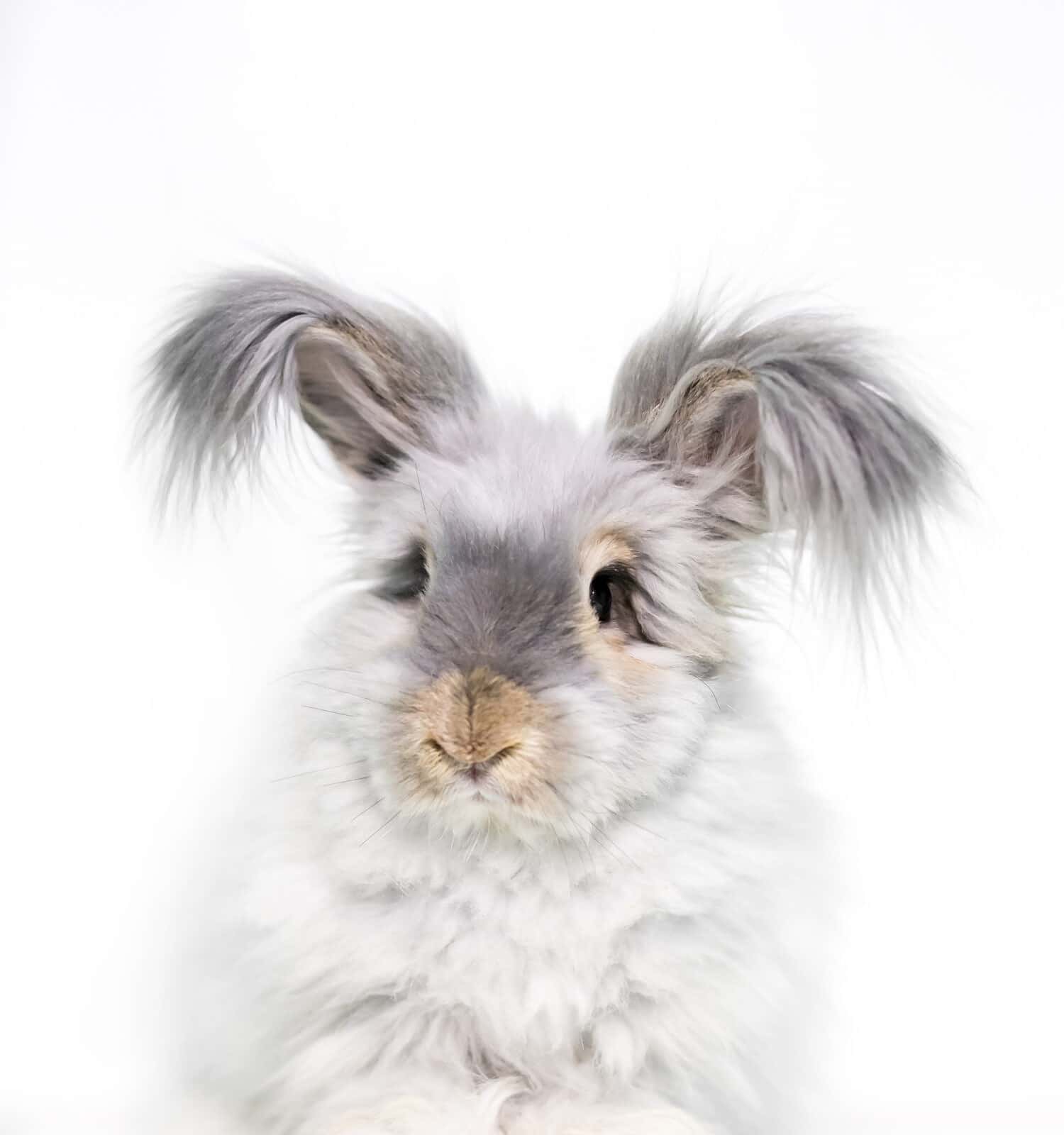
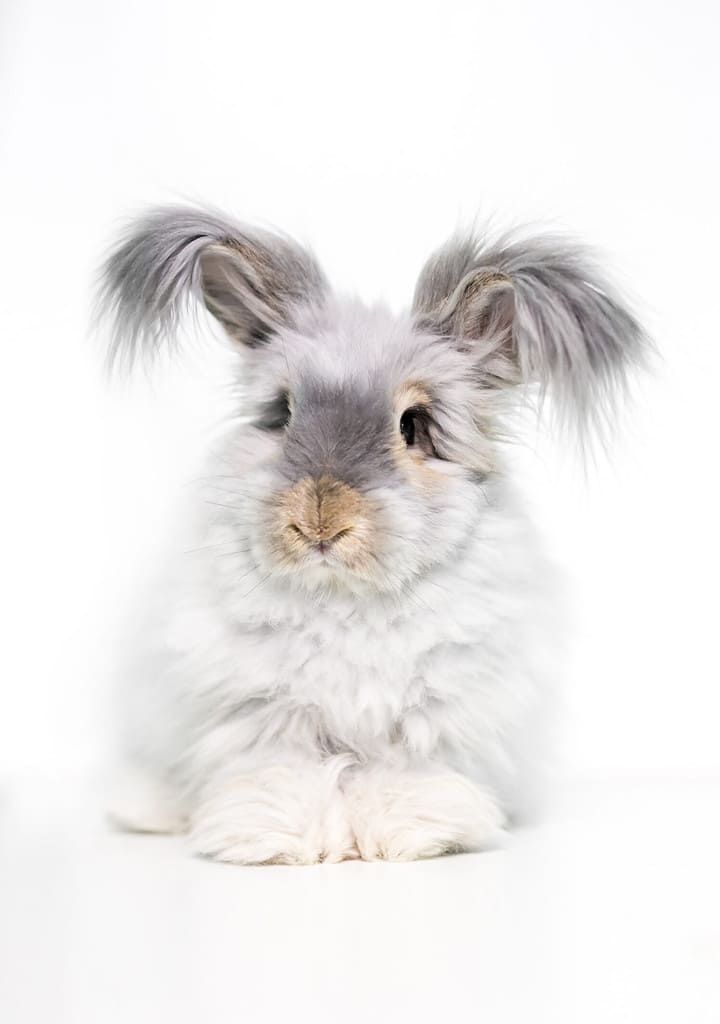
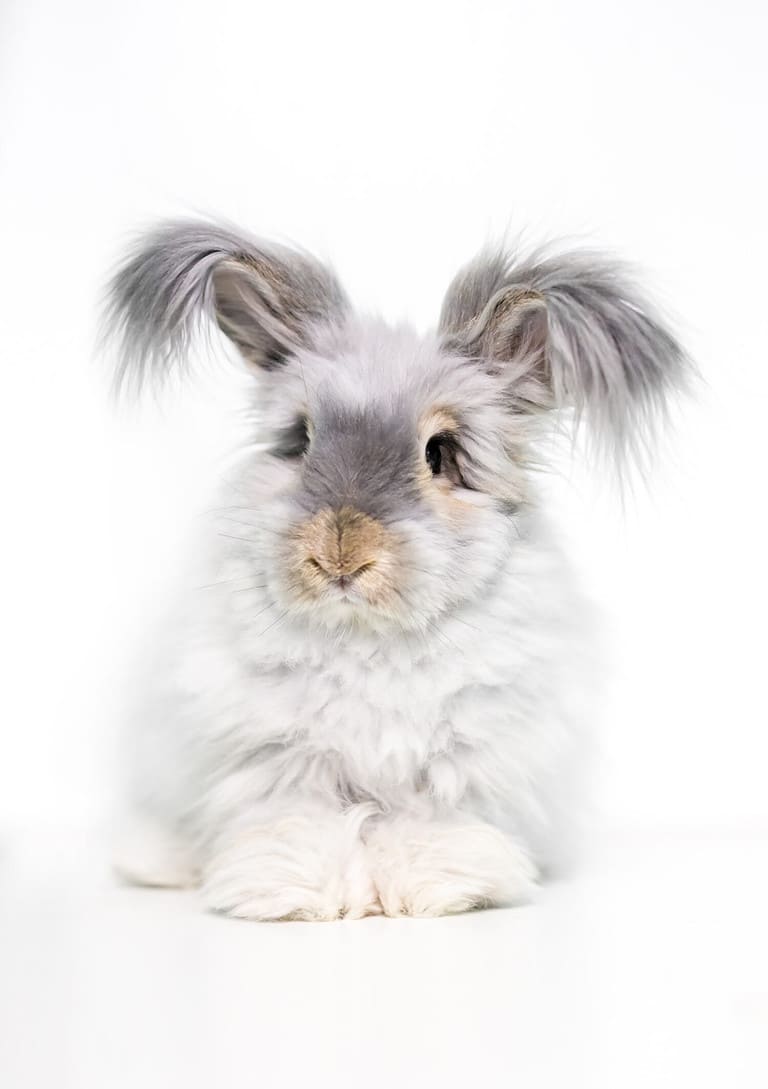
A furry English Angora rabbit with long hair on its ears

At a Glance

Domesticated
Diet Herbivore
Activity Crepuscular+
Lifespan 2 years
Weight 3.5 lbs
Status Not Evaluated
Did You Know?

English Angoras are a domestic breed of the European rabbit (Oryctolagus cuniculus), not a separate species.

Scientific Classification

The English Angora is a domestic rabbit breed selected for extremely long, fine wool (angora fiber). It is one of the classic Angora varieties and is primarily kept for fiber production and as a companion animal.

Kingdom
Animalia
Phylum
Chordata
Class
Mammalia
Order
Lagomorpha
Family
Leporidae
Genus
Oryctolagus
Species
cuniculus

Distinguishing Features

  • Very dense, long wool covering much of the body, often including pronounced facial furnishings and ear tufts
  • Requires frequent grooming/shearing to prevent matting and wool block
  • Compact rabbit build compared with some other Angora breeds
  • Bred specifically for angora fiber rather than for meat or laboratory use

Physical Measurements

Males and females differ in size

Height
9 in (8 in – 11 in)
9 in (8 in – 10 in)
Length
1 ft 5 in (1 ft 3 in – 1 ft 7 in)
1 ft 5 in (1 ft 3 in – 1 ft 8 in)
Weight
6 lbs (5 lbs – 7 lbs)
7 lbs (6 lbs – 8 lbs)
Tail Length
2 in (2 in – 3 in)
2 in (2 in – 2 in)
Top Speed
25 mph
slower than wild rabbits

Appearance

Primary Colors
Secondary Colors
Skin Type Mammalian skin densely covered with exceptionally long, fine Angora wool (high-fiber undercoat with guard hairs); continuous growth requires regular grooming and/or harvesting. Sensitive to heat due to heavy insulation.
Distinctive Features
  • Domestic breed of the European rabbit (Oryctolagus cuniculus); not a separate species. Selected specifically for extreme wool length, density, and fineness rather than wild-type coat function.
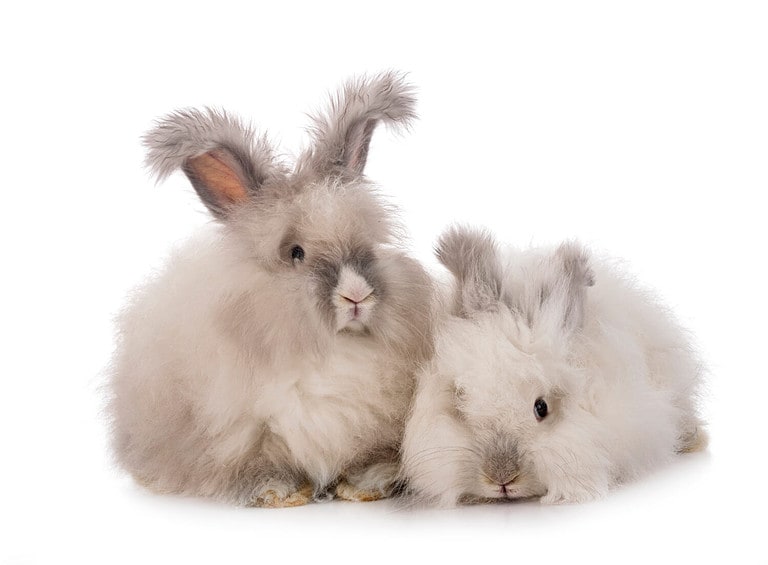
  • Signature breed identifier vs base species and many other Angora types: abundant facial furnishings (wool on the face with noticeable facial "furnishings") and prominent ear tassels/tufts (ear furnishings).
  • Compared with typical domestic/wild-type European rabbits: coat is dramatically longer and more voluminous; body outline looks rounded and "cloud-like" with a reduced visible silhouette.
  • English Angora is usually smaller than other Angora breeds, with more fur on its face and ears than the French (not as clean-faced), smaller than the Giant, and less shiny than Satin Angora.
  • Wool/fiber husbandry: requires frequent grooming (often several times weekly; more during molts) to prevent matting/felting and to maintain skin health; many keepers shear or pluck/harvest fiber on a schedule.
  • Key health concerns tied to coat: high risk of wool block/trichobezoars from ingested fiber during grooming-benefits from high-fiber diet (hay), regular grooming, and close monitoring of appetite/poop output.
  • Heat stress risk: dense wool coat makes the breed prone to overheating; needs cool, well-ventilated housing and careful summer management (cooling strategies, shorter coat via shearing if needed).
  • Skin/parasite considerations: dense coat can hide urine scald, dermatitis, mites/fleas, and minor wounds; routine hands-on skin checks are important.
  • General rabbit concerns still apply: continuously growing teeth (dental monitoring), nail trims, and adequate space/exercise; long coat increases need for sanitary trims around the vent area to reduce soiling.

Sexual Dimorphism

Sexual dimorphism is mild as in most domestic rabbits; differences are mostly in head shape and secondary sex traits rather than coat color/pattern. Both sexes grow the characteristic long wool.

  • Often slightly smaller overall with a broader, more blocky head in some individuals.
  • Typically no dewlap or a much less developed dewlap than females.
  • Often slightly larger-bodied with a finer head profile.
  • May develop a dewlap (fatty skin fold under the chin), more noticeable in mature does; can be partially hidden by long wool.

Did You Know?

English Angoras are a domestic breed of the European rabbit (Oryctolagus cuniculus), not a separate species.

They're the most "wool-covered" of the classic Angora breeds-often with heavy face, ear, and foot furnishings.

Angora fiber is valued for softness and warmth; it's typically blended with other fibers because it's very fine and light.

Because rabbits don't cough up hairballs like cats, Angoras need extra fiber and grooming to reduce fur buildup in the gut.

Coat can hide body condition-caretakers often "hands-on" check weight, skin, and muscle under the wool.

The name "Angora" traces to Ankara (historically Angora) in Turkey, a place-name shared by other long-haired animals like Angora goats/cats.

Unique Adaptations

  • Extreme wool growth selected by breeding: very long, fine undercoat (the "angora" fiber) that requires routine harvesting (shearing/combing).
  • Signature English Angora furnishings: abundant wool on the face/cheeks, ears, and feet-more than French Angoras (which typically have a cleaner face/forelegs).
  • Insulation trade-off: the dense coat offers warmth but increases heat-stress risk; English Angoras often need cooler housing than short-coated rabbits.
  • High-maintenance coat structure prone to felting/mats: requires frequent grooming to keep skin dry, ventilated, and visible for health checks.
  • "Hidden anatomy" challenge: nails, scent glands, skin irritation, and body condition can be obscured-care routines emphasize parting the coat and inspecting the skin.

Interesting Behaviors

  • Cecotrophy (re-ingesting nutrient-rich cecotropes): a normal lagomorph behavior that supports their high-fiber digestion.
  • "Binkies" (joy jumps/twists) and zooming-common in pet rabbits, including Angoras when they feel safe and playful.
  • Burrowing/scratching instincts: domestic rabbits retain the species' digging and nest-building tendencies.
  • Tooth purring (gentle tooth grinding) when relaxed-distinct from loud grinding that can signal pain.
  • Angoras may groom themselves frequently; with long wool, owners often redirect grooming by providing regular brushing and safe chew options.
  • Thumping a hind foot as an alarm signal-an inherited antipredator behavior from wild European rabbits.

Cultural Significance

The English Angora (Oryctolagus cuniculus, English Angora breed) is kept for fiber arts like hand-spinning and felting, shown in rabbit shows, and kept as pets. It is a domestic European rabbit shaped by centuries of selective breeding for a very woolly coat.

Myths & Legends

The Moon Rabbit (East Asian folklore): a rabbit is seen in the moon, often pounding an elixir or medicine with a mortar and pestle-an enduring story in Chinese, Korean, and Japanese traditions.

Easter Bunny (European and later American folklore): a gift-bringing rabbit associated with springtime renewal and Easter celebrations, now widely embedded in popular tradition.

Br'er Rabbit (African American folktales rooted in West and Central African trickster traditions): the clever rabbit repeatedly outwits stronger foes, surviving by intelligence rather than strength.

The Great Hare / Nanabozho (Anishinaabe traditions): a powerful hare/rabbit figure appears in stories about teaching, shaping the world, and guiding people-varying by community and telling.

Celtic and British folklore about hares: witches and fairies were sometimes said to take hare form; although hares aren't rabbits, the lore often blends in popular retellings and influenced later "mysterious rabbit" imagery.

Angora naming lore (historical association): European fashion circles adopted "Angora" from Ankara's place-name, and long-haired animals labeled "Angora" became symbols of softness and luxury in textile culture.

Conservation Status

NE Not Evaluated

Has not yet been evaluated against the criteria.

Population Stable

Life Cycle

Birth 6 kits
Lifespan 2 years

Lifespan

In the Wild
1–9 years
In Captivity
5–12 years

Reproduction

Mating System Polygynandry
Social Structure Managed Domestic
Breeding Pattern Transient
Fertilization Managed Selective
Birth Type Internal_fertilization

English Angora Rabbit (Oryctolagus cuniculus, English Angora): species is polygynandrous (mates with multiple partners); under managed domestic breeding, breeders control selective, brief matings. Fertilization is internal; the doe alone cares for kits. Heavy wool raises special husbandry needs.

Behavior & Ecology

Social Colony Group: 2
Activity Crepuscular, Cathemeral
Diet Herbivore Unlimited high-quality grass hay (timothy/orchard)

Temperament

Generally gentle and people-tolerant when well-socialized; many English Angoras are calmer than the base species stereotype, partly because they are frequently handled for grooming and fiber care.
Can be sensitive to restraint and prolonged grooming sessions; stress may show as freezing, struggling, or avoidance-short, consistent sessions with positive reinforcement suit the breed.
Often less heat-tolerant and may be less active in warm conditions due to extremely long, dense wool; may choose cooler resting sites and reduce play unless the environment is kept cool.
Socially variable within the hub: some are highly affiliative (seeking contact and allogrooming), while others are more reserved; compatibility is strongly influenced by early social exposure and spay/neuter status.
English Angora rabbits risk eating wool that can block or slow the gut; matted fur can hurt skin, soiled coats risk flystrike, and overheating can cause hiding, not eating, grumpiness, or less movement.
Requires frequent coat management (daily light grooming with thorough sessions several times weekly, plus routine trimming around sanitary areas/eyes as needed); inadequate care can increase reactivity and reduce sociability due to chronic discomfort.

Communication

Soft grunts/honks during mild annoyance, courtship, or anticipation More noticeable in some domestic lines
Squeals/screams during acute fear or pain An emergency signal
Tooth purring (gentle tooth grinding) indicating relaxation/pleasure; loud tooth grinding can indicate pain.
Thumping Hind-foot stamping) as alarm or protest; may increase with environmental stressors (noise, handling, unfamiliar animals
Body posture and movement: freezing, crouching, binkying (joyful leaps), circling, and head-lowering to solicit grooming.
Ear and facial cues (ear orientation, whisker/nose movement); in English Angoras, heavy facial furnishings can partially obscure subtle facial signals, so observers may need to rely more on posture and movement.
Scent marking: chin rubbing on objects, urine spraying (especially in unneutered rabbits), and fecal marking to define territory.
Affiliative contact: mutual grooming (allogrooming), resting in contact, and synchronized activity periods-key indicators of stable bonds in pairs/groups.
Defensive/aggressive signals: lunging, boxing with forepaws, chasing; in wool breeds, chasing can rapidly lead to coat contamination/matting, so early intervention and environment management are important.

Habitat

Urban Suburban Agricultural/Farmland Grassland Woodland Deciduous Forest Coniferous Forest Shrubland Desert Tundra Alpine Meadow Mountain Wetland +7
Biomes:
Temperate Forest Temperate Grassland Mediterranean Desert Hot Desert Cold Boreal Forest (Taiga) Tundra Alpine Wetland +3
Terrain:
Plains Hilly Coastal Valley
Elevation: Up to 16404 ft 3 in

Ecological Role

Domestic herbivorous grazer (companion and fiber-producing breed); ecologically analogous to wild European rabbit grazing behavior but typically managed in captivity rather than functioning as a natural ecosystem engineer.

Converts plant fiber into angora wool (fiber production) Produces manure that can be composted and used as fertilizer In managed settings, can contribute to small-scale vegetation control and education/companion roles

Diet Details

Other Foods:
Grass hay Grasses and leafy greens Non-starchy vegetables Rabbit pellets Fruit and carrot Willow and apple branches and dried herb mixes

Human Interaction

Domestication Status

Domesticated

English Angora Rabbit (Oryctolagus cuniculus; English Angora breed) is a domestic rabbit bred from the European rabbit for very long, fine wool. It has heavy coat growth and needs daily grooming. People keep it as a pet, for fiber production, for shows and breeding, and for vet and welfare care.

Danger Level

Low
  • scratches (powerful hind legs can rake when improperly restrained)
  • bites (usually defensive-pain, fear, mishandling)
  • allergies/asthma triggers from dander, hay, and wool/fiber dust
  • zoonotic skin issues such as dermatophytosis (ringworm) are possible but preventable with hygiene and veterinary care

As a Pet

Suitable as Pet

Legality: English Angora rabbits are usually legal to keep as pets in most places (including much of the U.S.). Local rules may limit numbers, treat them as livestock, or restrict outdoor hutches—check local and state laws.

Care Level: Expert Only

Purchase Cost: $75 - $300
Lifetime Cost: $4,000 - $12,000

Economic Value

Uses:
Fiber production (textiles/handspinning) Companion animal trade Show/exhibition breeding
Products:
  • angora wool/fiber (from shearing or collection during grooming)
  • breeding stock and show-quality rabbits
  • value-added goods (yarn, knitwear, felted items)

Relationships

Related Species 5

Ecological Equivalents 5

Animals that fill a similar ecological role in their ecosystem

Domestic rabbit Oryctolagus cuniculus English Angora is a domestic rabbit breed with very long, continuously growing wool used for angora fiber. It requires extra grooming and care and is prone to matting, wool block, and heat stress.
German Angora rabbit Oryctolagus cuniculus Occupies the same human-managed niche as other fiber rabbits; selectively bred for abundant angora fiber production. Highlights breed-specific management relevant to English Angora: routine shearing or plucking, frequent combing, and close monitoring for skin irritation, parasites, and gastrointestinal slowdown associated with hair ingestion.
Guinea pig
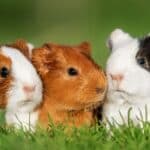
Guinea pig Cavia porcellus Similar small herbivorous companion animal kept indoors or outdoors with comparable husbandry themes: high-fiber diet, stable temperatures, and predator-proof housing. The contrast helps underline English Angora–specific needs: much greater coat maintenance and higher overheating risk.
Domestic sheep
Domestic sheep Ovis aries Both are fiber animals that require care for fiber harvest and regular skin and parasite checks. English Angora rabbits, however, need more frequent detangling and stricter heat management because they cannot sweat and have dense, fine wool.
American pika Ochotona princeps Small lagomorph herbivore vulnerable to many predators and sensitive to temperature. Comparable because both are small herbivores whose thermoregulation can be compromised by insulating fur: English Angora rabbits are particularly prone to heat stress because their extremely insulating coats require cooler ambient conditions than many short-coated rabbits.

High-quality English angora rabbit wool can sell for up to $20 an ounce.

English Angora Rabbit Summary

Angora rabbits originated in the city of Ankara, Turkey and get their name from that location. Breeders there selectively bred them to produce long, silky fur. Spun into wool, angora fur makes soft, hypo-allergenic cloth of similar texture and quality to cashmere. Today the five main varieties of angora rabbit are the English, French, German, Satin, and Giant angoras. Of these, the English is the smallest, at 4.5-7.5 pounds. It is also the most popular to keep as a pet because their furry faces make them look like fluffy teddy bears. The five recognized varieties of English angora rabbits are Agouti, Broken, Pointed White, Ruby-eyed White, Self, and Shaded. They make good pets and popular show animals but require a great deal of care to maintain their luxurious coats properly.

English Angora Rabbit Facts

  • Angora rabbits originated in Ankara, Turkey. The city name is the source of the animal’s name.
  • Breeders value angora rabbits for their long, fluffy, silky fur and as pets or show animals.
  • There are five types of Angora rabbit: French, English, German, Satin, and Giant. The English is the smallest breed.
  • English angora rabbits are popular pets because they look like fluffy teddy bears, but their long coats require a great deal of maintenance.
  • Angora wool sells for up to $20 an ounce and makes soft, hypoallergenic luxury sweaters, scarves, and hats.

English Angora Rabbit Scientific Name

The scientific name of the angora rabbit is oryctolagus cuniculus domesticus. Oryctolagus comes from Greek words meaning “burrowing hare.” Cuniculus means “rabbit” in Latin. The Latin word domesticus means “belonging to the house.” So altogether, its scientific name means “domestic burrowing rabbit.”

English Angora Rabbit Appearance

English angora rabbits have small bodies weighing anywhere from 5 to 7.5 pounds with a wide flat head and short ears. They’re covered in thick, silky, hollow-fibered hair that grows 3-4 inches long all over their bodies, including their feet, faces, and ears. Unlike some other breeds of angora, English angoras have long hair not only on their bodies but also on their faces and ears. The most common coat colors of this species include white, black, blue, chocolate, tort, and chestnut and combinations of these.

Angora rabbits produce anywhere from 1-3 pounds of fiber a year. They molt naturally 3-4 times a year or their owner can shear them or pluck them every three months or so. This is a controversial practice as animal rights activists say that it hurts and stresses the animals. Their skin is delicate, so careless shearing can easily cut them and make them vulnerable to infection. Angora wool is commercially most valuable when the fibers are long, clean, and hand-plucked. Due to the labor-intensive nature of the work and the desirability of the wool, it can sell for anywhere from $10-$20 an ounce.

English Angora Rabbit Evolution and History

The family Leporidae, which includes rabbits and hares, first appeared in the fossil record in the Eocene Epoch about 40 million years ago. It appears their basic physical structure has not changed very much since then, indicating they have been able to adapt well to changing environmental conditions. Today they have diverged into about 40 different species of rabbits, hares, and pikas. Of these, Oryctolagus cuniculus, the European rabbit, is the only one humans have domesticated on a large scale. For at least 4,000 years, humans have used rabbits for food, fur pelts, wool, and as pets. In North America and Europe, breeders have now developed over 60 recognized breeds of domestic rabbits.

English Angora Rabbit Behavior

Angora rabbits are territorial and have different personalities. These factors, along with their hormonal state, influence whether or not they will get along when kept in groups of two or more. In temperament, angora rabbits are docile, gentle, and smart. They are playful, even enjoying playing with cat toys. They are sociable and like snuggling up to their owners. However, they don’t like being picked up as their spines are fragile and can be easily hurt. When they are frightened, they can react aggressively. Some of the worst behaviors owners report are chewing on furniture and carpets, excessive pooping, and hair production that takes hours to groom every week.

English Angora Rabbit Habitat

Every continent besides Antarctica has wild rabbit populations living in forests, grasslands, deserts, and mountain ecosystems. Angora rabbits are entirely a domestic species, not found in the wild. Most of them live on farms in China, where about 50 million angora rabbits produce 90% of all angora wool sold in the world.

English Angora Rabbit Diet

As domestic animals, English angora rabbits eat vegetables and hay provided to them by people. Pet owners typically buy rabbit food in the form of pellets made of grain and fortified with additional vitamins and minerals. Fresh carrots, grass, and dandelions are some of a rabbit’s favorite foods. Rabbits are prone to upset stomachs so owners need to watch their diet carefully and provide plenty of hay and fresh water.

English Angora Rabbit Predators and Threats

Threats to Wild Rabbits

In the wild, rabbits and their cousins are a source of food for all sorts of natural predators in the various habitats where they live. Coyotes, foxes, ferrets, bobcats, wolves, feral dogs and cats, snakes, and birds of prey all feast on them as a primary element of their diet. Humans also hunt and trap them as a food source, for sport, or to protect their crops. Of course, angora rabbits live only in captivity and humans want to keep them alive because of their valuable wool or as pets. So these coddled animals do not really face any natural or human predators.

Threats to Domestic Rabbits

In captivity, the greatest threat to angora rabbits is an attack from a wild animal or another pet when an owner is not paying attention, or contracting a serious health condition. Some of the medical problems they may experience include dental disease, parasites, bladder issues, viral infections, and spinal problems. They cannot groom themselves adequately so their owners must groom them 2-3 times a week. Otherwise, their fur can mat and lead to mites and skin infections. From the grooming they do accomplish on their own, they consume a lot of fur and this can create gastric and intestinal blockages.

English Angora Rabbit Reproduction and Life Cycle

A male rabbit is called a buck, a female is a doe, and their offspring are kits or kittens. Angora rabbits reach sexual maturity at 8 months. Their breeding season lasts from late spring to early summer but they can breed all year round. The breeder introduces the doe to the buck’s hutch, rather than vice-versa, to prevent fighting. Gestation takes about 32 days. Afterward, weaning of kits happens at 8-9 weeks old. Breeders recommend not selling them any earlier than 10 weeks old. They can live anywhere from 5-8 years.

English Angora Rabbit Population

There are an estimated 709 million domestic rabbits of all breeds in countries all around the world today. Of these, 50 million live in China, constituting 90% of the global wool industry. However, the exact numbers of English angora rabbits specifically are unknown.

View all 185 animals that start with E

Sources

  1. LiveScience.com / Accessed January 30, 2023
  2. Wikipedia.com / Accessed January 30, 2023
  3. Animal Facts Encyclopedia / Accessed January 30, 2023
  4. Science Direct / Accessed January 30, 2023
  5. Fibre2Fashion / Accessed January 30, 2023
  6. Animal Corner / Accessed January 30, 2023
  7. Petguide.com / Accessed January 30, 2023
Drew Wood

About the Author

Drew Wood

Drew is a college professor and freelance writer who graduated from the University of Virginia. His travels have taken him to 25 countries and 44 states, where he has enjoyed learning about wildlife in a wide range of environments. In addition to his love of animals, he enjoys scary movies, landscaping, strategy games, and philosophical discussions over a cup of coffee. He is also an emotional support human to a neurotic Spanish Water Dog and a hyperactive Chihuahua mix.

Thank you for reading! Have some feedback for us?


English Angora Rabbit FAQs (Frequently Asked Questions)

They are herbivores. They eat hay, grasses, and other vegetable matter.