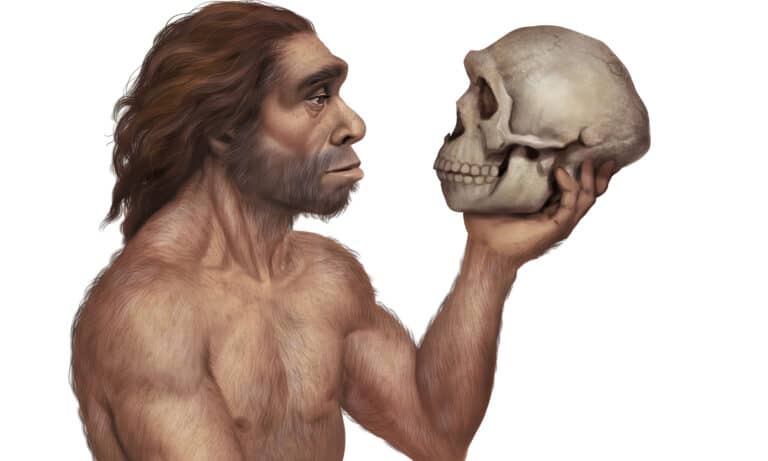
Neanderthal
Not cavemen-Ice Age people

Not cavemen-Ice Age people
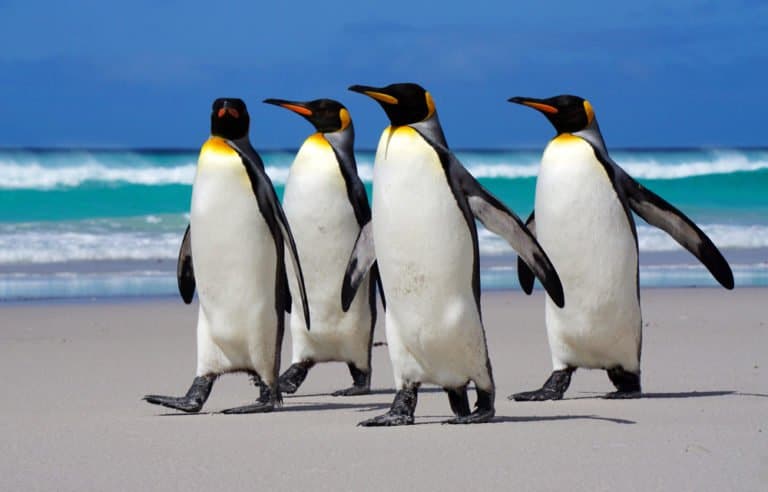
Born to dive, dressed to endure

Hydraulic feet, star-shaped predators
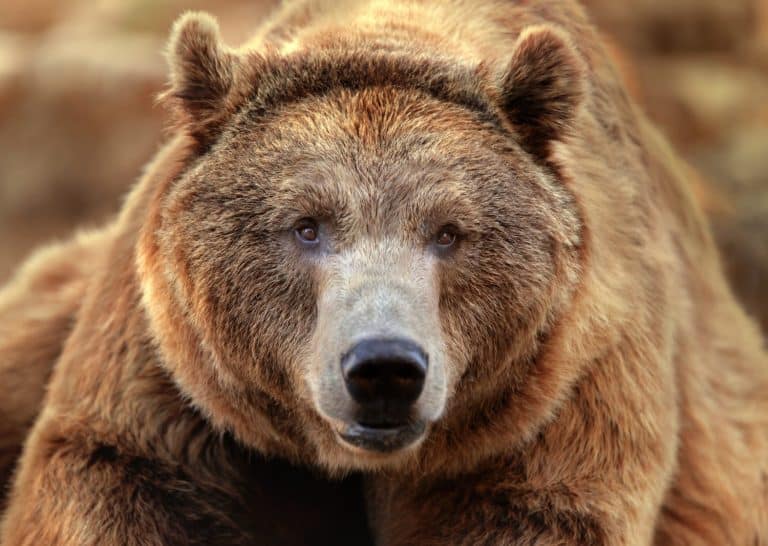
Hump, claws, and wild omnivory
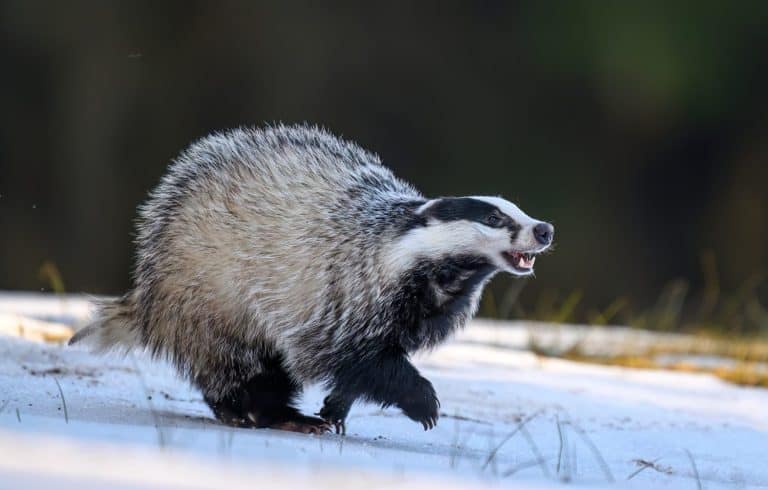
Built to dig. Born to endure.
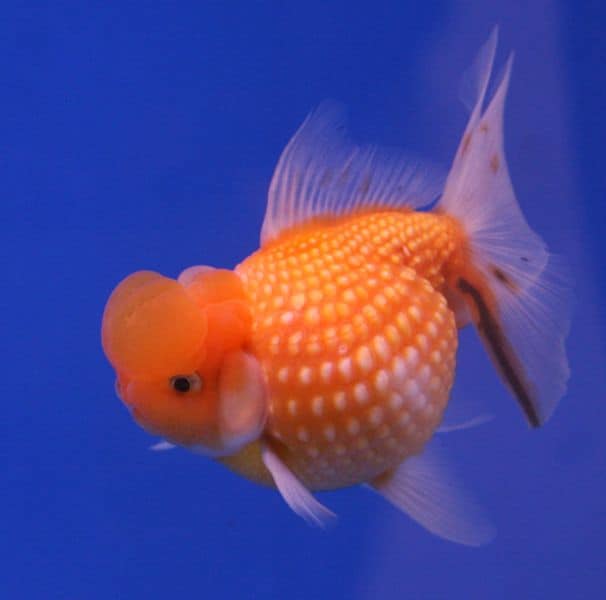
Bony rays, endless ways.

Night pilots of the mammal world
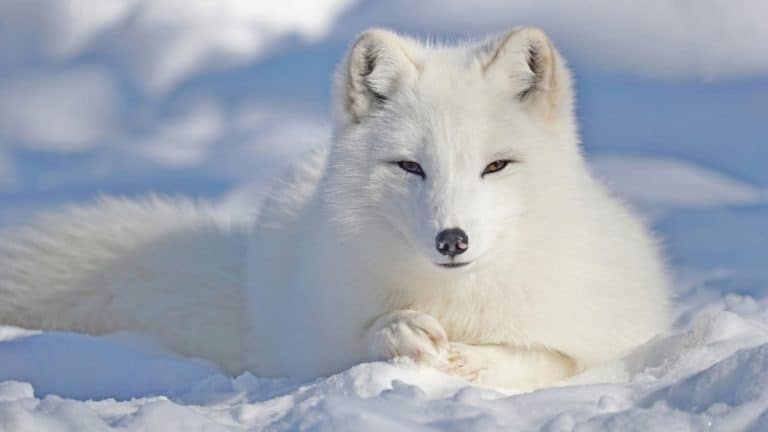
Built for blizzards, born for tundra
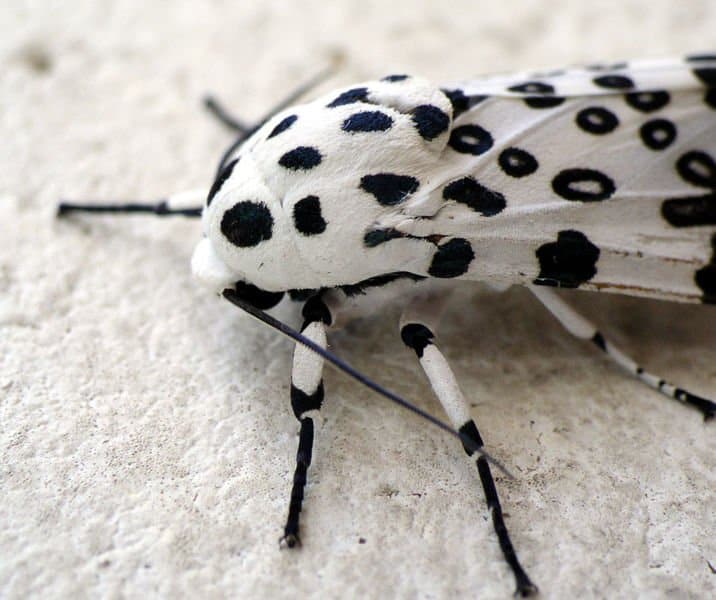
Six legs, endless lives.
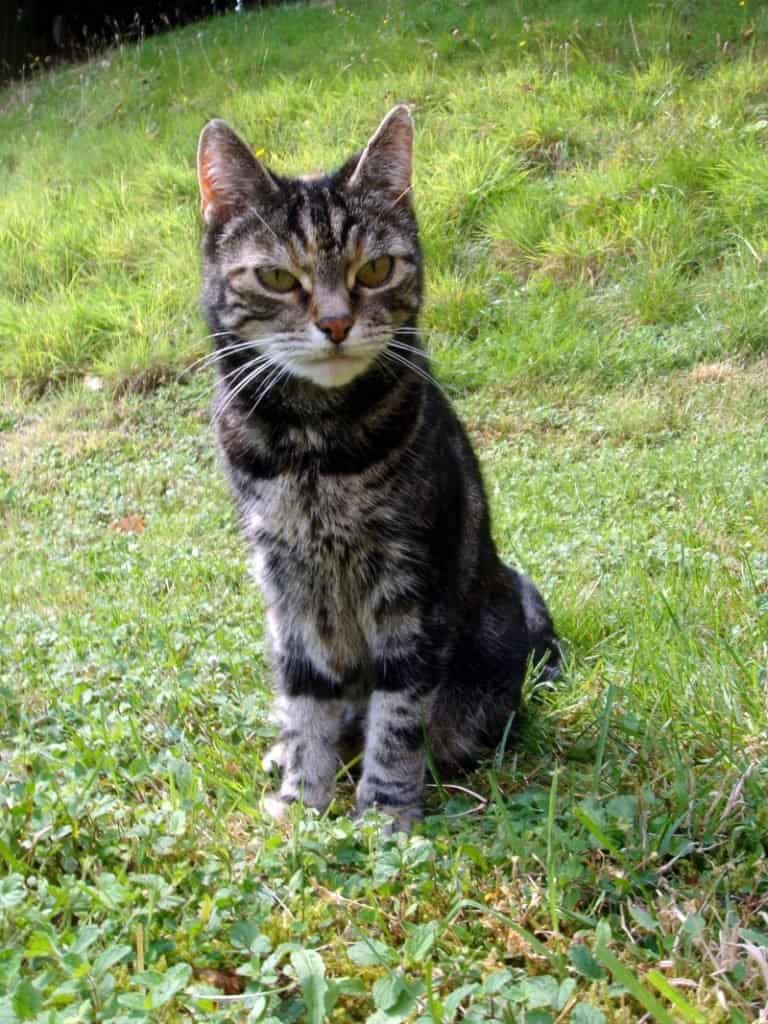
Small hunter, big household legend
Tundra is a cold-climate terrestrial biome defined by low mean temperatures, a short growing season, and vegetation constrained by limited heat and, in many regions, perennially frozen ground (permafrost). It occurs primarily at high latitudes and/or high elevations where tree growth is inhibited by climatic and soil thermal conditions.
The tundra is a land of extremes: long dark winters, short summers, and strong winds. Much ground is frozen by permafrost; only a thin active layer thaws, creating dry gravel and wetlands. Few trees grow; low plants like mosses, lichens, sedges, grasses, and dwarf shrubs grow in long daylight, fueling insect booms and animals like caribou, arctic foxes, lemmings, and migratory birds. Permafrost stores much carbon and makes polygonal ground and hummocks. Warming can change thaw, water, plants, and carbon.
Tundra has long, cold winters and short, cool summers with strong winds and weak sun. Widespread permafrost keeps soils cold, shallow, and often waterlogged when the active layer thaws. Rain and snow are low but so is drying, so summer surface moisture can be high. Low heat and short growing seasons prevent trees and favor low, cold-tolerant plants.
Very large: typically ~30-50°C (54-90°F) difference between mean winter lows and mean summer highs, often larger inland/continental tundra.
Low: typically ~150-400 mm/year (6-16 in), much of it as snow; some coastal tundra can be slightly wetter.
Tundra has extreme seasons: a long cold, dark winter when most life is quiet, and a short summer with almost constant daylight and fast, brief growth. Snow cover, spring melt timing, and the active layer depth control water, nutrients, and plant timing. Short summers favor quick flowering, migrant wildlife and insect bursts; harsh winters and wind keep it treeless.
The tundra growing season is very short—about 6–10 weeks (45–75 days). In the coldest high Arctic it can be only 3–6 weeks. Peak growth is usually mid/late June through July, tied to snowmelt and long daylight.
Extremely cold; persistent snow cover; strong winds and frequent blowing snow; very low humidity; rivers/lakes largely frozen; permafrost fully locked; minimal liquid water availability; occasional mid-winter warm intrusions can create crusted snow/ice layers.
Primary production near-zero; plants remain dormant under snow; nutrient cycling slows; most energy flow relies on stored biomass, detritus, and marine subsidies (near coasts). Snow depth and wind redistribution create patchy insulation that influences survival of overwintering plants and small mammals.
Cold persists but solar radiation increases; stronger temperature gradients in snowpack; surface hoar and ice-crust formation possible; daylight length rapidly increases with latitude; storms remain common.
Light availability increases without immediate plant growth; snowpack metamorphosis affects insulation and access to forage; early-season photoperiod cues initiate hormonal changes in animals (breeding readiness, molt).
Rapid warming; snowmelt and break-up of ice; intermittent freeze-thaw cycles; widespread surface water and flooding due to impermeable permafrost; formation of melt ponds; soils remain frozen at depth with a shallow, gradually deepening active layer.
Pulse of nutrient and organic matter transport with meltwater; strong microbial activity surge as soils wet and warm; brief but intense availability of fresh plant growth; high risk of erosion and thermokarst where ground ice melts.
Cool but above-freezing periods; long days to continuous daylight at high latitudes; active layer reaches maximum depth; soils often saturated and poorly drained; high insect abundance; episodic warm spells; fog common in coastal tundra.
Peak primary production concentrated in a short window; rapid plant growth, flowering, and seed set; high photosynthetic rates driven by long photoperiod; intense decomposition and nutrient cycling in the active layer; carbon balance can shift (CO2 uptake vs methane emissions from wetlands) depending on moisture and temperature.
Temperatures drop; first snowfalls; increasing storm frequency; daylight shortens quickly; freeze-up of wetlands and shallow waters; refreezing of the active layer begins from the surface downward; vegetation senesces.
Abrupt end to growth; plant tissues lignify and enter dormancy; nutrient resorption in plants; decomposition slows as soils refreeze; freeze-up stabilizes ground and reduces surface water connectivity.
Day Length: Day length varies extremely with latitude: near the Arctic Circle (~66.5°N) summers have very long days and winters have very short days; farther poleward, continuous daylight (midnight sun) can last weeks to months, and continuous darkness (polar night) can also persist for extended periods. Ecological significance: photoperiod is a primary, reliable seasonal cue in tundra-often more predictable than temperature-synchronizing plant phenology (rapid growth/flowering during long-day conditions), timing of migration and breeding in birds, molting and coat-color changes in mammals, and the brief scheduling of reproduction and fat accumulation needed to survive the long winter.
Tundra occurs mainly as a broad, near-continuous belt around the Arctic Ocean (Arctic tundra) and, secondarily, as "alpine tundra" above the climatic treeline on high mountains and plateaus worldwide. Its distribution is controlled by persistently low temperatures, short growing seasons, and (in the Arctic) widespread permafrost; in mountains it is controlled primarily by temperature and exposure rather than latitude.
Globally threatened by rapid climate-driven change; while large areas remain, tundra ecological integrity is declining quickly due to warming, permafrost thaw, altered hydrology, and expanding industrial activity in parts of the Arctic.
"Treeless" doesn't just mean "too cold": trees struggle largely because permafrost blocks deep roots and creates waterlogged, low-oxygen soils in summer, while fierce winds and abrasion add stress.
A desert that can feel soggy: despite low precipitation, tundra often has marshy ground in summer because frozen subsoil prevents drainage and meltwater can't soak in deeply.
Snow can be a blanket, not just a hazard: a thick snowpack insulates the ground, helping some plants and small animals survive by keeping temperatures under snow far warmer than the air above.
Tiny plants can be powerhouses: mosses and lichens can photosynthesize at very low temperatures and low light, letting them dominate where taller plants can't compete.
Summer can be a feeding frenzy: explosive insect blooms (especially mosquitoes and midges) can happen because shallow water and long daylight speed up short life cycles.
Wildlife "changes outfits": many tundra animals (e.g., Arctic fox, ptarmigan) switch to white winter camouflage and back to darker summer colors-seasonal fashion for survival.
Permafrost carbon scale: the carbon stored in permafrost is on the order of roughly double the carbon currently in Earth's atmosphere-like a gigantic savings account that can "leak" if thawed.
A short growing season: many tundra plants have only ~6-10 weeks to grow, flower, and set seed-more like a sprint than a marathon compared with temperate ecosystems.
Root depth vs. a dinner plate: in many tundra areas, the "active layer" that thaws each summer can be shallow enough that most roots stay close to the surface, forcing plants to spread wide rather than dig deep.
Landscape as a patchwork quilt: tundra often alternates between dry hummocks, wet hollows, and shallow ponds over just a few steps, because freeze-thaw processes sort soils into repeating microhabitats.
Migration superhighway: huge numbers of birds breed on tundra during the brief summer, then disperse across continents-turning a seemingly empty landscape into a seasonal international hub.
Earth's biggest tundra: the Arctic tundra forms the planet's largest tundra region, ringing the Arctic Ocean across North America, Greenland, Scandinavia, and Siberia.
One of the planet's largest long-term carbon vaults: permafrost (a defining tundra feature) locks away roughly ~1,500 billion metric tons of organic carbon-more than is currently in the atmosphere.
Some of the oldest "individuals" can be tundra plants: many dwarf shrubs and sedges grow clonally (one genetic individual spreads), allowing single clones to persist for centuries to millennia in harsh conditions.
The "fastest-warming" biome neighborhood: the Arctic has warmed several times faster than the global average in recent decades (Arctic amplification), making tundra landscapes among the most rapidly changing on Earth.
One of the most extreme seasonal light regimes: tundra near the poles experiences some of the longest continuous daylight (midnight sun) and darkness (polar night) on land.
Built for blizzards, born for tundra
Built to dig. Born to endure.
Night pilots of the mammal world
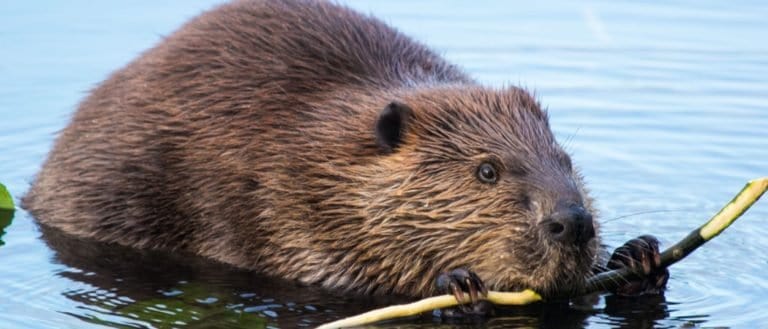
Build wetlands, shape worlds.
Small hunter, big household legend

Webbed feet, world travelers.

Built to soar, born to strike
Bony rays, endless ways.
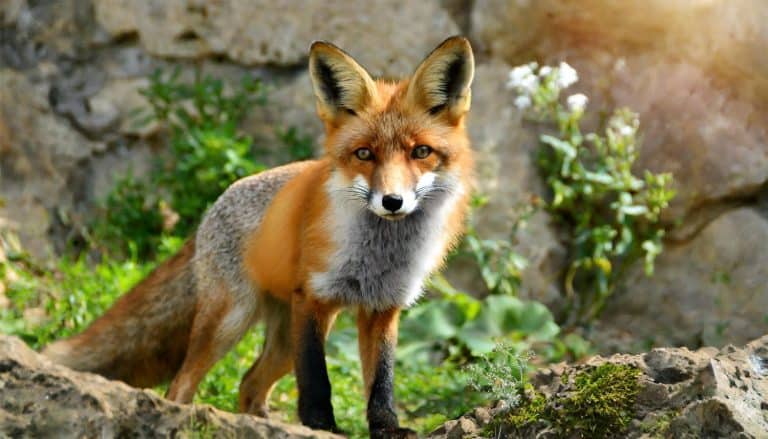
From dunes to tundra-fox smart.
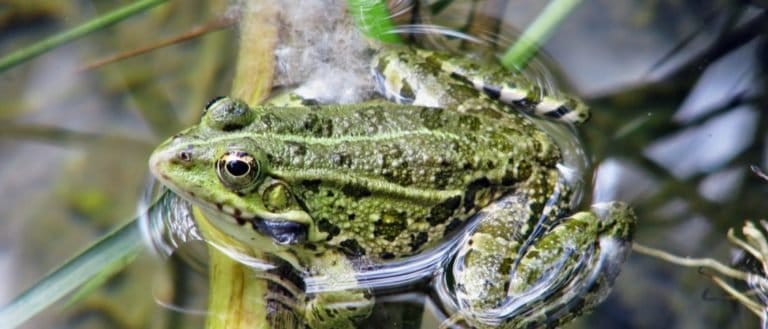
Tailless jumpers, masters of change

Webbed feet, sky roads, wetland lives
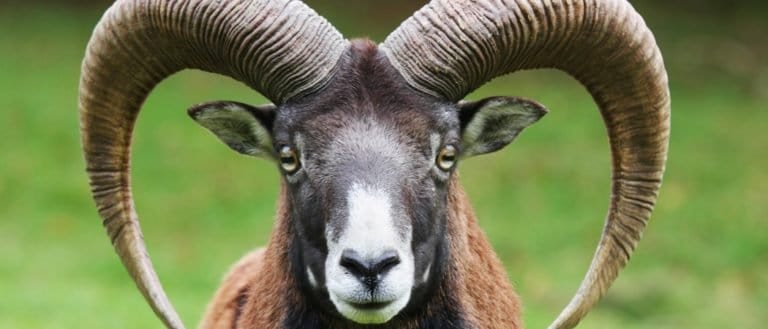
Sure-footed masters of rock and range
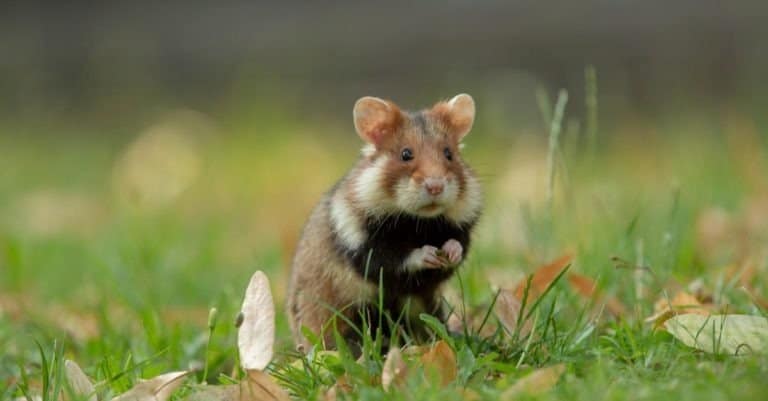
Pouches, burrows, and big impacts
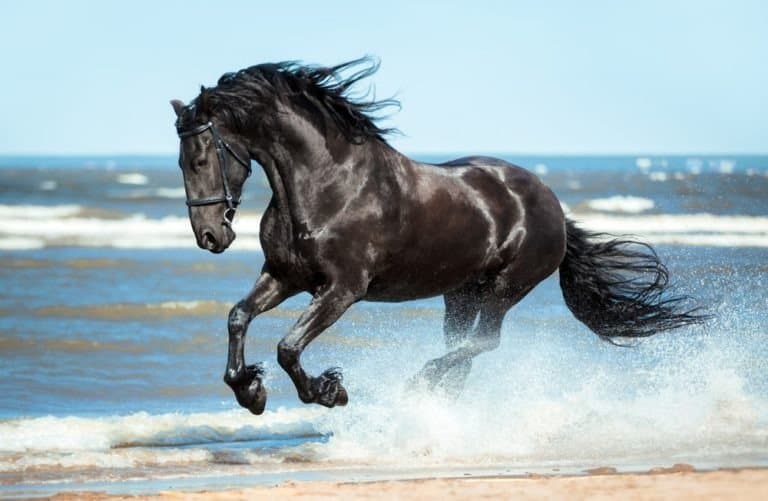
One hoofbeat, a thousand histories
Six legs, endless lives.

Cold-water royalty of the seafloor
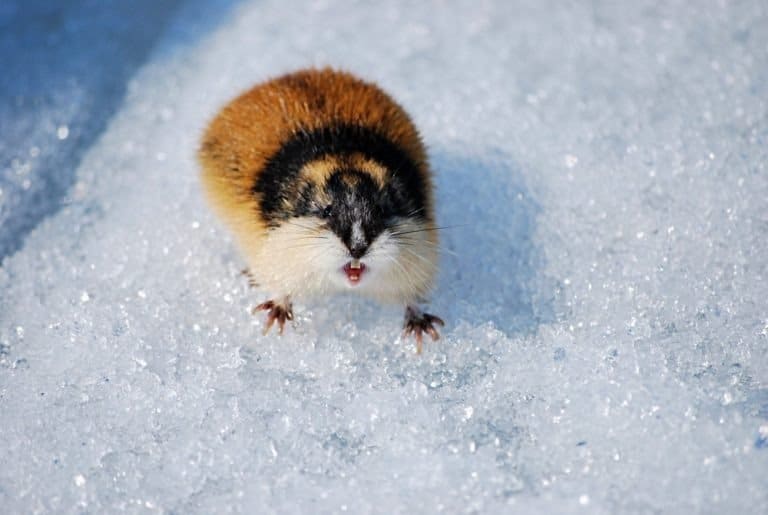
Small rodents, huge tundra impact
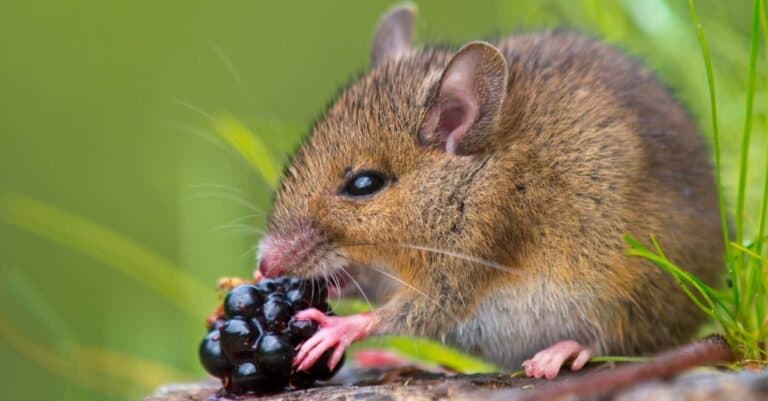
Small gnawers, huge impact.

More than night flyers
Not cavemen-Ice Age people
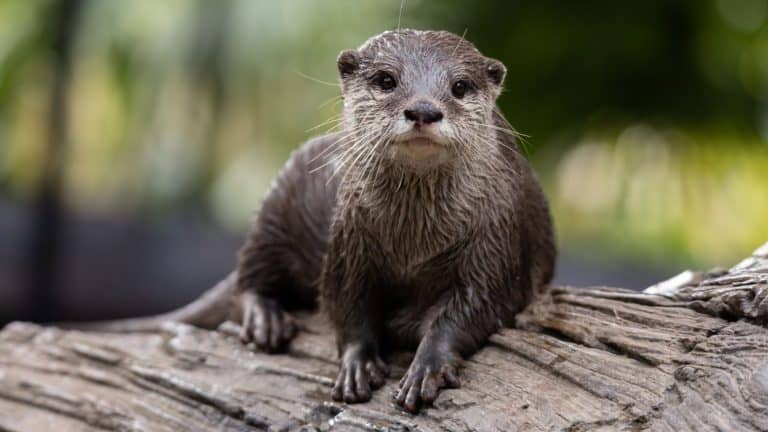
Built for water, born to hunt
Born to dive, dressed to endure
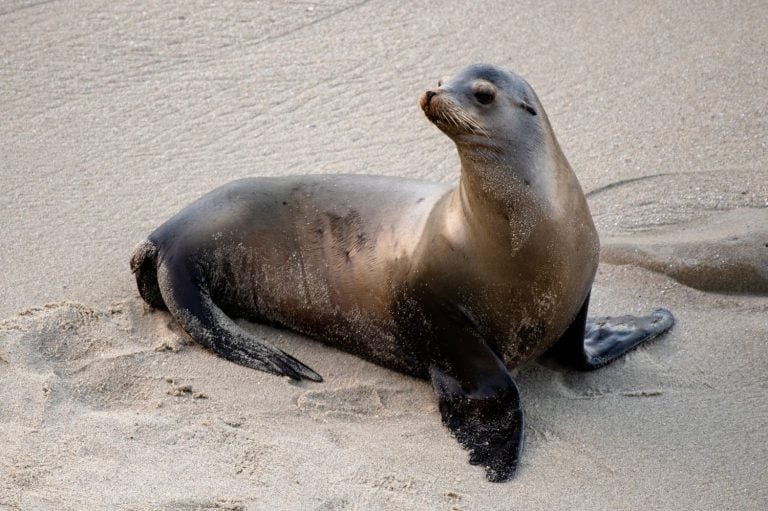
Ear flaps, flippers, and fierce colonies
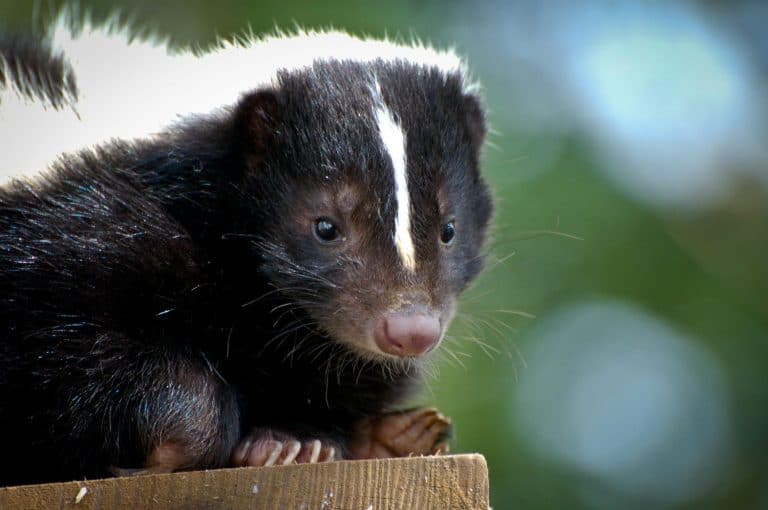
Bold stripes, bigger attitude.
Thank you for reading! Have some feedback for us?
We appreciate your help in improving our content.
Our editorial team will review your suggestions and make any necessary updates.
There was an error submitting your feedback. Please try again.