












Quick Take
- Owners must secure perimeters against a 6-foot vertical leap to prevent high-energy escape attempts.
- The 2 to 5-year window presents a severe risk for developing autoimmune thyroiditis.
- Scientific DNA analysis contradicts ancient myths by labeling the breed a modern re-creation.
- Expert hunters prioritize all-female packs to ensure superior hunting results in rugged terrain.
The Phoenician traders brought hounds to the island of Ibiza from Egypt to assist with catching food. Ibizans can make an exceptional family pet. They are friendly, silly, and family-oriented.
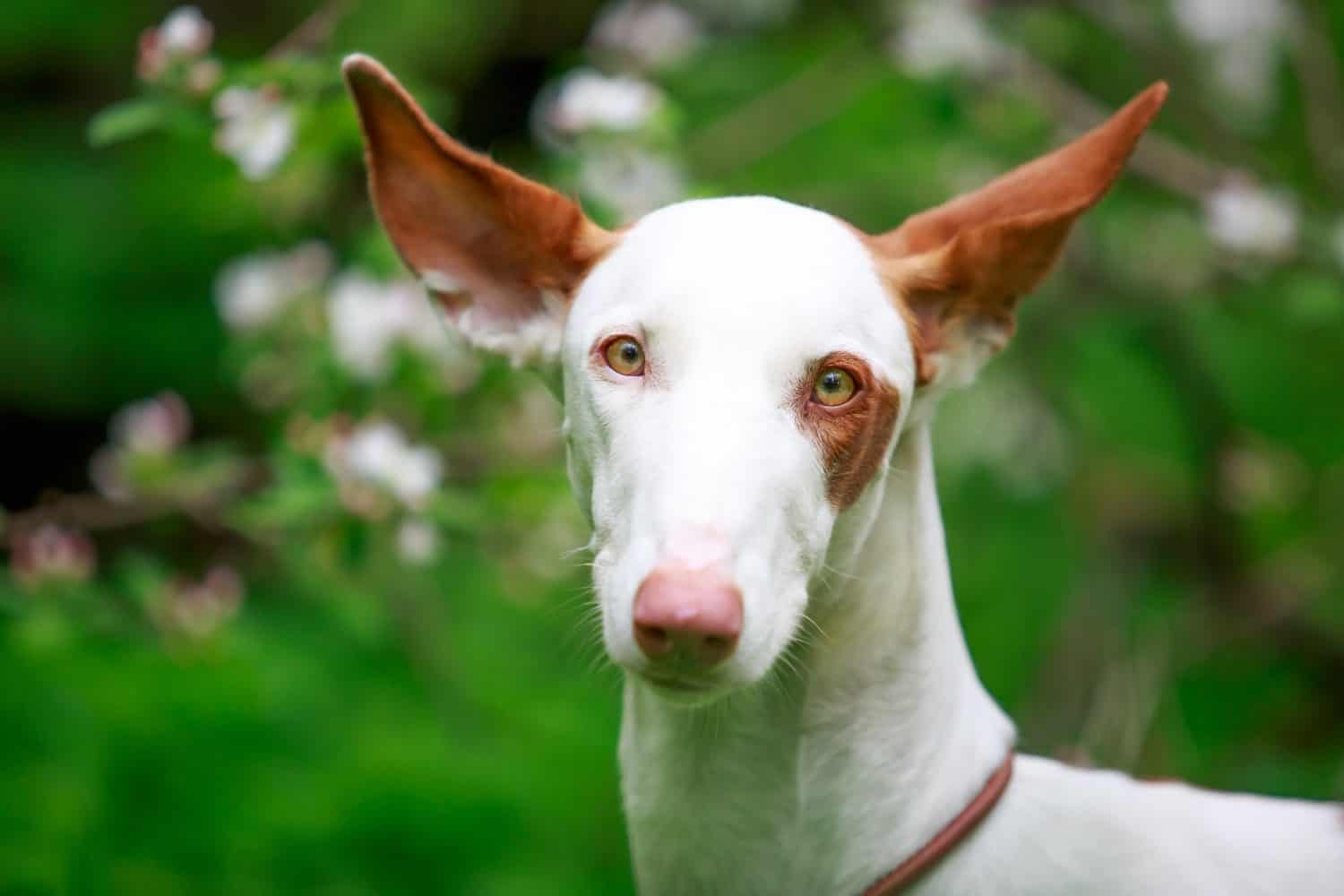
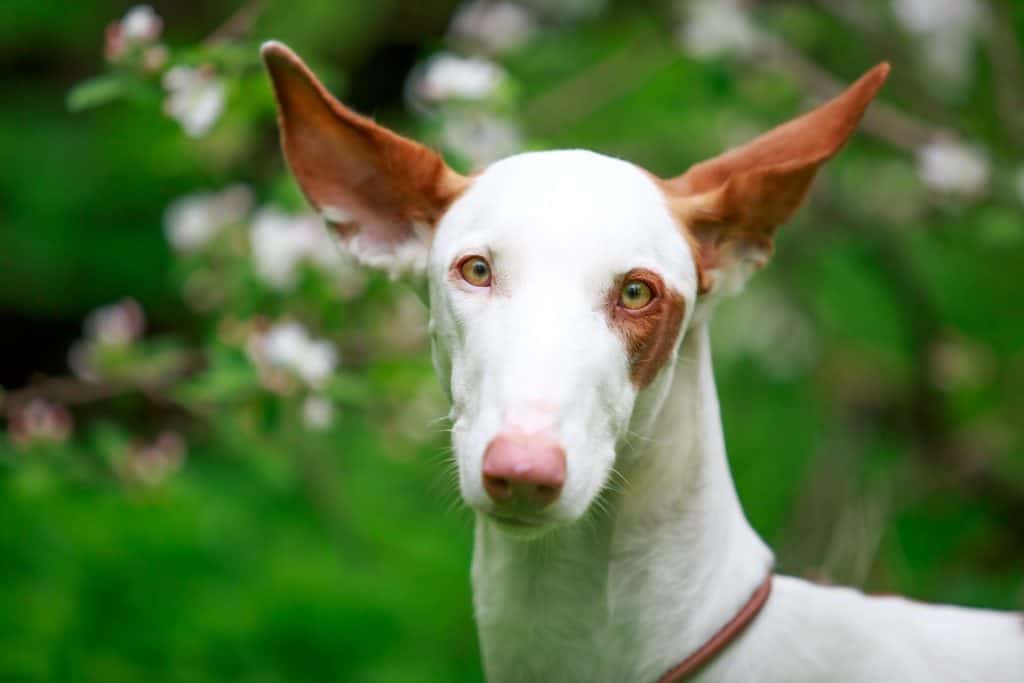
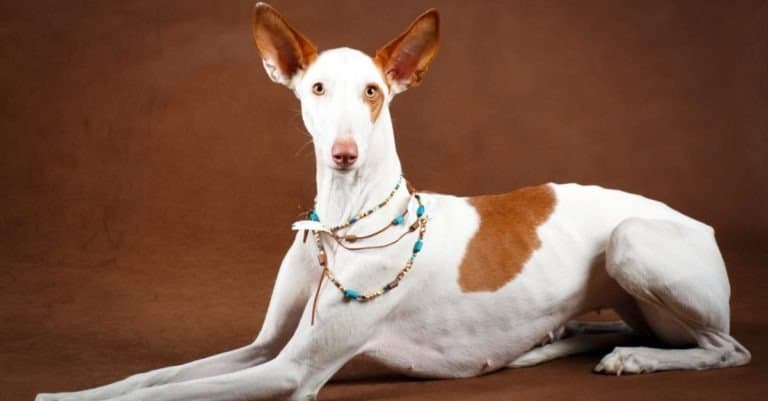
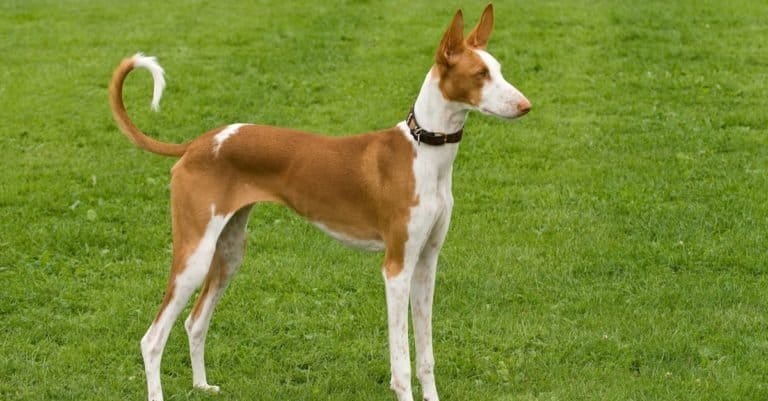
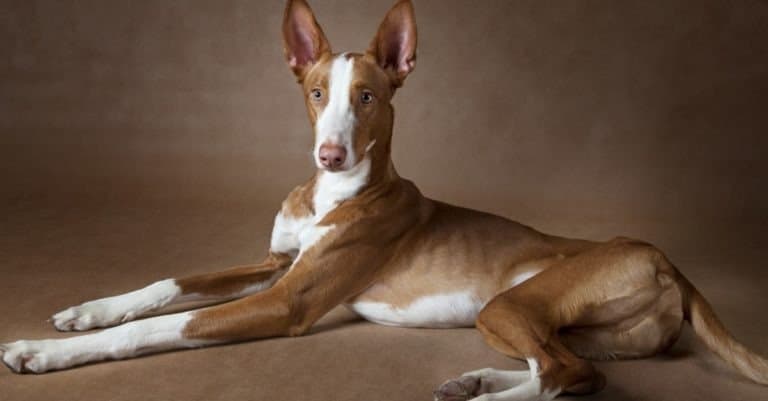
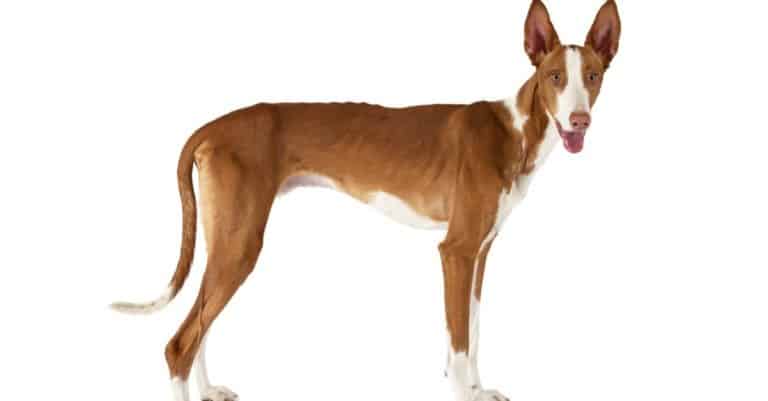
Ibizans may be wire-haired or smooth-haired. Some believe there to be a longhaired type, but this is most likely a variant of the wirehaired. Wire-haired Ibizans are less common than their smooth-haired counterparts. The coat of an Ibizan is red and white with light tan noses, ears, rims around the eyes, and pads on the feet. The breed has a very athletic-looking build and easily recognizable upright ears. They have long necks and long, narrower heads.

Owning an Ibizan Hound: 3 Pros and Cons
| Pros | Cons |
|---|---|
| Great family dog: Ibizans make a great family dog. They are gentle, playful, and silly. | High-energy: Ibizans have a lot of energy and need lots of vigorous exercise each day. |
| Easy to groom: An Ibizan’s coat is easy to groom and will only need to be brushed about once a week. | Escape artists: Ibizans have been known to jump over fences or gates, so you’ll need to make sure your dog is properly secured and safe in your space. |
| Good with dogs: Ibizans are generally good with other dog breeds. | High prey drive: Ibizans have a high prey drive and may try to chase smaller animals. They are not a good choice for homes with cats. |
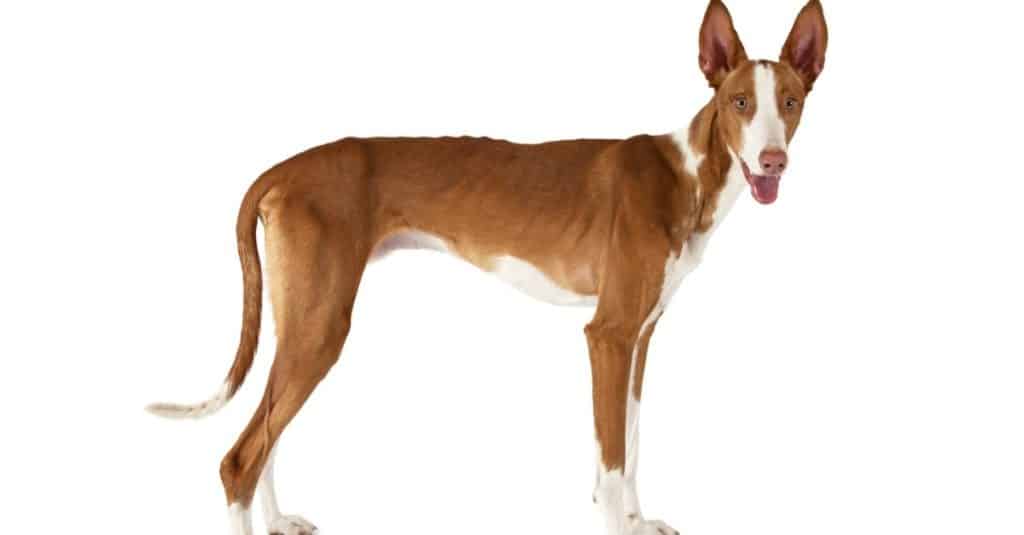
Ibizans make great family dogs as they have a gentle, playful, and silly temperament.
©Kuznetsov Alexey/Shutterstock.com
History and Evolution
Due to the Ibizan Hound’s strong resemblance, particularly seen in their upright ears and long, narrow face shape, to the ancient Egyptian depictions of Anubis, who was the god of funerary rites and the underworld, it was believed that this breed’s lineage could be traced back thousands of years.
However, DNA analysis of 85 breeds, including the Ibizan Hound, conducted by scientists at the Fred Hutchinson Cancer Research Center in Seattle and reported in 2004, has shown that the Ibizan and related Pharaoh Hound are not ancient breeds but instead more modern re-creations likely produced by breeders.
The Ibizan Hound takes its name from the Spanish island where it’s thought Phoenician traders brought the breed in the 8th or 9th century B.C. Due to the breed’s agility and very strong prey drive, people in the Catalan-speaking region of Spain and in France traditionally used these dogs to hunt small game, including rabbits. Ibizan Hounds are able to hunt in all types of environments and work by scent, sound, and sight. Females are thought to be superior hunters and are often grouped in a pack by hunters. These days, Ibizan Hounds are often used in competitive lure coursing and agility events due to their ability to jump high and far.
The first Ibizan Hounds to come to the United States were Hannibal and Certera, brought to Rhode Island by Colonel and Mrs. Consuelo Seoane in 1956. Their litter of eight puppies, combined with other imports, was the foundation of the breed in the U.S., which was recognized by the American Kennel Club in 1979.
Size and Weight
The Ibizan Hound is a large-breed dog. Males weigh about 50 pounds and are between 23.5 and 27.5 inches tall. Females generally weigh around 45 pounds and are between 22.5 and 26 inches tall.
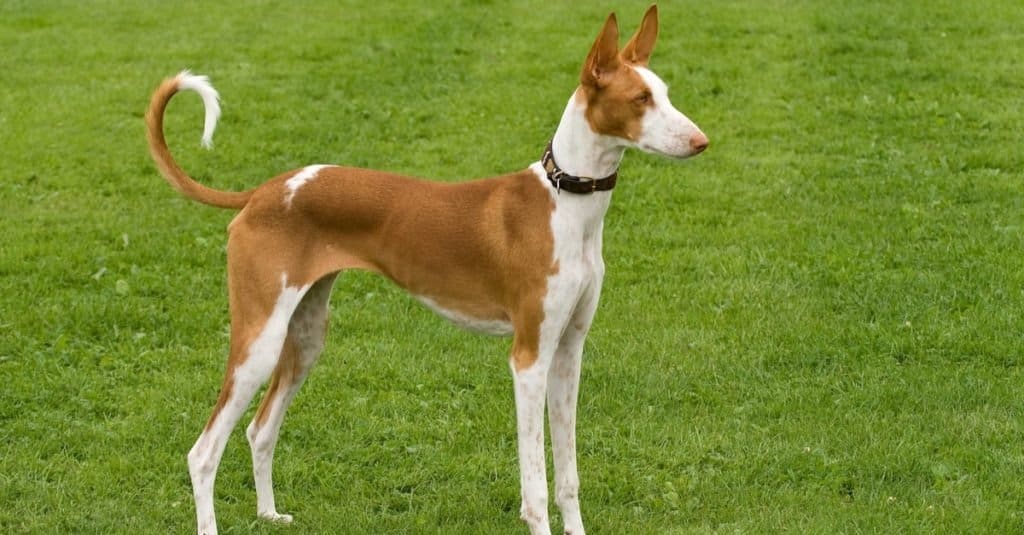
The Ibizan Hound has an athletic-looking build and is easily recognizable due to its upright ears.
©Sally Wallis/Shutterstock.com
Common Health Issues
Learning about some of the common health issues Ibizans face is important if you are looking to bring one of these dogs home to your family. Not all Ibizans will suffer from all, or any, of these conditions, but when you know what to look for, it can help you catch a potential problem early before it evolves into a bigger problem.
Some Ibizans may develop autoimmune thyroiditis, which can lead to hypothyroidism. Most dogs that are going to develop this problem will do so between the ages of 2 and 5. Hypothyroidism can cause a dog to be very lethargic and weak, gain weight, become intolerant of the cold, and develop a dull and dry coat.
Ibizans may also develop hip dysplasia, which is a genetic condition. Hip dysplasia occurs when a dog’s joints don’t form properly, and the bones begin to rub against one another. This can be very painful and may require surgery.
You should also be on the lookout for signs of bloat in your dog. Bloat is when a dog’s stomach becomes enlarged and filled with air, food, or fluid. The stomach twists, and the dog is unable to relieve any gas. It can cause them to have trouble breathing. If you suspect your dog has bloat, formally known as gastric dilation-volvulus, seek medical attention right away, as this is a life-threatening problem.
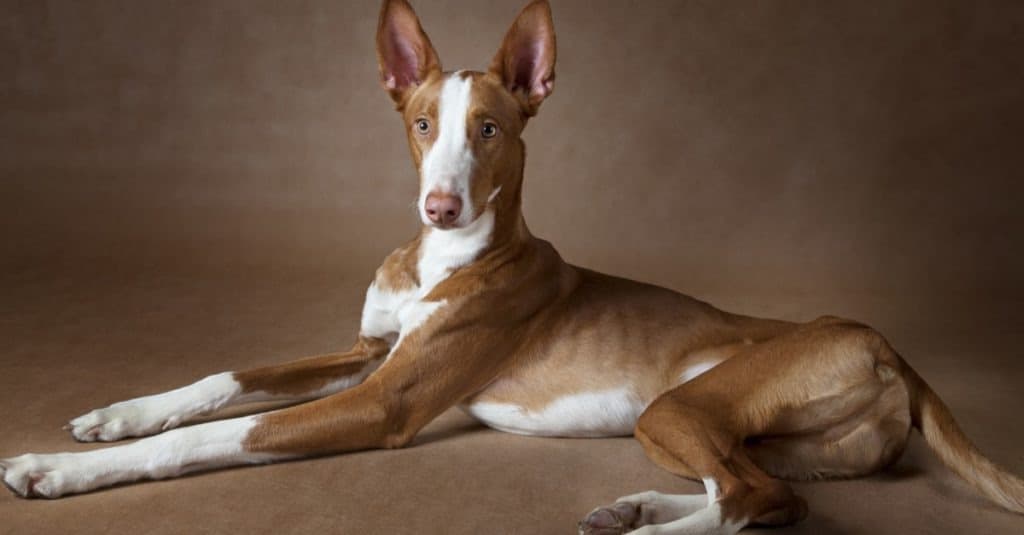
The Ibizan Hound can suffer from several health issues, including bloat and hip dysplasia.
©Kuznetsov Alexey/Shutterstock.com
Temperament and Behavior
Ibizan Hounds have a very even-tempered personality. They are very family-oriented and enjoy spending time with and entertaining the people in their families. This breed is very intelligent and is good at solving problems.
Overall, Ibizan Hounds respond well to positive training methods, but they have a bit of a personality mix and can exhibit stubborn or independent traits and behaviors as well. Ibizan Hounds are a very active breed and require regular exercise. However, they can also be good house pets, as long as their activity needs are met. The prey drive for an Ibizan Hound is very high, so it is always important to keep him on a leash when you go for a walk and make sure your backyard has a high and secure fence.
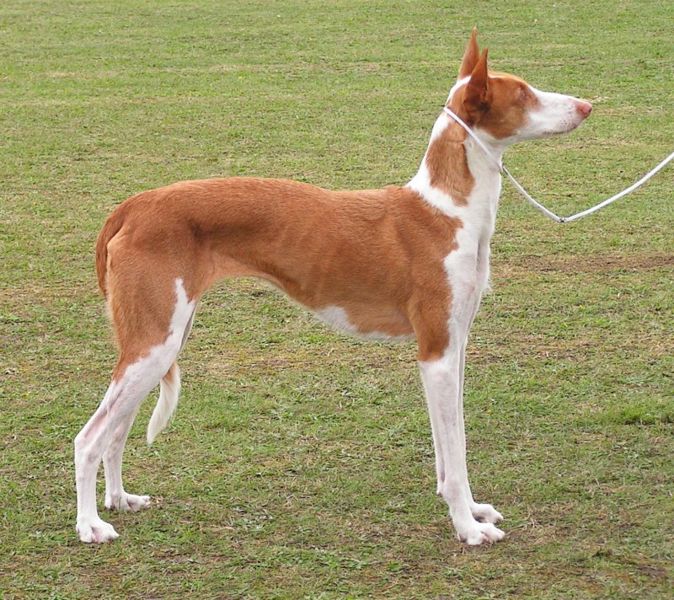
Ibizan Hounds have a high prey drive, so it’s vital to keep these dogs on a leash when walking.
©Jan Eduard at the German language Wikipedia / Creative Commons – Original
How to Take Care of an Ibizan Hound
Keep reading to learn more about caring for your Ibizan. It is important to keep this breed’s dietary needs, exercise requirements, temperament, health issues, and more in mind as you decide what is best for your dog.
The Best Dog Food
Most Ibizans will need between 2 and 3 cups of high-quality dog food from a respected manufacturer. The exact amount that is right for each dog will vary based on their activity level, age, weight, metabolism, health concerns, and other factors. An Ibizan should eat twice a day, so split the recommended amount of food into two daily servings.
Some owners feed their Ibizan kibble, others choose a raw or home-cooked diet, and still others choose some mix of the three. The choice is up to you, but you can contact your vet if you’re looking for guidance or suggestions. Monitor the timing and portions of their food to reduce the chances of life-threatening bloat.
Ibizan puppies should be fed a high-quality puppy formula. Your dog’s vet will also be a good resource if you’re not sure which type of food is best for them. Keep in mind that young puppies have small stomachs, so they won’t be able to eat as much food at one time. For this reason, you’ll need to split their food into three or four servings throughout the day. Once a puppy is six months old, just two servings of food should be sufficient each day.

An Ibizan should eat twice a day and be monitored to reduce the life-threatening chances of bloat.
©DragoNika/Shutterstock.com
Maintenance and Grooming
Ibizans may have a wire-haired or smooth-haired coat. You’ll want to brush and bathe your Ibizan periodically when it looks or smells like it needs it. This goes for both wire-haired and short-haired dogs.
In addition to brushing and bathing your Ibizan, they’ll also need to have their teeth brushed regularly and their nails clipped to prevent them from getting too long and painful to walk on.
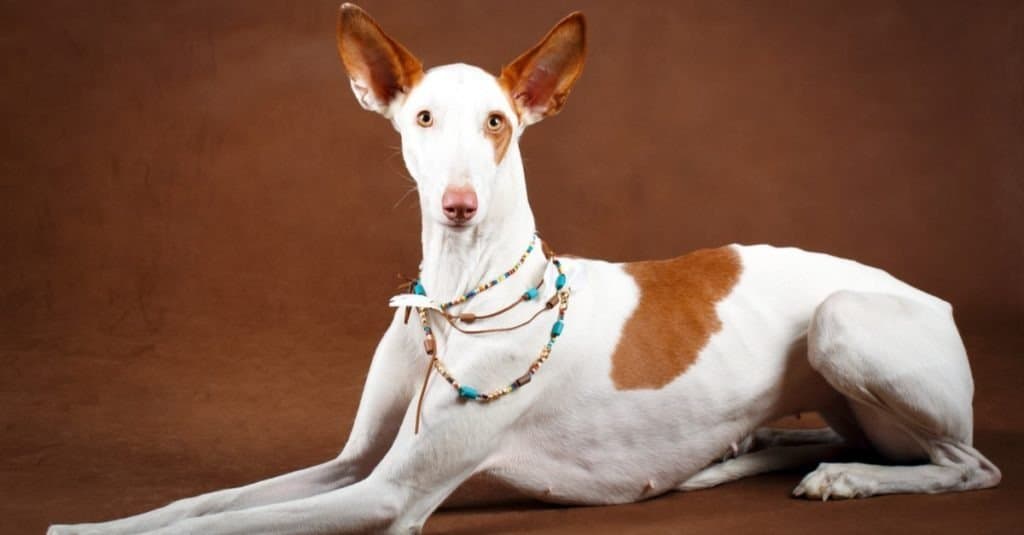
Ibizan Hounds have either a wire-haired or straight-haired coat that needs periodic grooming.
©DragoNika/Shutterstock.com
Training
Positive reinforcement training methods work best for Ibizans. Keep your training sessions shorter and interesting to keep your dog’s attention. While the breed is quite intelligent, they also get bored very easily. You should also crate train your Ibizan since housetraining can be a challenge with the breed.
Exercise
Ibizans need a lot of physical activity; they are a very athletic breed. They have been known to jump up to five or six feet into the air, so you’ll also want to ensure you have a fenced-in backyard. Each day, your dog will need to take a few long walks and/or engage in a game with you or another member of the family in the backyard.
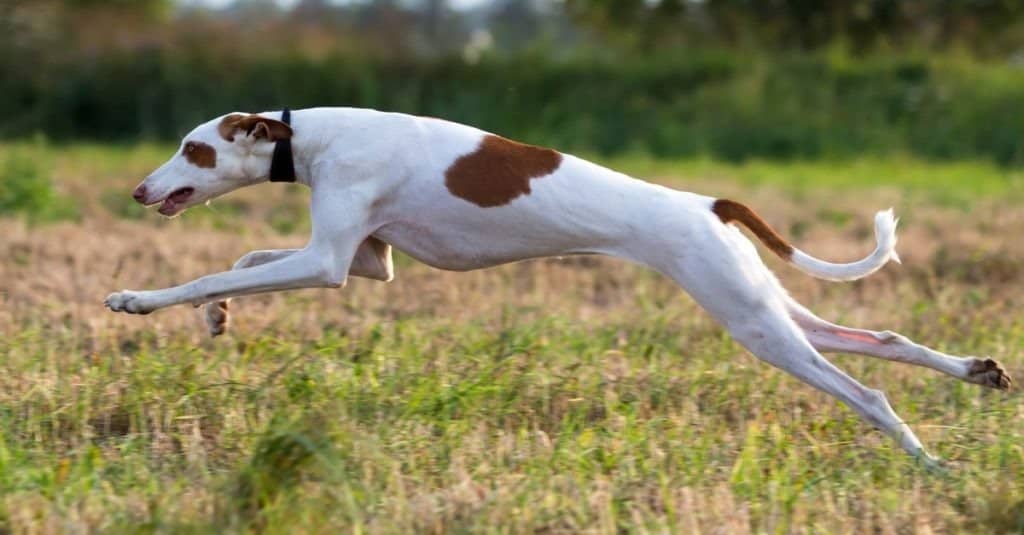
Ibizan Hounds require a lot of vigorous exercise every day.
©DragoNika/Shutterstock.com
Puppies
Once you bring an Ibizan puppy home, you’ll want to start the process of socialization as soon as possible. This will help them get used to lots of different people, pets, and places, and can help them adjust to different situations in the future. You will also want to begin potty training and training your new dog to get them used to your routines and expectations.
Before purchasing a puppy from a breeder, ask for health clearances for the parents to help decrease the chances that your dog will inherit a genetic condition such as hip or elbow dysplasia, von Willebrand’s disease, hypothyroidism, or eye diseases.
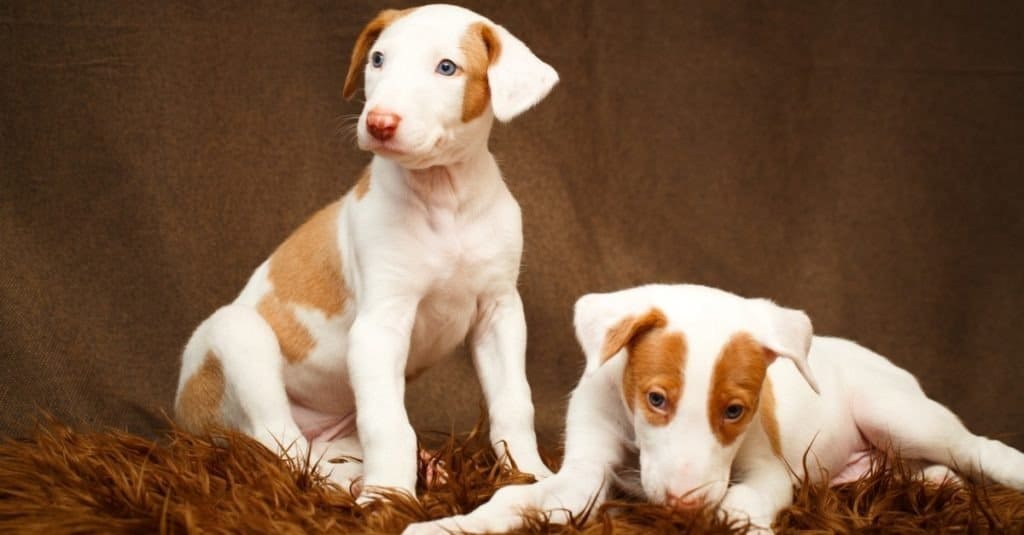
It’s best to start the process of socialization as soon as possible after you bring an Ibizan puppy home.
©DragoNika/Shutterstock.com
Ibizan Hound and Children
Ibizan Hounds do very well around children. They can be very silly and playful with children, but also know how to be gentle and loving. They may chase younger children, so this breed may do best in homes with slightly older children who have learned appropriate ways to interact with a dog.
Dogs Similar to Ibizan Hounds
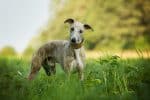
Basenjis, Greyhounds, and Whippets are three breeds that are similar to an Ibizan.
- Basenji: Basenjis and Ibizans are both hunting dogs that are a mix of playful and easy to train. Ibizans are larger dogs. The average weight of a male Ibizan is 48.5 pounds, while the average weight of a male Basenji is 24 pounds.
- Greyhound: Greyhounds and Ibizans are both very affectionate dogs who can make excellent family pets. Ibizans have a lot more energy and a greater need for exercise than Greyhounds.
- Whippet: Whippets are another hunting dog, like the Ibizan. Both dogs have a high prey drive and are likely to chase small animals they see. Ibizans and Whippets are both affectionate breeds, but barking tendencies can vary by individual dog rather than breed.
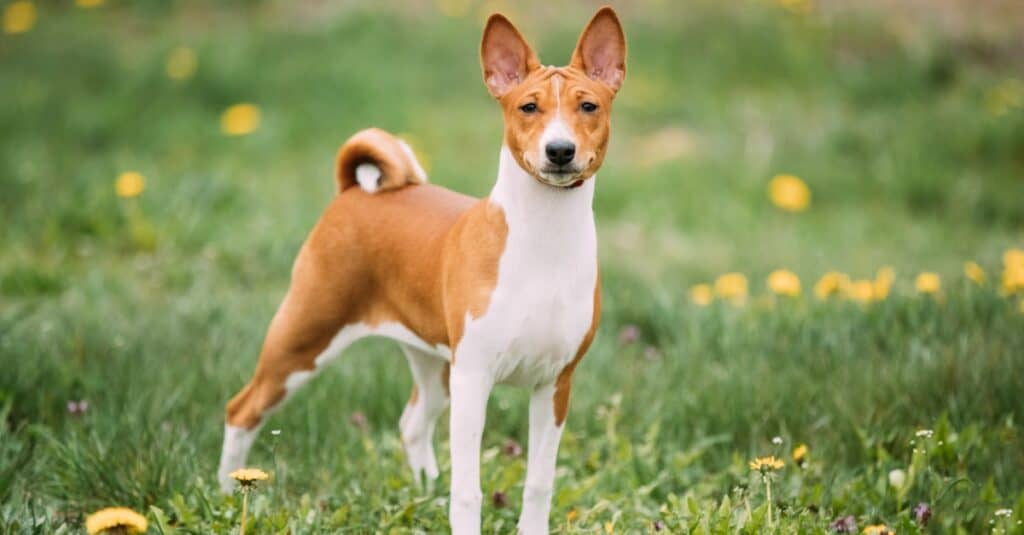
The Basenji is a similar breed to the Ibizan Hound but is smaller in size.
©Grisha Bruev/Shutterstock.com
Ibizan Hound Pictures
View all of our Ibizan Hound pictures in the gallery.

DragoNika/Shutterstock.com
Sources
- American Kennel Club / Accessed January 30, 2021
- Dogtime / Accessed January 30, 2021
- Wikipedia / Accessed January 30, 2021
- Petfinder / Accessed January 30, 2021
- Active Dog Sports / Accessed January 30, 2021
- Terrific Pets / Accessed January 30, 2021
- Ibizan Hound Club / Accessed January 30, 2021