









L
Species Profile

Lhasa Apso

Canis lupus familiaris

Little Lion Sentinel of Lhasa
Eve Photography/Shutterstock.com

Lhasa Apso Distribution

Click a location to explore more animals from that region

Origin Location

This map shows the native origin of the Lhasa Apso. As a domesticated species, they are now found worldwide.

Loading map...

Found in 1 country

Size Comparison

Human 5'8"
Lhasa Apso 10 in

Lhasa Apso stands at 14% of average human height.

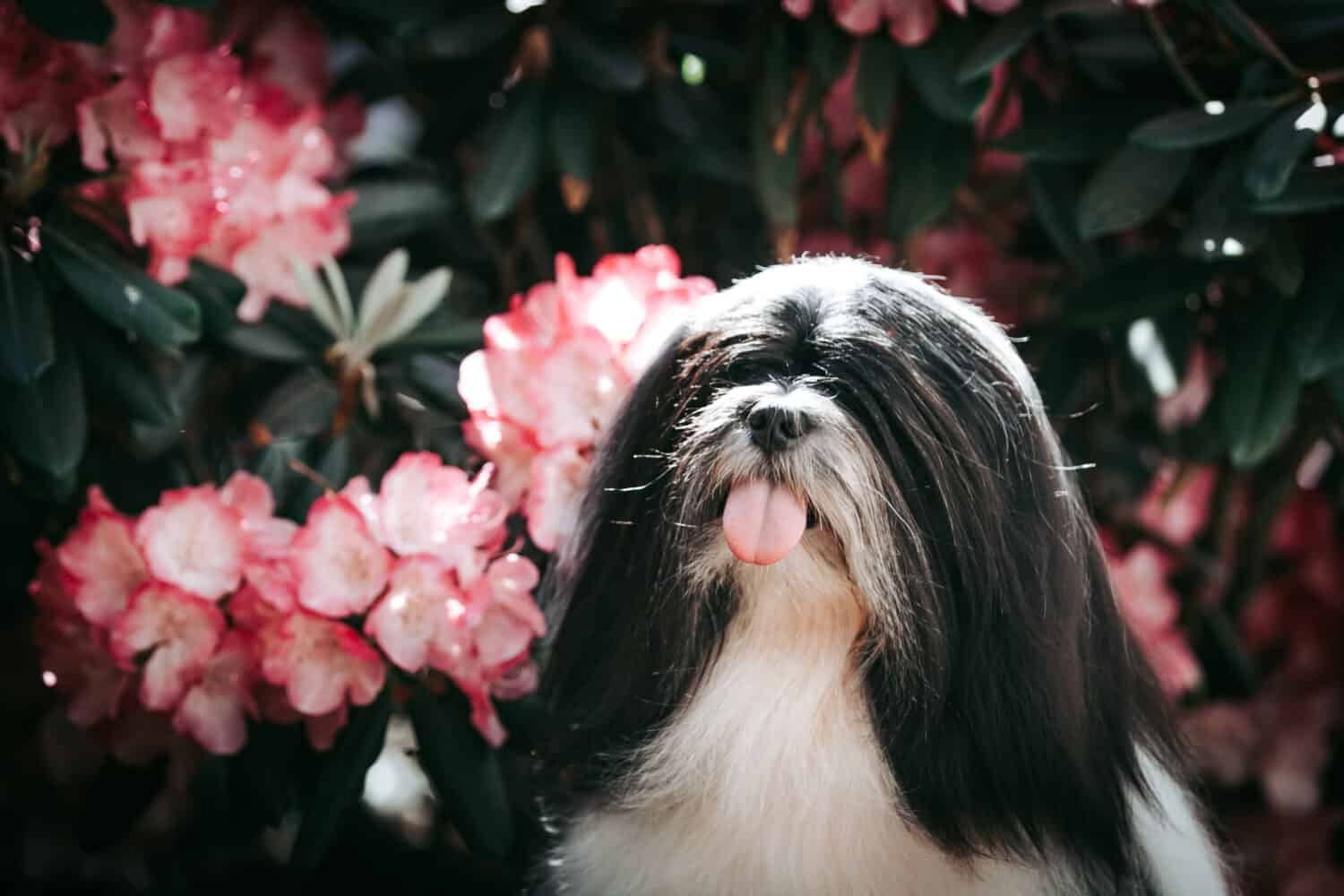
Lhasa apso dog posing outside in beautiful garden.

At a Glance

Domesticated
Also Known As Apso, Lhasa, Lhasa dog, Tibetan watchdog
Diet Omnivore
Activity Diurnal+
Lifespan 13 years
Weight 8 lbs
Status Not Evaluated
Did You Know?

Despite being a domestic dog (Canis lupus familiaris), the Lhasa Apso was developed for an unusual niche: indoor watchdog duty in Tibetan homes and monasteries.

Scientific Classification

The Lhasa Apso is a small, long-coated companion dog breed historically kept in Tibetan monasteries and households as an indoor watchdog/alert dog.

Kingdom
Animalia
Phylum
Chordata
Class
Mammalia
Order
Carnivora
Family
Canidae
Genus
Canis
Species
Canis lupus

Distinguishing Features

  • Small companion dog with a long, straight, dense double coat that often parts down the back
  • Drop ears heavily feathered; tail carried over the back with plume
  • Short muzzle relative to skull (moderately brachycephalic) with prominent facial furnishings
  • Alert, confident temperament; historically used as an indoor alarm dog

Physical Measurements

Males and females differ in size

Height
10 in (10 in – 11 in)
9 in (8 in – 10 in)
Length
1 ft 11 in (1 ft 8 in – 2 ft 2 in)
Weight
15 lbs (12 lbs – 18 lbs)
14 lbs (11 lbs – 17 lbs)
Tail Length
8 in (7 in – 9 in)
Top Speed
15 mph
running

Appearance

Primary Colors
Secondary Colors
Skin Type Pigmented canine skin under a dense double coat; prone to irritation if matted or damp.
Distinctive Features
  • Domestic dog breed (Canis lupus familiaris), not a wild canid; selectively bred for companionship and alerting.
  • Tibetan origin; historically kept in monasteries and homes as an indoor watchdog/sentinel.
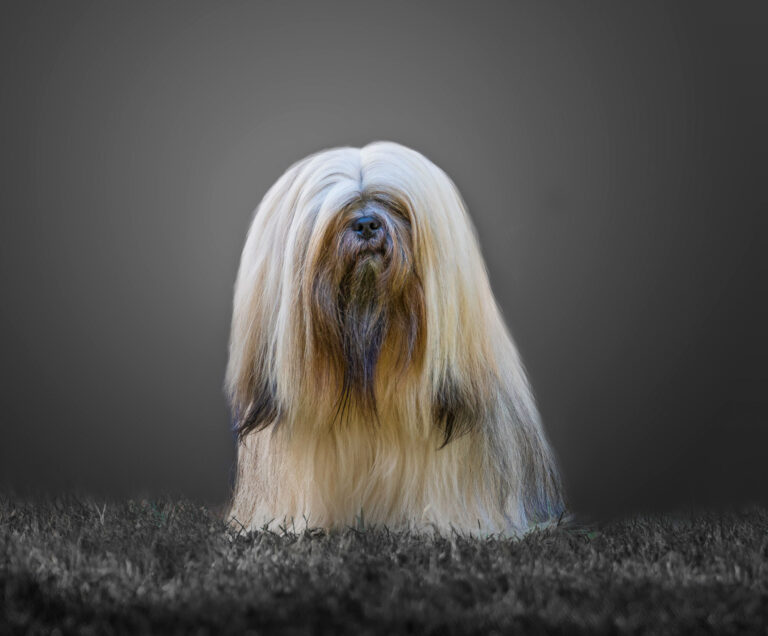
  • Long, straight, heavy double coat with pronounced facial furnishings (beard/mustache) and fall over eyes.
  • Drop ears heavily feathered; compact, sturdy small-dog build with moderate (not extremely flat) muzzle.
  • High-set tail carried curled over the back with a long plume.
  • Distinct from Shih Tzu: generally longer muzzle and less brachycephalic expression; distinct from Tibetan Terrier: smaller, shorter-legged, heavier coat.
  • Care: daily brushing and routine de-matting; regular eye/ear cleaning; many owners keep a trimmed "puppy cut."
  • Health tendencies: patellar luxation, eye issues (e.g., dry eye/progressive retinal atrophy), hip dysplasia (less common), and dental crowding requiring frequent dental care.

Sexual Dimorphism

Sexual dimorphism is subtle. Males are often slightly larger and heavier with a broader head/neck, while females tend to be a bit finer-boned; coat length and color are similar in both sexes.

  • Slightly greater height/weight; broader skull and stronger neck/forequarters.
  • May show a more robust mane-like ruff when coat is kept long.
  • Slightly lighter, finer-boned frame; narrower head and chest.
  • Often appears more refined in outline while maintaining the same long coat type.

Did You Know?

Despite being a domestic dog (Canis lupus familiaris), the Lhasa Apso was developed for an unusual niche: indoor watchdog duty in Tibetan homes and monasteries.

The breed name links to its origin: "Lhasa" (Tibet's holy city) and "Apso," often explained in breed histories as tied to "bearded" or "goat-like" coat descriptions in Tibetan usage.

Its hallmark look-long, straight coat; heavy facial furnishings; drop ears; and tail carried over the back-was shaped as much by culture and climate as by function.

Lhasa Apsos were historically exchanged as prestigious gifts, including to visiting dignitaries-helping the breed spread beyond Tibet in the 20th century.

They're built to be observant: many Lhasas prefer a vantage point (window, sofa back) where they can monitor activity and sound the alarm.

The coat can be maintained long and flowing (traditional show look) or clipped shorter ("puppy cut") for easier upkeep-either way, grooming is non-optional.

Compared with many toy breeds, they're known for a sturdy, square-ish little build and a confident, independent streak.

Unique Adaptations

  • Climate-ready coat (breed-level adaptation): a dense, long outer coat with undercoat can insulate in cold, high-altitude conditions typical of the Tibetan Plateau; it also needs human-managed grooming in modern homes.
  • Facial furnishings as protection: hair around eyes and muzzle can help shield from wind, dust, and glare-though owners must keep the eye area clean to prevent irritation.
  • Compact, sturdy build: small size suited to indoor living yet robust enough for daily walks and play without being overly delicate.
  • Sentinel temperament selection: generations favored dogs that noticed and announced change-more "alert companion" than "lap-only toy."
  • Tail carried over the back: common in several Tibetan breeds, likely aiding warmth conservation and signaling; also a key breed identifier.

Interesting Behaviors

  • "Alarm-first" alerting: quick to vocalize at unfamiliar footsteps, doors, or hallway sounds-reflecting their historic sentinel role indoors.
  • Watch-post habits: choosing high-visibility spots to scan rooms and entrances, then checking in with their people.
  • Selective sociality: often reserved with strangers but strongly bonded to family; many warm up through calm, respectful introductions.
  • Confident boundary setting: may "hold their ground" rather than retreat-important to guide with early, positive socialization.
  • Grooming-aware routines: many learn to tolerate (or negotiate) brushing and face cleaning; short, frequent sessions work best.
  • Prey-chase spark: may dart after small moving objects; secure leashes and safe yards help manage this canine trait.
  • Territory mapping: frequent patrol loops in the home, especially after new visitors or changes in routine.

Cultural Significance

The Lhasa Apso (Canis lupus familiaris) is a Tibetan companion once kept in Lhasa monasteries and homes as an indoor alert dog while larger dogs guarded outside. Its mane-like coat and bold look echo 'lion dog' art; today it's a devoted, watchful pet worldwide.

Myths & Legends

In Tibetan Buddhist tradition, small monastery dogs—often called Lhasa Apso (Canis lupus familiaris)—were seen as sacred companions, with stories that a lama's spirit could live in such a dog between lives.

Himalayan "lion dog" lore links these small, long-coated dogs to the protective snow lion motif seen in Tibetan art; tales and artistic traditions describe lion-like guardian animals symbolically watching over holy places.

Historical anecdotes describe Lhasa Apsos as esteemed gifts from Tibetan leaders and monasteries to honored visitors-stories that helped build the breed's mystique abroad as a rare dog associated with Lhasa and sacred sites.

Traditional household lore in Tibet treated the little indoor alarm dog as a bringer of vigilance and good fortune-its timely warning bark portrayed as protecting the home from misfortune as well as intruders.

Conservation Status

NE Not Evaluated

Has not yet been evaluated against the criteria.

Population Stable

Life Cycle

Birth 3 pups
Lifespan 13 years

Lifespan

In the Wild
12–15 years
In Captivity
11–18 years

Reproduction

Mating System Polygynandry
Social Structure Managed Domestic
Breeding Pattern Serial
Fertilization Managed Selective
Birth Type Internal_fertilization

Lhasa Apsos reproduce via human-managed pairings rather than stable pair bonds. Females come into estrus in recurring cycles (typically about every 6-7 months) and mate by internal fertilization; litters are reared by the dam with owner support, and mates may change across breeding events.

Behavior & Ecology

Social Pack Group: 4
Activity Diurnal, Crepuscular, Cathemeral
Diet Omnivore Animal-protein-forward foods (e.g., poultry or fish-based complete dog diets; many individuals show strong preference for meat aromas).

Temperament

Breed context (HUBS): companion/watchdog breeds show high human-orientation; individuals vary by socialization and handling.
Distinguishes from base species/wolf: reduced cooperative hunting drive; increased tolerance for indoor living and human cues.
Historically monastery sentinel: naturally alert, suspicious of strangers, quick to alarm-bark at novel sounds.
Affectionate with family but often reserved with unfamiliar people; may require structured introductions.
Independent streak: can be selective about compliance; responds best to short, reward-based sessions.
Territorial tendencies: may guard doors, laps, or sleeping spots; benefits from impulse-control training.
Dog-to-dog sociability is variable; early positive exposure reduces reactivity and over-assertiveness.
Small-breed handling sensitivity: may dislike rough restraint; thrives with gentle, consistent boundaries.
Separation tolerance varies; many prefer company and can develop nuisance barking if understimulated.
Health concerns influencing behavior: brachycephalic-like airway risk is low, but eye irritation can increase touchiness.
Common breed health risks: patellar luxation, eye disorders (PRA, cataracts, dry eye), renal dysplasia (rare but important).
Care requirements: daily coat care to prevent matting; regular eye/face cleaning to reduce irritation and staining.
Care requirements: moderate exercise needs; mental enrichment (scent games, puzzles) reduces watchdog over-vigilance.
Care requirements: dental hygiene is critical in small breeds; oral pain can present as irritability.

Communication

Sharp alarm bark for door noises, footsteps, or unfamiliar voices
Low growl as distance-increasing signal when uncomfortable or guarding
Short yips/whines during anticipation, attention-seeking, or mild frustration
Fixed staring and forward-lean posture to assess strangers; common pre-bark escalation
Body blocking at thresholds or between owner and visitor; protective/guarding display
Tail carriage and ear set shift rapidly with arousal; useful early warning of reactivity
Scent marking and investigative sniffing during walks; typical Canis domestic social information gathering
Pawing/nudging for attention; lap-seeking to maintain social contact and security
Lip licking, head turns, and freezing as subtle stress signals; often missed in small dogs

Habitat

Biomes:
Alpine Temperate Forest Boreal Forest (Taiga) Tundra Temperate Grassland Mediterranean Desert Cold Desert Hot Wetland Freshwater Marine Savanna Tropical Dry Forest Tropical Rainforest Temperate Rainforest +9
Terrain:
Mountainous Plateau
Elevation: Up to 18044 ft 8 in

Ecological Role

Human-associated omnivore and companion animal; functionally a domestic mesopredator/scavenger analogue with minimal direct hunting impact in most indoor settings.

companionship and human wellbeing support indoor watchdog/alert function (breed-typical role) occasional incidental pest deterrence (discouraging small rodents) participation in nutrient cycling via consumption of human-provided foods and waste-managed excretion

Diet Details

Main Prey:
Complete commercial dog food Animal proteins Plant ingredients in dog diets Treats
Other Foods:
Berries and other fruits Vegetables Grains and starches Plant fiber sources

Human Interaction

Domestication Status

Domesticated

The domestic dog (Canis lupus familiaris) came from the gray wolf (Canis lupus). The Lhasa Apso is an old companion breed from Tibet, kept in monasteries and noble homes as an indoor watch dog. They have long served as guardian companions, were exported in the 20th century, and were made a distinct breed by modern breeding.

Danger Level

Low
  • Defensive/territorial barking and nipping, especially if under-socialized or handled roughly
  • Bite risk increases around children if the dog is stressed, in pain (e.g., orthopedic or dental disease), or resource-guarding
  • Allergic reactions in sensitive individuals (dander/saliva) despite low-shedding coat
  • Zoonotic risk typical of dogs if poorly vaccinated/parasite-controlled (e.g., rabies risk is prevented by vaccination; intestinal parasites if hygiene is poor)

As a Pet

Suitable as Pet

Legality: Generally legal to own as a pet in most jurisdictions; may be subject to standard local dog licensing/leash laws, vaccination requirements (e.g., rabies), and housing/HOA rules. Breed-specific bans are uncommon for Lhasa Apsos.

Care Level: Moderate

Purchase Cost: $800 - $2,500
Lifetime Cost: $18,000 - $45,000

Economic Value

Uses:
Companion animal industry Breeding and showing Pet services
Products:
  • companion/household pet
  • show dogs (conformation)
  • working role as indoor watchdog/alert dog (informal)
  • grooming services and products (high coat-maintenance demand)
  • pet insurance and veterinary services (routine + breed-associated issues)

Relationships

The Lhasa Apso’s original Tibetan name is Abso Seng Kye, which actually means (roughly) “bark lion sentinel dog.” It seems to have some association with the mythical snow lion in traditional Tibetan culture, which is said to protect the country. These dogs were often given as gifts as signs of friendship, but never actually sold.

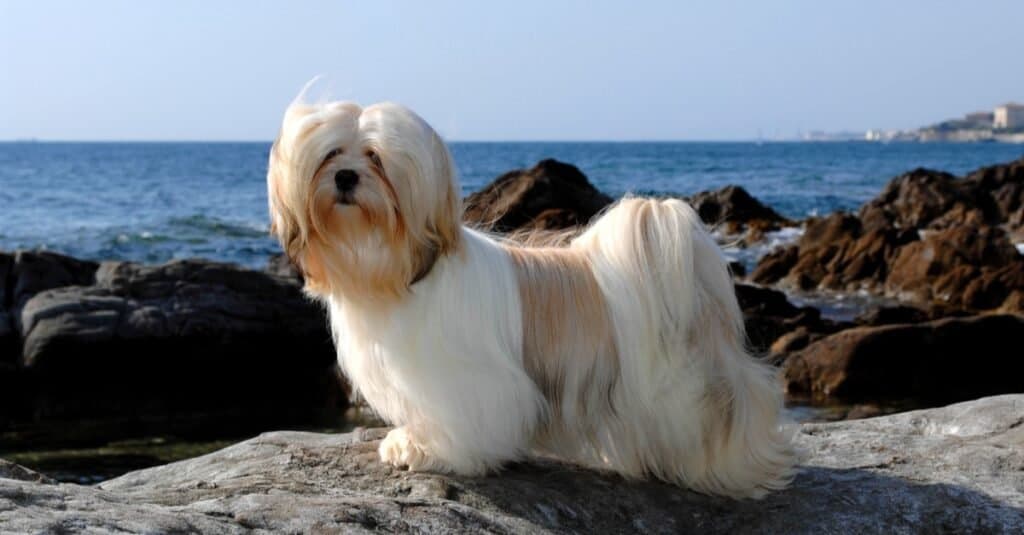
The Lhasa Apso is a small dog breed from Tibet, characterized by a curled, feathery tail and long, flowing hair that obscures the eyes and touches the ground. There are many accepted color schemes, including black and tan, cream, golden, white, and red. The elegant fur belies its original purpose as a guard dog of palaces and monasteries high up in the Himalayas. The history dates back more than a thousand years ago near the capital city region of Lhasa. This breed first came to the United States as a gift from the Dalai Lama in the mid-20th century.

3 Pros And Cons Of Owning A Lhasa Apso

Pros!Cons!
Friendly and Affectionate
The Lhasa Apso ranks very highly in its love of people.
Requires Frequent Grooming
The long coat of fur takes a lot of time and effort to properly maintain.
Protective
This breed makes for a great watchdog (though it might be too small to actually deter intruders).
Stubborn
The Lhasa Apso has a slight stubborn streak that may make it difficult to train.
Excellent Lifespan
The Lhasa Apso can live for a long time.
Fragile
This dog must be handled with care.
Lhasa Apso dog playing at the sea.

The Lhasa Apso has a stubborn streak.

History Of The Breed

The Lhasa Apso is an ancient breed, with a long history in its country of origin, Tibet, dating back to at least 800 CE. For centuries, they used to live in the Himalayan Mountains in isolation with Tibetan Monks. Considered a sacred breed, they were highly regarded, and to receive this breed as a gift was considered good fortune. The Lhasa Apso came to the United States in the 1930s when the 13th Dalai Lama gifted a pair to the American explorer and philanthropist Charles Suydam Cutter and his wife.

Size And Weight

The Lhasa Apso is a very small dog with a thin frame. Males are ever so slightly larger than females, but the difference is fairly minimal.

Height (Male) 10 to 11 inches
Height (Female) 9 to 11 inches
Weight (Male) 12 to 18 pounds
Weight (Female) 12 to 18 pounds

Common Health Issues

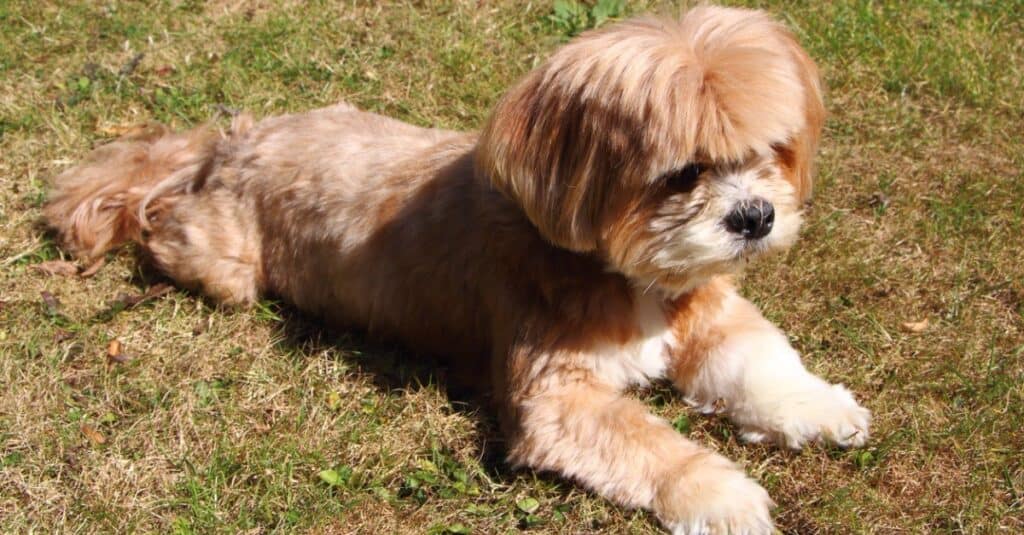
Lhasa Apso lying down on the grass in a garden.

Lhasa Apsos are prone to several health conditions, and they should be taken to the vet for regular checkups.

The Lhasa Apso has an excellent lifespan of 12 to 15 years, but it may be prone to several health conditions, including progressive retinal atrophy, cancer, allergies, renal disorders, cherry eye (in which an eye gland swells up), and a dry inflammatory skin condition called sebaceous adenitis. Another common problem is patellar luxation, in which the kneecap slides in and out of place. This can result in lameness and pain over the dog’s lifetime.

There are a few things you can do to maximize the dog’s long-term quality of life. First, you should find a good breeder who will always give their puppies a thorough medical evaluation; you should also follow up with your vet regularly to check for common health issues. In summary, these are the most common health problems with the Lhasa Apso:

  • Allergies
  • Cancer
  • Progressive Retinal Atrophy
  • Sebaceous Adenitis

Temperament

Dog, Long Hair, Lhasa Apso, Long, Animal Hair

The Lhasa Apso has a history of being a guard dog due to its strong instinct to protect.

The Lhasa Apso is an affectionate, friendly, and confident pet in the non-sporting group. It has a long history as a guard dog, dating back more than a thousand years. With a strong instinct to protect and watch over the home, it will alert the owner to any possible danger or unfamiliar people. Behavior problems are relatively minimal, but they might exhibit some stubbornness and impatience from time to time.

Fortunately, this breed can adapt very well to a wide variety of different living conditions and daily schedules, and its physical and mental needs are both fairly moderate. It is also buoyed by a playful and comic personality.

How To Take Care Of The Lhasa Apso

The Lhasa Apso is a good choice for owners across the entire experience spectrum. The most difficult part of the entire ownership process is probably grooming. Expect to spend a lot of time and effort keeping the coat in good shape. Training can also present a few difficulties.

The Best Dog Foods For Lhasa Apsos
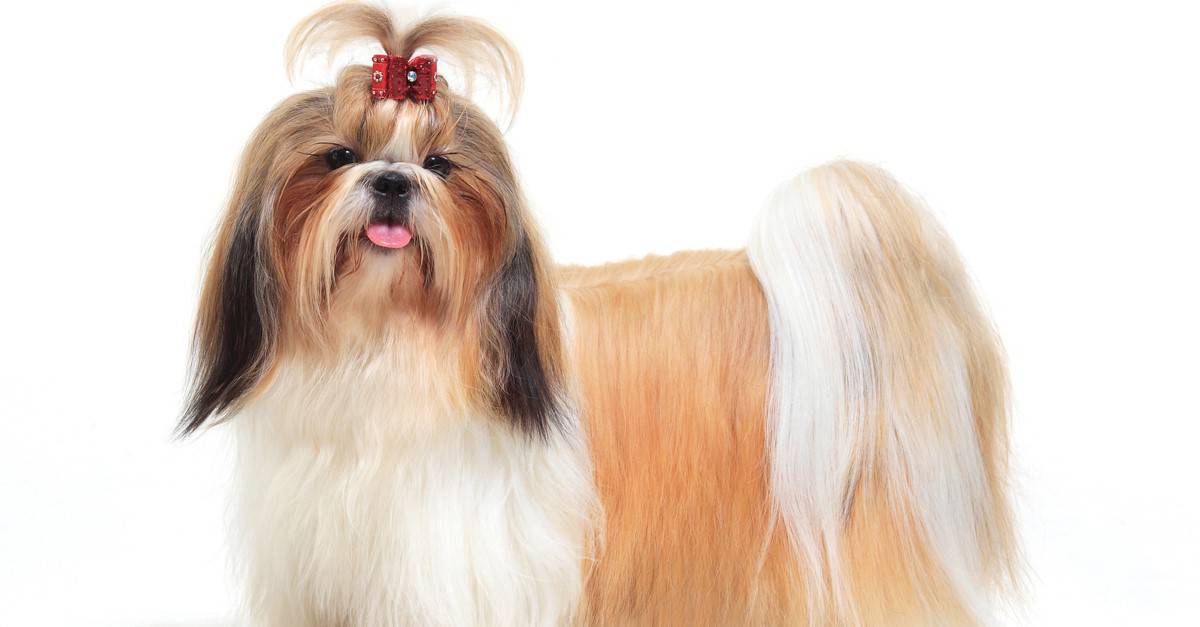
Lhasa Apso on a white background.

Lhasa Apso may have allergies, so a specific food developed for this issue may be best.

The Lhasa Apso probably needs no more than a cup of high-quality dry food per day. You may need to adjust the precise amount based on the dog’s age, size, and activity level. If you notice your Lhasa Apso struggling with allergies, try out anti-allergy dog food.

Maintenance And Grooming
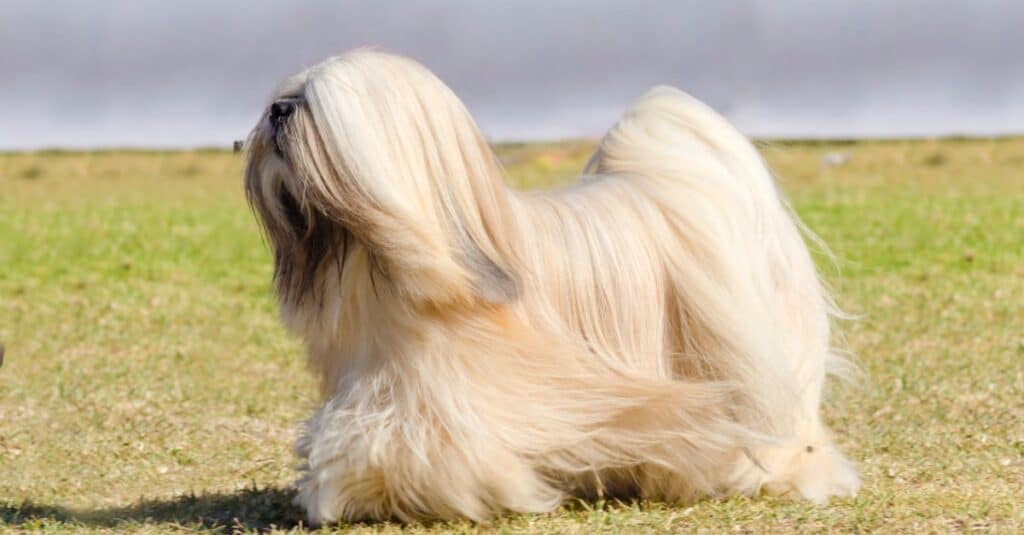
Lhasa Apso walking around outside

Lhasa Apsos will need a lot of grooming due to their long, flowing coat.

It’s immediately evident from the long, flowing coat that you will need to spend a lot of time grooming this breed. The Lhasa Apso will require almost daily brushing and combing, as well as regular baths every two to four weeks, preferably with conditioners and finishing sprays; rinse the fur thoroughly to prevent skin irritation from the shampoo. Clipping can be a very difficult and time-consuming process. If you don’t want to do it yourself, then you can elect to hire the services of a professional groomer. It might be a good idea to keep the coat short so it’s easier to brush every day.

In addition to grooming, you should also brush their teeth at least two or three times a week with a toothpaste recommended by the vet; this should prevent disease and bad breath. Trim the nails about once or twice a month before they start clicking on the floor. Finally, check the ears for infection regularly and clean them out with a cotton ball and cleanser.

Training

The Lhasa Apso is equal parts intelligent and willful. They grow bored easily from repetition and may ignore you if they feel bullied in some manner. The key is to keep the training process interesting but consistent. Do not deviate or change your commands arbitrarily, but do change the structure and tempo of the training process to keep your dog motivated.

Exercise
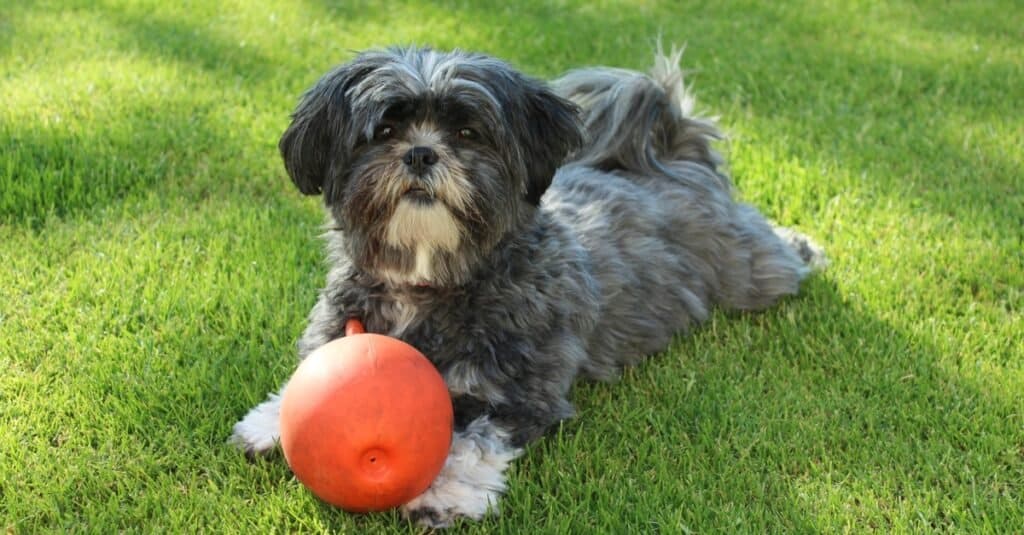
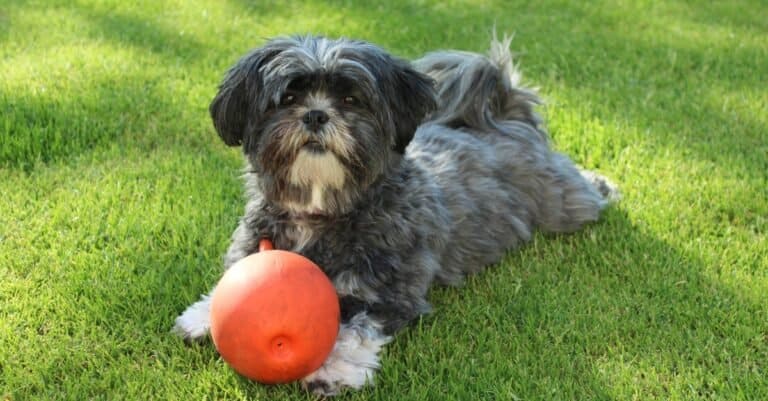
Lhasa Apso playing with a ball in the garden.

The Lhasa Apso will need at least 30 minutes of daily exercise.

The Lhasa Apso needs a moderate amount of exercise every day, probably around 30 minutes. Since this breed isn’t too active, a brisk walk and some indoor playtime should suffice. It also likes to run around and entertain itself in a fenced yard.

Puppies

The puppies mature slowly and take nearly three years to reach adulthood; expect some puppyish behavior until they fully mature. In the meantime, they need to be socialized and housetrained as early as possible; get them used to being handled and introduce them to as many unique situations as possible.

Crate training can help make the housetraining process easier and also ease some of the dog’s anxiety. After several months, this breed should begin learning more advanced commands. Proper training will help reduce behavior problems later in life.

Cute Lhasa Apso puppy at Christmas.

Puppies mature slowly and take almost 3 years to reach adulthood.

The Lhasa Apso And Children

These dogs may get along well with children, but probably not as well as with adults. It does tend to nip and may become impatient with children’s antics. If you choose to bring this breed into your home, you should supervise all interactions between the dog and the youngest kids.

Dogs Similar To The Lhasa Apso

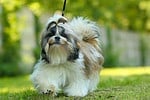
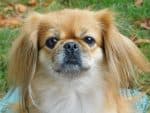
These closely related Tibetan/Chinese breeds share a similar temperament and appearance to the Lhasa Apso.

  • Shih Tzu: While not quite as protective and watchful as the Lhasa Apso, this breed has a short snout and a very similar coat of long, flowing hair. Some people even believe that the Shih Tzu was produced from a cross between a Lhasa Apso and another breed, possibly the Pekingese. It later became prized among the Chinese nobility.
  • Tibetan Spaniel: This breed also originated as a watchdog in Tibetan monasteries. It has a flat muzzle, expressive eyes, drooping ears, a plumed tail, and a mane of fur around the neck. Cream, black, fawn, gold, white, and tan are all accepted colors.
  • Tibetan Terrier: This is yet another Tibetan watch or guard dog. Also known as the Holy Dog of Tibet, it bears a strong resemblance to the Lhasa Apso, thanks in part to the long, flowing fur. The main difference is that the Tibetan Terrier is slightly larger. It also has large snowshoe-like feet, which help it navigate the snowy mountain terrain.

Famous Lhasa Apso Dogs

Since it was first introduced, these dogs have made a significant impression on American culture. Some of the most famous owners include the singer and actor Liberace, the novelist Kurt Vonnegut, the actress Elizabeth Taylor, singer Gwen Stefani, and actress and TV host Ellen DeGeneres.

View all 131 animals that start with L

Sources

  1. American Kennel Club / Accessed August 30, 2021
  2. American Kennel Club / Accessed August 30, 2021
  3. Dogtime / Accessed August 30, 2021
  4. 101 Dog Breeds / Accessed August 30, 2021
  5. American Kennel Club / Published February 17, 2017 / Accessed March 24, 2023
Melissa Bauernfeind

About the Author

Melissa Bauernfeind

Melissa Bauernfeind was born in NYC and got her degree in Journalism from Boston University. She lived in San Diego for 10 years and is now back in NYC. She loves adventure and traveling the world with her husband but always misses her favorite little man, "P", half Chihuahua/half Jack Russell, all trouble. She got dive-certified so she could dive with the Great White Sharks someday and is hoping to swim with the Orcas as well.
Connect:

Thank you for reading! Have some feedback for us?


Lhasa Apso FAQs (Frequently Asked Questions)

The Lhasa Apso is a small non-sporting dog with a long history dating back in Tibet. It served the purpose of both a guardian and a companion.