
G
Species Profile

Great Danoodle

Canis lupus familiaris

Big heart. Big brain. Big paws.
Karolina Kruczynska/Shutterstock.com

Great Danoodle Distribution

Click a location to explore more animals from that region

Origin Location

This map shows the native origin of the Great Danoodle. As a domesticated species, they are now found worldwide.

Loading map...

Size Comparison

Human 5'8"
Great Danoodle 2 ft 2 in

Great Danoodle stands at 38% of average human height.

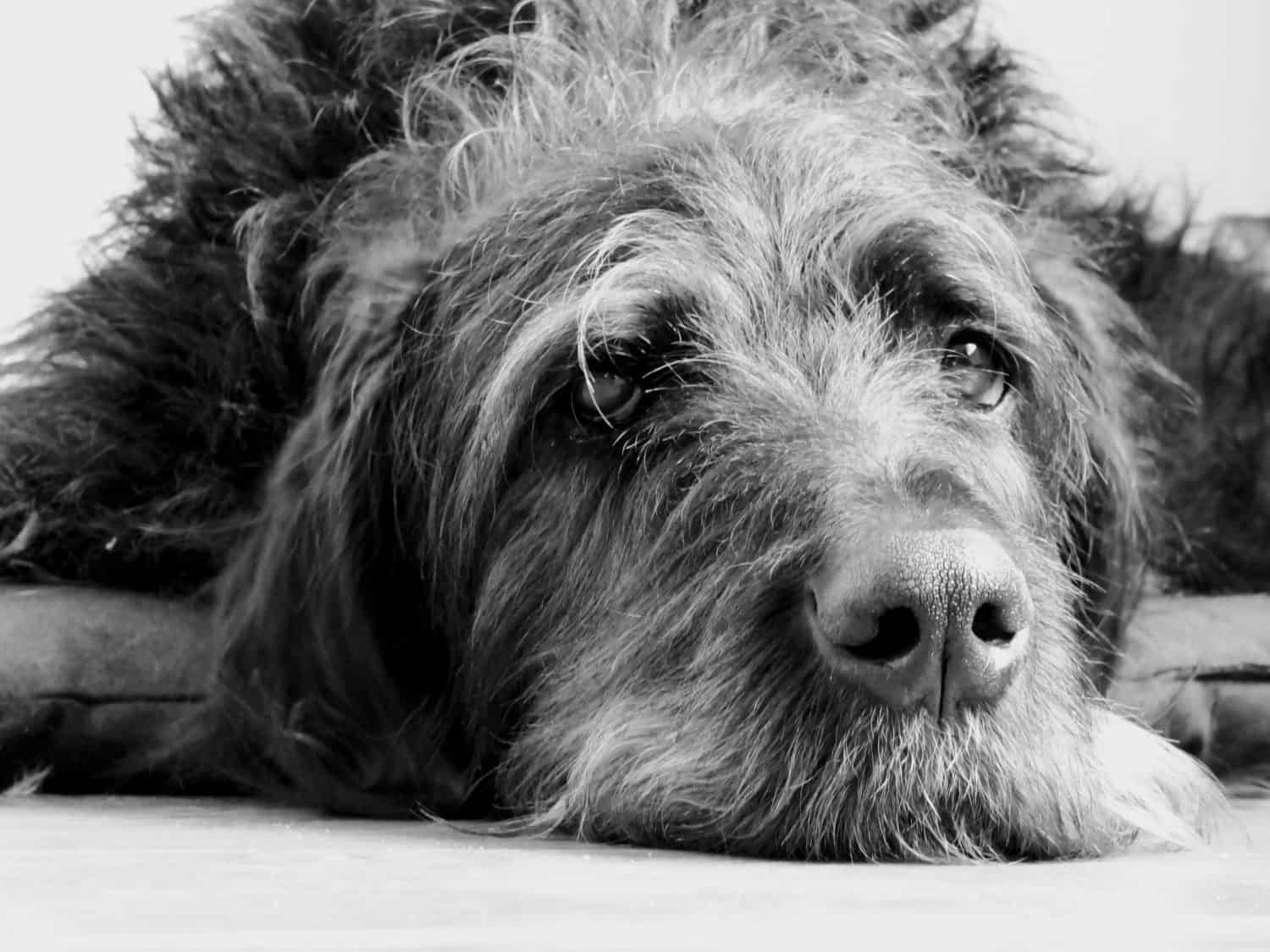
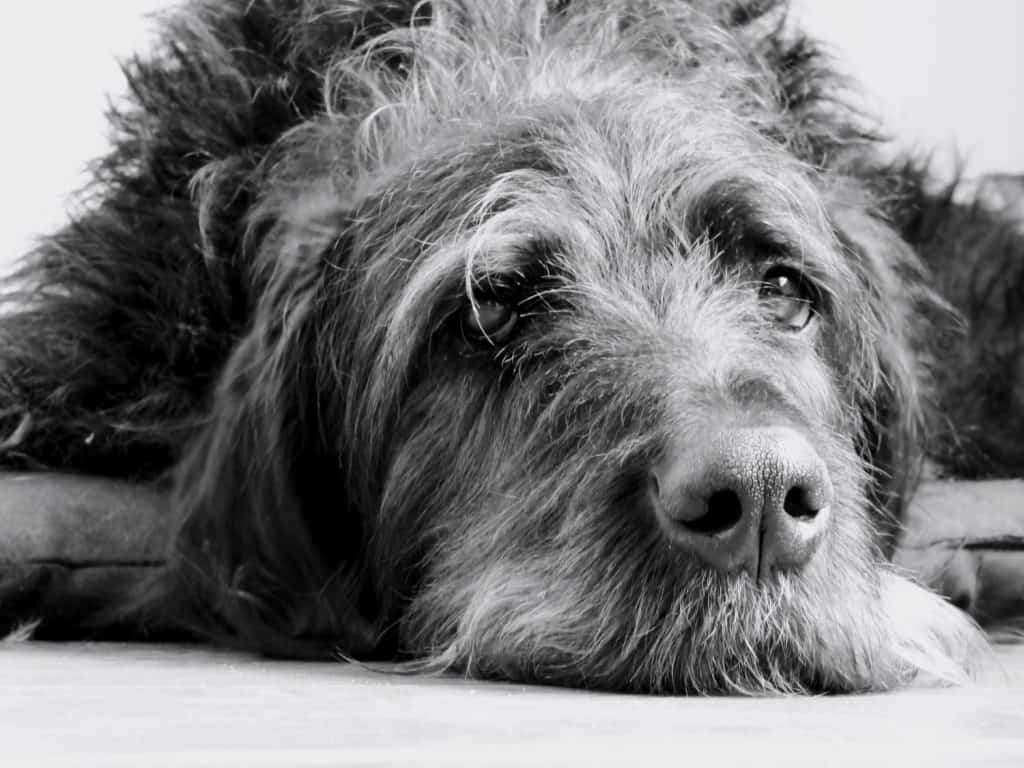
portrait of a great danoodle, cute and adorable big dog

At a Glance

Domesticated
Also Known As Danedoodle, Dane Doodle, Great Danedoodle, Danoodle, Giant Doodle, Great Doodle
Diet Omnivore
Activity Diurnal+
Lifespan 11 years
Weight 55 lbs
Status Not Evaluated
Did You Know?

Not a standardized kennel-club breed: "Great Danoodle/Greatdoodle" is a designer cross, so looks and temperament can vary widely (F1, F1B, etc.).

Scientific Classification

A domestic dog crossbreed (designer mix) combining Great Dane and Poodle ancestry; not a formally standardized, universally recognized kennel-club breed, so appearance and temperament can vary by individual and generation (F1, F1B, etc.).

Kingdom
Animalia
Phylum
Chordata
Class
Mammalia
Order
Carnivora
Family
Canidae
Genus
Canis
Species
Canis lupus familiaris

Distinguishing Features

  • Mixed heritage: Great Dane × Poodle (often Standard Poodle)
  • Often large-bodied due to Great Dane influence, with variable coat type influenced by Poodle ancestry
  • Temperament/size/coat can vary widely among individuals because it is a crossbreed rather than a fixed lineage

Physical Measurements

Males and females differ in size

Height
♂ 2 ft 6 in (2 ft 2 in – 2 ft 9 in)
♀ 2 ft 1 in (1 ft 10 in – 2 ft 4 in)
Length
♂ 4 ft 9 in (3 ft 11 in – 5 ft 9 in)
♀ 3 ft 8 in (3 ft 1 in – 4 ft 3 in)
Weight
♂ 115 lbs (71 lbs – 165 lbs)
♀ 75 lbs (55 lbs – 99 lbs)
Tail Length
♂ 1 ft 5 in (12 in – 1 ft 10 in)
♀ 1 ft 3 in (12 in – 1 ft 6 in)
Top Speed
28 mph
Top speed 40–48 km/h

Appearance

Primary Colors
Secondary Colors
Skin Type Skin color varies. Coat varies: many are low shedding with wavy or curly Poodle-like fur that traps dirt and moisture; groom regularly. Others have shorter Dane-like coats. Skin sensitive—use gentle shampoo and dry well.
Distinctive Features
  • Domestic dog (Canis lupus familiaris), a designer crossbreed, not a standard kennel-club breed. Look and behavior can vary by individual and by generation (F1, F1B, etc.).
  • Distinguishing look vs. typical domestic dog: often an extra-tall, long-legged silhouette with a deep chest and longer neck (Great Dane influence) paired with a longer muzzle, softer expression, and wavy/curly coat furnishings (Poodle influence).
  • Head and body: large head with moderate stop; muzzle length can range from Dane-long to more refined Poodle-like; chest typically deep; waist tuck varies from athletic to more rectangular depending on lineage and conditioning.
  • Ears and tail: ears usually drop; tail generally long and tapering, carried low to mid-height; tail feathering varies with coat type.
  • Coat traits: can range from short/straight (more Dane-like) to medium-long wavy or curly (more Poodle-like). Curlier coats tend to be more mat-prone and require structured grooming; straighter coats may shed more.
  • Brush wavy or curly coats several times a week and daily during shedding to prevent mats. Poodle-influenced coats often need professional grooming every 6–10 weeks. Keep ears clean and dry to avoid infections.
  • Care requirement-exercise: typically needs daily aerobic activity plus joint-friendly conditioning; growth-phase exercise should be controlled (avoid repetitive high-impact jumping, especially in large-breed puppies).
  • Care requirement-training: usually benefits from early, consistent obedience and leash skills due to potential size/strength; socialization is important to prevent fearfulness or over-exuberant greetings.
  • Common inherited problems (from parent breeds) include hip and elbow dysplasia, osteochondritis dissecans (OCD), bloat (gastric dilatation-volvulus), dilated cardiomyopathy, hypothyroidism, skin allergies, ear infections, and eye issues (PRA/cataracts).
  • Keep dogs lean and feed large-breed puppy food if young; use slow-feeders and many small meals for bloat risk, avoid hard exercise around meals, and do hip and heart checks for breeders.

Sexual Dimorphism

Sexual dimorphism is typically noticeable mainly in overall size and bone structure, consistent with many large domestic dog types; expression varies because this is a Great Dane-Poodle mix rather than a standardized breed.

♂
  • Often taller/heavier with broader skull and more pronounced musculature through neck/shoulders.
  • May show a more substantial chest and heavier bone, contributing to a more imposing outline.
♀
  • Often slightly smaller/lighter with a more refined head and narrower chest.
  • May appear more streamlined through neck and shoulders, though still large compared to many domestic dogs.

Did You Know?

Not a standardized kennel-club breed: "Great Danoodle/Greatdoodle" is a designer cross, so looks and temperament can vary widely (F1, F1B, etc.).

Often combines Great Dane height with Poodle trainability-many owners describe them as "gentle clowns with brains."

Coat can range from short/sleek to wavy/curly; "low-shedding" is possible but never guaranteed in a mix.

Size is usually large to giant; even within the same litter, adult weight and build can differ noticeably.

Deep-chested body types may carry an increased risk of gastric dilatation-volvulus (GDV/bloat), a key consideration for giant dogs.

They commonly inherit long legs and an athletic stride-built for big, ground-eating movement rather than tight turns.

Their lifespan often lands between the parent breeds' typical ranges, frequently around ~8-12 years, but individual outcomes vary with size and health genetics.

Unique Adaptations

  • Hybrid variability: traits such as coat, shedding, dander, and temperament can shift dramatically by generation and individual-more so than in a fixed purebred line.
  • Potential coat "mix-and-match": furnishings (beard/eyebrows) and curl level may appear or disappear depending on inherited coat genes.
  • Giant-dog biomechanics: long bones and rapid growth in puppyhood make joint-friendly exercise and large-breed nutrition especially important.
  • Cognitive + size combo: the mix can pair a Poodle's learning speed with a Dane's reach/strength, making early manners training (jumping, leash skills) uniquely important.

Interesting Behaviors

  • "Leaning" and full-body cuddling: Dane ancestry often shows up as a habit of gently pressing against people.
  • Goofy, lanky play style: long limbs can mean dramatic flops, pawing, and "slow-motion wrestling."
  • Poodle-like problem solving: some learn to open doors, nudge latches, or invent games if under-stimulated.
  • Retrieving and carry behaviors: many enjoy bringing items to people (toys, shoes, towels), sometimes as a greeting ritual.
  • Water curiosity varies: some love swimming/splashing (Poodle heritage), others are hesitant-early positive exposure matters.
  • Sensitivity to tone: many respond best to calm, consistent training rather than harsh corrections.

Cultural Significance

Great Danoodles are designer companion dogs bred to mix temperament, size, and coat from Great Danes and Poodles. They borrow the Dane's noble history and the Poodle's smart, fancy image.

Myths & Legends

Great Danes were long nicknamed the "Apollo of dogs," a romantic comparison (rather than a formal title) that tied the breed's stature to classical ideals of beauty and nobility.

Despite the name, the Great Dane's story is largely German: historical "boarhound" dogs were developed for hunting, while the 'Dane' label stuck through earlier European naming fashions and misconceptions.

In Goethe's 'Faust,' a mysterious black poodle follows Faust home and transforms into Mephistopheles-an enduring literary legend linking poodles with uncanny disguise and hidden identities.

European folklore and art often cast poodles as clever tricksters or refined companions, reflecting their real-world reputation for intelligence and trainability.

Modern origin lore around doodle-type crosses (including Great Danoodles) often centers on late-20th/early-21st-century efforts to create personable family dogs with potentially easier coat maintenance-stories passed through breeders and owners even as outcomes remain variable.

Conservation Status

NE Not Evaluated

Has not yet been evaluated against the criteria.

Population Stable

Life Cycle

Birth 7 pups
Lifespan 11 years

Lifespan

In the Wild
8–14 years
In Captivity
8–14 years

Reproduction

Mating System Polygyny
Social Structure Managed Domestic
Breeding Pattern Serial
Fertilization Managed Selective
Birth Type Internal_fertilization

Great Danoodle (Canis lupus familiaris): Breeding follows dog biology (internal fertilization, ~63-day gestation). Breeding is controlled by people with planned, one-time pairings and serial matings; a stud may sire multiple dams (polygyny). No long-term pair bonds.

Behavior & Ecology

Social Pack Group: 3
Activity Diurnal, Crepuscular
Diet Omnivore meat-forward, highly palatable foods (e.g., cooked chicken or beef mixed into a complete large-breed dog diet)

Temperament

Usually friendly, social, and focused on their person; often calmer indoors than expected but may show teenage energy. Temperament varies with mixed ancestry and generation (F1/F1B) and which Poodle or Great Dane traits win.
Affectionate/people-seeking: Commonly enjoys close contact and may lean, sit on feet, or follow caregivers; can be prone to separation-related behaviors without gradual alone-time training.
Trainability: Often above-average responsiveness and learning speed (Poodle influence), benefiting from reward-based methods; may be sensitive to harsh correction and can shut down or become avoidant.
Sociability with dogs: Typically tolerant and playful, but needs manners training because large body size can make play rough; controlled socialization helps prevent fearfulness/reactivity.
Energy & enrichment: Moderate to moderately high; requires daily walks plus mental work (sniffing, training games, puzzle feeding). Under-stimulation may lead to barking, mouthing, counter-surfing, or destructiveness.
Guarding/alertness: Usually more alert-barker than true protection dog; may be cautious with strangers at first, improving with positive introductions.
Great Danoodle (Canis lupus familiaris) coats range from short, low-shed to wavy or curly low-shed; many need regular brushing and occasional professional grooming to stop mats. Clean hanging ears; hair can lead to ear infections.
Great Danoodle risks: large-breed bloat (GDV), hip/elbow dysplasia, osteoarthritis; Great Dane cardiomyopathy; Poodle risks—Addison's disease and PRA. Slow feeding, avoid heavy exercise after meals, keep lean, get regular vet checks for hips, heart, thyroid, eyes.
Growth/handling: Puppies grow quickly and can become very large; early leash skills, polite greeting training, and cooperative care (grooming, nail trims) are essential for safe adult management.

Communication

Barking Alert, demand, or excitement; typically less incessant than some small breeds but varies widely
Whining/whimpering Attention-seeking, frustration, or anxiety-often seen in velcro individuals
Growling Boundary-setting, play growls, or discomfort; context-dependent
Howl/"woo" Occasional, individual-dependent
Play vocalizations Grunts/huffs; some Great Dane-like "talking" sounds
Body posture and facial expressions Soft eyes, loose body for friendliness; stiffening/averted gaze for discomfort
Tail carriage/wags Broad, loose wag for affiliative intent; high, tight wag may indicate arousal
Pawing/leaning and nudging Common affiliative contact-seeking; Great Dane-like leaning is frequent
Jumping or mouthing during greeting Needs training due to size; often excitement rather than aggression
Scent marking and sniffing Routine information-gathering; more prominent in intact individuals
Play signals Play bow, bouncing, exaggerated approaches; may be rough due to size-supervision advised
Grooming-related communication Tension signals during brushing/clipper noise; cooperative care training improves tolerance

Habitat

Biomes:
Temperate Forest Temperate Grassland Mediterranean Tropical Rainforest Tropical Dry Forest Savanna Desert Hot Desert Cold Boreal Forest (Taiga) Tundra Alpine Freshwater Wetland Marine +8
Terrain:
Plains Hilly Mountainous Valley Coastal Island
Elevation: Up to 14763 ft 9 in

Ecological Role

Human-associated omnivorous mesopredator/scavenger (domestic companion animal)

Rodent control and deterrence in human-dominated environments when allowed to roam (opportunistic predation) Scavenging of edible waste in some settings (can reduce refuse but also poses health risks) Nutrient transfer via feces in local environments (necessitates responsible waste management) Non-trophic roles tied to feeding: supports human activities (companionship/therapy/work), indirectly influencing household food systems and waste patterns

Diet Details

Main Prey:
Dog food Animal protein Home-prepared balanced diet
Other Foods:
Berries and other fruits Vegetables Grasses Grains and legumes Fungi and yeast-derived ingredients

Human Interaction

Domestication Status

Domesticated

Great Danoodle (Canis lupus familiaris) is a modern designer mix of Great Dane and Poodle, not a kennel-club breed. Bred to blend Dane size and guardian nature with Poodle ease of training and often lower shedding. Individuals vary widely in size, coat, and temperament. Health risks include giant-breed bone and heart issues plus Poodle-linked problems; hybrid vigor is not guaranteed.

Danger Level

Moderate
  • Injury by size/strength: accidental knocks, falls, leash-pulling incidents, especially with children/elderly
  • Bite risk: comparable to other large dogs; elevated consequences due to jaw size and body mass if fear/poor socialization/rough handling occurs
  • Protective or territorial behaviors may emerge without early socialization and consistent training
  • Anxiety/reactivity risk in some individuals (can increase conflict risk if unmanaged)
  • Public-safety concerns often relate to owner management (leash control, containment, training) rather than inherent aggression

As a Pet

Suitable as Pet

Legality: Great Danoodle (Canis lupus familiaris) is usually legal as a pet where dogs are allowed. Local rules (HOA/landlord, weight limits, breed bans) may apply. Owners must follow licensing, leash rules, vaccinations, and sometimes insurance.

Care Level: Experienced

Purchase Cost: $800 - $3,500
Lifetime Cost: $25,000 - $70,000

Economic Value

Uses:
Companion animal ownership (family pet) Service/assistance potential (case-by-case, not typical as a standardized program dog) Therapy/visitation work (temperament-dependent) Breeding and sale of designer-mix puppies Veterinary care market (giant-breed and mixed-breed health management) Training, boarding, and grooming services (often above-average due to size/coat)
Products:
  • Puppy sales/adoption fees for Great Danoodle litters
  • Stud services and breeding rights (where practiced)
  • Professional training packages (puppy manners, loose-leash walking, reactivity prevention)
  • Grooming services (especially for wavy/curly coats) and grooming tools
  • Large/giant-breed supplies (crates, beds, harnesses, orthopedic supports)
  • Pet insurance policies (often recommended due to potential high-cost conditions)

Relationships

Quick Take

  • Their giant size comes with a surprising personality quirk that makes Great Danoodles uniquely self-aware, and this quality directly shapes how they behave around your family. Explore their personality →
  • There's a common dog food ingredient that could silently threaten your Great Danoodle's heart, and most owners never think to check the label for it. Check the food label →
  • Great Danoodles look like high-maintenance Doodles, but their grooming routine defies what most people expect from a curly-coated breed. See grooming needs →
  • These dogs are sweet with kids, but there's one subtle body language signal owners miss that means it's time to intervene immediately. Watch for stress signs →

Great Danes are incredibly popular dogs, and so are poodles. Because of this, it should come as no surprise that the Great Danoodle is such a popular and well-loved Doodle dog. Great Danoodles have all of the polite and endearing personality traits that typically belong to their Great Dane parents. They also have the poodle’s curly coat, intelligent mind, and slightly smaller frame. Overall, these dogs are attractive, attentive, and incredibly affectionate towards their families.

If you rescue a Great Danoodle, you’ll immediately notice that they’re some of the friendliest and most self-aware dogs available. Whether you brought them home because of their sweet eyes or their daring harlequin coat, you and your Great Danoodle will be best friends for life.

An infographic by AZ Animals about the Great Danoodle dog breed, showcasing its size, temperament, and care requirements with icons and illustrations.
Intelligent, polite, and weighing up to 110 pounds, the Great Danoodle is the ultimate gentle giant—provided you’re prepared for the high-stakes health risks that come with its massive frame. © A-Z Animals

Owning a Great Danoodle: 3 Pros and Cons

Pros!Cons!
Polite personality. Great Danoodles are sweet and loving dogs that become incredibly self-aware about their size as they get older. As a result, these pups grow up as considerate and polite members of their families.Separation anxiety. Great Danoodles are incredibly attached to their families and can’t be left alone. Only get one of these dogs if you have someone who can stay home most of the time.
Low grooming needs. When compared to other Doodle dogs, Great Danoodles don’t need to be brushed nearly as often as you’d expect. Unless their coat is particularly tangle-prone, you can get away with brushing your Great Danoodle once or twice a week.Health issues. Like other very large dogs, Great Danoodles suffer from heart problems and other health issues that may contribute to a reduced lifespan.
Excellent guard dogs. Great Danoodles are usually quiet dogs, but they’ll bark loudly if they sense an intruder. You can trust these alert canines to keep your home safe at night.Not hypoallergenic. Great Danoodles shed less than other dogs, but they’re still not truly hypoallergenic. If you’re worried about dander, spend some time at the breeder’s house before you bring a Great Danoodle into your home.

Size and Weight

Great Danoodles are large, tall dogs with square heads and lanky frames. These dogs can come in a wide variety of colors and patterns, including the famous harlequin and mantle coat designs. The average Great Danoodle weighs between 75 and 100 pounds and stands between 22 and 27 inches tall, though some may reach up to 110 pounds. Female Great Danoodles are often significantly smaller than their male counterparts; on average, you can expect them to weigh between 75 and 100 pounds, with some females being on the lower end of this range.

Common Health Issues

Great Danoodles are very large dogs, which means that they are susceptible to many of the same health concerns as their Great Dane parents. Heart issues are the biggest concern, but Great Danoodles can also suffer from stomach problems, skin conditions, and adrenal disorders. Your vet will be able to check your pup for all of these conditions; all you need to do is make sure that your Great Danoodle makes it in for their annual visit.

Temperament

These dogs are sweet, loving, polite, loyal, and intelligent. Like their Great Dane parents, these dogs tend to have quiet and calm personalities despite their incredibly large size. Expect your dog to be a little shy, especially in new situations. If you have guests or children over, be prepared to remove your Great Danoodle from the situation whenever energy levels get too high.

Luckily, these gentle giants rarely cause trouble — especially if they get enough exercise. Your Great Danoodle will love to go for long walks and run around the backyard, but these dogs are still more relaxed than most other Doodle breeds. Overall, the Great Danoodle is known for its beautiful appearance and balanced temperament, making it a popular designer dog breed. Prices are comparable to other large Doodle breeds, ranging from $1,500 to over $2,500.
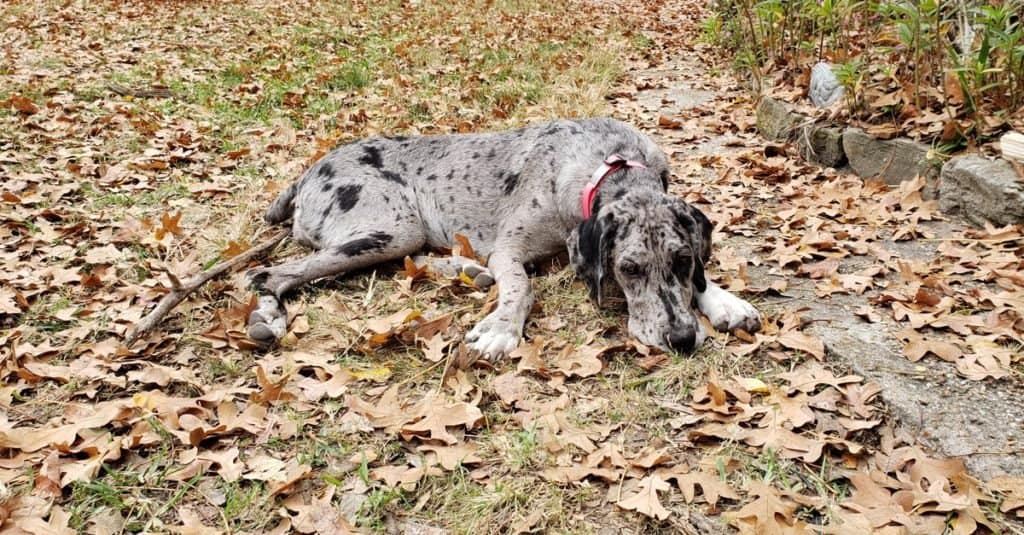
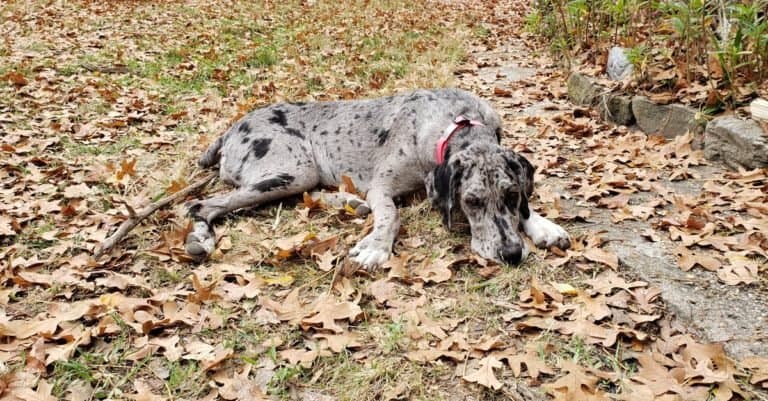
A young merle Great Danoodle dog relaxing in the autumn leaves enjoying life outdoors

A young merle Great Danoodle dog is relaxing in the autumn leaves, enjoying life outdoors.

How to Take Care of a Great Danoodle

Great Danoodles are large dogs that need a little extra attention throughout their lives. Plan to take your dog in for regular vet visits. You’ll also need to watch their diet and spend plenty of time with them during the day.

The Best Dog Food

Great Danoodles are large dogs that need a lot of calories to stay healthy. Because they’re also prone to heart and stomach issues, you probably don’t want to buy a standard kibble for one of these designer dogs. Many breeders have diet recommendations for their Great Danoodle puppies. If you aren’t sure, look for high-quality food with an emphasis on protein and healthy fats.

This breed is susceptible to multiple heart conditions. At regular vet appointments, keep an eye on your dog’s heart health. Also, be aware of the risks of dog food containing legumes, including heart failure, and make sure the ingredients in your dog’s food are legume-free.

Maintenance and Grooming

These dogs are some of the lowest-maintenance Doodle dogs available. You only need to brush your Great Danoodle once or twice a week, especially if they have a shorter coat. Pay attention to the length of the hair between their toes, as it tends to clump and prevent your dog from walking easily. Like other Doodle dogs, Great Danoodles have sensitive skin and may need to use a special shampoo.

Training

Great Danoodles are shy and attentive dogs that love to get guidance from their owners. Start training early while your dog is still young. As they get older, continue the training sessions to help ensure that your dog learns to manage their growing size.

Exercise

These dogs need plenty of exercise to stay healthy, especially when they are younger. Expect to take your dog on one or two hour-long walks every day, and try to give them access to a yard. Be aware that as your dog ages, their mobility may decrease. Because of this, it’s important to have playtime while the dog is young and to take slow walks when they start to age.

Puppies

Great Danoodle puppies are small and don’t yet realize how big they’re going to grow. Take advantage of your pup’s small size to give them plenty of positive experiences, such as being held on your lap or carried through a store. As your puppy gets older, you’ll need to hold daily training sessions to help them get used to using their new long legs and big paws.

Great Danoodles and Children

These dogs are sweet and loving, and they do fairly well in a family environment. Because they are shy, it can be difficult to tell whether or not they’re having a good time. In general, you should avoid leaving your Great Danoodle alone with young children. Pay attention to your dog’s body language; if they seem tired or overwhelmed, step in to give them a break.

Dogs Similar to Great Danoodles

These dogs are known for being large, affectionate, and protective. Dogs with similar traits include the purebred Great Dane, the mastiff, and the Saint Berdoodle.

  • Great Dane: The Great Dane is a classically polite and charming breed. These dogs are loyal and have big hearts that make their owners immediately fall in love.
  • Mastiff: Mastiffs are big, cuddly, and protective pets that make a great addition to many households. Mastiffs are significantly larger than Great Danoodles, so be ready to take care of a dog that weighs as much as a grown man.
  • Saint Berdoodle: The Saint Berdoodle is one of the largest Doodle breeds. These dogs are playful and fun, and they have incredibly soft and luxurious coats.
View all 261 animals that start with G

Sources

  1. Pet Guide / Accessed March 9, 2021
  2. 101 Dog Breeds / Accessed March 9, 2021
  3. Wag Walking / Accessed March 9, 2021
  4. Brewer's Danes and Doodles / Accessed March 9, 2021
  5. Dog Breed Info / Accessed March 9, 2021
  6. Dog Zone / Accessed March 9, 2021
A-Z Animals Staff

About the Author

A-Z Animals Staff

AZ Animals is a growing team of animals experts, researchers, farmers, conservationists, writers, editors, and -- of course -- pet owners who have come together to help you better understand the animal kingdom and how we interact.
Connect:

Thank you for reading! Have some feedback for us?


Great Danoodle FAQs (Frequently Asked Questions)

A Great Danoodle is a designer dog breed that’s created by mixing a Great Dane with a standard poodle. The ideal result is a dog that’s as tall as a Great Dane but with the luscious, wavy, and curly coat of a poodle.