M
Species Profile

Maltipom

Canis lupus familiaris

Big personality, tiny paws.
Ancha Chiangmai/Shutterstock.com

Maltipom Distribution

Click a location to explore more animals from that region

Origin Location

This map shows the native origin of the Maltipom. As a domesticated species, they are now found worldwide.

Loading map...

Found in 1 state/province

Size Comparison

Human 5'8"
Maltipom 9 in

Maltipom stands at 14% of average human height.

Maltipom

At a Glance

Domesticated
Diet Omnivore
Activity Diurnal+
Lifespan 13 years
Weight 6 lbs
Status Not Evaluated
Did You Know?

"Maltipom" is a marketing name for a Maltese × Pomeranian mix, not a standardized kennel-club breed.

Scientific Classification

A small companion dog commonly marketed as a Maltese–Pomeranian mix; traits (coat type, muzzle length, ear set, size) can vary widely by individual and lineage.

Kingdom
Animalia
Phylum
Chordata
Class
Mammalia
Order
Carnivora
Family
Canidae
Genus
Canis
Species
Canis lupus

Distinguishing Features

  • Small toy-sized domestic dog; variable adult size depending on parentage
  • Often a fluffy double-to-single coat; white/cream common but many color combinations occur
  • Mix of Maltese silky coat traits and Pomeranian Spitz-like fluff and foxier face
  • Companion-focused temperament; typically alert and people-oriented

Physical Measurements

Height
10 in (8 in – 12 in)
Length
1 ft 5 in (1 ft 2 in – 1 ft 8 in)
Weight
10 lbs (6 lbs – 14 lbs)
Tail Length
6 in (4 in – 7 in)
Top Speed
15 mph
running

Appearance

Primary Colors
Secondary Colors
Skin Type Domestic dog skin with variable pigmentation; coat can be long/silky (Maltese-like) or dense double-coat (Pomeranian-like), with moderate sensitivity to grooming products and tear staining around eyes.
Distinctive Features
  • Mixed-breed domestic dog (Canis lupus familiaris), not a distinct zoological species or standardized breed.
  • Distinguishes from base species/wolf ancestry by neotenous toy-dog proportions: small body, short-to-moderate muzzle, large expressive eyes.
  • Coat varies widely: straight silky hair with low shedding tendency or plush spitz-like coat with seasonal shedding; many individuals fall between.
  • Ears may be drop, semi-erect, or erect; tail often carried high and may curl over back if spitz-influenced.
  • Color and pattern are highly variable; parti coats and sable tipping are common marketing descriptors but not uniform.
  • Common health concerns in toy mixes: dental crowding/periodontal disease, patellar luxation, tracheal sensitivity/collapse risk, tear staining, allergies/dermatitis, and eye issues (e.g., dry eye) in some lines.
  • Care requirements: consistent brushing (daily for longer/silkier coats; frequent for plush coats to prevent matting), regular professional grooming as needed, routine dental care, weight control, and cold-weather protection for lightly coated individuals.
  • Exercise needs are modest but daily walks and enrichment help prevent barking/anxiety; early socialization reduces reactivity common in small companion dogs.

Sexual Dimorphism

Sexual dimorphism is subtle: males are often slightly larger and heavier-boned with broader heads. Females may appear finer-framed and lighter in build, but coat type and grooming style usually create the biggest visual differences.

  • Slightly taller/heavier on average within the same lineage and diet.
  • Often broader skull and thicker neck ruff when spitz coat is present.
  • May show more pronounced facial shading due to grooming/coat density, not sex-linked color.
  • Typically finer-boned with a narrower head and lighter overall build.
  • May appear more delicate through the chest and limbs.
  • Visual differences often minimized by coat length, clipping style, and spay-related coat changes in some dogs.

Did You Know?

"Maltipom" is a marketing name for a Maltese × Pomeranian mix, not a standardized kennel-club breed.

Appearance varies widely-even within one litter-because coat texture, muzzle length, and ear set depend on which parent traits dominate.

Many inherit the Pomeranian's alert "watchdog" attitude in a Maltese-sized package.

Coats can range from silky and straight (more Maltese-like) to plush double-coat (more Pomeranian-like), affecting shedding and grooming.

Toy-size dogs like Maltipoms often need extra dental care because small jaws predispose them to crowding and periodontal disease.

They're typically bred as companion dogs; their strongest "job" is social bonding with people.

Their small size makes them popular in apartments, but they still benefit from daily training games and short walks.

Unique Adaptations

  • Extreme size reduction from the ancestral gray wolf (Canis lupus): selective breeding favors neotenous (juvenile-like) features and companion temperament.
  • Coat diversity: hybrid inheritance can produce anything from low-shedding, fine hair to a thicker, insulating double coat-changing grooming and climate comfort.
  • High human-attunement: domestication-related selection supports strong responsiveness to human cues, eye contact, and routine-based learning.
  • Compact-body locomotion: toy dogs often adopt quick, efficient gaits suited to indoor living and short outdoor bouts rather than endurance travel.

Interesting Behaviors

  • Velcro-dog bonding: follows favorite person room-to-room and seeks lap time.
  • Alert barking at door noises or unfamiliar sounds-often more pronounced in Spitz-influenced lines.
  • Play bursts: quick "zoomies," toy chasing, and short, high-energy play sessions followed by cuddling.
  • Sensitive to routine changes; may show stress vocalization or mild separation anxiety if under-socialized.
  • Food-motivated learning: responds well to short, upbeat training sessions and tiny treats.
  • Cold-awareness behaviors: may seek warm spots or blankets, especially in short-coated individuals.
  • Social "greeting dances": excited spinning or hopping when people return home.

Cultural Significance

Maltipoms are modern "designer" crosses bred for friendly company and varied coats. They continue a long toy-dog history: Maltese come from ancient Mediterranean lapdogs shown in art and writing, and Pomeranians are 19th-century European Spitz companions popularized by Queen Victoria.

Myths & Legends

Classical "Melitaean" lapdogs: Ancient Greek and Roman writers described small companion dogs associated with "Melita" (historically linked with Malta), a tradition often cited as part of the Maltese's deep antiquity.

Aristocratic lapdog lore: In Roman-era storytelling and later European art traditions, tiny white lapdogs symbolized refinement and were kept close for warmth and companionship-an enduring cultural image behind Maltese-type dogs.

Pomerania in the name: The Pomeranian is named for the Pomerania region on the southern Baltic coast; stories of these Spitz dogs traveling with merchants and nobles helped build their identity as portable companions.

Queen Victoria's influence (19th century): Historical accounts credit her enthusiasm for Pomeranians with accelerating their popularity in Britain and encouraging a trend toward smaller companion-sized individuals.

Spitz as household sentinels: In Northern and Central European folk tradition, prick-eared Spitz-type dogs were valued as keen-eared home guardians-an old cultural role that echoes in many Pomeranian mixes' alertness.

Conservation Status

NE Not Evaluated

Has not yet been evaluated against the criteria.

Population Stable

Life Cycle

Birth 3 pups
Lifespan 13 years

Lifespan

In the Wild
12–15 years
In Captivity
10–18 years

Reproduction

Mating System Polygynandry
Social Structure Managed Domestic
Breeding Pattern Transient
Fertilization Managed Selective
Birth Type Internal_fertilization

Behavior & Ecology

Social Pack Group: 3
Activity Diurnal, Crepuscular, Cathemeral
Diet Omnivore cooked lean poultry (e.g., chicken/turkey) or poultry-based small-breed kibble

Temperament

HUBS: companion-focused toy mix; generally more people-oriented and less independent than many domestic dogs.
Affectionate, cuddly, lap-seeking; may be clingy and follow family members room-to-room.
Alert and often vocal; can become a habitual barker without calm-reinforcement training.
Playful and bright; responds well to short, reward-based sessions and routine.
Sociability varies: some are outgoing, others timid; early, gentle socialization is important.
May show small-dog defensiveness (resource guarding, reactivity) if boundaries are inconsistent.
Exercise needs are modest: multiple short walks and indoor play; avoid overexertion in heat.
Care: coat varies (silky to fluffy); regular brushing and professional grooming to prevent mats.
Care: dental hygiene is high priority due to toy-breed crowding; routine cleaning and vet checks.
Common health concerns: patellar luxation, dental disease, tracheal collapse; harness preferred over collar.
Possible concerns by lineage: hypoglycemia in very small individuals, eye irritation/tear staining, allergies.
Screening awareness: heart murmurs/valve disease risk with age; maintain lean body condition.

Communication

high-pitched yips and barks for alerting
repetitive demand barking for attention or play
whining/whimpering during separation or frustration
soft grumbles/growls when guarding valued items or startled
excited squeaks and panting during play
close following, leaning, and lap-climbing to maintain contact
pawing, nudging, and face-licking to solicit attention
tail carriage and speed of wag indicating arousal or uncertainty Often high, quick wag
ear and muzzle tension cues; lip-licking/yawning as stress signals
play bows and bouncy approach/retreat to initiate play
scent marking and sniffing routines during walks; limited territory patrolling in home

Habitat

Biomes:
Temperate Forest Boreal Forest (Taiga) Tundra Alpine Temperate Grassland Mediterranean Desert Hot Desert Cold Wetland Freshwater Marine +5
Terrain:
Plains Hilly Mountainous Coastal Island Valley
Elevation: Up to 16404 ft 3 in

Ecological Role

Domesticated companion omnivore within human-managed ecosystems; primarily a commensal consumer relying on provided food, with occasional opportunistic predation on small pests.

companionship and human psychosocial benefits sentinel/alert barking (deterrence/early warning) minor rodent/insect pest suppression in household settings nutrient cycling via waste in urban/suburban environments (managed through sanitation)

Diet Details

Main Prey:
Commercial dog food Animal-based proteins Fats and carbohydrates
Other Foods:
Grasses Berries Pome fruits Melon Cooked vegetables

Human Interaction

Domestication Status

Domesticated

Canis lupus familiaris was domesticated from gray wolves over thousands of years and bred for tameness and work with people. The Maltipom is a modern designer dog, usually a Maltese × Pomeranian cross. Not a true pedigree, it varies by family line. Maltipoms are very small, baby-like, people-oriented, less powerful, and bred for pet traits.

Danger Level

Low
  • Bites/nips possible, especially with poor socialization, pain, or fear handling (small dogs may be under-trained/over-handled)
  • Allergies/asthma triggers from dander/saliva (coat type varies; no dog is truly hypoallergenic)
  • Zoonotic/parasite risks if preventive care is neglected (fleas/ticks, intestinal parasites)
  • Trip hazard due to small size; risk increases in crowded homes or around stairs
  • Behavioral issues (separation anxiety, resource guarding, reactivity) can escalate risk without training and enrichment

As a Pet

Suitable as Pet

Legality: Maltipom (Canis lupus familiaris) are usually legal as pets in the U.S. and most places. Owners must follow dog license and leash laws, rabies shots, and local dog limits; bans are rare.

Care Level: Moderate

Purchase Cost: $800 - $3,000
Lifetime Cost: $15,000 - $45,000

Economic Value

Uses:
Companion animal trade (designer mixes) Veterinary and preventive care services Grooming services Pet retail (food, dental chews, harnesses, toys, crates) Training/behavior services Pet insurance market
Products:
  • puppies (pet market)
  • breeding/stud services (where practiced)
  • professional grooming (bath/trim/deshedding/dematting)
  • specialty small-breed diets and treats
  • dental care products (toothbrushes, enzymatic toothpaste, chews)
  • travel gear (carriers, small harnesses)
  • training classes (basic manners, socialization)

Relationships

Ecological Equivalents 5

Animals that fill a similar ecological role in their ecosystem

The Maltipom is a first-generation designer toy breed created by merging Maltese and Pomeranian parents. It has its origin in the United States. In combining the two, you end up with a lovable spark plug that has the potential to be low-shedding and friendly to allergy sufferers. The Maltipom is an affectionate dog suited to small home or apartment living and is eager to please its owner. This tiny dog is energetic but has minimal exercise needs. The breed is good with children and other pets, though it is better with older children due to its small body and the tendency of small children to be rough with pets.

3 Pros and Cons of Owning a Maltipom

Pros!Cons!
The primary function of the Maltipom is to be an affectionate companion, which is what it excels at. A Maltipom will choose one person to be its world.As a crossbreed of two toy dogs, the Maltipom is a fragile dog with a thin frame and tiny catlike paws. Its small frame may contribute to its nervous disposition around small children.
When training the Maltipom, it helps that it is eager to please. This dog is thrilled to follow commands and directions.The Maltipom can be a yappy dog, so while it is an excellent indoor dog, it may be too loud for apartment living.
Of course, when you breed a Pomeranian and a Maltese, you end up with a cute dog.As a first-generation crossbreed, every litter of Maltipoms is different. Sometimes, no two dogs within a litter look alike. With such a variety of results, there is no standard for the appearance of a Maltipom.

The Best Dog Food For Maltipom

The Maltipom is a small, high-energy dog. A smaller dog like this will require an appropriately sized, quality ingredient kibble. Also, smaller dogs eat small amounts but more frequently.

Size and Weight
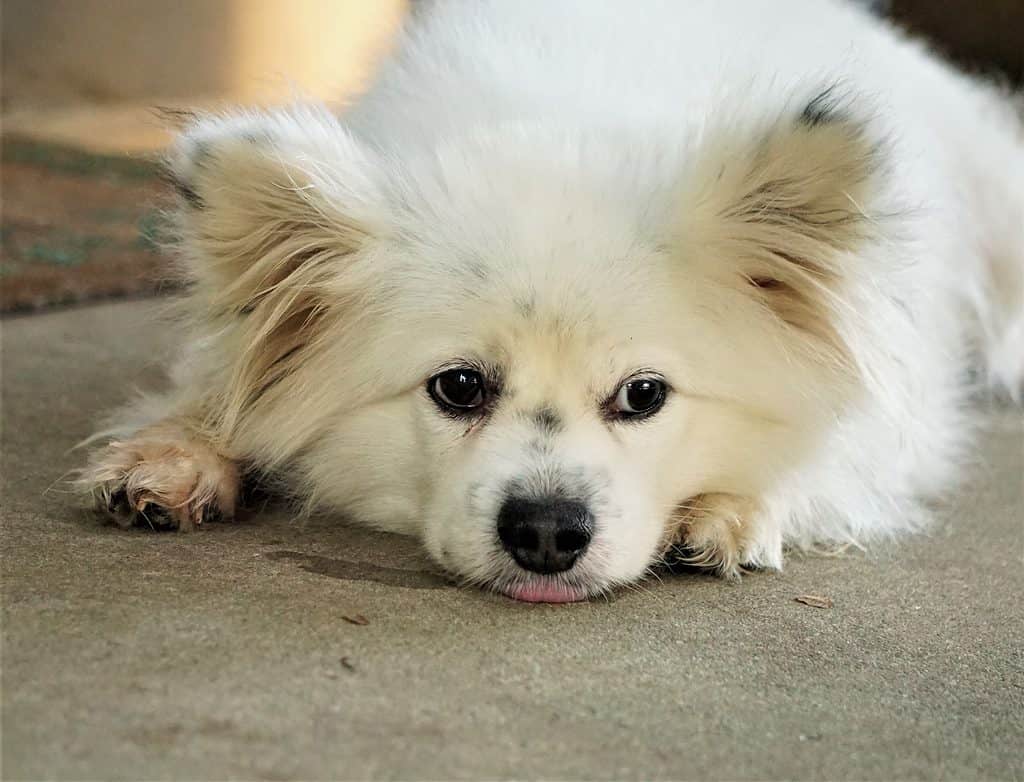
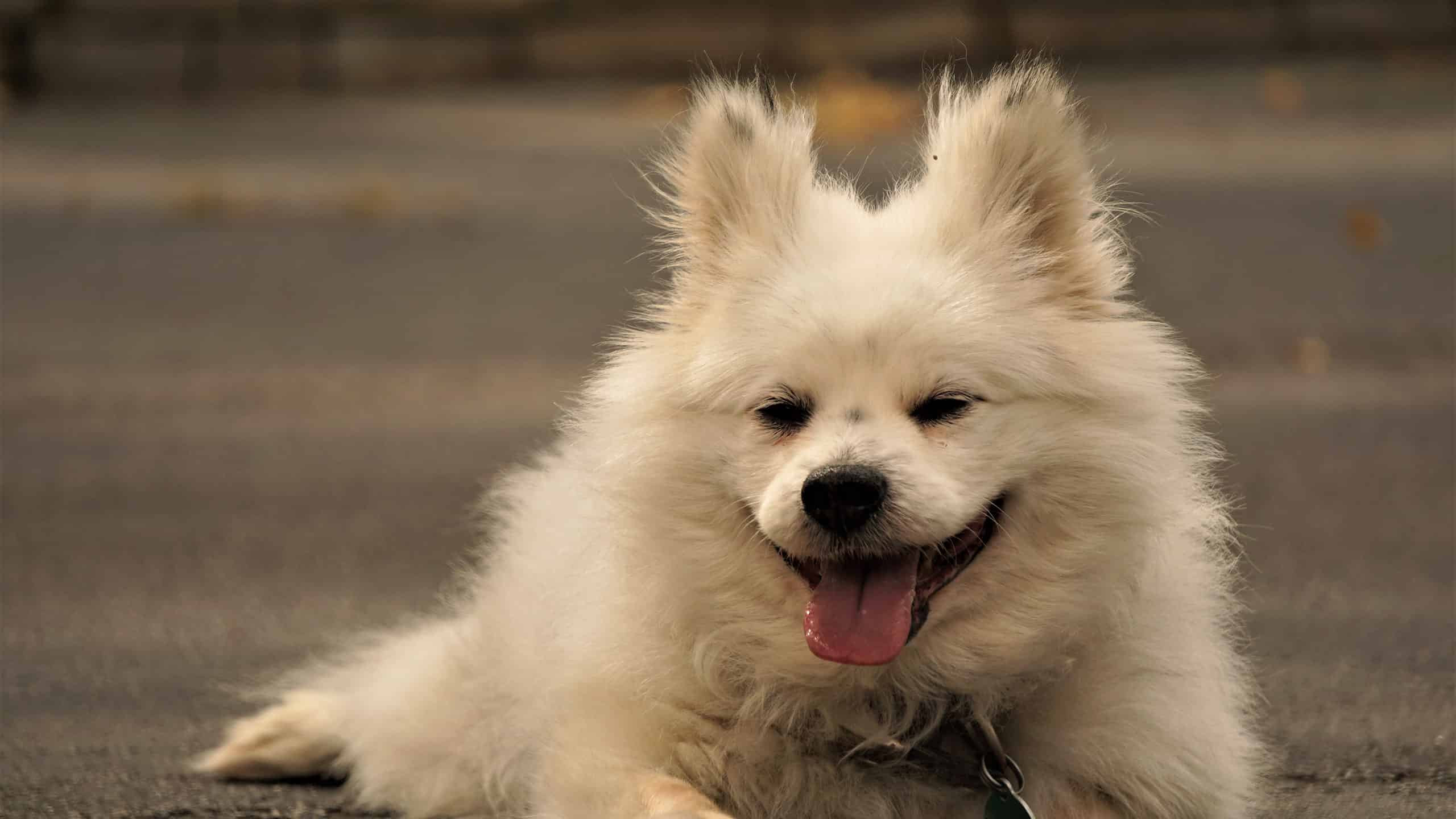
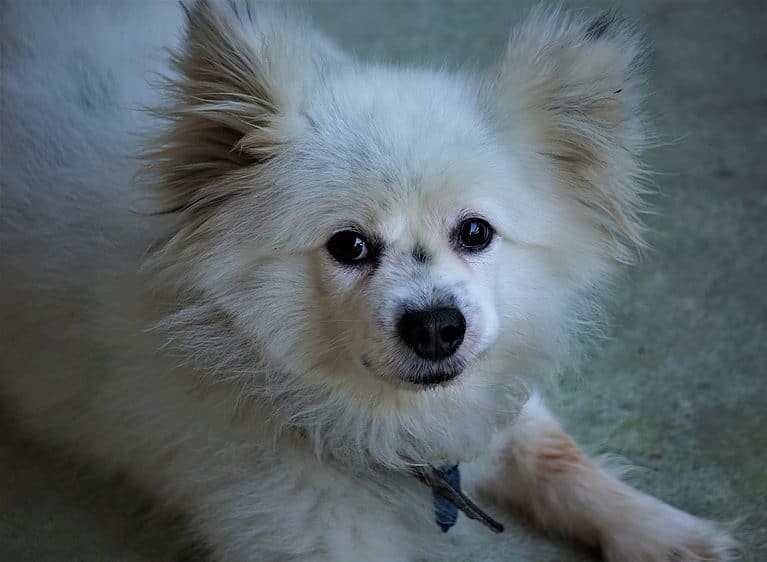
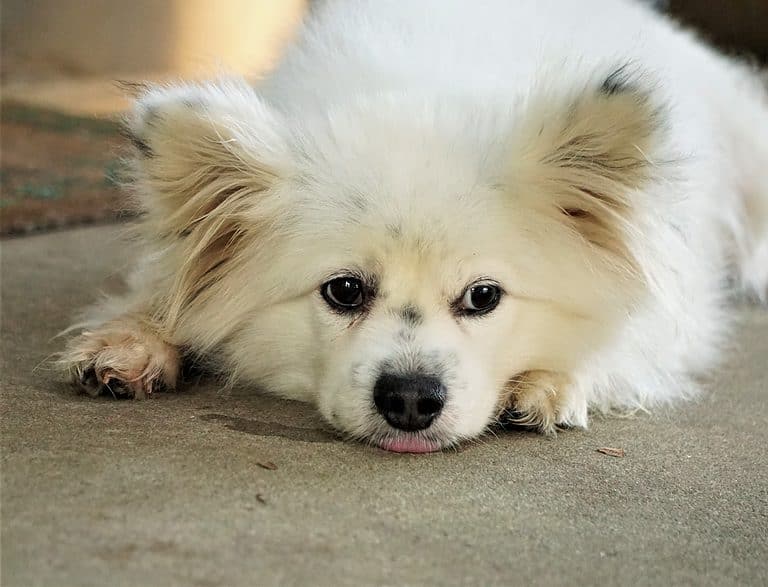
A Maltipom lying on cement

As a designer breed between the Maltese and Pomeranian, the Maltipom is a small dog.

The Maltipom is a designer toy breed. Its parents are the Maltese and the Pomeranian, making the Maltipom a tiny dog. There is little difference between the sizes of females and males. They stand between 7 and 8 inches at the shoulder and weigh between 3 and 8 pounds.

Common Health Issues

Due to its status as a hybrid breed, the Maltipom is relatively healthy, though it may be susceptible to problems experienced by its parent breeds. As a newer breed, there is not much data on its health yet. Some issues to look out for include: patent ductus arteriosus (PDA), a congenital heart defect that can be diagnosed in puppies; hip dysplasia, which is a common joint problem suffered by many dogs; patellar luxation, a problem with slipping kneecaps that can be less likely if the dog is not made to do an activity which can stress the knees or jumping from a high place; skin problems which can be treated with proper grooming and veterinary care; finally, there may be a tendency to hypothyroidism which can be treated with veterinary care and medication.

Temperament

The Maltipom is an affectionate, gentle companion dog. It also has a lot of playful and alert energy, making for an entertaining yet vigilant pet. Eager to please, this delightful bundle of fur is highly trainable and wants to spend time with its favorite person, following them from room to room, sitting on their lap, and playing indoor games. The Maltipom is an excellent choice for families and individuals in small homes, though its barking may not make it the best for apartments. It likes children but is nervous and potentially nippy around younger children due to the Maltipom’s small frame and the tendency of small children to handle a pet too roughly.

How To Take Care of Maltipom  

Maintenance And Grooming

To keep your Maltipom’s coat looking its best, spray it with water and wipe it down if it gets dirty. Brush your Maltipom’s coat every day. To prevent tear staining, use pet wipes around the eyes. Also, only bathe your Malti when it’s needed. In the meantime, use dry shampoo to stretch the time between baths. When grooming your dog, check its ears, as its hair tends to trap dirt and debris. You may need to trim its coat a little if it is like the Maltese. Shedding can occur if the coat is more like the Pomeranian’s.

Trim your Maltipom’s nails when they begin to get too long. Also, brush its teeth at least 2 to 3 times a week. If you don’t brush them daily, you can use special chew toys to clear plaque buildup.

Training 

When it comes to training, the Maltipom is a joy. Just like both its parents, the Maltipom loves to please. Training should include common commands like “come,” “stay,” and especially “quiet,” as the Maltipom is a very vocal dog. Socialization should also be high on the list because these dogs have a territorial sense and “small dog syndrome.” They have a dominant personality, which should be tempered with obedience and socialization training. Be firm and consistent in handling the dog, and you should have a very loving pet.

Exercise

Maltipoms are active dogs but don’t have much endurance; they move in short, energetic spurts. A 30-minute walk is suitable for daily activity, and you should include a lot of play and exercise. You can split up playtime between indoor play, training, and time at dog parks, which is also suitable for socialization. If you have a fenced-in yard, supervise your Maltipom’s play; these small dogs are at risk of being taken by birds of prey, coyotes, and other predators. Also, avoid exercising your dog in extreme temperatures; Maltipoms are sensitive to heat and cold. Play and exercise time is good for them because a lack of it can contribute to weight problems. Finally, a lack of mental and physical stimulation can result in barking, chewing, and other negative behaviors.
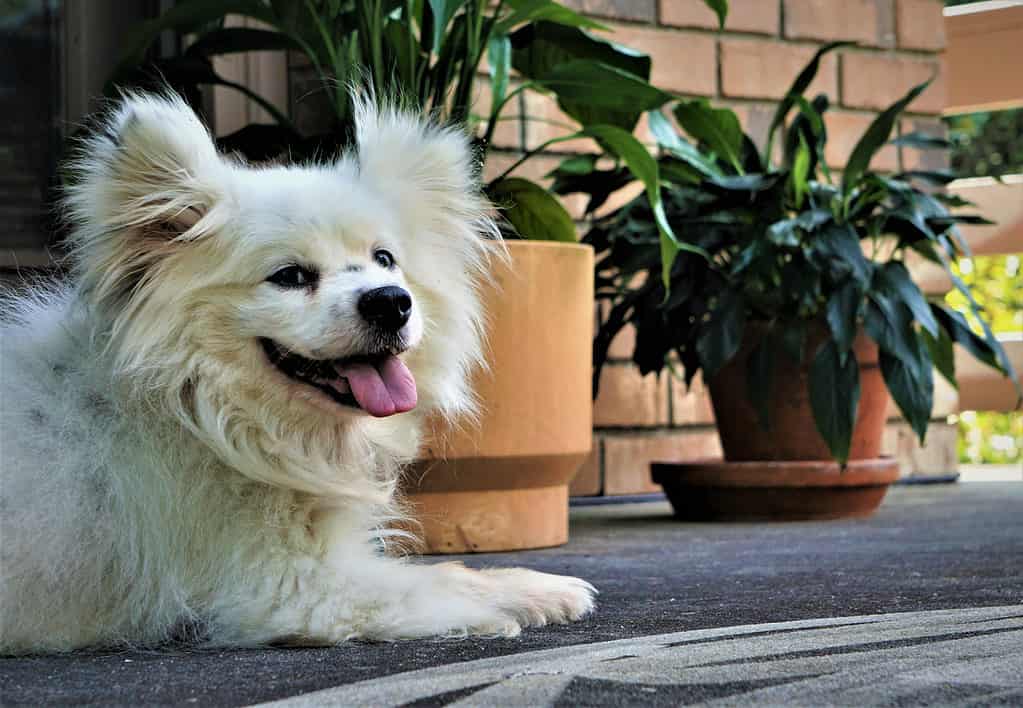
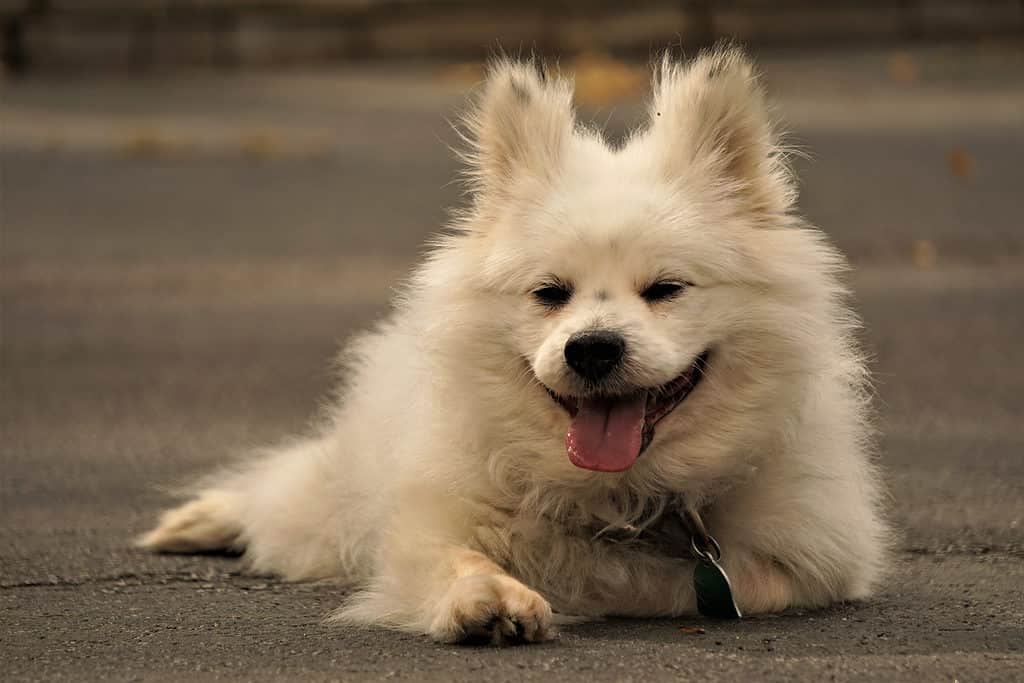
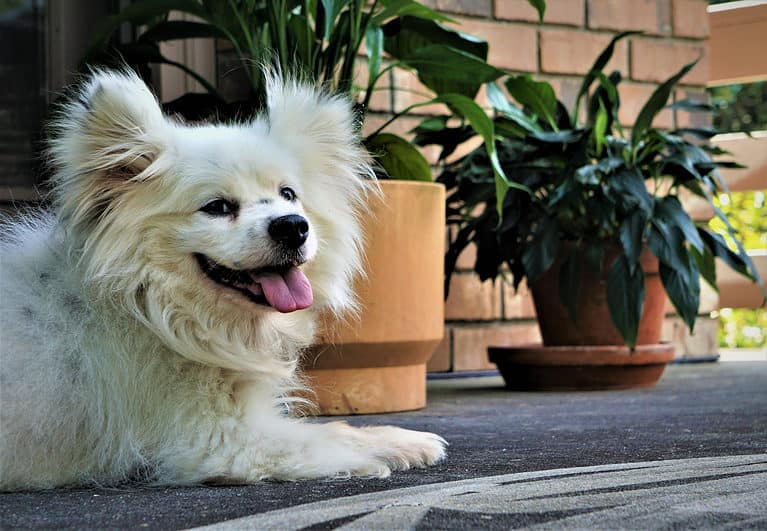
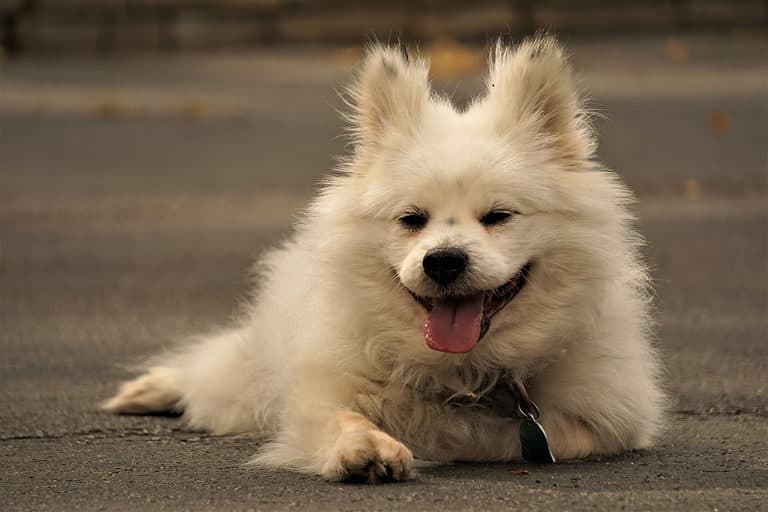
A Maltipom lying down

Maltipoms do not need a lot of exercise, but would appreciate a play session.

Maltipom Puppies

Puppies should begin socialization after being brought home to combat their territorial and dominant tendencies. This sounds funny for a small dog, but Maltipoms don’t always believe they’re small. Paradoxically, Maltipoms can become anxious around strangers and small children, so socialize them early. Small children can easily hurt these tiny puppies, so don’t allow them to play together unsupervised. Don’t let the puppies play too roughly, and don’t force them to engage in intense physical activity; their little bodies are fragile early on. Though they are trainable and eager to please, Maltipoms are challenging to housetrain because of their small bladders. Crate training and the use of puppy training pads are recommended. Finally, breeding Maltipoms is not a predictable science. One cannot predict the puppy’s appearance because even puppies in the same litter will look different.

Maltipom And Children

Maltipoms love children, but they are fragile dogs and can feel threatened by rough handling from small children. Socialization of Maltipoms with children should begin early, and children should be trained to handle the dogs gently.

Dogs Similar to Maltipom

The dogs most similar to the Maltipom are the two parent breeds.

  • Maltese: The Maltese is a companion dog with the coat that Maltipom owners covet: a long, silky coat with little shedding or dander. It also has the calm demeanor to temper the fiery disposition of the Pomeranian.
  • Pomeranian: A Spitz-type dog, the Pomeranian is bold and unafraid to challenge larger animals. This gives the Maltipom its territorial disposition. The Maltipom can also get the Pom’s fox-like ears.
View all 329 animals that start with M

Sources

  1. Global Dog Breeds / Accessed December 1, 2022
  2. K9 Web / Accessed December 1, 2022
  3. Pet Guide / Accessed December 1, 2022
  4. Pet Premium / Accessed December 1, 2022
  5. Wag Walking / Accessed December 1, 2022
  6. Wag Walking / Accessed December 1, 2022

  7. Wag Walking / Accessed December 1, 2022
Rob Amend

About the Author

Rob Amend

Rob Amend is a writer at A-Z Animals, primarily covering meteorology, geology, geography, and animal oddities. He attained a Master's Degree in Library Science in 2000 and served as reference librarian in an urban public library for 22 years. Rob lives in Cincinnati, Ohio, and enjoys spending time with his family, hiking, photography, woodworking, listening to classic rock, and watching classic films—his favorite animal is a six-foot-tall rabbit named Harvey.

Thank you for reading! Have some feedback for us?


Maltipom FAQs (Frequently Asked Questions)

The Maltipom is a designer toy breed. It only reaches a height of 7-8 inches and a weight of 3-8 pounds.