


Quick Take
- A missing breed standard creates extreme physical permutations that complicate traditional ownership expectations.
- Despite their Arctic reputation, these dogs require specific European genetic crosses to reach peak performance.
- Starting professional training at exactly 8 weeks is necessary to bypass inherent headstrong tendencies.
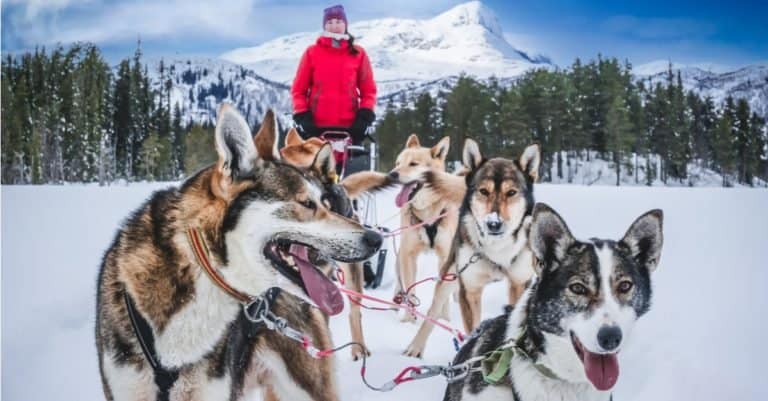
The Alaskan Husky is an athletic working dog that arose from a cross between several similar yet distinctive breeds, developed in the 20th century by crossing various northern and European breeds for sled racing and working purposes. Genetically, it’s a close relative of the Alaskan Malamute and the Siberian Husky. It was later crossed with a few European breeds, including German pointers and the Saluki. Some of these animals even have some recent wolf heritage. It was bred to perform specific tasks needed in areas of Alaska and Canada, like transportation, hauling logs, sled racing, and delivering supplies to remote locations.
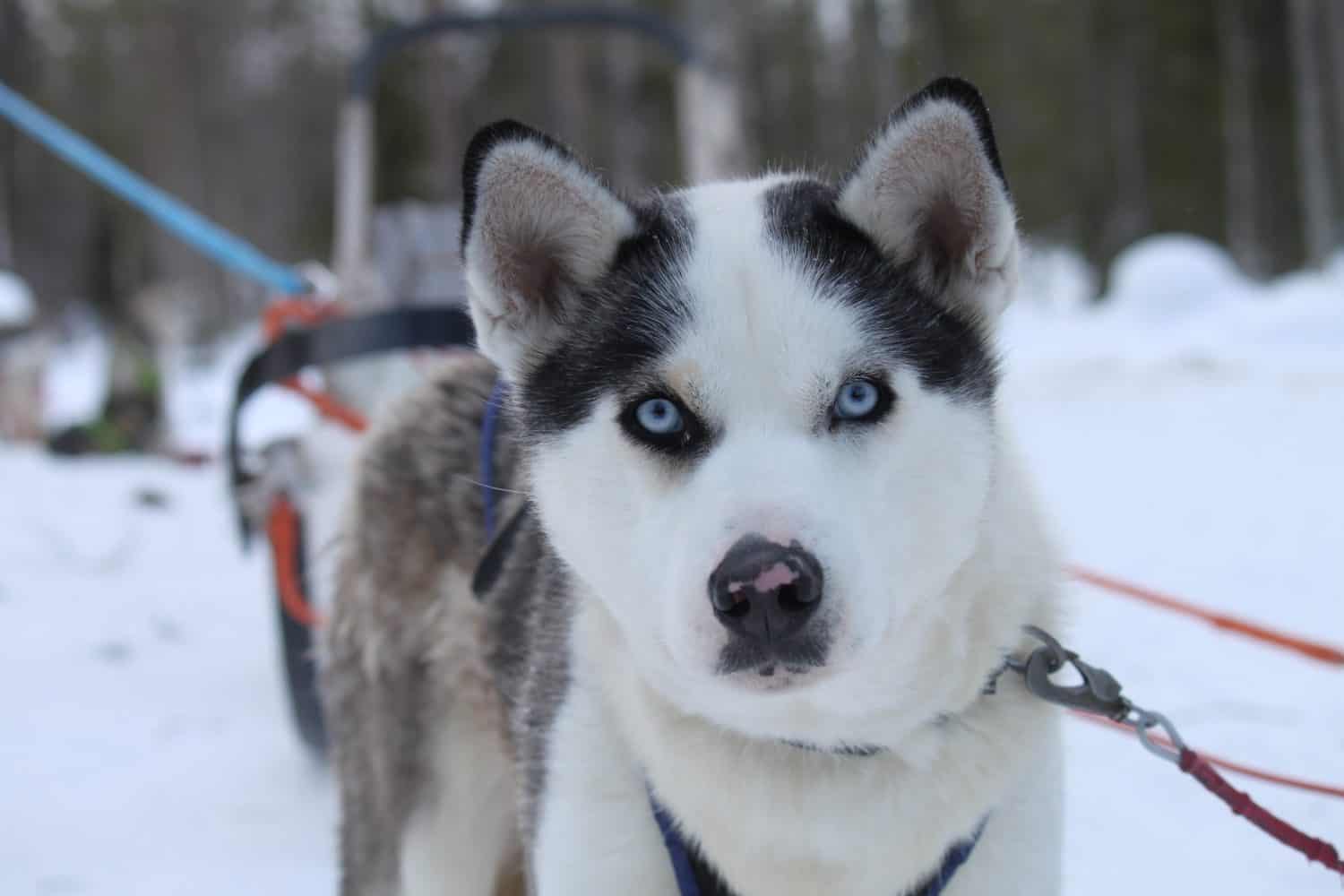
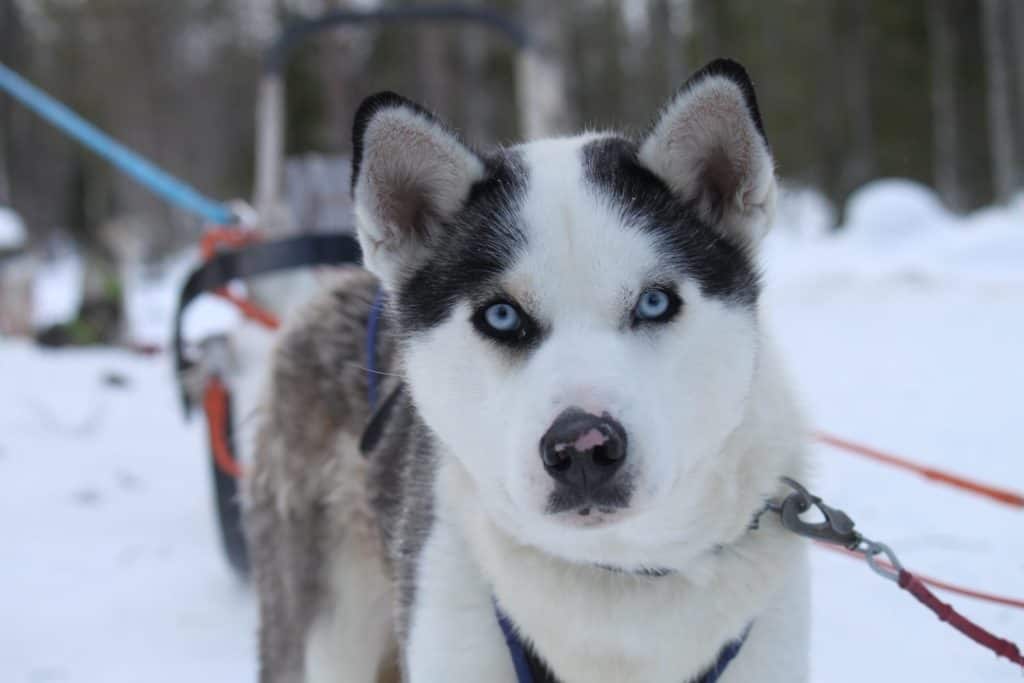
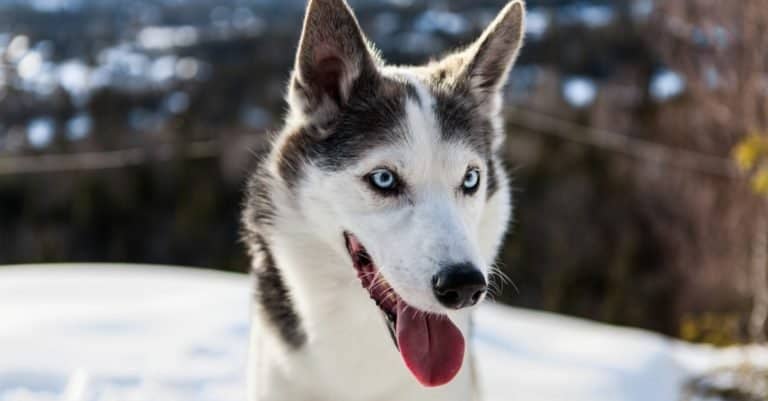
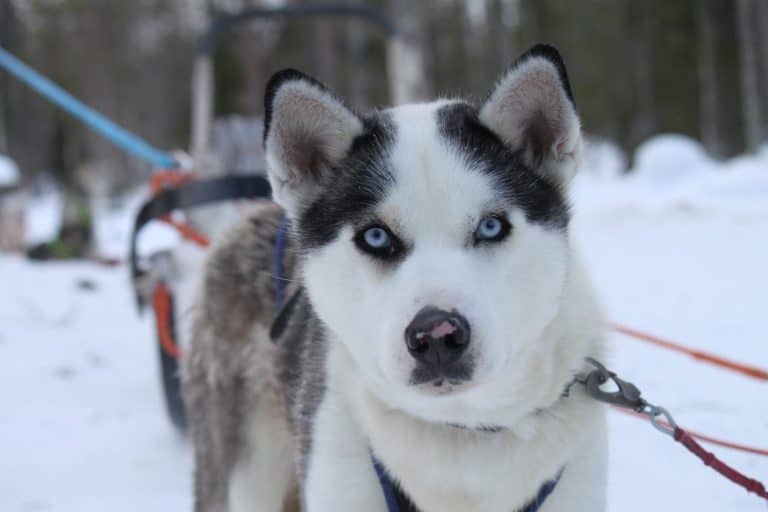
Capable of enduring the harsh climates of the frigid north, the Alaskan Huskies are excellent sled dogs and companions that belong to the spitz group. The spitz dogs are characterized by thick double coats, pointed ears, long muzzles, and curled tails. However, because there isn’t a set breed standard, the Alaskan Husky can come in many different physical permutations and characteristics. They’re bred for speed and endurance, not for looks. As a result, they need to have an efficient gait, a warm double coat, and webbed feet that act as snowshoes. It’s also covered with a mixture of white, black, gray, brown, and even red fur.

Alaskan Husky Vs. Siberian Husky
The Alaskan Husky resembles its Siberian relatives in many respects, including its strength and its friendly behavior, but physically it looks quite different as a result of recent crosses with European dogs. It tends to be slightly larger and leaner than the Siberian Husky with a much wider range of fur colors and patterns.
Alaskan Husky Vs. Alaskan Malamute
The Alaskan Husky is not quite as large as the Alaskan Malamute, but it still retains many of the same characteristics, including its athletic body, friendly nature, and intelligent mind.
3 Pros And Cons Of Owning An Alaskan Husky
| Pros | Cons |
|---|---|
| Strong and Athletic The Alaskan Husky is a great exercise companion and hard worker. | High Intensity This dog has a voracious need for exercise. It is probably not suited for apartment living. |
| Friendly and Affectionate This dog will form a deep bond with its owner. | Headstrong This dog can be a little stubborn at times. |
| Intelligent and Trainable The Alaskan Husky can learn lots of different human commands. | Needy The Alaskan Husky needs a lot of attention from its owner. |
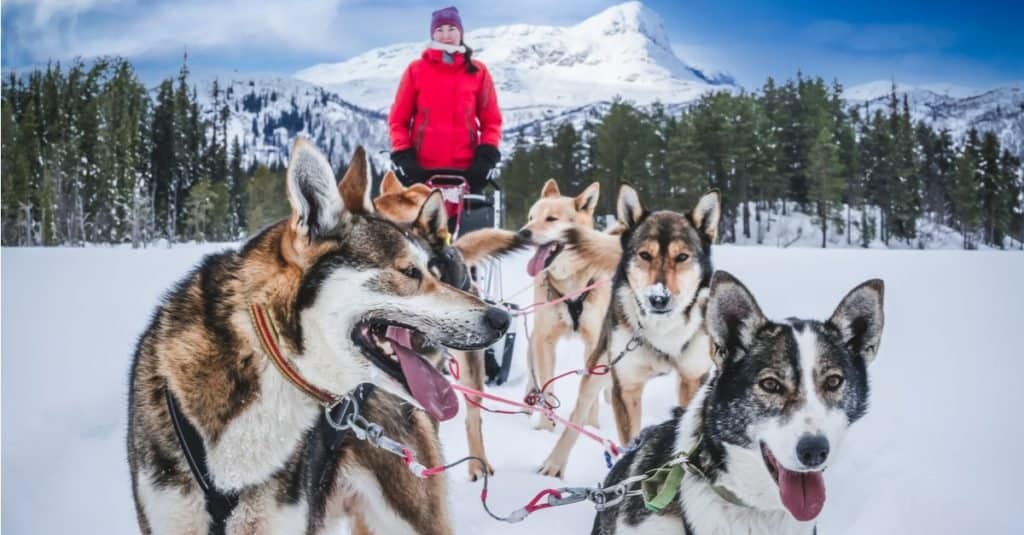
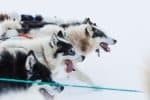
Alaskan husky sled dogs are ready to go into the Arctic mountain wilderness.
©iStock.com/HenrikNorway
Size And Weight
The Alaskan Husky is a medium to large animal with an athletic body. It has clearly been bred for speed and endurance, but it also needs to be strong enough to pull a sled over great distances. Because there are no breed standards, the Alaskan Husky can come in a large variety of different sizes. The weight of males and females ranges from 35 to 65 lbs., while they stand 23 to 26 inches tall.
Common Health Issues
Despite being generally healthy, with an average lifespan of 10 to 15 years, the Alaskan Husky may be at risk of several health conditions, including hypothyroidism, progressive retinal atrophy, and other common eye disorders, obesity, cancer, a congenital deformation of the larynx (which results in wheezing), and a set of rare metabolic disorders called lysosomal storage disease.
It’s always a good idea to ask your breeder to provide proof or certification that their dogs have been tested for common issues. This will not necessarily prevent any health problems from arising, but when combined with regular checkups at the vet, it will give your dog a better chance at a high-quality life.
Temperament
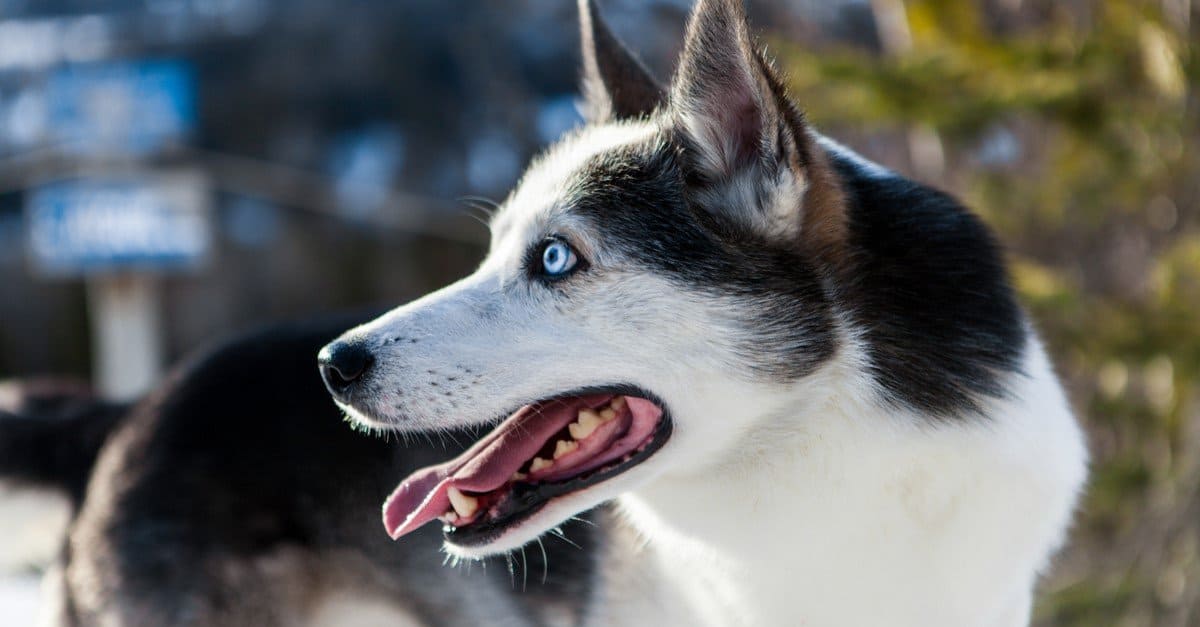
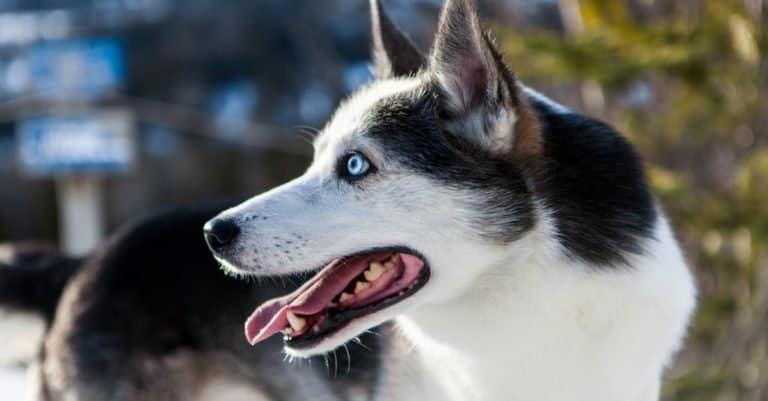
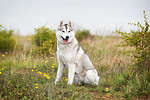
Alaskan huskies form strong bonds with both people and other dogs.
©Valmedia/Shutterstock.com
The Alaskan Husky has many personality traits specifically bred for its original purpose as a sled dog. Still, you don’t need to be a sled racer to enjoy these fascinating dogs. Because they work together in large teams, Alaskan Huskies need to get along very well with people and other dogs or animals. They form strong bonds with both.
Built for speed and endurance, they also need plenty of room in which to run and play, so they are not very well-suited for apartment living. Alaskan Huskies have a curious and playful nature, sometimes shading into the rambunctious. They can even test the patience of the most understanding owner, especially if the dogs feel bored or ignored. They need almost constant mental or physical stimulation to be satisfied. Owners should prepare to spend a lot of time with this dog.
How To Take Care Of The Alaskan Husky
The Alaskan Husky is probably not suitable for novice or casual dog owners. They need an experienced and engaged owner who has the time and ability to care for their considerable needs. If you have any other questions or concerns about owning this mix, then you should consult with your vet.
The Best Dog Food
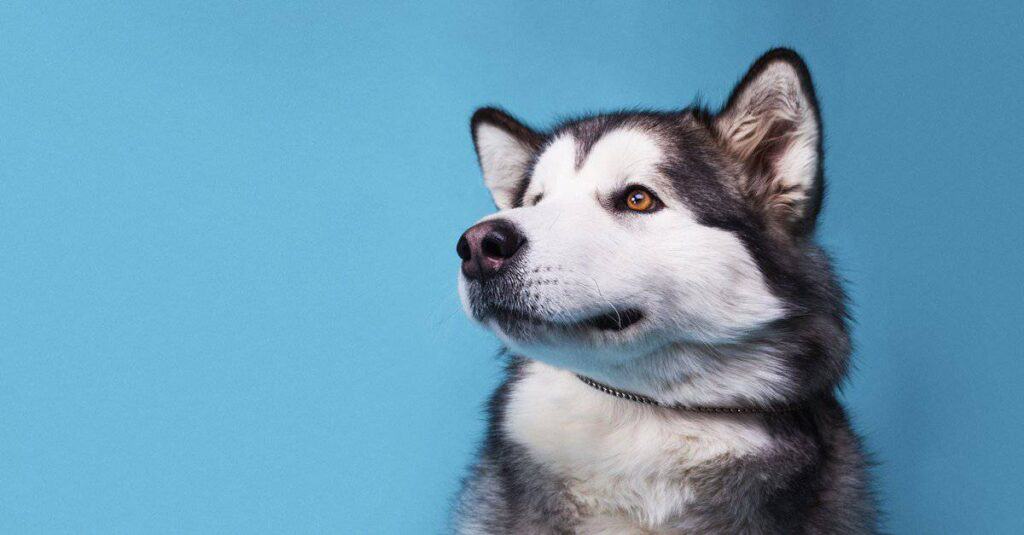
Alaskan huskies tend to hypothyroidism, and snacks should be kept to a minimum.
©Elena Sherengovskaya/Shutterstock.com
An active Alaskan Husky needs to be fed high-quality food, preferably high in both protein and fat. The amount of food depends on its size, age, and activity level. Given its tendency for hypothyroidism and obesity, owners should limit the number of snacks and opt for food that helps build and maintain lean muscle through exercise.
Maintenance And Grooming
These dogs have a thick double coat that will need to be groomed at least once or twice a week to remove loose hair and prevent matting. Once the shedding season begins, you may need to brush the dog once a day. This should be complemented with the occasional ear cleaning, good dental hygiene, and regular nail trimming if the nails start to get out of control.
Training

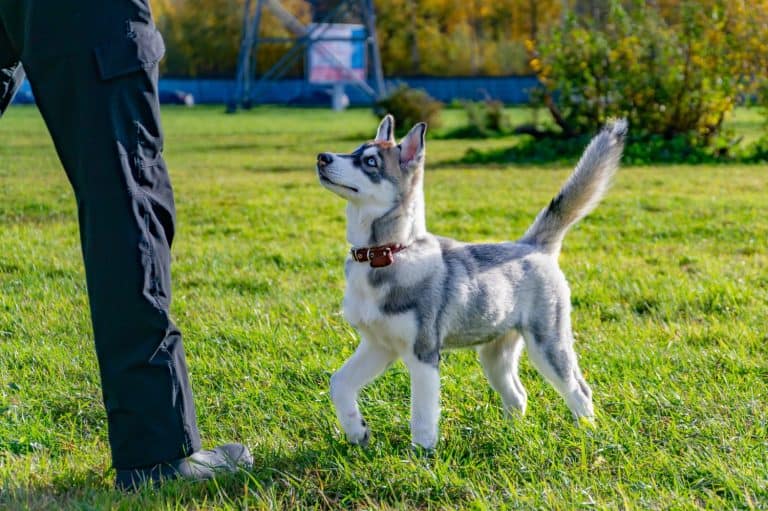
It’s a good idea to start training your Alaskan Husky at an early age.
©iStock.com/kali9
With the speed at which it can learn human commands, it might surprise you to learn that these dogs can be a little headstrong and stubborn. It’s a good idea to start training this dog immediately, as soon as it’s eight weeks old, when it’s the most malleable and trainable. If you wait until it’s more than six months old, then it’s likely to be more difficult to train. Positive and patient reinforcement methods work best to coax your dog into accepting its training.
Exercise
These dogs are not for the faint of heart. This is a strong, athletic dog with amazing endurance. After all, it was bred for the very purpose of pulling heavy sleds through the snow. The dog will require at least an hour of exercise every single day, but slow walks alone will not suffice. This dog needs to engage in plenty of free running, hiking, sports, games, and other strenuous activities. It’s not necessarily a good idea to let your dog off the leash, because it does tend to wander and explore. A fenced yard is very useful to control these natural tendencies.
Puppies
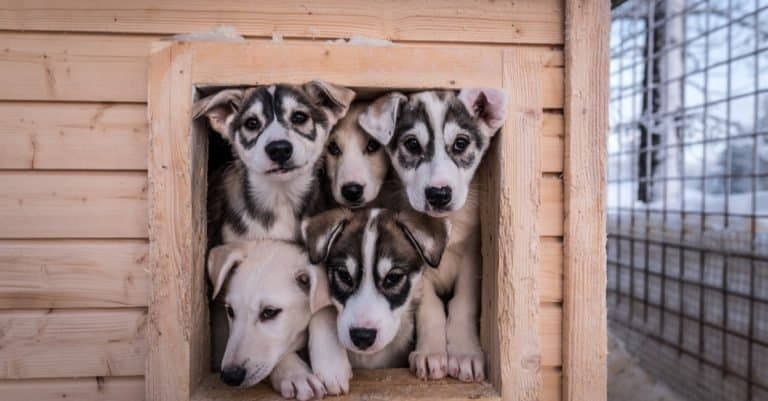
As mentioned previously, a puppy needs to undergo training and socialization as early as possible. Starting around 10 to 12 weeks old, doggy classes or daycare are ideal places to familiarize your dog with lots of new faces and situations so it can become a well-adjusted adult. Just make sure your puppy has received all of the necessary vaccines first before it interacts with other dogs. Crate training, though not strictly necessary, is also a good option to deal with early anxiety and house training issues.
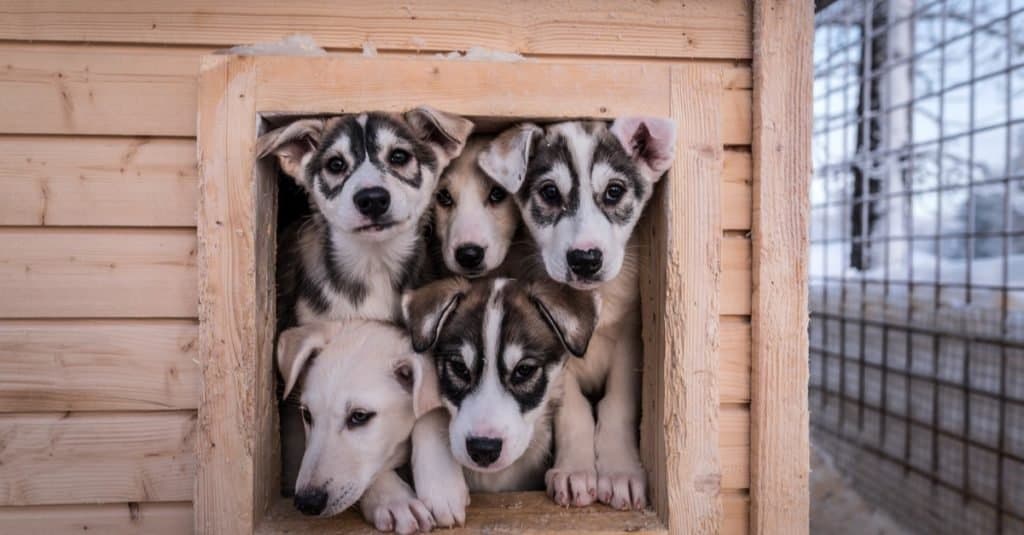
Alaskan husky puppies should begin doggy classes at 10-12 weeks.
©Jana Caposova/Shutterstock.com
The Alaskan Husky And Children
These dogs are a great choice for families with children. Their friendly and playful nature will appeal to people of all ages.
Dogs Similar To The Alaskan Husky
If you’re a fan of spitz-type sled dogs, then you might want to check out the following breeds:
- Canadian Eskimo Dog: This powerful and athletic sled dog fits the traditional mold of a spitz: it has erect ears, a curved tail, and a thick white coat with a variety of different black or brown markings. However, this breed might be hard to find in the United States. It’s recognized by the Canadian Kennel Club but not the American Kennel Club.
- Samoyed: Originating from the Samoyedic people of Siberia, this big, fluffy all-white spitz was bred for herding, hunting, and sledding. Today, these friendly, playful dogs, whose mouths always appear to be arched in a smile, make for great companions in the home.
- American Eskimo Dog: These fluffy all-white dogs, which actually originated from Germany (but, due to anti-German sentiment during World War I, had their name changed), were bred more as companions than as working dogs. They have a bright, upbeat temperament and a smart, playful personality.
Famous Alaskan Husky Dogs
These dogs have become popularized as the dog of choice in sled races. Dallas Seavey, who has won the Iditarod sled race five times, has a team composed of many Alaskan Huskies, including the lead dog on the winning 2021 team, Gamble.
Alaskan Husky Pictures
View all of our Alaskan Husky pictures in the gallery.

Valmedia/Shutterstock.com
Sources
- Wagwalking / Accessed July 2, 2021
- Vetstreet / Accessed July 2, 2021