









L
Species Profile

LaMancha Goat

Capra aegagrus hircus

Big milk energy, tiny ears
iStock.com/ANGHI

LaMancha Goat Distribution

Click a location to explore more animals from that region

Origin Location

This map shows the native origin of the LaMancha Goat. As a domesticated species, they are now found worldwide.

Loading map...

Found in 1 country

Size Comparison

Human 5'8"
LaMancha Goat 2 ft 7 in

LaMancha Goat stands at 45% of average human height.

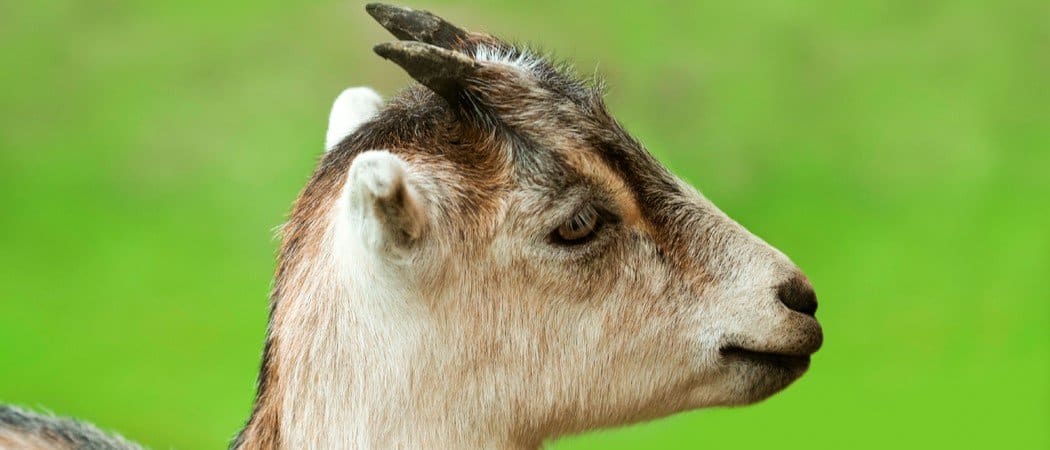
LaMancha Goat close-up

At a Glance

Domesticated
Also Known As La Mancha, Lamancha, La-Mancha, Spanish La Mancha, short-eared goat, elf-eared goat, gopher-eared goat
Diet Herbivore
Activity Diurnal+
Lifespan 10 years
Weight 90 lbs
Status Not Evaluated
Did You Know?

LaManchas are a standardized U.S.-developed dairy breed; their hallmark is extremely short external ears.

Scientific Classification

The LaMancha goat is a standardized domestic dairy goat breed, best known for its very short external ears (“gopher” or “elf” ear types) and good milk production. As a domesticated form, it belongs to the domestic goat, typically treated taxonomically as Capra aegagrus hircus (a domesticated lineage of the wild goat Capra aegagrus).

Kingdom
Animalia
Phylum
Chordata
Class
Mammalia
Order
Artiodactyla
Family
Bovidae
Genus
Capra
Species
Capra aegagrus

Distinguishing Features

  • Extremely short external ears (breed hallmark; commonly described as “gopher” or “elf” ears)
  • Dairy-type conformation and use primarily for milk production
  • Domestic coat-color variation typical of many goat breeds

Physical Measurements

Males and females differ in size

Height
2 ft 9 in (2 ft 6 in – 2 ft 12 in)
2 ft 5 in (2 ft 4 in – 2 ft 7 in)
Length
4 ft 8 in (4 ft – 5 ft 3 in)
Weight
198 lbs (154 lbs – 243 lbs)
130 lbs (130 lbs – 150 lbs)
Tail Length
6 in (5 in – 7 in)
6 in (5 in – 7 in)
Top Speed
19 mph
running

Appearance

Primary Colors
Secondary Colors
Skin Type Mammalian skin with short, sleek hair coat; skin pigmentation varies with coat color.
Distinctive Features
  • Domestic dairy goat breed (Capra aegagrus hircus), not a separate wild species or subspecies.
  • Signature extremely short external ears: 'gopher' (very short, no cartilage) or 'elf' (small, slight cartilage).
  • Dairy conformation: angular build, capacious barrel, and well-attached udder in does; selected for milk production.
  • Typically calm, manageable temperament; suited to hand-milking and small-farm management.
  • Ear type is a key identifier in registration/selection; gopher ears are the hallmark, especially for bucks.
  • Health concerns: standard caprine risks-internal parasites, foot rot, pneumonia, and mastitis in lactating does.
  • Biosecurity concerns common to dairy goats: CAE, CL, and Johne's disease; test-and-cull or closed-herd practices recommended.
  • Care needs: routine hoof trimming, parasite control (fecal-based), adequate copper/mineral nutrition, and clean milking hygiene.
  • Polled trait may occur; avoid polled-to-polled matings due to higher risk of reproductive anomalies.
  • Short ears can make visible ear tags difficult; use alternative identification methods when needed.

Sexual Dimorphism

Bucks are generally larger and more muscular with thicker necks and stronger odor in rut, often showing heavier horns. Does are finer-boned with prominent udder development and a more angular dairy form.

  • Larger body size and heavier muscling, especially forequarters and neck.
  • More pronounced rut odor and thicker skin/cresting in breeding season.
  • Horns often thicker/longer when horned; can also be polled.
  • More refined, angular dairy build; wider pelvis relative to body size.
  • Well-developed udder and teat structure in milk-producing lines.
  • Generally smaller head/neck and less pronounced secondary sexual traits.

Did You Know?

LaManchas are a standardized U.S.-developed dairy breed; their hallmark is extremely short external ears.

Two ear types are recognized: "gopher" (very short, little/no cartilage) and "elf" (slightly longer with some cartilage).

Despite the ear size, hearing is normal-the external pinna is reduced, not the inner ear.

Their milk is commonly noted by keepers for a mild flavor; like all goats, taste depends heavily on diet and buck management.

Because ears are so small, standard ear tags may not fit; tattoos or collars are often used for identification.

They are generally considered people-oriented, making them popular in small dairies and 4-H projects.

Goats (Capra aegagrus hircus) are ruminants; LaManchas share the 4-chambered stomach that lets them turn fibrous plants into milk.

Unique Adaptations

  • Reduced external ear pinnae ("gopher/elf" ears) are the breed's signature distinction from the broader domestic goat population; it's an anatomical trait, not a separate species.
  • Hardy, efficient ruminant digestion shared with Capra aegagrus hircus enables good conversion of forages into milk; proper fiber intake supports rumen health.
  • Dairy conformation selection: LaManchas have been selectively bred for udder attachment and productive lactations (breed purpose), distinguishing them from meat or fiber lines.
  • Management adaptation: because ear tagging can be difficult, many LaMancha herds standardize alternative ID (tattoos, microchips, neck collars), shaping common husbandry practices.

Interesting Behaviors

  • Curious browsing and selective eating: like other domestic goats, LaManchas prefer to nibble leaves, weeds, and shrubs rather than graze like sheep.
  • Social, herd-minded routines: they form stable pecking orders and often move as a group, calling to locate herd mates.
  • Climbing and balance play: many enjoy perching on platforms, rocks, or hay bales-normal caprine exploration behavior.
  • Milk-stand learning: dairy LaManchas often become very routine-driven and will line up for milking when trained with consistent handling.
  • Vocal communication: does and kids use distinct bleats; individuals may "talk" more when separated or anticipating feed.

Cultural Significance

The LaMancha goat (Capra aegagrus hircus) is linked to American homesteads and small dairies. A practical dairy goat that helped home cheesemaking, its tiny ears are a mark at shows and youth farm programs, showing goats fit many farm sizes.

Myths & Legends

Naming lore links the breed to "La Mancha," the Spanish region made famous by Don Quixote; early U.S. breeders used the name to evoke Spanish-type goats and a romantic Iberian association.

Breed-origin anecdotes often mention short-eared goats seen in Spanish-influenced areas (e.g., Mexico/California) as inspiration; the story persists in goat circles as the seed of the American LaMancha's development.

At shows, LaMancha goat tiny ears are a proud mark. Long-time breeders tell a joking myth: "You can't lose an ear tag if you don't have ears," passed along in dairy-goat circles.

Conservation Status

NE Not Evaluated

Has not yet been evaluated against the criteria.

Population Stable

Life Cycle

Birth 2 kids
Lifespan 10 years

Lifespan

In the Wild
6–15 years
In Captivity
8–18 years

Reproduction

Mating System Polygyny
Social Structure Managed Domestic
Breeding Pattern Seasonal
Fertilization Managed Selective
Birth Type Internal_fertilization

Under farm management, one buck is typically bred to multiple LaMancha does during the seasonal rut. Pair bonds are not maintained; mating is brief and repeated across estrous cycles, and dams primarily rear kids with routine human husbandry support.

Behavior & Ecology

Social Herd Group: 10
Activity Diurnal, Crepuscular
Diet Herbivore Browse and high-quality alfalfa hay (common preference in dairy LaManchas, especially when milking)

Temperament

Breed context (HUBS): Domestic goats are highly social, herd-bound, and form clear dominance hierarchies; intensity varies by space, sex, and management.
LaMancha distinguishing traits: typically calm, steady, and people-oriented for a dairy breed; many adapt well to routine handling and milking.
Curious, food-motivated, and opportunistic; will investigate and test gates, latches, and fences together.
Generally tolerant within stable groups; pushing, head-butting, and displacement occur around feeders and preferred resting spots.
Seasonal variation: bucks become more odorous, vocal, and assertive in rut; does may be restless in estrus.
Care/management needs: companionship is essential; isolation often increases calling, pacing, and fence-challenging behaviors.
Health/handling considerations: dairy-goat risks include mastitis, parasites, hoof issues, CAE/CL; LaMancha short ears complicate ear-tagging and can reduce visible ear-based signals.

Communication

Contact bleats to locate herd-mates or humans, especially at feeding and milking times.
Kid distress calls and doe maternal calls; intensity rises with separation or novel environments.
Buck grunts and blubbers during rut; increased vocal output with pheromonal displays.
Snorts and short alarm bleats when startled; group vigilance spreads quickly through the herd.
Body posture and movement: head-high stares, lateral displays, and shoulder pushes to assert rank.
Head butting, horn/forehead sparring, and mounting as dominance and reproductive signaling.
Scent marking and pheromones: bucks urine-spray, rub glands, and trigger flehmen responses.
Tail position, pawing, and facial tension signal arousal; LaMancha ear cues are subtler due to very short pinnae.
Affiliative behaviors: mutual grooming, close resting, and following behavior that reinforces bonds and reduces stress.

Habitat

Biomes:
Alpine Mediterranean Temperate Grassland Temperate Forest Boreal Forest (Taiga) Tundra Desert Hot Desert Cold Savanna Tropical Dry Forest Wetland Freshwater +6
Terrain:
Plains Hilly Mountainous Valley
Elevation: Up to 18044 ft 8 in

Ecological Role

Domestic grazer/browser and milk-producing livestock; functions as a managed primary consumer in agroecosystems rather than a wild ecological niche.

Vegetation management/brush control (targeted browsing reduces woody encroachment) Nutrient cycling via manure (fertility input for soils/compost) Fuel-load reduction in some managed landscapes (can help create firebreaks when properly controlled) Support of human food systems through dairy production (milk, cheese) Maintenance of pasture diversity when stocked and rotated appropriately (can suppress some weeds while promoting mixed swards)

Diet Details

Other Foods:
Pasture grasses Legumes Browse Forbs and weeds Mixed grass hay and alfalfa/legume hay Dairy goat concentrate Beet pulp and soy hulls Loose goat mineral mix and salt Water +3

Human Interaction

Domestication Status

Domesticated

The domestic goat (Capra aegagrus hircus), from the wild bezoar goat, was tamed in Southwest Asia over 10,000 years ago. The LaMancha is an American dairy breed made in the early 1900s, known for very short "gopher" or "elf" ears and steady milk and calm nature. People keep goats on farms, dairies, youth programs, brush control, research, and as pets.

Danger Level

Low
  • Butting or head impacts (especially intact males or territorial animals)
  • Kicks/stepping injuries during handling or milking
  • Bites or horn-related punctures (if horned)
  • Zoonotic and husbandry-related risks: ringworm (dermatophytosis), Q fever (Coxiella burnetii-higher concern around kidding/birth fluids), cryptosporidiosis, salmonellosis; allergens/dust exposure
  • Injury risk from improper restraint, overcrowding, or poorly designed fencing/shelters

As a Pet

Suitable as Pet

Legality: LaMancha goat (Capra aegagrus hircus) is usually legal as livestock or pet in many U.S. places but often needs local zoning rules, permits, limits, or may be banned. Check city, HOA, and state scrapie ID and health papers.

Care Level: Experienced

Purchase Cost: $150 - $600
Lifetime Cost: $6,000 - $20,000

Economic Value

Uses:
Dairy production Breeding stock and genetics 4-H/show and hobby farming Land management (brush control/targeted grazing) Manure/soil fertility
Products:
  • Milk (noted for good yield and generally mild flavor)
  • Cheese, yogurt, soap and other value-added dairy products
  • Kids (sale of offspring), semen/registered breeding services
  • Vegetation management services (in some regions)
  • Manure/compost for gardens and farms

Relationships

Related Species 7

Alpine ibex Capra ibex Shared Genus
Nubian ibex Capra nubiana Shared Genus
Markhor
Markhor Capra falconeri Shared Genus
Siberian ibex
Siberian ibex Capra sibirica Shared Genus
Spanish ibex Capra pyrenaica Shared Genus
Domestic sheep
Domestic sheep Ovis aries Shared Family
Domestic cattle
Domestic cattle Bos taurus Shared Family

Ecological Equivalents 4

Animals that fill a similar ecological role in their ecosystem

Domestic dairy goat Capra aegagrus hircus Same niche as LaMancha goats: managed small-ruminant browser-grazer used for household and commercial milk production; similar feeding ecology, housing, and herd management.
Dairy sheep Ovis aries Domestic dairy variety. Plays a similar role in pastoral dairy systems (milk/cheese), experiences similar small-ruminant husbandry and predator risks, but is more grazer-oriented than goats.
Dairy cattle Bos taurus Overlapping agricultural niche as milk-producing livestock; comparable milking hygiene, nutritional balancing, and mastitis-management concerns scaled to species.
Water buffalo
Water buffalo Bubalus bubalis Another dairy livestock species used in similar human-managed production systems; has comparable milk-processing end uses and herd-health management, though it differs in ecology and body size.

LaMancha goats are full-size dairy goats with a mild temperament.

Sometimes called American Lamancha or simply Lamancha, these goats are distinctive for their tiny ears. They are excellent milk producers, and their milk is highly nutritious.

For these reasons, LaMancha goats are among the most popular dairy goats in the U.S.
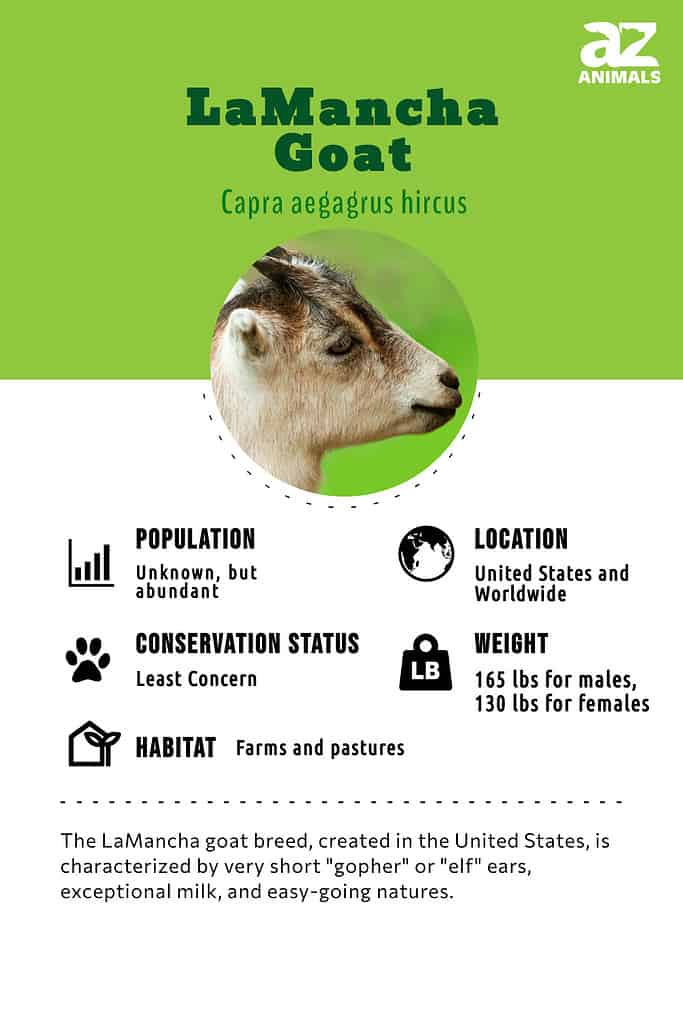
The LaMancha goat breed was developed in the United States in the 20th century.

History

The origin of LaMancha goats goes back to 18th-century Spanish missionaries, who brought small, hardy goats they called “LaMancha” to what is now the U.S. However, the LaMancha goat breed was developed in the 20th century in the United States by breeders who were airming for an adaptable goat breed that could put out a high volume of milk. LaMancha goats were the result of crossing French Alpine, Spanish (Murcian), Toggenburg, Oberhasli, and Nubian goats.

Eula Fay Frey was an American woman who went into goat farming after learning about the health benefits of goat’s milk. In 1937, she purchased a dairy farm in California that had two short-eared goats in its herd of 130. They were the descendants of the original LaMancha goats from Spain.

Frey discovered that these short-eared goats were excellent milk producers. After crossbreeding them with other goats, she created a large, docile, productive breed she named the American LaMancha goat. The breed became an official goat breed in 1960.

5 Amazing Facts About LaMancha Goats!

  • They were the first goat breed of U.S. origin.
  • Their mini ears come in two types: “gopher” ears and “elf” ears.
  • A LaMancha goat can produce ¾ of a gallon of milk a day.
  • They don’t have a strong “goaty” smell.
  • LaMancha goats make excellent pets.

Scientific Name

The LaMancha goat’s scientific name is Capra aegagrus hircus.

Types of LaMancha Goats

There are no subspecies of the Lamancha goat. There are generally two types of goats, as defined by their ears.

Gopher ears have a maximum length of 1 inch. Some are smaller and can have little or no cartilage. Gopher ears either thurn up or down. Only bucks with this kind of ear are eligible for registration. Elf ears have a max length of 2 inches, with the ends either turned up or down.

Appearance
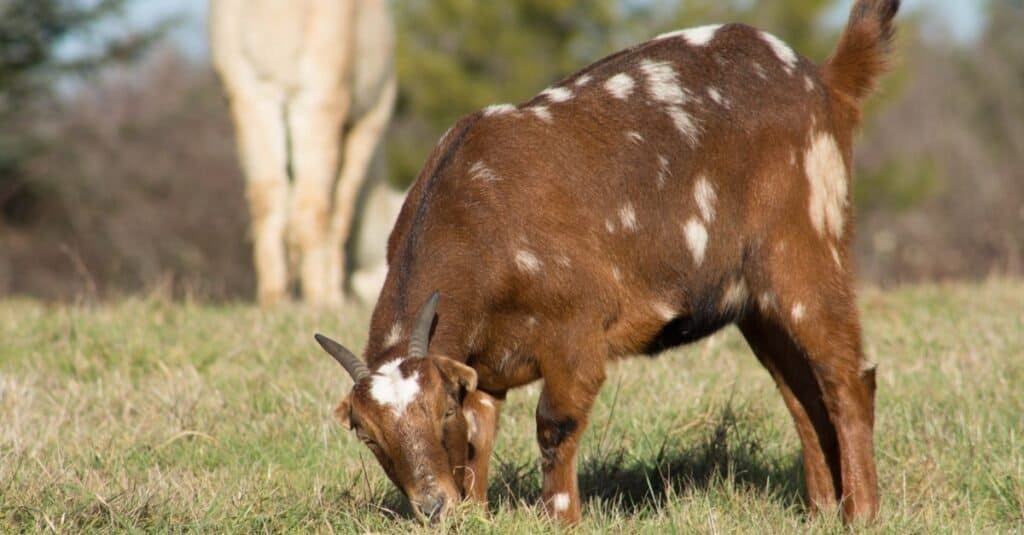
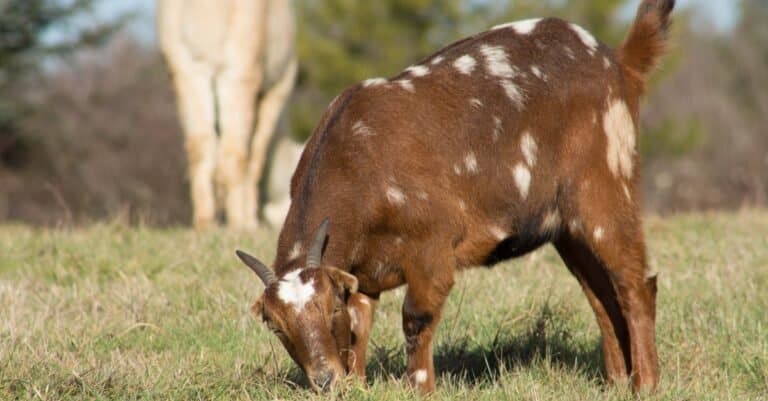
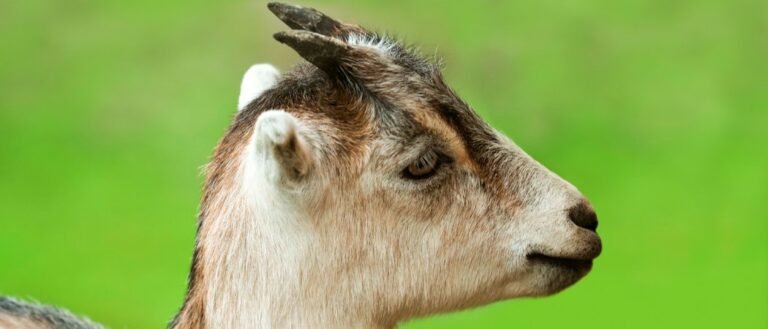
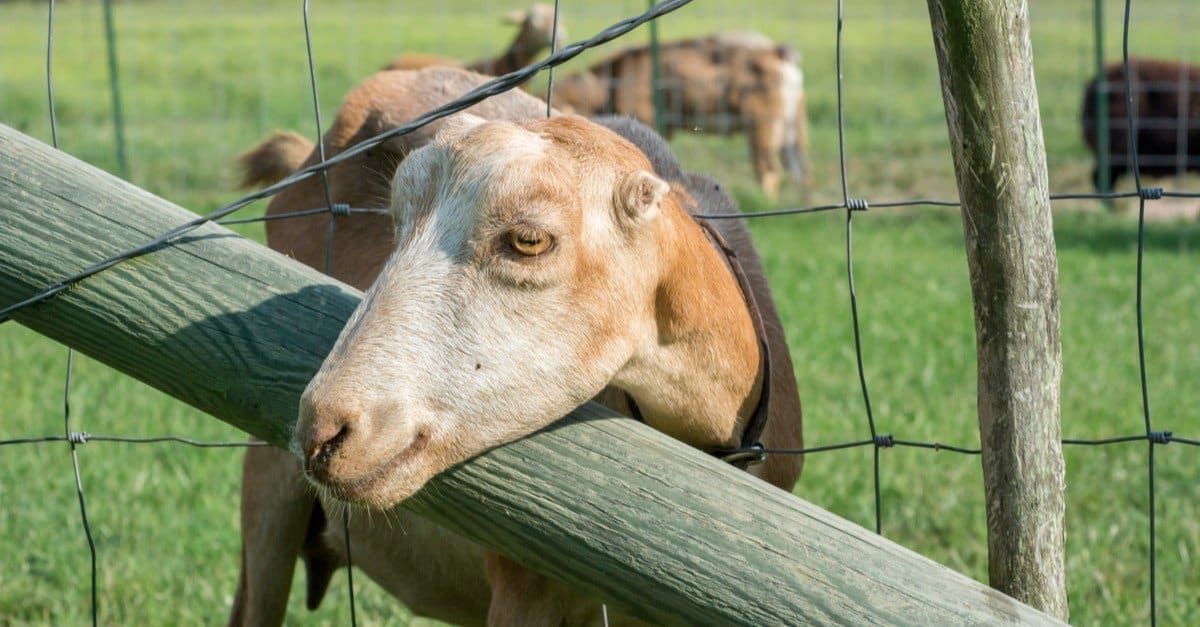
Brown LaMancha Goat eating grass in a pasture.

The standout feature of a LaMancha goat is its tiny ears.

The LaMancha is a large goat that stands about 3 feet tall. Males have an average weight of 165 pounds, and females have an average weight of 130 pounds. LaManchas have round faces with sweet, docile expressions.

These goats have short, glossy fur and come in all the common colors you’ll find in most goats. They can be gray, black, brown, reddish-brown, or white. Many LaMancha goats have symmetrical spots in varying colors on their heads, and almost all have a black stripe along their backs.

The most noteworthy characteristic of a LaMancha is its tiny ears. Unusual for goats, these mini ears have their own classifications that depend on the ear’s size and shape.

  • Gopher ear: This is an ear of one inch or smaller with little cartilage.
  • Elf ear: This is a two-inch ear that sometimes flops down but usually stands straight up.

According to the American Dairy Goat Association, both ear types qualify a goat as an official member of the LaMancha breed.

Behavior
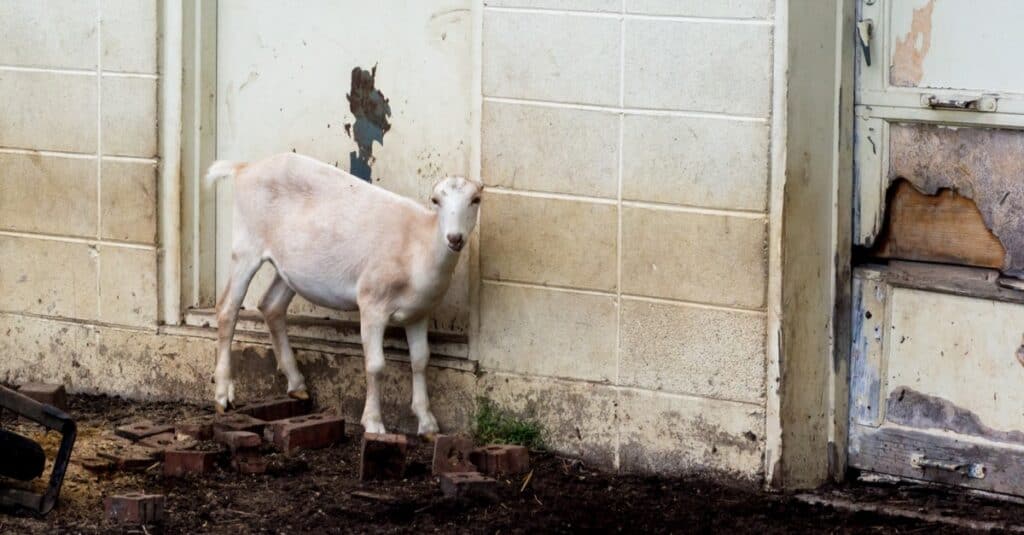
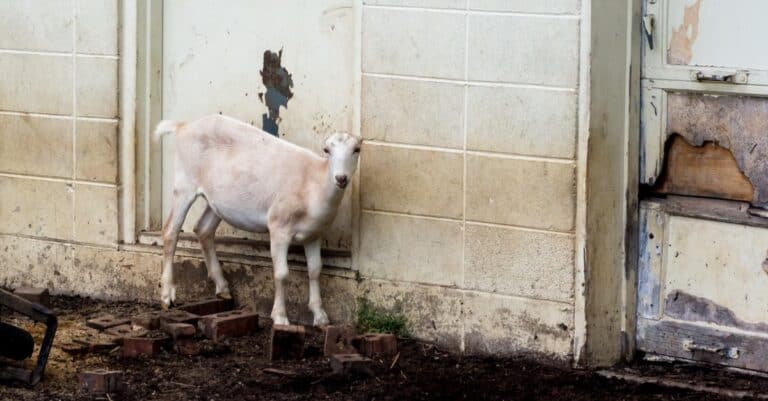
LaMancha Goat Standing on bricks in an old garage.

LaMancha Goats need good fencing because they will follow their caretakers faithfully.

These goats are hardy animals who can adapt easily to almost any climate. Like all goats, they must be protected from cold, wet weather because they can’t regulate their body temperatures if their hair gets wet.

They have easygoing, docile personalities that make them manageable for most farmers. Their intelligence and sweet temperament make them ideal pets. If they’re well treated, they can become attached to humans.

These sociable goats need good fencing because their affectionate natures will cause them to follow their human caretakers around rather than stay in their pasture. Fencing is also important to keep out predators.

These goats are sociable animals who like being in a herd or family group.

Goat Habitat

These goats live on farms. They are ideal for first-time farmers or small farms because their docile, friendly nature makes them easy to manage.

Although they are highly adaptable to different conditions, they need protection from wetness and cold. All LaMancha goats need a shelter like a barn or other protective structure.

Goat Diet

Goats consume grasses, tree bark, hay, shrubs, grains, and other natural vegetation.

These goats eat brush, sticks, grasses, shrubs, and other natural vegetation. Most farmers supplement their goats’ diet with fresh hay. The best diet for all goats is 7% dietary crude protein and 50% dietary fiber.

Goats have a reputation for eating everything, but they prefer natural, healthy food. Good treats for LaMancha goats include fresh fruits like strawberries and watermelons, fresh vegetables, and black oil sunflower seeds.

Predators and Threats

These goats like to forage, but it’s important to keep them safe from predators. Despite their large size, they are easy prey for wolves, mountain lions, coyotes, and other large predators. Their young can be prey for large raptors, including eagles.

People who own these goats should:

  • Install high, secure fencing the goats can’t jump over.
  • Use guardian animals like dogs, llamas, or donkeys.
  • Regularly check the pasture to ensure the goats are still there.
  • Keep pasture areas clear of shrubs and piles of debris that can hide predators.

Because they lack a protective flap, these goats’ mini ears can also be vulnerable to infection. Regular care of their ears should be a routine part of caring for these goats.
Reproduction and Life Cycle

These goats have a lifespan of 7 to 10 years, which is shorter than the 10 to 15 years of most goat breeds.

These goats in the U.S. typically mate from September through March, depending on the local climate. They prefer to mate in cool weather.

Although many of these goats reach sexual maturity in a few months, it is not a good idea to breed them this early. Most goat experts recommend waiting until both males and females are at least a year old to ensure they’re fully mature.

After mating, the nanny will gestate for about 150 days. Typically, she will give birth to one to three babies. Baby goats weigh from 5 to 9 pounds each. Bucklings and doelings grow quickly. They can put on 10 to 12 pounds a month for the first six months of their life.

Since females can keep producing milk for two years, it’s unnecessary to “freshen” or rebreed the goat right away. It’s a good idea to keep the male goat away from the does until you are ready to breed them.
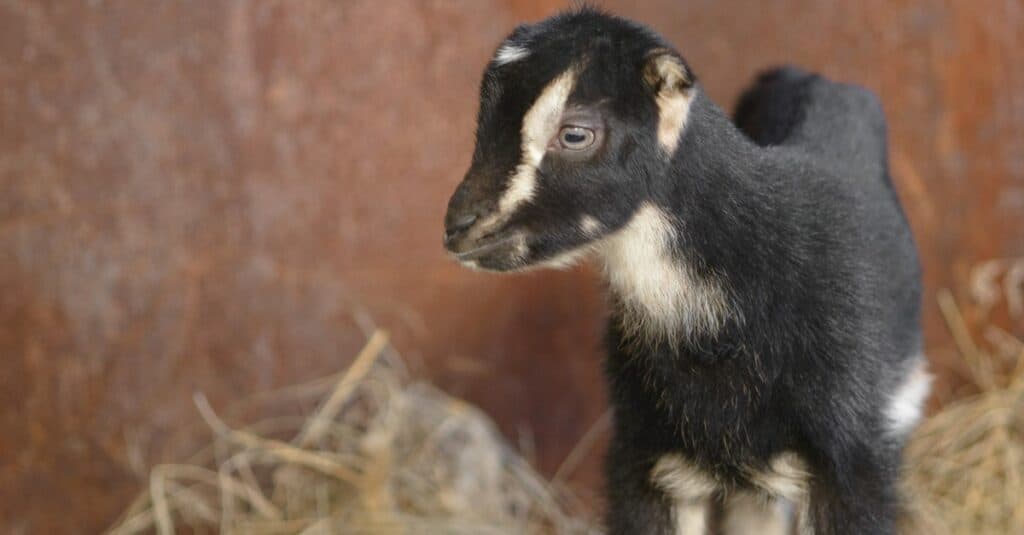
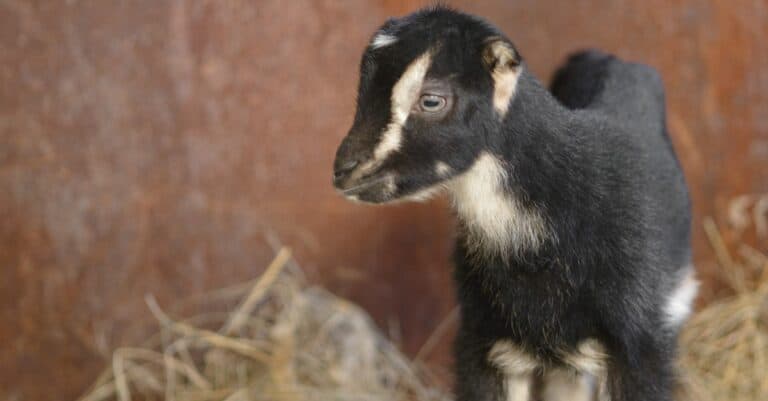
A young baby LaMancha goat standing in the hay.

LaMancha bucklings and doelings can put on 10 to 12 pounds a month for the first six months of their life.

Population

They are found in farms all over the U.S., where their uses range from dairy to goat shows.

Mini Ears for a Mighty Goat

LaManchas are hardy, productive goats with outstanding temperaments. Their unique ears, sweet temperament, and excellent milk have made them a popular choice for people who want dairy goats, pets, or show goats.

View all 130 animals that start with L

Sources

  1. Roys Farm: LaMancha Goats: Characteristics, Feeding, Breeding. / Accessed July 25, 2021
  2. Morning Chores: American LaMancha Goats. / Accessed July 25, 2021
  3. Little Farm Daily: LaMancha Goats: Unique Looks, Great Personality. / Accessed July 25, 2021
Abby Parks

About the Author

Abby Parks

Abby Parks has authored a fiction novel, theatrical plays, short stories, poems, and song lyrics. She's recorded two albums of her original songs, and is a multi-instrumentalist. She has managed a website for folk music and written articles on singer-songwriters, folk bands, and other things music-oriented. She's also a radio DJ for a folk music show. As well as having been a pet parent to rabbits, birds, dogs, and cats, Abby loves seeking sightings of animals in the wild and has witnessed some more exotic ones such as Puffins in the Farne Islands, Southern Pudu on the island of Chiloe (Chile), Penguins in the wild, and countless wild animals in the Rocky Mountains (Big Horn Sheep, Mountain Goats, Moose, Elk, Marmots, Beavers).
Connect:

Thank you for reading! Have some feedback for us?


LaMancha Goat FAQs (Frequently Asked Questions)

A LaMancha goat is a large goat that was bred to produce large amounts of highly nutritious milk. Its origin goes back to short-eared goats from Spain.