C
Species Profile

Caucasian Shepherd

Canis lupus familiaris

Built for the flock. Ready for the frontier.
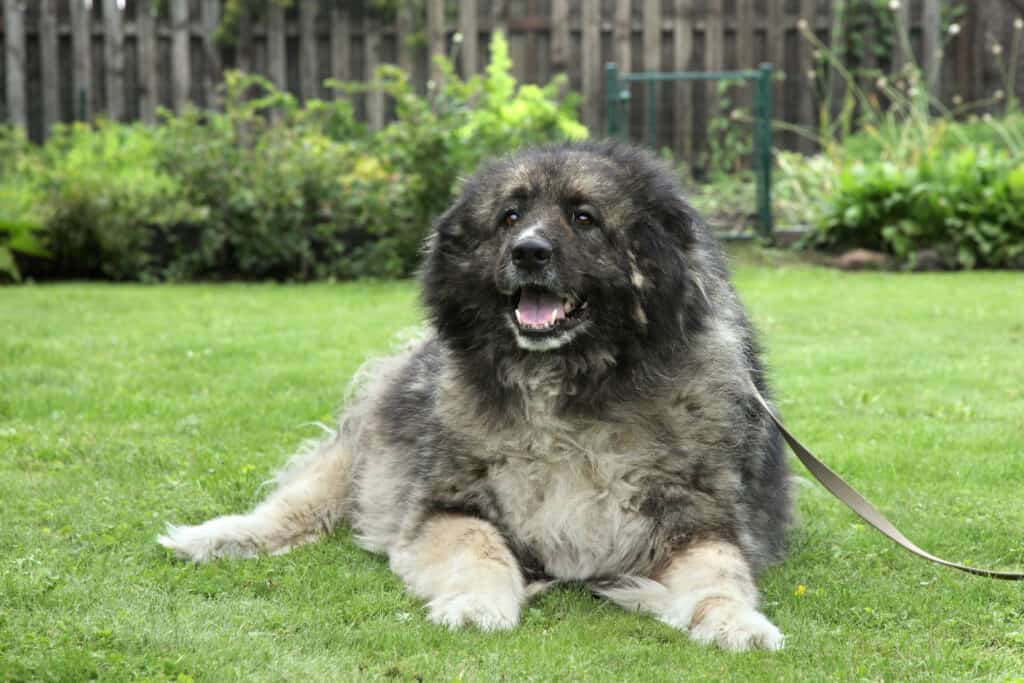
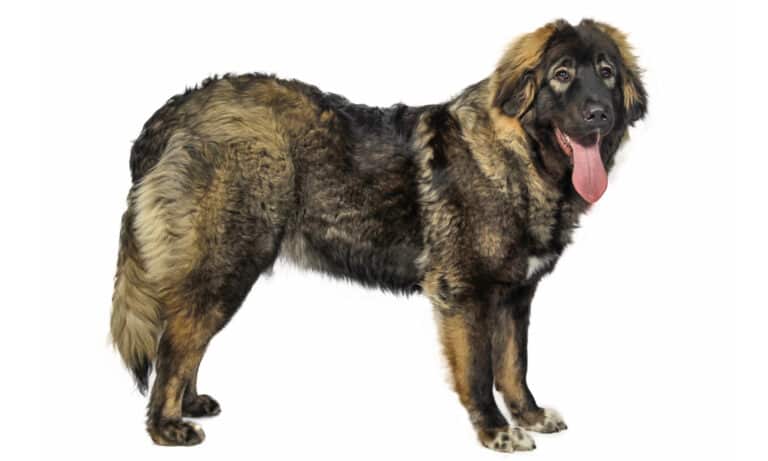
Aleksandra Saveljeva/Shutterstock.com

Caucasian Shepherd Distribution

Click a location to explore more animals from that region

Origin Location

This map shows the native origin of the Caucasian Shepherd. As a domesticated species, they are now found worldwide.

Loading map...

Size Comparison

Human 5'8"
Caucasian Shepherd 3 ft 7 in

Caucasian Shepherd stands at 64% of average human height.

Caucasian Shepherd

At a Glance

Domesticated
Also Known As dog, domestic dog, domestic canine, canine, pooch, pup, puppy, man's best friend
Diet Omnivore
Activity Cathemeral+
Lifespan 7 years
Weight 100 lbs
Status Not Evaluated
Did You Know?

Often called the Caucasian Shepherd Dog, a name reflecting its history as a livestock-guardian dog from the Caucasus region.

Scientific Classification

A large domestic dog breed developed in the Caucasus region primarily as a livestock-guardian and property-guardian, known for its size, protective temperament, and thick coat adapted to cold climates.

Kingdom
Animalia
Phylum
Chordata
Class
Mammalia
Order
Carnivora
Family
Canidae
Genus
Canis
Species
Canis lupus

Distinguishing Features

  • Very large, powerful build with strong bone and broad head
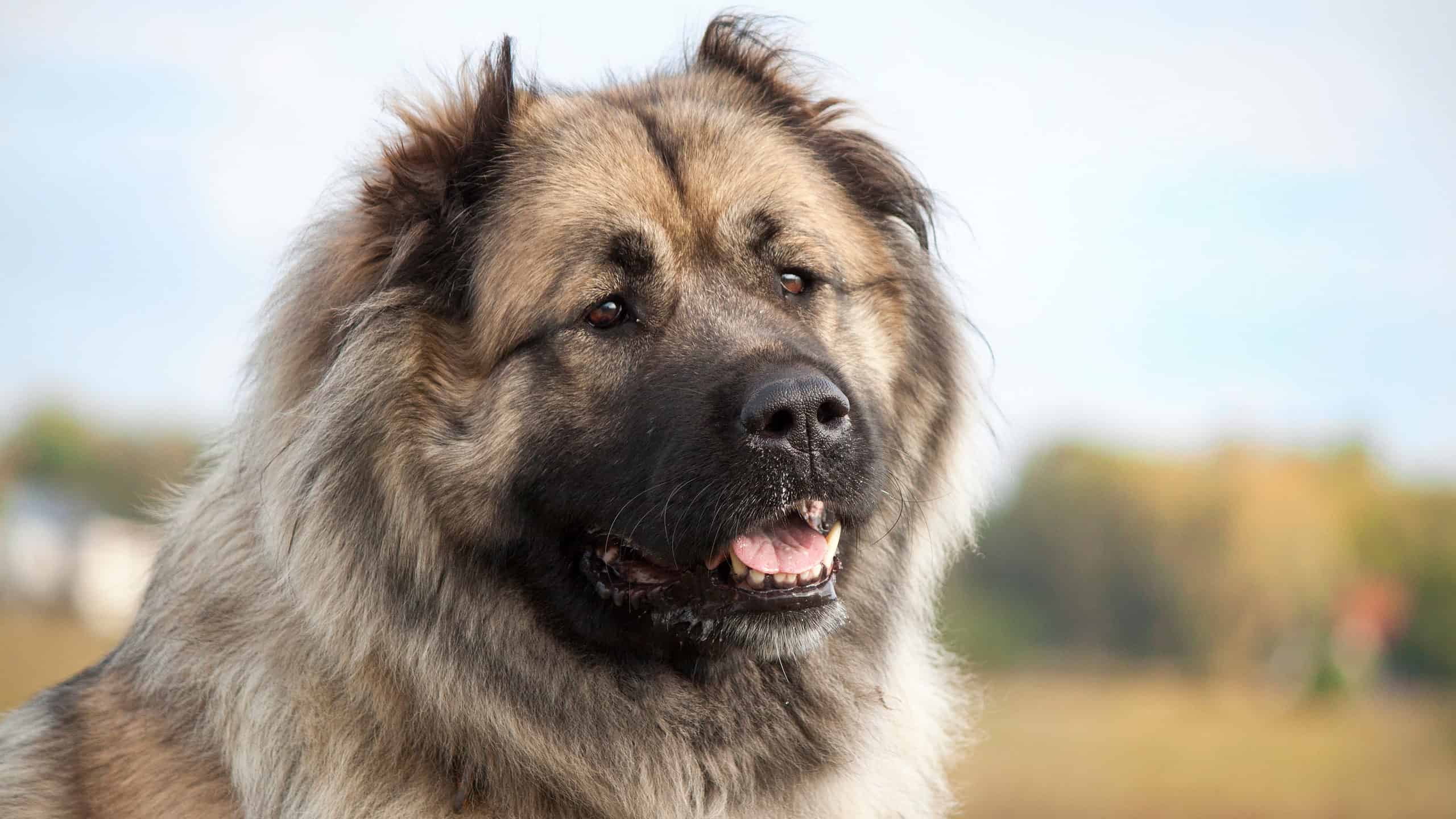
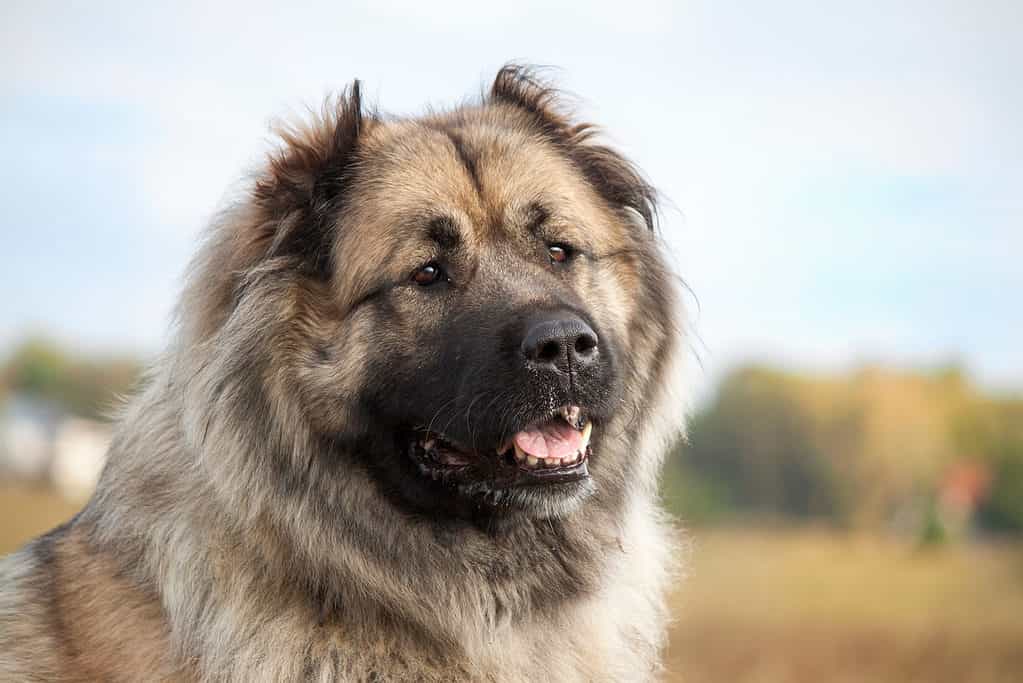
  • Dense double coat (often long or medium) suited to cold and harsh weather
  • Historically selected for guarding livestock against predators and deterring intruders
  • Typically confident, territorial, and protective; requires experienced handling and early socialization

Physical Measurements

Males and females differ in size

Height
2 ft 4 in (2 ft 3 in – 2 ft 6 in)
2 ft 3 in (2 ft 1 in – 2 ft 6 in)
Length
3 ft 11 in (3 ft 7 in – 4 ft 3 in)
5 ft 7 in (4 ft 11 in – 6 ft 3 in)
Weight
143 lbs (110 lbs – 198 lbs)
121 lbs (99 lbs – 154 lbs)
Tail Length
9 in (8 in – 11 in)
1 ft 7 in (1 ft 4 in – 1 ft 10 in)
Top Speed
28 mph
Slower top speed

Appearance

Primary Colors
Secondary Colors
Skin Type Thick, pigmented mammalian skin under a dense double coat (coarse, weather-resistant outer coat with heavy insulating undercoat); adapted to cold/wet mountain climates. Seasonal shedding is heavy.
Distinctive Features
  • Canis lupus familiaris is a domestic dog breed from Caucasus livestock guardians (not a wild canid). Compared to the gray wolf, it has a broader skull, heavier bones, thicker coat, and more varied coat colors.
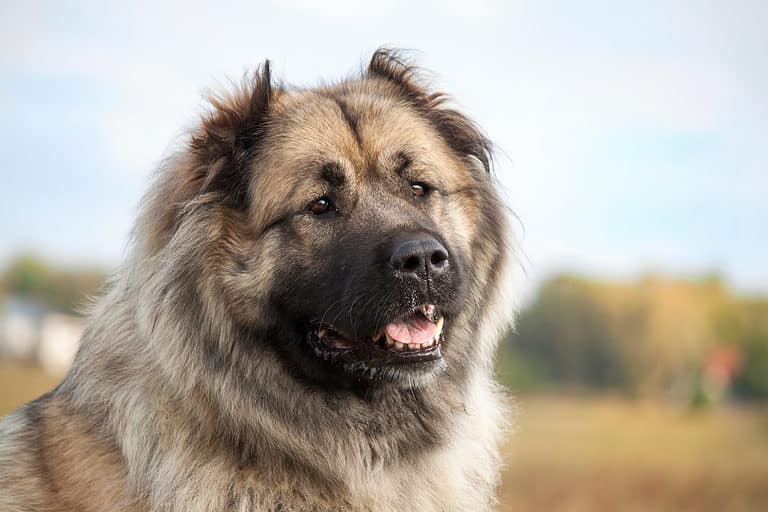
  • Large-to-giant, powerfully built guardian: deep chest, substantial neck/shoulders, and a massive head with strong jaws; overall silhouette is blockier and more robust than most 'shepherd' herding breeds (e.g., German Shepherd).
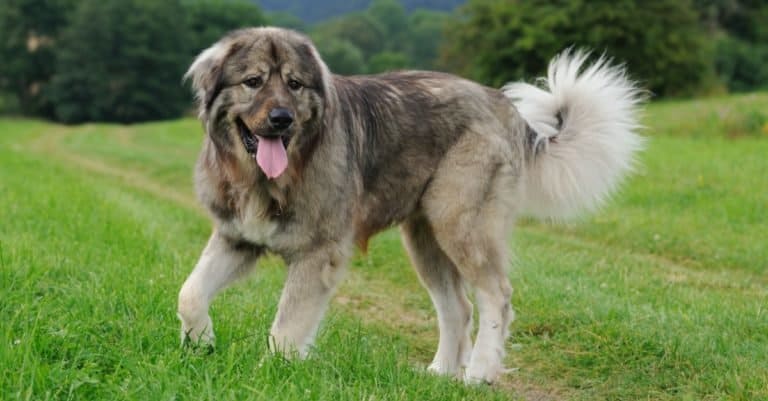
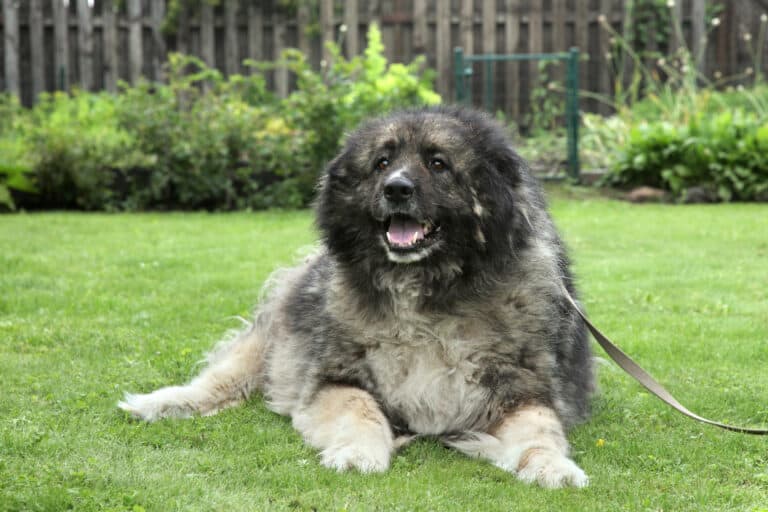
  • Thick double coat with prominent ruff/mane (especially in males) and heavy feathering on tail and hindquarters; coat length varies by line but remains dense and insulating.
  • Small, triangular ears set high; in some working contexts ears have historically been cropped-this is cosmetic/management related and varies by region and legal status.
  • Tail is long and heavily plumed, typically carried low with a gentle curve; feet are large and strong for rugged terrain.
  • Temperament-linked management needs: intensely protective, territorial, and often dog-selective; requires early socialization, experienced handling, secure fencing, and careful management with visitors/other animals (guardian role emphasis rather than herding/drive work).
  • Care requirements: extensive grooming (especially during seasonal 'blow coat'), regular coat checks for matting and skin issues, and climate-appropriate management (heat sensitivity due to dense coat).
  • Common large-breed health concerns to monitor: hip/elbow dysplasia, cruciate ligament disease, bloat (GDV) risk in deep-chested individuals, obesity-related strain, and ectropion/entropion in some lines; joint-friendly growth management and appropriate exercise are important.

Sexual Dimorphism

Marked sexual dimorphism typical of livestock-guardian breeds: males are substantially larger, heavier-boned, and more 'maned,' while females are smaller, slightly lighter, and often more agile.

  • Noticeably larger frame and heavier bone; broader head and thicker neck.
  • More pronounced ruff/mane and overall coat volume, giving a more imposing silhouette.
  • Smaller and lighter than males with a less massive head/neck.
  • Coat is still dense but often appears less 'lion-like' through the neck and shoulders.

Did You Know?

Often called the Caucasian Shepherd Dog, a name reflecting its history as a livestock-guardian dog from the Caucasus region.

Bred to live with flocks for long periods, many individuals naturally prefer patrolling and "posting up" at vantage points rather than constant play.

Its dense double coat comes in many colors and patterns (common: gray, fawn, brindle, white), selected more for function than uniform looks in traditional villages.

Compared with the gray wolf (Canis lupus), this domestic breed shows stronger tolerance of humans, reduced flight distance, and selection for guarding behavior rather than hunting.

In cold, windy mountain conditions, the coat and substantial body mass help conserve heat-traits favored in the Caucasus highlands.

Modern populations were standardized largely in the 20th century, when regional livestock-guardian types from the Caucasus were organized into a defined breed.

Despite the "shepherd" name, it is not a herding dog; it's a livestock-guardian that deters predators and strangers by presence, patrol, and escalation if needed.

Unique Adaptations

  • Thick double coat (insulating undercoat + protective outer coat) suited to cold, wet, and windy mountain climates; many struggle in hot/humid weather without careful heat management.
  • Large frame and powerful neck/shoulders that support the breed's traditional role of confronting predators and driving them off.
  • High territoriality and strong defensive drive-behavioral "adaptations" shaped by generations of selection for guardian work.
  • Endurance for slow, steady movement and long watches rather than sprint-oriented chase hunting typical of many wild canids.
  • Pain tolerance and stoicism often reported by working-dog handlers-useful for harsh conditions but a reason owners must watch closely for subtle signs of illness.
  • Dense mane/ruff around the neck in many individuals, historically complemented by protective collars in guardian-dog cultures.

Interesting Behaviors

  • Perimeter patrols: repeatedly walking property lines and checking gates, doors, and weak points-especially at dusk/night.
  • Strategic positioning: choosing high ground, doorways, or narrow passages to control access and watch over "their" territory.
  • Low-bark economy: many individuals stay quiet until something crosses a threshold, then deliver deep, sustained alarm barking.
  • Body-blocking and "shoulder checks": placing their body between family/stock and a perceived threat as a first step before escalation.
  • Suspicion of novelty: cautious, watchful responses to unfamiliar people/animals; requires early, structured socialization to prevent over-guarding.
  • Independent decision-making: less handler-focused than many companion breeds; they may evaluate commands against what they believe is "safety-first."
  • Resource/space guarding tendencies: can guard food, resting spots, or boundaries if not proactively trained and managed.
  • Seasonal coat blow: heavy shedding periods where grooming needs spike dramatically.

Cultural Significance

In the Caucasus (between the Black and Caspian Seas), the Caucasian Shepherd Dog (Canis lupus familiaris) guarded sheep and homes from wolves. In the post-Soviet world it is a symbol of strong home protection, tied to mountain shepherding and loyalty to flock and family.

Myths & Legends

In Caucasus mountain lore, stories tell of a Canis lupus familiaris guard dog that stood the night against predators, protecting a flock and earning honor and lifelong respect in its village.

Traditional guardian-dog practice in the region includes fitting dogs with stout or spiked collars; in pastoral storytelling these collars are sometimes treated almost like talismans-signs that the dog is the flock's appointed defender against wolves.

In some rural Eastern European naming traditions, certain "shepherd dog" breed names literally translate to "sheep dog," emphasizing a working livestock role rather than a companion label.

20th-century historical anecdotes from across the former USSR describe these dogs as fearsome, reliable sentries used for serious guard work-stories that helped cement the breed's near-mythic reputation as an unbribable watchdog.

In many livestock-guardian cultures, including the Caucasus, elders warn that a guardian pup must be raised with clear rules and jobs; otherwise, as the saying goes, a protector may harm its own home.

Conservation Status

NE Not Evaluated

Has not yet been evaluated against the criteria.

Population Stable

Life Cycle

Birth 6 pups
Lifespan 7 years

Lifespan

In the Wild
3–13 years
In Captivity
8–14 years

Reproduction

Mating System Polygyny
Social Structure Managed Domestic
Breeding Pattern Serial
Fertilization Managed Selective
Birth Type Internal_fertilization

Canis lupus familiaris (Caucasian Shepherd Dog) is bred and managed by people. Often one male fathers litters from many females (polygyny); mates change and breeding is planned. No steady pair bonds and little help from other dogs.

Behavior & Ecology

Social Pack Group: 4
Activity Cathemeral, Crepuscular, Nocturnal
Diet Omnivore Meat-forward, high-protein meals (e.g., beef or lamb-based complete diet); many individuals strongly prefer fatty/meaty scraps if offered.

Temperament

Strongly protective and territorial; distinguishing from the base species is selection for property/livestock defense and deterrence (stand-ground guarding, boundary control) rather than cooperative hunting strategy
Wary of strangers with low tolerance for unfamiliar people/dogs without extensive early, ongoing socialization; can escalate from warning to physical intervention if it perceives a boundary violation
Loyal, steady, and affectionate with trusted family; often bonds intensely to a primary handler while remaining independent-minded
High confidence and low handler-pleasing drive relative to many companion breeds; requires experienced, consistent handling and clear boundaries to prevent rehearsed guarding/reactivity patterns
Typically lower prey drive than many hunting-bred dogs but may show intense defensive aggression; risk increases with poor socialization, inadequate containment, or punitive training
Breed-linked health/management considerations affecting behavior: orthopedic discomfort (hip/elbow dysplasia) can increase irritability; heat intolerance can reduce daytime activity; obesity can reduce mobility and increase frustration
Canis lupus familiaris needs secure fencing and slow introductions; early, steady exposure to people, animals, and vehicles; mental work like patrol walks and scent tasks; calm training, regular grooming, and cool rest during heavy shedding.

Communication

Deep alarm barking Often primary deterrent; may be more frequent at night
Growling and low rumble warnings at threshold distances
Howling Less frequent than in wolves but present in some individuals/lines
Whining/whimpering for affiliative contact within the family unit
Threat/posture displays: tall stance, forward weight shift, hard stare, piloerection; may block or body-check to control access rather than chase
Territorial marking (urine/scratch marks) and repeated perimeter patrolling; strong location-based memory of boundaries
Affiliative signals with trusted group: leaning, close following, gentle muzzle touches; can be reserved rather than overtly demonstrative
Breed-specific working pattern: graded escalation-observe → alert bark → approach and hold line → physical engagement if intrusion continues; management should reinforce calm alerting and prevent rehearsing uncontrolled confrontations
Health/care notes relevant to communication: pain may present as reduced tolerance to handling or sudden growling; coat/heat stress may present as withdrawal and reduced responsiveness-provide shade, water, and avoid intense daytime exertion in warm climates
Common breed-associated health concerns to monitor: hip/elbow dysplasia, cruciate disease, bloat risk (GDV), obesity, eyelid issues; routine vet screening and weight control can support stable temperament and social predictability

Habitat

Biomes:
Temperate Forest Boreal Forest (Taiga) Tundra Alpine Temperate Grassland Mediterranean Desert Cold Desert Hot Savanna Tropical Dry Forest Tropical Rainforest Wetland Freshwater +7
Terrain:
Mountainous Hilly Plateau Valley Plains
Elevation: Up to 16404 ft 3 in

Ecological Role

Domestic guardian omnivore (human-associated canid) with limited predation and some scavenging/rodent-control behavior within managed territories.

deterrence of wild predators around livestock/property (reduces predation events) rodent and small-pest suppression in farm/yard settings scavenging/removal of animal remains when accessible (minor nutrient cycling) human-mediated companionship/working role rather than a natural apex predator

Diet Details

Main Prey:
Rodents Rabbits and hares Ground-nesting birds and eggs Carrion and offal
Other Foods:
Grasses Berries fallen fruit Vegetables Starchy plant foods

Human Interaction

Domestication Status

Domesticated

Canis lupus familiaris, domestic dogs, came from gray wolves and were bred for tameness and work with people. Dogs show less fear and strong social ties to people, with wide physical variation. The Caucasian Shepherd Dog is a large, cold-adapted livestock guardian—territorial, defensive, independent—used for rural protection. Dogs serve as companions, workers, service/therapy, sport, breeding, and sometimes public-safety risks.

Danger Level

High
  • Bite/severe injury risk due to large size, strength, and guarding/territorial behavior-especially with poor socialization, weak containment, or unmanaged visitor access
  • Heightened risk around unfamiliar people entering the home/property (delivery personnel, guests) if introductions and management are inadequate
  • Dog-dog aggression or intolerance can occur, increasing risk during public encounters if not securely handled
  • Resource/space guarding and protective reactions may be triggered by perceived threats; inexperienced handling can escalate situations
  • Physical injury risk from being knocked over during excitement/handling (large body mass)

As a Pet

Suitable as Pet

Legality: Canis lupus familiaris is usually legal to own, but many places have rules for "dangerous" or guardian breeds—special registration, insurance, muzzles, leashes, housing rules, or local bans. Check state and city laws.

Care Level: Expert Only

Purchase Cost: $800 - $3,500
Lifetime Cost: $20,000 - $60,000

Economic Value

Uses:
Companionship and family pet market Livestock-guardian services (farm/ranch predator deterrence) Property and perimeter security (deterrence/guard presence) Breeding and show/working lines Veterinary services and preventive care market Pet food, grooming, and equipment (heavy-duty fencing/leashes) Training/behavior consulting (guardian-breed specialization)
Products:
  • Puppies from companion, working, or show breeders
  • Guarding labor/service value (livestock protection reducing predation losses)
  • Pet food (large-breed diets), supplements, and joint-support products
  • Grooming tools for dense double coats (rakes, deshedding tools, high-velocity dryers)
  • Containment infrastructure (secure fencing, gates, kennels)
  • Training services and behavioral management programs
  • Veterinary diagnostics/treatments for orthopedic conditions and GDV prevention (e.g., gastropexy in some cases)

The Caucasian shepherd, also called the Caucasian sheepdog or Caucasian Ovcharka, is a giant-breed working dog originating in the Caucasus Mountains region. It was developed in the Soviet Union in the 1920s from several different varieties of strong shepherd dogs used for centuries by livestock breeders to defend sheep from wolves, jackals, and bears.

Caucasian shepherds are strongly built, have keen senses, and are quick to fight even much larger animals or people to protect their families and territory. They make excellent guard dogs, but they are independent-spirited to the point of stubbornness and take a long time to mature. This makes training them more difficult than other breeds, requiring patience and skill from an experienced owner. They are playful, energetic, and affectionate toward children. These dogs are not recommended for homes with small children, though, because of their large size and potentially aggressive tendencies. They also have issues with separation anxiety, so Caucasian shepherd parents should not leave them alone for long periods of time. This beautiful animal is not for the faint of heart, but in the right environment, a Caucasian shepherd can greatly enhance your family’s safety and security, as well as being a beloved companion.

Pros and Cons of Owning Caucasian Shepherds

ProsCons
A fearless guardian
Caucasian shepherds are massive dogs with unstoppable courage. Without hesitation, they will take on much larger threats, whether a bear, a wolf, or a threatening stranger.
Aggressive tendencies
The downside of this breed’s fearless protectiveness is that it can be territorial and aggressive toward people or animals that are not actually a threat. Early, consistent training is essential
Healthy
This breed is quite hardy and healthy. They are adaptable to different climates. The only major health concern with them is hip dysplasia. They can sometimes suffer from cataracts as they age as well.
Expensive
Puppies for this relatively uncommon breed can cost $1,000-$3,000. They are large, and they eat a lot, so annual upkeep can also take a bite out of your wallet.
Manageable energy level
The activity level of a Caucasian shepherd can be described as “average.” They need about an hour of activity a day, which you can accomplish with a walk around the neighborhood or playing in the backyard. It isn’t necessary to be an athlete yourself to maintain this dog.
Separation anxiety
Caucasian shepherds do struggle with separation anxiety. Because of their size and strength, they can do a great deal of destruction to show their displeasure at being left alone. They do best in a home with a fenced yard and a family member at home most of the day.

The Best Dog Food For Caucasian Shepherds

Because this is such a healthy, hardy breed, there are no special dietary concerns that would require searching for just the right dog food. Any wet or dry food of high-quality, natural products without artificial additives or preservatives will work fine. Pet owners will be glad in the long run if they invest in good-quality food now, rather than dealing with unnecessary health problems in the future that might require expensive veterinary treatment and shorten the life of their animal.

That being said, giant breeds in general can suffer from orthopedic disease, obesity, and bloat at greater frequency than smaller breeds. It’s best to choose a dog food specially formulated for larger or giant dogs — and make sure to purchase specifically a puppy food blend or an adult dog blend, depending on the age of your pet.

The American Kennel Club also recommends you feed your dog multiple times a day instead of one large meal, feed from floor level rather than a raised feeder, avoid foods with high fat contents, choose a large-kibble dog food, and avoid vigorous exercise 1-2 hours after eating.

Caucasian Shepherd Size and Weight

Caucasian mountain dog/Caucasian Shepherd

Caucasian shepherds are quite large, at over 100 pounds.

Adult male Caucasian shepherds average 27.5 inches tall and can weigh anywhere from 110 to 154 pounds. Females, on average, are 26.5 inches tall and weigh 90 to 110 pounds at adulthood.

Caucasian Shepherd Common Health Issues

Caucasian shepherds are generally a quite healthy breed. The only major concern with them is hip dysplasia, which is an issue found in many dog breeds, especially the larger ones. Caucasian shepherds are also sometimes subject to cataracts as they get older; again, a common canine issue. Larger breeds can suffer from bloat, a rapid and sometimes fatal buildup of gas in the gastrointestinal tract that needs immediate veterinary attention.

Owners can best help prevent these issues in their dogs by being aware and alert to the signs to watch for, providing the dog with measured exercise that does not overstress their bones and joints, feeding their animal high-quality food formulated for their age and growth stage, and getting regular veterinary checkups. Specifically for the issue of bloat, feeding the dog multiple smaller meals rather than allowing them to wolf down one large meal a day is one way to head off this problem.

Temperament and Behavior

To understand the temperament of this breed, it is helpful to think about the working conditions they were bred for. Livestock ranchers in the Caucasus Mountains needed a large, powerful, fearless animal to protect them and their herds from major predators still roaming the wilderness, such as bears and wolves. The Caucasian shepherd is not primarily a herding dog so much as a guard dog.

This explains why this breed can be highly territorial and protective, while at the same time not requiring extremely large amounts of exercise. It also explains their hesitation with strangers and tendency to remain on the alert and bark at unfamiliar noises, especially at night. If you notice these behaviors, your dog is just doing what generations of its ancestors have been trained to do.

This also means that training a Caucasian shepherd to be friendly, quiet, and easily adaptable to new situations goes against its instinct and takes some skill and patience. But if it is important to you to have a formidably large dog for protection as well as companionship, the Caucasian shepherd may be the right breed for you.

How To Take Care of Caucasian Shepherds

Maintenance and Grooming

The coat of the Caucasian shepherd may come in a variety of color combinations: grey, fawn, red, black, and white. This is a double-coated breed, meaning it has an undercoat that will need special care. This breed sheds throughout the year and needs to be brushed several times a week to control the amount of hair it leaves in your house, yard, and car. Caucasian shepherds go through an especially heavy shed once a year, during which you may want to brush them daily and give frequent baths to speed up the shedding process. Some routine maintenance with these dogs, and in fact all breeds, is to check and clean their ears frequently to prevent infection, clipping their nails so they don’t scratch during play, and brushing their teeth to improve their breath and prevent oral infections.

Training

Training is essential to help bring out the strengths of a Caucasian shepherd, teach them to control their instincts, and to distinguish between friends and foes. This breed is highly intelligent but has a strong stubborn streak and will resist training from an unconfident or harsh trainer. Owners who are not experienced in training a large alpha dog should hire a professional trainer or consider getting a different breed.

Exercise

Caucasian shepherds need about an hour of exercise a day, through taking a walk or playing in a fenced yard with their owner. They do get separation anxiety when left alone for long periods of time, so this exercise should happen with their human companion. It is also important not to over-exercise a still-growing puppy as this can damage their growing bones, ligaments, and joints.

Puppies

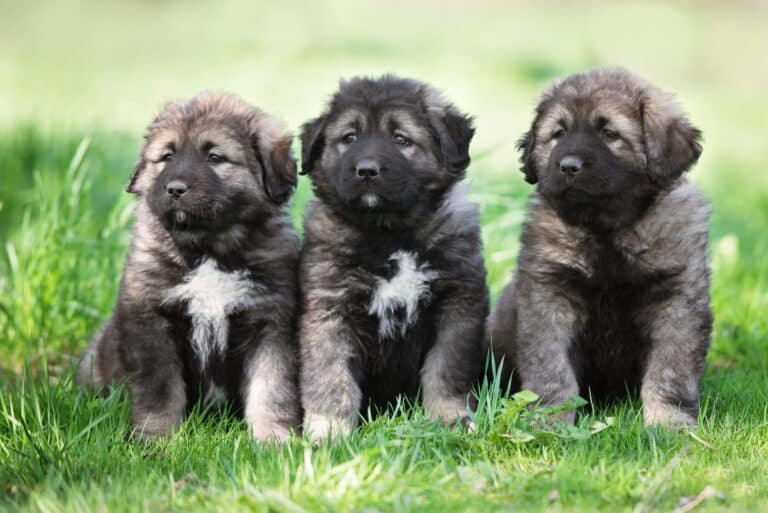
As Caucasian shepherd puppies grow, be prepared to increase the size of their extra-sturdy kennels for crate training and sleeping as necessary. They love to chew and will need a steady supply of heavy-duty toys. Monitor these to make sure they have not begun to break off and eat parts of them. It is especially important with this breed to provide food properly formulated for puppies, as their nutritional needs are different from those of adults.

Caucasian Shepherds and Children

When well-trained by an experienced owner, these dogs can be playful, energetic, and affectionate playmates and protectors for children. They are not recommended for homes with small children, however, because a giant breed such as this can accidentally hurt a child during play or just walking past a toddler and bowling them over. Moreover, Caucasian shepherds like to be the alpha and strongly defend their people and territory. They might hurt other children during routine play if they misunderstand and consider a neighbor child a threat. Although many owners have fine experiences with their Caucasian shepherds, parents should take this decision and the training needs of the dog seriously.

Dogs similar to Caucasian Shepherds

  • Tibetan mastiff: Like the Caucasian shepherd, this breed is part of the working group. Tibetan mastiffs are smaller, have a longer life expectancy, and do better with children.
  • Irish Wolfhound: Irish wolfhounds are also a giant breed dog, but they are a better choice for inexperienced dog owners or families with children. They also do not need as much grooming.
  • Bernese Mountain Dog: This breed barks and howls less, is more child-friendly, and is a better choice for inexperienced owners. However, it has high grooming needs like the Caucasian Shepherd.
View all 395 animals that start with C

Sources

  1. American Kennel Club / Accessed November 29, 2022
  2. Calming Dog / Accessed November 29, 2022
  3. DogBreedsList / Accessed November 29, 2022
  4. Dogtime / Accessed November 29, 2022
  5. Wag! / Accessed November 29, 2022
  6. Wikipedia / Accessed November 29, 2022
Drew Wood

About the Author

Drew Wood

Drew is a college professor and freelance writer who graduated from the University of Virginia. His travels have taken him to 25 countries and 44 states, where he has enjoyed learning about wildlife in a wide range of environments. In addition to his love of animals, he enjoys scary movies, landscaping, strategy games, and philosophical discussions over a cup of coffee. He is also an emotional support human to a neurotic Spanish Water Dog and a hyperactive Chihuahua mix.

Thank you for reading! Have some feedback for us?


Caucasian Shepherd FAQs (Frequently Asked Questions)

Caucasian shepherd puppies can cost $1,000-$3,000 depending on their pedigree. Food, veterinary bills, and supplies can cost $1,500 or more a year.