N S W E
Wildlife Expeditions

Wildlife of
Armenia

Armenia's compact but dramatic highlands pack alpine meadows, ancient forests, and rugged canyons into a Caucasus biodiversity hotspot where patient visitors can track Armenian mouflon, bezoar goats, and-very rarely-the elusive Caucasian leopard.
159 Species
29,743 km² Land Area
Overview

About Armenia

Armenia's wildlife character is defined by altitude, isolation, and crossroads geography: a mountainous, landlocked country in the South Caucasus where Palearctic species from Europe and Western Asia meet across steep elevation gradients. This creates a surprisingly rich natural heritage for a small nation-large mammals in remote ranges, raptors and vultures riding thermals over gorges, and specialized plants and reptiles adapted to dry slopes and high, windy plateaus. The experience is often intimate and rugged: quiet trails, big views, and a sense of discovery rather than massed safari crowds.

Key ecosystems include alpine and subalpine meadows (summer grazing grounds for wild ungulates and a magnet for raptors), forested mountains (notably in the north and central highlands, with bear, wolf, and lynx), and arid steppe and semi-desert landscapes in the south and east. Armenia's protected areas knit these habitats together: places like Dilijan's forested ridges, the ancient woodland refuges of Khosrov Forest, and the craggy southern mountains of Syunik and Zangezur-prime country for bezoar goats and some of the region's rarest carnivores. Wetlands and freshwater systems add another dimension, especially Lake Sevan, whose shores and surrounding highlands support migratory birds and distinctive cold-water biodiversity.

Globally, Armenia matters because it sits within the Caucasus biodiversity hotspot and helps anchor cross-border ecological connectivity between the Greater and Lesser Caucasus and the Iranian highlands. Conservation efforts here-anti-poaching work, habitat protection, and monitoring of threatened species like the Caucasian leopard-contribute to regional recovery goals for wide-ranging predators and their prey. For wildlife enthusiasts, Armenia's uniqueness lies in the blend of "big-mountain" scenery, strong chances for bird-of-prey viewing, and the possibility (however slim) of encountering signs of one of Eurasia's most secretive cats in landscapes shaped by millennia of human history.

Physical Features

Geography

Armenia's wildlife patterns are strongly shaped by steep elevation gradients across the Lesser Caucasus and Armenian Highland, creating tight "stacked" habitat bands from arid semi-deserts in the Aras (Araxes) valley to montane forests and alpine meadows on high ridges and volcanoes (e.g., Aragats). Being landlocked and highly mountainous concentrates many species into valleys, gorges, and forest refuges, while Lake Sevan and associated wetlands form an important inland water hub for fish, amphibians, and migratory birds. Dry southern ranges and rocky canyon systems provide connectivity toward Iran and the broader Caucasus for wide-ranging carnivores (e.g., leopard) and mountain ungulates (e.g., Armenian mouflon), while northern forested areas support a different, more temperate assemblage.

29,743 km² Land Area
About the size of Belgium; roughly the 138th-140th largest country by area Size Rank

Key Landscapes

  • Lesser Caucasus mountain ranges (high ridges, rocky slopes, and alpine zones)
  • Armenian Highland volcanic massifs and plateaus (notably Mount Aragats)
  • Lake Sevan (major high-altitude lake) and surrounding wetlands/shore habitats
  • Aras (Araxes) River valley and Ararat Plain (warm, low-elevation semi-desert/steppe)
  • Deep river gorges and canyons (e.g., Debed, Vorotan, Arpa) creating riparian corridors and cliff habitats
  • Northern forest landscapes (Dilijan-Ijevan area) as key woodland refugia
  • Subalpine and alpine meadows/pastures used by mountain ungulates and ground-nesting birds
  • Southwestern and southern dry foothills and montane steppe/shrublands (important for connectivity and large carnivores)

Ecoregions

  • Caucasus mixed forests (temperate broadleaf and mixed forests in the north and higher, moister slopes)
  • Eastern Anatolian montane steppe (widespread montane grasslands/shrublands across much of the highlands)
  • Azerbaijan shrub desert and steppe (semi-desert/steppe conditions in the Aras valley and lowland basins)
Parks & Reserves

Protected Areas

Armenia's protected area system is built around National Parks (multi-use landscapes that protect large ecosystems while allowing regulated tourism and local use), strict State Reserves (strict nature reserves) with the highest protection levels, and a larger network of State Sanctuaries and Natural Monuments that safeguard key habitats and species. In addition, several NGO/community-run conservancies (notably the Caucasus Wildlife Refuge network) complement state protection by restoring habitat connectivity and supporting anti-poaching, research, and wildlife-friendly livelihoods-important in a mountainous country with fragmented habitats and wide-ranging carnivores.

Protected Coverage

Approximately ~13% of Armenia's land area is under formal state protection (national parks, state reserves, sanctuaries, and natural monuments).

Notable Parks & Reserves

Dilijan National Park

National Park

Often called the "Armenian Switzerland," Dilijan protects some of Armenia's best temperate broadleaf forests and highland meadows, supporting a strong assemblage of forest mammals and raptors. It is one of the country's most accessible areas for wildlife-friendly hiking and nature tourism.

Lake Sevan National Park

National Park; Ramsar Wetland (Lake Sevan)

Centered on Armenia's largest lake, this park is nationally important for freshwater biodiversity and waterbirds, including breeding and stopover habitat. The Sevan basin is also a flagship landscape for conservation of endemic aquatic life.

Armenian gull
Dalmatian pelican
Great cormorant
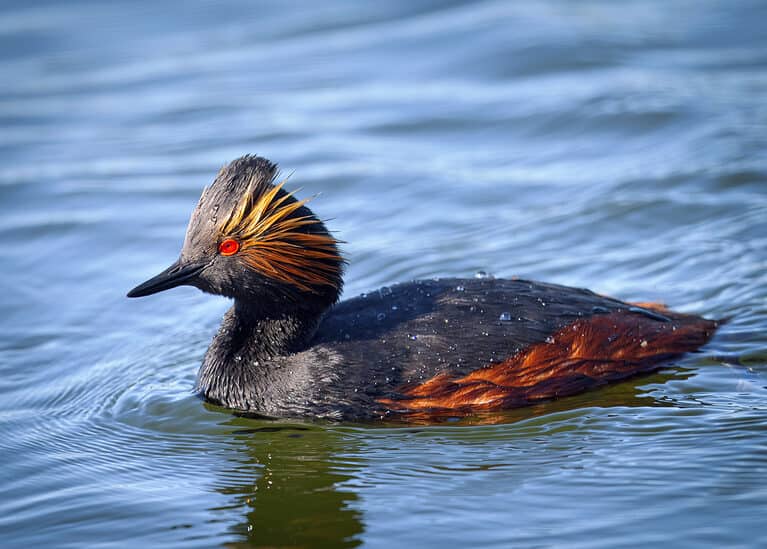
Common pochard
Eurasian coot
Sevan trout

Lake Arpi National Park

National Park; Ramsar Wetland (Lake Arpi)

A high-altitude wetland-and-steppe mosaic in northwestern Armenia, Lake Arpi is among the country's top birding sites, especially during migration and breeding season. Its marshes and surrounding grasslands support globally significant concentrations of waterfowl and cranes.

Common crane
Whooper swan
White stork
Northern shoveler
Eurasian marsh harrier
Common snipe

Arevik National Park

National Park

In Armenia's far south, Arevik protects rugged mountains, oak-juniper woodlands, and arid valleys that are strongholds for large mammals. The park is a priority landscape for conserving rare carnivores and wild mountain ungulates in the southern Caucasus.

Caucasian leopard (Persian leopard)
Bezoar ibex
Armenian mouflon
Brown bear
Brown bear
Grey wolf
Grey wolf
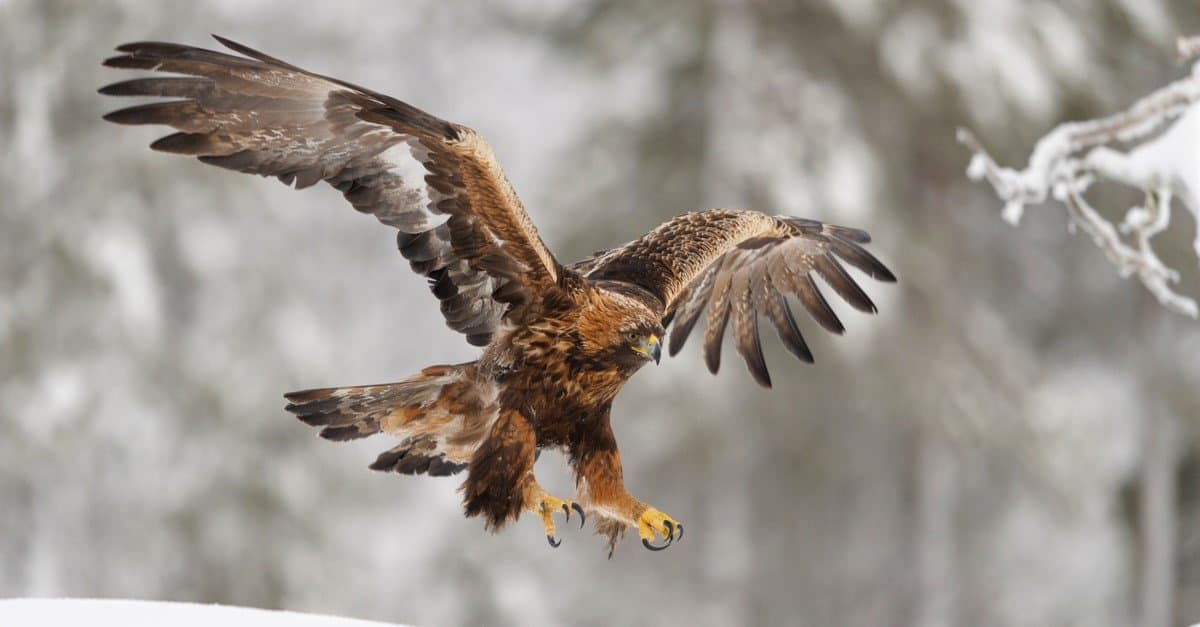
Golden eagle
Golden eagle

Khosrov Forest State Reserve

State Reserve (Strict Nature Reserve)

One of the Caucasus region's most important protected forests, Khosrov combines ancient woodland with rocky gorges and semi-arid slopes, creating high habitat diversity in a compact area. It is notable for rare plants and for supporting key prey species for large carnivores.

Shikahogh State Reserve

State Reserve (Strict Nature Reserve)

A biodiversity-rich stronghold of Hyrcanian-type broadleaf forests and deep river valleys in southern Armenia, Shikahogh is among the country's best habitats for elusive forest carnivores. It is strategically important for connectivity with adjacent habitats in the wider region.

Caucasian leopard (Persian leopard)
Brown bear
Brown bear
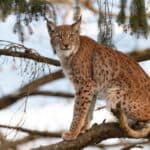
Eurasian lynx
Eurasian lynx
Grey wolf
Grey wolf
Wild boar
Wild boar
Eurasian otter

Erebuni State Reserve

State Reserve (Strict Nature Reserve)

This reserve protects remnant semi-desert and steppe habitats near Yerevan, including wild relatives of cultivated cereals-making it important for genetic diversity as well as wildlife. It offers good visibility for steppe birds and small mammals adapted to arid landscapes.

European hare
Red fox
Red fox
Grey partridge
Lesser kestrel
Steppe eagle
European souslik (ground squirrel)
Animals

Wildlife

Armenia's wildlife is shaped by steep elevational gradients and a mosaic of habitats packed into a small, mountainous country-dry steppe and semi-desert valleys, oak and beech forests, rugged cliffs, alpine meadows, and large freshwater systems like Lake Sevan. This creates a distinctly "highland" wildlife experience: wild sheep and goats on rocky slopes, large raptors and vultures riding mountain thermals, and a mix of European and West Asian species at a biogeographic crossroads. Flagship conservation landscapes include the Khosrov Forest State Reserve, the Zangezur (Syunik) mountains, and Lake Sevan and its wetlands.

~80-90 species (notable large mammals include Persian leopard, brown bear, wild goat/ibex, and wild sheep/mouflon). Mammals
~340-360 species recorded (strong raptor diversity and important waterbirds around Lake Sevan and reservoirs). Birds
~50-60 species (high diversity of vipers and rock lizards in rocky, dry uplands). Reptiles
~10-15 species (concentrated around wetlands, forest streams, and highland lakes). Amphibians

Iconic Species

Persian leopard (Caucasus leopard) The country's most iconic and elusive predator; Armenia is part of a critical South Caucasus stronghold, with best chances in the rugged south (Syunik/Zangezur area) and connected corridors into Iran.
Armenian mouflon (wild sheep) A flagship ungulate of Armenia's rocky highlands; notable populations occur in protected and semi-protected mountain landscapes such as Khosrov Forest and parts of the southern ranges.
Bezoar ibex (wild goat) Commonly associated with sheer cliffs and arid, rugged slopes; a signature species of southern Armenia's mountains, often detected by tracks, silhouettes on ridgelines, and camera traps.
Brown bear
Brown bear A key large mammal of Armenia's forested and subalpine zones; most likely in extensive, less-disturbed mountain forests where berries and mast crops are abundant.
Eurasian lynx
Eurasian lynx A secretive forest and mountain predator that adds to Armenia's 'big carnivore' appeal; most plausible in remote wooded ranges and mosaic forest-steppe.
Grey wolf
Grey wolf Widely distributed and culturally prominent; Armenia's varied terrain supports wolves from forest edges to open uplands, though sightings are generally uncommon.
Bearded vulture (lammergeier) A mountain specialist and bucket-list raptor; Armenia's cliffs and high ridges provide classic habitat where birds can be seen soaring along escarpments.
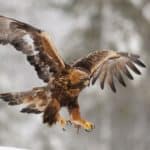
Golden eagle
Golden eagle One of the defining raptors of Armenia's uplands; often observed over open mountains and high plateaus, especially in areas with strong thermals and abundant prey.
Dalmatian pelican A globally threatened waterbird that draws birders to Armenia's larger lakes and wetlands (including the Lake Sevan basin during movements and at suitable wetland sites).
Armenian gull The signature 'local' gull of the Armenian Highlands; Lake Sevan is a premier place to see it, especially around breeding and feeding congregations.

Endemic Species

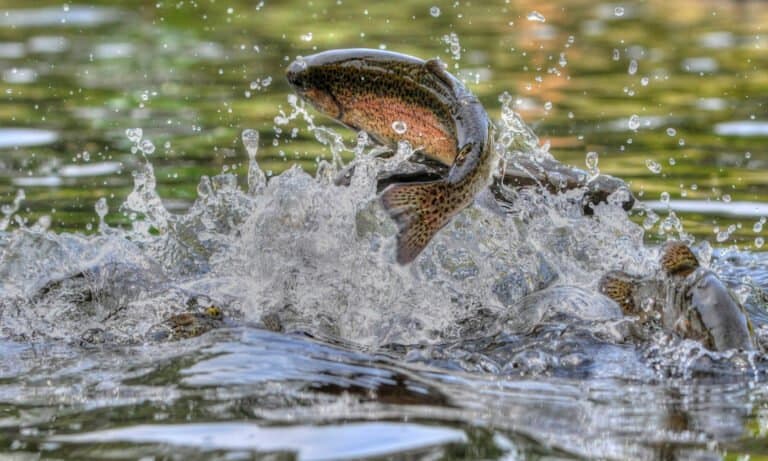
Sevan trout (Ishkhan) Endemic to the Lake Sevan system; culturally iconic and conservation-relevant, representing Armenia's unique highland freshwater fauna. Endemic
Armenian viper A viper closely tied to Armenia and adjacent highland habitats; part of the country's notable richness of mountain and steppe reptiles. Endemic
Radde's mountain viper A near-endemic highland viper of the Armenian and neighboring ranges; emblematic of rocky, high-elevation reptile communities. Endemic
Armenian rock lizard A rock-dwelling lizard centered on the Armenian Highlands; representative of the region's distinctive diversity of Darevskia lizards in rocky montane terrain. Endemic

Notable Populations

  • Lake Sevan is among the most important breeding and gathering areas for Armenian gull, a near-endemic species of the Armenian Highlands.
  • Southern Armenia (Syunik/Zangezur landscape) is a key South Caucasus linkage for Persian leopard conservation, helping maintain connectivity with populations in neighboring regions (notably Iran).
  • Armenia holds regionally important populations of Armenian mouflon and bezoar ibex, making its protected mountain reserves (e.g., Khosrov Forest and southern ranges) central to conserving these highland ungulates in the South Caucasus.
Protection

Conservation

Primary Threats

  • Conversion and degradation of mountain steppe and meadow habitats occur through overgrazing, expansion of cultivated land in valleys, and local clearing of woodland edges. In forest regions (notably Tavush and parts of Lori), habitat quality is reduced by selective cutting and wood extraction, shrinking and simplifying habitats used by forest birds and large mammals.
  • Road upgrading, new access tracks (often linked to forestry, mining, and tourism), power lines, and hydropower-related works increase fragmentation in steep landscapes where wildlife movement is naturally funnelled through narrow corridors. This particularly affects connectivity between forested ranges and the southern highlands important for wide-ranging species like the Caucasian leopard.
  • Hard-rock mining and associated tailings storage, haul roads, and water withdrawals are among Armenia's most contentious biodiversity pressures, especially in Lori and Syunik. Risks include direct habitat loss, disturbance, and water/soil contamination from tailings and acid/metal runoff, with downstream effects on rivers and riparian ecosystems.
  • Illegal and unsustainable wood harvesting persists in some areas due to rural energy needs and economic pressures. Even where clear-cutting is limited, selective logging can reduce old-growth structure, increase erosion on steep slopes, and create access routes that intensify hunting and disturbance.
  • Water quality pressures are concentrated around mining districts (metal contamination risk), inadequate municipal wastewater treatment in some settlements, and agricultural runoff. Lake Sevan is especially sensitive: nutrient inputs and sedimentation contribute to eutrophication risks, harming endemic and native fish and altering aquatic habitats.
  • Lake Sevan's fisheries have experienced long-term pressure, historically affecting endemic/native species such as the Sevan trout. Even with regulations, enforcement challenges and illegal catch can undermine recovery, while altered lake ecology complicates sustainable management.
  • Poaching and illegal hunting can reduce populations of ungulates (key prey base) and other wildlife, particularly in remote mountainous areas where enforcement coverage is uneven. Declines in prey availability indirectly increase risks for large carnivores and can intensify conflict dynamics.
  • In rural mountain communities, livestock depredation by wolves and occasional conflicts involving bears can lead to retaliatory killing or pressure for lethal control. Conflict risk is higher where grazing occurs near forest edges and where wild prey is reduced by hunting or habitat degradation.
  • Warming trends and shifting precipitation patterns affect snowpack, spring runoff, and drought frequency, increasing stress on alpine and subalpine ecosystems. This can reduce pasture productivity, heighten wildfire risk in dry periods, and exacerbate water-management challenges in sensitive basins such as Lake Sevan and arid southern landscapes.
  • Hydrological alterations-water abstraction for irrigation, lake level management, river regulation, and small hydropower development-change flow regimes, sediment transport, and aquatic habitats. In a mountainous country with short, fast rivers, even localized modifications can have outsized downstream ecological effects.
  • While large-scale expansion is limited by terrain, incremental conversion in valley bottoms and foothills (orchards, irrigated plots, hay meadows) can remove or fragment steppe and wetland edges. Intensification also increases pesticide/fertilizer inputs, impacting pollinators and freshwater systems.
  • Introductions and spread of non-native aquatic species (notably in Lake Sevan and connected waters) compete with or prey on native fish and invertebrates and can reshape food webs. On land, disturbed roadside and degraded pasture zones can facilitate invasive plants that reduce native meadow diversity.
  • High grazing pressure in some upland pastures leads to soil compaction, erosion, and reduced plant diversity, weakening watershed function. Dependence on fuelwood in some rural areas also drives continued pressure on forest resources where alternative energy access is limited.
  • Growing tourism and recreation in high-value landscapes (e.g., Dilijan and alpine lake regions) increases off-road traffic, litter, noise, and wildlife disturbance, especially along accessible ridgelines, picnic areas, and lakeshores during peak seasons.
Visit

Wildlife Tourism

Armenia's wildlife tourism is niche but growing, driven by the country's rugged mountains, alpine meadows, steppe, forests, and big-river corridors that support standout species like Armenian mouflon, bezoar ibex, brown bear, wolves, and (very rarely) the Caucasian leopard in the wider region. Economically, wildlife travel is a smaller slice of tourism than culture and cuisine, but it's increasingly important for rural communities via guiding, homestays, birding tours, and visitor fees to protected areas. Conservation NGOs and protected-area staff have expanded wildlife monitoring and responsible visitor infrastructure over the last couple of decades, making specialist trips (birding, tracking, nature photography) more feasible. Accessibility is a major advantage: you can base in Yerevan and reach key habitats-mountain passes, lake shores, forests, and gorges-within 1-3 hours by road. Independent travel is possible, but for sensitive species (mouflon/ibex, bears, raptors) and off-road/high-elevation routes, local guides and 4x4s significantly improve safety, sightings, and etiquette.

Best Time to Visit
  • March-April: Early spring migration and the start of breeding displays. Expect raptors on ridgelines, early passerine movement, and amphibian activity in lower elevations; good time for birdwatching in river gorges and foothills.
  • May-June: Peak wildflower season in alpine meadows plus strong bird song/activity (warblers, buntings, wheatears, larks). Excellent for hiking-based wildlife and butterfly/dragonfly watching.
  • July-August: High-elevation alpine access is easiest; good for ibex/mouflon scanning in open slopes at dawn/dusk and for reptiles in rocky habitats. Midday heat lowers activity at lower elevations; plan early starts.
  • September-October: One of the best all-around windows-clear air for long-distance scanning, autumn migration (raptors and passerines), and active mammals preparing for winter. Great for photography in forests as foliage turns.
  • November: Late migration and atmospheric landscapes; fewer visitors. Wildlife viewing is more weather-dependent but can be rewarding in open steppe/foothills.
  • December-February: Winter tracking season-look for mammal tracks in snow (wolves/foxes/hares), wintering waterbirds, and raptors. Some mountain roads can be difficult; plan with flexible routing and local conditions.

Top Wildlife Experiences

  • Dawn ridgeline scan for Armenian mouflon and bezoar ibex: hike to a high viewpoint before sunrise, then glass open slopes and cliff bands with binoculars/spotting scope for 2-3 hours (best in summer-early autumn).
  • Raptor-watching from a mountain pass: spend a morning stationed at a windy saddle or ridge to watch eagles, buzzards, and migrating raptors using thermals; combine with a short walk to vantage points for photography (spring and autumn are strongest).
  • Lake-shore birding circuit at first light: walk quiet sections of shoreline to look for grebes, ducks, herons, and migrating shorebirds, then finish with a scope session from a promontory (best April-June and September-November).
  • Forest-edge bear-and-wild-boar sign walk: join a local guide for an interpretive walk focused on tracks, scat, feeding signs, and habitat-often more realistic than direct sightings, and excellent for learning (late spring through autumn).
  • Night drive/spotlight session for nocturnal mammals: a slow, guided evening drive on quiet rural roads to scan for foxes, hares, and other nocturnal species; combine with stargazing in dark-sky areas (late spring-autumn).
  • Wildlife photography hike in alpine meadows: a half-day hike timed for golden-hour light to photograph wildflowers, butterflies, and mountain landscapes, with opportunistic bird/mammal encounters (June-July).
  • Gorge walk for cliff-nesting birds: follow a river gorge trail to watch swifts, swallows, and raptors using cliff faces; bring a scope and plan midday when updrafts are strong (May-October).
  • Winter snow-tracking outing: guided walk or snowshoe in forest/foothill terrain to learn track identification and locate active corridors; excellent for families and photographers (December-February).
  • Citizen-science style birding day: join a local guide to log species lists across multiple habitats (lake, steppe, forest edge) and learn field ID; ideal for visitors new to Caucasus birdlife (April-June, September-October).

Safari Types Available

  • Guided wildlife hikes (half-day to multi-day) focused on spotting and tracking
  • Vantage-point 'glassing' sessions for mountain ungulates (scope-based scanning at dawn/dusk)
  • Birdwatching day trips (lake shorelines, gorges, steppe/foothills, forest edges)
  • Raptor migration watch sessions from passes and ridgelines
  • Night drives/spotlighting for nocturnal mammals (where permitted and ethical)
  • Winter tracking and snowshoe wildlife trips
  • Nature photography tours (wildflowers, birds, landscapes with wildlife opportunities)
  • Multi-activity wildlife-and-culture itineraries (wildlife mornings + monastery/cuisine afternoons)
Fun Facts

Did You Know?

Armenia is landlocked, yet it has a bird literally called the "Armenian gull"-and it famously breeds far from any sea on Lake Sevan at high elevation.

Leopards aren't just a historical symbol here: camera traps have repeatedly documented Persian leopards using southern Armenian mountain corridors (notably around the Zangezur area), linking populations between Iran and the Caucasus.

Lake Sevan has its own native salmonid, the Sevan trout (Salmo ischchan), found nowhere else on Earth; several distinct local forms evolved within the same lake-an "island evolution" story in freshwater.

Armenia has high-mountain vipers adapted to alpine conditions (e.g., Radde's mountain viper, Montivipera raddei), occurring at elevations where many people don't expect snakes to live.

The country's rugged cliffs support true "vertical ecosystem" wildlife: bezoar ibex (Capra aegagrus) can scale near-sheer rock faces, and their presence helps sustain top predators like the leopard by providing large prey in steep terrain.

Khosrov Forest State Reserve (founded in the 4th century by King Khosrov III) is among the world's oldest protected areas created specifically to safeguard wildlife and forests.

Lake Sevan-at roughly 1,900 m elevation-is one of the world's largest high-altitude freshwater lakes, a rare "inland sea" that strongly shapes Armenia's wildlife.

The biggest breeding concentrations of Armenian gull (Larus armenicus) are on Lake Sevan, where thousands of pairs nest on islands and peninsulas-an unusually large inland gull colony.

The Persian leopard (Panthera pardus tulliana), among the largest leopard subspecies, still persists in Armenia in small numbers-making the country one of the few places in the South Caucasus where the species is still confirmed.

Armenian mouflon (Ovis gmelini gmelini) is one of the rarest wild sheep forms in the region; Armenia holds one of its key remaining strongholds in the wild.

Armenia is a country in Asia and lies just south of the great mountain range of the Caucasus. It fronts the northwestern extremity of Asia. Armenia is bounded by Georgia and Azerbaijan to the north and east. Armenia’s fauna is consists of over 12,000 animals, though a great majority (11,000) are insects. Still, with 75 different mammals, it is relatively common to come upon a wild boar or goat.

Meanwhile, to the southeast and west, its neighbors are Iran and Turkey respectively. Farm activities and fishing are quite prominent in Armenia, and many endangered animals are protected from being hunted. Unfortunately, some conservations came too late for several species that are now extinct.

The Official National Animal of Armenia

The official national animal of Armenia is the Golden Eagle. The Golden Eagle is incredibly fast and it can use this speed to effectively hunt its prey. They use their sharp claws to catch rabbits, ground squirrels, marmots, and similarly small mammals. These birds also browse the freshwater areas in hopes of fishing themselves some dinner, though they will go after reptiles and larger insects as well.

Golden Eagles have large eyes, giving them a unique shape to their head. This enables these eagles to see clearly and in color. This helps them to spot movement from quite a distance.

Much of the reason that Armenia chose the Golden Eagle as their national animal is for the symbolism it offers, standing for the courage, nobility, patience, wisdom, and power of all animals. These characteristics embody Armenians, representing their powerful qualities as well. Since it is named the national animal, it is currently protected by law.

Where to Find the Top Wild Animals in Armenia

Armenia is rich with endemic wildlife, making the home to wild boar, many different reptiles, and even a large number of endangered species. Even though the country spans a relatively small area in Asia, the mountainous terrain has created many habitats for wild animals and migratory birds.

  • Golden eagle: These birds are unique and majestic and can be found in Mexico, Alaska, Asia, Northern America, and Europe. These are also the national animals of Armenia. The golden eagles can be spotted in the mountains and cliffs of Armenia.
  • Steppe eagle: These eagles were once bred in Europe but can also be found in China, Mongolia, Russia as well as Kazakhstan. In Armenia, these eagles can be spotted in mountain steppes, farm areas, and orchards. They love being around the fauna of Armenia.
  • Wild goat: Wild goats can be found inhabiting the forests, shrublands, and rocky areas of Armenia.
  • Syrian brown bear: The Syrian brown bears are found in the mountainous areas of Armenia. They hunt for fruits in this area and also hibernate in the tree hollows and caves.

Anyone that wants to see these animals in their natural habitat should be cautious as they immerse themselves in the forests and mountain areas. Due to the heavy agricultural activities in the area, many locals will set up a farm in areas where their livestock can graze at the bottom of these mountains.

If you want to experience some unique fishing options, visit the Armenian Lake Sevan, which is rich with freshwater trout that many consider being a delicacy.

The Most Dangerous Animals in Armenia Today

Considering the wildlife that is naturally found in Armenia, it shouldn’t be surprising that there are a few animals to steer clear of. For the most part, these animals prefer to stay away from humans anyway, but they may feel threatened if a human is near.

  • Snakes: Armenia has 22 species of snakes. Out of these, 4 snake species are known to be dangerous and poisonous.
  • Golden eagle: The golden eagles are known to be powerful enough to kill a man. However, there have been very rare incidents of them doing that.
  • Wild goats: Wild goats are known to be unpredictable so humans should stay a little away from them.
  • Syrian brown bears: Syrian brown bears are known to be dangerous to humans especially if the bear feels that a person is coming between the mother bear and her cub(s).

The best way to remain safe is to stay in populated areas of Armenia where these animals are less common. Some animals – like the Asiatic lion – are now extinct in the area as the result of hunting and poaching, even though they were only dangerous to individuals that didn’t steer clear.

Endangered Animals in Armenia

Like all other places, some animals are endangered in Armenia as well. Some others have been washed out of existence and are now extinct. Some of them are:

  • Syrian brown bear
  • Bezoar goat
  • Caucasian leopard
  • Caucasian lynx

These animals are either eaten by their respective predators or face threat from human activities like industrialization and urbanization which has eventually led them to be endangered.

The Flag of Armenia

The flag of Armenia consists of three horizontal bands of red, blue, and orange of equal width. The flag was adopted on August 24, 1990, by the Armenian Supreme Soviet and approved by the National Assembly of Armenia on June 15, 2006.

Animals Found in Armenia

159 species documented in our encyclopedia

Thank you for reading! Have some feedback for us?