






K
Species Profile

Khao Manee

Felis catus

Thailand's White Gem with jewel eyes
ApisitWilaijit/iStock via Getty Images

Khao Manee Distribution

Click a location to explore more animals from that region

Origin Location

This map shows the native origin of the Khao Manee. As a domesticated species, they are now found worldwide.

Loading map...

Found in 1 country

Size Comparison

Human 5'8"
Khao Manee 10 in

Khao Manee stands at 15% of average human height.

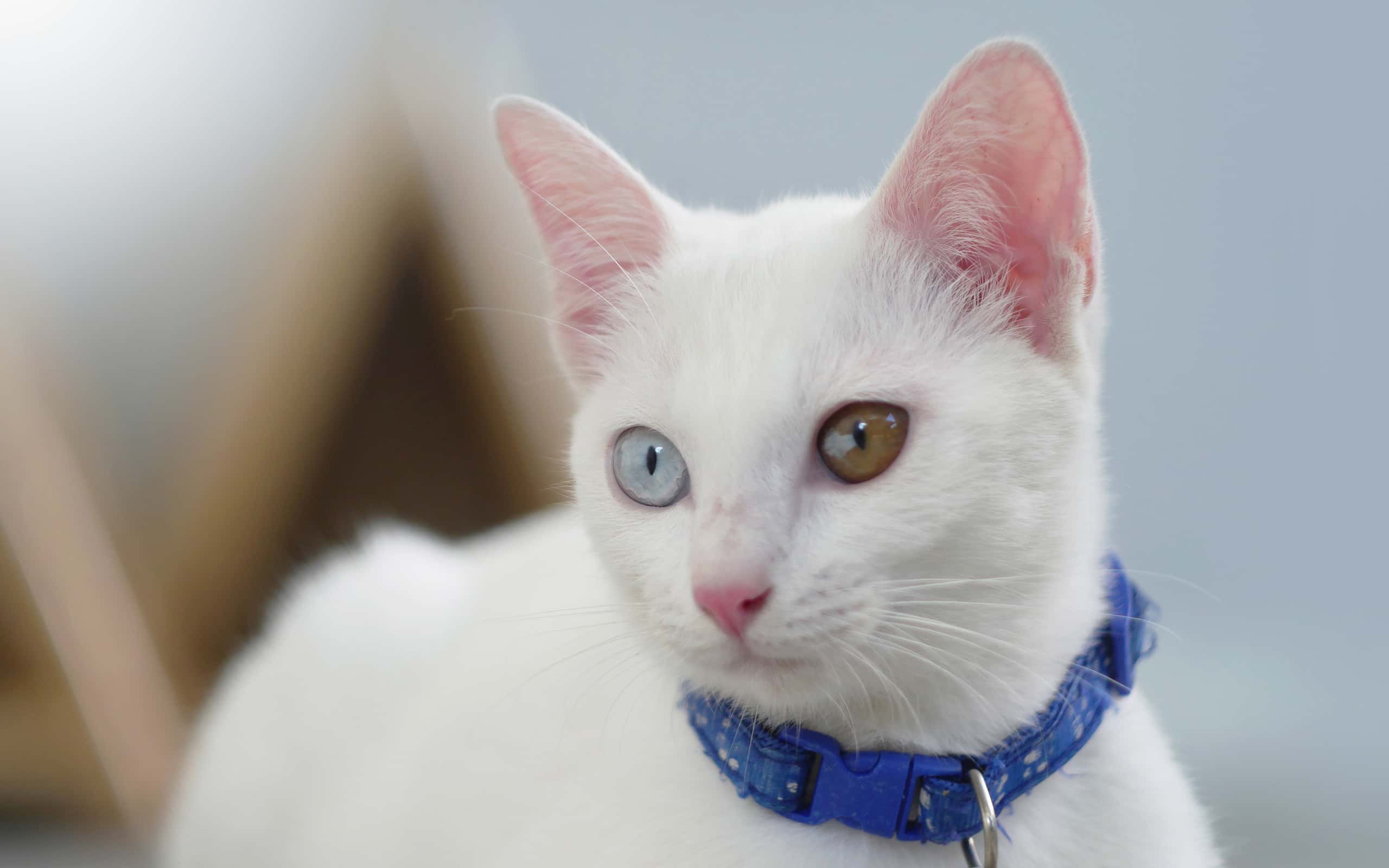
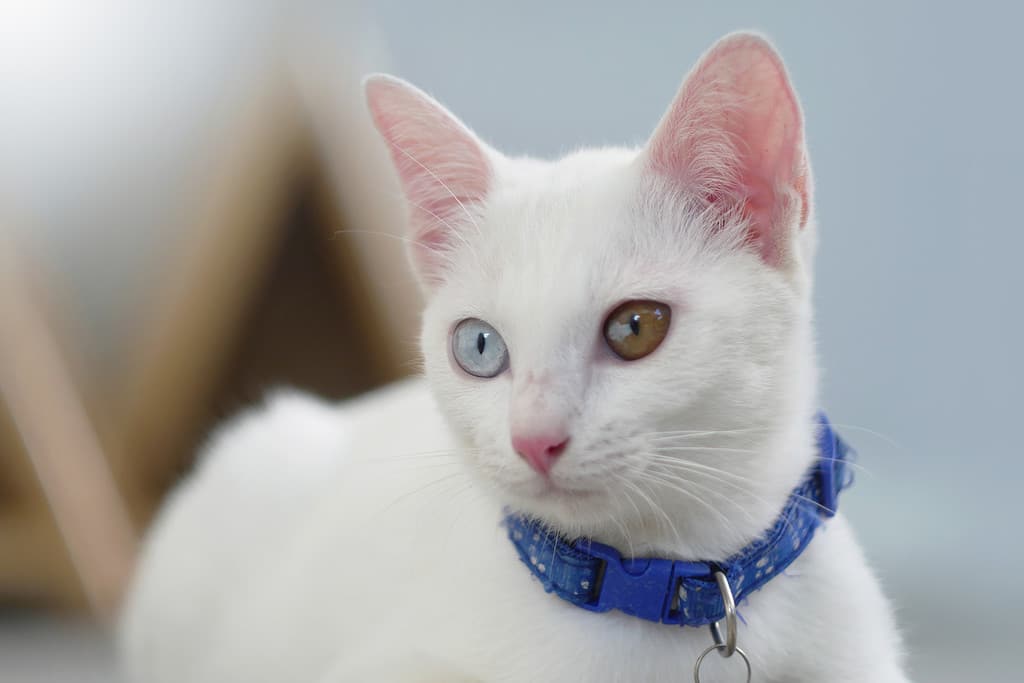
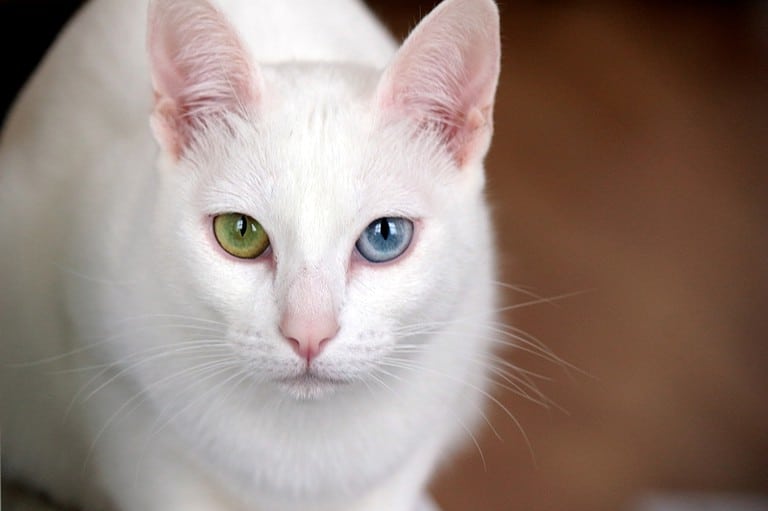
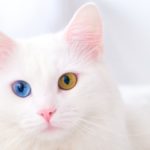
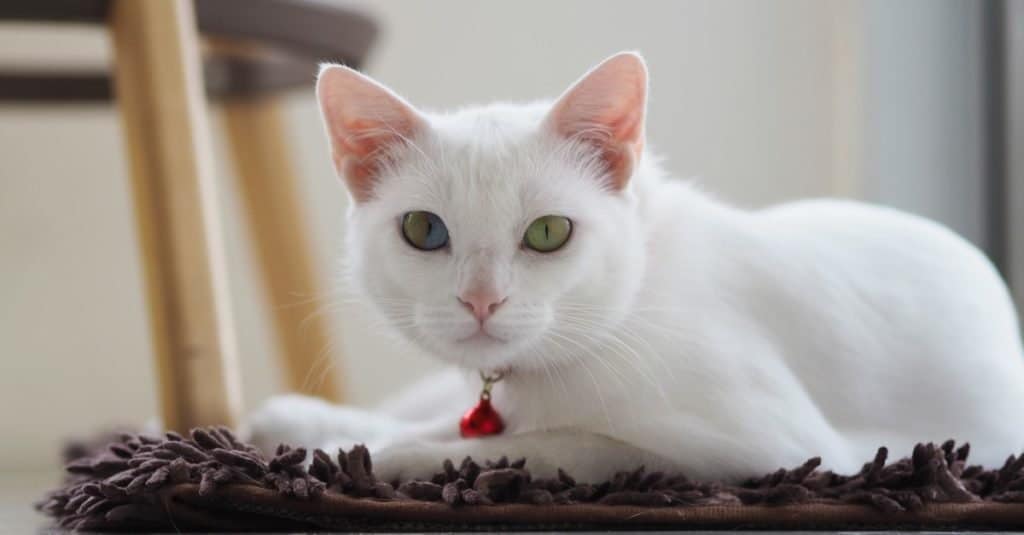
Close to Khao Manee Cat have diamond 2 colors on the eyes.

At a Glance

Domesticated
Also Known As Khao Mane, Khao Mani, Maew Khao Mani (แมวขาวมณี), White Gem of Siam, Diamond-eyed cat
Diet Carnivore
Activity Crepuscular+
Lifespan 11 years
Weight 5.5 lbs
Status Not Evaluated
Did You Know?

"Khao Manee" means "White Gem" in Thai, reflecting the breed's prized snowy coat and bright eyes.

Scientific Classification

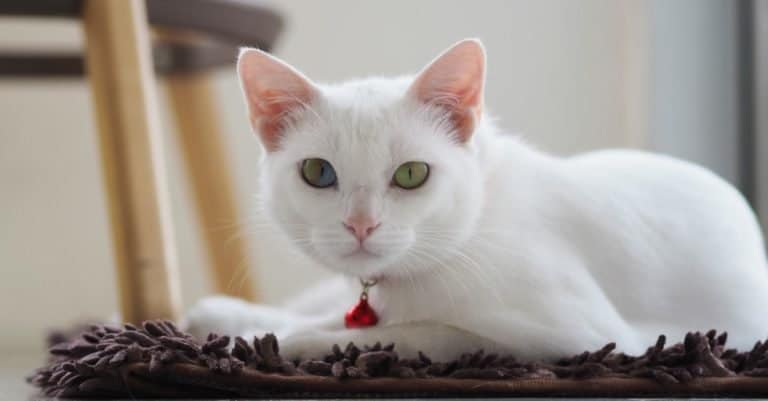
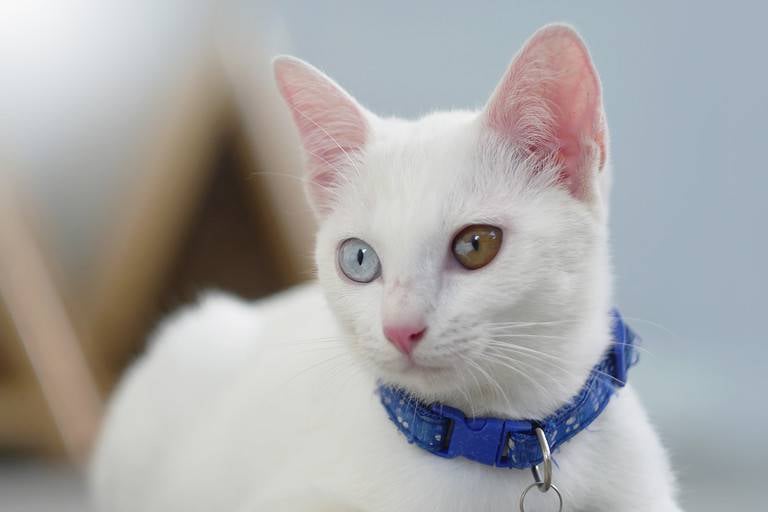
The Khao Manee is a rare Thai breed of domestic cat characterized by a pure white coat and striking eyes that may be blue, gold/amber, green, or odd-eyed (each eye a different color).

Kingdom
Animalia
Phylum
Chordata
Class
Mammalia
Order
Carnivora
Family
Felidae
Genus
Felis
Species
Felis catus

Distinguishing Features

  • Solid white coat (often short-haired)
  • Eye colors may be blue, gold/amber, green, or odd-eyed (heterochromia)
  • Medium build with alert, active temperament typical of many Thai-origin cats
  • White/blue-eyed individuals can have elevated risk of congenital deafness (common in some white-coated cats)

Physical Measurements

Males and females differ in size

Height
10 in (9 in – 11 in)
9 in (9 in – 10 in)
Length
2 ft 9 in (2 ft 6 in – 3 ft)
2 ft 6 in (2 ft 2 in – 2 ft 9 in)
Weight
11 lbs (8 lbs – 13 lbs)
7 lbs (6 lbs – 9 lbs)
Tail Length
1 ft 1 in (11 in – 1 ft 2 in)
12 in (10 in – 1 ft 2 in)
Top Speed
30 mph
running

Appearance

Primary Colors
Secondary Colors
Skin Type Domestic-cat skin with a short-to-medium, close-lying single coat; minimal undercoat and low-oil texture.
Distinctive Features
  • Domestic cat (Felis catus) breed from Thailand with strong cultural prestige and "jewel" reputation.
  • Striking eye colors: blue, gold/amber, green, or odd-eyed (heterochromia) is common and prized.
  • Pure white coat emphasizes facial features; eyes appear large and luminous against white fur.
  • Wedge-to-moderate head with high cheekbones; medium ears; athletic, moderately muscular body.
  • Often has pink nose/paw pads that contrast with white fur; whiskers commonly white.
  • Care: indoor housing advised to protect white coat/skin from sunburn and reduce injury/theft risk for this rare breed.
  • Care: regular ear cleaning/inspection and routine dental care; coat is easy to maintain with weekly grooming.

Sexual Dimorphism

Sexual dimorphism is mild. Males are typically larger with broader heads and necks, while females are smaller and more refined; coat and eye-color variability occur in both sexes without consistent sex-linked differences.

  • Slightly heavier, more muscular build; broader chest and neck.
  • Head may appear wider with more pronounced cheek/jowl development in adulthood.
  • Slightly smaller, lighter frame with a more delicate overall outline.
  • Head and neck tend to look finer and less broad than males.

Did You Know?

"Khao Manee" means "White Gem" in Thai, reflecting the breed's prized snowy coat and bright eyes.

It's a domestic breed of Felis catus (not a wild cat), shaped by human selection for color, temperament, and rarity.

Eye colors can be blue, gold/amber, green, or odd-eyed (two different colors), a signature trait of the breed.

All-white cats with blue eyes (including some Khao Manee) can have a higher risk of congenital deafness.

Traditionally, Khao Manee cats were associated with Thai royalty and kept as treasured companions.

Despite their elegant look, they're typically athletic, playful, and highly interactive with people.

Unique Adaptations

  • Coat/eye genetics: the breed's hallmark solid-white coat and bright/odd eye colors come from pigmentation genetics that also explain the known deafness association in some white, blue-eyed cats.
  • Low-contrast coat care: the single-colored coat makes dirt visible-regular gentle grooming and clean resting spots help maintain the "white gem" look.
  • Sun sensitivity consideration: white coats offer less natural protection from UV-indoor living and shaded windows help protect ears/nose from sun damage risk.
  • Domestic-cat versatility: like other Felis catus, they're adaptable to indoor environments and can thrive with enrichment rather than outdoor range.

Interesting Behaviors

  • People-centric "shadowing": many Khao Manee follow family members from room to room and prefer being near activity.
  • Talkative socializing: frequent chirps/meows to greet, request play, or keep contact with their humans.
  • High play drive: enthusiastic about wand toys, chase games, and puzzle feeders; many enjoy learning simple routines.
  • Curious "inspector" behavior: quick to investigate new objects, visitors, and opened cabinets.
  • Confident sociability: often less reserved with guests than some other breeds when well-socialized.
  • Vertical exploration: enjoys climbing and perching to survey rooms; appreciates cat trees and window seats.

Cultural Significance

Khao Manee (Felis catus) cats in Thailand are seen as lucky and precious. White, rare, with gem-like eyes, they lived with rich homes and royalty and were symbols of good luck and home guardians.

Myths & Legends

Thai "lucky cat" tradition: white cats-especially those with striking or mismatched eyes-are treated as auspicious companions believed to bring prosperity and protection to a home.

Royal household lore: Khao Manee are often linked in Thai historical anecdotes to being kept within royal circles as treasured, guarded cats, enhancing their mystique and status.

Naming legend: the epithet "White Gem" reflects the long-standing view that the cat's white coat and bright eyes resemble precious stones, a poetic association repeated in Thai storytelling about fortunate animals.

Conservation Status

NE Not Evaluated

Has not yet been evaluated against the criteria.

Population Stable

Life Cycle

Birth 4 kittens
Lifespan 11 years

Lifespan

In the Wild
10–12 years
In Captivity
10–20 years

Reproduction

Mating System Polygynandry
Social Structure Managed Domestic
Breeding Pattern Transient
Fertilization Internal Fertilization
Birth Type Internal_fertilization

Behavior & Ecology

Social Colony Group: 3
Activity Crepuscular, Cathemeral
Diet Carnivore High-protein, meat-based wet food (e.g., poultry such as chicken/turkey) formulated for cats with taurine; some individuals show strong preference for warm, aromatic foods and small meaty pieces.

Temperament

Species context (Felis catus): flexible sociality-solitary by default, but social in resource-rich, stable settings.
HUBS: most individuals show dawn/dusk activity peaks; indoor routines shift some toward daytime activity.
Breed distinction (Khao Manee): notably people-oriented, attention-seeking, and highly interactive compared with average domestic cats.
HUBS: many are bold, curious, and playful; variation exists from outgoing "greeter" to cautious observer.
Often forms strong attachment to one or more humans; may shadow caregivers and demand engagement.
Generally tolerant of other pets when introduced gradually; can become bored or destructive without enrichment.
Health concern: higher risk of congenital deafness, especially with blue or odd eyes; behavior may reflect startle sensitivity.
Care requirement: prioritize indoor safety, visual cues, vibration/touch signals, and secure routines if hearing-impaired.
Care requirement: white coat needs sun protection (shade/indoors) to reduce sunburn/skin cancer risk on ears/nose.
Enrichment needs: puzzle feeders, climbing space, interactive play, and training for mental stimulation.

Communication

meow Frequent, attention-seeking
trill/chirp Greeting, affiliative
purr Contentment or self-soothing
growl/hiss Defensive
yowl Distress, mating-related, or seeking
Tail/ear/whisker posture and slow blinks for affiliative signaling
Scent marking via cheek rubbing and scratching to maintain familiarity and territory
Kneading and head-butting for bonding
Tactile communication (paw taps, body leaning); especially important if deaf
Visual attention-getting (sitting in path, direct gaze) and routine-based signaling

Habitat

Biomes:
Tropical Rainforest Tropical Dry Forest Savanna Desert Hot Desert Cold Mediterranean Temperate Grassland Temperate Forest Temperate Rainforest Boreal Forest (Taiga) Tundra Alpine Freshwater Wetland Marine +9
Terrain:
Plains Coastal Riverine
Elevation: Up to 19685 ft 1 in

Ecological Role

Domestic companion carnivore and opportunistic small-prey hunter; in human environments functions primarily as a pet but can act as a local mesopredator when allowed outdoors.

Rodent population suppression around homes/structures Companionship and human well-being benefits Cultural/heritage value (rare Thai breed) Educational value for responsible pet stewardship (indoor housing reduces wildlife predation)

Diet Details

Main Prey:
House mice and other small rodents Rat Small birds Small reptiles Amphibians Large insects and other invertebrates

Human Interaction

Domestication Status

Domesticated

Felis catus is a domesticated pet descended from Near Eastern wildcats (Felis lybica) and has lived near people for thousands of years. The Khao Manee is a natural landrace from Thailand, kept and later made a rare pedigree breed. It was prized in Thai culture as a symbol of good luck; limited breeding outside Thailand keeps it rare and costly.

Danger Level

Low
  • Scratches and bites (common cat-handling injuries), especially if overstimulated or poorly socialized
  • Allergic reactions to dander/saliva in sensitive individuals
  • Zoonotic risks typical of domestic cats: ringworm, Bartonella (cat-scratch disease), intestinal parasites-reduced with routine veterinary care and parasite prevention
  • Hearing-impaired individuals may startle more easily, increasing scratch/bite risk if approached suddenly

As a Pet

Suitable as Pet

Legality: Khao Manee (a domestic cat, Felis catus) is usually legal where pet cats are allowed. General rules may apply (licenses, microchips, indoor-only rules, limits, declaw bans, HOA or rental rules). Special exotic permits are usually not needed; check local laws.

Care Level: Moderate

Purchase Cost: $1,200 - $5,000
Lifetime Cost: $16,000 - $45,000

Economic Value

Uses:
Companion animal/pet Selective breeding and showing Cultural/heritage value Veterinary and pet services spending Pet-related retail (food, litter, enrichment)
Products:
  • kittens from registered breeders
  • stud/breeding rights (where ethically managed)
  • show participation/registration services
  • pet care services (vaccination, sterilization, dental care)
  • specialty items for white-coat care (gentle grooming products, stain control)

Relationships

Ecological Equivalents 5

Animals that fill a similar ecological role in their ecosystem

Khao Manee cats are one of the rarest breeds of cats in the world. Originally from Thailand, this breed is slowly gaining global notoriety. They are an alluring breed with snow-white fur, jewel-toned eyes of yellow or blue or both. Rumored to bring luck to their owner, these cats were originally bred by the Siam royal family, and the penalty for stealing one was death.

Six Amazing Facts About The Khao Manee

  • They always have striking white fur. Some kittens might be born with colored spots that go away later in life.
  • Khao Manee cats are talkative. If they are happy or upset, their owners would hear about it.
  • These cats have separation anxiety. They love being around busy homes with lots of people in them.
  • Khao Manee are still considered good luck charms by the people in their native land of Thailand. They are said to bring prosperity to those who own them.
  • They have a distinct look. Their jewel-toned eyes are usually yellow or blue or both colors in either eye.
  • White-haired and blue-eyed Khao Manee are prone to deafness due to a congenital condition. This condition never goes away.

Scientific Name

The Khao Manee is a rare breed of snow-white cats native to Thailand. The name literally means “white gem” in the Thai language. These cats are also called Khao Plort, which translates to “complete white.” They are also known as the diamond eye cats because of their bold eyes, which come in blue or gold, or both colors in either eye.

The Khao Manee is classified as Felis catus, or a domesticated cat. They belong to the order Carnivora with other carnivorous mammals, and the family Felidae. Members of this family are characterized by retractable claws and muscular bodies.

Appearance
Most Expensive Cat Breeds: Khao Manee

The Khao Manee hail from Thailand, where they’re considered an ancient breed and harbingers of good luck. These lucky charms are outgoing, playful pets who are totally dedicated to their humans.

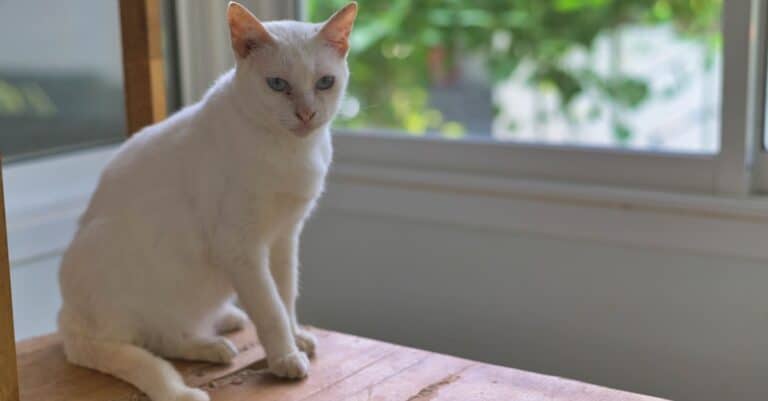
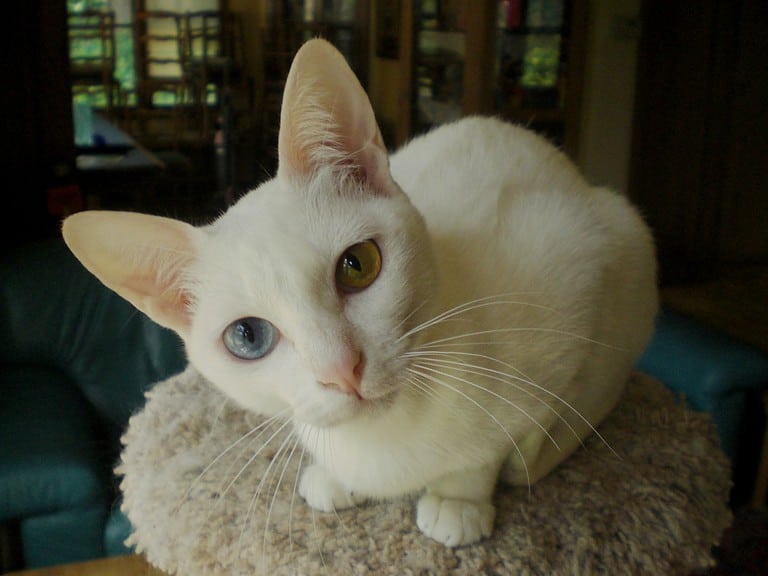
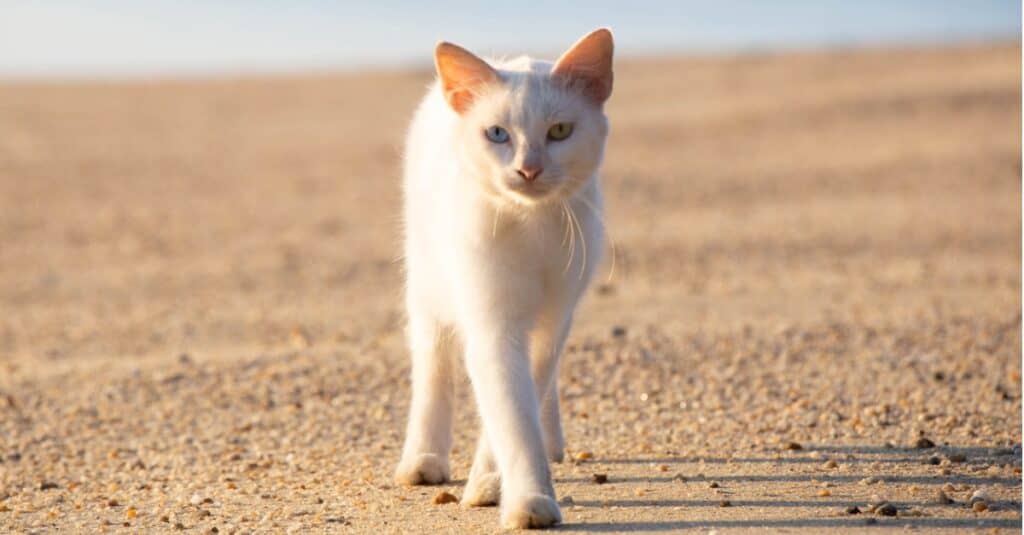
They are easy to identify. Their short fur is completely white, slender, and they have either blue or gold eyes, or odd eyes of each color, a phenomenon known as heterochromia. Odd-eyed cats are the rarest of the three types. Biologists have linked the white color of the Khao Manee coat and the blue eyes to congenital deafness. Affected cats usually have these traits and are deaf, but not all cats with these traits will be deaf.

Some Khao Manee kittens are born with black spots that fade away as they age, and some are born a whole other color. This comes down to genetics, and the kittens born another color generally are not considered of this breed.

Khao Manee cats are medium–sized with big, round eyes, comparably large ears, and a lean, muscular build. They have four legs with five toes on their front feet and four toes on their hind feet. Fully grown, these white cats can weigh anything from 8 to 11 pounds.

Similar to other felines, these cats have retractable claws, which they use for hunting and latching onto objects that they climb. They are very agile and active cats.

Behavior

Cats are known to be mischievous and curious, and these are no different. They are very smart cats and exhibit love and affection for their owners. Khao Manee cats love to be around people and are known to be vocally expressive. Just like other cats, they purr when they are content and meow to communicate with their owners. When they are upset, they will hiss, and when displaying aggression, arch their backs with raised fur.

Khao Manee cats are agile, owing to their muscular build. They enjoy physical activities like running, playing, and climbing. As an owner, it’s important to remember to keep your cat entertained. Cats also love to scratch things, and this will easily become part of your daily life.

Khao Manee cats are very sociable animals and enjoy spending time with their adopted family. They love to be with their owners most of the time and suffer from separation anxiety when left alone for extended periods of time. They are best suited for owners who work from home or who work very short hours.

Khao Manee Care

They have short coats and prefer warm weather, so they would naturally dislike being out in an extremely cold environment and weather conditions like rain or snow. Because of their whiteness, they are prone to sunburn on the ears and nose.

When it comes to grooming, cats typically have most of that covered by licking themselves. These cats are low-maintenance pets because of their short fur. They should only be brushed weekly. If your Khao Manee does get dirty or smelly enough to require a bath, then you can plan for it by trimming down their nails to avoid painful scratches. These cats are not big fans of water or getting wet. Their baths should include a shampoo that would highlight the brilliant white of their coat.

Khao Manee cats should get their nails trimmed down periodically, as is the case with all domestic cats. It is very important to learn how to cut your cat’s nails properly to avoid injury to your beloved pet.

Some Khao Manee cats are born deaf in one or both ears. With a deaf cat, there are certain measures that should be in place to ensure its safety.

These include:

  • Monitoring and controlling the cat’s whereabouts. You might want to keep your cat inside the house and only take them outside under proper supervision.
  • Stomping around them creates vibrational waves to indicate your presence. This ensures that they are not startled by you.

Pros and Cons of Owning a Khao Manee

ProsCons
Khao Manee are a very attractive pet choice because of their brilliant white fur, jewel-toned eyes, and rare status. Since they were originally bred by royalty, you might feel as extravagant owning one.Owning a Khao Manee won’t be a cheap choice. Get ready to shell out thousands of dollars to purchase this cat breed. Costs range from $1,800 to $10,000, depending on the cat’s physical characteristics.
Khao Manee cats make great companions. They are friendly, expressive, and vocal, and they can get very attached to their owners.Khao Manee cats might be prone to some disabilities that some owners may not be ready to handle. Some of these cats are born deaf and would require special treatment.
Khao Manee are low-maintenance pets. They have short fur, which does not require excessive grooming, and they eat regular cat food despite being so unique.Khao Manee cats get separation anxiety when left alone for long periods of time. Owners would need to be present around the clock. They are not a breed for people who have to be away from home for long.

Diet

Khao Manee cats are obligate carnivores. This means that their staple diet consists of flesh. Nevertheless, every cat has its specific dietary preferences. Cats are usually fed wet or dry food, so it is up to the owner to determine which ratio their cat prefers. Keep in mind that the nutritional needs of a Khao Manee kitten will differ from those of a lactating mother or a senior kitty.
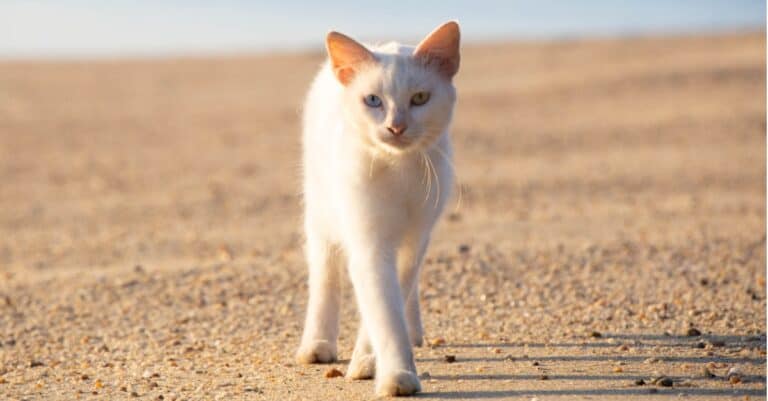
Khao Manee walking toward camera

Khao Manee are from Thailand and are known for their all white coat.

Habitat and Population

The Khao Manee is one of the rarest cats in the world. Native to Thailand, they are only just gaining popularity worldwide. They are said to have only been bred and owned by Siam royalty, and Thai breeders are working to keep these cats from becoming even more of a rarity.

Now, Khao Manee breeders are springing up around the world, particularly in Europe and the United States. In 1999, the first 12 Khao Manee cats were imported into the United States. Another breeder introduced the Khao Manee cats in France in 2004. Purchasing costs for a purebred Khao Manee range from $1,800 to $10,000, depending on factors like the presence of defects and eye color.

The exact Khao Manee cat population figure is currently unknown, but it is widely believed to be on the decline.

Reproduction and Lifespan

Khao Manees have the same mating patterns as other cats. Khao Manees will reach sexual maturity between 7 to 12 months of age.

Male Khao Manees are typically bigger than the females and have a moderately denser bone structure. Male cats weigh about 8 to 11 pounds, while the females weigh six to eight pounds.

Females usually have up to five estrus cycles in a year. When they are in heat, several males fight to win her as a mate. After the mating session, the female licks her vulva clean before she is approached by another male. A female cat can mate with more than one male and give birth to a litter of kittens with different fathers.

The gestation period for cats usually lasts 64 to 67 days, and the female cat gives birth to one to six kittens, usually averaging three.

Due to their rarity, it is very difficult to find a purebred Khao Manee cat or even a breeder, as this cat is still virtually unknown in most Western countries.

Threats

Khao Manee cats are considered rare and threatened, but recent official recognition and conservation efforts in Thailand are aimed at preserving the breed and preventing extinction. They are one of the rarest cat breeds in the world. There is currently a system of breeders in the Western world and in Thailand who selectively breed Khao Manee cats in order to preserve their lineage.

View all 103 animals that start with K

Sources

  1. The Cat Fanciers Association / Accessed November 10, 2022
  2. Wikipedia / Accessed November 10, 2022
  3. Web MD / Accessed November 10, 2022
  4. Wikipedia / Accessed November 10, 2022
Rose Okeke

About the Author

Rose Okeke

Hi! I am a writer, actor, and filmmaker. Reading is my favorite hobby. Watching old movies and taking short naps are a close second and third. I have been writing since childhood, with a vast collection of handwritten books sealed away in a duffel bag somewhere in my room. I love fiction, especially fantasy and adventure. I recently won the James Currey Prize 2022, so now, naturally, I feel like I own words. When I was 11, I wanted to be a marine biologist because I love animals, particularly dogs, cats, and owls. I also enjoy potatoes and chocolate in all their glorious forms.
Connect:

Thank you for reading! Have some feedback for us?


Khao Manee FAQs (Frequently Asked Questions)

Some Khao Manees have heterochromia, a condition where the eyes are of two different colors. In Khao Manees, these colors are typically blue and yellow.