













Quick Take
- One of the Frengle's parent breeds is an excellent swimmer while the other can barely keep its face above water. Whether a Frengle puppy sinks or swims is genuinely uncertain. Swimming risks for puppies →
- Training a Frengle outdoors can quietly sabotage your progress, and the culprit is something built into its DNA. Indoor training advice →
- Frengles look like low-maintenance dogs, but there is one hidden care step that almost guarantees a recurring health problem when skipped. Ear cleaning and prevention →
- A Frengle's biggest physical limitation has nothing to do with its legs, and that fact directly shapes how you should structure every workout. Structuring daily exercise →
Breed a French Bulldog with a Beagle, and the result is a Frengle. Frengles belong to the hybrid group. The origin date of this hybrid dog is unknown, but it has many of the favorable characteristics of its purebred parents.
Frengles are friendly, alert, smart dogs. They were bred as companions, so they love to be around their owners as much as possible. Furthermore, these dogs are known to be good with both children and other pets in a family.

3 Pros and Cons of Owning a Frengle
| Pros | Cons |
|---|---|
| A good watchdog Frengles are alert and ready to bark at strangers at the door or on a family’s property. | Sometimes stubborn The stubborn streak of this little dog can sometimes make obedience training a bit challenging. |
| Sheds very little This hybrid sheds a low amount of hair, so it doesn’t leave a lot behind on the sofa! | Not good in hot weather Frengles that are very similar to their French Bulldog parent can have trouble breathing in extreme heat. This is due to their smushed face. |
| A reasonable grooming routine Caring for this dog requires brushing it just once a week. | High energy This hybrid has a lot of energy and needs at least 30 to 60 minutes of exercise each day. |

Frengle (Beagle French Bulldog mix)
©iStock.com/Maryna Rayimova
Evolution and Origins
The French Bulldog was first developed in England during the 19th century, particularly in the town of Nottingham. Local lace makers wanted a smaller version of the English Bulldog to keep them company while they worked.
The Frengle’s origins began with a mix of French Bulldogs and Beagles.
The Frengle’s history comes from its parent dogs. French Bulldogs started in England, desired by lace makers for companionship. They moved to France, where they gained popularity.
Beagles date back to the 1500s, originally bred for hunting. They later adapted in the US, becoming beloved family pets known for their playfulness and scent-detection skills at airports.
Size and Weight
A male Frengle can grow to be 15 inches tall at the shoulder, whereas females grow to 12 inches tall. Males weigh up to 28 pounds full-grown while females weigh 16 pounds as adults. At 9 weeks old, Frengle puppies weigh around 7 pounds, and these hybrid dogs are considered full-grown at 18 months.
Common Health Issues
Frengles have some common health issues, including hip dysplasia. Hip dysplasia is a malformation of the hip joint. Some signs of this condition are hopping, limping, and decreased range of motion. Supplements and physical therapy are both treatments for this condition. Some breeders are careful to test for this genetic condition in dogs before breeding them.

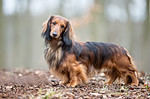
Frengles are loyal watchdogs with a stubborn streak.
©Luis Ernst/Shutterstock.com
Epilepsy is another common health issue of this hybrid dog. Epilepsy is a neurological condition causing seizures. Medication can help to control epileptic seizures in dogs. In addition, ear infections are a common health issue. A Frengle’s ears hang down, which means debris can become stuck in them and travel inside the ear. Cleaning their ears as part of their grooming routine can help to prevent these infections.
Temperament and Behavior
Frengles are known for their cheerful temperament and affectionate behavior, making them excellent companions for their owners. These dogs enjoy running through fields as much as they like snuggling with their owner on the sofa.
Socialized Frengles get along well with kids and other pets. One of their most prominent traits is their abundance of energy. So, any family that wants a Frengle should be dedicated to giving this dog at least 30 to 60 minutes of exercise each day.
How to Take Care of Them
Taking excellent care of a pet Frengle means learning as much as possible about its diet, grooming, exercise, and healthcare requirements. Of course, there are differences in the care plans for a Frengle puppy and an adult dog. Discover some specific details regarding their daily care.
The Best Dog Food
Frengle puppies and adult dogs need different diets to keep them healthy. Discuss any health problems or potential health problems with your vet, and try to cater your dog’s nutrition to their health needs. Here are some things to consider when choosing dog food:
Puppy food: Omega-3 and 6 fatty acids support a puppy’s eye health and cognitive development. Protein is essential in a Frengle puppy’s diet because it contributes to the healthy development of organs, cells, and tissues. It also builds muscle and supports joints. This is important for a dog prone to hip dysplasia. Fat provides a puppy with the energy it needs to move around and explore its surroundings. Calcium in a puppy’s food contributes to the growth of strong teeth, bones, and claws. Fiber helps with proper digestion.
Adult dog food: Lean protein supports muscle, cartilage, and joint health in an adult dog. A limited amount of fat in its diet gives a full-grown Frengle energy without adding extra weight to its small frame. These dogs are so active that most of the time, they burn off the fat they consume. Vitamin A in a dog’s food supports healthy vision, while Vitamin D assists in the absorption of nutrients in their intestines. Calcium in their diet helps to keep their teeth and bones strong as they age. Omega-3 fatty acids support healthy joints, which can fend off hip dysplasia.
Maintenance and Grooming
How much does a Frengle shed? Frengles shed a low amount of hair. As a bonus, they have a low-maintenance grooming routine. Frengles need to be brushed once a week. A slicker brush helps remove loose or dead hair from the coat of a Frengle. It’s best to choose a slicker brush with a coating on the tips of its bristles. This soft coating protects the skin of the dog.
Since Frengles are prone to ear infections, cleaning their ears should be a part of their grooming session. Use a soft cloth moistened with warm water to gently wipe the underside of each ear. This removes dust, dirt, and old earwax that can get down into their ears and cause an issue.
Patches of red or dry skin on a Frengle may indicate allergies, which can be environmental or food-related. Some dogs are even allergic to ingredients in shampoos! A qualified veterinarian can examine the dog’s skin and help the owner to determine the cause and offer treatment.
Training
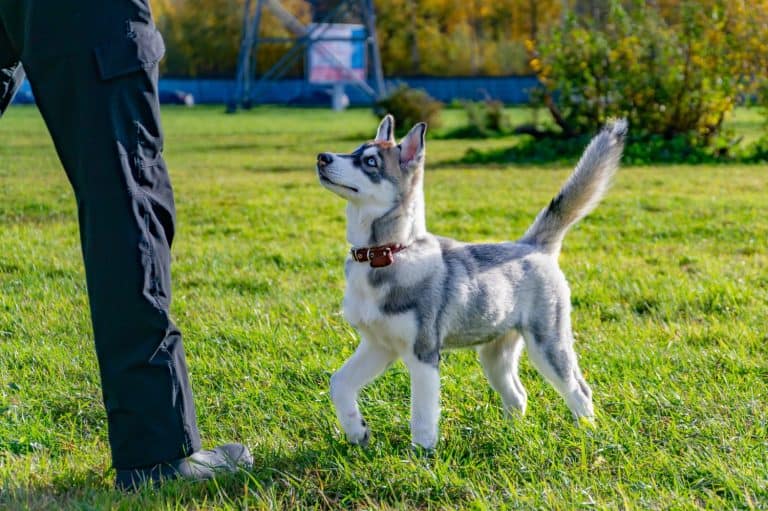
These dogs have a stubborn component to their personality. This can make obedience training a little challenging for an owner. Since a Frengle is part Beagle, it’s very aware of all of the scents flying around in an outdoor area. These can distract the dog from its lessons. Consequently, doing obedience training indoors in an area with very few distractions can help in training this hybrid. Also, find a preferred treat to use only during obedience training so the dog is working for something it really wants. Though Frengles can be challenging to train, it is not an impossible task.
Exercise
Regular exercise plays a key role in maintaining the health of a Frengle. Most Frengles benefit from 30 to 60 minutes of moderate activity per day, ideally split into shorter sessions to account for respiratory issues they may inherit from their French Bulldog parent. One idea is to take a Frengle to a dog park. Chasing and playing with other dogs is a great way for a Frengle to exercise. A walk off the leash in the woods or a field is a real treat for this canine. However, an owner should wait until their dog is fully trained so they’ll come when called. This is important because these dogs are inclined to take off in search of scents.
These dogs are suitable for people who live in apartments as long as they continue to get exercise each day.
Puppies
Puppies move around quite a bit to explore their yard or other surroundings. A place where they can explore while staying away from the dangers of a nearby road or driveway is necessary for maintaining healthy puppies.
As a note, Beagle puppies and dogs are good at swimming, while French Bulldogs aren’t good swimmers. French Bulldogs have a hard time keeping their face out of the water as they swim due to their short neck and body. So, it’s questionable whether a Frengle puppy will be a good swimmer. It’s important for owners to monitor any swimming to determine this dog’s capabilities.
Frengle and Children
These dogs are known to be good with young and older kids. This is a benefit for families with children looking for a friendly, affectionate dog.
Dogs Similar to the Frengle
Other dogs similar to the Frengle include Basset Hounds, American Bulldogs, and Boglen Terriers.
- Basset Hound: Frengles and Basset Hounds can both be tricolored (brown, white, and black). Also, both can be stubborn to train. But Basset Hounds weigh more than Frengles.
- American Bulldog: These dogs are good with kids and enjoy being in the middle of the action, like Frengles. However, a full-grown American Bulldog is much larger than a Frengle.
- Boglen Terrier: Both Boglen Terriers and Frengles have a stubborn streak in their personality. They are both energetic, but Boglen Terriers tend to be larger.
Frengle Pictures
View all of our Frengle pictures in the gallery.

Luis Ernst/Shutterstock.com
Sources
- Aubrey Animal Medical Center / Accessed April 28, 2021
- Frenchie World / Accessed April 28, 2021
- Wikipedia / Accessed April 28, 2021