








Quick Take
- Crossing a pit bull with a Chihuahua sounds extreme, and the size outcome is even more unpredictable than you'd expect. See the size range →
- Both parent breeds carry a bad reputation, yet the Chipit ends up as something most families would actually want. Explore the Chipit's personality →
- Being highly intelligent doesn't make a Chipit easy to train. In fact, it creates the opposite problem. See the training challenges →
- Owning a Chipit costs far more than the purchase price, a reality that catches most new owners completely off guard. Break down the full costs →
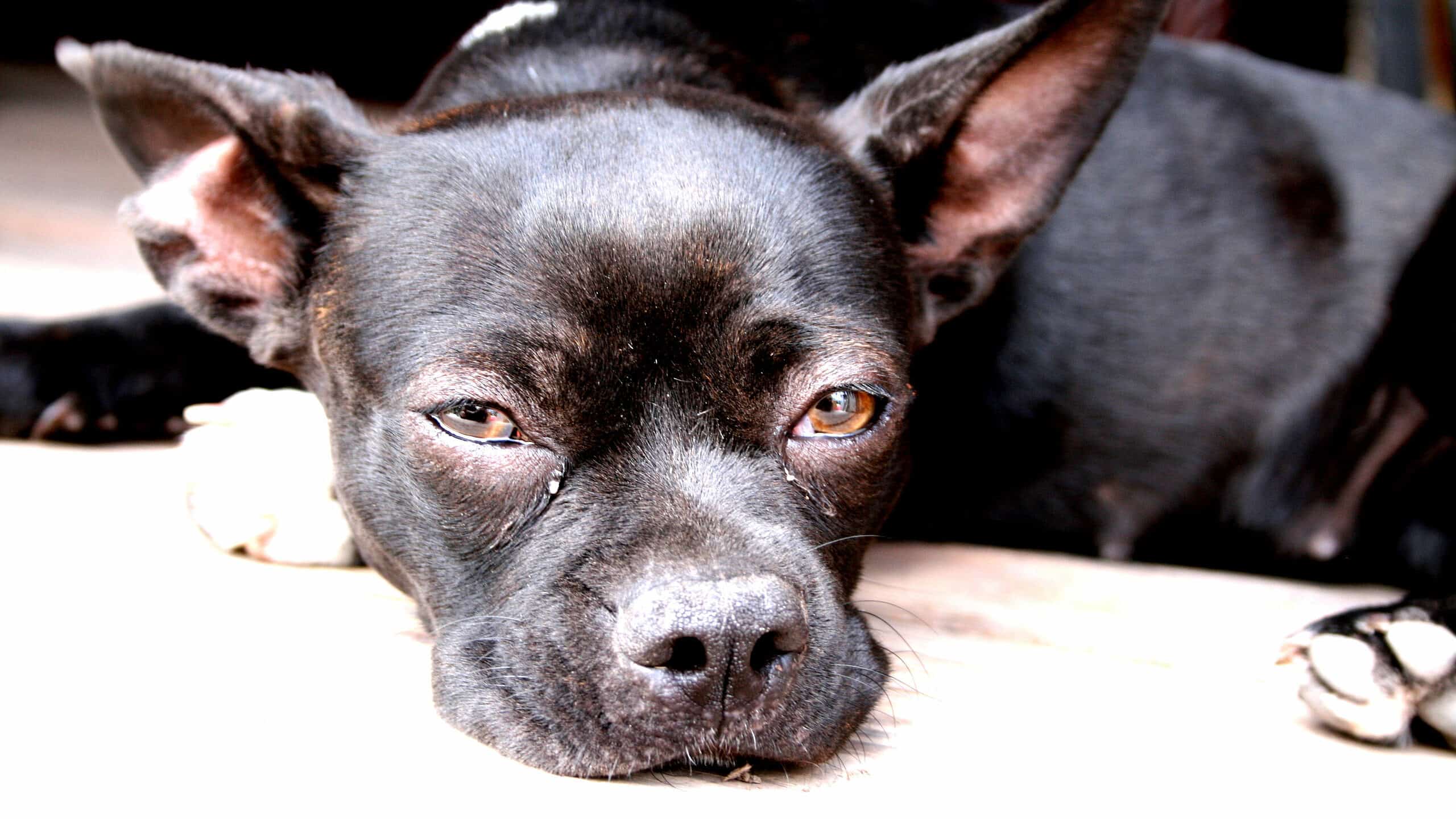
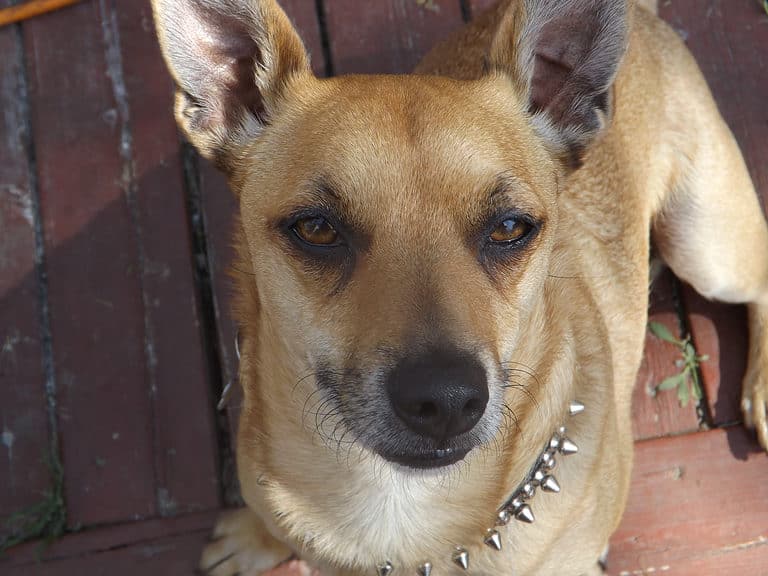
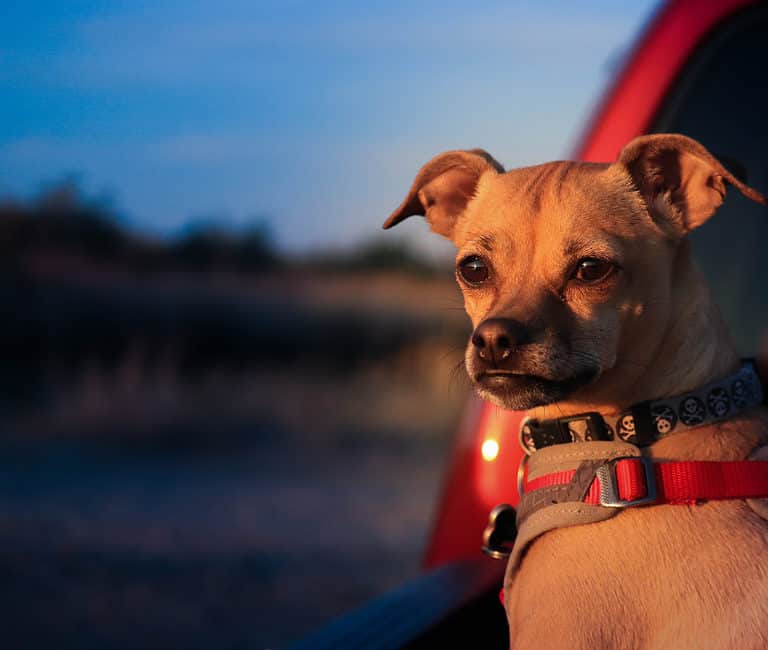
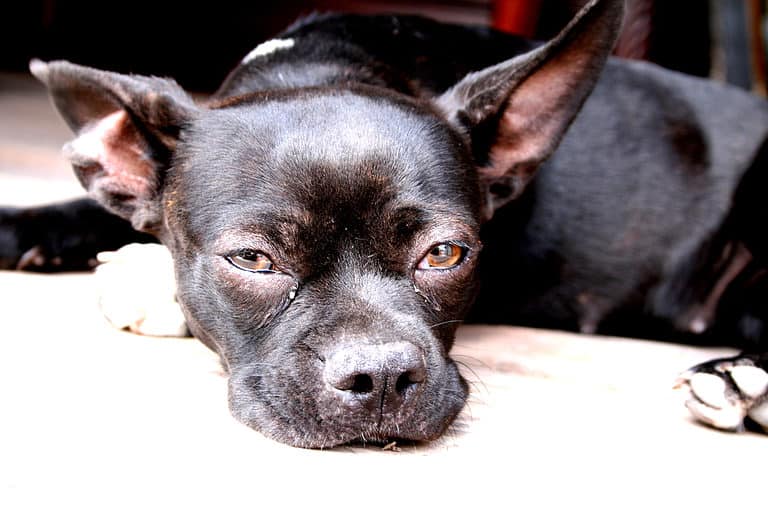
The Chipit is a mix of an American pit bull terrier and a Chihuahua, also known as the pithuahua or pit bull Chihuahua mix. These dogs are playful, friendly, and loving, which makes them perfect for active families with children. Additionally, chipits are intelligent and easy to train. However, this stubborn breed needs an experienced owner who can provide a firm hand when training.

Three Pros and Cons of Owning a Chipit
Dog breeds will always have their pros and cons, and the chipit is no different. While they make excellent family dogs, they also have some negative traits.
| Pros | Cons |
|---|---|
| Chipits can be protective of their families, inheriting alertness from both parent breeds. However, their guarding instincts and responses to threats can vary widely depending on individual temperament and training. | Some Chipits may have a higher prey drive and could show aggression toward other pets, especially if not socialized early, but individual temperament varies. |
| The chipit is loyal, loving, and affectionate. | They can snap at children if they are unruly or harmful, so they do best with older, calmer kids. |
| Chipits have a lot of energy, so they are best suited for active families. | Finding a Chipit might be difficult as there aren’t many breeders around. Additionally, some cities and municipalities have restrictions on pit bulls, which can make this mix less common in certain areas. |
The Best Dog Food for a Chipit
To ensure your chipit is growing properly, you need to feed it a protein-rich diet. For example, this high-quality dog food needs to contain at least 18 to 25% protein, and it doesn’t matter whether it’s wet or dry food. However, if you decide to feed kibble, store it in a well-sealed container, as mites or contaminants are bound to get into the open bag. Additionally, if you are providing your chipit wet food, always check the fat content, as it usually contains less fat than kibble. The best option is dog food that contains 10-15% fat. Lastly, don’t free-feed your chipit. Instead, offer them 3 to 4 small meals per day.
Chipit Size and Weight
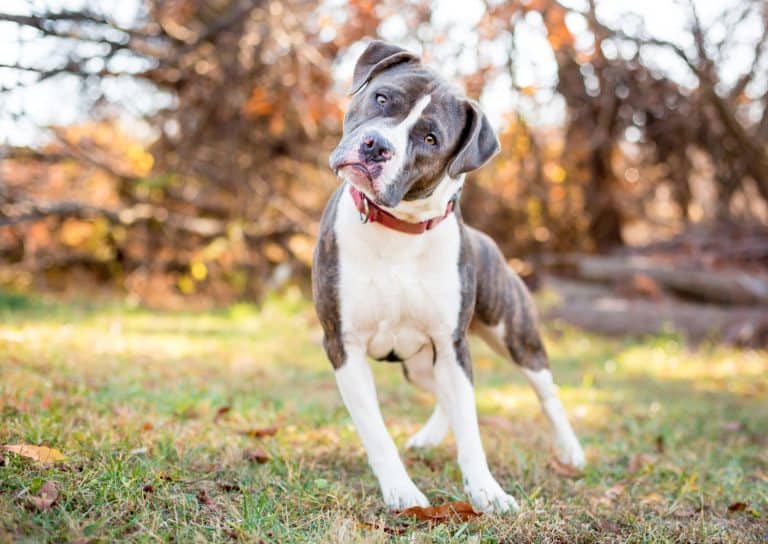
Because there is such a big difference in size between the pit bull and the Chihuahua, the chipit’s size will vary greatly. However, on average, this breed measures 12 to 18 inches tall and can weigh between 15 to 35 pounds, making it a small to medium-sized dog. It can take the chipit nine to 18 months to mature. Additionally, their strong, muscular physique intimidates other dogs and people.
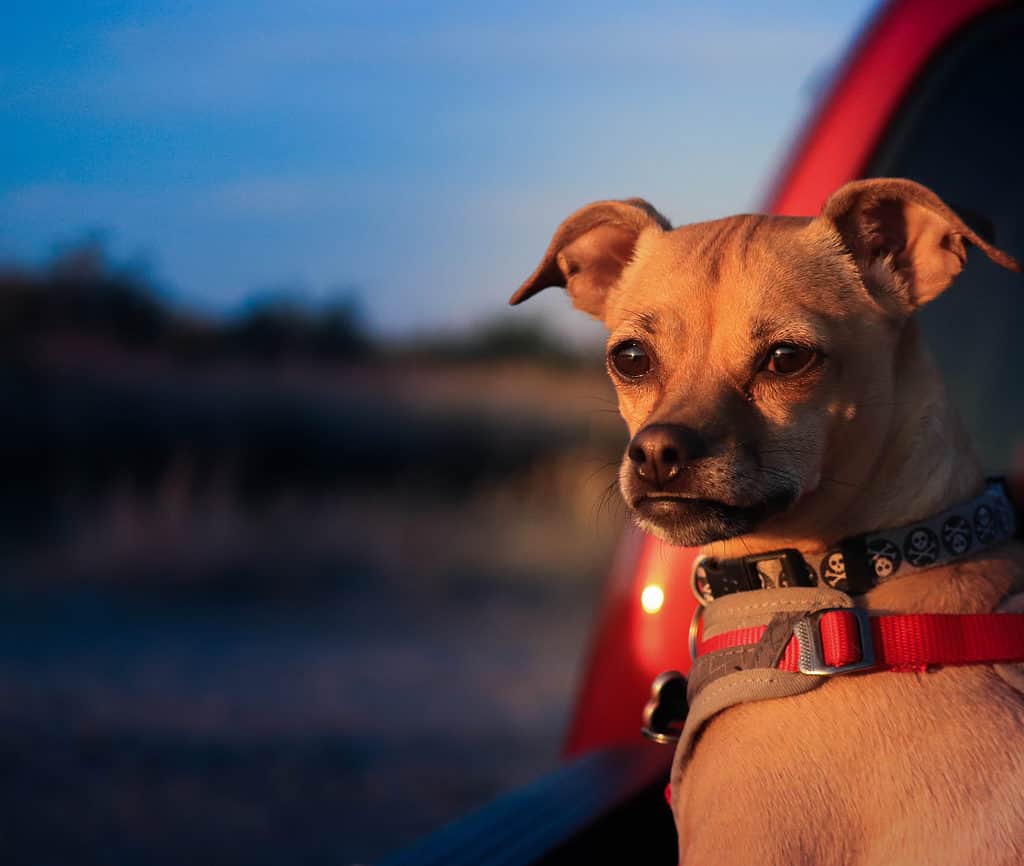
Chipits have a lot of energy, so they are best suited for active families.
©Bonnie Bowen/Shutterstock.com
Chipit Common Health Issues
Chipits may benefit from genetic diversity, but they can still inherit health issues from either parent breed. Prospective owners should be aware of potential health concerns common to both pit bulls and Chihuahuas. However, there are still a few health conditions that can affect chipits, and they include:
Patellar Luxation
Because smaller breeds like the Chihuahua are more susceptible to patellar luxation, the chipit is also prone to this condition. So, if you see your furball limping and its knee is obviously hurting, it is likely that your pooch has patellar luxation. While it eventually leads to arthritis, dogs can live with this health issue for the remainder of their lives.
Hip Dysplasia
Unfortunately, the chipit is prone to hip dysplasia. Dogs with this condition often experience arthritis later in life due to the misalignment of their hip bone socket. Sadly, this is a hereditary condition that may result in lameness.
Obesity
Because the chipit’s parent breeds like to overeat, they are prone to being overweight, thus making the Chihuahua and pit bull mix susceptible to obesity. But, unfortunately, they are not the only ones. This condition plagues most dog breeds and can shave years off your dog’s life. That’s why owners must always keep their pooches on a strict diet and avoid feeding them human food.
Life Expectancy
The chipit’s lifespan can differ depending on which parent breed they take after and how healthy they are, but on average, their life expectancy can range from 8-16 years old.
Chipit Temperament
Despite the bad reputation of their parent breeds, chipits are fantastic family dogs because of their affectionate natures. They also love to play and won’t leave your side if they don’t have to.
The chipit makes an excellent guard dog because of its protective nature. In addition, they are energetic, highly intelligent, eager to please, and willing to work. While good with older children, the chipit may nip smaller children who antagonize them, and does not like other pets unless they are socialized from a young age. But if left to their own devices, these dogs can become overprotective and aggressive.

Chipits are fantastic guard dogs because of their protective natures.
©Ryan Brix/Shutterstock.com
How to Take Care of a Chipit
Taking care of a chipit will differ depending on its genes. Some might need an active lifestyle with plenty of outdoor space to play, and may require regular bathing because of getting dirty the whole time. However, others might prefer staying indoors and lazing around on the couch, which will keep them clean for longer.
Grooming
Because the chipit has a short coat, brushing them is hassle-free. In fact, they need a quick 10 to 15-minute brush at least twice a week. Generally, they only need one bath a month, but this will vary depending on the abovementioned factors. However, beware of over-bathing them, which could lead to itchy, dry, and flaky skin. Brushing their teeth and clipping their nails is also essential. Their pearly whites must be brushed at least three times a week with specialized dog toothpaste, and their nails must be clipped every three months or when they start to touch the ground.
Training
While the chipit descends from two intelligent breeds, they are stubborn and can be hard to train, requiring an experienced hand with lots of patience. Otherwise, hiring a professional trainer is your next step. Because chipits are a mix of two feisty breeds, early socialization and obedience training are vital. They respond best to the reward-based approach, so ensure to keep a lot of treats with you when training, but verbal encouragement also works.
Exercise
The chipit is a high-energy hybrid that loves to play fetch in a large yard or park, so ensure you have enough tennis balls! Additionally, they keep going no matter how tired they are, so ensure to moderate their activity, especially on hot days, so there is no chance of overheating. But besides entertaining them with games and toys, the chipit requires a 45-minute to one-hour walk daily to keep him physically and mentally fit.
Puppies
Female chipits can give birth to litters of two to five puppies, who are initially timid, which is why they require socialization from an early age. This will help them become more comfortable around strangers and other animals.
Chipit Cost
Buying a chipit from a breeder could set you back between $200 and $1,000, depending on the breeder’s reputation, location, and pedigree. However, one might be able to find this hybrid in shelters, so ask your local shelter to inform you if they find one of these adorable pups.
But the purchase price is not the only cost you will incur when owning a chipit; buying all the initial supplies also costs a pretty penny. Here are the items you might need and how much they cost annually:
- Food and treats
- Bed
- Food and water bowls
- Crate
- Collars and leashes
- Toys
- Grooming paraphernalia
- Dewormers, flea and tick shampoos, or medications
- Vaccines
- Vet visits
- Microchipping
- Neutering or Spaying
- Dog license
- Miscellaneous supplies
So to own a chipit will cost between $525 – $2,240 per year.
Chipit and Children
While chipits are amazing with older kids, they do tend to nip if provoked, so they are not the best hybrid to keep around small children.
Additionally, this breed can be dog aggressive, so unless introduced from a puppy, the chipit does not get along with other pets.
Dogs Similar to the Chipit
There are several dog breeds that are almost identical to the chipit in size and personality. Below are two of the most similar breeds.
Borgi
Borgis are a cross between a corgi and a border collie, which is an unusual mixture of two very different breeds. These hybrids are generally small in size but have massive characters that they inherit from the border collie. Additionally, due to both parent breeds’ shedding habits, borgis are heavy shedders. Furthermore, they are usually a high-energy breed and will require a lot of exercise and mental stimulation to stay healthy. Finally, because of their natural herding instincts, they have a talent for herding pets and even small children, so they will work best in a home with older kids.
American Cocker Spaniel
Cocker spaniels are known to be easy-going, active, affectionate, and gentle. They are considered good family dogs but can sometimes snap at kids, especially if they are disturbed while eating or provoked. However, they are great with other dogs and strangers, so these spaniels do not make good watchdogs.
There was a stage where cocker spaniels were high in demand and severely overbred, resulting in high-strung dogs with several health problems. Today, reputable breeders screen for health concerns, but cocker spaniels can still be prone to certain hereditary health issues.
Training a cocker spaniel varies depending on the individual. Some cockers are easy to train, while others are stubborn and give their owners a hard time. So, if you are not up to the task, you can always hire a professional trainer with lots of experience.
Cocker spaniels are attention seekers and require owners who can spend the majority of their time with them. If they feel neglected or understimulated, they can act out by digging, barking, or chewing. Additionally, they are average shedders. But grooming is essential to keep their coats healthy and mat-free. Furthermore, their long ears hang in their food and need regular cleaning and brushing. Finally, this breed has a lot of energy and needs daily walks and play sessions in a fenced yard, as they are a sporting breed.
Kobetan
A kobetan is a hybrid dog breed resulting from crossbreeding the cocker spaniel and Tibetan terrier. These dogs are family-friendly because they are lively, friendly, and playful. However, they may chase smaller pets as they have a high prey drive. That’s why proper socialization and training are required with this breed from a young age. Training these intelligent hybrids is really easy, as they love attention and are very obedient.
Chipit Pictures
View all of our Chipit pictures in the gallery.

MizKitty/Shutterstock.com