
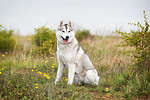

Quick Take
- The original dog this entire breed is named after met a heartbreaking fate on one of history's most daring expeditions. Discover Chinook's fate →
- Chinooks are one of the smartest dog breeds around, and that intelligence is exactly what makes training them a problem. See the training challenge →
- This breed came dangerously close to vanishing forever, and the reason why is stranger than you'd expect. Explore the breed's rarity →
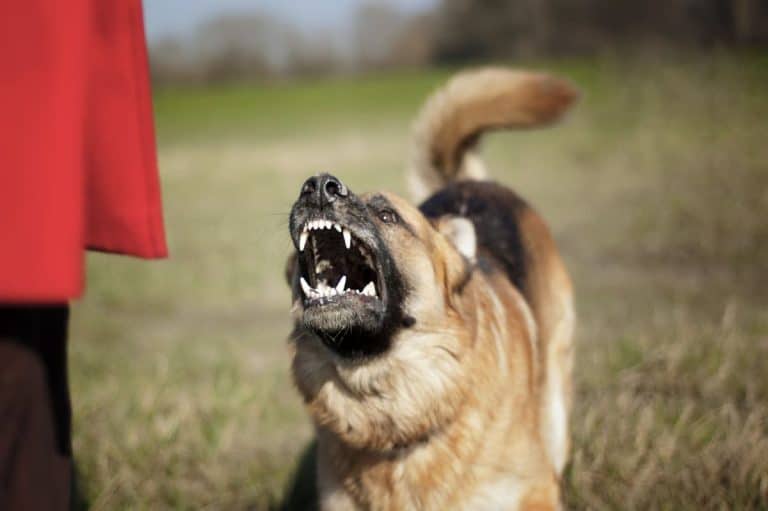
- Their imposing size makes them look like the perfect guard dog, though owners tend to learn the hard way that they are anything but. See the guard dog reality →
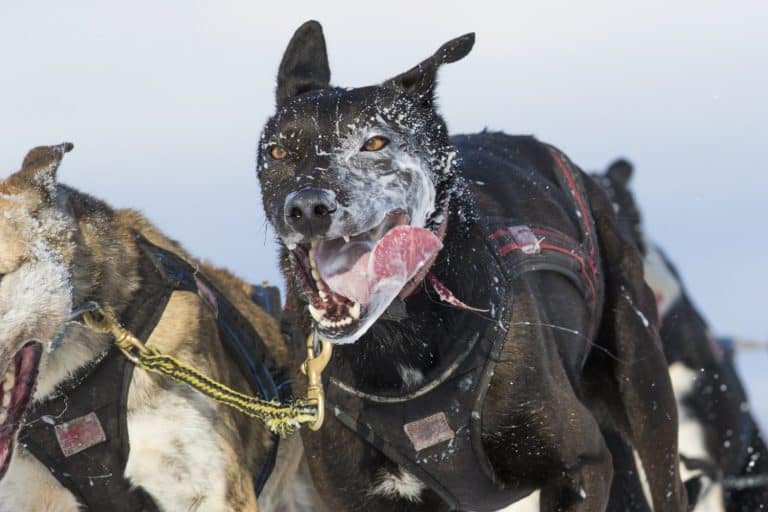
Their high level of intelligence makes them relatively easy to train, but they can be stubborn. The origins of the Chinook date back to 1896. A polar explorer from New Hampshire named Arthur Treadwell Walden bred them to serve as sled dogs. The intelligence and social nature of Chinooks make them excellent sled dogs. Those same traits make them a welcome addition to a family’s household.
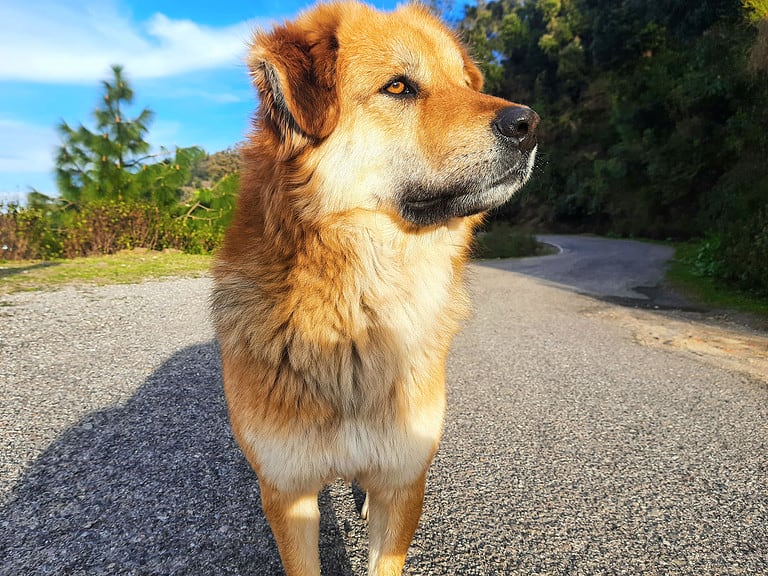
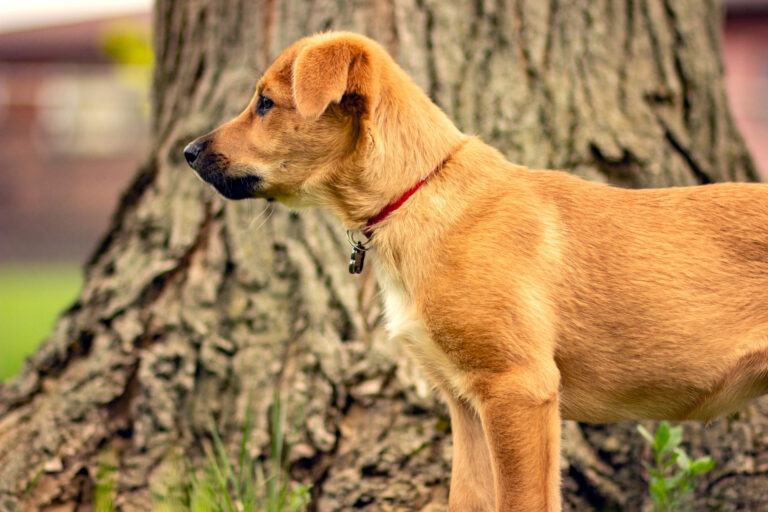
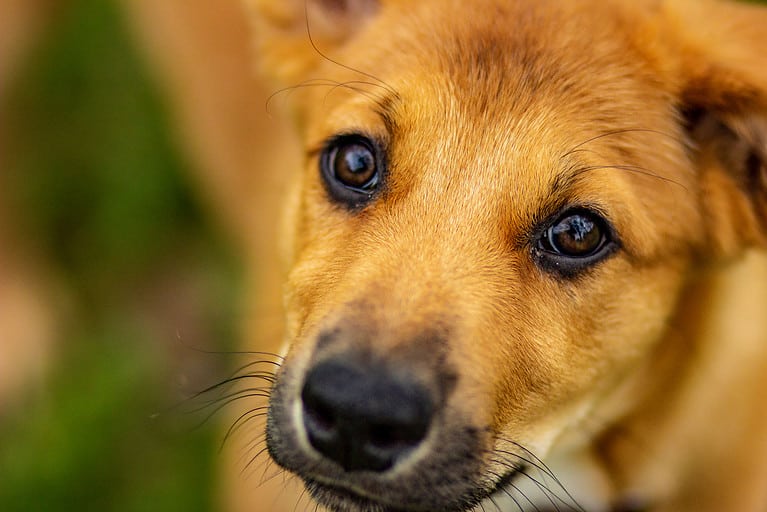
Chinooks are categorized as working dogs. They are friendly, affectionate, and sociable with both dogs and people. Their floppy ears and curious, alert eyes are irresistible.

Evolution and the original Chinook
Arthur Treadwell Walden of Wonalancet, New Hampshire, is responsible for bringing the Chinook into being. Walden was an adventurer and explorer who grew to love dog sledding while working on gold mining expeditions in Alaska. He wanted to breed a strong sled dog with great stamina and a gentle, friendly nature. The foundation for the Chinook was a descendant of Admiral Peary’s husky lead dog, Polaris, and a mastiff mix farm dog who produced three pups in 1917. One of these puppies was named Chinook after one of Walden’s favorite Alaska sledding dogs. This puppy was to be the father of the Chinook breed.
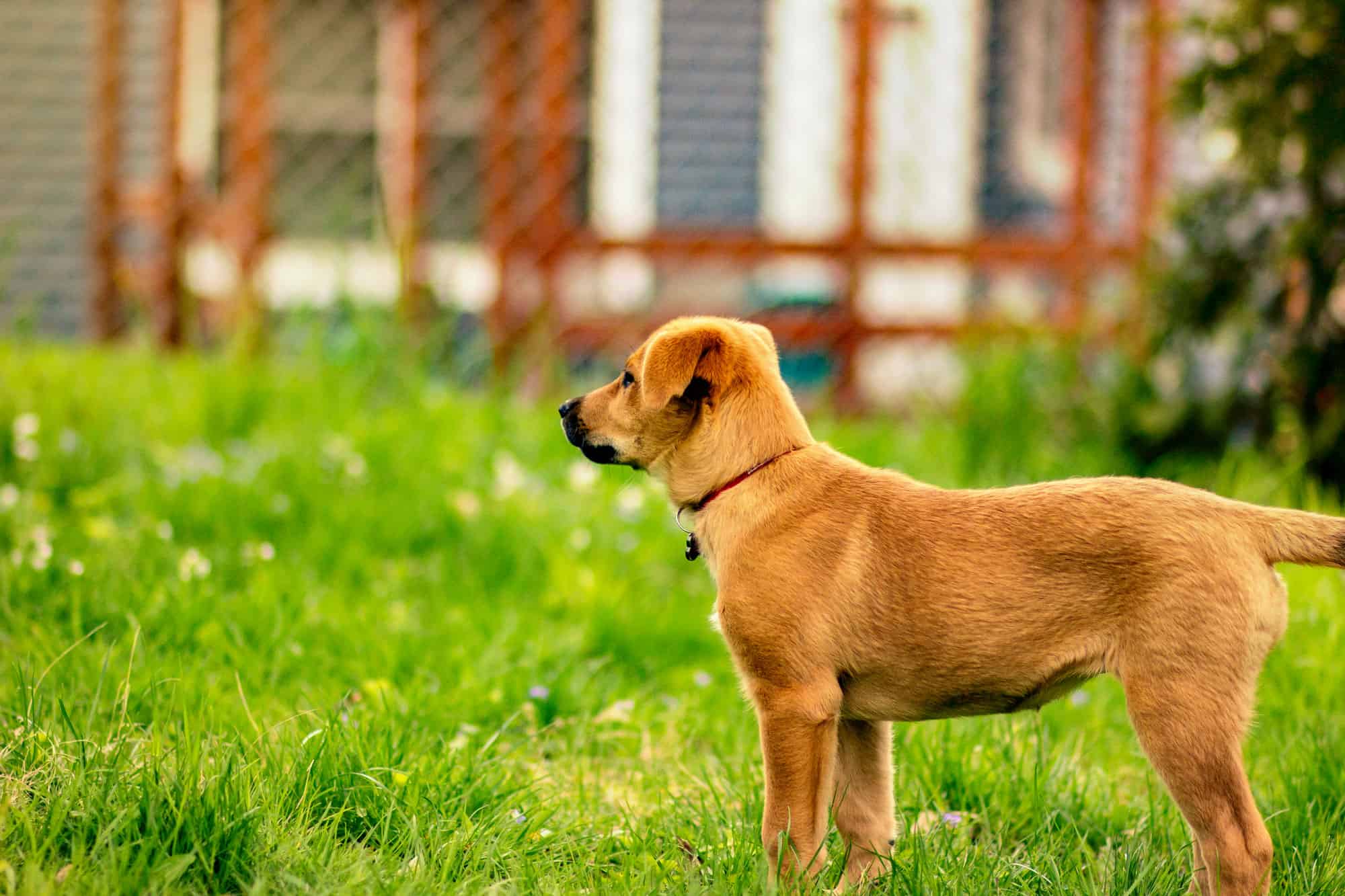
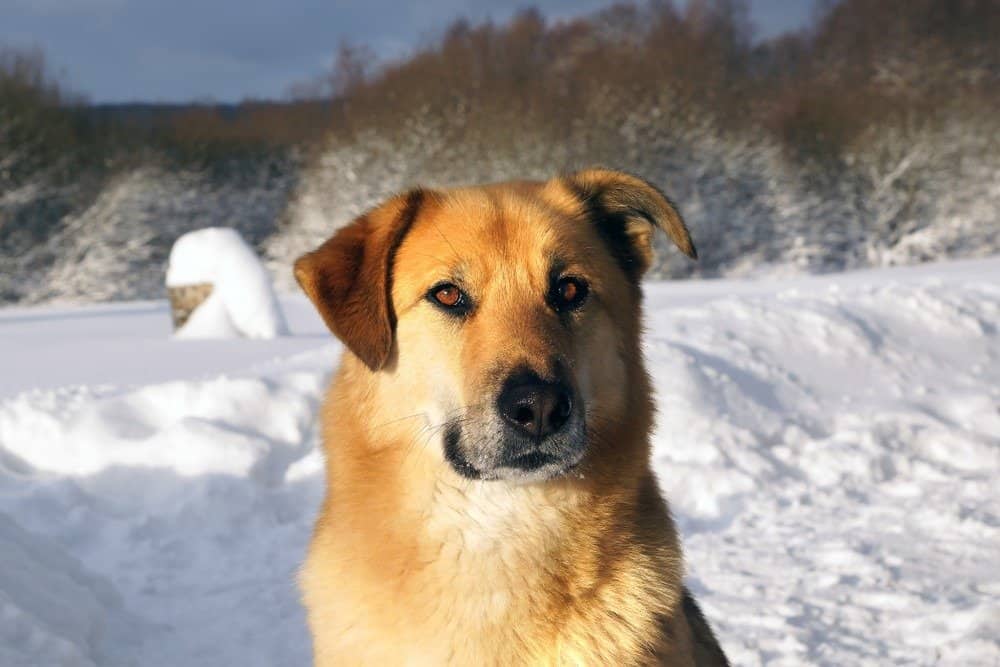
Chinook was the originator of this breed and died during Admiral Byrd’s Antarctic expedition.
©suzieh870/Shutterstock.com – Original
Chinook grew to be a massively strong, 100-pound dog with a thick, tawny yellow coat, dark ears, and a dark muzzle. He became renowned for being a great sled dog and for his gentle disposition with children. Descendants of this beloved dog would later be called Chinooks in his honor.
Chinook led Walden’s dog sledding team to international fame. After catching the attention of Admiral Richard Byrd, Chinook and 15 of his children were appointed, along with their master, to head the dog sled team for his first Antarctic expedition.
Sadly, Chinook, at the advanced age of 12, never made it back from that great arctic adventure. The entire world mourned the loss of this strong, brave, loyal, sweet-natured dog.
Owning a Chinook: 3 Pros and Cons
| Pros | Cons |
|---|---|
| A breed with an affectionate temperament: Chinooks are eager to please. They are affectionate and gentle with children, adults, and other pets. | Dislikes being alone: This dog breed can become destructive if left alone for long periods of time. It is a social animal. |
| A sociable pet: Chinooks get along with other dogs mostly because they were bred to be part of a sled dog team. This is ideal if there are other dogs in the household. | Not an ideal guard dog: They are likely to bark when someone knocks or rings the doorbell. But they’ll probably welcome whoever is at the door, stranger or not. |
| Always up for an adventure: Chinooks are great dogs for families that enjoy the outdoors. Families who love to go camping, boating, and hiking are going to love having one of these dogs along for the excitement. | Can be stubborn during training: The intelligence of Chinooks contributes to successful training sessions. However, they have a stubborn streak, which means an owner must be firm and direct during obedience lessons. |
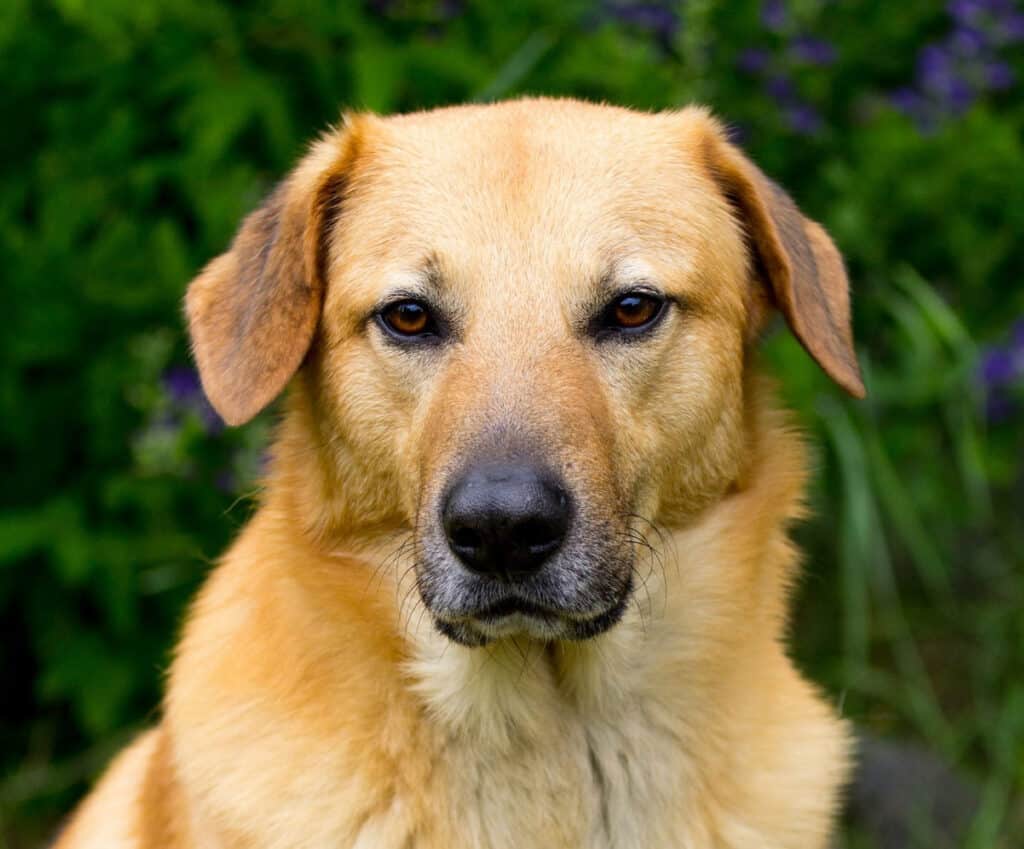
Chinooks are fully grown at 18 months, with females weighing 65 pounds and males 90 pounds.
©iStock.com/Kathleen Riley
Size and Weight
Chinooks are large dogs with a double coat of thick tan hair. The average height of a male is 25 inches at the shoulder, while a female is 23 inches tall. A fully-grown male weighs 70 to 90 pounds, whereas a female weighs 55 to 65 pounds. At seven weeks, a puppy weighs approximately 10 pounds. These dogs are full-grown at 18 months.
Common Health Issues
Chinooks, like other dog breeds, have a few common health issues. Hip dysplasia is a hereditary health problem of some of this breed. When a dog has hip dysplasia, it means the ball and the joint in the hip do not move together in the right way. This condition can develop in a Chinook as it moves through adulthood. Another common health issue is cataracts. This condition appears as cloudiness in a dog’s eye or eyes. Cataracts make the dog’s vision blurry and can get worse over time. Atopy, a skin condition, is another common health issue. Atopy can result from all types of allergies. A dog itches and bites at its skin/coat, causing bleeding and bald spots.
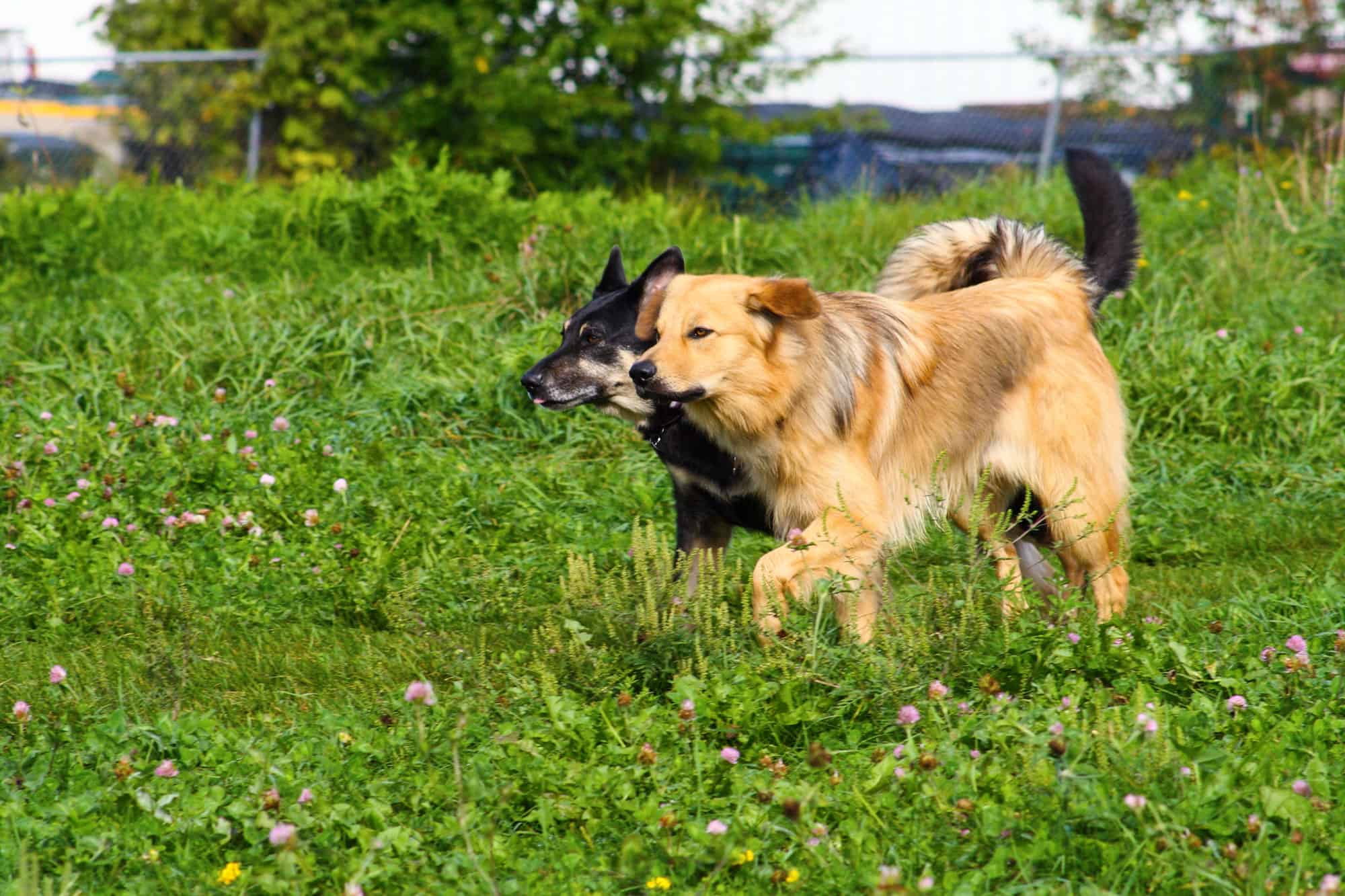
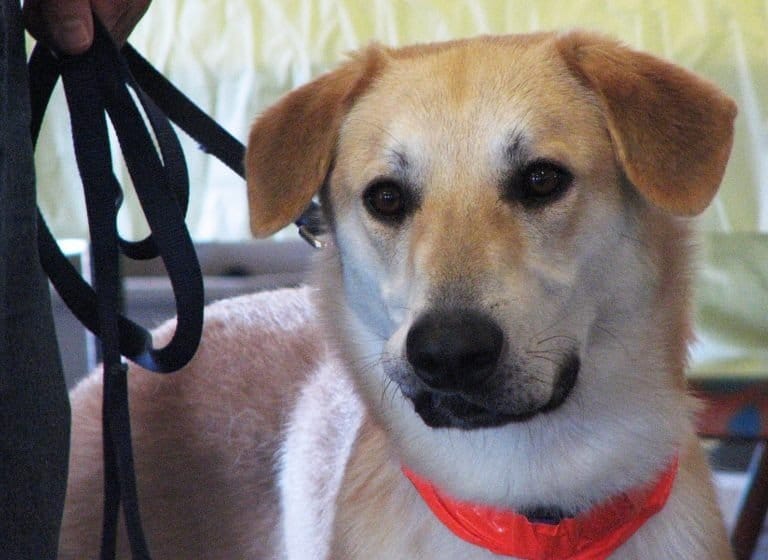
Chinooks were bred to be friendly and affectionate and are great family pets.
©Nick Chase 68/Shutterstock.com
Temperament
The personality of a Chinook is friendly and loyal. These traits make it a great dog for families with young children, teenagers, and all ages in between. A large amount of energy is another notable quality of this dog. This should come as no surprise, considering they were bred to be sled dogs. So, these dogs need to live with families that can give them at least an hour of exercise each day.
The behavior of this dog breed is sociable. It’s happy to be with both dogs and people. Once again, this is no surprise, knowing these dogs were bred to work on a sled team. They are known as working dogs or sled dogs.
How to Take Care of Chinook
Whether a family gets a Chinook puppy or an adult, it’s best to learn as much as possible about these dogs to give them the proper care. In addition to common health issues such as hip dysplasia, cataracts, and atopy, there are other factors to take into account when caring for this pet.
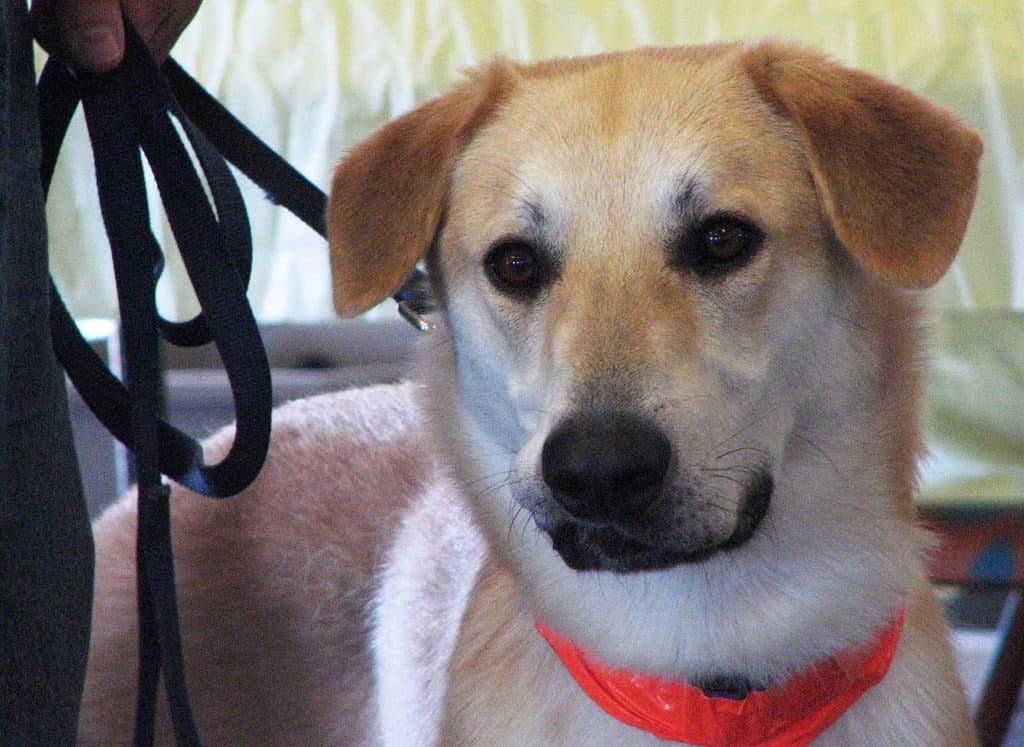
Chinooks need a diet high in protein to maintain strong muscles.
The Best Dog Food for the Chinook
A growing puppy has different nutritional needs than an adult dog. The following outlines the unique needs of both Chinook puppies and fully-grown dogs.
Chinook puppy food: Look for a puppy food that’s high in protein. Protein helps with a Chinook’s developing muscles, tissues, and organs. Calcium is another important ingredient that aids in developing strong bones, which is important for dogs vulnerable to hip dysplasia. Puppy food that’s high in fatty acids assists with the development of the immune system, which can help to prevent atopy and other allergies. Avoid puppy foods with corn or cereal in the first three ingredients. This is filler with very little, if any, nutritional value. These puppies should eat four to six small meals a day. They burn a lot of energy.
Chinook adult dog food: An adult needs a diet that’s high in protein to maintain strong muscles and organs. Fish is a good source of protein. Food with vitamin A, along with Omega-3 fatty acids, contributes to healthy vision and may prevent cataracts. A small amount of carbohydrates gives an adult dog energy while not adding unnecessary weight. Calcium is another essential ingredient to keep an adult Chinook’s bones in good health.
As a note, split an adult Chinook’s food in half and feed your pet half in the morning and a half in the evening. This helps an older dog to digest its food gradually and not leave it hungry in the evening before bedtime.
Maintenance and Grooming
How much does a Chinook shed? They have a double coat of thick hair and shed an average amount. A Chinook should be groomed once a week to remove dead or loose hair from its coat.
A slicker brush is a helpful tool that can get down into the double coat of the dog to remove loose hair and tangles. Be sure to choose a slicker brush with bristles that are rounded or have plastic tips. These bristles won’t harm a Chinook’s skin as it’s brushed from head to tail.
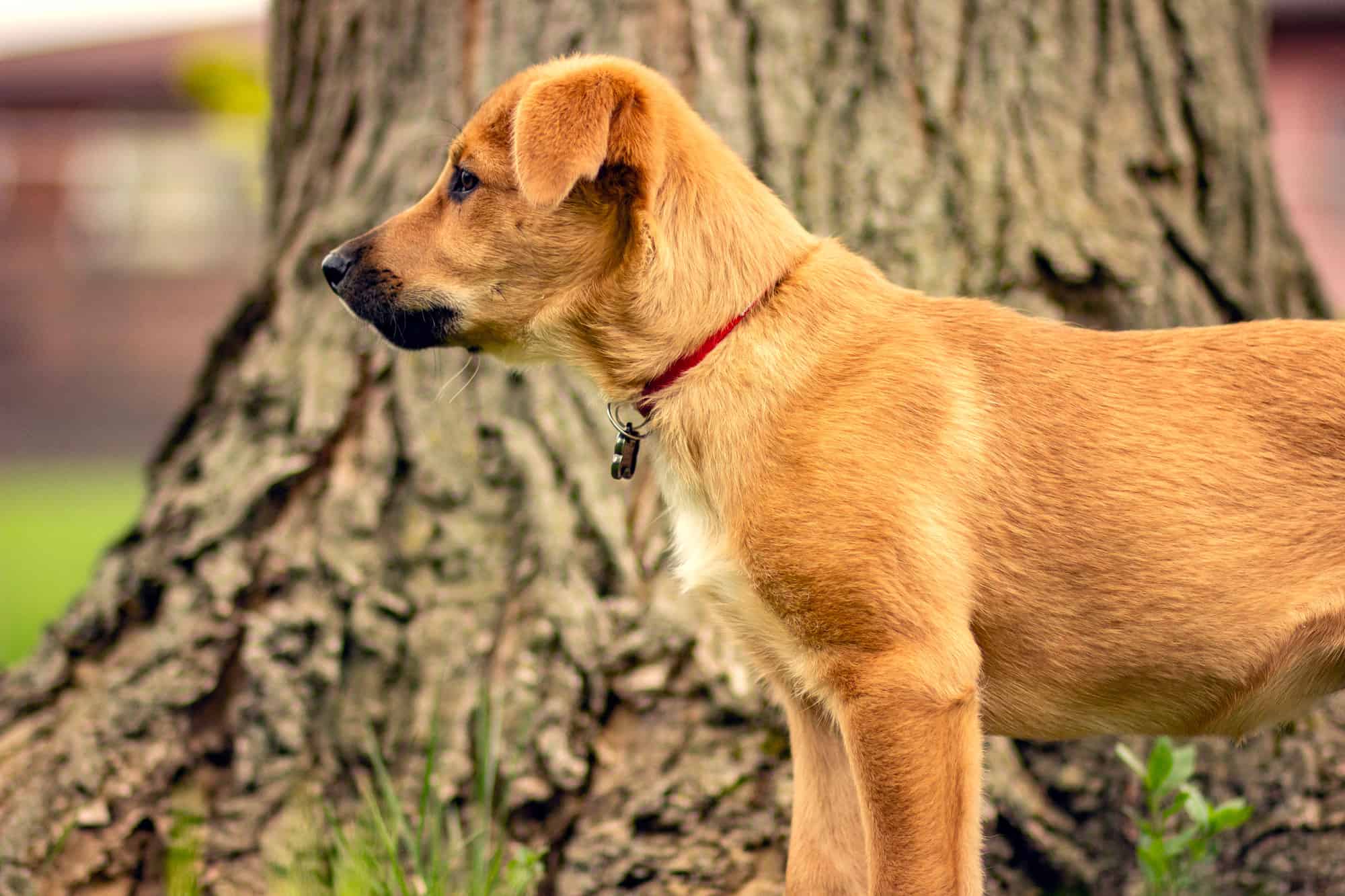
Chinooks are smart and focused – making them relatively easy to train.
©suzieh870/Shutterstock.com
Training
Chinooks are relatively easy to train. They are smart and focused, which helps in obedience lessons. Keep in mind that some Chinooks have a stubborn streak that can slow down the training process. Of course, an owner can be successful in training a Chinook with the use of treats as incentives and by making sure the dog knows the owner is in charge.
Exercise
Would it be surprising to learn that Chinooks need at least an hour of exercise per day to maintain good health? After all, these dogs were originally bred in the state of New Hampshire to charge across snowy ground pulling a sled. Chinooks like to trot, run, jump, and, you guessed it, pull things around. It could be an old cushion, a blanket, a huge branch, or even an owner’s small cart.
This dog needs space to move around, so it’s not a good choice for apartment living. Running in the woods, an enclosed yard, or a dog park are just a few of the ways to give this dog proper exercise.
Puppies
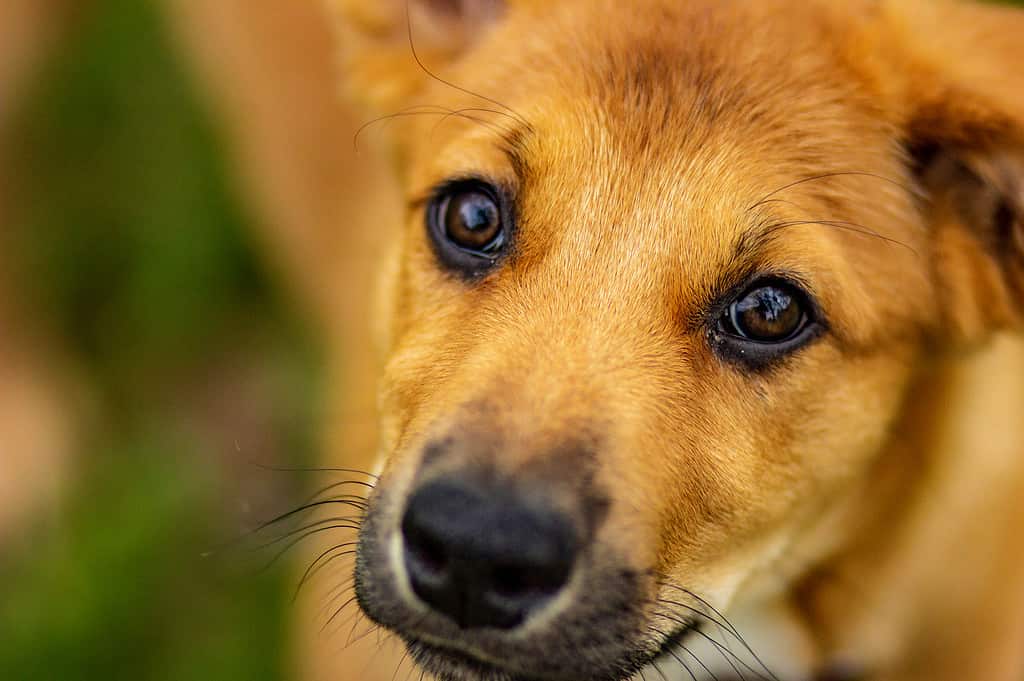
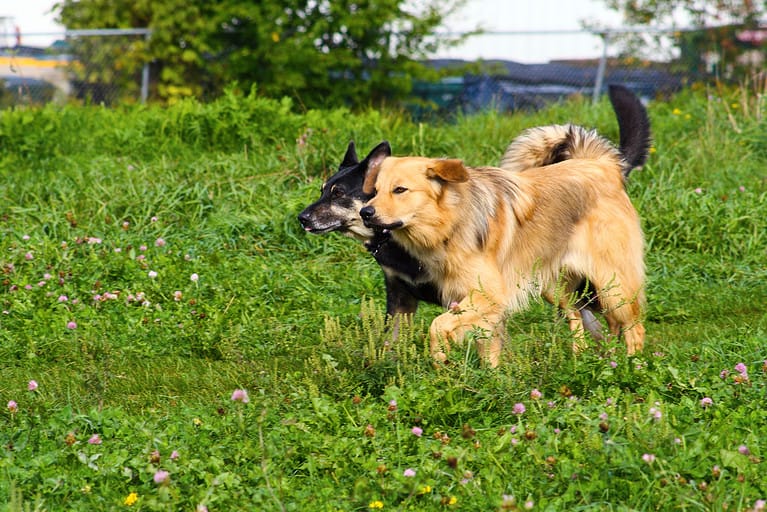
Chinook puppies need room to explore, run around, and play.
©suzieh870/Shutterstock.com
Chinook puppies are active, so they need to be fed four to six times a day. This feeding schedule gives them the energy they need to explore, run around, and play with family members. Just like adult Chinooks, these puppies need exercise every day. It’s best to allow them to exercise in a fenced yard until they learn commands such as stay and come that will keep them safe in an unenclosed area.
Children
Do Chinooks get along with small children? Yes, they do. This dog’s affectionate nature and high level of energy pair well with small children who want to run around the yard with the family dog. They like to cuddle and are even-tempered. Chinooks have a reputation for being excellent dogs for families with kids.
Dogs Similar to Chinooks
Chinooks are a rare breed of dog. At one time, there were very few Chinooks being bred. Many of the males in this group were being neutered so they couldn’t reproduce. By the early 1980s, Chinooks were almost extinct. However, their numbers have been growing slowly since that time. They are now the state dog of New Hampshire.
There are some dog breeds similar to this rare breed. Three examples are the Siberian Husky, the Alaskan Malamute, and the Eskimo.
- Siberian Husky: Siberian Huskies fall into the category of working dogs just as Chinooks do. They are sled pullers and are known for their loyalty and intelligence.
- Alaskan Malamute: Affectionate and loyal are two words used to describe the Alaskan Malamute. Sound familiar? This breed works as a sled dog just like Chinooks.
- Eskimo: The Eskimo breed is another sled dog known for its persistence and intelligence. They are social dogs but aren’t as even-tempered as Chinooks.
Famous Chinooks
Although these dogs almost went extinct and are still considered a rare breed, there was, in addition to the original beloved Chinook, a famous Chinook dog in the movies. It was Chinook the Wonder Dog. This animal actor starred in the films Trail of the Yukon (1949), Yukon Manhunt (1951), and Yukon Gold (1952). Chinook the Wonder Dog was, no doubt, playing the role of the mighty sled dog who inspired Arthur Walden to create the Chinook breed.
Chinook Pictures
View all of our Chinook pictures in the gallery.

Igor Plotnikov/Shutterstock.com
Sources
- David Burnie, Dorling Kindersley Animal, The Definitive Visual Guide To The World's Wildlife / Accessed December 1, 2008
- Tom Jackson, Lorenz Books The World Encyclopedia Of Animals / Accessed December 1, 2008
- David Burnie, Kingfisher The Kingfisher Animal Encyclopedia / Accessed December 1, 2008
- David Burnie, Dorling Kindersley Illustrated Encyclopedia Of Animals / Accessed December 1, 2008
- Dorling Kindersley Dorling Kindersley Encyclopedia Of Animals / Accessed December 1, 2008
- The American Kennel Club / Accessed October 23, 2020