








Quick Take
- This compact teddy bear dog regularly picks fights it has no business starting, and that boldness reveals something surprising about its personality.
- That irresistible fluffy coat hides a health vulnerability most first-time owners never see coming.
- Training a Chow Pom like a typical small dog is a mistake because their instincts demand a completely different approach.
- The sticker price to own one is steep, but it's what comes after the purchase that truly tests an owner's commitment.
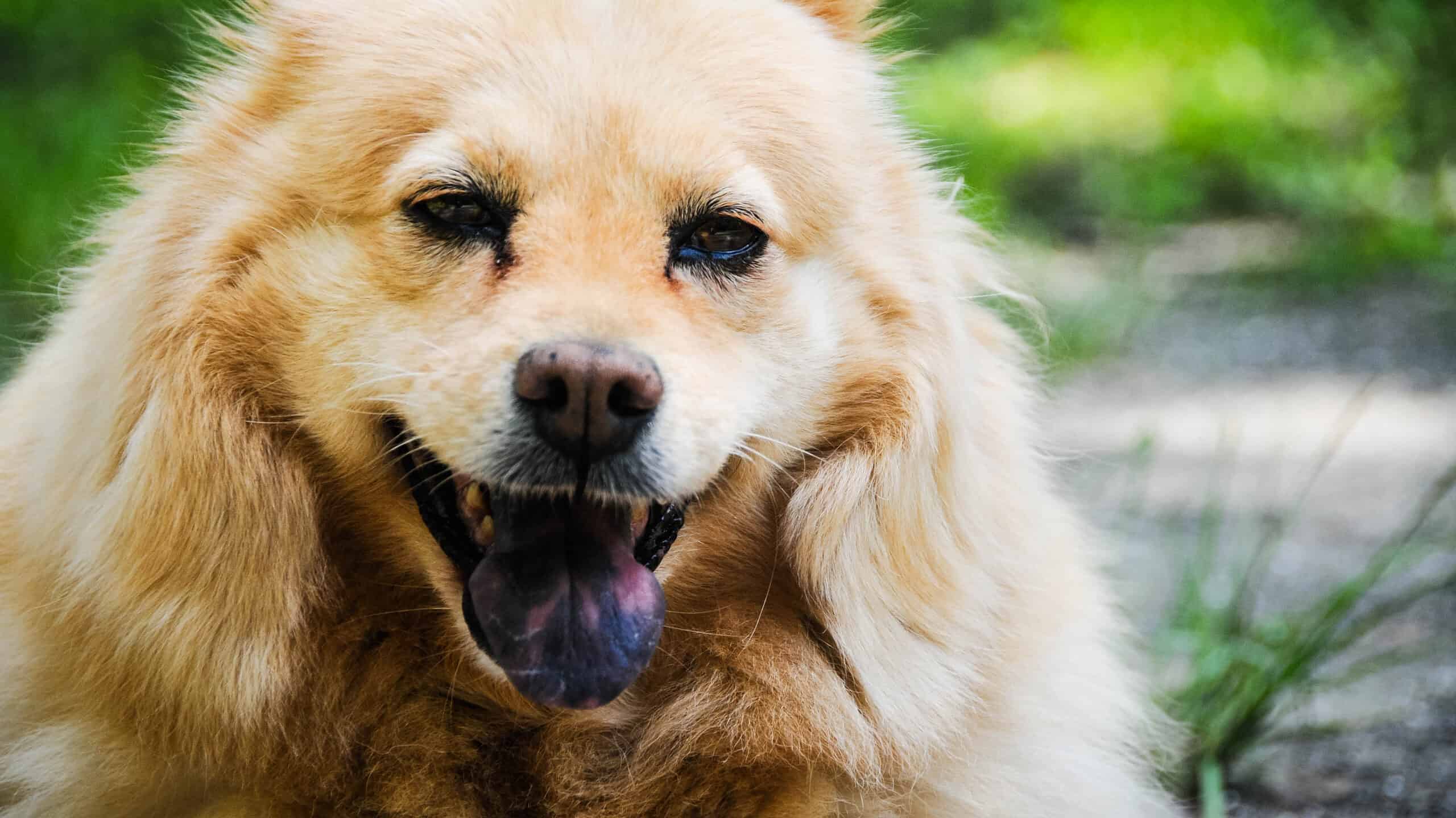
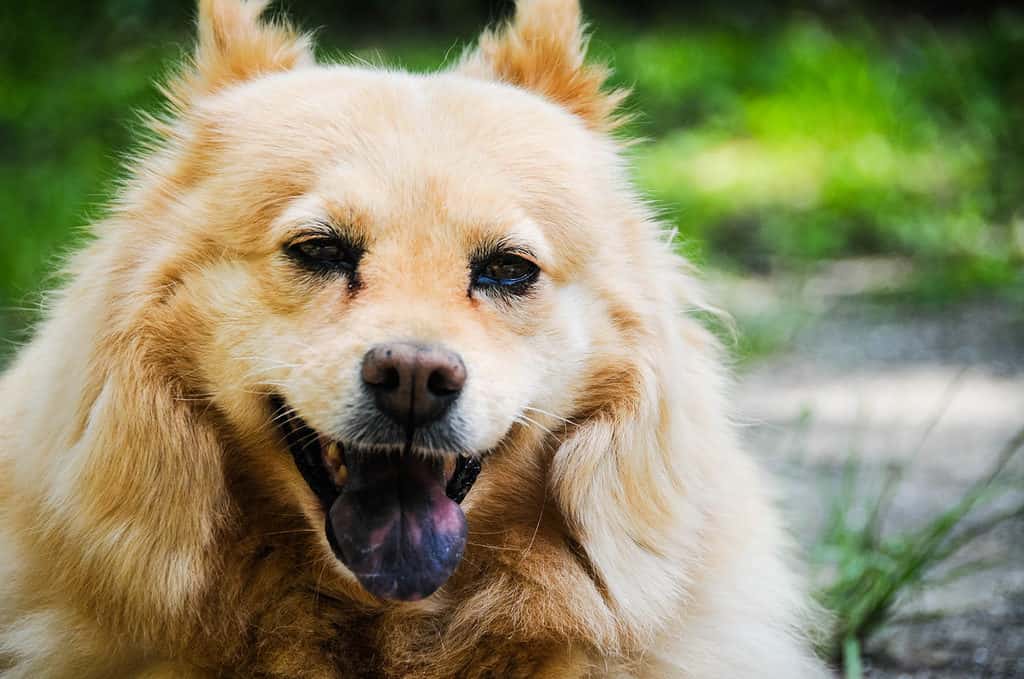
A Chow Pom is a cross between the Chow Chow and the Pomeranian. This beautiful designer breed is adored for its gorgeous teddy bear-like appearance and friendly and loving nature. They make excellent family pets and are ideal for individuals seeking small to medium-sized dogs. The Chow Pom makes a fantastic companion that will provide you with great love and delight!

Chow Pom Fun Facts
- Chow Pom dogs are susceptible to dermatitis as the density of their hair encourages fleas to reproduce throughout the body.
- Despite their small size, the Chow Pom is known to confront and challenge much larger dogs.
- The Chow Pom communicates a lot by using its loud bark.
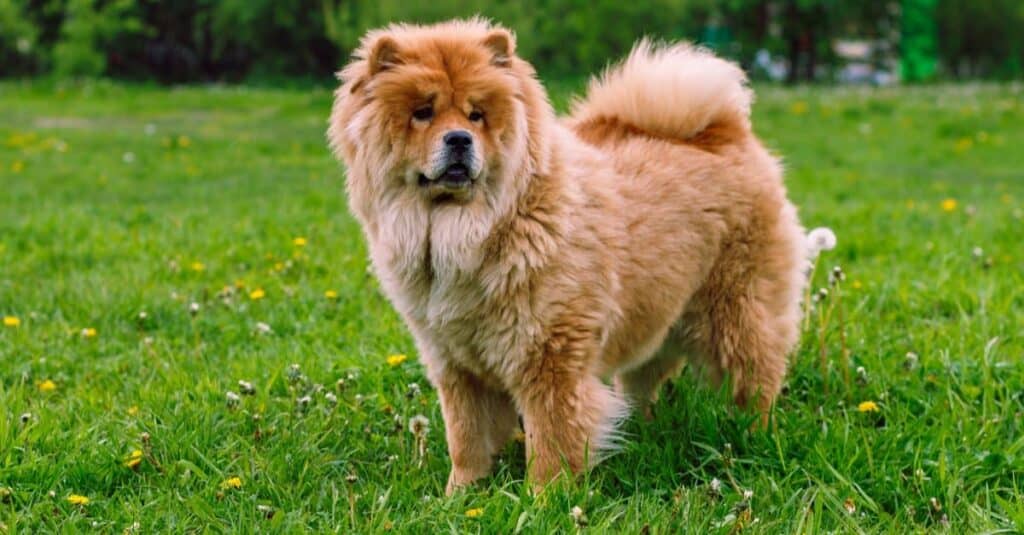
Chow chows have fluffy coats and are well known for their purple tongues.
©Flower_Garden/Shutterstock.com
Chow Pom Pros and Cons
| Pros | Cons |
|---|---|
| Very independent: Always ready for adventure, these dogs are very mischievous and entertain themselves. | Excessive barking: This breed is always on high alert. They bark to warn owners about strangers or express their emotions. |
| Affectionate: Although independent, your chow Pom will cuddle you consistently. | Regular grooming: Their hair is fine and fluffy, causing unwanted tangles. Consistent coat trimmings and brushing are required. |
| Adapt well to apartment living: Because they have a medium body size, these dogs can adapt well to smaller living areas, as long as they get their daily dose of exercise. | Expensive to purchase: The Chow Pom has become famous for its looks and size, making it a very expensive breed. A puppy usually sells for $2000-$4000. |
Chow Pom Size and Weight
The standard height and weight of the Chow Pom are between 9 to 16 inches and 10 to 25 pounds.
Chow Pom Common Health Issues
Life expectancy for the Chow Pom is 12 to 15 years. However, they share the same health risks as their parent dog breeds. These health issues include eye problems, patellar luxation, hip dysplasia, collapsing trachea, epilepsy, and congestive heart failure. Therefore, you should consult a veterinarian to ensure your pet receives the proper care and attention.
Eye Problems
An eye condition called Entropion results when the eyelid bends inward, causing the hairs to scratch the cornea’s surface.
Patellar luxation
Patellar luxation occurs when the knee joint moves out of place, causing the dog to become very uncomfortable and experience pain.
Elbow Dysplasia
This condition is identical to patellar luxation but involves the elbow joint. As a result, the joint moves out of place, causing pain.
Dislocation of the hip
Dislocation of the hip is called hip dysplasia, which is caused by a deformed hip joint, causing bone to rub directly against bone.
Collapsing Trachea
A collapsing trachea happens when cartilage in the trachea weakens, causing it to flatten. Eventually, as the cartilage starts to deteriorate, it will collapse. This condition is fatal as the trachea becomes fully obstructed.
Epilepsy
Chow Pom dogs are susceptible to seizures, and cases can range from mild to severe. Although this condition is not curable, consistent medication can be provided by your veterinarian to keep your dog’s epilepsy under control.
Congestive Heart Failure
Congestive heart failure refers to a cardiac disease where the heart cannot pump blood efficiently throughout the body. The increased pressure causes fluid to accumulate in and around the lungs, preventing the lungs from fully expanding and causing a lack of oxygen in the blood supply. This condition leads to many health issues.
Chow Pom Temperament
Chow Pom dogs are warm-hearted and affectionate, making them excellent companions for youngsters and adults. These dogs are also vigilant and intelligent, allowing for easy training. They are often full of energy and playful, but they can also be relatively peaceful and laid-back when they want to relax and unwind.
How to Take Care of Your Chow Pom
As pet owners, we all want the best for our animal family members. You can keep your pet happy and healthy by following these guidelines:
- Get your dog microchipped so you can quickly locate it in an emergency.
- Schedule regular veterinary checkups to get an update on your dog’s health.
- Train your dog to prevent any behavior issues.
- Take your dog for daily walks and engage in playtime to form a bond with your pet.
- Provide your dog with a well-balanced diet and fresh, clean water.
- Make sure that you take your dog often to get groomed.
- Provide your dog with a safe and comfortable living environment.
Maintenance and Grooming
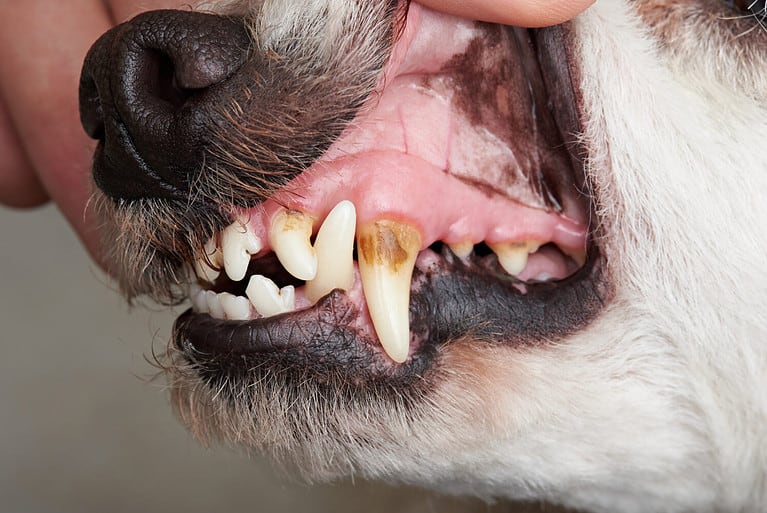
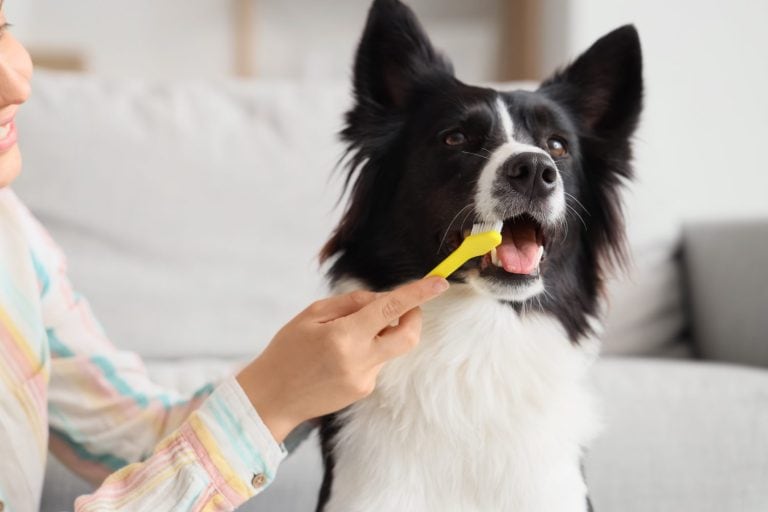
Because of their thick fur coats, Chow Chow Pomeranian hybrids require regular maintenance. It is vital to brush their coats at least every other day to prevent their hair from knotting, causing unruly matting of their hair. In addition, these canines need a bath once a month to get rid of oil buildup on their skin. Owners should brush their pearly whites and trim their nails to prevent any injury to them or their owners.
Training
When introducing the Chow Pom to training, be assertive and show you are in control, as these dogs show a strong alpha presence; they always want to be the leader. Use short training sessions; because of their high energy, these dogs don’t have a long attention span.
To obtain an optimum response from your dog, use positive reinforcement when a task is performed correctly. Praise and reward your dog with a treat.
Exercise
This breed requires frequent exercise to keep healthy and happy. Your Chow Pom will enjoy long walks and games of fetch or catch. These dogs thrive in households with fenced-in yards where they can run and play.
Puppies
Due to the popularity of these dogs, they have become expensive. They can cost anywhere from $2,000 to $4,000. Make sure to do your research and search for a reputable Chow Pom breeder.
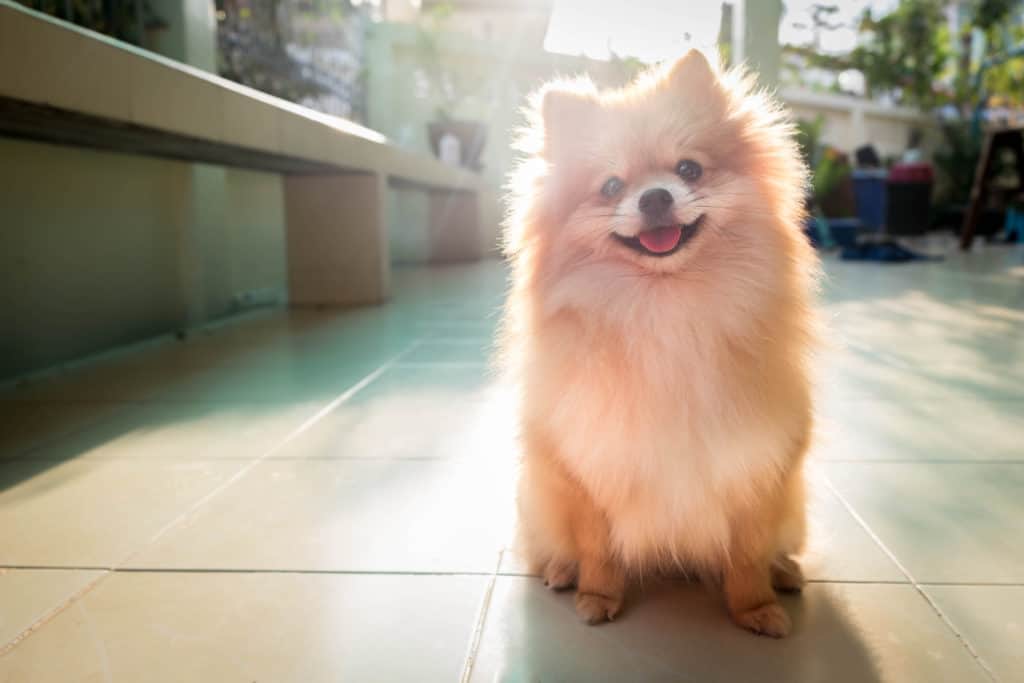
Pomeranians have appeared in several films, including Dumb and Dumber.
©pattarawat/Shutterstock.com
The Best Dog Food for your Chow Pom
Your Chow Pom should receive suitable food for their well-being and healthy development. Refrain from feeding your dog low-quality dog food as these contain several toxic by-products and fillers, which are nutritionally useless.
When determining which food best suits your Chow Pom, you can decide between dry kibble or a homemade meal. Following guidelines on how much you feed your dog is essential, as this can affect your dog’s weight and metabolism.
Dry Kibble
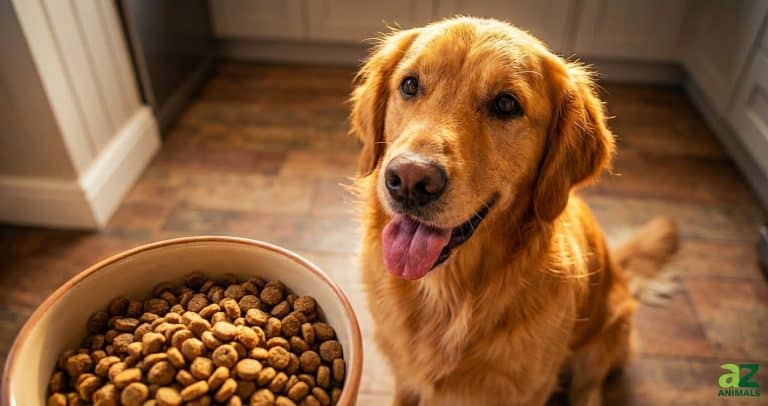
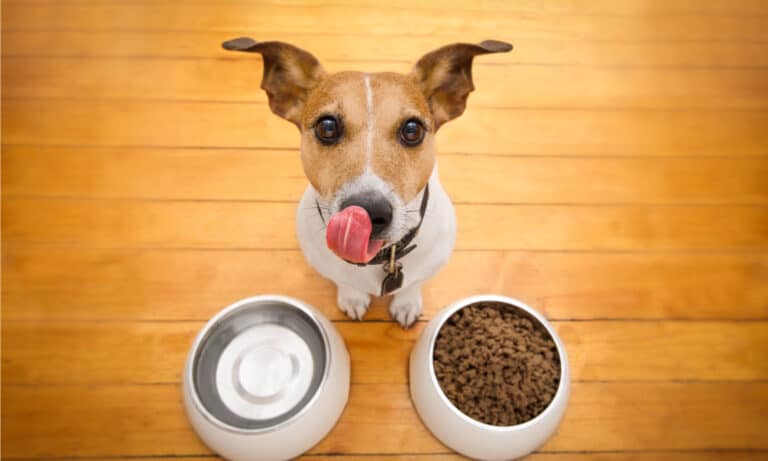
A dry kibble diet can assist your dog with oral health. The crunchy texture of kibble encourages your dog to chew before swallowing, which improves digestion and aids in tooth cleaning.
Homemade Meal
When considering a homemade meal, remember your dog’s food requires the correct number of proteins, carbs, fats, and vitamins. The ratio should be 40% meat, 30% starch, and 30% vegetable. These can include:
- Red meat
- Chicken and fish
- Sweet potatoes, spinach, carrots, green beans, zucchini, and broccoli
- White rice
- Wheat-free pasta
Chow Poms and Children
These caring dogs get along well with children and other pets. Introducing your dog to children and new people is critical, as early socialization training will prevent shyness or fearfulness.
Sources
- Daily Dog Drama / Accessed December 11, 2022
- Shop for your Cause / Accessed December 11, 2022
- Pawesome / Accessed December 11, 2022