

L
Species Profile

Labrottie

Canis lupus familiaris

Big-hearted athlete with a watchful side
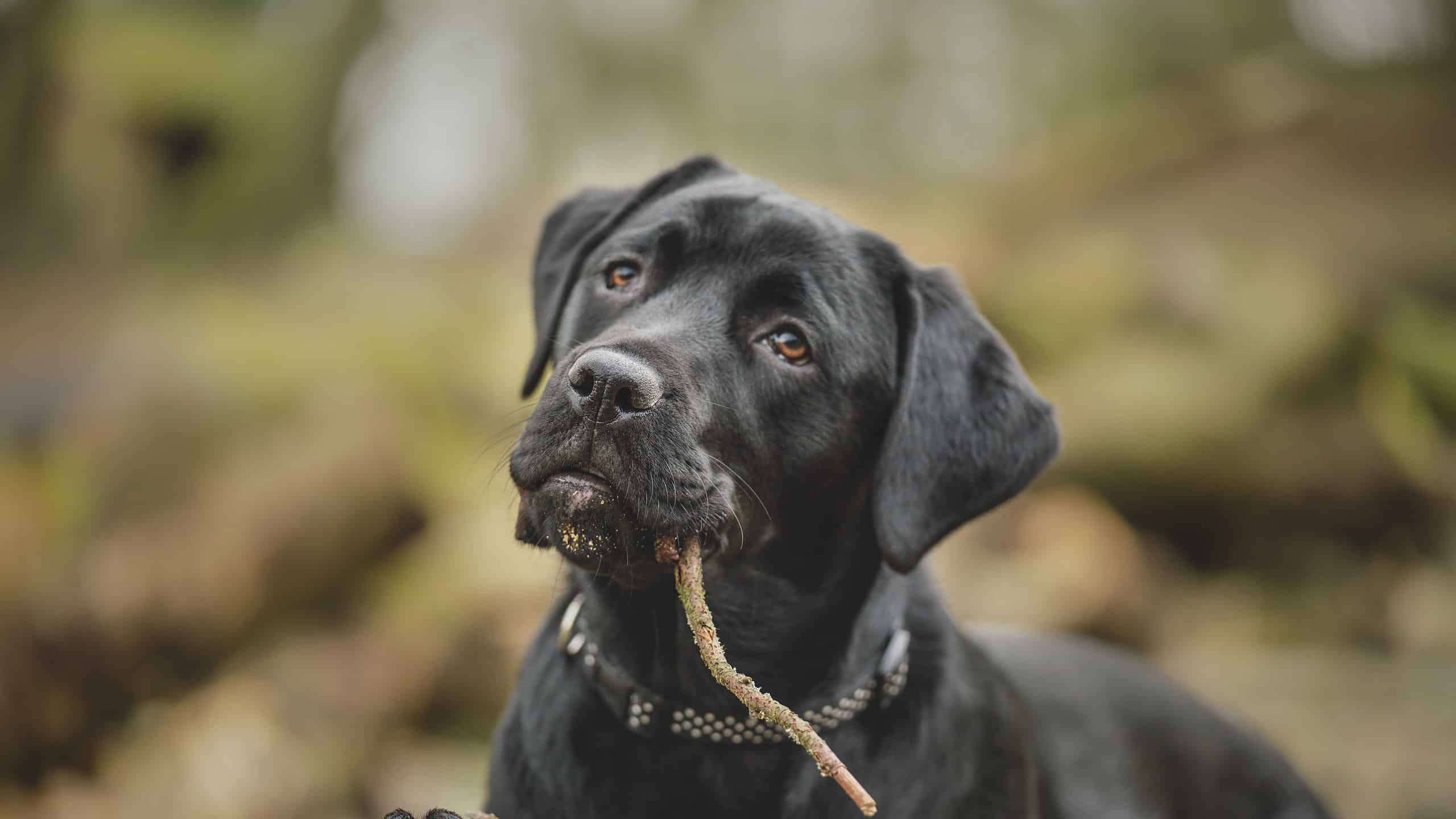
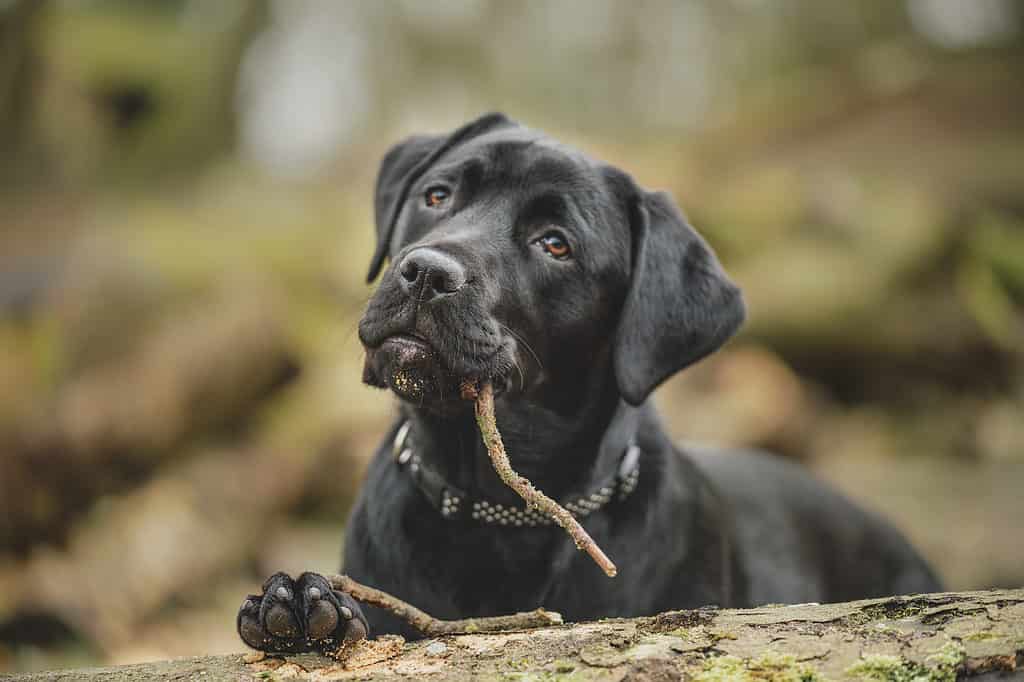
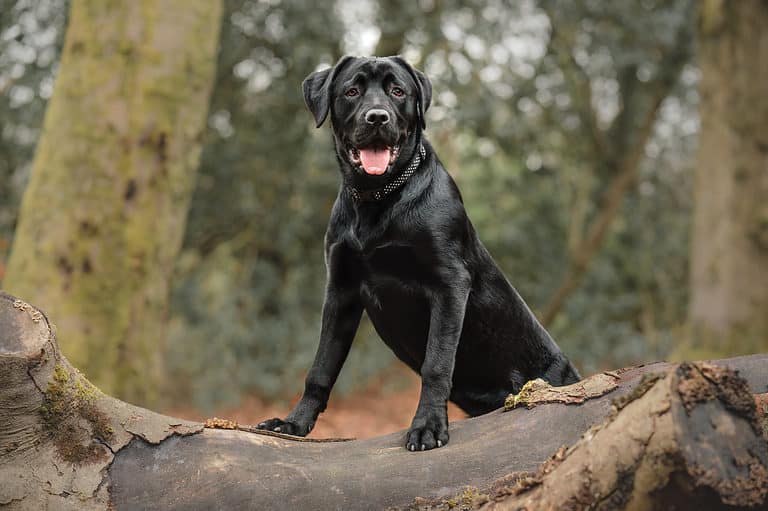
Schofield Images/Shutterstock.com

Labrottie Distribution

Domesticated Species

Found Worldwide

Size Comparison

Human 5'8"
Labrottie 2 ft

Labrottie stands at 36% of average human height.

Labrottie - Labrador and Rottweiler Mix Breed

At a Glance

Domesticated
Also Known As Labrottweiler, Rottador, Labrador-Rottweiler mix, Labrador-Rottweiler cross, Lab × Rottweiler mix, Lab-Rottie mix
Diet Omnivore
Activity Cathemeral+
Lifespan 5 years
Weight 50 lbs
Status Not Evaluated
Did You Know?

Not a standardized kennel-club breed: "Labrottie" is a common nickname for a Labrador Retriever × Rottweiler cross.

Scientific Classification

A mixed-breed domestic dog typically combining traits of the Labrador Retriever and Rottweiler. Expected to be medium-to-large, athletic, and people-oriented, with variability in coat, temperament, and trainability depending on lineage and upbringing.

Kingdom
Animalia
Phylum
Chordata
Class
Mammalia
Order
Carnivora
Family
Canidae
Genus
Canis
Species
Canis lupus

Distinguishing Features

  • Medium-to-large, muscular build (often broader chest/neck than a typical Lab if Rottweiler traits dominate)
  • Coat often short to medium; colors may include black, black-and-tan, chocolate, or mixes depending on parent genetics
  • Temperament commonly described as loyal and trainable; can be protective if Rottweiler traits are strong
  • High exercise needs; benefits from structured obedience and early socialization

Physical Measurements

Males and females differ in size

Height
♂ 2 ft 1 in (1 ft 11 in – 2 ft 3 in)
♀ 1 ft 11 in (1 ft 9 in – 2 ft 1 in)
Length
♂ 3 ft 10 in (3 ft 5 in – 4 ft 3 in)
Weight
♂ 93 lbs (66 lbs – 121 lbs)
♀ 77 lbs (62 lbs – 93 lbs)
Tail Length
♂ 1 ft 2 in (12 in – 1 ft 5 in)
♀ 1 ft 3 in (12 in – 1 ft 6 in)
Top Speed
25 mph
running

Appearance

Primary Colors
Secondary Colors
Skin Type Typical domestic dog skin with moderate pigmentation; coat usually short-to-medium, dense, often double-coated; some individuals show allergy-prone or sensitive skin requiring gentle grooming and diet management.
Distinctive Features
  • Mixed-breed (Labrador Retriever × Rottweiler), not a standardized kennel-club breed; appearance and temperament vary widely between individuals.
  • Medium-to-large, athletic, deep-chested build; generally more robust than many typical domestic dogs due to parent breeds.
  • Head often broad with strong jaw; muzzle length can be Lab-like (longer) or Rott-like (shorter, blockier).
  • Drop ears common; ear shape can trap moisture-regular cleaning helps reduce otitis risk.
  • Coat usually short-to-medium and dense; seasonal shedding common-weekly brushing, more during heavy sheds.
  • Tail may be thick "otter tail" (Lab influence) or longer and tapering; usually carried level when moving.
  • People-oriented and typically trainable; benefits from early socialization, consistent reward-based training, and impulse-control work.
  • Exercise needs are high: daily brisk walks, retrieval/play, and structured training to prevent boredom and destructive behaviors.
  • Weight gain risk (Lab influence): portion control, lean-body conditioning, and joint-friendly exercise are important.
  • Common health concerns to watch/screen for: hip and elbow dysplasia, cruciate ligament injury, obesity, ear infections, allergies/dermatitis, bloat/GDV (deep chest), and possible cardiac issues seen in large breeds.
  • Additional parent-breed-linked risks can include progressive retinal atrophy (PRA), exercise-induced collapse (EIC), and certain cancers; choose breeders/rescues with health history when possible.
  • Care requirements: nail trims, dental hygiene, routine vet checks, and joint-supportive lifestyle (avoid repetitive high-impact jumping in young dogs).

Sexual Dimorphism

As in most domestic dogs, males are typically larger with broader heads, thicker necks, and heavier bone. Females are often slightly smaller and more refined in outline, though individual variation is substantial in this cross.

♂
  • Often taller and heavier overall body mass.
  • Broader skull and thicker neck/shoulder musculature.
  • May show more pronounced chest width and head blockiness.
♀
  • Typically lighter frame with slightly narrower chest.
  • Head and neck often less bulky, with a more streamlined outline.
  • May mature earlier physically, but size varies by lineage.

Did You Know?

Not a standardized kennel-club breed: "Labrottie" is a common nickname for a Labrador Retriever × Rottweiler cross.

Many inherit the Labrador's strong "retrieve/carry" instinct-expect them to proudly tote toys, sticks, or even shoes.

Coats vary widely: short and dense is common; colors often include black, black-and-tan, chocolate, or dark sable-like shading.

Size can swing from sturdy medium-large to very large, influenced by which parent's frame they take after (Labs vs. Rottweilers).

They're often food-motivated (Lab trait), which can make training easier-but also raises obesity risk if portions aren't managed.

A well-socialized Labrottie can be both friendly with family (Lab) and confidently watchful (Rottweiler heritage).

Because this is a cross, littermates can differ noticeably in energy level, guardiness, and sociability-even in the same home.

Unique Adaptations

  • Domestic-dog versatility (species context): like all Canis lupus familiaris, they're highly adapted to reading human gestures, routines, and emotional cues.
  • Athletic power blend: many combine Lab stamina with Rottweiler strength-useful for dog sports (retrieving games, tracking, obedience, canicross).
  • Dense, weather-tolerant coat in many individuals (common to both parent breeds) supports outdoor activity, though heat management is still crucial.
  • Broad head/jaw strength (often Rott-influenced) supports carrying and tug games-channel with appropriate chew toys and training.
  • High trainability when socialized: typical of both parent breeds, often responding well to reward-based methods and clear structure.

Interesting Behaviors

  • "Shadowing" their people: many choose one or two favorite humans and follow them from room to room (companionship + guardian tendency).
  • Mouthy carrying and gentle grabbing: common in Lab-influenced individuals; they may try to bring you objects to initiate play.
  • Vigilant perimeter checks: some do routine "patrol loops" around yard/home, especially if they lean Rottweiler in temperament.
  • Body-lean greetings: a friendly, full-contact style of affection can appear; training polite greetings is important at this size.
  • Work-then-crash rhythm: they often enjoy intense play/training followed by long, content naps.
  • Alert barking with evaluation: some will bark once or twice, then approach to investigate rather than continue vocalizing.
  • Water enthusiasm varies: many love swimming like a Lab, but others are indifferent-coat type and early exposure matter.

Cultural Significance

The Labrottie (Labrador Retriever × Rottweiler mix) blends the Lab's friendly nature with the Rottweiler's steady confidence. Not a kennel-club breed, owners must judge each dog. Crosses may show traits of either parent, showing dogs can act like either breed.

Myths & Legends

Lore says in Rottweil, Germany, butchers used strong Rottweilers to herd cattle to market and guard their money. Stories say money pouches were tied to the dogs’ necks to scare thieves.

Labrador naming story: though called Labrador, the Labrador Retriever came from Newfoundland's St. John's water dogs. Early British sportsmen wrote how they eagerly jumped into cold water to fetch game and fishing gear.

Across Britain and Europe, old stories say a large black dog—called Black Shuck or other names—appears on lonely roads or in storms as a scary protector or warning spirit, not a normal animal.

Indigenous North American "dog helper" traditions: many Native nations preserve stories in which dogs guide, protect, or assist people on journeys, emphasizing loyalty and the close partnership between humans and canines.

Stories link Rottweiler ancestors to Roman-era mastiff or drover dogs that traveled with armies and herds. This popular family story is repeated in breed tradition, though details differ by source.

Homefront guardian tales: family anecdotes commonly frame Rottweiler-type dogs as steadfast protectors who 'know' when something is wrong-modern owners often extend this narrative to Labrotties that show both tenderness with children and alertness to strangers.

Conservation Status

NE Not Evaluated

Has not yet been evaluated against the criteria.

Population Stable

Life Cycle

Birth 7 pups
Lifespan 5 years

Lifespan

In the Wild
3–8 years
In Captivity
8–13 years

Reproduction

Mating System Polygynandry
Social Structure Managed Domestic
Breeding Pattern Transient
Fertilization Managed Selective
Birth Type Internal_fertilization

Behavior & Ecology

Social Pack Group: 3
Activity Cathemeral, Diurnal, Crepuscular
Diet Omnivore Meat-forward foods (beef/chicken/fish-based meals; high-protein kibble or balanced cooked meat)

Temperament

HUBS: Typically people-oriented, trainable, and confident; variation ranges from highly social to more guarded.
Distinguished from base species context: domestication amplifies human-directed bonding, play, and responsiveness to training cues.
Labrador influence common: high sociability, food motivation, retrieving/play drive, and persistent mouthing when young.
Rottweiler influence common: watchfulness, territorial sensitivity, steady confidence, and stronger protective/guarding tendencies.
Often medium-to-large and athletic; needs structured outlets or may become destructive, vocal, or pushy.
Temperament risks: same-sex dog intolerance or stranger wariness can emerge without early socialization and clear handling.
Trainability: responds best to reward-based methods; harsh corrections can increase avoidance or defensive reactivity.
Care requirement: daily aerobic exercise plus strength/play (fetch, tug with rules, hiking) and mental work (nosework, obedience).
Care requirement: proactive impulse-control training (settle, leave-it, polite greetings) to manage size and enthusiasm.
Health concerns more likely: hip/elbow dysplasia, cruciate ligament injury, obesity, and osteoarthritis; keep lean and conditioned.
Health concerns possible: gastric dilatation-volvulus risk in deep-chested builds; use slower feeding and avoid hard exercise after meals.
Health concerns possible: heart disease (e.g., subaortic stenosis), allergies/skin issues, and cancer risk seen in some Rottweiler lines.

Communication

barking Alert and demand
low growls Warning and resource guarding
whining Attention-seeking or frustration
howling Social or environmental triggers
play grunts and huffs
full-body posture changes Stiffening vs loose play bows
tail carriage and wag style High stiff vs mid loose
ear and facial tension cues Lip lift, hard stare, whale eye
pawing, leaning, and nudging for contact-seeking
mouthiness and object carrying as affiliative signals
scent marking and investigative sniffing to assess novelty
guarding displays: blocking access, standing between handler and stimulus

Habitat

Biomes:
Temperate Forest Temperate Grassland Mediterranean Boreal Forest (Taiga) Tundra Alpine Desert Hot Desert Cold Tropical Dry Forest Savanna Tropical Rainforest Freshwater Wetland Marine +8
Terrain:
Plains Hilly Valley Coastal Mountainous Plateau Island Riverine +2
Elevation: Up to 16404 ft 3 in

Ecological Role

Human-associated omnivorous mesopredator/scavenger and companion/working dog (diet largely provided by people rather than hunting).

companion animal and social support to humans deterrence/guarding and alerting behavior (varies by individual) removal of food scraps/waste via scavenging in human environments (where allowed) occasional control of small pest animals around homes/farms (when not strictly managed)

Diet Details

Main Prey:
Small rodents Rabbits and small mammals Ground-nesting birds and eggs Carrion and food waste
Other Foods:
Grasses Berries and fallen fruit Vegetables Starches and grains

Human Interaction

Domestication Status

Domesticated

Canis lupus familiaris descended from gray wolves (Canis lupus) through long domestication with people about 15,000 years ago. Dogs were bred to be less fearful and more trainable with humans. Labrottie (Labrador Retriever × Rottweiler mix) is not a standard breed, often blending Lab friendliness and trainability with Rottweiler guarding, power, and intensity; traits vary.

Danger Level

Moderate
  • Bite risk typical of medium-to-large, powerful dogs-severity can be higher due to size/strength, even if incident likelihood is low with good management
  • Guarding/protective behavior (Rottweiler influence) may lead to suspicion of strangers if under-socialized or poorly handled
  • Rough play/knock-down risk with children/elderly due to enthusiasm and weight
  • Leash reactivity or dog-selective aggression can occur, increasing risk during close encounters
  • Risk increases with pain/medical issues, resource guarding, inadequate supervision, or coercive training methods

As a Pet

Suitable as Pet

Legality: Labrottie (Labrador Retriever × Rottweiler mix) is usually legal as a pet, but local rules may restrict large or guardian dogs, Rottweiler-specific bans, insurance or landlord rules. Follow licensing, leash, vaccination, and bite-prevention laws.

Care Level: Experienced

Purchase Cost: Up to $1,500
Lifetime Cost: $18,000 - $60,000

Economic Value

Uses:
Companion animal ownership (pet industry) Working roles (service, sport, security, SAR potential depending on temperament) Veterinary, training, grooming, boarding services Adoption/rescue ecosystem
Products:
  • Leashes, collars/harnesses, crates, beds, enrichment toys
  • High-quality large-breed diets and joint-support supplements (as advised by a vet)
  • Training classes/private behavior consults
  • Preventives (flea/tick/heartworm), vaccinations, spay/neuter
  • Microchipping, licensing, insurance/landlord pet fees
  • Professional grooming tools/services for shedding coats

Relationships

Ecological Equivalents 6

Animals that fill a similar ecological role in their ecosystem

Labrador Retriever
Labrador Retriever Canis lupus familiaris One parental breed; often contributes biddability, a strong human focus, high food motivation, and sometimes a dense, water-resistant coat and increased retrieving/play drive. Common health risks in that lineage include hip and elbow dysplasia, a tendency toward obesity, and certain eye disorders (e.g., progressive retinal atrophy and cataracts).
Rottweiler
Rottweiler Canis lupus familiaris One parental breed — often contributes guarding and territorial tendencies, confidence, strength, and protective attachment. Lineage-associated health concerns include hip and elbow dysplasia, increased risk of cruciate disease, and a predisposition to certain cancers, notably osteosarcoma.
German Shepherd Dog
German Shepherd Dog Canis lupus familiaris Similar niche as a large, trainable companion and working dog (protection, service, sport). Comparable needs for structured training, exercise, and mental stimulation. Overlapping orthopedic risks (hips and elbows) and sensitivity to under-socialization.
Doberman Pinscher
Doberman Pinscher Canis lupus familiaris Athletic, people-focused guardian-type dog that requires consistent training and early socialization to avoid reactivity. Although it has a different key health profile, it has similar management needs: regular exercise, behavior shaping, and supervised interactions.
Boxer
Boxer Canis lupus familiaris Comparable medium-to-large, energetic family guardian/companion profile. Benefits from firm-but-fair training and enrichment. Can share issues seen in many large breeds, such as orthopedic strain and exercise-related injuries.
Domestic dog
Domestic dog Canis lupus familiaris Labrottie — a Labrador Retriever × Rottweiler cross — is a medium-to-large, muscular, athletic dog that needs lots of exercise, training, and early socialization. Monitor weight and screen for hip and elbow problems, cruciate ligament tears, gastric dilatation-volvulus (bloat/GDV), eye issues, and increased cancer risk.

Quick Take

  • The double-layer coat creates an overheating risk during the required 1 hour of activity.
  • A Labrottie can sprain its own tail simply by wagging, a condition known as cold tail.
  • Systematic socialization is necessary to prevent guarding instincts from evolving into aggression against strangers.

The Labrottie is a hybrid of two popular breeds: the Labrador retriever and the Rottweiler. It is known by several names, including the Rottador, Rottwador, and Labweiler. The Labrottie is a new breed, likely developed in the United States in the 1990s.

Labrotties are excellent watchdogs, cautious with strangers, and alert their owners immediately to any perceived threats. They can be aggressive with people they don’t know, so training is of the utmost importance. Eager to please and clownishly playful to try to get attention, they make entertaining pets. They do well with older children and household pets, as long as they are trained and socialized. With that, they are not recommended as pets for smaller children, as the dog might accidentally hurt them, not realizing its own size and strength. They do shed, and they can be stubborn with training, and have some potentially serious health concerns. Nevertheless, they do combine many strengths of their parents and are sure to bring lots of love and laughter to your life.

An educational infographic about the Labrottie hybrid dog breed, featuring a split-face illustration of a Labrador and a Rottweiler with various icons for health and care tips.
A powerhouse companion that can literally injure itself just by being happy. Discover why the Labrottie's protective instincts and 'cold tail' risk make it one of the most unique hybrids on the planet. © A-Z Animals

Pros and Cons of Owning Labrotties

Pros!Cons!
Smart and trainable.
Both parent breeds of the Labrottie are noted for their trainability. Labrotties are highly intelligent but have a strong sense of independence. A knowledgeable and patient owner will be able to train them into an excellent working dog, guard dog, or companion.
Aggressive with strangers.
A poorly trained Labrottie may overdo it when it comes to guarding your family and property. They can be frightening to neighbor children or visiting friends and family. You can’t neglect training with this breed.
Playful and kid-friendly.
Labrotties can be very playful, especially if your dog favors its Labrador parent genetically. With training and socialization, they will be gentle, loyal, and affectionate with your children and protect them with their own lives if necessary.
Health problems.
Labrotties inherit from their parents several significant health problems that can be life-threatening. Owners should be aware of the risks, give the dog a healthy diet and lifestyle, and see their vets regularly.
Good exercise buddy.
Labrotties are energetic and sociable. They will love going on runs or hikes with you or trotting alongside your bike. They can do well in large families with a lot of people to play with and get their energy out.
Separation anxiety.
The downside of loving an energetic dog is the possibility of separation anxiety. Labrotties don’t do well if left alone for a long time. They will howl and bark, chew and destroy whatever they can find.

The Best Dog Food for Labrotties

When considering the best dog food for your Labrottie, keep in mind that trying to save money by buying a cheaper kibble may cost you much more in the long run with additional health problems, vet bills, and lower quality of life and lifespan for a companion you will come to love. Because Labrotties are subject to a number of serious health concerns, owners should select a food with natural ingredients and few artificial additives, specifically formulated for your dog’s size and developmental stage.

Size and Weight
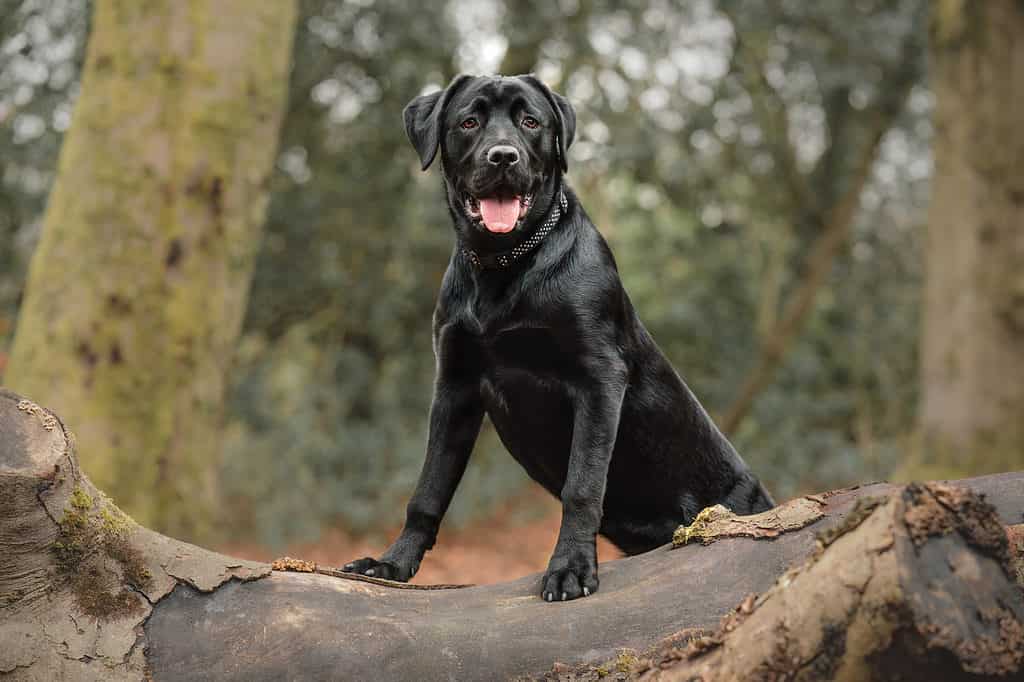
Labrottie 3 - Labrador and Rottweiler Mix Breed

Fully grown, Labrotties range between 70 and 115 pounds.

Male and female Labrotties do not differ much in their size and weight. Much can depend on how much they take after the Labrador or Rottweiler sides of their parentage. They can range from 24 to 27 inches tall and 70 to 115 pounds when full-grown.

Common Health Issues

Labrotties are subject to several health issues, some of which can be quite serious. One of these is “cold tail” in which the dog actually sprains its tail from wagging it too much! Though it might sound humorous, it is a painful condition for a dog. Labrotties can also suffer from bloat, in which painful gas builds up in the stomach and causes it to twist. This is a life-threatening condition requiring emergency veterinary intervention. Rottweilers experience high rates of bone cancer; this condition can also affect Labrotties. They might also experience Von Willebrand’s Disease, a blood-clotting problem. Like many other breeds, obesity, hip and elbow dysplasia, and ear infections are common ailments.

Temperament and Behavior

Labrotties are friendly, protective, funny, and affectionate with their families, traits they inherit from both their parent breeds. They take a while to warm up to strangers, but once they get to know them will welcome them. These are alert and vocal guard dogs. They’ll warn you when anything is amiss in the neighborhood. They will want to be with you all the time and will become anxious and destructive if left alone too long. They do best in a larger home and fenced yard with someone home to talk to them and play with them most of the day.

How To Take Care of Labrotties

Maintenance and Grooming

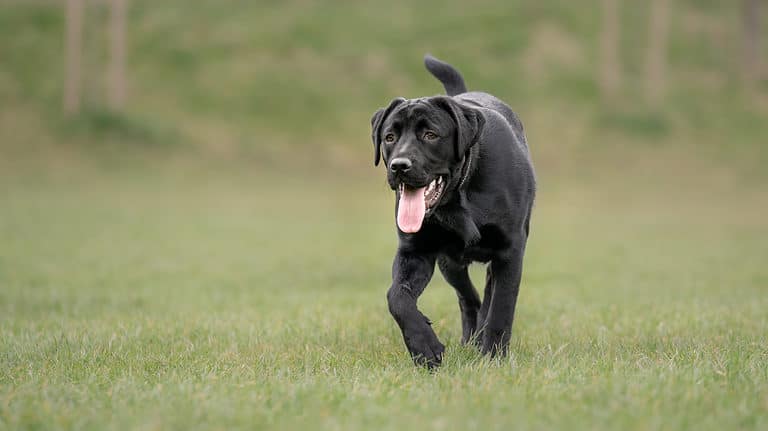
Labrotties have a short-to-medium length smooth double coat that may be black, chocolate, black and tan, or gray. The hair may be straight or a little longer and wavy. Their dense, thick waterproof coats protect them from cold or rainy weather and also make them superior swimmers. They can get overheated in the summer, though, so be sure to provide them with plenty of water, shade, and cool air on hot days.

To maintain your Labrottie’s coat, brush them once or twice a week to help remove dead hair and control shedding. These dogs do shed moderately year-round, with heavier seasonal shedding. They are not good choices for someone with allergies. Even with regular grooming, be prepared to vacuum a lot to control the hair in your living space.

Labrotties should be bathed monthly, have their nails trimmed and teeth brushed regularly, and have their ears checked for parasites or infection.

Training

Labrotties are smart and want to please their owners. Both Labradors and Rottweilers are considered easy to train. However, Labrotties do like to be in charge and can be territorial and unfriendly to strangers. They need to be corrected firmly by an owner who is knowledgeable of positive training methods and is comfortable controlling a large, independent-minded dog.

Exercise

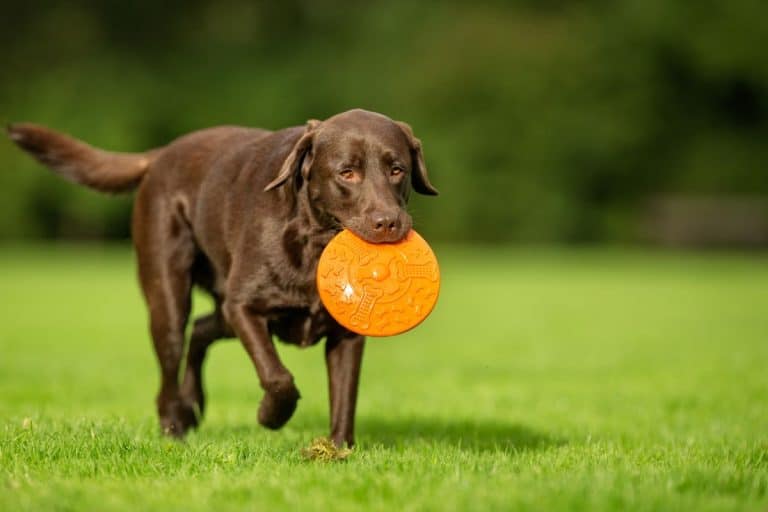
Labrotties are large and full of energy and enthusiasm. They need a lot of exercise for their mental and physical health, including a daily walk and other activities that will challenge them. These dogs particularly enjoy interactive games, such as fetching a ball for an attentive and appreciative human. They will do some exploring and playing on their own, but left alone too long, they will become destructive to your house and yard. Try to give them a minimum of 1 hour of vigorous activity a day, but at the same time, don’t overdo it. Too much exercise can cause them to become overheated in their double-layer fur coat.

Given their size and activity level, this breed is not suitable for apartment life. They will become frustrated if kept indoors too long. Their barking and roughhousing will disturb neighbors in an apartment complex. These dogs do best in a detached home with a substantial fenced yard.

Puppies

Labrottie puppies love to chew, so you’ll want to provide them with sturdy dog toys, replacing them if your pup is succeeding in breaking any pieces off. Training should start early and be consistent with Labrotties so that they learn you are the pack leader, not them. Try training them for 15 minutes a day at first, with breaks to play every few minutes.

When feeding, follow portion guidelines recommended by your veterinarian. Labrotties will tend to gobble down any food you put in front of them, which puts them in short-term danger for bloat and a longer-term threat of obesity. Try feeding them smaller portions at a time, 3 times a day if possible.

Finally, while your puppy is small, take advantage of opportunities to introduce them to children, other people, and dogs at the dog park. This is crucial so that they become well-socialized and friendly rather than seeing everyone they don’t know as a threat.

Labrotties and Children

Because Labrotties are large dogs that don’t always realize their own strength and can potentially have aggression issues, they are not recommended for homes with small children. A home with adults and older children, with someone at home most of the time, is ideal.

Dogs Similar to Labrotties

  • Doberman Pinscher: Dobermans are about the same height as Labrotties but not as heavy, usually weighing only 60 to 80 pounds. Dobermans shed a low to moderate amount year-round.
  • Rottweiler: Rottweilers are about the same size and weight as Labrotties. Rottweilers are moderate shedders, with heavier shedding during seasonal changes.
  • Labrador Retriever: Labrador retrievers are shorter and lighter than Labrotties. Labrador retrievers have a reputation for being extremely affectionate to their families, children, dogs, and strangers.

View all 130 animals that start with L

Sources

  1. Alpha Paw / Accessed December 1, 2022
  2. Dog Bible / Accessed December 1, 2022
  3. Dog Zone / Accessed December 1, 2022
  4. Hepper / Accessed December 1, 2022
  5. The Labrador Site / Accessed December 1, 2022
  6. Petguide / Accessed December 1, 2022
  7. Wag! / Accessed December 1, 2022
Drew Wood

About the Author

Drew Wood

Drew is a college professor and freelance writer who graduated from the University of Virginia. His travels have taken him to 25 countries and 44 states, where he has enjoyed learning about wildlife in a wide range of environments. In addition to his love of animals, he enjoys scary movies, landscaping, strategy games, and philosophical discussions over a cup of coffee. He is also an emotional support human to a neurotic Spanish Water Dog and a hyperactive Chihuahua mix.

Thank you for reading! Have some feedback for us?


Labrottie FAQs (Frequently Asked Questions)

Labrottie puppies cost about $600-$700, depending on their pedigree. Annual food and maintenance is about $950.