






Quick Take
- Owners must provide 40 calories per pound to meet body weight requirements.
- Being brachycephalic creates respiratory limitations that require a specific exercise formula.
- High intelligence levels, ironically, trigger stubborn behaviors that disrupt obedience training cycles.
- Executing a parental health scouting process is vital to identify genetic predispositions.
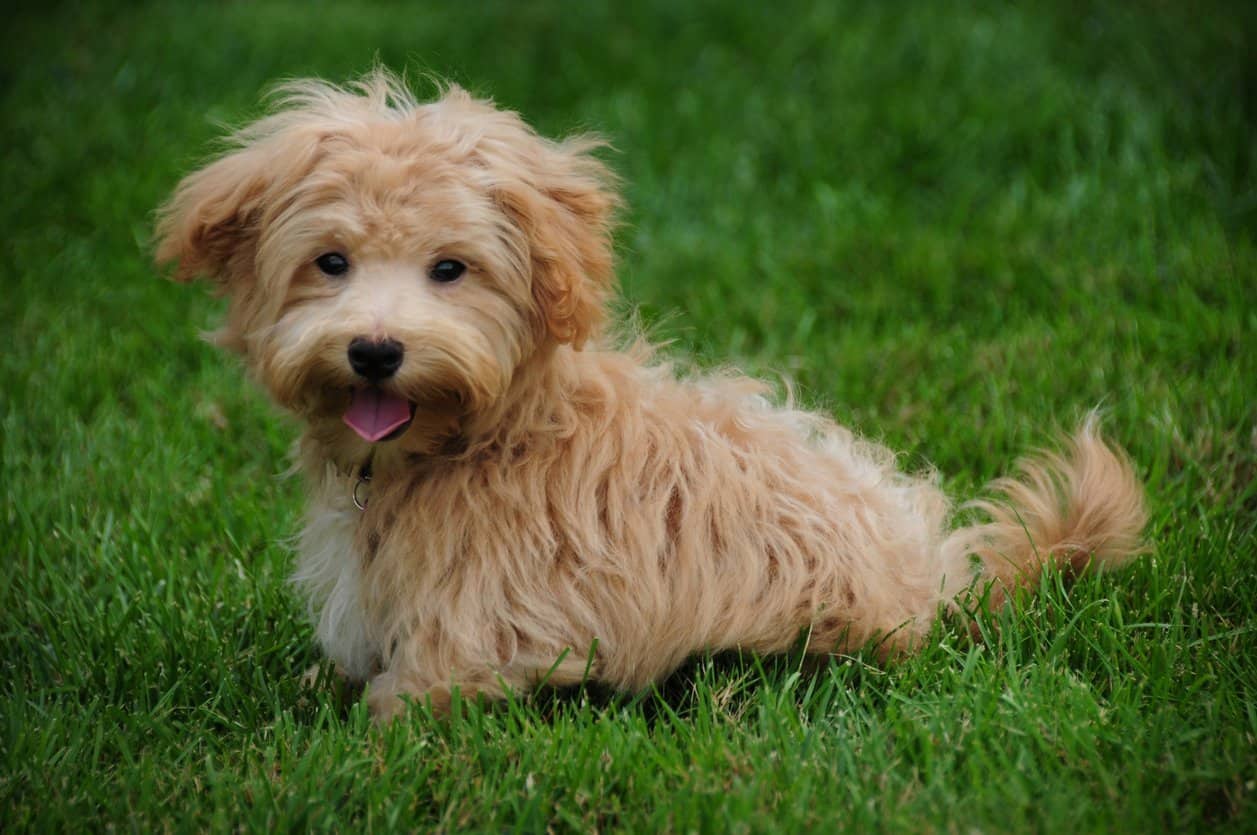
Peekapoos are mixed-breed dogs, or a hybrid breed, that result from crossing a Pekingese and a Poodle. There are a lot of Poodle hybrid breeds, but the Peekapoo was one of the first of these hybrid breeds. They were first bred in the 1950s. Peekapoos were initially developed to be good companions for allergy sufferers; they are a hypoallergenic breed. Peekapoos may also be called Pekepoos, Peke-A-Poos, Pekingese Poodle mixes, Peke a Poo, and Pekapoos.
These dogs can be very affectionate and make excellent family pets. They make a great companion and love staying at the side of the members of their family. However, they are prone to separation anxiety, so you may not want to consider getting this breed if someone isn’t available to stay home with them most of the day.

Evolution
Peekapoos were one of the first “designer dogs” that have been so popular since the 1950s. Bred for people suffering from allergies, the Peekapoo is a hybrid bred from a Pekingese and a miniature or toy poodle. The poodle’s non-shedding hair was and continues to be a desirable trait for designer dogs.
3 Pros and Cons of Owning a Peekapoo
| Pros | Cons |
|---|---|
| Hypoallergenic: They don’t shed and can be a good companion for a person with allergies. | Separation anxiety: They are more likely to suffer from separation anxiety than some other breeds. |
| Good family dog: They do well with children and can be an excellent family pet. | Sensitive to heat: They are more sensitive to heat because of their flatter faces and may not do as well in a very warm climate. |
| Moderate exercise needs: They only have moderate exercise needs. A daily walk with their owner or some time to run around and play outside should be sufficient. | Difficult to train: They can be very stubborn, which can make them more difficult to train. House-training them is not always easy, either, and they may have frequent accidents at first. |
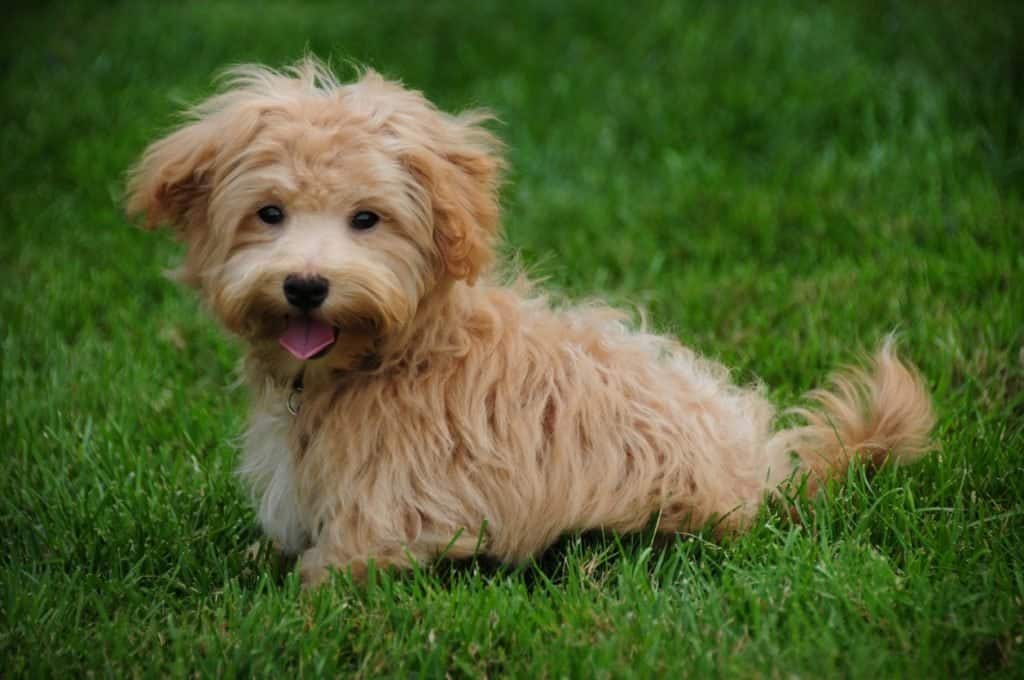
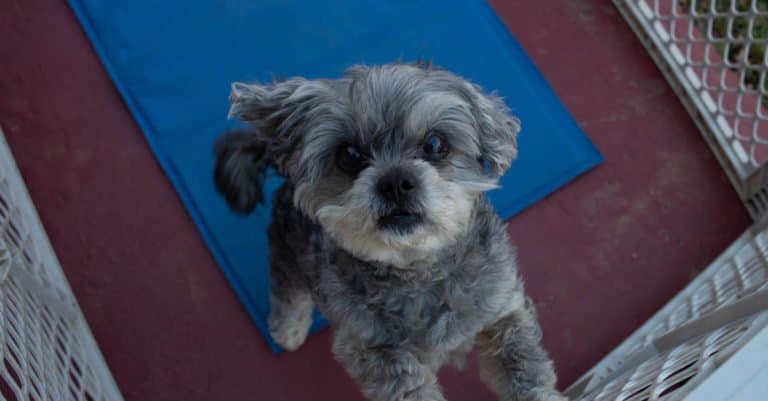
Peekapoos are more likely to suffer from separation anxiety than some other breeds.
©iStock.com/heathernemec
Size and Weight
Peekapoos are a small-sized dog breed. Males and females are generally around the same size. They weigh between 4 and 20 pounds and are up to 11 inches tall. Peekapoos that weigh less than 8 pounds are considered Miniature Peekapoos.
Common Health Issues
Purebreds, such as the Poodle and the Pekingese, that are mixed to make the Peekapoo, are often susceptible to many genetic conditions that are passed down from inbreeding. They may share some of these genetic predispositions, but the chances of inheriting a genetic disease may be a bit slimmer than a pure-bred dog since they are a mixed breed. Always choose a reputable breeder and ask to see the health history of both parents before purchasing a new dog.
Below, we’ll share a few possible health issues that your pet may face. These issues are somewhat more prevalent in Peekapoos, but just because something is listed here, it does not mean that your dog will definitely develop the condition. However, knowing what to be on the lookout for can help you identify potential concerns early and get your pet to the vet as soon as possible.
One possible health concern to be aware of is progressive retinal atrophy or PRA. This is a disease where the retina in the eye gradually deteriorates. Peekapoos may lose their night vision first, but the disease often progresses to a full loss of sight.
Patellar luxation is another health problem to be on the lookout for. Patellar luxation is a slipped kneecap. The knee joint slides out and back into place when a Peekapoo walks. Patellar luxation is very painful, and you’ll want to seek advice from your veterinarian right away if you suspect your Peekapoo has this condition.
Hip dysplasia is a genetic condition. The bones at the hip joint aren’t developed correctly, and the thighbones don’t properly fit into the hip bone. This causes the bones to rub together, which can be painful. Some Peekapoos will also have trouble walking, especially as the condition gets worse. As a Peekapoo with hip dysplasia gets older, they’ll likely develop arthritis.
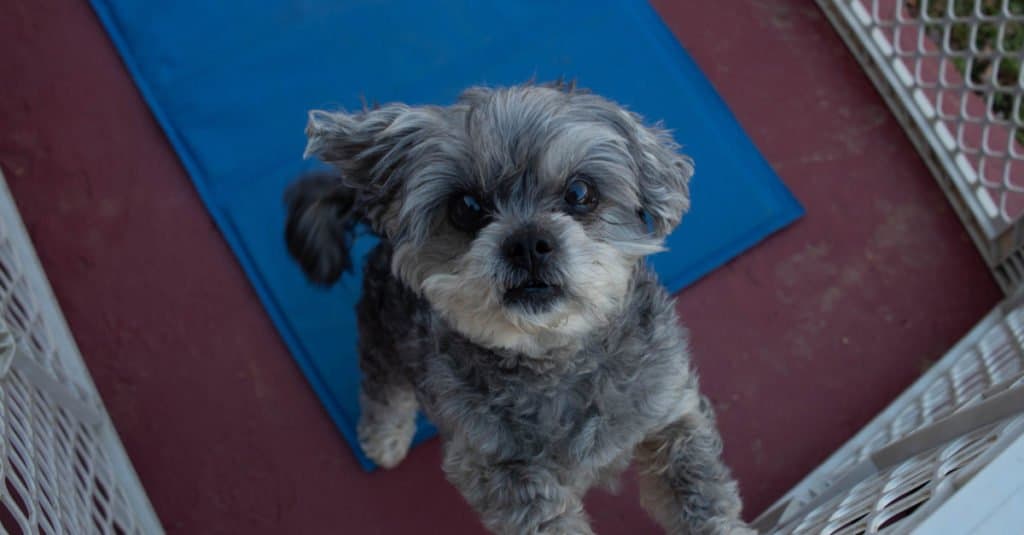
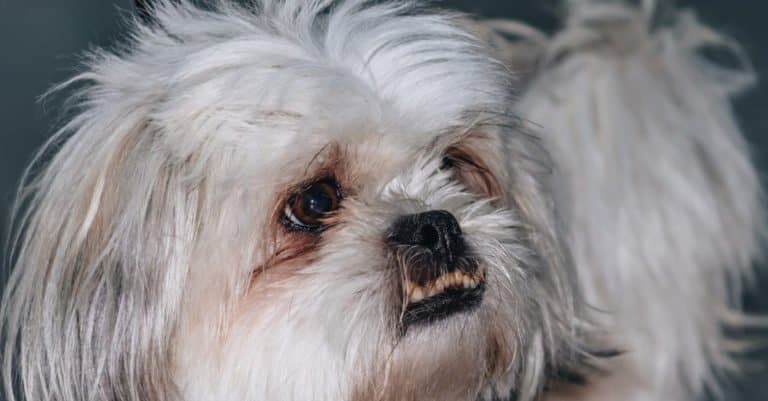
Peekapoos are good with children and can be excellent family pets.
©sjarrell/Shutterstock.com
Temperament and Behavior
Peekapoos are very devoted to their families. They have very loving personalities and enjoy spending time being close to the people in their family. Peekapoos can make great family dogs. They do very well with children. However, since this breed is smaller, they generally do best in homes with older children who know how to act around dogs and won’t accidentally harm the pup.
Peekapoos do not do as well when they are left alone or away from their owners. They can experience separation anxiety and may engage in destructive behaviors. It is best to make sure someone will be able to stay home with a Peekapoo most of the time before you decide to purchase one.
The exact temperament and traits of your Peekapoo can vary slightly based on whether the Pekingese or Poodle genes are more dominant. Poodles are pretty outgoing, and Pekingese are often reserved. The home environment and the way you treat your Peekapoo can also impact its temperament when it is full-grown.
How to Take Care of a Peekapoo
Peekapoos offer unique challenges and considerations when creating a care plan. You’ll want to keep this hybrid breed’s temperament, health concerns, exercise needs, dietary needs, and more in mind as you prepare to care for your pet.
Food and Diet
Generally speaking, Peke-A-Poos should eat about 40 calories for each pound of body weight each day. For full-grown adult Peekapoos, this will equate to somewhere between 300 and 800 calories or between ¼ and ¾ cups of food. However, don’t look solely at calorie content. You’ll want to choose a high-quality food that will help keep your pup healthy and allow them to thrive. Check with your veterinarian for their suggestions on the best food for your Peekapoo. They can also help provide you with further advice about the exact portion that will be ideal for your pup based on its age, activity level, weight, health, metabolism, and other factors. Peekapoos should eat two meals each day, so you’ll want to split their total daily allotment into two portions, one for the morning and one for the evening.
Peke-A-Poo puppies should be fed based on their predicted adult weight. This can be more challenging with a crossbreed, but use the weight of your puppy’s parents to try to estimate their final weight and feed them based on that. They should still receive the same 40 calories per pound as full-grown Peekapoos need. However, a puppy’s stomach is smaller than an adult’s stomach. This means they can’t handle the same quantity of food in one sitting. You’ll want to portion each day’s food into four meals for puppies that are under six months. Once the puppy is six months old, feeding them just two meals should be sufficient.
Maintenance and Grooming
Pekingese Poodle mixes have a very soft, wavy coat that is between medium- and long-length. Their coat can be a variety of colors based on the exact genes they inherited from their Poodle and Pekingese parents. Coats may be silver, white, cream, gray, red, sable, chocolate, apricot, buff, or black. Some Peekapoos also have other markings on their coat. One example of this is the phantom, which is a black coat with tan marks.
Peekapoos do not have an undercoat. Many do not shed, as is the desired outcome for this hybrid breed, but some may still shed a low to moderate amount. You’ll want to brush your Peekapoo’s coat on a regular basis to ensure it remains tangle-free and continues to look its best.
Like their Pekingese parents, Peekapoos have some folds and wrinkles around their eyes, ears, nose, and muzzle. You’ll need to regularly check and clean these areas to make sure they aren’t holding any dirt or other debris.
A Peekapoo will also need to have its teeth brushed a few times each week to prevent plaque and tartar from building up and causing dental disease. You should also make sure to regularly trim your dog’s nails to keep them from getting too long and making it painful to walk. Check your Peekapoo’s ears as well for any redness, odor, or dirt. These could be signs of an ear infection and will indicate that you need to bring your Peekapoo to the vet. Use a pH-balanced ear cleaner to keep the ears clean and prevent ear infections from happening.
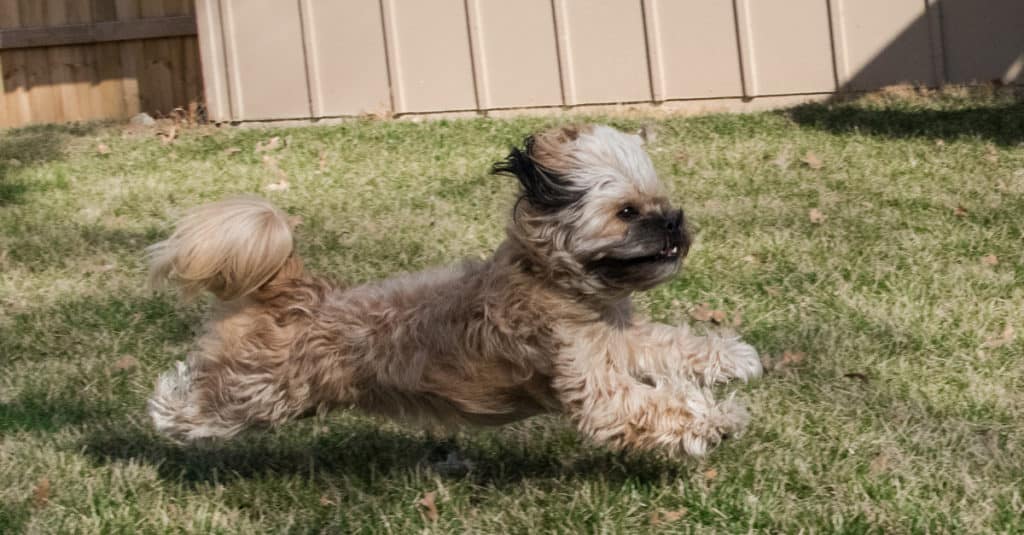
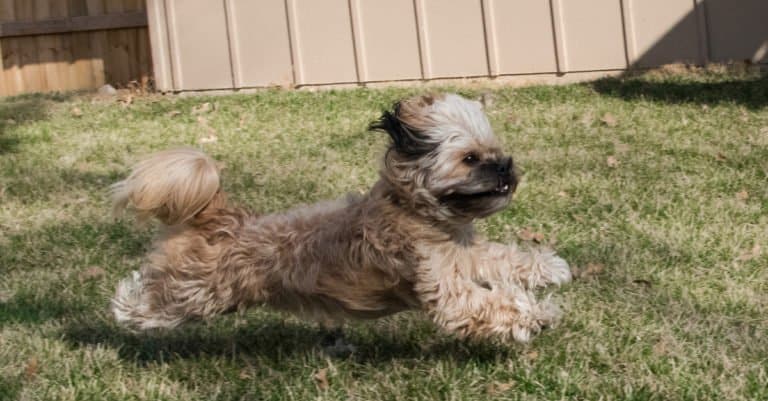
Peekapoos are more sensitive to heat because of their flatter faces and may not do as well in a very warm climate.
©jbentler/Shutterstock.com
Training
Peekapoos are very intelligent dogs. They can also be quite stubborn at times. This mix of traits can make them very challenging to train. It will be important to start training your Peekapoo from a very young age, as soon as you bring him or her home. This will help your Peekapoo begin to learn commands and expectations before their stubbornness builds.
Pekingese Poodle mixes respond best to training methods that use positive reinforcement. Keep this in mind as you begin training your Peekapoo. You may also want to consider signing your pup up for an obedience class once he has been fully vaccinated.
In addition to beginning to train your Peekapoo from a very young age, you’ll also want to start the process of socializing him. Take your Peekapoo puppy with you to different places and expose them to different people and pets. You’ll also want to make sure your puppy gets exposed to children from an early age, especially if they’ll be around them in the future. This will help ensure your Peekapoo knows how to act in different scenarios and around different people.
Exercise
Peekapoos are a pretty active breed and will require daily exercise. However, their exercise requirements aren’t as high as some other breeds. Try to find time each day to take your Peekapoo on a walk and play with them every day.
It is also important to note that you should be careful not to overexercise your pet. Some Peekapoos may inherit the flatter face of the Pekingese, making them somewhat brachycephalic, but others may have a longer muzzle like the Poodle. They can overheat more easily and experience trouble breathing.
Pekingese Poodle mixes may become destructive if their activity needs aren’t met. Keep this in mind and create a plan to make sure your Peekapoo gets the exercise it needs to stay healthy and out of trouble.
Puppies
Peekapoo puppies will be small. Their exact size can vary based on the mix of genes they inherited from the Pekingese and Poodle parents. Puppies will need a safe space where they won’t be able to get into trouble or get injured. Before bringing home a new puppy, make sure your home is safe and that any potentially hazardous chemicals or items have been moved away from the spaces the puppy will have access to.
You’ll also need to purchase a crate, dog food, and all the other supplies you’ll need for your new Peekapoo puppy. Making sure you have all of the supplies you’ll need will help you enjoy the time with your new Peekapoo and prevent you from feeling like you’re scrambling trying to get everything you need for the puppy at the last minute. Also, look for a veterinarian you trust and set up an appointment for shortly after you bring home your new pup.
Socializing and training your Peekapoo from a very early age is essential. Use positive reinforcement methods to help your pup learn commands and understand appropriate behaviors.
You should also avoid overexercising a puppy. Too much exercise can damage their still-developing skeletal system. In general, a puppy should have about five minutes of exercise per month of age. So, a six-month-old Peekapoo can be taken for a 30-minute walk to meet their activity needs.
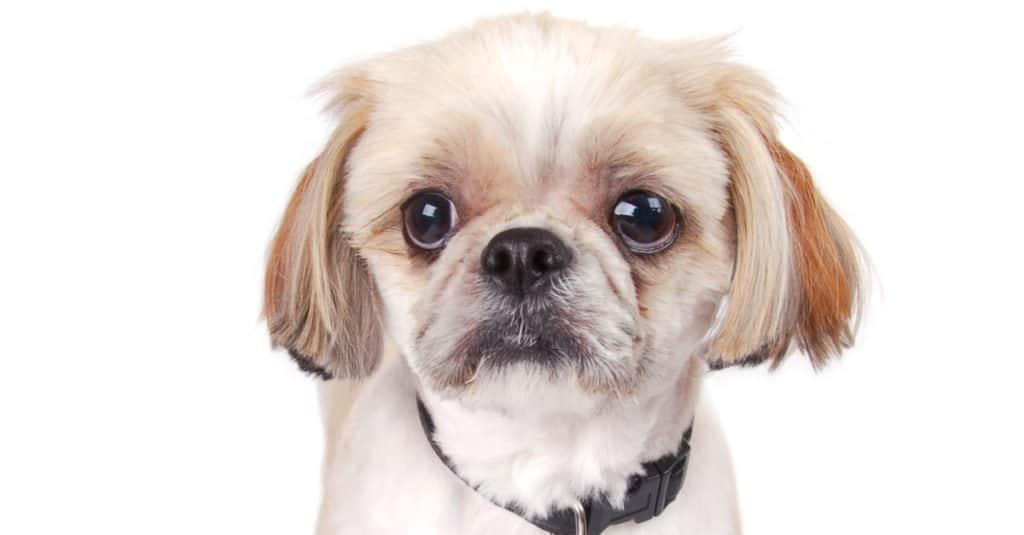
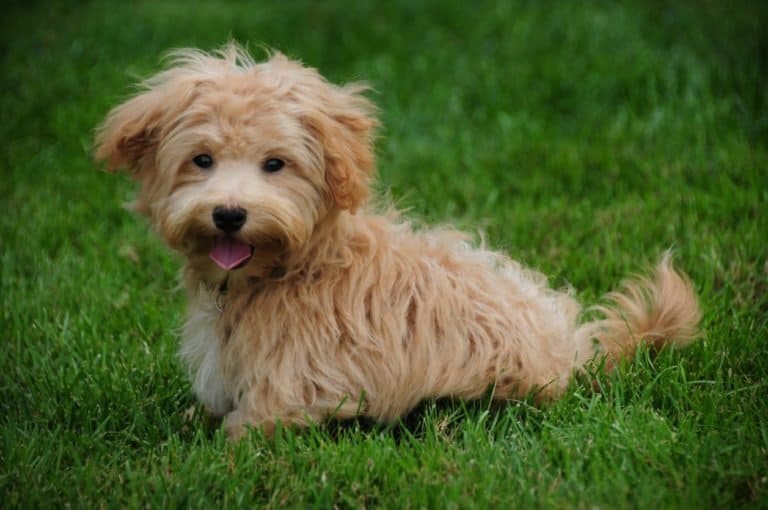
Peekapoos are good with children if introduced to them as puppies.
©Perry Harmon/Shutterstock.com
Children and Peekapoos
These dogs are generally very good with children. They can be very loving and make an affectionate playmate for a child. However, if you want your Peekapoo to be good with kids, you’ll need to make sure they are introduced to children when they are still young puppies. This will help them learn how to act around children and help them be more tolerant of younger children.
Peekapoos are a smaller breed. They could be accidentally injured by a toddler or a younger child who doesn’t understand how to interact with a dog yet. Peekapoos are also pretty suspicious of new people. If your dog isn’t introduced to children when they are a puppy, they may be overly suspicious and unable to handle the active and rambunctious nature of a child.
Even though Peekapoos are generally good with children, it is still important to always closely supervise a child when they are with a pet. Dogs and children can both be unpredictable, and having a responsible adult nearby can prevent accidental injury to either the child or the dog.
Dogs similar to Peekapoos
Poodles, Pekingese, and Shih Tzus are three breeds that are similar to a Peekapoo.
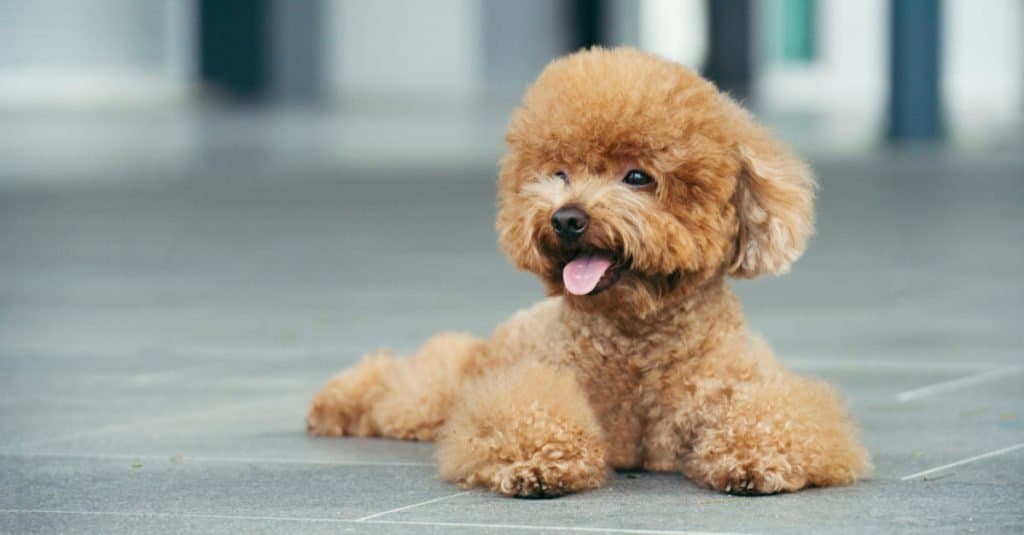
The Toy Poodle dates all the way back to the 17th century and is known to be intelligent, playful, and affectionate.
©Lim Tiaw Leong/Shutterstock.com
- Poodle: Poodles are one of the two breeds that are mixed to create the Peekapoo, so it isn’t too surprising that the two breeds share some similarities. Both breeds shed very little; Poodles hardly shed at all, and Peekapoos can shed minimally depending on the exact makeup of their genes. Both breeds are also very intelligent, playful, and affectionate. Poodles are much larger than Peekapoos. The average weight of a standard Poodle is over 50 pounds, compared to just a 12.5-pound average for a Peekapoo.
- Pekingese: A Pekingese is the other breed that is mixed to make a Peekapoo. These two breeds also share a fair number of similarities. Both Peekapoos and Pekingese are smaller breeds. Pekingese have an average weight of 9 pounds, and Peekapoos are a bit bigger with an average weight of 12.5 pounds. Both breeds are also very affectionate and can make a good dog for a person or family living in an apartment. Peekapoos have a higher level of intelligence and are also more likely to experience separation anxiety if left alone.
- Shih Tzu: Shih Tzus and Peekapoos are around the same size. They are both about 10 inches tall. Peekapoos can weigh between 5 and 20 pounds, and Shih Tzus can weigh between 9 and 16 pounds. Both breeds are also quite vocal and may bark a fair amount. Peekapoos are more intelligent and playful than Shih Tzus.
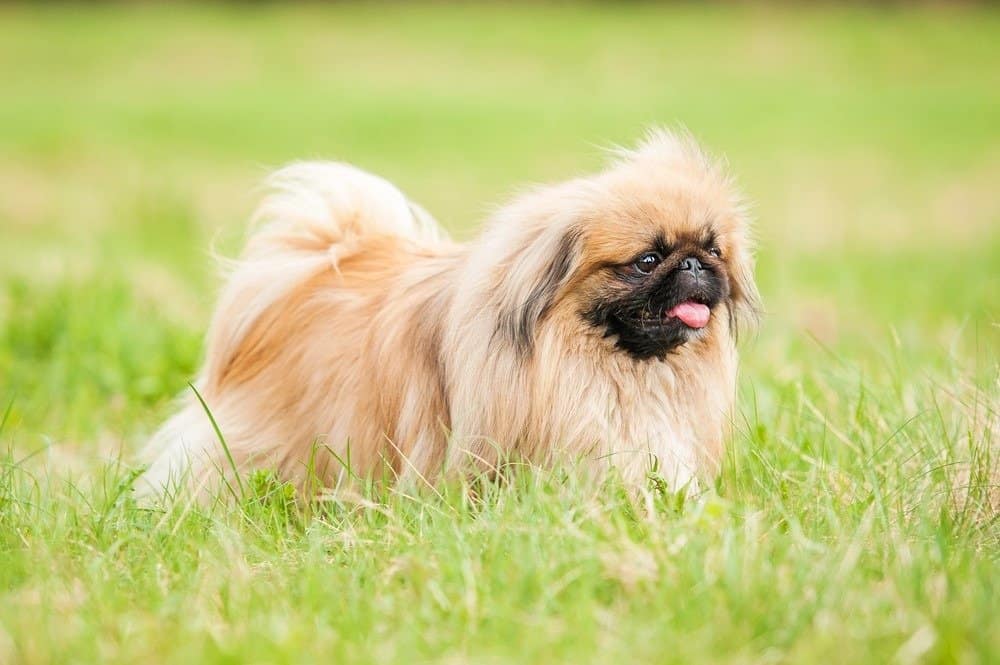
Pekingese average around 9 pounds and are known to be sweet and affectionate.
©Rita_Kochmarjova/Shutterstock.com
Famous Peekapoos
Coco is a famous Peekapoo on Instagram. She has over 48,000 followers. In 2019, Coco was named Sydney’s Top Dog. When you visit her Instagram pages, you’ll find an assortment of adorable photographs featuring Coco dressed up in a variety of seasonal and cute outfits.
Peekapoo Pictures
View all of our Peekapoo pictures in the gallery.

sjarrell/Shutterstock.com
Sources
- Dogtime / Accessed February 20, 2021
- Vetstreet / Accessed February 20, 2021
- Petguide / Accessed February 20, 2021
- All Things Dogs / Accessed February 20, 2021
- The Happy Puppy Site / Accessed February 20, 2021
- The Paws / Accessed February 20, 2021
- Hello Bark / Accessed February 20, 2021
- Dogell / Accessed February 20, 2021
- Dogell / Accessed February 20, 2021
- Dogell / Accessed February 20, 2021