R
Species Profile

Roosevelt Elk

Cervus canadensis roosevelti

Rainforest Giants of the Pacific Coast
Danita Delimont/Shutterstock.com

Roosevelt Elk Distribution

Click a location to explore more animals from that region

Endemic Species
Loading map...

Size Comparison

Human 5'8"
Roosevelt Elk 5 ft 1 in

Roosevelt Elk stands at 90% of average human height.

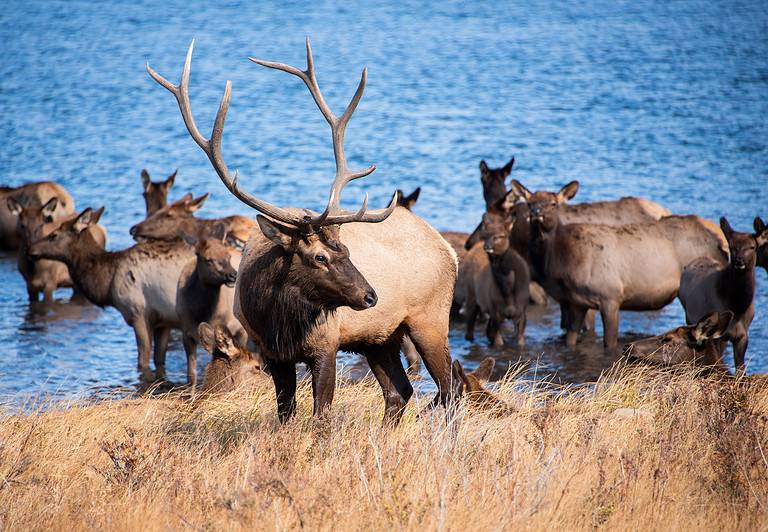
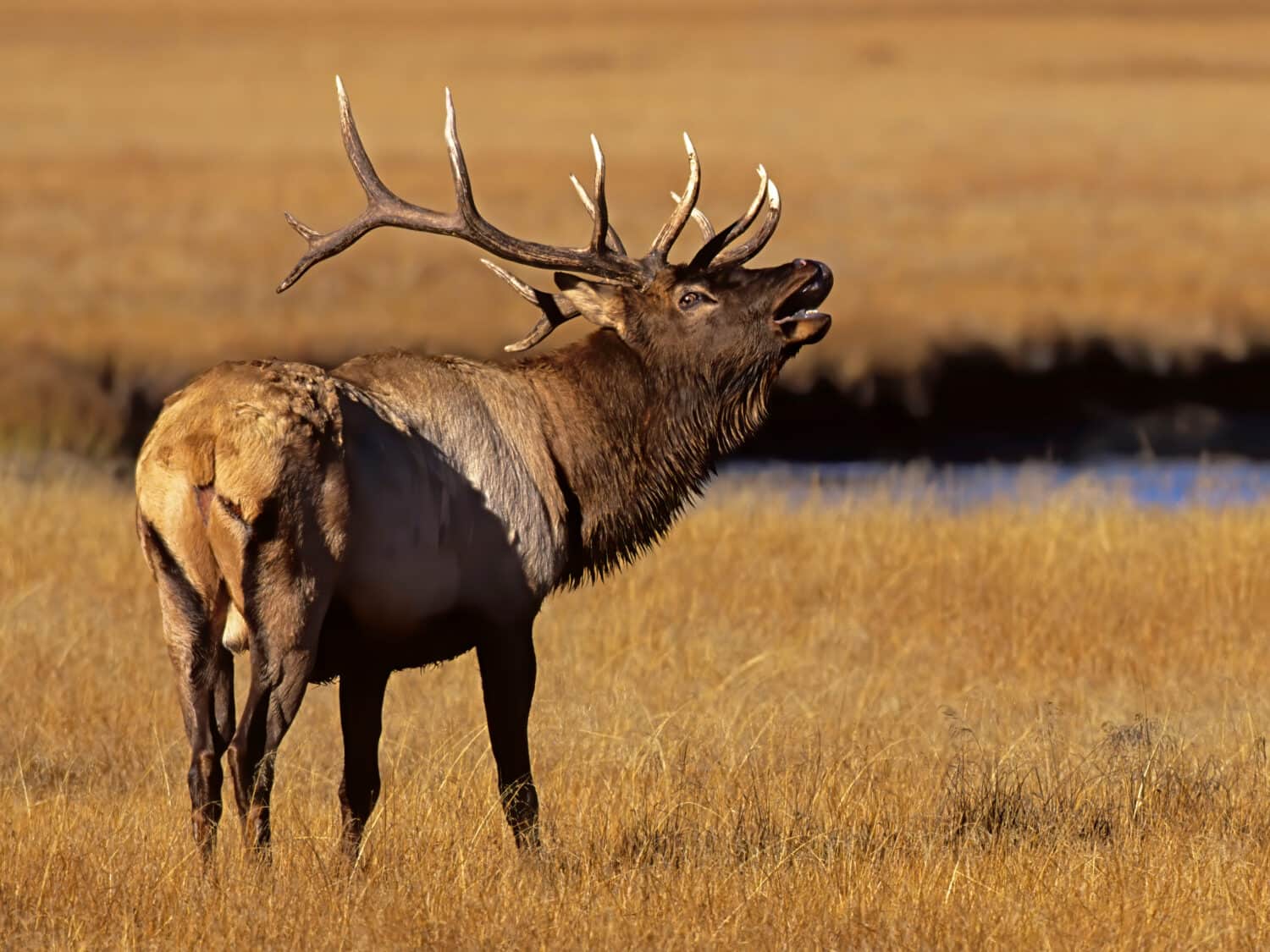
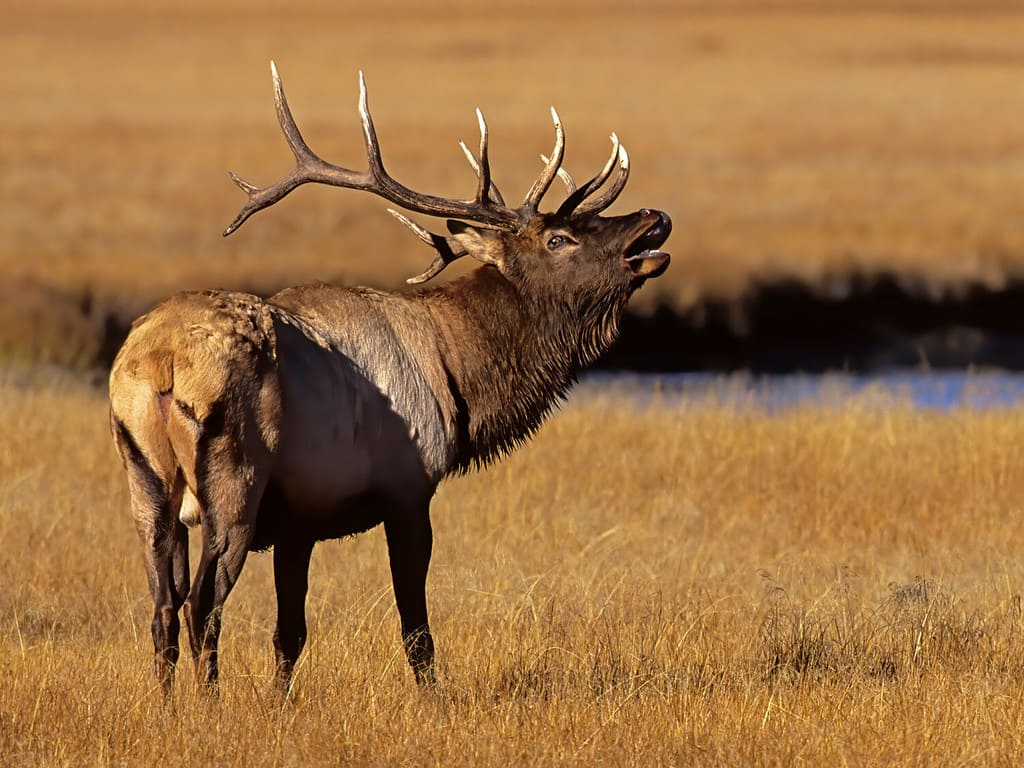
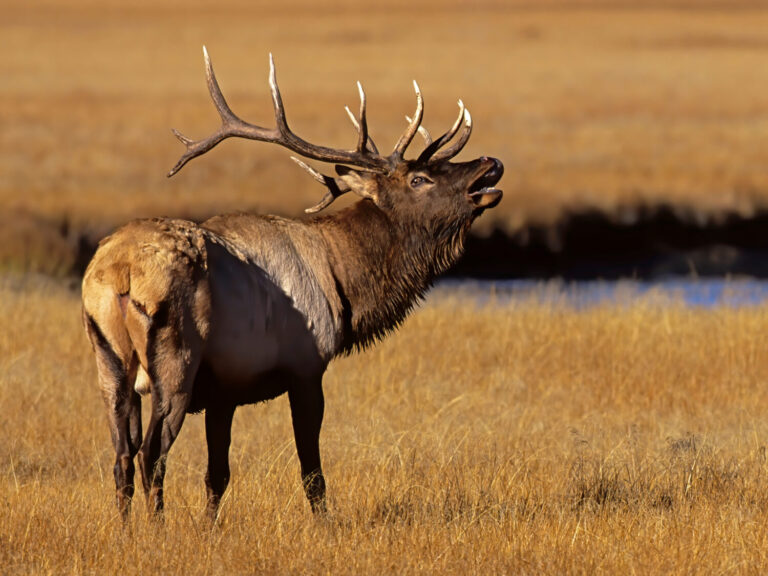
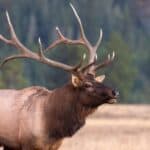
Wyoming, Yellowstone National Park, Roosevelt bull elk, bugling in meadow

At a Glance

Wild Species
Also Known As Wapiti, American elk, North American elk
Diet Herbivore
Activity Crepuscular+
Lifespan 12 years
Weight 500 lbs
Status Not Evaluated
Did You Know?

It is the largest elk (wapiti) subspecies: adult bulls commonly about 320-500 kg; cows about 260-295 kg (National Park Service; Washington Department of Fish and Wildlife).

Scientific Classification

The Roosevelt elk is the large, dark-coated coastal subspecies of elk (wapiti) native to the Pacific Northwest of North America, historically associated with temperate rainforests and coastal mountains.

Kingdom
Animalia
Phylum
Chordata
Class
Mammalia
Order
Artiodactyla
Family
Cervidae
Genus
Cervus
Species
Cervus canadensis

Distinguishing Features

  • Typically darker brown body and a comparatively darker/less sharply contrasting rump patch than many interior elk
  • Generally larger-bodied on average than many other North American elk subspecies
  • Adapted to wetter coastal climates; commonly uses dense forest cover while foraging in openings

Physical Measurements

Males and females differ in size

Height
4 ft 5 in (3 ft 11 in – 4 ft 11 in)
4 ft (3 ft 9 in – 4 ft 3 in)
Length
8 ft 2 in (7 ft 3 in – 9 ft 1 in)
7 ft 9 in (7 ft 3 in – 8 ft 4 in)
Weight
882 lbs (705 lbs – 1,102 lbs)
551 lbs (441 lbs – 705 lbs)
Tail Length
0 in (0 in – 0 in)
5 in (4 in – 6 in)
Top Speed
35 mph
running

Appearance

Primary Colors
Secondary Colors
Skin Type Dense fur (double coat): coarse guard hairs over insulating underfur; thicker and darker in winter.
Distinctive Features
  • Subspecies: Cervus canadensis roosevelti; large-bodied, dark-coated coastal elk adapted to temperate rainforest/forest-edge foraging (McCullough 1969; Toweill & Thomas 2002).
  • Adult size (typical ranges): bulls ~320-500 kg; cows ~225-270 kg (McCullough 1969; Toweill & Thomas 2002).
  • Shoulder height commonly ~1.2-1.5 m; robust chest and heavy neck, especially in rutting bulls (Toweill & Thomas 2002).
  • Antlers in bulls typically 6-point configuration; heavy beams and tines, often larger/heavier than inland Rocky Mountain elk on average (Toweill & Thomas 2002).
  • Pelage seasonality: darker, longer winter coat; shorter, lighter summer coat after spring molt-useful in cool, wet coastal climates (Geist 1998; Toweill & Thomas 2002).
  • Behavioral ecology: strong crepuscular forest-edge grazing/browsing; uses dense conifer/temperate rainforest cover for bedding and security (McCullough 1969).
  • Rut behavior: bulls bugle, wallow, and defend harems; intense neck darkening and mane prominence during breeding season (Toweill & Thomas 2002).
  • Longevity: commonly ~10-13 years in the wild; can exceed ~20 years in captivity under managed conditions (Toweill & Thomas 2002; Geist 1998).
  • Comparison vs Rocky Mountain elk: Roosevelt elk are generally darker and more coastal/lowland-to-montane rainforest-associated, whereas Rocky Mountain elk are typically lighter and more interior/open-habitat associated (Toweill & Thomas 2002).
  • Range context: Pacific Northwest coastal British Columbia, Washington, and Oregon; also subject to regional reintroductions/managed populations in parts of the historic range (McCullough 1969; Toweill & Thomas 2002).

Sexual Dimorphism

Strong sexual dimorphism: males are much larger, with a pronounced neck mane and large antlers; females are smaller, antlerless, and generally lighter-bodied. Size and neck/chest thickness differences peak during the rut.

  • Antlers present; typically 6 points per side with heavy beams (Toweill & Thomas 2002).
  • Larger body mass: ~320-500 kg typical adult range (McCullough 1969).
  • Thicker, darker neck mane/ruff; more pronounced during rut.
  • More massive head/neck and deeper chest; frequent wallowing during rut stains coat darker.
  • No antlers (antlerless).
  • Smaller body mass: ~225-270 kg typical adult range (McCullough 1969).
  • Slender neck and lighter overall build.
  • Less extensive dark mane; overall coat often slightly lighter than adult bulls.

Did You Know?

It is the largest elk (wapiti) subspecies: adult bulls commonly about 320-500 kg; cows about 260-295 kg (National Park Service; Washington Department of Fish and Wildlife).

Roosevelt elk are typically darker and heavier-bodied than Rocky Mountain elk (C. c. nelsoni), an adaptation often associated with cool, wet coastal forests (NPS/WDFW comparisons).

Antlers are shed and fully regrown every year; peak antler size coincides with the rut (late summer-fall), then bulls drop antlers in late winter-spring (elk biology; NPS).

Rut timing is usually September-October; bulls "bugle" and maintain harems, spending weeks eating less and losing substantial body mass (NPS; general Cervus canadensis rut ecology).

Gestation averages ~255 days (reported range ~240-262 days for elk), with most calves born late May-June in coastal populations (Cervus canadensis reproduction summaries).

Some Roosevelt elk were introduced from Washington to Afognak Island, Alaska (1920s), creating managed, non-native populations well north of the subspecies' original coastal range (Alaska historical wildlife translocations).

Unique Adaptations

  • Large body size (Bergmann-like pattern): Greater mass helps conserve heat and energy in cool, wet coastal climates; Roosevelt elk are notably heavier on average than many inland elk (NPS/WDFW).
  • Dark, dense pelage: The subspecies' characteristically darker coat is associated with humid temperate rainforest environments where concealment in shade and wet-weather insulation are advantageous (field identification notes; NPS).
  • Powerful, sure-footed locomotion: Cloven hooves and strong dewclaws provide traction on muddy soils, slick riverbanks, and steep, debris-littered rainforest slopes (cervid functional morphology).
  • Flexible ruminant diet: A four-chambered stomach allows efficient use of grasses, sedges, forbs, and woody browse (salal, blackberry, shrubs) typical of rainforest edges and openings (elk diet studies/management summaries).
  • Annual antler regeneration: One of the fastest examples of mammalian tissue growth; antlers function as both weapons and signals, enabling strong sexual selection each year without permanent skeletal burden (cervid antler biology).

Interesting Behaviors

  • Forest-edge foraging: Frequently feed at dawn/dusk along meadow margins, river bars, and early-seral openings (including managed clearcuts), then bed in dense conifer cover for security and thermal shelter (NPS/WDFW habitat notes).
  • Rut bugling and wallowing: During September-October, mature bulls vocalize ("bugle"), rake trees with antlers, thrash brush, and wallow in muddy spots-behaviors linked to dominance and mate attraction (NPS).
  • Harem defense: Dominant bulls try to keep groups of cows together, herding and driving off rivals; fights are usually ritualized (posturing/sparring) but can escalate to antler clashes (elk behavioral ecology).
  • Seasonal/altitudinal movements: Many herds shift between low-elevation winter ranges and higher summer ranges (or move to snow-free coastal lowlands), tracking forage quality and snow depth (state/provincial management observations).
  • Group-size shifts: Outside the rut, cows/calves often form larger groups for vigilance; mature bulls may be solitary or in small bachelor groups until rut season (general elk social structure).
  • Calving secrecy: Cows isolate to give birth; calves remain hidden and still for days, relying on camouflage, then gradually join nursery groups (elk neonatal behavior).

Cultural Significance

Roosevelt elk (Cervus canadensis roosevelti) have long been central to Indigenous life as food and for hides, sinew, and antlers. They are a symbol of temperate rainforest conservation and wildlife viewing; managers balance logging, roads, predators, and people. The name honors Theodore Roosevelt.

Myths & Legends

The Roosevelt elk's subspecies name roosevelti was given when North American big animals were being listed. It honors Theodore Roosevelt, whose public image became linked to wildlife and conservation in U.S. culture.

In Pacific Northwest settler and logging-era stories, a 'ghost of the timber' is an unseen, whistling or bugling presence at clearing edges—often Roosevelt elk (Cervus canadensis roosevelti) heard in foggy coastal rainforests.

On the Olympic Peninsula, people tell a conservation-era legend about Roosevelt elk (Cervus canadensis roosevelti): their autumn bugle is called the 'call of the rainforest', marking shorter days and the return of fall.

Conservation Status

NE Not Evaluated (subspecies not separately assessed on the IUCN Red List; species Cervus canadensis is assessed)

Has not yet been evaluated against the criteria.

Population Unknown

Protected Under

  • Not listed under the U.S. Endangered Species Act (ESA); managed as a game animal under state regulations (e.g., Washington Department of Fish and Wildlife; Oregon Department of Fish and Wildlife).
  • Canada: managed under provincial wildlife legislation where present (e.g., British Columbia Wildlife Act and regulations).
  • Substantial portions of range occur in protected areas (e.g., U.S. National Parks and other federal/provincial protected lands) where take is restricted or prohibited.

Life Cycle

Birth 1 calf
Lifespan 12 years

Lifespan

In the Wild
8–20 years
In Captivity
15–25 years

Reproduction

Mating System Polygyny
Social Structure Harem Based
Breeding Pattern Seasonal
Fertilization Internal Fertilization
Birth Type Internal_fertilization

During the autumn rut (typically Sep-Nov), dominant bulls defend and herd groups of cows and mate polygynously after short estrus (≈12-24 h). Copulation is internal; pair bonds are not maintained, and cows rear calves without helpers.

Behavior & Ecology

Social Herd Group: 12
Activity Crepuscular, Diurnal, Nocturnal
Diet Herbivore Fresh spring-summer grasses and sedges in open meadows/estuary flats (highly digestible new growth).
Seasonal Migratory 12 mi

Temperament

Generally wary and vigilant; habituation occurs in protected parks but varies with disturbance.
Rut-season bulls show heightened aggression and risk-taking; inter-male sparring and fights increase (Geist 1998).
Core social unit is cow-calf nursery groups; bulls segregate, then rejoin during rut.
Group size typically small in closed coastal forests, larger in meadows/river flats; aggregations peak winter/rut.
Flight response and nocturnality commonly increase under hunting pressure and frequent human activity (Toweill & Thomas 2002).

Communication

Bugle Rut advertisement and spacing; carries long distances in forest openings
Chuckles/grunts Close-range dominance and courtship during rut
Barks/snorts Alarm calls; rapid recruitment of vigilance
Mews/whines Cow-calf contact calls; cohesion within nursery groups
Olfactory signaling via urine spraying, wallowing, and scent transfer from preorbital glands.
Flehmen response to assess estrus-related odors and urine cues.
Antler thrashing and tree rubbing to deposit scent and provide visual dominance signals.
Body postures (parallel walk, head-high displays) and approach/retreat to regulate spacing.

Habitat

Biomes:
Temperate Rainforest Temperate Forest Temperate Grassland Wetland Alpine Freshwater Marine +1
Terrain:
Coastal Mountainous Hilly Valley Riverine Island Plains +1
Elevation: Up to 5905 ft 6 in

Ecological Role

Dominant large-bodied primary consumer in temperate rainforest-meadow mosaics; shapes plant community structure through grazing/browsing and creates habitat heterogeneity via trampling and trail formation.

Vegetation regulation: suppresses and redirects shrub/forb/graminoid succession, helping maintain meadow/edge conditions and influencing forest understory composition (documented broadly for elk in Pacific Northwest systems; see syntheses such as Toweill & Thomas 2002). Nutrient cycling: redistributes nitrogen and phosphorus via dung/urine, concentrating nutrients in bedding and foraging areas and accelerating decomposition processes. Seed dispersal: transports seeds externally (fur/hooves) and internally (endozoochory) from consumed fruits/forbs, aiding plant colonization of disturbed openings. Food-web support: provides key prey biomass for large carnivores and scavengers (e.g., cougar predation; carcasses subsidize scavenger guilds). Physical habitat modification: trampling, trail networks, and wallowing alter microtopography, soil exposure, and plant regeneration patterns, creating microsites for germination and invertebrate activity.

Diet Details

Other Foods:
Grasses Sedges and rushes Forbs Shrubs Deciduous tree browse Fern and other understory greens Mosses and lichens Drift kelp and seaweeds +2

Human Interaction

Domestication Status

Wild

Roosevelt elk (Cervus canadensis roosevelti) are wild coastal elk and are not domesticated. Some elk are kept on game farms, but this is captive husbandry using mixed-source stock, not true domestication. Human history includes Indigenous use, 19th–20th-century market hunting and habitat loss, legal protection, reintroductions, regulated hunting, conservation, ecotourism, and conflicts from getting used to people and rut aggression.

Danger Level

High
  • Charging, kicking, or trampling-especially bulls during rut (Sep-Oct) and cows defending calves (late spring/early summer).
  • Vehicle collisions (large body mass makes impacts severe for occupants).
  • Habituation in towns/parks increases close-range encounters and attack probability.
  • Property damage and aggressive displacement of people/pets around feed sources, gardens, and lawns.

As a Pet

Not Suitable as Pet

Legality: Roosevelt elk (Cervus canadensis roosevelti) are usually not legal or practical as pets. Rules require permits, checks, disease tests, and secure fencing; many places allow only farms, zoos, rehab, or research.

Care Level: Expert Only

Purchase Cost: $1,500 - $6,000
Lifetime Cost: $20,000 - $80,000

Economic Value

Uses:
Regulated hunting (meat, tags, guiding) Wildlife viewing / ecotourism Cultural and subsistence value (Indigenous communities) Agricultural conflict costs (crop/forest damage mitigation) Captive cervid industry (where permitted: meat/velvet/antlers)
Products:
  • venison (wild harvest where legal; farmed meat where permitted)
  • antlers (trophies, craft material)
  • antler velvet (in captive cervid industry, where legal)
  • hides/leather
  • licenses/tags and outfitter services
  • tourism services (guided viewing, park visitation revenue)

Relationships

This species was named for Theodore Roosevelt.

Roosevelt Elk Summary

The Roosevelt elk is the largest elk in North America, weighing up to 1,200 pounds. They are one of six subspecies of the North American elk (Cervus elaphus). The species is named for President Theodore Roosevelt, who helped preserve them by establishing what is today Olympic National Park. They are the largest species of elk in North America. Native Americans and settlers valued them for their hides and meat, as do hunters today. Elk steak reportedly tastes like tender, slightly sweet beef. At one time overhunting had reduced the species to a few hundred individuals, but present numbers are in the thousands and they are no longer considered endangered.

Roosevelt Elk Facts

  • They live in the Pacific Northwest, including Alaska, British Columbia, Washington, Oregon, and Northern California.
  • The namesake of the species was Theodore Roosevelt who set aside protected land to preserve them.
  • The species is also called the Olympic elk or Roosevelt’s wapiti.
  • Elk are the largest species in the deer family, and Roosevelt elks are the largest in North America.
  • Males are called “bulls,” females are “cows,” and their offspring are “calves.”
  • Elk live in segregated groups, with females and their calves in loose herds while bulls range independently or in small groups of other males until mating season.
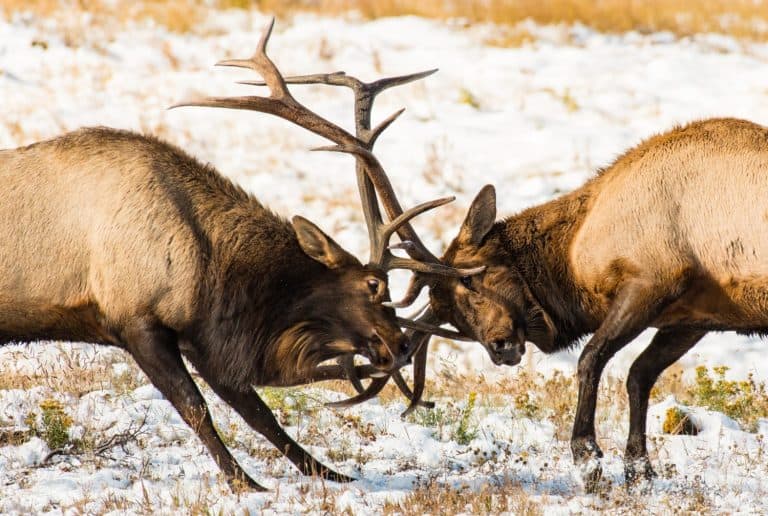
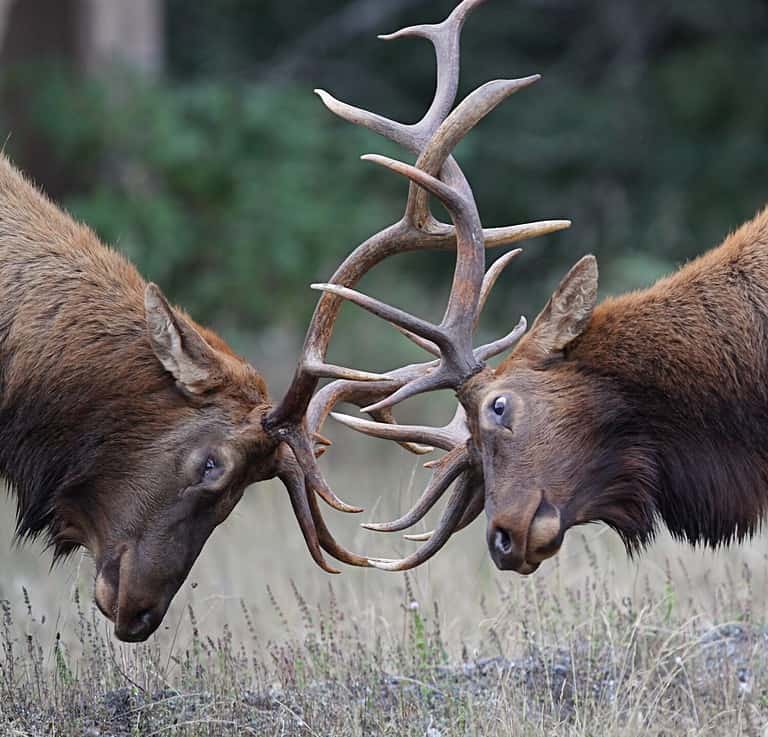
  • Mating season is called the “rut.” It happens in late summer and early fall. Males compete for females by locking antlers and shoving one another.
  • Elk make a variety of sounds, including “bugling,” squeaking, barking, and roaring.
  • Hunting and habitat loss reduced Roosevelt elk to a few hundred, but they have bounced back into the thousands and are no longer an endangered species.
  • Elk meat is high in protein, tender, and tasty. Reportedly it tastes like slightly sweet beef.

Roosevelt Elk Scientific name

The scientific name of this species is Cervus canadensis roosevelti. Cervus is a root in Latin and Greek meaning “horn.” Canadensis is a reference to Canada, one of the primary range locations of the species. Roosevelti is a latinization of “Roosevelt.” The species is also called the Olympic elk or Roosevelt’s wapiti. The word “elk” originates in old Germanic and means “deer.” “Wapiti” is an Algonquian word meaning “white.” Some Native Americans used this term for elk because of the animal’s prominent white rump.

Roosevelt Elk Appearance

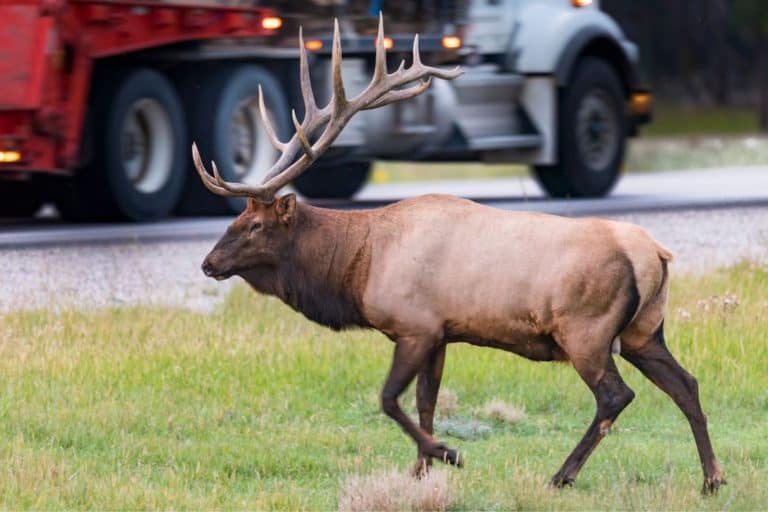
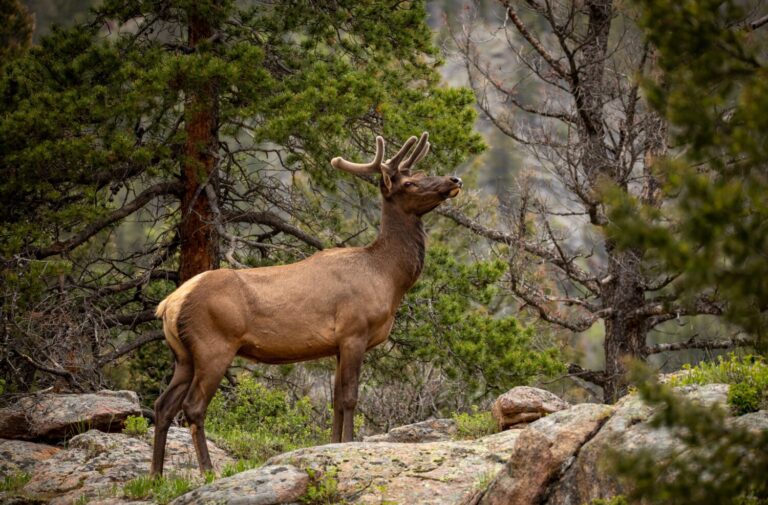
Mature bulls of this species weigh up to 1,200 pounds while cows weigh up to 624 pounds. They range up to 10 feet long and 5.6 feet tall at the shoulder. They are the largest elk by mass, but Rocky Mountain elk have greater antler size. Roosevelt elk are covered in short brown fur. Their coats are darker brown on and around their heads. Like white-tailed deer, they have a large white patch on their rumps. Their tails are short and deer-like. Males are larger than females and have antlers in the summer and fall which they shed in winter.

Roosevelt Elk Evolution and History

In Eurasia, fossils of the genus Cervus, the ancestors of the elk, date to 25 million years ago (the Oligocene). In North America, they first appear in the fossil record in the early Miocene (23-5.3 million years ago). About 1 million years ago elk were one of the Siberian species that crossed the land bridge to Alaska. Grizzly bears, moose, and humans were other species that made a similar journey. Elk could not get established very far south in the continent at first because there were already large indigenous animals in those habitats. After the glaciers melted and many of the previous local species had gone extinct, they were able to move further south and fill available spots in the ecosystem. About 12,000 years ago they encountered the southwestern deserts. This stopped them from expanding their range further south.

When millions of Native Americans died of European diseases starting in the 1500s, there was a great decline in hunting and a surge in the elk population. By the 19th century, hunting by European Americans nearly wiped out elk, but since then they have been reintroduced to their habitats and are generally doing very well.

Roosevelt Elk Behavior

This species is segregated by gender and age, with bulls living alone or in groups with other bulls and cows and their calves congregating in informal herds of 20 or so individuals. Males and females get together only during mating season in September. Elk have a distinctive call known as “bugling,” a type of simultaneous whistle and roar. They also communicate with each other with body language and a variety of squeals, barks, chirps, and mewing sounds.

Roosevelt Elk Habitat

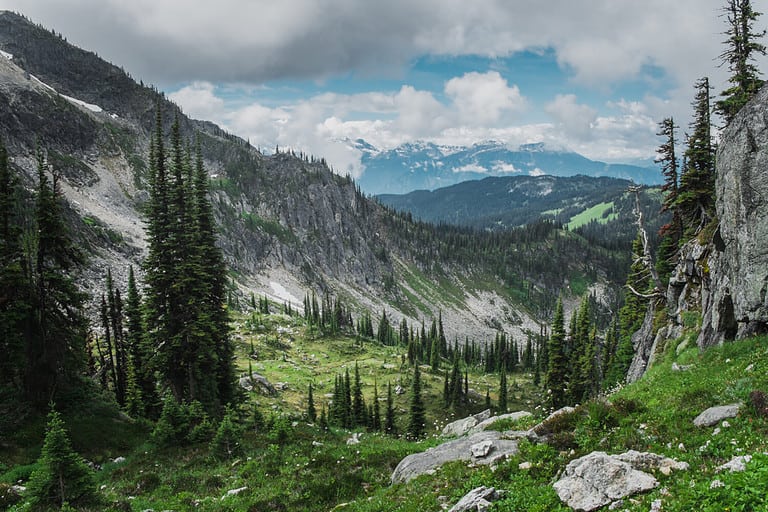
This species of elk lives in temperate rainforests and mountainous regions in the Pacific Northwest. Their range is west of the Cascade mountain chain from coastal Alaska, British Columbia, Washington, Oregon, to northern California. They migrate to higher elevations in the summer and down into sheltered valleys in the winter. They like lurking around grassy meadows in the forest where they can graze and warm themselves in the sun, but still quickly duck into the cover of the forest if a predator approaches.

Roosevelt Elk Diet

They are herbivores feasting on ferns, grasses, sedges, blueberries, salmonberries, mushrooms, and lichens. In the winter they eat more woody plants, like highbush cranberry, devil’s club, elderberry, and seedlings of Douglas fir and western redcedar.

Roosevelt Elk Predators and Threats

The natural predators of Roosevelt elk are grey wolves, mountain lions, and black bears. As with most species, humans are the most significant threat to them. Hunters have prized them for their meat, hides, and impressive antlers used as trophies or as decorator items for homes. Their antlers and velvet are also in demand in Asia for traditional medicine. Elk steak is higher in protein than beef or chicken and reputedly tastes like lean, tender, and slightly sweet beef.

Roosevelt Elk Reproduction and Life Cycle

Males of this species are called bulls, females are cows, and their offspring are called calves. They become mature at about 2 years old. The rut, or mating season, takes place in late summer and early fall. Bulls fight other adult males for mating rights to a small harem of cows. They use their antlers, necks, and bodies to shove one another and establish dominance, usually not actually hurting one another seriously. Cows bear one calf each year in the spring. The calves are born with spots to help them stay camouflaged as they hide during their fragile first few weeks. Once they become strong enough to keep up, they will join their mothers and the rest of the herd as they forage and protect one another from predators, finding strength in numbers. Wild Roosevelt elk can live up to 15 years, but in captivity can reach 25.

Roosevelt Elk Population

At one time the population of these magnificent creatures was only in the hundreds due to habitat loss and overhunting. Today, they have been reintroduced to various parts of their habitat where they had previously been exterminated. Hence, their numbers are now in the thousands and they are no longer considered endangered.

View all 181 animals that start with R

Sources

  1. Nature Serve Explorer / Accessed September 23, 2023
  2. Wikipedia / Accessed September 23, 2023
  3. National Park Service / Accessed September 23, 2023
  4. Britannica / Accessed September 23, 2023
Drew Wood

About the Author

Drew Wood

Drew is a college professor and freelance writer who graduated from the University of Virginia. His travels have taken him to 25 countries and 44 states, where he has enjoyed learning about wildlife in a wide range of environments. In addition to his love of animals, he enjoys scary movies, landscaping, strategy games, and philosophical discussions over a cup of coffee. He is also an emotional support human to a neurotic Spanish Water Dog and a hyperactive Chihuahua mix.

Thank you for reading! Have some feedback for us?


Roosevelt Elk FAQs (Frequently Asked Questions)

President Theodore Roosevelt, who established Mount Olympus National Monument in 1909 to help protect the species.