N S W E
Wildlife Expeditions

Wildlife of
British Columbia

Where Pacific ocean riches meet old-growth rainforest and the Rockies, British Columbia delivers world-class salmon runs, whales, and iconic bears in one province.
242 Species
922,503 km² Land Area
Overview

About British Columbia

British Columbia has a huge range of places: a stormy Pacific coast, big temperate rainforests, glacier-fed rivers, dry interior grasslands and plateaus, and the Rocky Mountains. This mix makes one of North America's richest wildlife areas, with strong marine food webs, salmon-fed rivers, and large, intact homes for big carnivores and roaming hoofed animals. Key places include the Great Bear Rainforest and other coastal temperate rainforests, where old cedars and spruce host black bears, wolves, and many birds. Offshore, the Salish Sea and outer coast have killer whales, humpbacks, sea lions, and many seabirds. Rivers like the Fraser and Skeena carry famous salmon runs that feed eagles, bears, and more. The Columbia Mountains and Rockies give alpine meadows for mountain goats, bighorn sheep, and grizzlies.

Physical Features

Geography

British Columbia has strong west–east and low–high gradients. The rugged Pacific coast, rich waters, and estuaries support seabirds, marine mammals and salmon. Old-growth temperate rainforests offer complex forest habitat. East of the Coast Mountains a rain shadow yields dry plateaus, grasslands and river corridors full of ungulates and predators. They range from intertidal to alpine and Rocky Mountain zones.

922,503 km² (land area) Land Area
2nd largest province in Canada (by land area) Size Rank
Canada Country
Province Type
Elevation Range

Sea level to 4,663 m (Mount Fairweather)

Coastline

Extensive Pacific Ocean coastline with highly indented fjords and island-rich waters (including Vancouver Island and Haida Gwaii); major coastal waterways include the Strait of Georgia, Juan de Fuca Strait, Queen Charlotte Sound, and Hecate Strait.

Key Landscapes

Pacific coastline (fjords, inlets, estuaries) and continental shelf waters Coastal temperate rainforests (e.g., Great Bear Rainforest) and old-growth valley systems Coast Mountains and associated rain-shadow transition zones Vancouver Island and Haida Gwaii archipelagos (island endemism and seabird colonies) Interior plateaus and basins (Thompson-Okanagan, Cariboo, Chilcotin) including grasslands and dry forests Major salmon-bearing river systems: Fraser River (and tributaries), Skeena, Nass, Stikine, and many coastal rivers and streams (Pacific-draining watersheds)
State Symbols

Official Wildlife Symbols

wildflower

Pacific dogwood

Designated 1956

bird

Steller's jay

Designated 1987

tree

Western red cedar

Designated 1988

Parks & Reserves

Protected Areas

British Columbia has one of Canada’s largest protected-area networks, covering coastal and marine areas, temperate rainforests, salmon watersheds, grasslands and the Rocky and Columbia Mountains. Protection comes from national parks, BC Parks, National Wildlife Areas and Migratory Bird Sanctuaries. Many sites protect old-growth rainforest, salmon rivers, bird habitat and big carnivores like grizzly bear and wolf, and provide wildlife viewing.

Protected Coverage

About 15% of British Columbia's land base is in protected areas (parks, conservancies, ecological reserves, and other protected designations; marine protection is additional and varies by measure).

National Parks & Preserves

Pacific Rim National Park Reserve of Canada (Vancouver Island)

≈ 511 km²

A premier coastal rainforest-and-ocean park reserve combining surf-zone beaches, old-growth temperate rainforest, estuaries, and the Broken Group Islands. It's notable for marine mammal viewing, migratory shorebirds, and rich nearshore ecosystems tied to salmon and forage fish.

Gray whale Humpback whale Sea otter Bald eagle Black bear

Gwaii Haanas National Park Reserve, National Marine Conservation Area Reserve, and Haida Heritage Site (Haida Gwaii)

Terrestrial ≈ 1,470 km²; marine area ≈ 3,500 km²

A globally significant land-sea protected area co-managed with the Haida Nation. It protects remote rainforest islands, seabird colonies, kelp forests, and highly productive coastal waters-exceptional for seabirds and marine mammal diversity.

Humpback whale Orca (killer whale) Sea otter Steller sea lion Ancient murrelet

Glacier National Park of Canada (Columbia Mountains)

≈ 1,349 km²

A rugged mountain park with glaciers, avalanche paths, subalpine meadows, and important movement corridors for wide-ranging mammals. It supports mountain wildlife and connectivity between interior mountain ranges.

Mountain goat Grizzly bear Wolverine Hoary marmot Golden eagle

Yoho National Park of Canada (Rocky Mountains)

≈ 1,313 km²

Steep Rocky Mountain landscapes with alpine basins, cliffs, and conifer forests that support classic Rockies wildlife viewing and important habitat for carnivores and mountain ungulates.

Grizzly bear Black bear Elk Mountain goat Bighorn sheep

Kootenay National Park of Canada (Rocky Mountains)

≈ 1,406 km²

Protects a broad elevational range from valley bottoms to alpine ridges, supporting diverse habitats and strong opportunities to see ungulates and large carnivores along a major mountain corridor.

Grizzly bear Wolf Elk Bighorn sheep Cougar

Mount Revelstoke National Park of Canada (Columbia Mountains)

≈ 260 km²

Known for lush interior rainforest at lower elevations and alpine meadows above treeline, providing habitat for bears and mountain species and a compact but biodiversity-rich cross-section of the Columbia Mountains.

Black bear Grizzly bear Mountain caribou (southern mountain population, regionally) American marten Pileated woodpecker

State & Provincial Parks

Tweedsmuir Provincial Park (west-central BC)

≈ 9,815 km²

One of BC's largest wilderness parks, protecting vast landscapes of rivers, lakes, alpine plateaus, and intact predator-prey systems. Notable for grizzly viewing in key watersheds and for large, relatively undisturbed interior ecosystems.

Grizzly bear Moose Wolf Stone's sheep Trumpeter swan

Wells Gray Provincial Park (Cariboo region)

≈ 5,250 km²

A major inland stronghold of forests, wetlands, and river corridors with abundant large mammals and rich riparian habitat; well known for bear, moose, and wolf presence and strong wildlife-watching along waterways.

Black bear Moose Wolf River otter Bald eagle

Strathcona Provincial Park (Vancouver Island)

≈ 2,458 km²

Vancouver Island's largest park protects old-growth forest, high peaks, and lake basins. It supports island-endemic subspecies and is important for conserving remaining large tracts of intact island ecosystems.

Vancouver Island marmot Roosevelt elk Black bear Cougar Bald eagle

Garibaldi Provincial Park (Sea-to-Sky region)

≈ 1,950 km²

Iconic Coast Mountains park with alpine meadows, glaciers, and steep valley forests. Important for mountain ungulates and bears, and for protecting headwaters and high-elevation habitat near a heavily populated corridor.

Mountain goat Black bear Grizzly bear Hoary marmot Pika

Wildlife Refuges

Alaksen National Wildlife Area (Fraser River delta)

≈ 4.7 km²

A critical estuary and agricultural-field complex for Pacific Flyway migrants-especially wintering waterfowl and shorebirds. Renowned for seasonal concentrations of birds and raptor activity.

Snow goose Trumpeter swan Great blue heron Northern pintail Bald eagle

Scott Islands Marine National Wildlife Area (off northern Vancouver Island)

≈ 11,500 km² (marine)

Canada's first marine National Wildlife Area, established to protect globally important seabird foraging habitat and colony-linked waters around Triangle, Sartine, and Lanz islands. Exceptional for pelagic birdlife and marine food webs.

Tufted puffin Common murre Rhinoceros auklet Humpback whale Steller sea lion

Columbia National Wildlife Area (Columbia Wetlands)

≈ 7 km²

Protects part of one of western North America's most significant wetland complexes-vital for nesting, staging, and migration of waterfowl and for wetland-dependent mammals.

Sandhill crane Trumpeter swan American beaver River otter Osprey

Vaseux-Bighorn National Wildlife Area (South Okanagan)

≈ 10-15 km² (multiple units)

A key protected area in Canada's most threatened ecosystems (Okanagan shrub-steppe, cliffs, and riparian zones). Notable for desert-edge biodiversity and bighorn sheep habitat.

California bighorn sheep Great Basin gopher snake Western rattlesnake Lewis's woodpecker Mule deer

Wilderness Areas

  • Muskwa-Kechika Management Area (northern BC; one of North America's largest roadless wildlife-rich landscapes, important for caribou, moose, wolves, grizzlies)
  • Great Bear Rainforest (central and north coast; large intact temperate rainforest with extensive conservancies and Indigenous protected areas supporting bears, wolves, and salmon ecosystems)
  • Kitlope Heritage Conservancy (largest intact temperate rainforest watershed in BC; exceptionally low road access and strong habitat integrity)
  • Spatsizi Plateau-Stikine headwaters backcountry (remote northern interior; broad roadless plateaus and river headwaters supporting large mammals and migratory birds)
  • Turnagain-Tuchodi-Rabbit River backcountry (northern Rockies/foothills; highly intact valleys used by wide-ranging carnivores and ungulates)
Animals

Wildlife

British Columbia has one of North America's richest wildlife assemblages, spanning highly productive Pacific marine ecosystems, temperate rainforest and old-growth cedar-hemlock forests, salmon-fed river valleys, dry interior grasslands, subalpine meadows, and Rocky Mountain habitats. The province is defined by strong land-sea linkages (especially salmon), large carnivore communities, and globally important seabird and marine mammal use of coastal waters.
~140+ species Mammals
~500+ species recorded (regular and occasional) Birds
~20 species Reptiles
~20 species Amphibians
~450-500+ species (freshwater and marine combined) Fish
Examples

Iconic Species

Grizzly Bear
Grizzly Bear A flagship of the Great Bear Rainforest and major river systems; many visitors seek spring coastal bears and fall salmon-fishing congregations in places like the Fraser and Skeena watersheds.
Black Bear
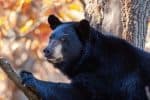
Black Bear Widespread from coastal rainforest to interior forests; includes the famous white-coated "spirit bear" (a color morph) associated with the central coast's old-growth ecosystems.
Killer Whale (Orca) One of the world's premier places to see orcas, especially around Vancouver Island and the Salish Sea; both fish-eating (resident) and mammal-eating (transient/Bigg's) ecotypes occur.
Humpback Whale
Humpback Whale A major wildlife-watching draw on the outer coast; humpbacks have strongly rebounded in BC waters and are now commonly seen feeding in nearshore channels and fjords.
Sea Otter
Sea Otter A keystone species along Vancouver Island's west coast and parts of the central/north coast; their recovery has reshaped nearshore food webs (notably kelp forest dynamics).
Bald Eagle
Bald Eagle Abundant along coasts and salmon rivers; spectacular congregations occur where salmon runs and spawning events provide seasonal food pulses.
Chinook Salmon
Chinook Salmon Culturally and ecologically foundational; supports bears, eagles, and endangered southern resident killer whales, and anchors sport and commercial fisheries.
Mountain Goat
Mountain Goat An emblem of BC's steep coastal and interior mountains; frequently seen in alpine and cliff habitats, especially in the Coast Mountains and parts of the Rockies.
Roosevelt Elk
Roosevelt Elk A signature large herbivore of Vancouver Island and coastal mainland valleys, often encountered in rainforest edges and river flats.

Endemic & Rare Species

Vancouver Island Marmot

Marmota vancouverensis

Endemic to British Columbia; Endangered

Found only in Vancouver Island alpine meadows; a conservation-reliant species with intensive recovery efforts and high visitor interest where viewing is possible.

Southern Resident Killer Whale

Orcinus orca

Endangered (Canada); small, highly monitored population

A culturally iconic Salish Sea population whose survival is closely tied to Chinook salmon abundance, vessel disturbance, and underwater noise.

Northern Spotted Owl

Strix occidentalis caurina

Endangered (Canada); extremely rare in BC

A flagship old-growth forest species; BC represents the northern edge of its range, and its decline highlights the loss and fragmentation of mature forests.

Marbled Murrelet

Brachyramphus marmoratus

Threatened (Canada)

A seabird that nests on large mossy branches in old-growth forests but feeds at sea; BC's coastal rainforest and adjacent waters are core habitat.

Southern Mountain Caribou

Rangifer tarandus caribou

Threatened (Canada, SARA Schedule 1); Endangered (COSEWIC assessment)

High-elevation and deep-snow forest caribou in southeastern and east-central British Columbia; many local herds have declined sharply, making remaining herds a major conservation focus.

Eulachon

Thaleichthys pacificus

Threatened (Canada; several runs)

A small anadromous fish central to coastal Indigenous cultures; run failures and declines affect marine food webs, predators, and cultural harvest.

Notable Populations

  • One of Canada's most important grizzly bear landscapes, including high-density coastal systems linked to salmon and estuaries (central and north coast).
  • Major Pacific salmon-producing watersheds of continental significance, including the Fraser River system and large coastal rivers (e.g., Skeena), supporting vast predator and scavenger communities.
  • Globally important seabird and shorebird concentrations along the outer coast and island groups (e.g., Haida Gwaii region and west coast Vancouver Island migration corridors).
  • High-value nearshore habitat supporting recovering humpback whales and important feeding areas for multiple cetacean species in BC's Inside Passage and outer coast.
  • Key habitats for at-risk old-growth associated species (e.g., marbled murrelet) in remaining coastal old-growth landscapes.

Recent Changes

  • Sea otter populations expanded substantially from reintroduction origins on Vancouver Island, continuing to spread along parts of the coast and altering kelp/urchin dynamics.
  • Humpback whales have rebounded strongly in BC waters over recent decades, increasing encounter rates in many coastal regions.
  • Southern mountain caribou herds have continued to decline in many areas; management has included predator reduction, maternal penning, and habitat protection efforts with mixed outcomes.
  • Southern resident killer whales remain at low numbers with ongoing concerns about prey limitation (especially Chinook), contaminants, and vessel/noise disturbance; new regulations and sanctuaries have been implemented/expanded in parts of the Salish Sea.
  • Several salmon stocks (notably some Chinook and sockeye components) have shown concerning declines or high variability, influencing fisheries restrictions and predator food availability.
  • Range shifts and changing seasonal timing have been observed for multiple species (e.g., some birds and marine distributions), consistent with regional warming and ocean-condition changes; impacts vary by species and region.
Visit

Wildlife Viewing

British Columbia has lots of wildlife because it combines Pacific coast, fjords, temperate rainforests, salmon-fed rivers, grasslands, and the Rocky Mountains. You can see orca and humpback whales, grizzly and black bears, sea otters, seals, bighorn sheep, mountain goats, and elk. Best sightings depend on season (salmon runs, whale migrations, spring bird movements); plan and support Indigenous and conservation-led operators.

Best Seasons

Spring (March-May)

A prime "awakening" season: migrating whales return along the coast, seabirds and songbirds surge through hotspots, and bears emerge to feed on early greens and intertidal life. Expect excellent birding (shorebirds, waterfowl), increasing humpback sightings, and dramatic scenery with lingering snow in the mountains. Cooler, changeable weather; fewer crowds than summer.

Summer (June-August)

Peak access and variety. Coastal waters are at their most productive with reliable whale watching (humpbacks common; orcas region-dependent), sea otters, seals/sea lions, and seabird colonies. Inland, long daylight makes it ideal for alpine wildlife (goats, marmots) and for driving routes through national/provincial parks. This is also the busiest season-book lodges, ferries, and bear/whale tours well ahead.

Fall (September-November)

The signature wildlife season in many areas: salmon runs fuel intense predator activity, making bear viewing exceptional in specific river systems. Bird migration continues, rutting season begins for some ungulates, and crowds drop after summer. Weather becomes wetter on the coast and cooler inland; daylight shortens, but sightings can be outstanding-especially around salmon streams.

Winter (December-February)

Winter is a quieter, rewarding time for special trips: south coast birding, coastal storm watching with marine mammals seen from shore, and interior mountain wildlife viewing using snow travel. In some places look for wolves, elk, raptors in open valleys, and seals and sea lions near harbors. Remote coastal and highway passes can be harsh—plan extra time and use guides.

Top Wildlife Experiences

  • Grizzly bear viewing at Khutzeymateen Grizzly Sanctuary (near Prince Rupert) - take a guided boat trip into sheltered inlets in spring/early summer to watch bears feeding along shorelines (highly regulated, low-impact viewing).
  • Salmon-run bear watching at the Great Bear Rainforest (various rivers near Bella Bella, Klemtu, and surrounding inlets) - multi-day lodge or expedition-style trips focused on black bears and grizzlies during late summer/fall, often paired with cultural interpretation through Indigenous-led operators.
  • Whale watching from Vancouver Island's east and north coasts - day trips from Victoria/Sooke (spring-fall) or multi-day trips around Telegraph Cove/Johnstone Strait (summer) for humpbacks, orcas (including northern resident populations), Dall's porpoises, and abundant seabirds.
  • See sea otters and other marine life at Pacific Rim National Park Reserve (Tofino/Ucluelet). Take a careful wildlife tour or watch from shore for otters, seals, bald eagles, and intertidal life. Combine with rainforest walks for a land-and-sea trip.
  • Birding the Fraser River Estuary (Boundary Bay, Reifel Migratory Bird Sanctuary, and delta) is one of Canada’s best spots. Large seasonal movements of shorebirds, waterfowl, raptors, and wintering birds—great for a half- or full-day trip near Vancouver.
  • Mountain drives and short hikes in the Rockies—Yoho and Kootenay National Parks (near Banff via Highway 1). Look for mountain goats, bighorn sheep, elk, marmots, pikas, and raptors at dawn and dusk.
  • See the rare Spirit bear (Kermode bear) in the Great Bear Rainforest—select valleys and estuaries near Klemtu and Princess Royal Island. A bucket-list, seasonal trip needing permits, multi-day guides, and strict rules to protect bears.

Wildlife Watching Types

Whale watching (orca, humpback, gray, minke; plus porpoises and dolphins) Bear viewing (grizzly, black bear; specialized spirit bear trips in select Great Bear Rainforest areas) Marine mammal watching (sea otters, seals, sea lions) from boats and shore Birding hotspots (estuaries, wetlands, coastal headlands, interior grasslands) Salmon-run wildlife watching (predators and scavengers concentrated at rivers in late summer/fall) Mountain and alpine wildlife viewing (goats, sheep, marmots, pikas; raptors) Rainforest ecology walks (temperate old-growth, intertidal life, amphibians, forest birds) Wildlife photography-focused trips (small-group boats, hides/blinds where permitted, multi-day lodges)

Guided Options

  • BC Parks, Parks Canada, and local naturalist programs - interpretive walks/talks and seasonal programming in many parks (availability varies by park and season).
  • Indigenous-led wildlife and cultural tours in the Great Bear Rainforest (Bella Bella/Klemtu region) - frequently combine bear viewing, marine wildlife, and cultural interpretation; prioritize operators that follow local guardian/watchmen protocols and viewing guidelines.
  • Whale-watching operators based in Victoria, Sooke, Vancouver, and northern Vancouver Island (e.g., around Telegraph Cove/Port McNeill) - choose companies with strong marine mammal viewing ethics, smaller group options, and naturalist guides.
  • Great Bear Rainforest bear-viewing lodges and expedition cruises (departures commonly from Port Hardy, Bella Bella, or Prince Rupert depending on itinerary) - multi-day trips timed to peak bear activity and salmon runs.
  • Khutzeymateen area guided tours from Prince Rupert - limited-access, conservation-focused bear viewing by boat; permits and seasonal windows apply.
  • Guided birding tours in the Fraser Valley/Fraser Delta and Okanagan - local guides can target migration events, raptor concentrations, and specialty species with efficient routing and tide/season timing.
  • Backcountry or alpine guiding in the Rockies/Columbia Mountains (Yoho/Kootenay/Glacier NP region) - for safe, wildlife-aware travel in bear country and improved chances of mountain species sightings.
Habitats

Ecosystems

British Columbia ranges from the Pacific to the Rockies: wet outer-coast fjords and islands with temperate rainforests; tall Coast Mountains with large alpine areas; dry interior plateaus and valleys with grasslands, shrub-steppe, and open pine forests; and northern/interior boreal-transition forests and wetlands. Salmon rivers, big lakes, peatlands, estuaries, and rich nearshore seas support high biodiversity and roaming carnivores.

Biomes

Temperate Rainforest

Coastal and hypermaritime rainforests dominated by western hemlock, Sitka spruce, western redcedar, and extensive moss/fern understories; includes iconic old-growth stands and rainforest fjords on the coast and islands.

Concentrated along the Pacific coast (Vancouver Island, Haida Gwaii, mainland fjords) and windward Coastal Mountain slopes; locally continuous near the coast, thinning inland.

Temperate Forest

Interior temperate forests ranging from moist mixed conifer forests (e.g., cedar-hemlock in wetter valleys) to drier Douglas-fir and ponderosa pine woodlands in rain-shadow areas; strong elevational zonation.

Widespread across the southern/central interior and lower mountain slopes; a major component outside the wettest coast.

Boreal Forest (Taiga)

Cold-tolerant conifer forests and woodland-peatland mosaics in the northern and northeast interior; spruce-dominated systems with extensive bog/fen complexes and fire-driven dynamics.

Broadly in northern BC and the northeast plains/plateaus; increases in dominance toward the Yukon/NWT and Alberta borders.

Alpine

High-elevation alpine tundra-like communities on the Coast Mountains, Columbia Mountains, and Rockies: rock, snowbeds, heaths, dwarf shrubs, and alpine meadows shaped by snowpack and exposure.

Common above treeline across major mountain ranges; large total area due to extensive mountainous terrain.

Tundra

Small areas of true tundra-like conditions in the far north and on the highest, coldest alpine plateaus/ridges; short growing season and low-stature vegetation.

Limited; mainly far-northern fringe and highest elevations (often expressed as alpine tundra).

Temperate Grassland

Bunchgrass and grass-shrub communities in semi-arid interior valleys and plateaus (e.g., bluebunch wheatgrass, sagebrush-associated grasslands), with strong spring productivity and summer drought.

Patchy but regionally important in the southern interior (Thompson-Okanagan, Fraser Canyon, parts of the Cariboo/Chilcotin).

Freshwater

Major river basins (Fraser, Columbia, Skeena, Peace, Liard) and thousands of lakes support salmonid migrations, wetland complexes, and rich riparian habitats.

Statewide network; high density of rivers/lakes with particularly large systems draining to the Pacific and Arctic/Interior basins.

Marine

Northeast Pacific coastal waters with high productivity driven by upwelling/mixing, complex shorelines, fjords, and strong tidal currents; supports kelp forests, forage fish, marine mammals, and seabirds.

Along the entire BC coast including Strait of Georgia, Juan de Fuca approaches, and outer-coast shelf/slope waters.

Wetland

Peatlands (bogs/fens), marshes, swamps, and estuaries-ranging from coastal bog complexes and river-delta marshes to interior/northern peatland mosaics-critical for water storage, carbon, and wildlife.

Widespread; extensive in northern BC and major valleys/deltas (notably Fraser River delta and other estuaries).

Habitats

Rainforest

Coastal temperate rainforests on Vancouver Island, Haida Gwaii, and the mainland fjord coast; large cedar-hemlock-spruce stands with high biomass and complex structure.

Forest

Province-wide forests spanning coastal rainforest to interior conifer and mixedwoods; strong gradients by elevation, aspect, and precipitation.

Coniferous Forest

Dominant forest type across most regions (hemlock/cedar/spruce on the coast; Douglas-fir, lodgepole pine, spruce in the interior; spruce in the north).

Deciduous Forest

Localized stands and riparian corridors with trembling aspen, black cottonwood, paper birch, and alder, especially in valleys and post-disturbance landscapes.

Woodland

Open forests/woodlands in drier interior valleys (ponderosa pine and Douglas-fir parklands), often with grass and shrub understories.

Grassland

Bunchgrass grasslands and grass-shrub mosaics of the southern interior (e.g., Okanagan, Thompson, parts of Cariboo), important for specialized plants and reptiles.

Shrubland

Dry shrub-steppe (e.g., sagebrush) and subalpine shrub communities; common in rain-shadow basins and transitional elevations.

Mountain

Extensive mountainous terrain (Coast Mountains, Columbia Mountains, Rockies) creating sharp ecological zonation and glacially influenced valleys.

Alpine Meadow

Flower-rich meadows and heaths above treeline in multiple ranges; important for pollinators and mountain ungulates in summer.

Cliff/Rocky Outcrop

Rock bluffs, canyon walls, and sea cliffs used by nesting birds and providing specialized plant niches (e.g., Fraser Canyon, coastal headlands).

Cave

Karst caves and sinkholes in limestone areas (notably parts of Vancouver Island and other karst landscapes), with unique subterranean fauna and hydrology.

River/Stream

Large salmon-bearing rivers (Fraser, Skeena, Nass, Stikine) and interior systems (Columbia, Peace) with floodplain forests and gravel-bar habitats.

Lake

Major lakes (e.g., Okanagan, Kootenay, Shuswap, Williston Reservoir system) and countless smaller lakes supporting fish, waterfowl, and recreation.

Pond

Small ponds and ephemeral wetlands in grasslands and boreal-transition areas; important breeding habitat for amphibians and invertebrates.

Wetland

Marshes, swamps, bogs, and fens across interior valleys, northern peatlands, and coastal lowlands; key for migratory birds and carbon storage.

Swamp

Forested wetlands with spruce, cedar, or cottonwood/alder in low-lying valleys and floodplains, often adjacent to rivers and lakes.

Marsh

Freshwater and brackish marshes in deltas and valley bottoms (notably Fraser River delta), supporting large waterfowl and shorebird concentrations.

Bog

Peat bog complexes in coastal lowlands and northern interior; acidic, nutrient-poor systems with sphagnum, ericaceous shrubs, and stunted trees.

Estuary

Highly productive estuaries and deltas (Fraser, Skeena, Nass, Cowichan and many smaller systems) linking salmonid life cycles to coastal food webs.

Coastal

Complex coastline of fjords, islands, inlets, and sounds; strong tidal mixing and diverse nearshore habitats.

Beach

Sand and gravel beaches along the Strait of Georgia, west coast of Vancouver Island, and Haida Gwaii; important for shorebirds and coastal processes.

Rocky Shore

Wave-exposed headlands and sheltered boulder shores with rich intertidal communities (sea stars, mussels, kelps) across the outer and inner coast.

Kelp Forest

Extensive kelp beds (e.g., giant kelp and bull kelp) providing nursery habitat for fish and invertebrates; prominent on exposed coasts and tidal channels.

Open Ocean

Pelagic waters off the BC coast supporting migratory seabirds, salmon, and marine mammals; influenced by the California Current system and seasonal productivity.

Deep Sea

Continental slope and deep basins offshore with cold-water communities, including deepwater corals/sponges in some areas.

Seabed/Benthic

Soft-sediment and rocky reef benthic habitats in straits, shelf, and fjords; important for groundfish, invertebrates, and nutrient cycling.

Urban

Urban ecosystems concentrated in Metro Vancouver, Greater Victoria, and interior hubs (Kelowna, Kamloops, Prince George), with remnant wetlands and urban forests.

Suburban

Expanding suburban matrices around major cities and valleys, interfacing with forest edges, riparian corridors, and coastal shorelines.

Agricultural/Farmland

Agricultural valleys and deltas (Fraser Valley, Okanagan, parts of Vancouver Island and Peace River region) including fields, orchards, and vineyards that intermix with riparian and wetland habitats.

Ecoregions

Pacific Coastal Rainforests (WWF) Haida Gwaii (WWF) Vancouver Island (WWF) Puget Lowland forests (WWF) Okanagan dry forests (WWF) Thompson-Okanagan Plateau (WWF) Fraser Plateau (WWF) Canadian Rockies forests (WWF) Alberta-British Columbia foothills forests (WWF) Northern Pacific Ranges (WWF) Central British Columbia Mountain Forests (WWF) Boreal Cordillera (Canada ecozone) Taiga Plains (Canada ecozone) Northern Interior Forests (WWF)
Protection

Conservation

Primary Threats

  • Industrial forestry and historical harvest have reduced and fragmented old-growth and mature forests, particularly in coastal temperate rainforests and valley bottoms. This affects old-growth-dependent species (e.g., marbled murrelet) and increases road density, edge effects, and landslide/sediment risks to salmon streams.
  • Low-elevation valley bottoms and riparian corridors-key for wetlands, winter range, and salmon spawning/rearing-are disproportionately impacted by development, dyking, floodplain disconnection, and conversion in the Lower Mainland, Vancouver Island, Okanagan, and Peace region.
  • Large dams and water regulation (e.g., Peace/Columbia systems) alter flow, temperature, and sediment regimes; floodplain disconnection and channelization reduce habitat complexity needed for salmonids and other aquatic species. Hydrologic changes can also affect wetlands and waterfowl staging areas.
  • Warming temperatures intensify wildfire seasons in the Interior, shift snowpack and timing of freshet, increase summer low flows and stream temperatures (salmon stress/mortality), and drive marine heatwaves that restructure coastal food webs. Glacier retreat and changing precipitation patterns reduce late-summer water availability in many basins.
  • Runoff and spills from urban/industrial areas, legacy and active mine impacts (acid rock drainage, metals), pulp/industrial effluents, and stormwater contaminants affect estuaries and nearshore habitats (e.g., Strait of Georgia). Agricultural nutrients/pesticides can degrade water quality in key valleys (e.g., Fraser and Okanagan).
  • Road networks associated with forestry, mining, and energy development increase habitat fragmentation and predator access, elevate wildlife-vehicle collisions, and can degrade aquatic habitat via culverts and chronic sediment inputs. Ports and shipping infrastructure add underwater noise and spill risk along the coast.
  • Metal, coal, and aggregate mining can cause direct habitat loss, tailings and waste-rock contamination risks, and long-term water-quality issues, particularly where operations intersect headwaters supporting salmon or sensitive interior watersheds.
  • Multiple pressures (harvest, habitat, climate) interact for salmon; even when fisheries are constrained, mixed-stock fisheries and uncertain run forecasting can contribute to risk for weaker stocks. In marine systems, localized depletion and bycatch concerns affect some groundfish and forage-fish dynamics.
  • Recreation growth (backcountry skiing, heli-skiing, snowmobiling, boating, wildlife viewing) can displace wildlife, disrupt denning/nesting (bears, raptors), and increase stress on species in narrow refugia (e.g., caribou in winter ranges; seabirds near colonies).
  • Expansion of communities and interface areas increases conflicts with bears, cougars, and wolves (attractants, livestock depredation), often leading to lethal control. Conflicts also rise where salmon declines push predators toward human food sources.
  • Disease and parasites can compound stress in wildlife and aquaculture interfaces (e.g., concerns around pathogen transfer and sea lice for wild salmonids), and emerging conditions may expand with warming temperatures (ticks/parasites moving north or to higher elevations).
  • Cumulative demand on watersheds (water withdrawals, reduced summer flows, competing industrial uses) and depletion of key prey resources (e.g., Chinook availability influencing Southern Resident Killer Whale recovery) constrain ecosystem resilience and recovery options.
  • In the Interior and Peace region, conversion and intensification can remove native grasslands/wetlands and increase water withdrawals, reducing habitat for grassland birds, amphibians, and riparian-dependent species.
  • Rapid growth in the Lower Mainland and on southern Vancouver Island drives loss of wetlands, estuaries, and fragmented forest patches; it also increases stormwater runoff, light/noise pollution, and barriers to fish passage in heavily engineered streams.
  • Illegal or unregulated trade pressures can affect select taxa (e.g., poaching of bears for gallbladders, collection pressures on rare reptiles/amphibians), and increases enforcement burdens across remote regions.
  • While hunting is regulated, additive mortality can be a concern for small or declining populations (notably where predator-prey dynamics are altered by habitat change); in some contexts, predator management is used controversially to reduce pressure on endangered caribou herds.
Fun Facts

Did You Know?

The famous "spirit bear" (white-coated Kermode bear) isn't an albino. It's a black bear with a rare recessive gene. Most live in and near the Great Bear Rainforest, with only a few hundred white bears.

Some B.C. coastal wolves behave like marine predators: they routinely swim between islands, forage on beaches, and in some studied packs, seafood (salmon, seals, intertidal prey) can make up the majority of their diet.

The Vancouver Island marmot is found nowhere else on Earth. Its wild population crashed to fewer than 30 individuals in the early 2000s, and intensive captive breeding and reintroductions have been key to its survival.

B.C.'s salmon literally fertilize forests: bears and other predators drag carcasses into the woods, and scientists have measured "marine" nitrogen from salmon in riparian plants and even tree tissue-linking ocean productivity to rainforest growth.

In B.C. waters, different killer whale "ecotypes" can share the same coastline but live in effectively separate cultures: fish-eating Resident orcas and mammal-eating Bigg's (Transient) orcas have different diets, behaviors, and vocal patterns and rarely interbreed.

The Great Bear Rainforest on B.C.'s central and north coast is ~6.4 million hectares-widely cited as one of the largest remaining intact temperate rainforests on Earth, supporting rare coastal ecosystems from old-growth cedars to salmon-fed valleys.

B.C. holds Canada's largest grizzly bear population (often estimated at ~15,000), making the province a continental stronghold for a species that has disappeared from much of its former range in North America.

Triangle Island (off northern Vancouver Island) hosts the world's largest known breeding colony of Cassin's auklets-on the order of hundreds of thousands to about a million birds in peak years-making it a global seabird hotspot.

The Fraser River system is British Columbia's largest river by drainage basin (~220,000 km²) and is renowned for producing some of Canada's biggest sockeye salmon runs, with returning adults in strong cycles reaching into the millions.

The Salish Sea waters off southern B.C. are home range for the Southern Resident killer whales, one of the smallest and most endangered orca populations in the world (typically fewer than 80 individuals).

Animals Found in British Columbia

242 species documented in our encyclopedia

Thank you for reading! Have some feedback for us?