






T
Species Profile

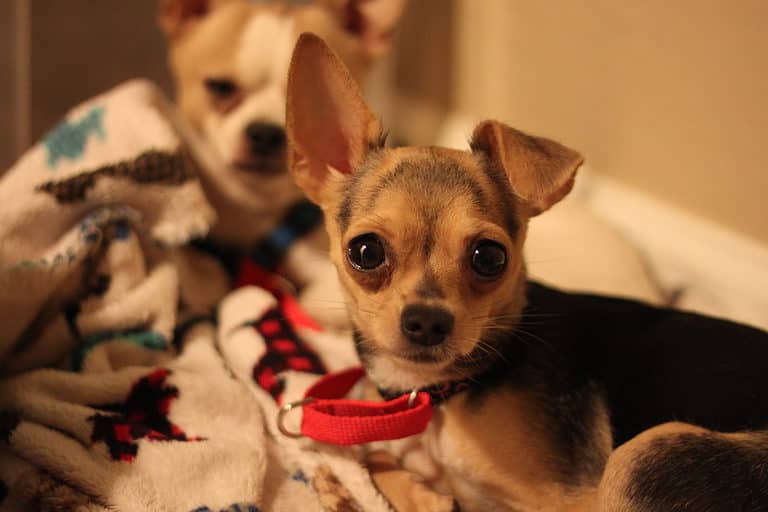
Teacup Chihuahua

Canis lupus familiaris

Big attitude in a tiny package
Rebekah Zemansky/Shutterstock.com

Teacup Chihuahua Distribution

Click a location to explore more animals from that region

Origin Location

This map shows the native origin of the Teacup Chihuahua. As a domesticated species, they are now found worldwide.

Loading map...

Found in 1 country

Size Comparison

Human 5'8"
Teacup Chihuahua 6 in

Teacup Chihuahua stands at 9% of average human height.

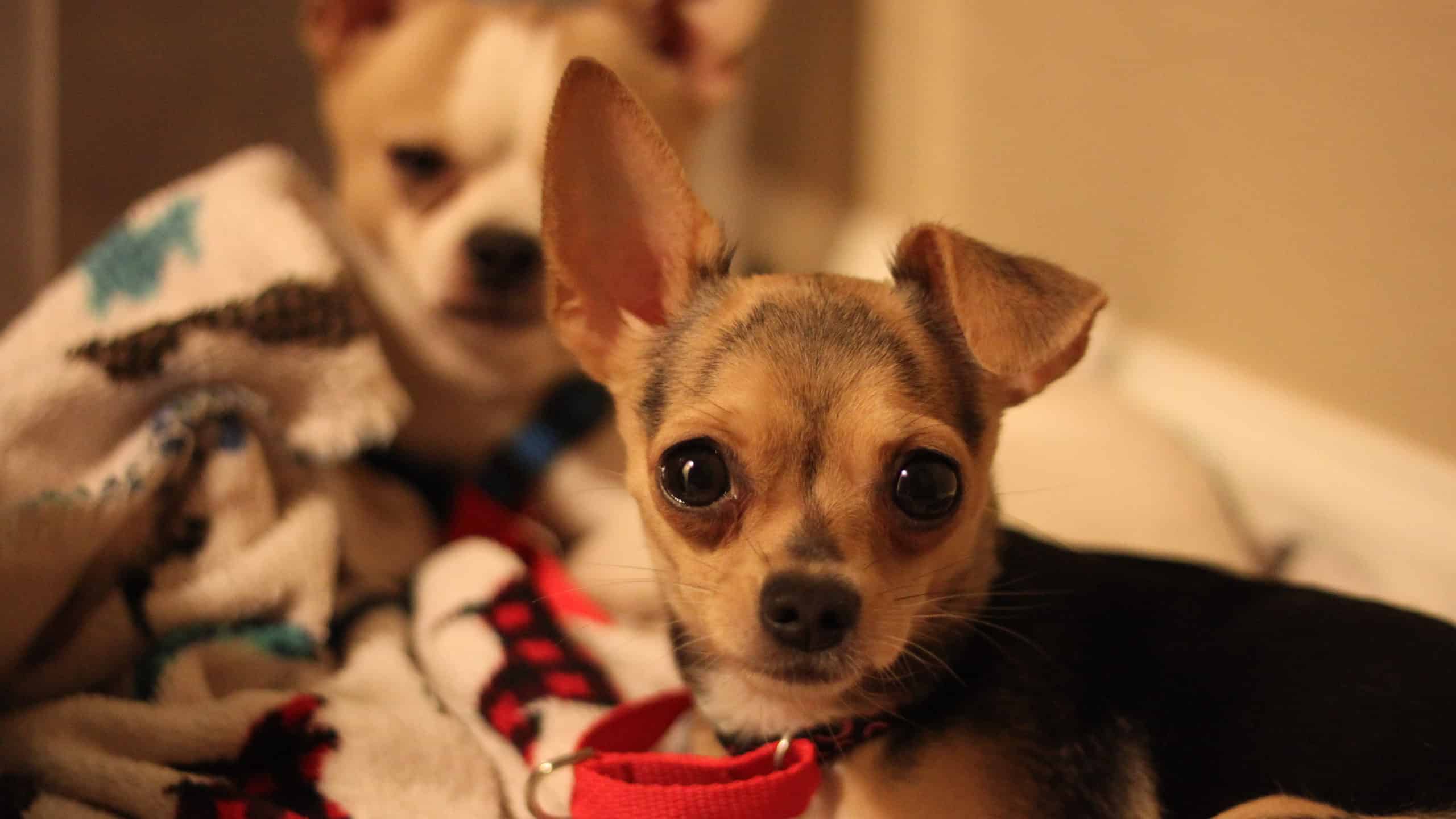
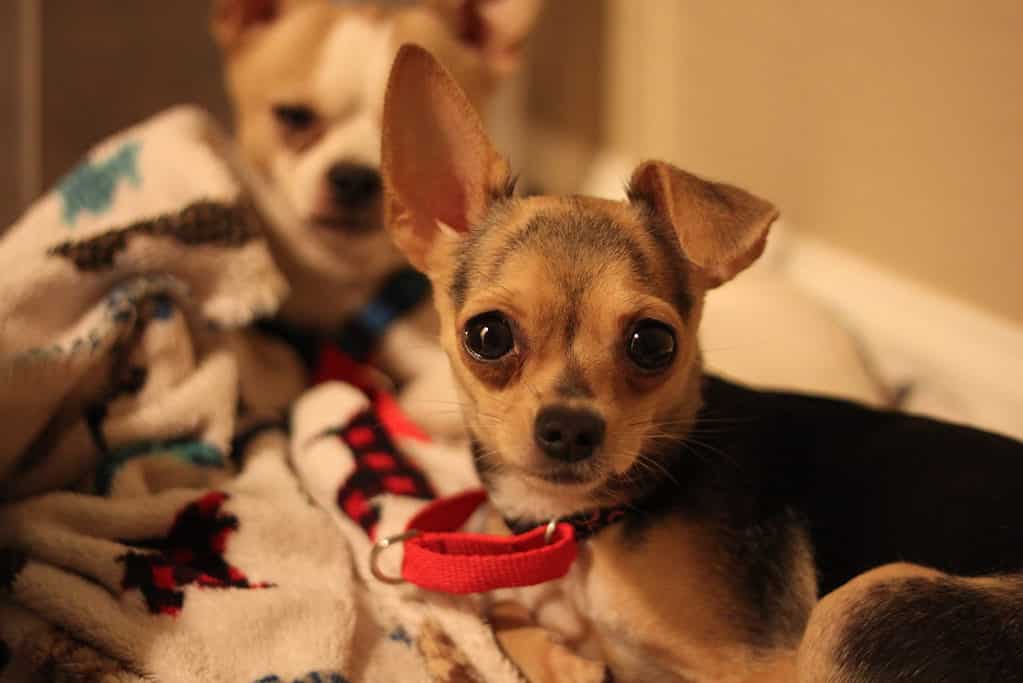
two cuddling teacup chihuahua dogs 9861

At a Glance

Domesticated
Also Known As Chi, Chichi, Purse dog, Purse pup, Pocket dog, Pocket pup
Diet Omnivore
Activity Diurnal+
Lifespan 4 years
Weight 2 lbs
Status Not Evaluated
Did You Know?

All dogs, including Chihuahuas, are the domestic form of the gray wolf: Canis lupus.

Scientific Classification

A very small companion dog corresponding to the Chihuahua breed; the "teacup" label denotes undersized individuals rather than a separate recognized breed or subspecies.

Kingdom
Animalia
Phylum
Chordata
Class
Mammalia
Order
Carnivora
Family
Canidae
Genus
Canis
Species
Canis lupus

Distinguishing Features

  • Extremely small body size relative to typical Chihuahuas (informal/marketing designation)
  • Apple-shaped head common in the breed, large erect ears
  • Short or long coat varieties; many color patterns
  • Traits and health risks can be amplified in very small individuals (e.g., fragility, hypoglycemia)

Physical Measurements

Height
6 in (5 in – 8 in)
Length
1 ft 3 in (12 in – 1 ft 6 in)
Weight
3 lbs (2 lbs – 4 lbs)
Tail Length
6 in (4 in – 7 in)
Top Speed
16 mph
running

Appearance

Primary Colors
Secondary Colors
Skin Type Thin, delicate skin under short (smooth) or long coat; prone to chill and irritation when dry.
Distinctive Features
  • Domestic dog (Canis lupus familiaris) selectively bred for extreme miniaturization and companionship, unlike wild-type canids.
  • "Teacup" is an informal label for undersized Chihuahuas, not a recognized breed category or taxon.
  • Extremely small body with fine bone structure; very low body fat increases fragility and cold sensitivity.
  • Apple-shaped skull common; large, upright ears and prominent, round eyes (neotenous facial features).
  • Coat varieties: smooth (short, close) or long-haired (soft feathering on ears, tail, legs).
  • Tail carried high and curved; alert posture and quick, agile movement despite tiny size.
  • Temperament often bold/alert; may be prone to shivering from excitement, stress, or cold.
  • Health concerns increased in very small individuals: hypoglycemia risk, especially as puppies; requires frequent small meals.
  • Dental crowding and early periodontal disease common; daily dental care and regular veterinary cleanings important.
  • Patellar luxation and other orthopedic issues; avoid high jumps and provide gentle exercise.
  • Tracheal collapse risk; use a harness instead of a neck collar.
  • Open fontanel, hydrocephalus, and eye injuries occur more often in very small lines; handle head/neck carefully.
  • Care needs: strict supervision around children/pets, warm clothing/bedding, and careful anesthesia/medication dosing due to size.

Sexual Dimorphism

Sexual dimorphism is subtle. Males are often slightly heavier with broader head/neck, while females tend to be more refined and lighter-boned; differences are minor compared with individual and "teacup" size variation.

  • Slightly larger average body mass and broader head in some individuals.
  • More muscular neck/shoulders when intact.
  • May show more pronounced territorial marking behaviors.
  • Often slightly smaller and finer-boned on average.
  • May have a narrower head and more delicate facial features.
  • Body condition can fluctuate with heat cycles, pregnancy, or nursing.

Did You Know?

All dogs, including Chihuahuas, are the domestic form of the gray wolf: Canis lupus.

"Teacup Chihuahua" isn't a recognized breed/variety in major kennel clubs-it's a marketing term for unusually small individuals.

Chihuahuas are among the smallest dog breeds, but they often have outsized confidence and alertness.

They come in two coat types (smooth and long) and many colors/patterns.

Because of their small body mass, they can get cold quickly and often seek warmth (blankets, laps, sun patches).

Chihuahuas can live a long time for a dog, commonly into the mid-teens with good care.

Their popularity surged in pop culture (ads/celebrity pets), shaping the modern "purse dog" image.

Unique Adaptations

  • Extreme miniaturization (in "teacup" individuals): low body fat and mass can increase heat loss and injury risk-so warmth and gentle handling are critical.
  • Large eyes and short muzzle (breed-typical head proportions) can contribute to sensitivity of the eyes and dental crowding; requires careful grooming and veterinary oversight.
  • Small size enables indoor-friendly exercise needs: brief play sessions and short walks can meet activity requirements (while avoiding overexertion).
  • Highly portable companion role: selective breeding favored human-focused temperament and adaptability to small living spaces rather than wolf-like hunting behavior.
  • Efficient "energy budgeting": they often alternate bursts of activity with long resting periods, especially in cool environments.

Interesting Behaviors

  • "Velcro dog" bonding: many prefer staying physically close to one person and shadowing them room to room.
  • Burrowing and nesting: instinctively tunnel into blankets or clothing to conserve heat and feel secure.
  • High-alert sentinel behavior: quick to notice new sounds/visitors; can be vocal without early training.
  • Perch-seeking: often choose elevated spots (couch backs, pillows) to watch the environment.
  • Trembling: commonly seen with excitement, stress, or being chilled-more noticeable in very small individuals.
  • Fast-learning with clear routines: responds well to short, positive sessions; can be stubborn if training is inconsistent.
  • Resource guarding risk: may protect laps, beds, or toys if not socialized and managed early.

Cultural Significance

Chihuahuas (Canis lupus familiaris) are tied to Mexico and to small companion dogs in pre-Columbian societies. Today ads and celebrities made them a symbol of tiny “handbag” pets. They show how breeding can make big size differences from wolves.

Myths & Legends

In Mexica (Aztec) belief, small dogs like the techichi guided souls through the underworld. Later stories echo this, linking tiny Mexican dogs, including Chihuahuas, with spiritual help.

Stories about the techichi, an ancestor linked to today's Chihuahua 'teacup' type (Canis lupus familiaris), tell of small, quiet companion dogs kept in homes and valued for being close to people.

A persistent popular origin story holds that tiny Mexican dogs were treasured companions in ancient civilizations and later spread more widely after contact-era trade and travel, becoming the modern Chihuahua through selective breeding.

Regional sayings and anecdotes portray Chihuahuas as little "guardians" of the home whose sharp bark warns of strangers-an affectionate modern superstition about their watchful nature.

Conservation Status

NE Not Evaluated

Has not yet been evaluated against the criteria.

Population Stable

Life Cycle

Birth 2 pups
Lifespan 4 years

Lifespan

In the Wild
1–8 years
In Captivity
14–16 years

Reproduction

Mating System Polygynandry
Social Structure Managed Domestic
Breeding Pattern Serial
Fertilization Managed Selective
Birth Type Internal_fertilization

In domesticated Chihuahua "teacup" lines, mating is human-managed: selected male-female pairings with internal fertilization; pair bonds are temporary and may change each heat. Extreme miniaturization raises dystocia/C-section risk, so breeding is closely supervised.

Behavior & Ecology

Social Pack Group: 3
Activity Diurnal, Crepuscular, Cathemeral
Diet Omnivore soft, highly palatable animal-protein foods (e.g., cooked chicken/turkey or high-meat wet food formulated for small breeds)

Temperament

Breed vs base species context: unlike wild wolf packs, Chihuahua sociality is human-centered and home-territory focused.
HUBS: Toy companion dogs commonly show strong attachment, alertness, and reactivity; variation depends on socialization.
Highly bonded ('velcro') and lap-seeking; may prefer one primary person over strangers.
Alert sentinel behavior: rapid barking to novel sounds, door activity, or unfamiliar people.
Wary or defensive with strangers if under-socialized; can escalate to snapping when cornered.
Confident, bold demeanor despite small size; may challenge larger dogs without awareness of risk.
Sensitive to handling and environmental stress; may tremble from fear, excitement, or cold exposure.
Trainable with positive reinforcement; benefits from short sessions and consistent boundaries.
Prey/chase interest may appear (movement-triggered), but typically low compared with working breeds.
Child compatibility varies: better with calm, older children; rough handling increases fear-biting risk.
Health concerns (more pronounced in undersized individuals): hypoglycemia, dental crowding/periodontal disease, patellar luxation.
Additional concerns: tracheal collapse (avoid neck pressure), heart disease (e.g., mitral valve), hydrocephalus/open fontanelle in some lines.
Care requirements: use harness not collar; prevent jumping from furniture; provide ramps/steps and supervised play.
Care requirements: maintain warmth (coat/sweater in cold), frequent small meals for small puppies, monitor blood sugar during stress.
Care requirements: proactive dental hygiene, regular vet screening for knees/heart/airway; careful anesthesia dosing due to tiny body mass.
Social needs: early controlled exposure to people/dogs/sounds to reduce reactivity; avoid 'coddling' fear responses.

Communication

high-pitched bark/yap Alarm
rapid repetitive barking Territorial/attention
growl Resource guarding or fear
whine Seeking contact/need
soft grumble Discomfort
rare howl Social contact response
close following, pawing, and climbing onto laps to solicit contact
ear position and tail carriage changes signaling arousal or caution
lip licking, yawning, freezing, and head turns as stress signals
trembling as cold/stress/excitement indicator; interpret alongside context
stiff posture, hard stare, and guarding stance around favored person or bed
scent marking/urination patterns in response to novelty or territory changes
air snapping as distance-increasing signal when overwhelmed or handled roughly

Habitat

Biomes:
Temperate Forest Temperate Grassland Mediterranean Desert Hot Desert Cold Boreal Forest (Taiga) Tundra Alpine Tropical Dry Forest Savanna Wetland Freshwater +6
Terrain:
Plains Valley Coastal Hilly Mountainous
Elevation: Up to 16404 ft 3 in

Ecological Role

Human-subsidized companion omnivore with limited opportunistic predation; not a key wild predator like the base species (gray wolf), but can exert localized effects in households/urban settings.

companionship and social support to humans alarm/alert behavior (barking) that can deter intruders minor localized pest suppression via opportunistic predation/scavenging (e.g., rodents/insects) facilitates human-animal bonding and related therapeutic benefits

Diet Details

Main Prey:
Small rodents Small birds and eggs Small reptiles and amphibians Insects and other small invertebrates
Other Foods:
Starchy plant matter Fiber-rich vegetables Fruit Plant oils and seeds

Human Interaction

Domestication Status

Domesticated

Canis lupus familiaris (domestic dog) came from gray wolves and was shaped by people for tame behavior, social bonding, and useful roles. The Chihuahua is a tiny companion breed bred for very small size and close people bonds. “Teacup” is a marketing term for undersized dogs that bring health risks and need extra vet care and careful handling.

Danger Level

Low
  • Bites/nips (often linked to fear, handling sensitivity, resource guarding, insufficient socialization)
  • Injury risk to children if dog is mishandled (the dog is more likely to be harmed than to cause severe harm)
  • Zoonotic/parasite risks common to pet dogs (e.g., intestinal parasites, fleas/ticks) if preventive care is neglected
  • Falls/tripping hazard due to very small size underfoot

As a Pet

Suitable as Pet

Legality: Teacup Chihuahuas are usually legal to own in the U.S. and most places. Rules come from housing, airlines, and local leash or license laws. Some teacup sales face consumer or animal welfare rules.

Care Level: Moderate

Purchase Cost: $800 - $5,000
Lifetime Cost: $15,000 - $40,000

Economic Value

Uses:
Companion animal trade (breeding/sales) Veterinary services (preventive care, dentistry, surgery/anesthesia) Pet products (food, small-breed gear, carriers, sweaters) Training/behavior services (socialization, reactivity management) Media/marketing value (social media, advertising, brand collaborations for 'teacup' dogs)
Products:
  • Sale of puppies (including premium pricing for undersized 'teacup' individuals)
  • Veterinary dental cleanings/extractions
  • Vaccination, parasite prevention, microchipping
  • Pet insurance policies
  • Crates/carriers, harnesses, clothing for cold sensitivity
  • Specialized small-breed diets and dental chews

Relationships

Chihuahuas are enthusiastic and friendly dogs that originated in Mexico. Though they are wary of strangers, they are loyal and loving dogs that deal well with children if they know them. Though the breed was rediscovered there in the 19th century, today’s dog does not entirely share the bloodlines of the dogs that existed before that time. The dog is named after the Chihuahua region of Mexico.

The teacup variety is just a smaller version of the well-known dog. Breeders have spent time breeding from smaller litter members because people seem to prefer the smaller versions. This, however, does not make the teacup Chihuahua a different breed. Also, none of the world’s kennel clubs include the teacup as a separate breed.

Teacup Chihuahua Fun Fact

Teacup Chihuahuas are not a separate breed but rather result from breeding the smallest pups from litters.

3 Pros and Cons of Owning a Teacup Chihuahua 

Pros!Cons!
Though it can be suspicious of strangers, the teacup Chihuahua can be an amiable dog to those it trusts.Breeding for smaller sizes can cause health conditions.
The Chihuahua is typically vigilant and aware of its surroundings.Smaller dogs are also more fragile and susceptible to injury.
It is loving, faithful, and happy to be with its owner, needing no particular task apart from tagging along.As a small dog, the teacup Chihuahua can have “small dog syndrome.” It is also suspicious of strangers and other dogs.

The Best Dog Food For Teacup Chihuahuas

Tiny dogs like the teacup Chihuahua have little stomachs and fast metabolisms. They need either multiple small feedings throughout the day or access to kibble all day long. Their tiny mouths also require wet dog food or little kibble pieces. We at A-Z Animals recommend Blue Buffalo Wilderness Small Breed Chicken.

Teacup Chihuahua Size and Weight

Because it is not a separate breed but a size designation, the teacup Chihuahua is identified subjectively by its size. In general, it is approximately:

Height (Male):Up to 6 inches
Height (Female):Up to 6 inches
Weight (Male):Up to 4 pounds
Weight (Female):Up to 4 pounds

Teacup Chihuahua Common Health Issues

The teacup Chihuahua has the potential for the same health issues that impact full-size Chihuahuas and other dogs. There is the potential for epilepsy, patellar luxation (kneecap issues), heart disease, eye diseases, and hydrocephalus (the accumulation of fluid on the brain). The Chihuahua is also known to be prone to dental issues.

Additionally, the teacup Chihuahua is prone to low blood sugar issues due to its small size. Sometimes, the skull doesn’t close entirely after birth, leaving the brain exposed to potential head trauma. It is also more likely to sustain injuries because of its fragility.

Teacup Chihuahua Temperament

Though small, the teacup Chihuahua can be energetic, playful, and spunky. It loves its family and owner and bonds intensely with those in its circle. The teacup Chihuahua is intelligent, adaptable, and trainable. It is happy to be included in whatever the family is doing and is good with children, though not so much with strangers. It takes a while for it to warm up to people, which is why it can perform well as a watchdog.

How To Take Care of Teacup Chihuahuas  

Teacup Chihuahua Maintenance And Grooming

The level of care for the teacup Chihuahua depends on the style of its coat. Short-coated Chihuahuas need infrequent brushing and bathing as needed. Longer-coated Chihuahuas require weekly brushing and more frequent bathing.

The most crucial element of grooming is taking care of the dog’s teeth. The Chihuahua tends to have dental problems, so you must clean the teeth at least 2-3 times a week. Dental care should also be a priority of regular veterinary and grooming visits.

Also, check the ears regularly for wax buildup, debris, injuries, and mites. Clip the nails regularly with clippers or grinders.

Teacup Chihuahua Training

Like standard Chihuahuas, Teacup Chihuahuas are playful and frisky, but they are also intelligent and trainable. They want to please their owners and will take direction happily. They are physically and temperamentally fragile, however, and respond best to positive reinforcement; owners must be firm but gentle. Additionally, smaller dogs will overstep boundaries if those boundaries are not firmly established. A pampered teacup Chihuahua can be nippy, temperamental, and even aggressive.

Teacup Chihuahua Exercise

These smaller Chihuahuas don’t have high exercise requirements. Thirty minutes of walking each day will be enough to satisfy their needs. Additional playtime is fine, too. Just don’t push them too hard. Their fragile frames do not handle intense activity very well, and their tendency toward low blood sugar can be exacerbated by too much activity. Finally, their short coats also mean they can’t handle cold very well.

Teacup Chihuahua Puppies 

As with all dogs, the puppy’s immunizations must begin as soon as safely possible and remain up to date. Their tendency to display “small dog syndrome” and their wariness toward strangers require they begin socialization as soon as possible after vaccinations, so expose them to as many people, dogs, and new situations as possible.

Teacup Chihuahuas And Children

Teacup Chihuahuas do well with children, especially if the dog is properly socialized. Still, the dog may be at risk from small children or children who are too rambunctious around dogs. Children who interact with the teacup Chihuahua should be instructed on how to properly and safely handle a dog. Some experts recommend that a teacup Chihuahua not be introduced into a household with young children due to the dog’s small frame.

Dogs Similar to Teacup Chihuahuas

Miniature Pinscher: The miniature Pinscher shares some similarities with the teacup Chihuahua. A toy breed, the miniature Pinscher has a vaguely similar appearance to the teacup Chihuahua, though it doesn’t have the latter’s apple-shaped head. The miniature Pinscher is also very energetic and playful, like the Chihuahua.

Pug: The Pug is a smaller breed, like the Chihuahua, which shares its lovability and outgoing personality.

Xoloitzcuintli: The Xoloitzcuintli is another Mexican breed and the only one other than the Chihuahua that still has pre-colonial DNA in its makeup.

Famous Teacup Chihuahuas

Chihuahuas, whether teacup or otherwise, have made numerous appearances in popular media and culture in recent years. Here are just a few.

  • Who could forget the Taco Bell Chihuahua from the 1990s? Gidget (a female) was known for the voiceover line “Yo Quiero Taco Bell.” She passed away in 2009.
  • Gidget had a canine co-star who moved on to bigger things. Moonie, who passed away in 2016, starred as Reese Witherspoon’s faithful companion in “Legally Blonde.”
  • Finally, Paris Hilton was rarely seen without her beloved Tinkerbelle on the show “The Simple Life.” Sadly, Tinkerbelle passed away in 2015. Since then, Ms. Hilton has been seen with her new Chihuahua, Diamond Baby, purchased in 2016.
  • Bruno
  • Chico
  • Coco
  • Zorro
  • Papi
  • Bella
  • Paris
  • Daisy
  • Misty
  • Coffee

Up Next:

  • Types of Toy Dog Breeds
  • Chihuahuan Desert
  • Deer head vs. Applehead Chihuahua: What are 8 Key Differences?

View all 607 animals that start with T

Sources

  1. A-Z Animals / Accessed January 11, 2023
  2. A-Z Animals / Accessed January 11, 2023
  3. Wikipedia / Accessed January 11, 2023
  4. Chihuahua Club of America / Accessed January 11, 2023
  5. Dog Pregnancy Calendar / Accessed January 11, 2023
Rob Amend

About the Author

Rob Amend

Rob Amend is a writer at A-Z Animals, primarily covering meteorology, geology, geography, and animal oddities. He attained a Master's Degree in Library Science in 2000 and served as reference librarian in an urban public library for 22 years. Rob lives in Cincinnati, Ohio, and enjoys spending time with his family, hiking, photography, woodworking, listening to classic rock, and watching classic films—his favorite animal is a six-foot-tall rabbit named Harvey.

Thank you for reading! Have some feedback for us?


Teacup Chihuahua FAQs (Frequently Asked Questions)

The teacup Chihuahua will top out at 4 pounds and a height of 6 inches. Of course, these are somewhat arbitrary, as there is no standard for teacups.