





Quick Take
- The Alabai's bite force ranks among the most powerful of any dog breed, a number that might change how you think about large breeds entirely. Explore the Alabai's traits →
- One country treats this dog as a national treasure, even going so far as to honor it with a gilded statue. The reason behind it reveals something unexpected about the breed's history. Discover the breed's origins →
- Alabais are known for being independent, and that very trait creates a training trap most new owners don't see coming until it's too late. See the training challenges →
- Despite being one of the largest dog breeds alive, the Alabai has a surprisingly different health profile than you'd expect. Its ancient origins are the reason why. Check the health profile →
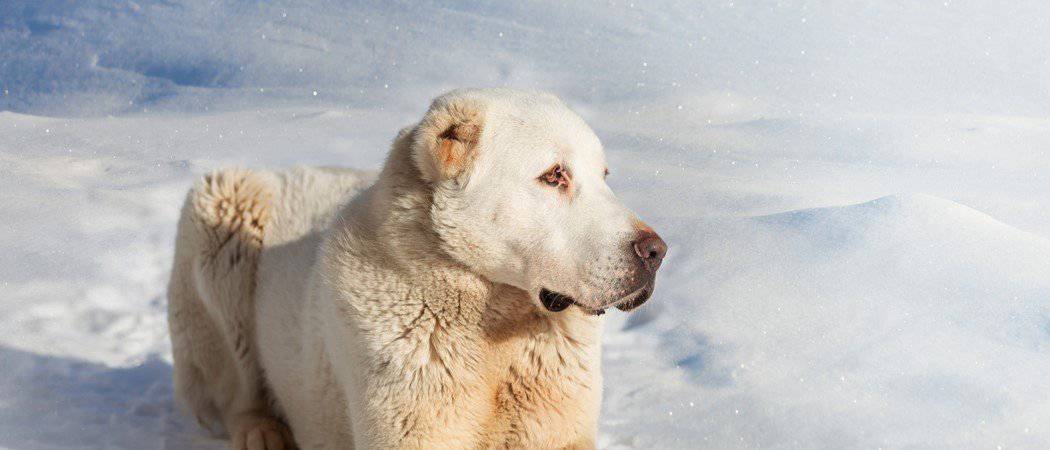
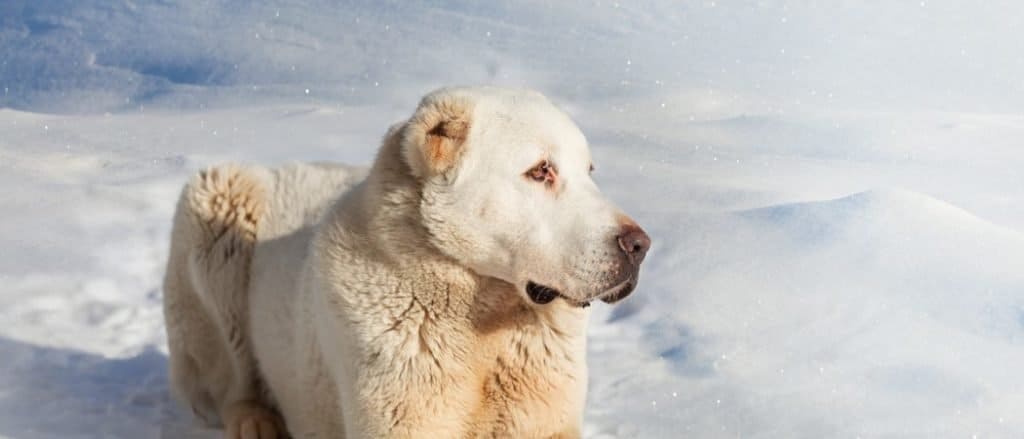
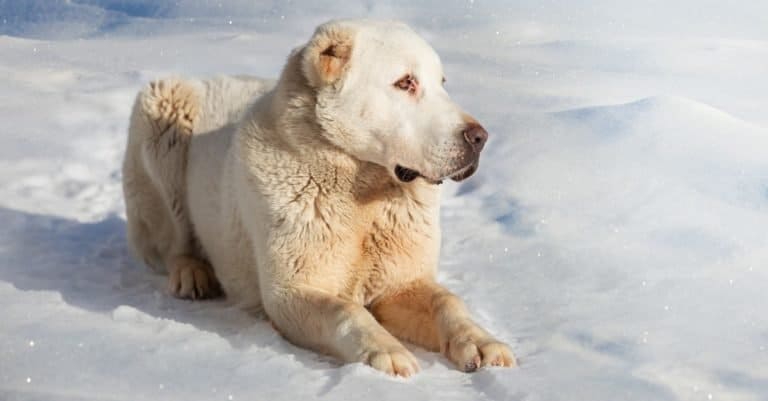
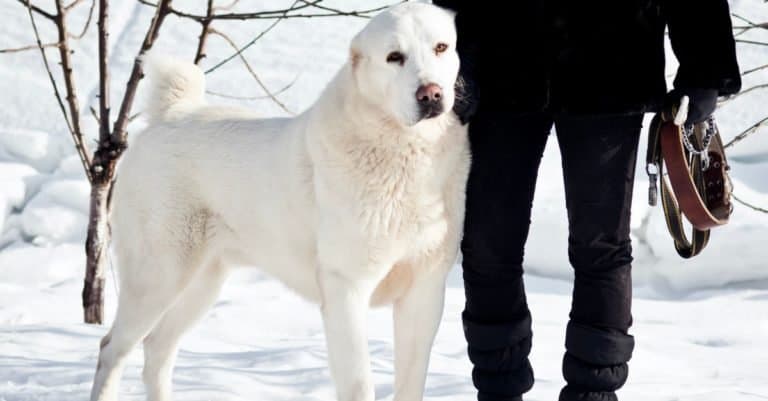
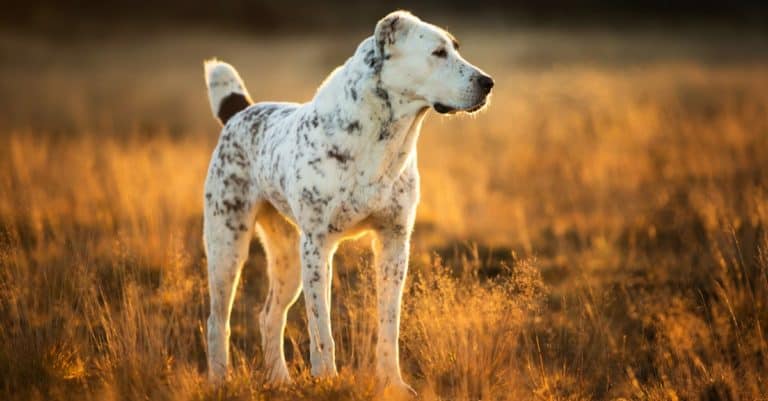
The Alabai dog, commonly referred to as the Central Asian Shepherd Dog, is a very large breed. They can be traced back over 5,000 years and have historically been used as guard dogs for goats and sheep. Today, the Alabai is still used as a shepherd dog, but it also helps protect the families and possessions of nomadic peoples.
Alabais have one of the strongest bites of any breed of dog; their bite force is between 500 and 650 pounds per square inch. As the breed originated in Central Asia, it makes sense that they are one of the most popular breeds in Russia. In addition to being called a Central Asian Shepherd Dog, Alabais may also be called Central Asian Ovcharkas, Middle Asian Ovcharkas, and Mid-Asian Shepherds.

Breed History
This breed has been around for more than 5,000 years. The ancestor of the Alabai can find its origin in the area of the Caspian Sea and northwest China, stretching down to Asia Minor.
These dogs were originally bred to protect livestock. Over the years, they have also been bred for personal protection or as working dogs. As a result, they excel in obedience, territory protection, and personal protection, and are very intelligent. These traits have evolved from thousands of years of working with humans and adapting as a breed.
In Turkmenistan, the Alabai is considered a symbol of national heritage. In 2020, a gilded statue of the Alabai dog was unveiled in Ashgabat, Turkmenistan, to honor the breed.
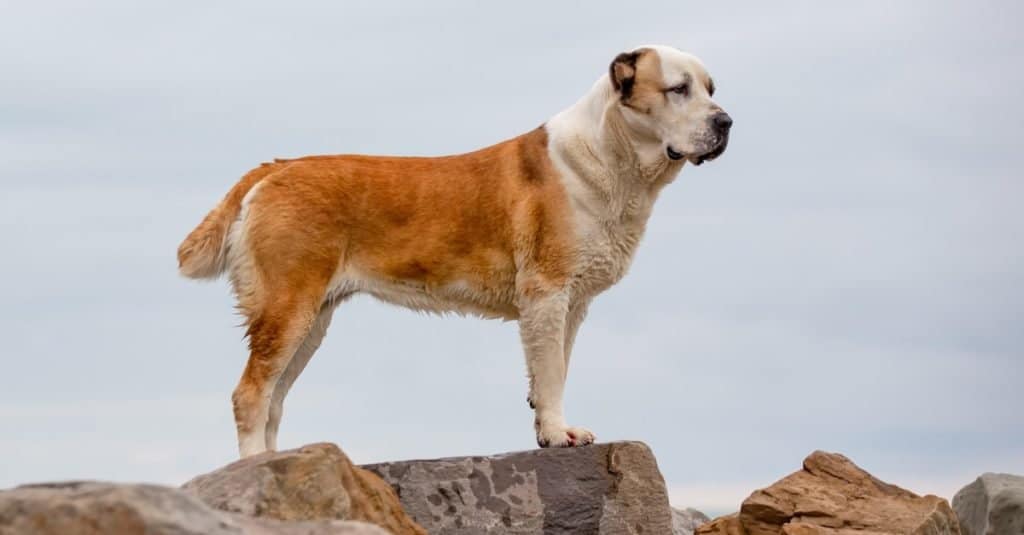
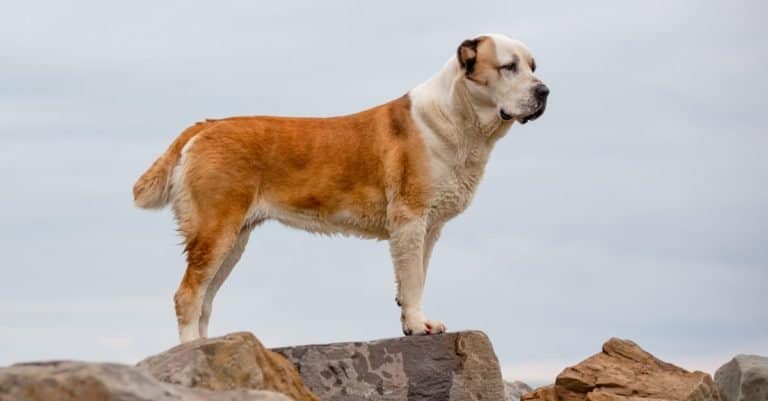
Central Asian shepherd, Alabai, standing on a rock in the mountains.
©Degtyaryov Andrey/Shutterstock.com
Owning an Alabai Dog: 3 Pros and Cons
| Pros! | Cons! |
|---|---|
| Easy to groom: Alabais are pretty easy to groom and only need to be brushed about once a week. | Large: Alabais are a very large breed and will require a lot of space and food. |
| Good with other animals: Central Asian Sheep Dogs are generally good with other dogs and cats. | Can be challenging to train: Alabais are a very independent breed, which can make obedience training more difficult. |
| Protective: Alabais are courageous and will protect their family. Their bite force of 500 to 650 pounds per square inch backs up their bark if threatened. | Not suited for apartment living: Central Asian Shepherd Dogs need to live in a home with a large fenced-in yard and will not do well in an apartment setting. |
Size and Weight
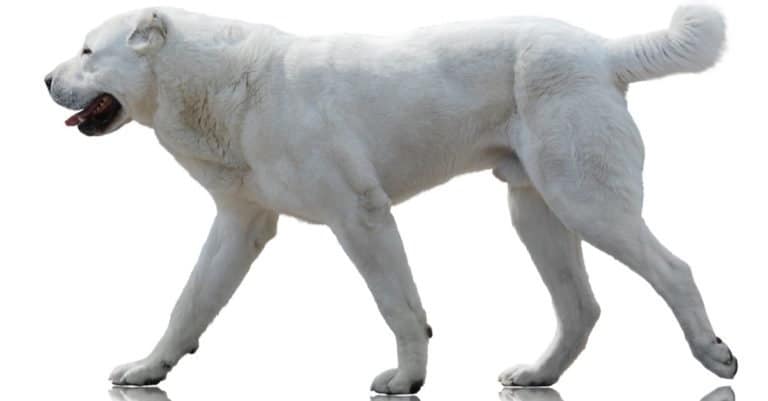
The Alabai dog is a very large breed. Males and females are both at least 25.5 inches tall and may be over 27.5 inches tall. They typically weigh a minimum of 88 pounds but can get up to over 110 pounds.
Common Health Issues
The Alabai dog has been around for over 5,000 years, and natural selection has helped to create a very healthy and genetically resistant breed. However, since they are such a large breed, they may develop hip or elbow dysplasia.
Hip dysplasia is a condition where the hip bone does not develop properly. The joints rub against each other and cause deterioration. This can make it very uncomfortable for an Alabai to walk and may require surgery.
Similarly, elbow dysplasia affects an Alabai’s elbow joints. It can also make walking very difficult and painful. An Alabai dog may require surgery to correct this condition as well.
Temperament and Behavior
Alabais have a very independent personality. They are also very confident, territorial, and protective, and if they sense a threat to their loved ones may exhibit aggressive behaviors. This breed is extremely loyal to its loved ones and can be quite affectionate.
The Alabai’s traits make them a good family dog for homes with older children, but due to their size are generally not recommended for homes with small children.
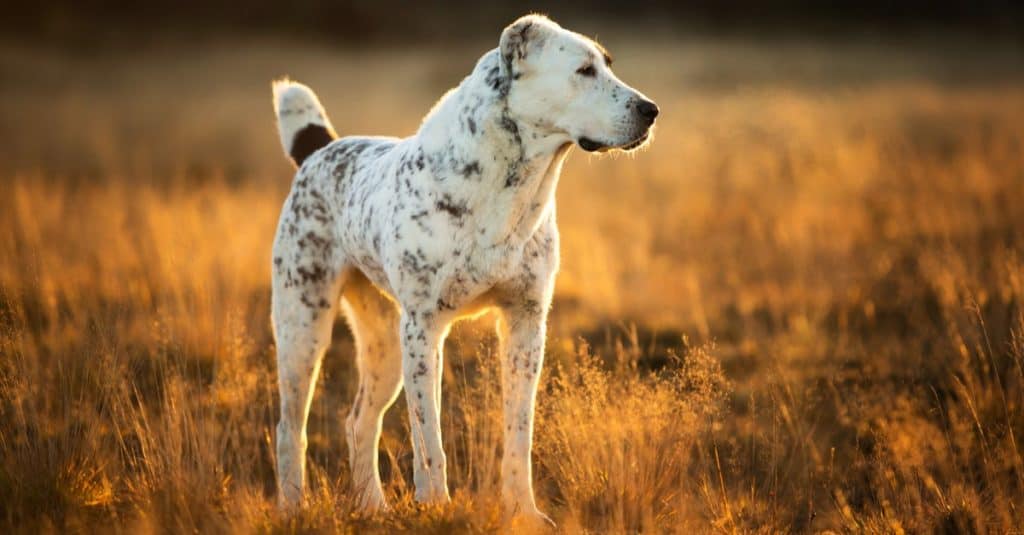
The Alabai has been around for over 5,000 years and is a very healthy and genetically resistant breed.
©Alex Zotov/Shutterstock.com
How to Take Care of an Alabai Dog
Since an Alabai is such a unique breed, you will need to keep their temperament, size, nutritional needs, activity needs, and training needs in mind when creating a care plan.
The Best Dog Food For Your Alabai Dog
Because of its size, we recommend a high-calorie dog food for your Alabai. When choosing a food for an adult Alabai, look for one specifically formulated for large breeds. Since Alabais are not a high-energy breed, you should also look for something for lower-energy breeds. Depending on your dog, it may be best to offer them just one larger serving of food each day or two smaller servings. Your vet will be the best resource to confirm how much food they should eat and how many servings they should be fed daily.
A puppy will have different dietary requirements than an adult Alabais. They have smaller stomachs and will need to eat multiple small meals throughout the day. Check with your veterinarian, but in most cases, puppies under six months old should eat between three and four meals a day.
Maintenance and Grooming
Alabais are very easy to groom. They don’t shed very much throughout the year, but do have one very heavy shedding season. Between shedding seasons, an Alabai will just require occasional brushing and bathing.
An Alabai’s nails do grow very quickly and should be kept trimmed to keep them from getting too long, cracking, splitting, or making it uncomfortable for the dog to walk. Owners should also take care to keep the Alabai’s ears clean and teeth brushed regularly.
Dog Training
An Alabai’s independent nature can make this breed challenging to train. Experienced owners who can devote the necessary time to training this breed will likely achieve the best results. Consistent and fair training is essential to help an Alabai learn expectations and become an affectionate and well-behaved pup.
Dog Exercise
While Alabais are not a very high-energy breed, they still require daily exercise. Aim to take your Alabai on long walks, give them a task to complete outdoors, or play with them in a fenced-in yard. This breed should be given at least an hour of daily exercise.
Puppies
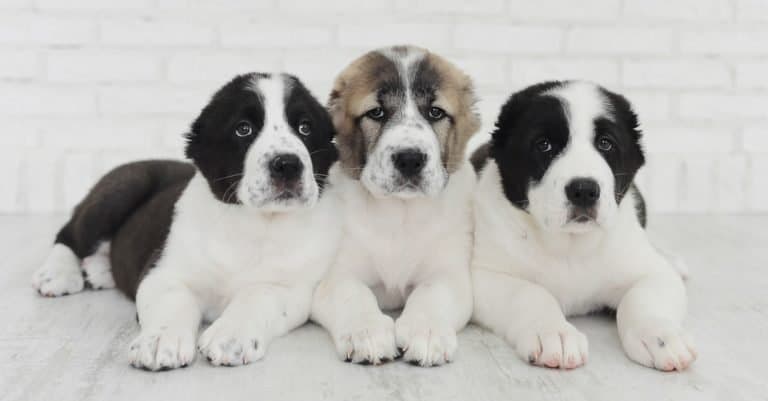
Alabai puppies will grow quickly, and owners will need to be prepared to meet the growing demands this breed offers. Puppies will need to be given plenty of playtime and activity to keep them busy and entertained. They often enjoy playing with tough toys made from rubber that won’t be easily destroyed.
Before bringing home an Alabai puppy, be sure your home is puppy-proof and that you are ready for the commitment involved in raising this breed. They require greater supervision and more continuous training than many other breeds.
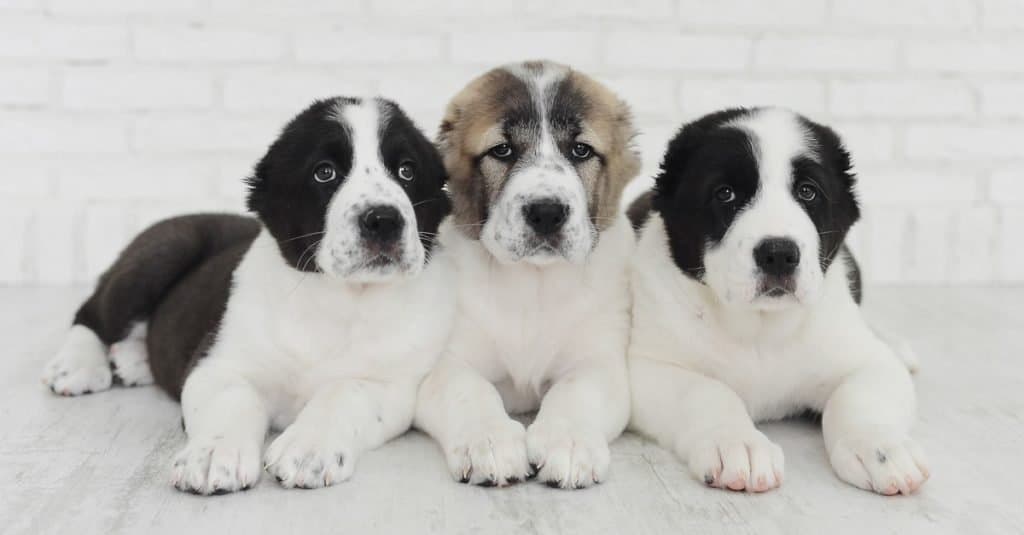
Alabai puppies on a white background in the studio.
©Kristina Korotkova/Shutterstock.com
Alabais and Children
Alabais can be very good with children. They are affectionate, protective, and loyal. However, since this breed is very protective, they may not be as accepting of strangers, such as a child’s playmate, in the home. Alabais are also very large and could accidentally injure a smaller child, so they should be closely supervised when around children.
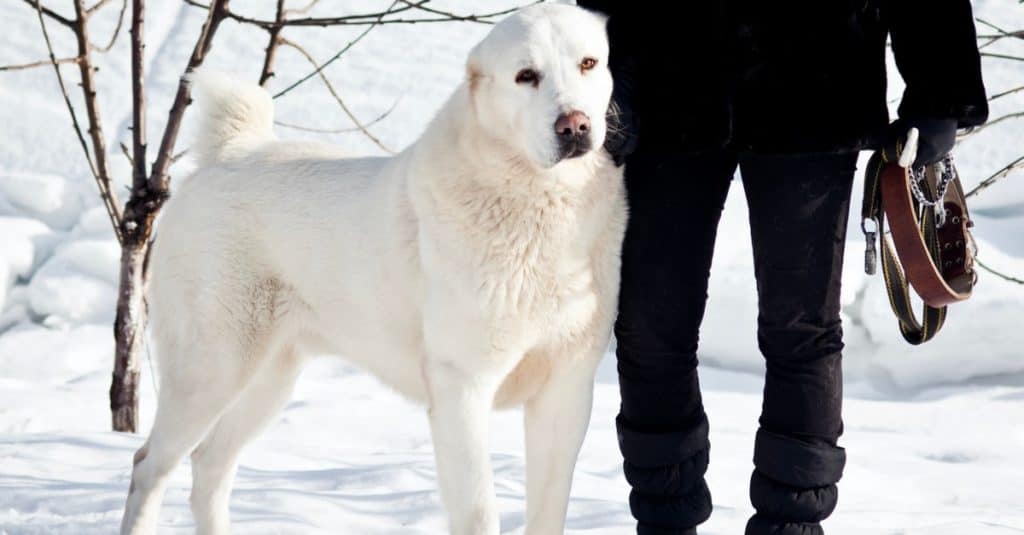
Alabais can be very good with children, as they are affectionate, protective, and loyal.
©Tetiana Dollezhal/Shutterstock.com
Dogs similar to Alabai
Anatolian Shepherd Dogs, Mastiffs, and Tibetan Mastiffs are three breeds similar to the Alabai.
- Anatolian Shepherd Dog: Anatolian Shepherd Dogs and Alabais are both very large breeds that weigh over 100 pounds. Both breeds are very territorial and can make an excellent watchdog. Alabais generally do better with other dogs and cats than Anatolian Shepherd Dogs.
- Mastiff: Mastiffs and Alabais are both affectionate dogs who are very protective of the people who are important to them. Mastiffs are more easygoing and can be easier to train than Alabais.
- Tibetan Mastiff: Tibetan Mastiffs and Alabais both weigh over 100 pounds, though an Alabai is generally taller, with an average height of 29.5 inches compared to the 26.5-inch average height of a Tibetan Mastiff. Alabais make a better pet for homes with children or other animals than Tibetan Mastiffs.
Alabai (Central Asian Shepherd) Pictures
View all of our Alabai (Central Asian Shepherd) pictures in the gallery.

ElenaChelysheva/Shutterstock.com
Sources
- American Kennel Club / Accessed June 5, 2021
- Wikipedia / Accessed June 5, 2021
- Dogtime / Accessed June 5, 2021
- 101 Dog Breeds / Accessed June 5, 2021
- Pet Guide / Accessed June 5, 2021
- World Dog Finder / Accessed June 5, 2021
- Doggie Designer / Accessed June 5, 2021