N S W E
Wildlife Expeditions

Wildlife of
Uzbekistan

Uzbekistan stands out for wildlife watching at the crossroads of desert and mountain Asia-where goitered gazelles roam the Kyzylkum, rare riparian forests shelter Bukhara deer, and vast flyways funnel migratory birds through oasis wetlands.
125 Species
447,400 km² Land Area
Overview

About Uzbekistan

Uzbekistan's wildlife character is shaped by extremes: sunbaked deserts and steppe, ribbon-like river oases, and rugged foothills and high ridges of the western Tian Shan and Pamir-Alay. This mix creates a distinctly Central Asian fauna-adapted to heat, aridity, and wide open landscapes-featuring desert ungulates and foxes, mountain sheep and ibex, and a strong cast of raptors and steppe birds. Historically, the country also lay within the wider range of iconic steppe species such as saiga, underscoring its place in the broader story of Central Asian wildlife change and recovery.

Key ecosystems define the experience. The Kyzylkum Desert and the Ustyurt Plateau represent classic arid habitats where goitered gazelle, corsac fox, and desert reptiles thrive, while the Amu Darya and Syr Darya basins support wetlands and irrigated mosaics that become magnets for birds. Particularly important are riparian forests-dense riverine woodlands along major rivers-which are among the most threatened habitats in Central Asia and are vital for the endangered Bukhara deer and a suite of migratory and resident birds.

In global conservation terms, Uzbekistan is significant as part of the Central Asian flyway network and as a stronghold for threatened dryland and riverine biodiversity in a region facing water stress and habitat fragmentation. Efforts centered on protected areas, wetland protection, and captive breeding/reintroduction (notably for desert ungulates) are helping preserve species that are difficult to conserve anywhere else. For visitors, the wildlife experience is uniquely "oasis-and-open-horizon": scanning vast desert flats for gazelles at dawn, birding productive wetlands that appear improbably green, and then heading into mountain reserves where the chance of seeing ibex, urial, and soaring eagles adds a dramatic alpine counterpart to the desert story.

Physical Features

Geography

Uzbekistan's wildlife distribution is strongly shaped by its arid continental climate and the contrast between vast lowland deserts/steppes and smaller but biodiverse mountain-foothill zones. Most terrestrial fauna (e.g., goitered gazelle, desert reptiles, steppe birds) is tied to the Kyzylkum Desert and surrounding semi-desert/steppe, while the richest concentrations of species and seasonal movements occur along river corridors and irrigated oases of the Amu Darya and Syr Darya. Wetlands, reservoirs, and remaining delta/lakes (notably in the Aral Sea basin) act as critical stopover and wintering habitat for migratory waterbirds, and the Western Tian Shan and Pamir-Alai foothills provide refugia for mountain species and predators in a generally dry landscape.

447,400 km² Land Area
~56th largest country; about the size of California Size Rank

Key Landscapes

  • Kyzylkum Desert (dominant lowland desert with dunes, saxaul scrub, desert steppe mosaics)
  • Amu Darya river corridor and floodplain oases (riparian tugai, wetlands, irrigated landscapes)
  • Syr Darya river corridor and associated reservoirs/irrigated plains (waterbird habitat, reedbeds, agricultural mosaics)
  • Aral Sea basin and deltas (Amu Darya/Syr Darya delta remnants, lakes, reedbeds; highly altered but still key for migratory birds)
  • Ustyurt Plateau (arid escarpments and stony deserts influencing wide-ranging desert ungulates and carnivores)
  • Mountain and foothill systems in the east and southeast: Western Tian Shan and Pamir-Alai ranges (altitudinal zonation from foothill steppe to juniper/alpine habitats)
  • Fergana Valley (intensively cultivated basin bordered by mountains; remaining riparian and wetland patches important for birds and small mammals)

Ecoregions

  • Central Asian Southern Desert
  • Central Asian Northern Desert
  • Gissaro-Alai open woodlands
  • Tian Shan montane steppe and meadows
  • Tian Shan foothill arid steppe
  • Alai-Western Tian Shan steppe
Parks & Reserves

Protected Areas

Uzbekistan's protected-area network is built around strict state nature reserves, national parks, and a larger set of wildlife refuges and sanctuaries (often managed for biodiversity conservation through the forestry and hunting sectors), plus internationally recognized wetlands. The most important conservation landscapes include the Western Tien Shan mountains (high endemism and large mammals), riparian riverine forests along the Amu Darya, and major lake and wetland systems used by migratory waterbirds in the Syr Darya-Aydar-Arnasay region. Management is primarily through national environmental authorities and the forestry and hunting sector, with several areas also linked to UNESCO and Ramsar frameworks.

Protected Coverage

About 6% of Uzbekistan's terrestrial (land) area is covered by designated protected areas.

Notable Parks & Reserves

Ugam-Chatkal National Park

National Park; part of UNESCO World Heritage property (Western Tien-Shan)

Part of the Western Tien Shan mountain system, this park protects juniper forests, alpine meadows, and rugged cliffs that support rare mountain carnivores and key raptors. It is among Uzbekistan's best landscapes for conserving high-altitude biodiversity and migratory corridor connectivity.

Chatkal State Biosphere Reserve

State biosphere reserve (with a strictly protected core); component of the Western Tien-Shan World Heritage property

A protected area in the Western Tien Shan that conserves montane ecosystems with high plant diversity and provides habitat for large mammals and birds of prey. It is part of the broader Western Tien Shan conservation landscape.

Zaamin National Park

National Park

Juniper forests and mountain-steppe habitats here support a strong raptor community and a representative suite of Tian Shan foothill wildlife. It's one of the more accessible mountain protected areas for birdlife and large-mammal sign (tracks, scat).

Nuratau-Kyzylkum Biosphere Reserve (incl. Nuratau State Nature Reserve and adjacent desert/steppe zones)

Biosphere Reserve (UNESCO MAB framework in the region); State Nature Reserve (core areas)

This biosphere reserve links the Nuratau mountains with Kyzylkum desert habitats, combining community-use zones with core protection. It is notable for mountain ungulates, desert-adapted carnivores, and steppe/desert bird assemblages.

Severtsov's argali (mountain sheep)
Goitered gazelle
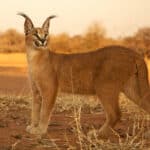
Caracal
Caracal
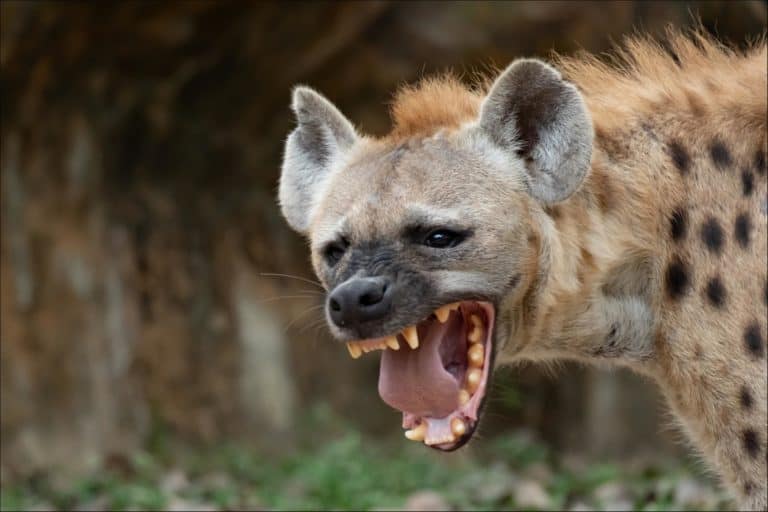
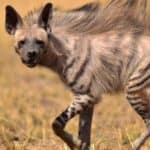
Striped hyena
Striped hyena
Saker falcon
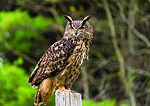
Eurasian eagle-owl
Eurasian eagle-owl

Badai-Tugai State Nature Reserve (Amu Darya tugai forests)

State Nature Reserve (strict protection)

One of the most important remnants of Central Asian tugai (riparian) forest, critical for restoring and maintaining floodplain biodiversity. It is especially notable for the recovery of Bukhara deer and a rich mix of wetland/riverine birds.

Bukhara deer
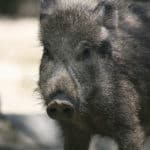
Wild boar
Wild boar
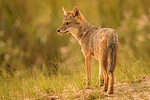
Golden jackal
Golden jackal
Jungle cat
Common pheasant
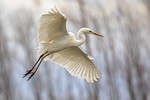
Great egret
Great egret

Gissar (Hissar) State Nature Reserve

State Nature Reserve (strict protection)

A large mountain reserve protecting high-elevation habitats and deep valleys that function as refuges for wide-ranging mammals and sensitive birds of prey. It contributes significantly to watershed protection and landscape-scale connectivity in southern Uzbekistan.

Aydar-Arnasay Lakes System

Ramsar Wetland (internationally important wetland)

A vast lake complex formed in the Syr Darya basin that has become one of the country's most important stopover and wintering sites for migratory waterbirds. It is especially significant for large congregations of pelicans, swans, and ducks during migration and winter.

Dalmatian pelican
Greater flamingo
Whooper swan
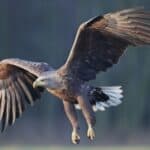
White-tailed eagle
White-tailed eagle
Great crested grebe
Eurasian spoonbill

UNESCO World Heritage Sites

  • Western Tien-Shan (transboundary natural World Heritage site; includes components in Uzbekistan)
Animals

Wildlife

Uzbekistan's wildlife is shaped by a strong desert-river-mountain contrast: vast Kyzylkum desert and Ustyurt Plateau support steppe/desert mammals and reptiles; riparian "tugai" forests along the Amu Darya, Syr Darya and Zarafshan rivers hold rare woodland fauna; and the western Tian Shan/Pamir-Alay foothills and highlands add montane predators, wild sheep/goats and raptors. Bird diversity is especially notable due to migration through Central Asia and the concentration of waterbirds at lakes, reservoirs, and irrigated landscapes (e.g., Aydar-Arnasay lake system, Dengizkul and other wetlands).

≈105 species (notable for desert ungulates, small mammals, and montane carnivores) Mammals
≈470 species (high due to migration and wetland stopovers) Birds
≈60 species (rich desert reptile fauna: agamas, geckos, monitors, snakes) Reptiles
≈3 species (limited by aridity; mostly near rivers, canals, and mountain streams) Amphibians

Iconic Species

Bukhara Deer (Bactrian red deer) A flagship of Uzbekistan's tugai forests and one of the country's signature conservation stories. Best chances are in protected riparian habitats along the Amu Darya (including areas with reintroduced/recovering populations) where dense riverine thickets provide cover.
Goitered Gazelle The quintessential desert antelope of Uzbekistan, strongly associated with the Kyzylkum and semi-desert plains. Visitors seek it on open desert-steppe where it can be seen at distance, especially in protected areas and remote landscapes.
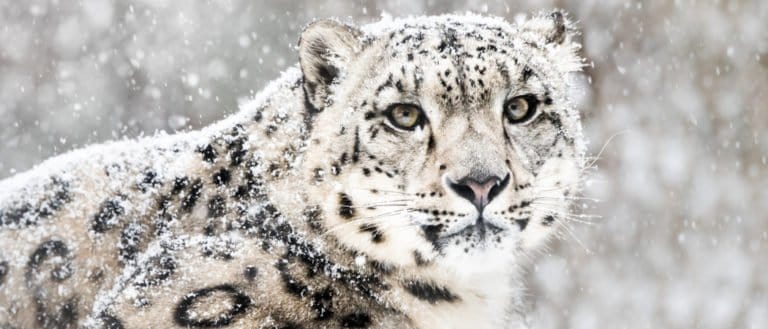
Snow Leopard
Snow Leopard Rare and elusive, but a marquee species of the country's highest mountains (western Tian Shan / Pamir-Alay). Sightings are unlikely, yet its presence defines the wilderness value of Uzbekistan's alpine zones; tracking signs is a major draw for specialist tours.
Caracal
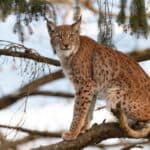
Caracal A striking desert-adapted wild cat that symbolizes the arid south and desert margins. Most likely (still difficult) in remote desert-steppe and rocky semi-desert where it hunts rodents and birds.
Asiatic Wildcat One of the most characteristic small carnivores of Uzbekistan's deserts and river edges. It is most associated with scrubby desert, reedbeds, and tugai margins where prey is abundant.
Long-eared Hedgehog A classic nocturnal desert mammal often encountered near oases, settlements, and semi-desert-popular with visitors because it is more readily observed than many larger carnivores.
Houbara Bustard (Asian houbara) An emblematic desert bird of Central Asia. Uzbekistan lies within important migration/wintering areas in desert-steppe; sightings are prized because the species is wary and threatened by hunting/pressure across its range.
Saker Falcon A globally threatened raptor closely linked to open steppe and desert-edge habitats. Uzbekistan is part of its broader Central Asian stronghold and migration landscape; watched by raptor enthusiasts on steppe plains and cliffs.
Dalmatian Pelican A high-profile wetland species for birders at large lakes and reservoirs (notably the Aydar-Arnasay lake system and other major waterbodies), where it may occur in season with mixed waterbird flocks.
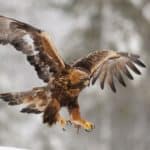
Steppe Eagle A signature raptor of open plains and a key migration species through Central Asia. Often sought during passage seasons and in steppe/desert-steppe where it forages over wide areas.

Endemic Species

Bukhara Deer (Bactrian red deer) - regional near-endemic form A tugai-forest specialist whose historic core range is the Amu Darya basin; today it survives as fragmented, managed/recovering populations primarily in Uzbekistan and neighboring river systems. Endemic
Zarafshan Pheasant (near-endemic local form of common pheasant) A locally distinctive pheasant associated with riparian thickets and irrigated landscapes of the Zarafshan valley; of special interest because tugai habitats are among the most threatened ecosystems in the region. Endemic
Severtsov's Wild Sheep (near-endemic regional form) A narrowly distributed mountain sheep form linked to the western Tian Shan/Nuratau-Pamir-Alay interface; Uzbekistan holds part of its limited range in rugged highland terrain. Endemic

Notable Populations

  • Tugai-forest wildlife stronghold: Uzbekistan contains some of the most important remaining/restored tugai habitats in Central Asia, crucial for Bukhara deer recovery in the Amu Darya basin.
  • Major Central Asian flyway wetlands: the Aydar-Arnasay lake system and other reservoirs/wetlands can host regionally significant concentrations of migratory waterbirds (pelicans, ducks, waders, and raptors) during passage and winter.
  • Desert-steppe ungulate landscapes: Kyzylkum and adjacent semi-desert areas remain among the key regional habitats for goitered gazelle, a defining large mammal of Uzbekistan's arid zones.
  • Ustyurt Plateau conservation importance: this harsh desert plateau is a critical refuge landscape for wide-ranging desert fauna and migratory corridors (including historically saiga movements), even where populations are now reduced and patchy.
Protection

Conservation

Primary Threats

  • Major river regulation, canal networks, reservoirs, and floodplain disconnection in the Amu Darya and Syr Darya basins have reduced natural seasonal flooding that maintains tugai forests and delta wetlands. This shifts floodplain mosaics to simplified, drier habitats, undermining breeding/stopover sites for migratory birds and reducing habitat for riparian mammals (including Bukhara deer) and native fish communities.
  • Irrigated agriculture and associated land conversion in river oases and deltas has replaced native tugai and steppe habitats, while increasing drainage and return flows. Large water withdrawals for crops intensify competition between agriculture and ecosystems, especially during dry years, leaving wetlands and delta lakes under-supplied.
  • Chronic over-withdrawal of water from the Amu Darya and Syr Darya for irrigation reduces environmental flows, contributing to wetland shrinkage, declining groundwater levels in some oasis areas, and ecosystem stress across the Aral Sea basin. Water scarcity also concentrates human and livestock use around remaining springs and riparian zones, increasing localized degradation.
  • Salinized agricultural drainage, fertilizers, pesticides, and industrial/urban effluents degrade water quality in rivers, canals, and terminal lakes. In the Aral Sea region, windblown salt-and-dust from the exposed seabed can carry legacy contaminants, affecting soils, vegetation establishment, and human health, with knock-on impacts on ecosystem restoration.
  • Rising temperatures and more frequent/intense drought conditions increase evapotranspiration and irrigation demand, leaving less water for wetlands and riparian forests. Hotter, drier conditions also heighten desertification risk in rangelands and complicate restoration on the Aralkum (the new desert on the former Aral seabed) by reducing seedling survival without careful species selection and management.
  • Desert-steppe habitats on plains and plateaus (e.g., Ustyurt/Kyzylkum landscapes) have been fragmented by infrastructure, intensive grazing near water points, and conversion around settlements and irrigated margins. Along rivers, tugai forests and reedbeds have declined and become patchier, reducing connectivity for wildlife and the resilience of wetland bird stopover networks.
  • Poaching and illegal hunting pressure persist for steppe/desert ungulates (notably goitered gazelle) and some mountain species, driven by demand for meat and trophies and facilitated by access routes across open landscapes. Even where populations persist, removals can quickly reduce local numbers due to low densities and habitat fragmentation.
  • Uzbekistan is part of regional trade routes where illegally sourced wildlife products can move across borders. Risks include trafficking of high-value species or parts (e.g., raptors, reptiles, and other taxa) and unsanctioned capture for private keeping, putting additional pressure on already fragmented populations.
  • As grazing expands and wild prey declines in some areas, large carnivores in mountainous/foothill regions can come into conflict with pastoralists (livestock depredation), leading to retaliatory killing and reduced tolerance for predators. In arid zones, competition at scarce water points can also trigger conflict and displacement of wildlife.
  • Roads, pipelines/utility corridors, and expanding irrigation and drainage infrastructure can fragment desert and steppe habitats and increase access for poaching. In mountains, tourism and recreation infrastructure (where present) can disturb sensitive areas and increase erosion risk on steep slopes.
  • Mining and quarrying (and associated roads, waste, and water use) can degrade localized habitats in desert and foothill zones, adding dust, noise, and contamination risks. Impacts are particularly significant where operations intersect with rare spring-fed systems or intact desert-steppe patches that serve as refugia for wildlife.
  • Large-scale commercial logging is not the dominant national driver compared to water and land conversion, but localized cutting/collection of riparian wood and shrub resources (fuelwood and construction needs) can degrade tugai remnants and riverine shelterbelts, reducing habitat complexity and erosion control along channels.
  • Unregulated recreation, off-road driving in deserts, and intensive livestock presence near wetlands and reedbeds can disturb nesting and roosting migratory birds and damage fragile vegetation. Disturbance is especially consequential in a landlocked migratory corridor where remaining wetlands in irrigated landscapes function as critical stopovers.
Visit

Wildlife Tourism

Uzbekistan's wildlife tourism is a niche but growing add-on to its well-known Silk Road circuit. The country is landlocked and dominated by Kyzylkum desert, river oases, irrigated farmlands, and the Tien Shan/Pamir-Alay foothills, so wildlife viewing is best approached as targeted trips to deserts, wetlands, and mountain valleys rather than "big game" style tourism. Economically, wildlife travel currently contributes modestly compared with cultural tourism, but it supports local guiding, homestays, transport providers, and protected-area fees in regions like the Nuratau Mountains, the Aral Sea/Ustyurt edge, and wetland complexes near major rivers. Historically, many flagship species (e.g., saiga in the wider region) declined due to habitat loss and hunting; today, conservation and regulated access are improving opportunities for birding, desert mammal tracking, and mountain nature trips. Accessibility is practical: most sites can be reached from Tashkent, Samarkand, Bukhara, or Nukus by road (often 4x4 for remote desert/plateau areas). Expect simple infrastructure in remote zones, strong seasonality (heat/cold), and better results with local guides who know water points, migration timing, and track-reading in open landscapes.

Best Time to Visit
  • Best wildlife viewing is strongly seasonal.
  • March-April: Spring migration and breeding kick-off. Prime for birding around lakes, reservoirs, riverine thickets, and irrigated mosaics; also good for desert mammals as temperatures are mild and animals use open ground more. Look for large numbers of migratory waterbirds and raptors, plus early wildflowers in foothills.
  • May: Late spring offers peak songbird activity in riparian riverine woodlands and foothills before intense summer heat. Good for photography with longer daylight and active wildlife at dawn/dusk.
  • June-August: Summer is harsh in lowland deserts (midday viewing is difficult). Focus on higher elevations (mountain valleys/foothills) for cooler hikes and birdlife; in deserts, plan only short dawn and night excursions (spotlighting/astro + wildlife).
  • September-October: Autumn migration is excellent for wetlands and agricultural oases, and temperatures improve in the desert. Good for mixed-species birding (waders, ducks, raptors) and for tracking goitered gazelle and other desert fauna near water points.
  • November: Shoulder season-good for raptor movements and calmer sites, with fewer visitors. Desert nights get cold but daytime can still be workable.
  • December-February: Winter is best for certain steppe/wetland birds and some raptors; mammal viewing can be challenging but tracking in snow in mountain areas can be rewarding. Bring serious cold-weather gear, especially for open steppe and plateau regions.

Top Wildlife Experiences

  • Dawn 4x4 desert wildlife drive in the Kyzylkum: follow fresh tracks between saxaul scrub and dunes, stopping at likely water points to scan for goitered gazelle and desert fox; finish with sunrise photography over the dunes.
  • Evening 'spotlight' night drive near desert settlements: scan with a guide for nocturnal mammals (e.g., foxes and small carnivores) and listen for nightjars and owls-pair it with stargazing in the exceptionally dark desert sky.
  • Guided birding day around key wetlands/reservoir edges (from Tashkent or other hubs): spend early morning on shoreline hides and levees, then move to reedbeds and mudflats to target migrating ducks, waders, herons, and raptors.
  • Riverine woodland walk: a slow-paced track-and-listen outing in riparian thickets along major river basins, focusing on woodpeckers, warblers, and wintering passerines; ideal for photographers who like textured habitats and soft light.
  • Aral Sea/Ustyurt edge expedition from Nukus: a multi-day 4x4 trip combining cliff-top scanning for raptors, steppe birding, and desert mammal tracking, with camping or basic guesthouses and big-sky landscapes.
  • Nuratau foothills homestay + day hikes: hike between villages and rocky ridgelines with local guides, looking for mountain birds and mammals, and enjoying spring wildflowers; add a picnic at a viewpoint for golden-hour photography.
  • Raptor watching from ridgelines in autumn: set up scopes at strategic passes/overlooks to watch migrating eagles and other raptors riding thermals, then descend to valley wetlands for mixed flocks at dusk.
  • Wetland sunrise photography session: pre-dawn arrival to capture silhouettes of waterbirds over still water, then follow with a slow walk along reed margins for close-range bird photography.
  • Desert camel-and-walk combination: ride to a remote area at first light, then do a quiet walking loop with a guide to learn spoor, scat, and desert plant ecology-great for visitors who want a low-noise experience.
  • Steppe-and-oasis 'big day' birding challenge: combine irrigated farmland, river channels, and open steppe in one long day to maximize species diversity (best in March-April or September-October).

Safari Types Available

  • 4x4 desert and steppe game drives (daybreak and dusk, focused on scanning and tracking)
  • Night safaris/spotlighting drives for nocturnal mammals and owls (where permitted and with responsible operators)
  • Guided walking safaris/nature hikes (foothills, tugai woodlands, desert track-walks)
  • Birding safaris (wetlands, reservoirs, agricultural mosaics, migration watchpoints)
  • Multi-day overland expeditions with camping (Aral Sea/Ustyurt edge, remote desert routes)
  • Photography-focused wildlife trips (sunrise wetland sessions, desert golden-hour drives)
  • Community-based homestay nature trips (mountain villages with guided day hikes)
  • Scope-and-scan raptor watching sessions from passes and ridgelines (seasonal)
Fun Facts

Did You Know?

Uzbekistan is one of only two doubly landlocked countries on Earth (the other is Liechtenstein): to reach the ocean from Uzbekistan, you must cross at least two national borders-an unusual setup that makes its wetlands and reservoirs disproportionately important for migratory birds.

One of Uzbekistan's most important modern bird habitats-the Aydar-Arnasay lakes-expanded dramatically after a major 1969 overflow/diversion event from the Syr Darya system, turning an arid basin into a long-lasting wetland complex that now supports large numbers of waterbirds and fisheries.

Despite being stereotyped as "all desert," Uzbekistan can host unmistakably 'tropical-looking' waterbirds: greater flamingos and pelicans are recorded on large lakes and wetlands (notably in the Aydar-Arnasay system) during migrations and seasonal movements.

The Bukhara deer (a tugai-forest specialist) is a conservation comeback story in Uzbekistan: after severe 20th-century declines, protected riverine reserves and reintroductions (notably along the Amu Darya tugai) have helped rebuild local populations in habitat that many people assume no longer exists in Central Asia.

Aralkum Desert (the exposed seabed of the shrinking Aral Sea) is often cited as the world's youngest desert-formed largely within living memory since the 1960s-creating a brand-new (and harsh) wildlife habitat almost overnight.

The Kyzylkum Desert (~298,000 km²) is one of the largest deserts in Central Asia (smaller than the Karakum Desert), and it anchors Uzbekistan's biggest continuous habitat for classic desert/steppe fauna such as goitered gazelle, sandgrouse, and the desert monitor.

The Aydar-Arnasay Lake System (including Aydarkul) is Uzbekistan's largest lake/wetland complex-on the order of ~3,000 km² depending on water level-and it functions as a major inland "rest stop" for migratory waterbirds crossing otherwise arid landscapes.

The desert monitor (Varanus griseus) is Uzbekistan's largest native lizard and one of Eurasia's biggest reptiles, capable of reaching roughly 1.3-1.5 meters in length.

Amu Darya and Syr Darya tugai (riparian) forests are among the last remaining large fragments of this unique Central Asian riverine habitat-an ecosystem type that has become rare across the region and is crucial for species like the Bukhara deer.

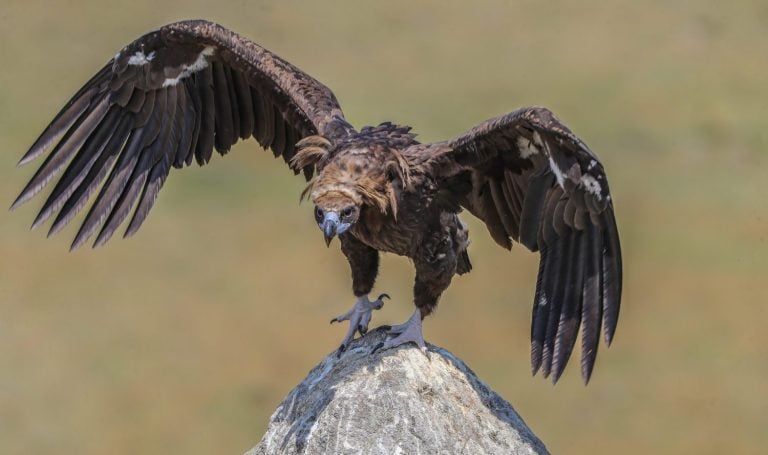
Uzbekistan has a landscape that includes mountains, deserts, and grassy plains. This country in Central Asia has a varied collection of wildlife as well. Some of its animal inhabitants include wild boars, gazelle, mountain sheep, geckos, black vultures, and bears just to name a few. Uzbekistan has around 70 species of fish, 98 mammal species, 61 reptile species, 4 species of amphibians, and 477 species of birds!

What are the most significant animals in Uzbekistan?

Some animals living in Uzbekistan are especially significant because they have a decreasing population. In some cases, if their population continues to decrease, there is a risk that the animal will become extinct. One unique animal called a snow leopard lives in rocky areas in the mountains. It has a conservation status of Vulnerable and its population is decreasing due to habitat loss and poaching activity.

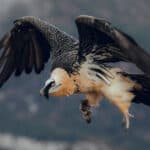
Another unique animal in Uzbekistan is the Pallas’s fish eagle. This eagle lives in the wetlands and is considered Endangered. It also has a decreasing population. Loss of habitat is the main reason for the decreasing population of this majestic bird.

Other significant wildlife in Uzbekistan that is decreasing in number includes the Goitered gazelle, the Saiga antelope, and the Kulan. The Kulan is considered Endangered with an unknown population.

The Official National Animal of Uzbekistan

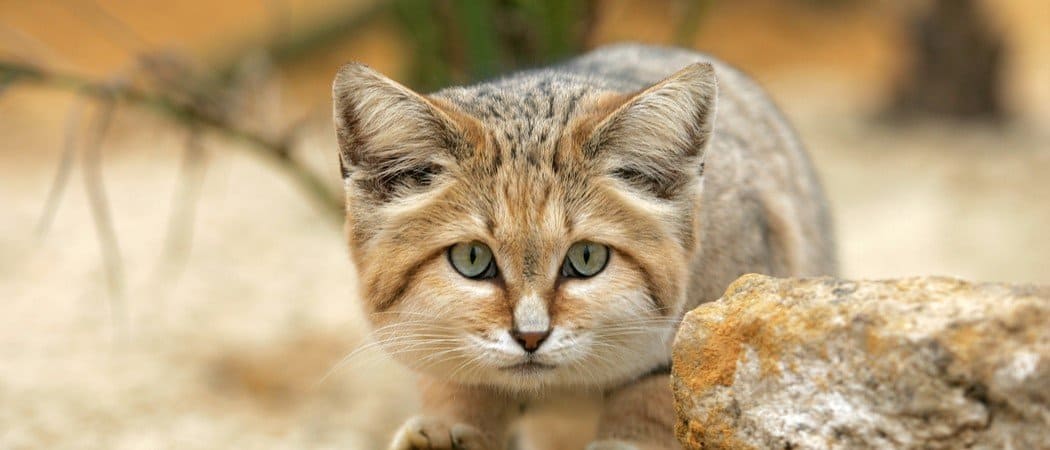
The national animal of Uzbekistan is the Turkestan sand cat. This small wild animal looks like a domesticated cat but lives in the deserts of Uzbekistan. This unique animal endures this area’s arid conditions and lack of water. It is known for its strength and ability to adapt and live in this tough environment.

The Most Dangerous Animals in Uzbekistan Today

This country has its share of both non-dangerous and dangerous animals. In short, some animals are more dangerous if they become aggressive. As a rule, most wildlife wants to avoid encounters with humans. The most dangerous animals in Uzbekistan include:

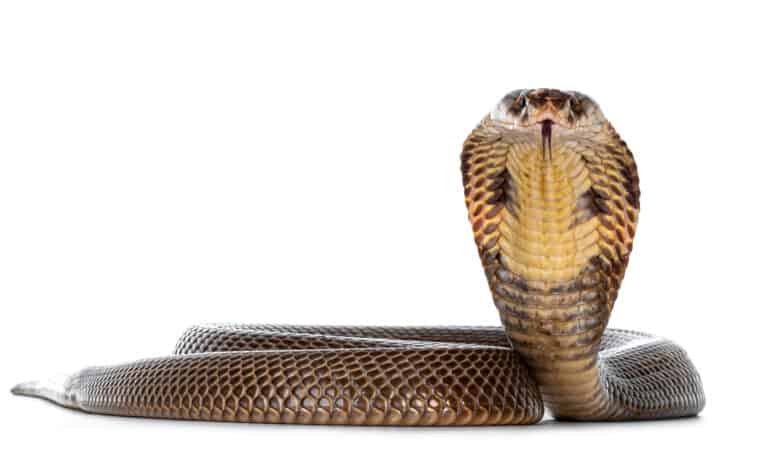
  • Central Asian Cobra – Sometimes called the Caspian cobra, this snake holds the title of the world’s most venomous cobra. They are responsible for a large portion of the reported snake bites in Central Asia. Soon after a person is bitten by this reptile, they experience painful swelling and breathing problems. If a person doesn’t receive antivenom right away, this snake’s bite can be deadly.
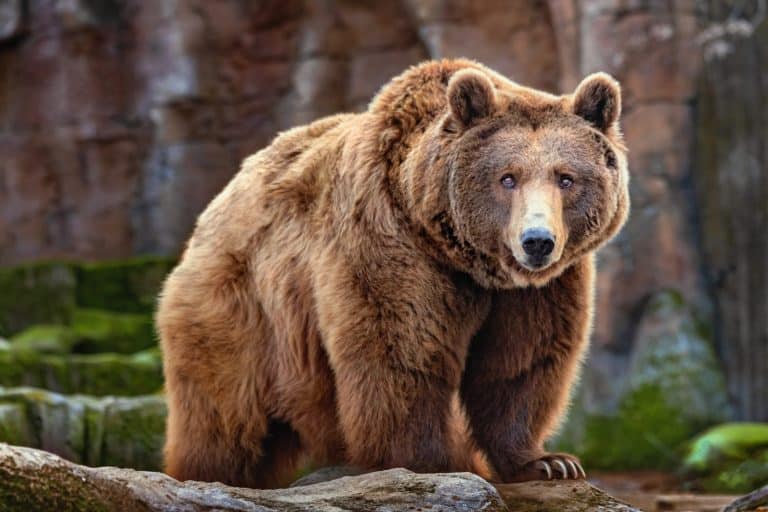
  • Himalayan Brown Bear – Male Himalayan brown bears can be seven feet long and weigh up to 300 pounds. These bears are strong and have sharp claws. They can become aggressive if a person approaches their cubs or shelter.
  • Honey Badger – These are strong mammals with sharp teeth. They are known to be fierce fighters with very few animal predators! A honey badger has the ability to seriously injure a person who is invading their territory or getting too close to their young. However, these animals prefer to hide from humans whenever they can.
  • Wild Boar – Wild boars are some of the most dangerous animals in Uzbekistan due to their sharp teeth and tusks! They can charge a human using their tusks to cause injury to a person’s lower body. Though these animals are capable of injuring a human, they try to avoid contact with them at all costs.

Where to Find the Top Wild Animals in Uzbekistan

With such a diverse collection of wildlife in Uzbekistan, it’s helpful to know where to go to observe them. Reserves and parks offer much-needed protection to wildlife in this country. Look at where to find the top wild animals in Uzbekistan.

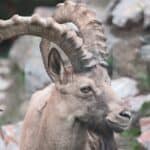
  • Siberian Ibex – These unique mammals live on steep, rocky slopes and in alpine meadows. They are just one of the animals to observe in Uzbekistan’s Zaamin National Park.
  • Blackbird – This bird with its coal-black feathers paired with a bright orange beak lives in a pine forest habitat. Many of these birds make their home in Zaamin National Park.
  • Bukhara Deer – Bukhara deer have a desert habitat and are considered Endangered. However, they receive shelter and protection in Zarafshan State Nature Reserve in Uzbekistan.
  • Western Marsh Harrier – This bird lives up to its name by making its home in marshes and other wetlands. It can be seen soaring through Zarafshan State Nature Reserve.
  • Desert Monitor – These unique desert-dwelling reptiles stay underground in their burrows during the heat of the day and come out to hunt when the temperatures turn cooler. They can be seen in the Nurata Reserve.
  • Corsac Fox – These small mammals can be found in semi-desert habitats and on steppes in Uzbekistan. The Zarafshan Nature Reserve is home to families of Corsac foxes.

Endangered Animals in Uzbekistan

This central Asian country has many animals categorized as Endangered. Animals that are Endangered are sometimes in jeopardy of becoming extinct if conservation efforts aren’t put in place. Creating shelter for these animals in wildlife reserves or national parks is one way to protect those at risk of becoming extinct. Habitat loss, poaching, and lack of food are all possible reasons for the decrease in the population of these animals. Discover some of the Endangered or Vulnerable animals in Uzbekistan.

The Flag of Uzbekistan

The flag of Uzbekistan is rich with meaning. The blue band across the top of the flag symbolizes the sky and fresh water, the white middle section represents peace and good luck, the red trim the power of life and the green band across the bottom signifies life and nature. The images of the moon and the stars symbolize the birth of a new nation and divinity.

Animals Found in Uzbekistan

125 species documented in our encyclopedia

Thank you for reading! Have some feedback for us?