
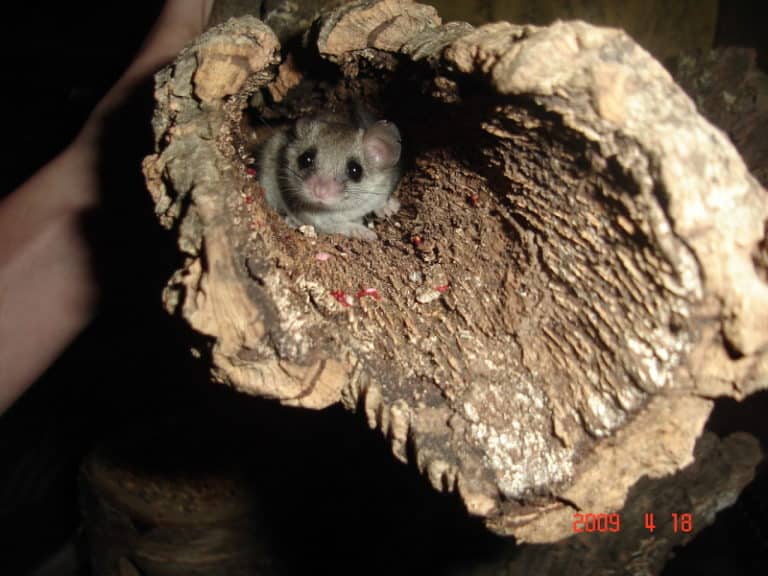
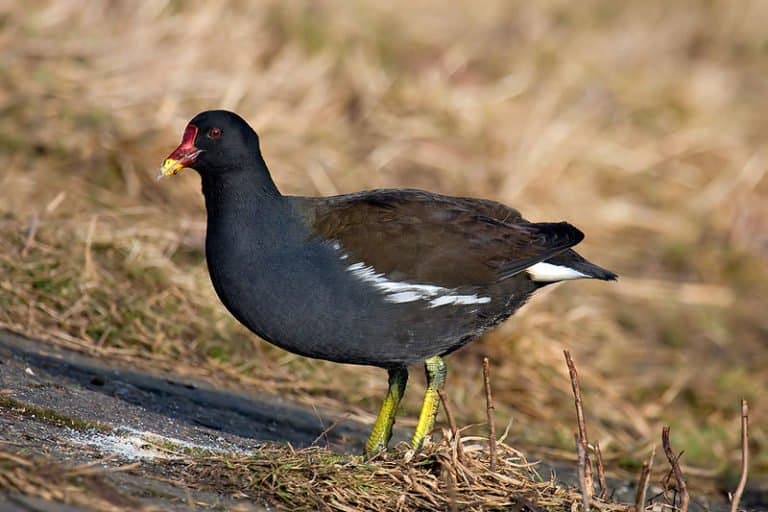
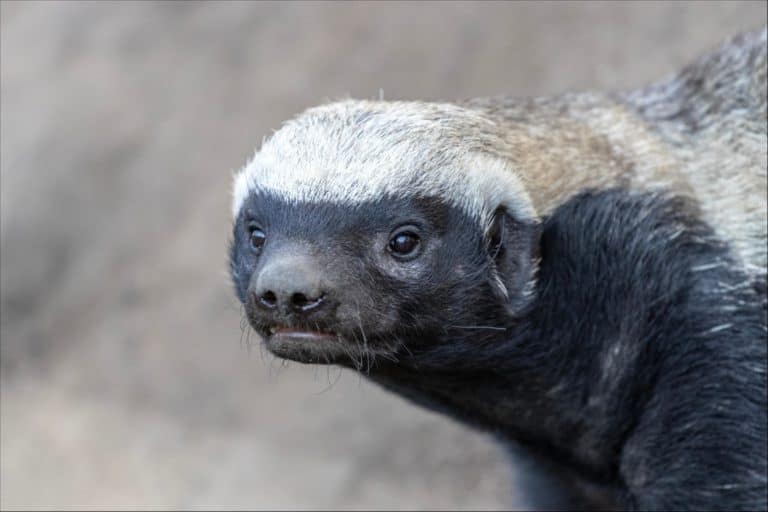
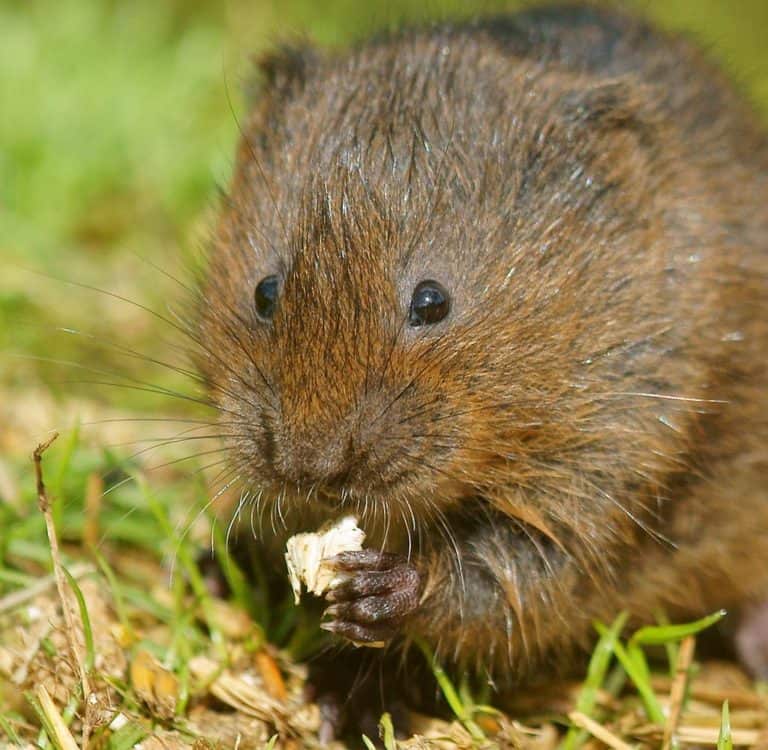

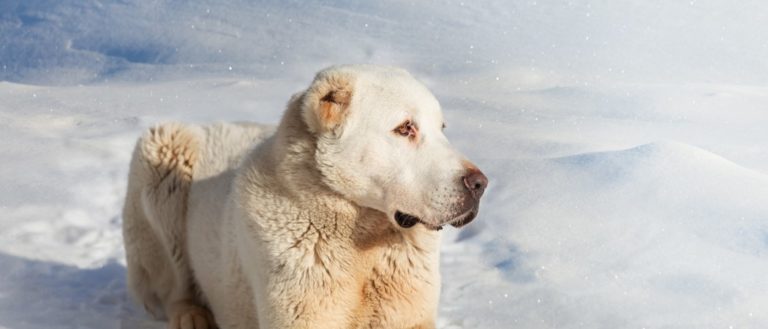

Tajikistan, a small central Asian country, is home to many unique animals. They have strange and unfamiliar names like markhor, pika, goitered gazelle, argali, urial, Menzbier’s marmot, and Buchara shrew. Would you like to learn about the wildlife of Tajikistan? Read on to discover all the different types of animals that live there.
Tajikistan is known for its rugged mountains. The wild inaccessibility of these mountains makes them highly suitable for wildlife. Tajikistan has been a final stronghold of many endangered species.
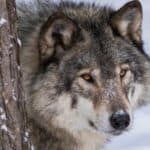
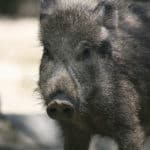
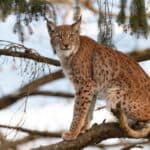
The most common mammals are the wild boar, rodents and shrews, the Indian porcupine, wolves, red fox, weasel, ermine, marten, badger, otter, Turkestan lynx, Tolai hares, Turkestan red pikas, juniper voles, Siberian roe deer, and the Tian Shan brown bear.
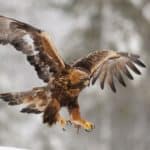
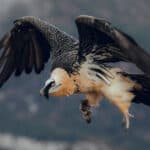
You’ll find many birds in Tajikistan that are familiar throughout the world, such as woodpeckers, finches, sparrows, and titmice. Raptors or birds of prey include small owls, eagle owls, vultures and buzzards, hawks, golden eagles, and other eagle species. You may also spot the Eurasian hawfinch, the white-winged grosbeak, the Himalayan treecreeper, the black redstart, the greenish warbler, cuckoos, nutcrackers, Stewart’s bunting, the Lammergeier, chukar partridge, Himilayan snowcock, northern goshawk, wagtail, gold oriole, shrikes, spotted flycatchers, eastern turtle doves, rock and wood pigeons, and thrush nightingales.
What about reptiles? There are two species of venomous snakes and many non-venomous snakes, including rat snakes, water snakes, and the blind worm snake. Skinks, geckos, agamas, and other lizards also live there.
The Official National Animal of Tajikistan
Would you believe that Tajikistan’s national animal no longer lives there?
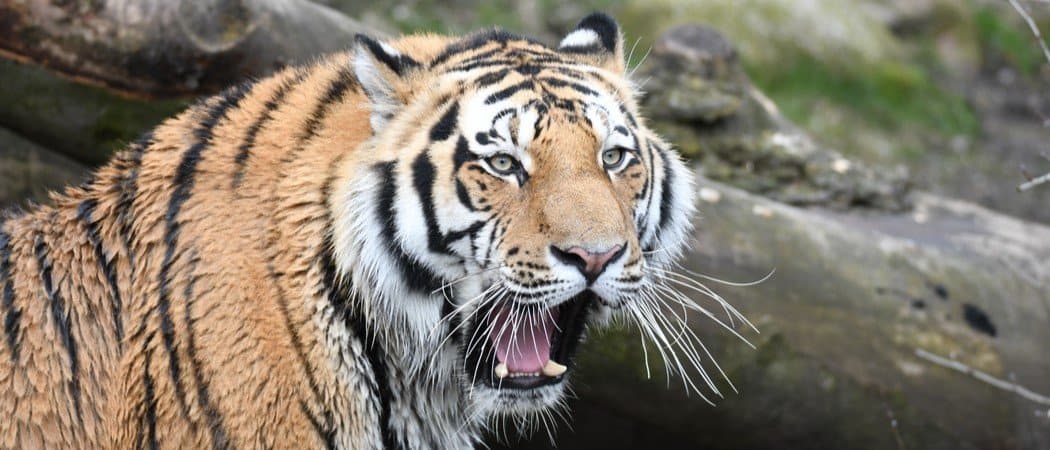
The Caspian tiger is considered Tajikistan’s national animal. What happened to it? From the late 1800s until 1947, the Caspian tiger was hunted with the intent of eradicating it – its range was wanted for farmland, and tigers were considered dangerous.
The last known Caspian tiger specimen in Tajikistan was observed in 1958, and the last in the world was killed in 1970. Today, the Caspian tiger is considered extinct. However, some DNA scientists consider the Caspian tiger to be of the same species as the Siberian or Amur tiger. Researchers hope to reintroduce tigers into the area. This would not only restore the Caspian tiger to its former range but also repair the food chain and aid in the conservation of Tajikistan’s other species.
Where To Find The Top Wild Animals in Tajikistan
Tajikistan is famous for its mountain ranges, and this habit is also ideal for wildlife viewing. The Fann Mountains, located near the nation’s capital, Dushanbe, encompass the Iskanderkul Nature Refuge. This refuge is known for bird watching.
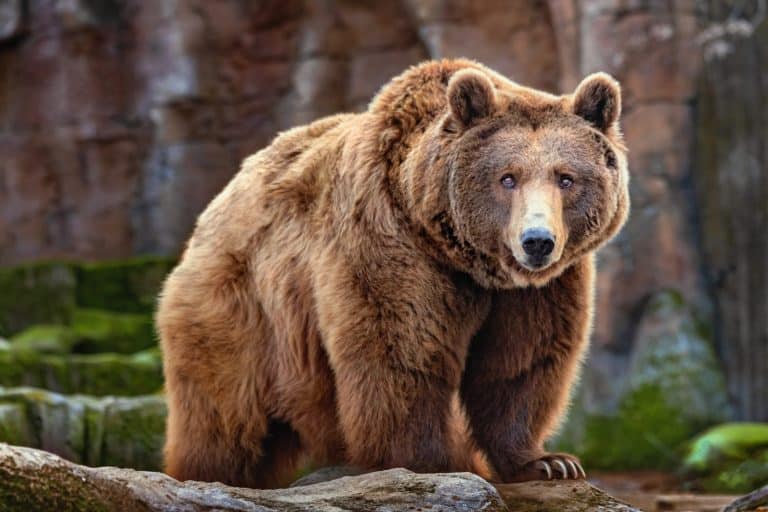
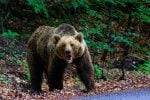
Brown bears can be found in the Darvoz region, especially in the Hazratishoh mountain range near the border of Afghanistan.
The Most Dangerous Animals In Tajikistan Today
Whenever you are viewing wildlife, you should use caution. Wild animals don’t desire to hurt you, but they will defend themselves if they feel threatened.
This is true of the animals of Tajikistan. The brown bear, for example, will often try to avoid people. But if it is cornered or if you get too close, it may use its claws or teeth to attack. Statistically, encounters with brown bears are 21 times more dangerous than black bears and 3.5 times more dangerous than polar bears.
Watch where you step, as dangerous animals may also be hiding in the rocks or underbrush. The central Asian viper and cottonmouth and two venomous snakes that live in Tajikistan.
Endangered Animals In Tajikistan
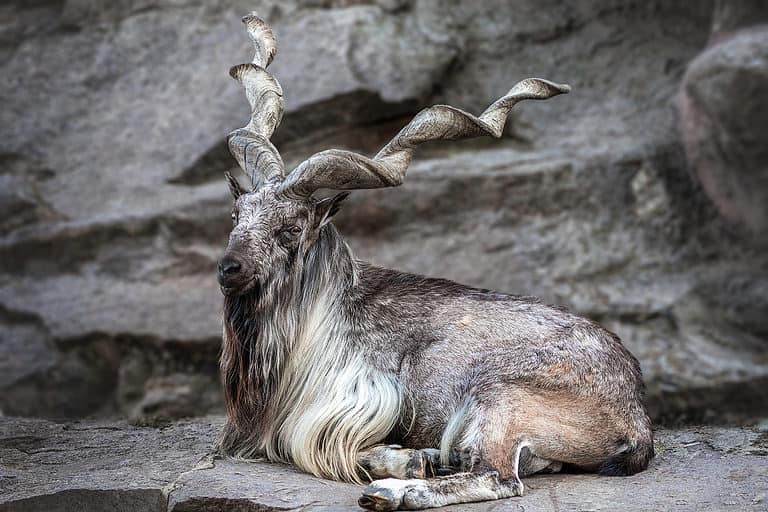
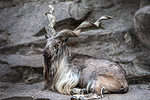
Many of Tajikistan’s animals are endangered. Several ungulates – large mammals with hooves – are endangered. This includes the Bukhara urial wild sheep and the markhor goat. Did you know? The markhor’s name means “snake eater,” because people used to think that its large, curved horns came from eating curling snakes. Only about 300 to 400 individuals of each species exist in the wild. The Siberian ibex and the snow leopard are also endangered. The common leopard is considered regionally extinct.
Flag of Tajikistan
The flag of Tajikistan features a fairly simple design to represent its complicated history. The tricolor comes in horizontal stripes of red, white, and green. The red symbolizes victory, as well as the sun, which rises consistently every day. The white stripe stands for purity and morality. The green stripe symbolizes both fertile ground and Islam. In the center of the white stripe, there is a yellow image containing seven stars in the shape of a crown. These stars each represent the seven regions of Tajikistan.