N S W E
Wildlife Expeditions

Wildlife of
Kazakhstan

Kazakhstan stands out for vast, unbroken steppe and dramatic mountain ranges where travelers can seek the iconic saiga antelope on the plains and the elusive snow leopard in the Tian Shan and Altai.
241 Species
2,699,700 km² Land Area
Overview

About Kazakhstan

Kazakhstan's wildlife identity is defined by scale: immense horizons of steppe and semi-desert that once supported great migrations, paired with rugged high mountains and glittering lakes that concentrate life in striking oases. This is one of the best places on Earth to understand Eurasia's "open-country" fauna-animals adapted to wind, extreme temperatures, and long distances-alongside rare alpine predators that persist in remote, steep terrain. For visitors, the appeal is both the species list and the atmosphere: big skies, low human density, and a sense of stepping into a classic Central Asian wildland.

Key ecosystems span the Kazakh Steppe (a globally important grassland biome), deserts and semi-deserts in the west and south, and the biodiverse mountain systems of the Tian Shan and Altai. Wetlands such as the Tengiz-Korgalzhyn lake system and the Caspian coastline provide critical breeding and stopover habitat on major migratory flyways, attracting immense congregations of waterbirds. These habitats are significant not only for their productivity but for their connectivity-linking Siberian, Central Asian, and Western Palearctic wildlife movements across seasons.

In global conservation, Kazakhstan is central to safeguarding some of the planet's most distinctive and threatened steppe species, with saiga antelope recovery efforts among the most watched wildlife stories in the region. The country also contributes to transboundary mountain conservation for snow leopards and other high-altitude species, and protects internationally important wetlands used by migratory birds. The wildlife experience is uniquely Kazakh: tracking steppe herds across open plains, scanning rocky ridgelines for mountain ungulates, and watching pelicans and other waterbirds gather in vast, quiet lake landscapes-often with few other observers.

Physical Features

Geography

Kazakhstan's wildlife distribution is strongly shaped by its enormous latitudinal span and elevation gradient: vast lowland steppes and semi-deserts dominate the center and west (supporting wide-ranging grazers like saiga), true deserts occur in the south and southwest (favoring arid-adapted reptiles, rodents, and desert ungulates), and high mountains in the east and southeast (Altai and Tian Shan) create forest and alpine habitats that act as refugia for cold-adapted and montane species such as snow leopard. Major rivers and endorheic basins (Caspian shoreline, Lake Balkhash, Aral Sea remnants) form critical wetlands and migration stopovers for waterbirds, while steppe-to-desert transitions drive large seasonal movements and patchy, climate-sensitive habitats.

2,699,700 km² Land Area
9th largest country; about 4× the size of Texas Size Rank

Key Landscapes

  • Eurasian Steppe (Kazakh Steppe/Saryarka): broad grasslands and rolling uplands central to saiga and steppe birds
  • Semi-desert and desert basins (Betpak-Dala, Muyunkum, Kyzylkum fringe): arid habitats and key saiga calving/migration areas
  • Tian Shan Mountains (southeast) and Dzungarian Alatau: steep elevation zones from foothill steppe to conifer forest and alpine meadows (snow leopard, argali, ibex)
  • Altai Mountains (east): montane forests, alpine tundra, and river headwaters supporting high biodiversity
  • Caspian Sea coastline and Caspian Lowland: coastal wetlands, saline flats, and deltaic areas important for fish and waterbirds
  • Major river systems: Irtysh, Ural, Ili, Syr Darya, Ishim, Tobol-riparian corridors and floodplains in otherwise arid/steppe landscapes
  • Large lakes and endorheic wetlands: Lake Balkhash and Ili Delta; Tengiz-Korgalzhyn lake system; Alakol-Sasykkol lakes-major breeding and migration habitat for pelicans, flamingos, and other waterbirds
  • Aral Sea basin (north Aral remnants/deltas): shrinking but still significant wetland and riparian habitat with high conservation sensitivity
  • Ustyurt Plateau and Mangystau: escarpments, desert plains, and sparse shrublands used by desert fauna and migratory corridors

Ecoregions

  • Kazakh steppe (temperate grasslands)
  • Kazakh forest steppe (transition zone in the north)
  • Central Asian northern desert (semi-desert/desert mosaics across the south and center)
  • Caspian lowland desert (saline desert and coastal lowlands near the Caspian)
  • Altai montane forest and forest steppe
  • Altai alpine meadow and tundra
  • Tien Shan montane conifer forests
  • Tian Shan alpine meadow and tundra
  • Riparian/wetland complexes of endorheic basins (Ili-Balkhash, Tengiz-Korgalzhyn, Alakol) as key ecological zones for migratory waterbirds
Parks & Reserves

Protected Areas

Kazakhstan's protected-area system is built around large, state-managed units that cover key steppe, wetland, desert, and mountain ecosystems. Core categories include State Nature Reserves (strict protection), National Parks (zoning that allows conservation plus regulated tourism), and State Nature Sanctuaries/Reserves (often targeted seasonal or species/habitat protection). Several sites also hold international recognition as UNESCO World Heritage properties, UNESCO Biosphere Reserves, and Ramsar wetlands-especially for globally important migratory bird habitat.

Protected Coverage

Approximately ~9% of Kazakhstan's land area is under formal protection (national parks, strict nature reserves, and other state protected-area categories), with ongoing efforts to expand coverage for steppe and saiga landscapes.

Notable Parks & Reserves

Korgalzhyn State Nature Reserve

State Nature Reserve; UNESCO World Heritage (part of "Saryarka - Steppe and Lakes of Northern Kazakhstan"); Ramsar Wetland

One of Eurasia's most important steppe-wetland complexes, famous for huge concentrations of breeding and migratory waterbirds (including flamingos) on the Tengiz-Korgalzhyn lake system. It is a flagship area for steppe and wetland conservation on the Central Asian flyways.

Greater flamingo
Dalmatian pelican
Whooper swan
White-tailed eagle
White-tailed eagle
Steppe eagle
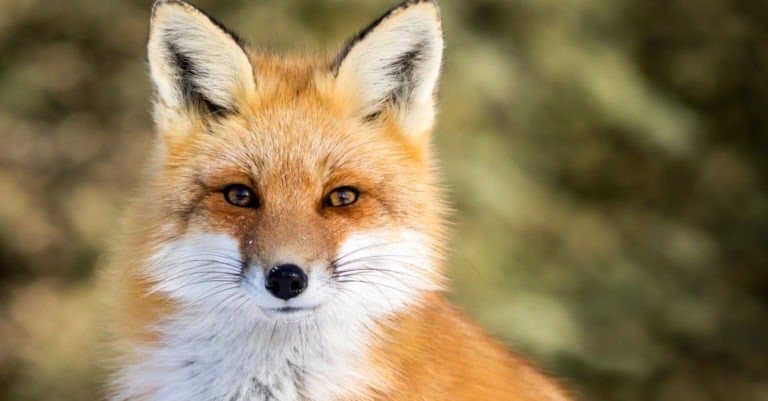
Red fox
Red fox

Naurzum State Nature Reserve

State Nature Reserve; UNESCO World Heritage (part of "Saryarka - Steppe and Lakes of Northern Kazakhstan"); Ramsar Wetland (Naurzum lake system)

A globally significant mix of steppe, lakes, and rare pine/birch forests that supports mass bird migrations and breeding colonies, plus intact steppe biodiversity. Together with Korgalzhyn it represents the best-protected examples of Northern Kazakhstan's steppe-and-lake ecosystems.

Saiga antelope
Saiga antelope
Steppe eagle
White-tailed eagle
White-tailed eagle
Demoiselle crane
Dalmatian pelican
Corsac fox

Aksu-Zhabagly State Nature Reserve

State Nature Reserve; UNESCO World Heritage (part of "Western Tien-Shan"); UNESCO Biosphere Reserve

The oldest nature reserve in Central Asia, protecting exceptionally biodiverse Western Tian Shan mountain habitats from foothills to alpine zones. It is renowned for wild tulips, rich birdlife, and as prime habitat for rare mountain carnivores.

Altyn-Emel National Park

National Park

A premier wildlife-viewing park in the Ili River valley's desert-steppe landscapes, known for reintroduced and free-ranging wild equids and gazelles. Its mosaic of dunes, riparian areas, and rugged hills supports high desert biodiversity.

Ile-Alatau National Park (Trans-Ili Alatau)

National Park

A high-mountain protected area bordering Almaty, spanning spruce forests, alpine meadows, and glaciers-excellent for conserving Tian Shan mountain fauna. It is an important stronghold and corridor habitat for elusive big cats and mountain ungulates.

Ustyurt State Nature Reserve

State Nature Reserve

Protects dramatic desert plateaus and escarpments on the Ustyurt, a key landscape for desert-adapted mammals and migratory corridors. It is especially important for saiga movements and conserving intact desert ecosystems.

Katon-Karagay National Park

National Park

Kazakhstan's largest national park, safeguarding Altai mountain ecosystems-taiga forests, alpine zones, and river valleys-with high large-mammal diversity. It is a critical area for wide-ranging carnivores and raptors in the Altai region.

Alakol State Nature Reserve

State Nature Reserve; Ramsar Wetland (Alakol-Sasykkol lake system)

A major lake and island complex important for breeding and staging waterbirds on migration routes between Siberia and Central/South Asia. It is especially noted for rare gulls and large congregations of pelicans and other waterfowl.

Relict gull
Dalmatian pelican
Great cormorant
Whooper swan
Great crested grebe
Steppe eagle

UNESCO World Heritage Sites

  • Saryarka - Steppe and Lakes of Northern Kazakhstan (natural)
  • Western Tien-Shan (natural, transboundary with Kyrgyzstan and Uzbekistan)
Animals

Wildlife

Kazakhstan's wildlife is defined by vast open steppe and semi-desert (home to large migratory ungulates and raptors), big desert basins around the Caspian and Aral regions, and high-mountain ecosystems in the Tian Shan and Altai where alpine specialists (ibex, argali, snow leopard) persist. Wetlands such as the Tengiz-Korgalzhyn lake system and Alakol-Balkhash basins add major waterbird diversity, making the country one of Central Asia's standout destinations for both steppe megafauna and migratory birds.

~180 species Mammals
~500 species Birds
~50 species Reptiles
~12 species Amphibians

Iconic Species

Saiga Antelope
Saiga Antelope Kazakhstan is the global stronghold for saiga, with the largest remaining wild populations on the Betpak-Dala, Ural, and Ustyurt ranges. Best associated with wide steppe and semi-desert landscapes where large seasonal movements occur.
Snow Leopard
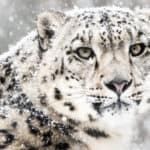
Snow Leopard A flagship predator of Kazakhstan's high mountains, especially in the Tian Shan and Altai. Rare and elusive, but a defining species for mountain conservation and camera-trap monitoring in protected areas.
Argali (Mountain Sheep) Kazakhstan supports important populations of argali across the Altai, Tian Shan, and arid uplands; this is one of the most iconic large mammals for remote mountain and steppe-edge landscapes.
Siberian Ibex
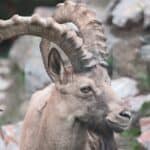
Siberian Ibex Commonly associated with rugged cliffs and alpine slopes of the Tian Shan and Altai, and a key prey species underpinning mountain predator communities (including snow leopard).
Pallas's Cat (Manul) A steppe and semi-desert specialist strongly associated with Central Asian grasslands; Kazakhstan is one of the better countries in its range to search for this elusive small cat in open habitats.
Goitered Gazelle A characteristic antelope of Kazakhstan's deserts and semi-deserts (including western and southern regions), representing the country's arid-zone wildlife experience.
Przewalski's Horse A global conservation icon of the Eurasian steppe; reintroduction and restoration efforts in Central Asia make Kazakhstan an important landscape for future steppe-wild horse recovery (where established).
Dalmatian Pelican A headline wetland species in Kazakhstan, with key breeding/stopover areas in major lake systems such as Alakol and Balkhash; often sought by birders for close views at wetlands and reedbeds.
Greater Flamingo The Tengiz-Korgalzhyn lake system is famous for large flamingo concentrations and represents one of the world's most striking steppe-wetland spectacles.
Saker Falcon A signature raptor of the open steppe and semi-desert; Kazakhstan is an important part of the species' breeding range and is central to its conservation in Eurasia.

Endemic Species

Selevinia (Kazakh Desert Dormouse) A small, little-known rodent endemic to Kazakhstan, strongly associated with the Betpak-Dala region; notable as one of the country's few true endemics among mammals. Endemic
Semirechensk Salamander A rare, near-endemic amphibian of the Dzungarian Alatau and adjacent areas (Kazakhstan-China), tied to cold mountain streams; of high conservation interest due to its limited range. Endemic
Menzbier's Marmot A near-endemic marmot of the Western Tian Shan (shared mainly with neighboring Central Asian countries), notable for its restricted distribution and vulnerability to habitat change. Endemic
Balkhash Perch A fish endemic to the Balkhash-Alakol basin, representing Kazakhstan's distinctive inland-water biodiversity in a landlocked setting. Endemic

Notable Populations

  • Kazakhstan holds the world's largest remaining wild populations of Saiga Antelope (Saiga tatarica), making it the key country for the species' global survival.
  • The Tengiz-Korgalzhyn wetlands support the northernmost major breeding area for Greater Flamingos (Phoenicopterus roseus) and host very large seasonal congregations of waterbirds.
  • Kazakhstan is a major breeding stronghold in Eurasia for steppe raptors, including globally important populations of Steppe Eagle (Aquila nipalensis) and Saker Falcon (Falco cherrug).
  • Large lake systems (notably Alakol and Balkhash) are globally significant for migratory and breeding waterbirds, including Dalmatian Pelican (Pelecanus crispus) and other colonial species.
  • The Tian Shan and Altai mountains form an important northern arc of Snow Leopard (Panthera uncia) range, with Kazakhstan contributing key habitat connectivity for high-mountain carnivores.
Protection

Conservation

Primary Threats

  • Conversion and degradation of steppe and semi-desert habitats from land-use change, including expansion and intensification of cropland in northern steppes, localized rangeland degradation near settlements and wells, and loss of wetland habitat around key lakes and deltas due to altered inflows and shoreline development.
  • Rising temperatures and increasing aridity drive more frequent droughts and steppe fires, shift pasture productivity, and increase extreme events (e.g., harsh winters/icing) that can cause mass mortality in ungulates. Glacier retreat in the Tian Shan and Altai reduces long-term water security for river-fed wetlands (including the Ili-Balkhash system) and increases pressure on aquatic ecosystems.
  • Industrial and mining legacy pollution and ongoing emissions affect soils and water in some regions (e.g., heavy metals near mining/smelting areas). Agricultural runoff and untreated wastewater can degrade water quality in river basins and lakes important for migratory waterbirds (e.g., eutrophication and contaminant loads in wetland complexes).
  • Wildlife disease is a periodic but severe risk, exemplified by saiga mass mortality events linked to bacterial infection under particular climatic conditions; disease surveillance, veterinary capacity, and carcass management are critical where large, dense herds occur.
  • Poaching remains a key threat for saiga (horns), as well as for other steppe and desert species, particularly in remote areas where enforcement coverage is difficult. Illegal take can surge when economic conditions worsen or when access improves via roads.
  • Illegal trade in saiga horns for traditional medicine markets is the most prominent, driving targeted poaching. There is also pressure from trafficking of raptors and other wildlife products moving through Central Asian routes, requiring coordinated border and customs controls.
  • In inland waters (e.g., parts of the Caspian basin and major lakes/rivers), illegal, unreported, and unregulated fishing and bycatch pressures can affect native fish communities and species that depend on them; enforcement challenges are higher in large, hard-to-monitor water bodies.
  • Disturbance from vehicles, off-road travel, and expanding recreation near lakes and mountain valleys can disrupt breeding colonies (pelicans, other waterbirds) and displace sensitive mountain species. Disturbance is also linked to increased access for poaching in steppe landscapes.
  • Snow leopards and wolves can depredate livestock in mountain and steppe-edge areas, leading to retaliatory killing and reduced tolerance. Conflict hotspots often coincide with winter pastures and migration bottlenecks where wild prey is reduced.
  • High demand for water in agriculture and industry strains river systems feeding key wetlands (notably in arid and semi-arid basins). Overgrazing in localized areas around settlements and water points can reduce plant cover and increase erosion, affecting steppe biodiversity.
  • Linear infrastructure (roads, railways, fences, pipelines, powerlines) fragments wide-ranging habitats and can block migration routes for saiga and other ungulates. Poorly designed fencing and insufficient wildlife crossings create bottlenecks and mortality risks, especially across the Ustyurt and Betpak-Dala landscapes.
  • Hydrological alteration from reservoirs, irrigation schemes, and river regulation affects delta and lake systems, changing seasonal flooding patterns needed for reedbeds and fish nurseries. Fire regime changes (suppression in some areas, increased ignitions in others) also modify steppe structure and bird habitat.
  • Expansion or reactivation of large-scale grain production in northern Kazakhstan can reduce native steppe remnants and increase pesticide/rodenticide exposure risk for steppe fauna and raptors, while simplifying landscapes that formerly supported diverse grassland bird assemblages.
  • While population density is low across much of the steppe, growth around major cities (e.g., Almaty, Astana region) increases pressure on nearby foothill and wetland habitats through land development, water demand, and recreational use.
  • Commercial logging is not the dominant national driver compared with steppe and desert pressures, but localized forest extraction and fuelwood collection can affect riparian forests and mountain woodlands (including habitat quality for mountain fauna and erosion control in steep catchments).
  • Large-scale oil, gas, and mineral extraction (including associated roads, seismic surveys, and worker settlements) causes habitat loss and fragmentation in steppe/desert regions and can introduce pollution risks. Development in the Caspian and arid interior increases disturbance in otherwise low-impact landscapes.
Visit

Wildlife Tourism

Kazakhstan's wildlife tourism is a growing niche built around vast, lightly populated landscapes-steppe, semi-desert, deserts, and high mountains (Tian Shan and Altai)-that still support globally significant species such as saiga antelope, snow leopard, argali, lynx, Pallas's cat, and large congregations of waterbirds (including Dalmatian pelican and flamingos). Economically, wildlife travel complements the country's mainstream cultural and adventure tourism (Silk Road heritage, trekking, skiing) by extending seasons (spring bird migrations; autumn rut) and drawing high-value specialty markets (birders, photographers, conservation-minded travelers). Historically, much of Kazakhstan's wildlife story is shaped by Soviet-era protected areas and research stations, followed by post-independence conservation efforts (notably for saiga and steppe ecosystems). Accessibility is generally good via Almaty and Astana with domestic flights/roads to key regions, but many top wildlife areas are remote-expect long drives on rough tracks and plan with experienced local guides, permits, and weather buffers. The payoff is big: very low crowding, huge horizons, and rare species experiences that feel truly wild.

Top Wildlife Experiences

  • Join a responsible saiga antelope tracking expedition on the steppe (multi-day 4x4 journey, long-distance viewing with scopes, sunrise/sunset stakeouts, and a conservation briefing with local rangers).
  • Photograph Dalmatian pelicans and other colonial waterbirds from shore hides or discreet shoreline positions at key lakes (early morning for flight lines and feeding behavior).
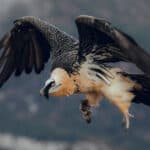
  • Do a high-altitude wildlife hike in the Tian Shan to look for Siberian ibex, marmots, lammergeiers (bearded vultures), and fresh snow leopard sign (scrapes, tracks) with a specialist naturalist.
  • Take a multi-day Altai foothills and mountain valleys wildlife road-trip focused on raptors and mammals-golden eagles, upland buzzards, steppe eagles (seasonal), plus chances of elk/maral deer in forest-steppe mosaics.
  • Camp on the steppe for a night-sky + wildlife combo: evening listening sessions for wolves/jackals, dawn scanning for saiga, and daytime searches for steppe birds (larks, sandgrouse) with a spotting scope.
  • Plan a wetland migration day: rotate between several lakes in one region to catch changing light and bird movements-flamingos (where present), pelicans, cranes, and dense flocks of geese/ducks in spring or autumn.
  • Track and photograph Pallas's cat habitat (semi-desert/steppe edges): slow driving and patient glassing in low light, focusing on rocky outcrops and burrow-rich areas where sightings are possible with skilled spotters.
  • Join a winter predator-tracking safari on snow (on foot and by vehicle): reading tracks, setting up discreet observation points, and learning local ecology of wolf, red fox, and steppe scavengers.
  • Combine wildlife with cultural practice by visiting a golden eagle falconry demonstration in a region where it's traditionally practiced, paired with wild raptor watching in suitable habitat (best as an add-on day).

Safari Types Available

  • 4x4 wildlife safaris / game-drive style steppe expeditions (long-distance scanning, mobile hides, remote camps).
  • Walking safaris / guided wildlife hikes (mountain trails, steppe edges; focus on tracks, behavior, and photography).
  • Birding safaris (wetlands and steppe, with telescopes; spring and autumn migrations are key).
  • Photography-focused safaris (dawn/dusk schedules, hide sessions where appropriate, vehicle-based blinds).
  • Winter tracking safaris (snow tracking for predators and elusive cats; requires cold-weather logistics).
  • Camping-based expeditions (multi-day remote travel with tented camps to reach low-traffic wildlife areas).
  • Lake/shoreline wildlife excursions (mostly shore-based birding; occasional small-boat use may be possible where permitted and conditions allow).
  • Conservation-and-community-linked trips (ranger-led outings, saiga-focused programs, citizen-science style bird counts on select dates).
Fun Facts

Did You Know?

Flamingos breed on a salty steppe lake, not a tropical lagoon: at Lake Tengiz, flamingos nest on shallow, often saline wetlands surrounded by open steppe-then abandon the area entirely when the lakes freeze solid in winter.

Kazakhstan has an "ice-seal" on an inland sea: the Caspian seal (the only marine mammal of the Caspian Sea) uses the North Caspian-partly in Kazakhstan-for winter breeding on sea ice, an unusual lifestyle for a seal in a landlocked basin.

The saiga's cartoonish nose is high-tech: its oversized, flexible snout helps warm frigid air in winter and filter dust in summer-an adaptation for Kazakhstan's extreme steppe climate and windblown landscapes.

One of the fastest wildlife catastrophes ever recorded happened here: in May 2015, a sudden saiga mass die-off in central Kazakhstan killed over 200,000 animals in a matter of weeks, later linked to a bacterial infection (Pasteurella) triggered by unusual warm, humid conditions.

You can have snow leopards within reach of a major city: Kazakhstan's snow leopards live in the Tian Shan ranges, and they've been camera-trapped in areas near Almaty (e.g., Ile-Alatau National Park)-a rare example of a big cat surviving on the doorstep of a metropolis.

Northernmost flamingo nursery: the Tengiz-Korgalzhyn lake system (Korgalzhyn State Nature Reserve, a core part of UNESCO's "Saryarka") hosts the world's northernmost regularly breeding colony of Greater Flamingos-birds nesting at ~50°N, near winters that can drop below −30°C.

Global stronghold for a bizarre-looking antelope: Kazakhstan holds the world's largest remaining wild populations of the saiga antelope (Saiga tatarica). A national aerial survey in 2023 reported roughly ~1.9 million saigas-by far the biggest national total for the species.

A worldwide migration choke point: Chokpak Pass in the western Tian Shan is one of Eurasia's best-known bird-migration bottlenecks, where huge numbers of raptors and passerines funnel through a single mountain pass; it has been a major scientific bird-ringing site for decades (since the Soviet era).

Main breeding grounds of a Critically Endangered steppe bird: the Sociable Lapwing's global breeding population is concentrated on Kazakhstan's steppe-making the country the species' most important breeding-range stronghold.

One of the key breeding sites for a rare gull: the Alakol Lake system in eastern Kazakhstan supports one of the world's largest breeding colonies of the Relict Gull (a rare, range-restricted species of Central Asian lakes).

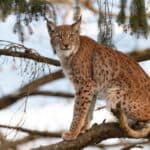
Kazakhstan is a large landlocked country in Central Asia. It shares borders with Russia, China, Kyrgyzstan, Uzbekistan, Turkmenistan, and the Caspian Sea. It doesn’t share a direct border with Mongolia, but it’s very close. The climate of Kazakhstan is considered extreme continental with very cold winters and hot summers. It’s also a generally arid land with most places varying between semi-arid and arid. Some common animals in Kazakhstan include the Corsac fox, the Eurasian lynx, Pallas cat, snow leopard, and Saiga antelope.

Official National Animal
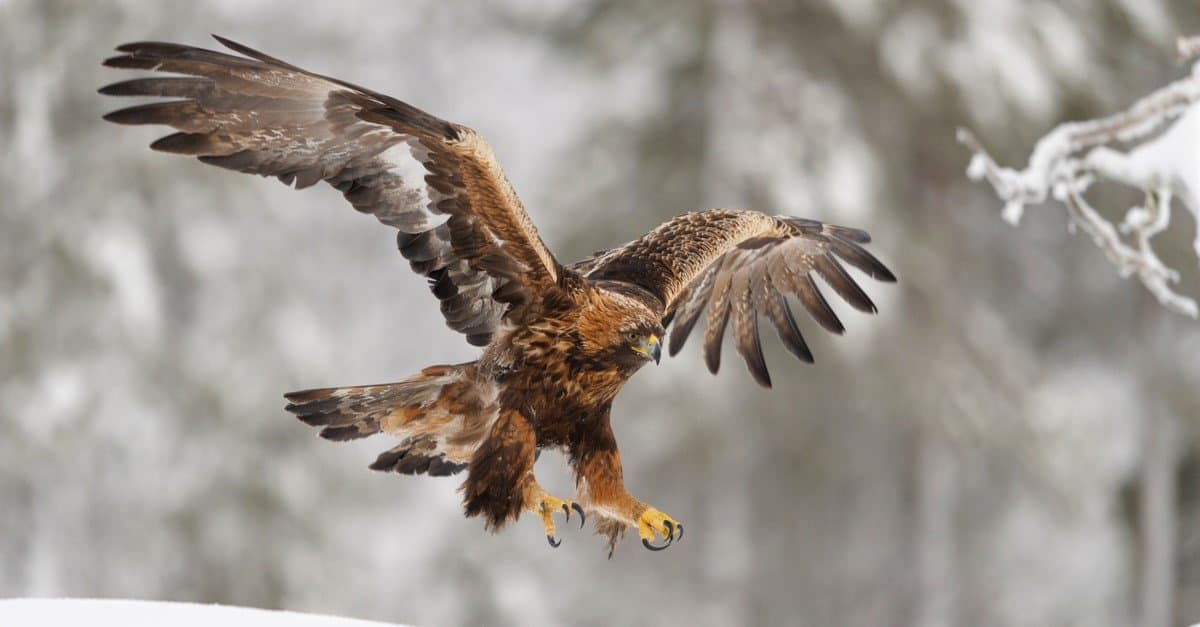
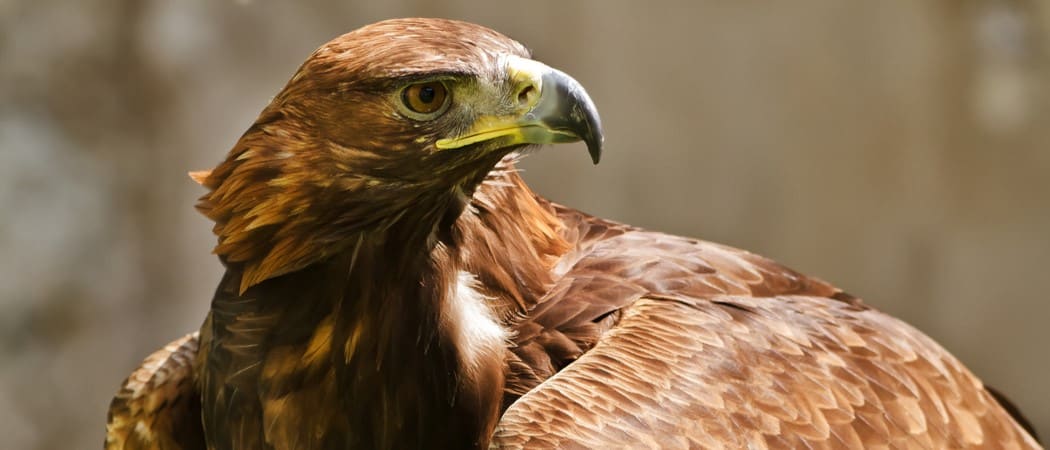
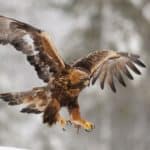
The official national animal of Kazakhstan is the golden eagle, which is also known by its scientific name of Aquila chrysaetos. The golden eagle is one of the largest raptors in the world. The average weight of female eagles is 11 pounds, and male eagles weigh just under 8 pounds. These eagles can live as long as 30 years in the wild. They live throughout Kazakhstan in deserts, tundra areas, and forests.

Where To Find The Top Wild Animals
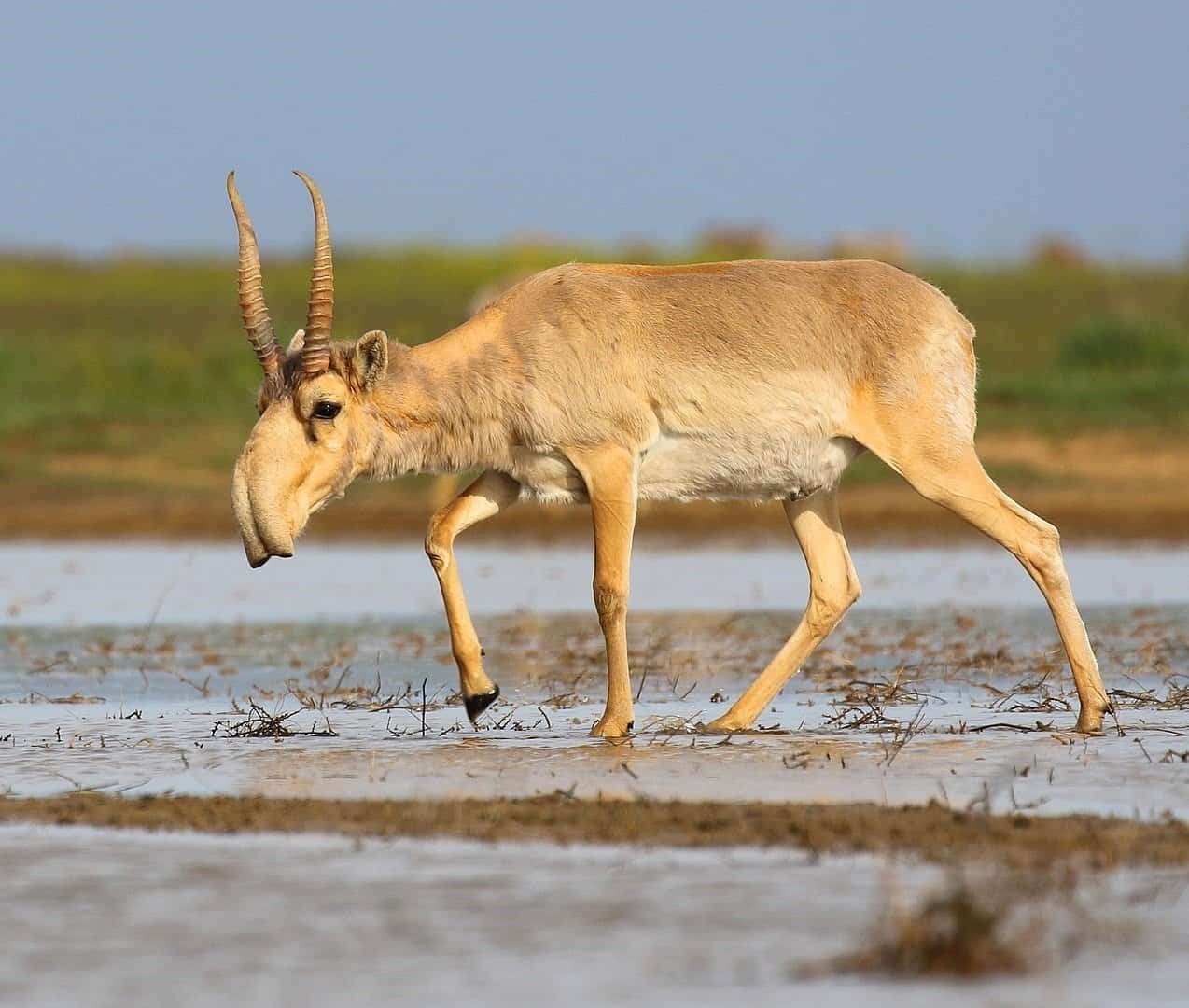
Kazakhstan is home to a wide variety of animals. Part of Kazakhstan is in Europe and another part is in Asia. The terrain is largely treeless with abundant desert and steppe, although it borders the Caspian Sea. Different animals live in different terrain. For example, snow leopards and Eurasian lynxes live in the mountains and taiga forests. Foxes and the Saiga antelope are found in the steppes. The golden eagle lives in forests as well as the steppes and open grassland.

  • Saiga antelope – the Saiga antelope is a famously endangered and unique animal that lives in Kazakhstan. It used to have a wide range, but now can be found only in a few areas of central Asia.
  • Snow leopard – these large cats live mainly in the Kazakh mountain ranges and are considered vulnerable in terms of their numbers.
  • Golden eagle – Golden eagles can be found all over Kazakhstan from the mountains to the steppes, forests, and grasslands.
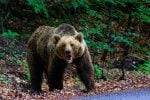
  • Eurasian brown bear – the Eurasian brown bear is found near the Ural Mountains and is more common to the east of this range. However, there are rare populations on the Kazakh side of the mountains.
  • Kazakhstan has ten national parks and ten nature reserves to protect the many rare, unique, and endangered species of wildlife.
  • There is also the Almaty Zoo, which is the oldest zoo in the Republic of Kazakhstan, having opened in 1937. It houses a collection of 372 species of animals.
  • Since 1979, there is also the Shymkent Zoo, which is engaged not only in the maintenance and acquisition of the collection of animals, but also in the breeding and conservation of rare animals.

Most Dangerous
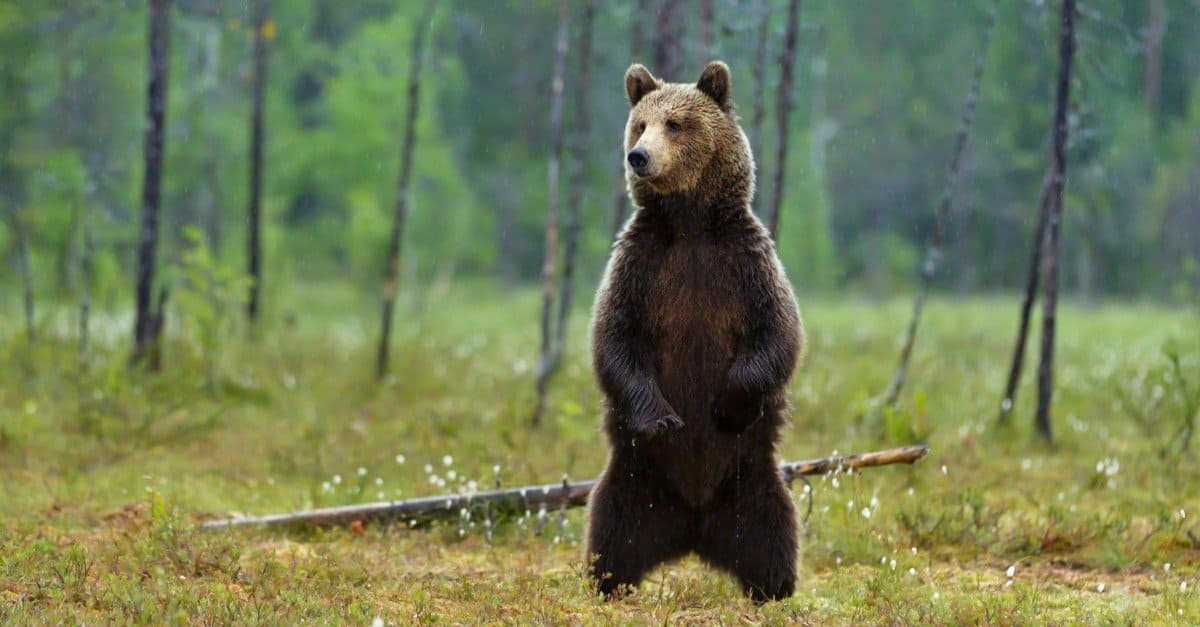
Kazakhstan is home to some large carnivores, including bears, snow leopards, and lynxes. However, these animals don’t go into human settlements most of the time. It’s unlikely that the average person will encounter a dangerous situation in the wild either. Poisonous spiders like the black widow can be found in Kazakhstan as well as scorpions and some venomous snakes like vipers, gyurza and shitomornik. Snakes and spiders are more likely to be found in human areas. Desert monitors also live in Kazakhstan. They are usually shy around humans, but they have the potential to be dangerous if provoked.

Endangered
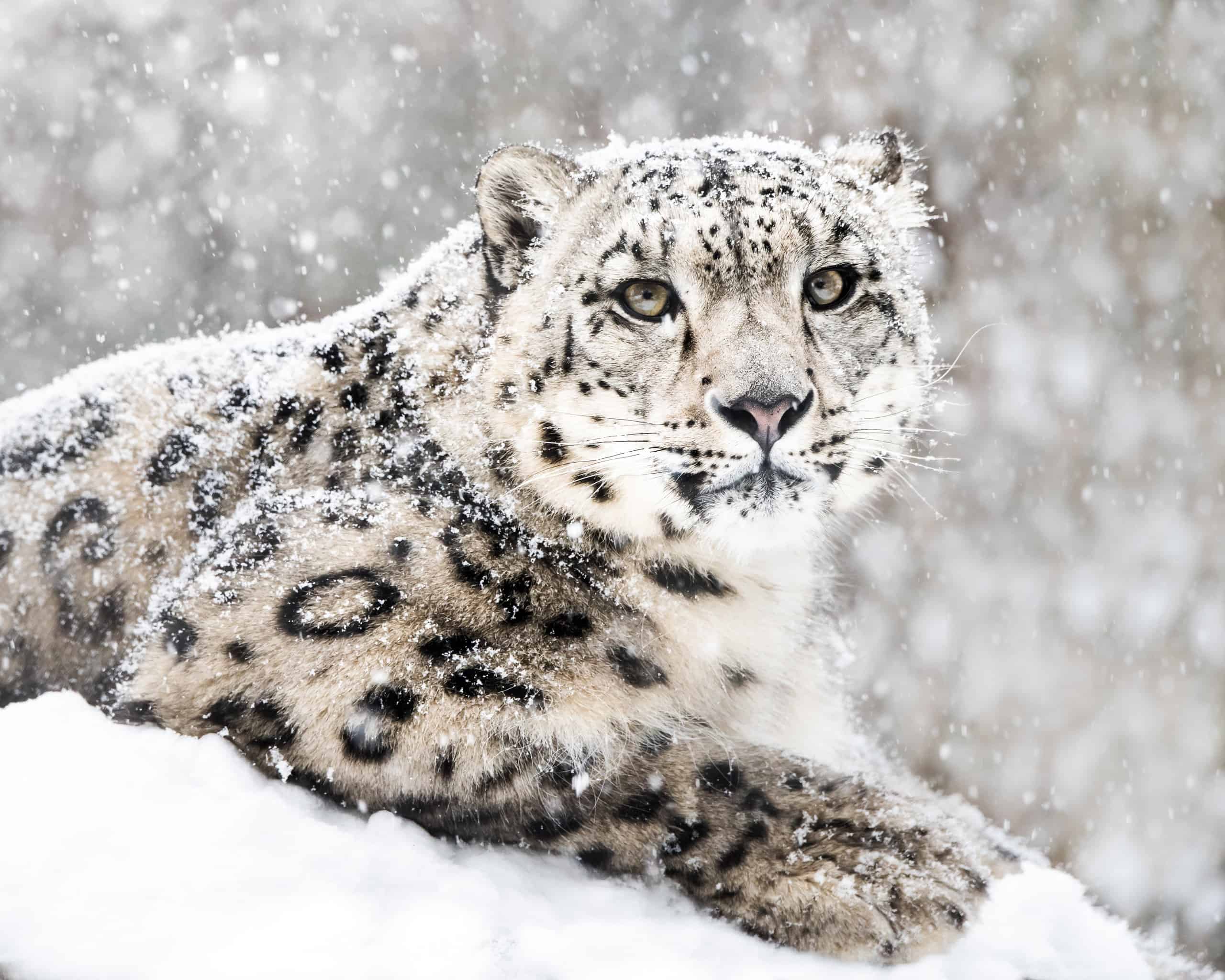
There are several endangered animals in Kazakhstan that have lost numbers due to hunting and destruction of habitat. The ship sturgeon is the only extinct species to come from Kazakhstan so far.

Several species are also considered vulnerable, including the following:

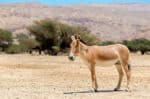
  • Asiatic wild ass – a type of donkey that may have become extinct in Kazakhstan.
  • Dhole – also called the Asiatic Wild Dog, tien Shan Dholes once roamed half the world but today are down to fewer than 2,500 adults
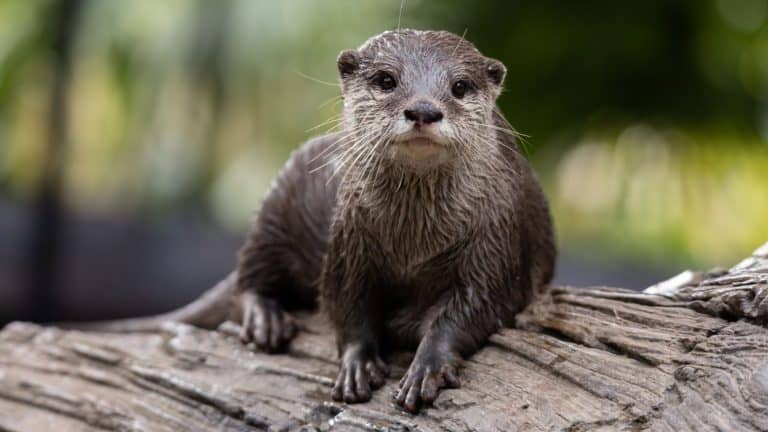
  • Eurasian otter – a large mammal, generally solitary but territorial with a range all over Eurasian
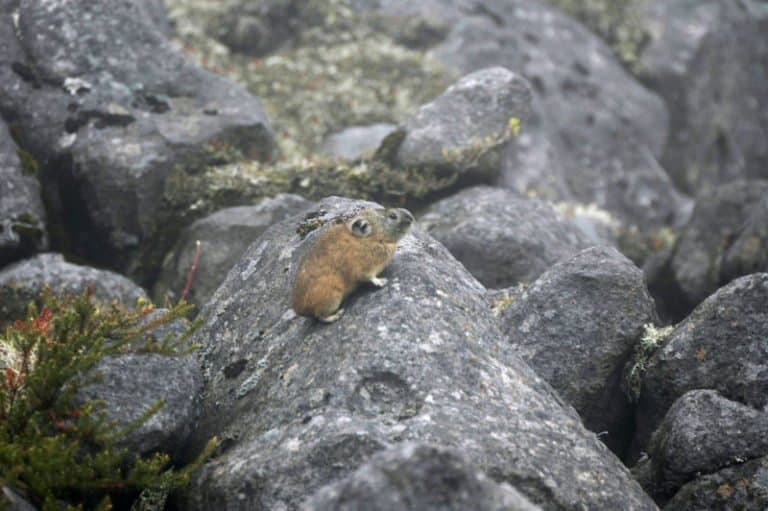
  • Steppe pika – small, short-legged, egg-shaped mammal that lives in burrows.
  • Argali – the largest living wild sheep that roams the highlands of western East Asia
  • Pond bat – a long-distance migrant and member of the vesper (evening) bat family

Rarest
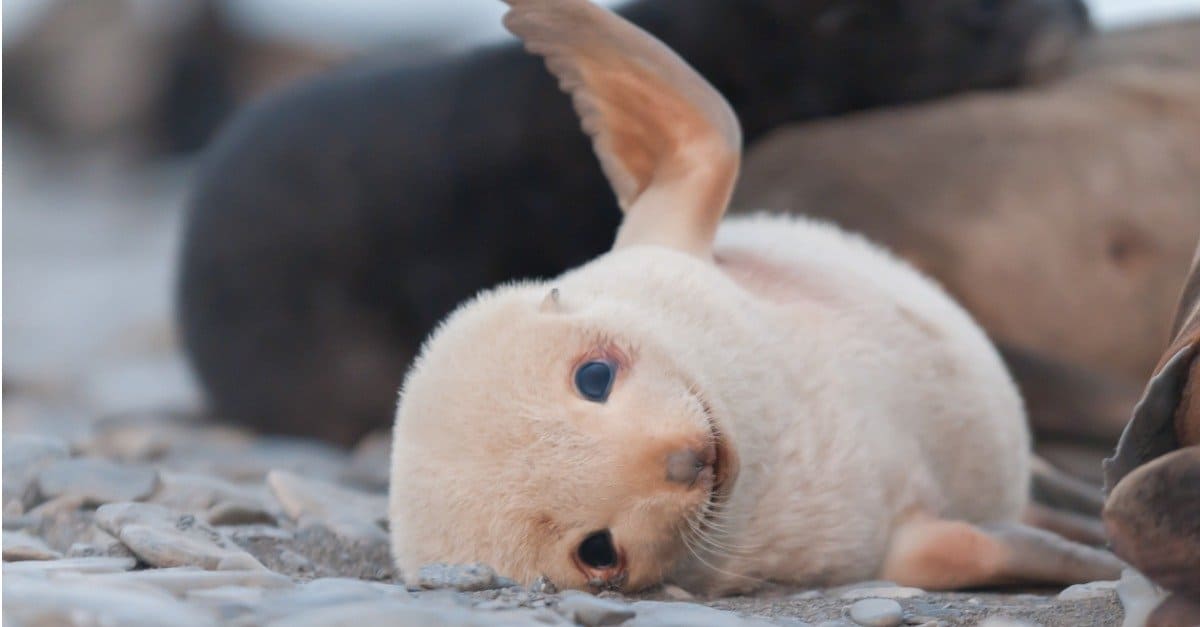
The Caspian seal is the only marine mammal found in the Caspian Sea, which borders Kazakhstan, and it is found no where else. It is one of the smallest members of the earless seal family. Many human actions and ecological changes have reduced its population by about 90%, so urgent conservation measures are needed. The Caspian Seal is a key component of the Caspian ecosystem and is considered an indicator of the health of the sea.

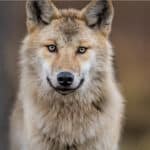
In addition, there are several other different species of rare wildlife in Kazakhstan, including the long-needle hedgehog, Iranian cheetah, Eurasian lynx, desert cat, slim-goitered gazelles, sand grouse, Przewalski’s horse, Caspain Sea wolf (also called the steppe wolf) and the Siberian ibex.

Flag

The flag of Kazakhstan has a sky blue field and the sun’s image taking up the center position with a steppe eagle soaring beneath it. Along the flagstaff is a vertical band that features the national ornamental patterns.

Animals Found in Kazakhstan

241 species documented in our encyclopedia

Thank you for reading! Have some feedback for us?