


G
Species Profile

German Shepherd Mix

Canis lupus familiaris

Big brain, big heart, big zoomies
GoodFocused/Shutterstock.com

German Shepherd Mix Distribution

Click a location to explore more animals from that region

Origin Location

This map shows the native origin of the German Shepherd Mix. As a domesticated species, they are now found worldwide.

Loading map...

Found in 1 country

Size Comparison

Human 5'8"
German Shepherd Mix 1 ft 11 in

German Shepherd Mix stands at 34% of average human height.

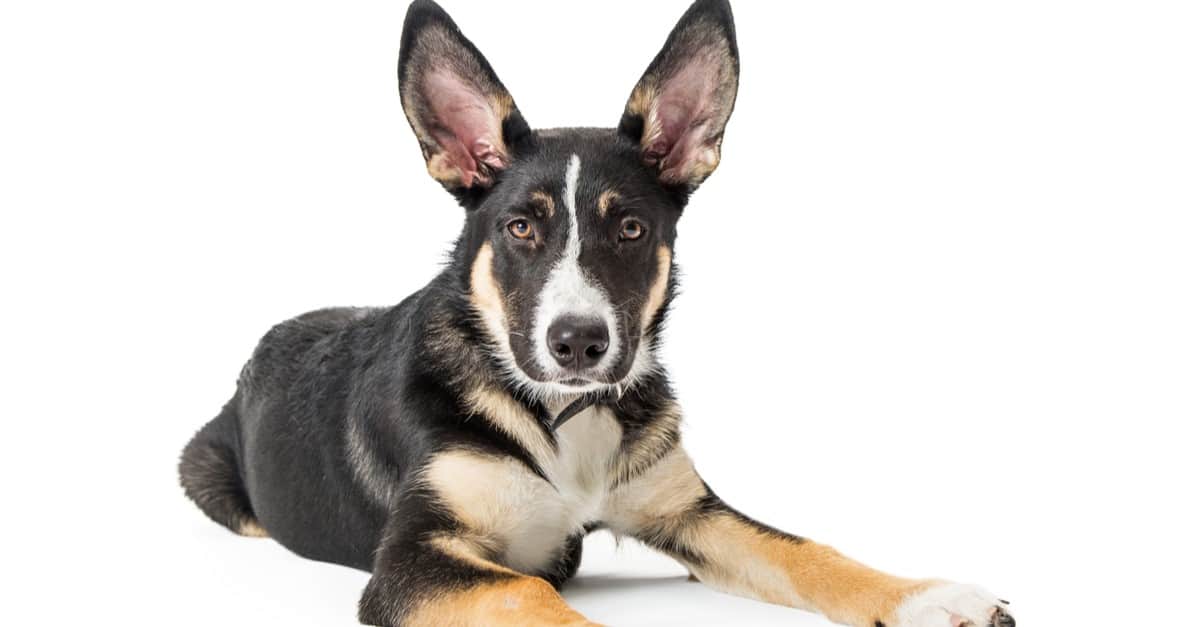
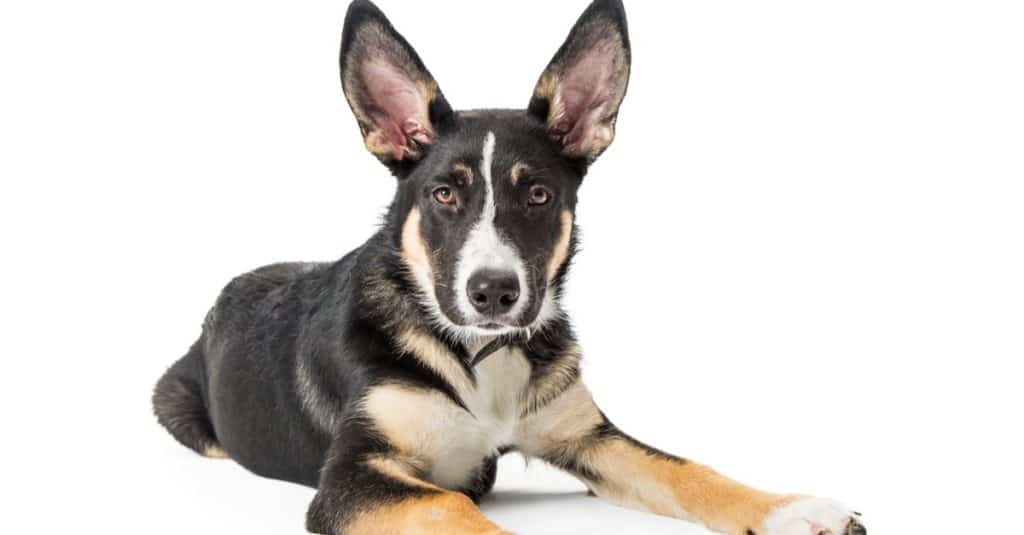
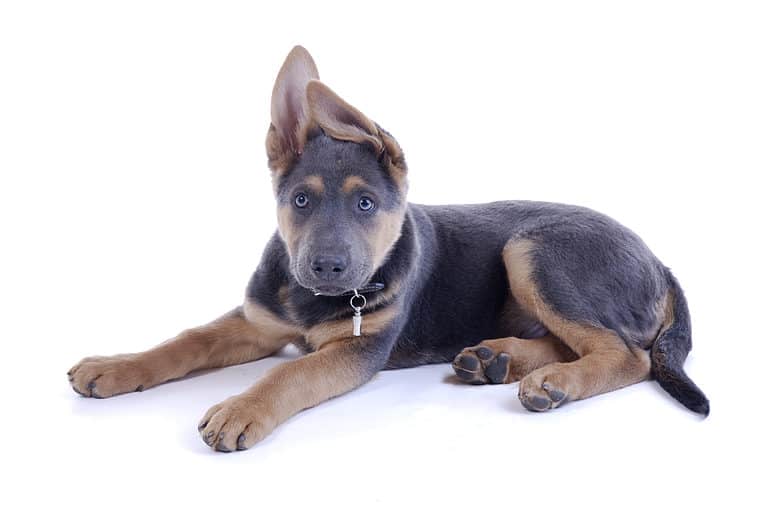
Young Shepherd and Border Collie mixed breed, Shollie, dog with big perky ears lying down on white background.

At a Glance

Domesticated
Also Known As mutt, mongrel, mixed-breed dog, mixed dog, crossbreed, cross, mixer, Heinz 57
Diet Omnivore
Activity Diurnal+
Lifespan 10 years
Weight 40 lbs
Status Not Evaluated
Did You Know?

"German Shepherd mix" isn't a standardized breed-coat, size, and temperament can differ dramatically even within one litter.

Scientific Classification

A domestic dog of mixed ancestry in which German Shepherd Dog heritage is present or suspected. Traits vary widely depending on the other contributing breed(s), but many retain shepherd-type working-dog characteristics such as high trainability and athleticism.

Kingdom
Animalia
Phylum
Chordata
Class
Mammalia
Order
Carnivora
Family
Canidae
Genus
Canis
Species
Canis lupus

Distinguishing Features

  • Variable appearance; may show German Shepherd-like traits (erect or semi-erect ears, black-and-tan/sable coloration, double coat)
  • Size and coat length highly dependent on the other breed(s)
  • Often energetic, intelligent, and trainable; may be protective or reserved with strangers depending on lineage and upbringing

Physical Measurements

Males and females differ in size

Height
2 ft (1 ft 10 in – 2 ft 3 in)
1 ft 10 in (1 ft 8 in – 2 ft)
Length
4 ft 5 in (3 ft 9 in – 5 ft 1 in)
Weight
75 lbs (55 lbs – 99 lbs)
57 lbs (40 lbs – 75 lbs)
Tail Length
1 ft 4 in (12 in – 1 ft 7 in)
1 ft 3 in (12 in – 1 ft 6 in)
Top Speed
30 mph
About 40–50 km/h

Appearance

Primary Colors
Secondary Colors
Skin Type German Shepherd mix usually has a dense double coat: medium guard hairs with a thick undercoat, often seasonal shedding. Coat may be short, plush, or feathered; skin can get dry or irritated with allergies.
Distinctive Features
  • Mixed-breed domestic dog (not a standardized breed): appearance and temperament can vary substantially, but German Shepherd heritage often shows through in overall silhouette and coat patterning.
  • Athletic, work-oriented build is common: deep chest, strong hindquarters, and an efficient trot; some mixes may be stockier or leggier depending on other ancestry.
  • Head often wedge-shaped with a long muzzle; almond-shaped eyes are common. Ear carriage varies: fully erect, semi-pricked, or floppy depending on the mix (erect ears are more likely with stronger shepherd influence).
  • Tail is often long and bushy ('plume') with a gentle curve; carriage can be low/neutral at rest and higher when alert.
  • Grooming/care: frequent brushing during shedding seasons (often heavy "blowing coat" if the undercoat is present), routine nail/dental care, and coat checks for matting if longer-haired traits are inherited.
  • Exercise/behavior care: typically benefits from daily aerobic activity plus training/mental work; under-socialization may lead to reactivity/guarding behaviors, so structured social exposure and reward-based training are important.
  • German Shepherd mixes often have hip and elbow dysplasia, degenerative myelopathy in some lines, chronic skin or allergy problems, and bloat/GDV risk in deep-chested dogs; keep them lean and talk to a vet about screening.

Sexual Dimorphism

Often present but variable due to mixed ancestry: males tend to be larger with broader head/neck and heavier bone; females often appear slightly finer and lighter-framed. Differences are less predictable than in a standardized pure breed.

  • Typically broader skull and thicker neck/shoulder musculature
  • Often heavier bone and larger overall frame (varies by mix)
  • Often a finer, narrower head and lighter bone structure
  • May appear more streamlined through chest/waist (varies by mix)

Did You Know?

"German Shepherd mix" isn't a standardized breed-coat, size, and temperament can differ dramatically even within one litter.

Many inherit the German Shepherd's strong working-dog drive, making them quick learners for obedience, scent work, and agility.

Ear carriage is a common "tell": pups may start with floppy ears that later stand up, stay floppy, or end up semi-erect.

Double coats are common; many "blow coat" seasonally, shedding heavily for a few weeks.

German Shepherd ancestry often brings a protective instinct; early socialization can shape whether that becomes calm confidence or anxious guarding.

Mixed ancestry can sometimes reduce risk for certain inherited issues, but it does not guarantee freedom from genetic disease.

They're frequently successful as active-family companions when given daily mental work-not just physical exercise.

Unique Adaptations

  • Working-dog style cognition: strong pattern recognition and responsiveness to training cues, often excelling with clear rules and consistent reinforcement.
  • Athletic, efficient gait and endurance common in shepherd-type frames-well-suited to hiking, running, and canine sports (as appropriate for joints).
  • Many have weather-resistant coats (often a double coat) that insulate in cold and shed heat when properly maintained.
  • Highly tuned social awareness of human body language-can anticipate routines and react quickly to household changes.
  • Versatile drive "mix": depending on ancestry, may combine guarding/alertness with retrieving, scenting, or herding tendencies.

Interesting Behaviors

  • "Shadowing" their person (velcro-dog tendencies), often following room-to-room-common in shepherd-type mixes.
  • Scanning/"patrolling" behavior: choosing vantage points near doors/windows and tracking movement in the environment.
  • Mouthy play and "carry" habits (grabbing toys, leashes, or objects) tied to working-dog heritage and oral problem-solving.
  • Alert barking that escalates when under-stimulated or under-socialized; many are vocal "commentators."
  • Herding-like behaviors such as circling, body-blocking, or nudging people/pets-especially in high-arousal moments.
  • Intense focus on balls/frisbees and repetitive fetching; can become compulsive without structured breaks.
  • Novelty sensitivity: some are cautious with strangers or new environments until given controlled, positive exposure.

Cultural Significance

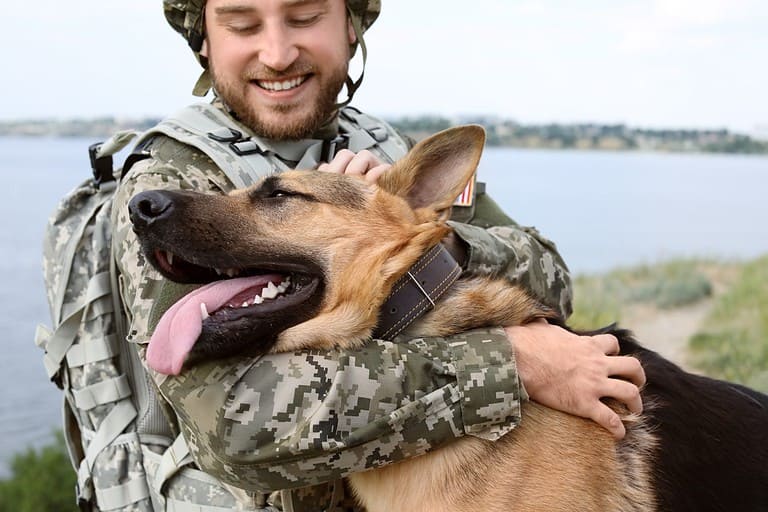
German Shepherd mixes (Canis lupus familiaris) are seen worldwide as capable, trainable working dogs—police, military, search-and-rescue, and guide roles—and as loyal guardians. They also represent mixed-breed adoption and need proper care and socializing.

Myths & Legends

In early 1900s Germany, Captain Max von Stephanitz pushed for a shepherd dog bred for work. Tales about the founding dog Horand von Grafrath became an origin story for the German Shepherd, a working companion.

Rin Tin Tin, a German Shepherd rescued from a World War I battlefield, became a Hollywood star. Stories call him a near-mythic dog whose smarts and loyalty saved scenes and made shepherds famous worldwide.

European shepherds long told of keen, wolf-like dogs that guarded flocks from predators and thieves. Today German Shepherd mixes still carry the old image of a watchful night guardian by the fire.

In many households, a common superstition holds that a watchful dog at the threshold "keeps bad fortune out," and shepherd-type dogs-due to their alert stance and guarding reputation-are frequently chosen as the home's symbolic protector.

Folklore across Eurasia includes black dogs as spectral guardians of roads, gates, or graveyards; while not breed-specific, shepherd mixes with dark coats are sometimes folded into these local "guardian black dog" narratives as uncanny-but-protective presences.

Modern rescue stories act like modern legends: a shelter German Shepherd mix bonds deeply with a new family and becomes a loyal guardian and second‑chance companion for them (Canis lupus familiaris).

Conservation Status

NE Not Evaluated

Has not yet been evaluated against the criteria.

Population Stable

Life Cycle

Birth 6 pups
Lifespan 10 years

Lifespan

In the Wild
7–13 years
In Captivity
10–13 years

Reproduction

Mating System Polygynandry
Social Structure Managed Domestic
Breeding Pattern Serial
Fertilization Managed Selective
Birth Type Internal_fertilization

German Shepherd mix (Canis lupus familiaris): Dogs have internal fertilization and often mate with multiple partners (polygynandry). For these mixes, breeding is usually managed by humans and selective, with serial pairings across heat cycles rather than lifelong pair bonds.

Behavior & Ecology

Social Family Group: 2
Activity Diurnal, Crepuscular, Cathemeral
Diet Omnivore Meat-forward foods (commonly chicken or beef; many also strongly prefer organ-meat flavors like liver)

Temperament

Highly trainable and handler-oriented; typically more responsive to structured training than the average domestic dog (species context)
Alert, vigilant, and often protective; may display territorial barking and watchfulness (shepherd heritage distinguishing trait)
Energetic, athletic, and endurance-capable; thrives with daily aerobic exercise plus problem-solving work
Intelligent with strong working drive; can become restless, destructive, or vocal when under-stimulated (care requirement: consistent enrichment)
Can be reserved or cautious with unfamiliar people/dogs; benefits from early, ongoing socialization to reduce fearfulness/reactivity
May show herding/controlling behaviors (shadowing, heel-nipping, body-blocking) especially in adolescents; needs redirection and impulse-control training
Potential for resource guarding or reactivity in some individuals-management and positive reinforcement are important (variation depends on other breed contributions and early experience)
German Shepherd mixes may have hip/elbow dysplasia, degenerative myelopathy, bloat, allergies, or EPI, which can lower tolerance for high-impact exercise. Care: weight control, joint-friendly exercise, and watch for pain and stress.

Communication

Alarm/territorial barking Often frequent and context-sensitive
Low growls/rumbling warnings during boundary-setting or discomfort
Whines/whimpers for attention, frustration, or separation-related distress
Howls/barks in response to environmental triggers Sirens, doorbells, other dogs
Play barks and excited yips during high arousal play
Intense eye contact, scanning, and orienting to novel stimuli Vigilance
Body blocking, leaning, circling, and motion-control behaviors consistent with herding tendencies
Tail carriage and wag speed changes to signal arousal/uncertainty; stiff posture as an early warning
Ear position shifts and facial tension/relaxed mouth cues; lip-licking and yawning as appeasement/stress signals
Scent marking and sniffing as social information-gathering; ground scratching after elimination
Play bows, exaggerated bouncy movement, and self-handicapping to invite play with familiar partners

Habitat

Biomes:
Temperate Forest Temperate Grassland Mediterranean Boreal Forest (Taiga) Tundra Alpine Desert Hot Desert Cold Savanna Tropical Dry Forest Tropical Rainforest Wetland Freshwater +7
Terrain:
Mountainous Hilly Plateau Plains Valley Coastal Island Riverine Rocky Sandy Muddy +5
Elevation: Up to 16404 ft 3 in

Ecological Role

Human-associated companion/working omnivore; primarily subsidized by humans, with potential opportunistic scavenging/predation if free-roaming.

guarding/territorial deterrence herding and livestock management (in some working homes) search-and-rescue and tracking detection work (scent, explosives/narcotics) pest deterrence around homes/farms social/therapeutic support roles for humans

Diet Details

Main Prey:
Domestic livestock Poultry fish Eggs Small mammals Carrion
Other Foods:
Starches and grains Starchy vegetables Non-starchy vegetables Fruit Grasses and plants

Human Interaction

Domestication Status

Domesticated

Domestic dogs (Canis lupus familiaris) come from gray wolves and were shaped over thousands of years to live and work with people. A German Shepherd mix is a mixed-breed dog with German Shepherd ancestry. It often shows shepherd traits—trainability, focus, athletic build, guarding/herding—and fills roles as pet, worker, sport dog, shelter dog, and public companion.

Danger Level

Moderate
  • Bite risk increases with size/strength; injuries can be serious even from a single incident
  • Protective/territorial tendencies (common in shepherd-type lines) may lead to defensive aggression if poorly socialized or mishandled
  • Herding behaviors (nipping, body-blocking, chasing) can be directed at children, runners, or cyclists without training
  • High prey drive may exist depending on the other breed(s), creating risk toward small animals and occasional redirected bites
  • Behavioral issues (fear, reactivity, separation distress) are more likely if under-exercised/under-enriched or from unstable early environments; these can elevate risk in public settings

As a Pet

Suitable as Pet

Legality: German Shepherd mix dogs are usually allowed where pets are legal, but local breed-specific laws may ban mixes that look like restricted breeds. Owners must follow licensing, leash, vaccine, and housing or insurance rules.

Care Level: Experienced

Purchase Cost: Up to $800
Lifetime Cost: $18,000 - $45,000

Economic Value

Uses:
Companion animal Working/service roles (service assistance, search-and-rescue, detection) Security/personal protection (where legal and responsibly trained) Sport and recreation (obedience, agility, nosework, IGP/protection dog-style sports, tracking) Shelter/rescue and adoption economy Veterinary, training, boarding, grooming and pet insurance services
Products:
  • Adoption fees or rehoming fees; occasional private-sale/accidental-litter pricing
  • Professional training and behavior modification services
  • Pet insurance policies and routine veterinary care (vaccines, parasite prevention, dental)
  • Spay/neuter and microchipping services
  • Working gear (leashes, harnesses, long lines, muzzles), crates, bedding
  • Enrichment products (durable chew toys, puzzle feeders, scentwork kits)
  • Food costs often higher than average due to medium-large size and activity level

Relationships

Ecological Equivalents 6

Animals that fill a similar ecological role in their ecosystem

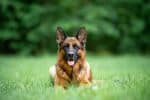
German Shepherd Dog
German Shepherd Dog Canis lupus familiaris Common ancestry with German Shepherd lines (Canis lupus familiaris). Often handler-focused, easy to train, athletic, protective, and alert; require lots of exercise and mental stimulation. Health risks include hip and elbow dysplasia, degenerative myelopathy, gastrointestinal sensitivity, and skin allergies.
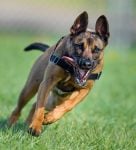
Belgian Malinois
Belgian Malinois Canis lupus familiaris Occupies a similar working-dog niche: high-drive herding, guarding, and police work. Many German Shepherd mixes resemble Malinois-type dogs in energy and intensity when crossed with other high-drive working lines; they require experienced handling, impulse-control training, and substantial daily activity.
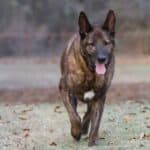
Dutch Shepherd
Dutch Shepherd Canis lupus familiaris Similar herding/working niche; comparable needs for endurance exercise, task-based enrichment, and consistent training. Mixes involving shepherd-type dogs often share traits such as environmental sensitivity and strong chase/herd instincts.
Gray wolf
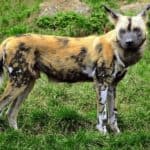
Gray wolf Canis lupus Ecological analogue as a cursorial canid predator and scavenger. Shepherd-type mixes may show wolf-like traits (stamina, social bonding, alertness), though domestic behavior is heavily shaped by socialization and the household environment.
Coyote
Coyote Canis latrans Occupies a comparable opportunistic canid niche: generalist diet and adaptable behavior. Free-ranging domestic dogs, including shepherd mixes, can overlap in scavenging and hunting behaviors where human food subsidies exist.
German Shepherd mix
German Shepherd mix Canis lupus familiaris Mixed background causes variation in appearance and behavior, but individuals often retain German Shepherd traits—trainable, active, and protective—so they fill similar roles and niches as shepherd-type dogs. They typically require a lot of exercise, training, and grooming; watch for predispositions to hip and joint problems, bloat, skin and ear conditions, and anxiety.

Quick Take

  • Providing 2 hours of daily active play is the baseline requirement for this hybrid.
  • Failure to identify meat as the primary ingredient on labels triggers specific nutritional deficiencies.
  • The Shug hybrid utilizes small-breed DNA to produce an effective, alert guard dog.
  • Mandating professional ear cleaning every 3 months is necessary to avoid specific internal damage risks.

German Shepherds are largely considered some of the most intelligent, lovable, and loyal canines in the world. Due to their fierce loyalty and athletic frame, they make ideal guard dogs. However, most people keep them as companions because of their love for people and children.

While it’s hard to beat the German Shepherd in looks and personality, some great mixes are available. By crossbreeding these dogs, you can create a hybrid with specific traits and eliminate some of the health concerns plaguing the German Shepherd.

This article will focus on the shollie (German Shepherd and Collie mix), but first, take a look at some other popular German Shepherd mixes.

An educational infographic about German Shepherd mix breeds, highlighting health risks, care requirements, and breed characteristics.
From fatal 'bloat' risks to a non-negotiable 2-hour exercise mandate, here is what it actually takes to protect a German Shepherd hybrid. © A-Z Animals

Types of German Shepherd Mixes

German Shepherds are adorable, especially with their large ears! However, when combining them with other breeds often creates something even more special. So, here are three of the most popular German Shepherd mixes:

Siberian Shepherd (Siberian Husky and German Shepherd Mix)
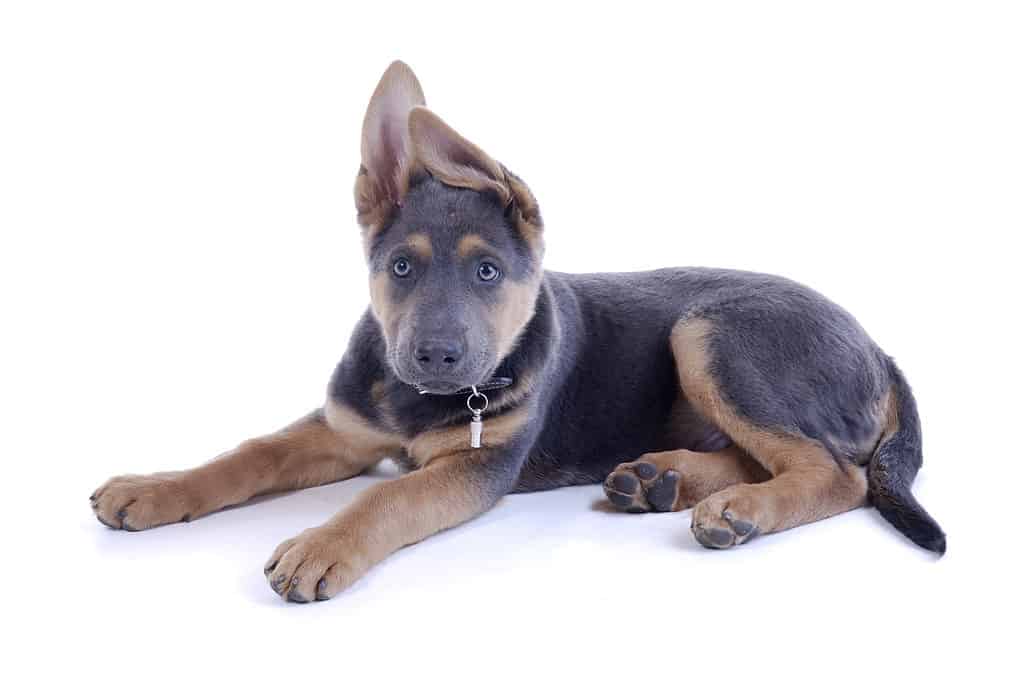
Siberian shepherd puppy

Siberian shepherds are a combination of a Siberian Husky and a German Shepherd.

Siberian shepherds could inherit traits from either parent, so yes, they can have those icy blue eyes, but it really is the luck of the draw. However, traits they always tend to inherit are an athletic build and a playful nature. Furthermore, these dogs are also hard workers and thrive when they have a job to keep them busy.

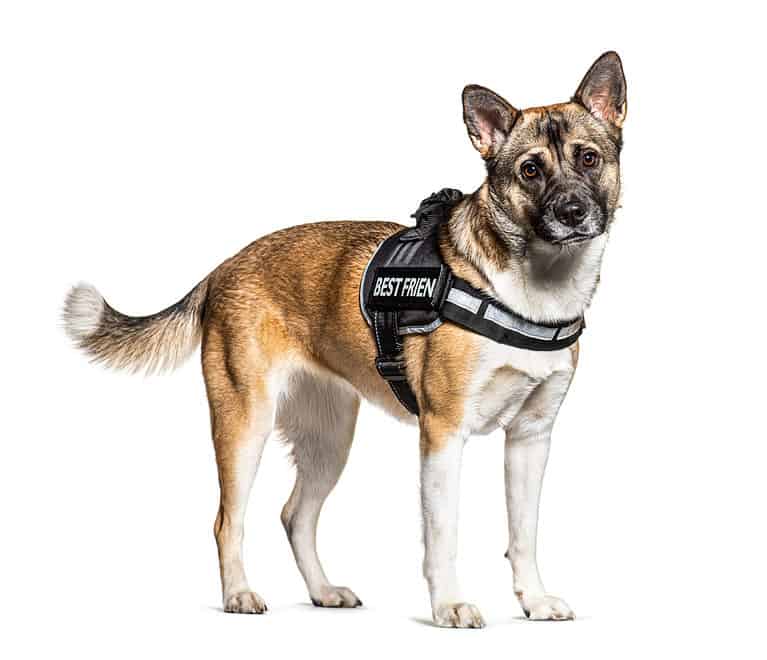
Shepkita (German Shepherd and Akita)
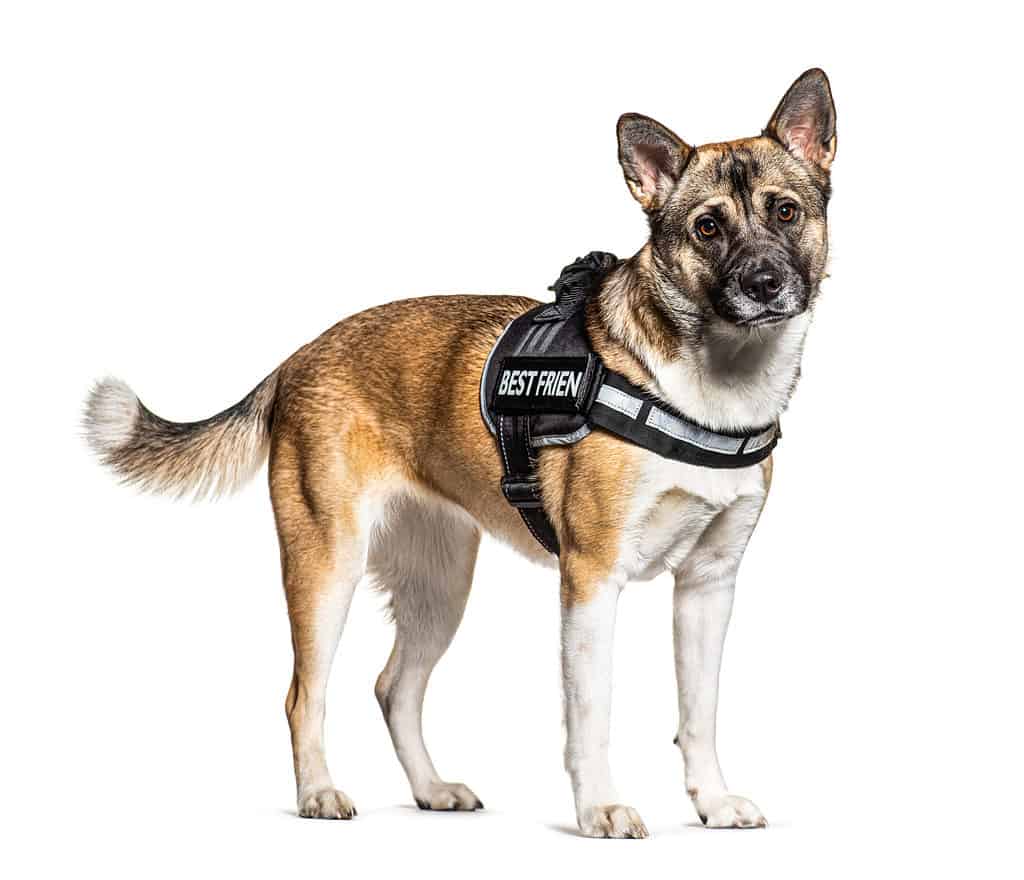
Shepkita isolated

Shepkitas are a cross between an Akita and a German Shepherd.

The shepkita is a combination of an Akita and a German Shepherd. This breed is an ideal family pet due to its high tolerance and patience threshold. Therefore, they are perfect companions for young children. However, training might be a challenge, thanks to their stubborn streak. But, the shepkita is still very loving and attentive.

Shug (German Shepherd and Pug Mix)
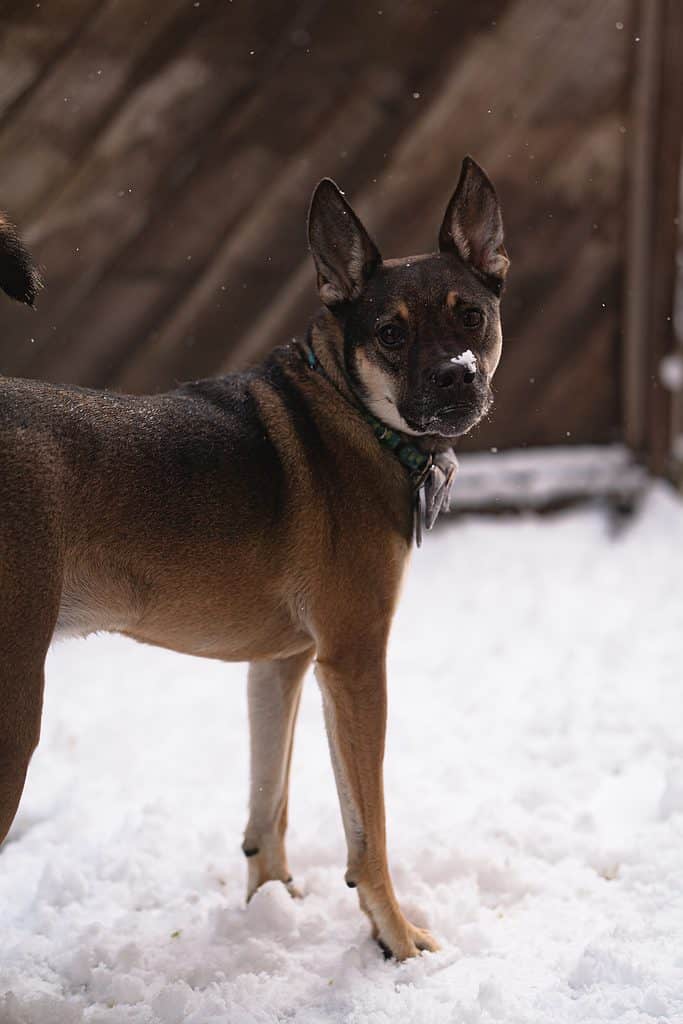
Shug in the snow

Shugs are a cross between a German shepherd and a pug.

One of the most adorable dog breeds out there is the pug. Combining these two dogs results in an athletic, intelligent, and cute hybrid. They are perfect for owners looking for an easy-to-train and alert guard dog. However, when it comes to size, the shug could go either way. While they will never be as small as the pug, they rarely grow to the size of a German shepherd, which means this hybrid is usually a medium-sized dog.

Pros and Cons of Owning a German Shepherd Mix

ProsCons
Shollies are fiercely loyal to their ownersCan become unsettled if they are not stimulated enough
They are an intelligent breedSuffers from separation anxiety if left alone, which can result in destructive behavior
Does not bark a lot and is easily trainedNot suited to apartment living, and can wander if allowed

The Best Dog Food for a German Shepherd Mix

Feeding your shollie high-quality dog food is essential. However, people don’t know that most kibble is filled with grain and carbs that are not good for your dog’s health. So instead, feeding them a protein-rich option is ideal. But this does not mean you have to opt for a raw diet; there is kibble that contains high amounts of protein. For example, when looking at the ingredient label, if meat is not the first ingredient listed, it is not a protein-rich dog food. Additionally, you can add supplements to their diet or small bits of chicken, lamb, beef, or fish.

Size and Weight

This German Shepherd mix can widely vary in weight and size, as they can take after either parent. Therefore, their height ranges from 21 to 29 inches, and they can weigh between 60 and 80 pounds.
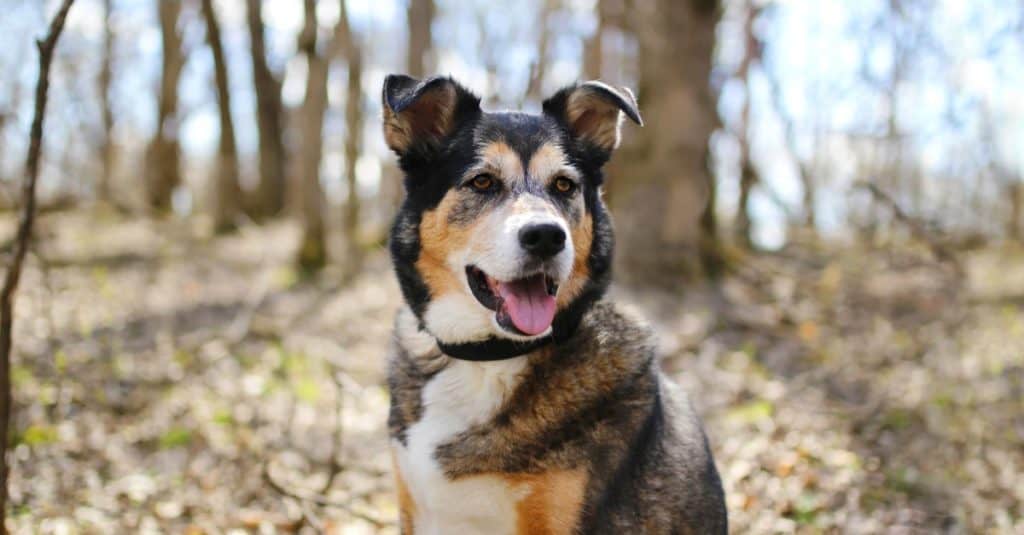
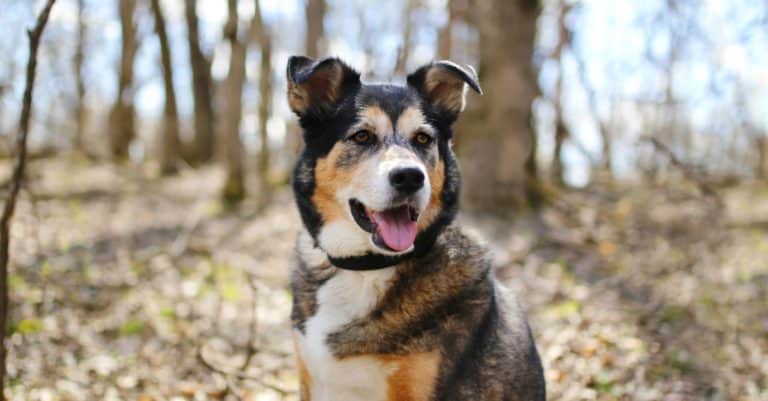
A beautiful old, German Shepherd - Border Collie Mix breed dog, Shollie, is sitting outside in the deciduous forest, listening with his ears perked up.

A beautiful shollie is sitting outside in the deciduous forest, listening with his ears perked up.

Common Health Issues

While the shollie is relatively healthy, it is possible to inherit some hereditary conditions from either parent breed. But since it is the perfect combination of both breeds, it is hard to say what disease it might be susceptible to. However, in most cases, shollies are healthier than their parents, but it is always best to be on the lookout for the following conditions:

Hip and Elbow Dysplasia

Hip and elbow dysplasia is common in both the German Shepherd and the Collie. This disease occurs when the hip or elbow socket forms abnormally, and the joint doesn’t fit into it properly, causing the ligaments to weaken. Unfortunately, this is very painful for your pup and will continue to wear and tear, especially in an active dog. Eventually, one or both hips degenerate, causing more pain and limiting mobility. Sadly, even if caught early, it still leads to other complications like osteoarthritis, arthritis, and severe pain.

Symptoms of hip dysplasia include appearing stiff when trying to stand up or while walking, reluctance to get up when called, and a change in their usual walking style. Unfortunately, this condition can occur in the puppy stage or later in life as they age.

Unfortunately, there is no way to cure hip dysplasia in dogs, but it is manageable by using anti-inflammatories prescribed by a vet. In addition, owners need to keep their pooches from jumping up on them or the furniture. Instead, buy or build a ramp for your shollie. Furthermore, slipping or falling can also cause extensive damage to their hips, so maybe put some carpet on your wood or tile flooring to avoid any accidents.

Gastric Dilatation-Volvulus (Bloat)

Bloat often occurs in large, deep-chested dogs and is usually passed on to their hybrid offspring. So, if your shollie likes to gobble large amounts of food and drinks water immediately afterward, you need to find a way to stop them. Additionally, eating too close to exercising can also cause this condition. You can deter your pup from eating too quickly with a slow-feeding dog bowl or by only feeding small quantities throughout the day. Gastric dilatation-volvulus is caused by excess gas, fluid, and foam buildup in the stomach. Unfortunately, if the dog cannot pass this gas, the stomach starts to twist, which reduces blood flow to the rest of the body, including the heart, and is fatal.

Symptoms of this condition include a bloated stomach and unproductive retching as the dog cannot pass the gas and excess food in its stomach. Additionally, your German Shepherd mix might become listless and uncomfortable, and their heart rate will accelerate. Getting them to a vet as soon as possible is crucial when this happens.

Exocrine Pancreatic Insufficiency (EPI)

Another genetic disease seen in these crossbreeds is exocrine pancreatic insufficiency, where insufficient enzymes are produced in the pancreas, causing food absorption and digestion to be compromised as a result.

This condition’s symptoms include deterioration, lack of appetite, change in stool consistency, weight loss, and excess gas. However, you can only identify this condition via blood tests, and it can be cured with replacement enzyme food supplements.

Shollie can also be prone to other health issues, including:

  • Epilepsy
  • Eye problems like cataracts and collie eye anomaly
  • Skin allergies that cause itchiness

Life Expectancy

Shollies can live long and healthy lives if cared for properly. In fact, this hybrid has a lifespan of 10 to 15 years!

Temperament

Shollies are very similar to their parents as they are incredibly energetic and highly intelligent. In addition, they inherit the German Shepherd’s acute sense of smell, making them perfect candidates for police or security services. Their sharp minds inherited from the collie make them easy to train, but a pain to keep busy. These dogs require a lot of mental stimulation; if they don’t get it, they can become destructive. Additionally, they need just as much physical stimulation as they are highly active dogs. Besides their daily walks, interactive games like fetch or a scavenger hunt will suffice.

How to Take Care of a German Shepherd Mix

Taking care of your shollie can be time-consuming, as they require regular grooming, exercise, and attention. So, if you are hardly ever home, this is not the German Shepherd mix for you.

Grooming

The shollie is a heavy shedder throughout most of the year. So, to ensure their coat remains healthy and soft, they need a good brush at least once a day, but if you can squeeze another grooming session in each day, it would be beneficial.

Bathing should only be an option when they are filthy or really stinky, as you don’t want to wash their natural oils away, which keeps their skin moisturized and healthy.

Lastly, owners need to take their shollies to a professional to get their nails clipped and ears cleaned every three months. Unfortunately, doing it yourself could be harmful to your furry friend.

Training

Shollies are the perfect students to train because they are intelligent and eager to please their owners. Teaching them new commands and tricks will be a breeze! Additionally, they will learn even faster with a little bit of positive reinforcement. But, owners must refrain from yelling or using punishments during training, as the shollie responds negatively to these dated techniques.

Exercise

Shollies, like their parents, have copious amounts of energy and will need a lot of exercise to keep them busy and healthy. They need at least 2 hours of active play, walking, running, or hiking daily to meet their high-energy needs. So, they will need two walks a day minimum, which means this isn’t the best dog for seniors who are inactive individuals. Instead, they need a family who loves being outdoors and staying active.

Puppies

This German Shepherd mix can have 5 to 9 puppies per litter. These adorable pups are a handful and full of mischief, so if you do not have time to supervise them, your house might end up looking like a warzone. It might be hard to find a shollie breeder in your area, as there are not many of them, so you can try enquiring with German shepherd or collie rescues, as they sometimes save these hybrids.

German Shepherd Mix and Children

The Shollie is an excellent companion for children. These hybrids are fiercely protective of their loved ones but enjoy playing and goofing around with the kids. However, they need early socialization and training if they are around many children and other animals.

Cost

The cost of a shollie varies from $450 to $950, depending on its pedigree, breeder, and location. Always ensure to use a reputable breeder, as puppy mills and pet stores do not screen for hereditary diseases, and chances are high that your pup will be sickly.

Dogs similar to the German Shepherd Mix

View all 261 animals that start with G

Sources

  1. Pet Keen / Accessed January 14, 2023
  2. Hepper / Accessed January 14, 2023
Chanel Coetzee

About the Author

Chanel Coetzee

Chanel Coetzee is a writer at A-Z Animals, primarily focusing on big cats, dogs, and travel. Chanel has been writing and researching about animals for over 10 years. She has also worked closely with big cats like lions, cheetahs, leopards, and tigers at a rescue and rehabilitation center in South Africa since 2009. As a resident of Cape Town, South Africa, Chanel enjoys beach walks with her Stafford bull terrier and traveling off the beaten path.
Connect:

Thank you for reading! Have some feedback for us?


German Shepherd Mix FAQs (Frequently Asked Questions)

Yes, while they might seem intimidating, these dogs are actually loving, affectionate, and devoted to their loved ones.