G
Species Profile

Goberian

Canis lupus familiaris

Retriever heart, Husky hustle
nokturn/Shutterstock.com

Goberian Distribution

Click a location to explore more animals from that region

Origin Location

This map shows the native origin of the Goberian. As a domesticated species, they are now found worldwide.

Loading map...

Size Comparison

Human 5'8"
Goberian 1 ft 10 in

Goberian stands at 32% of average human height.

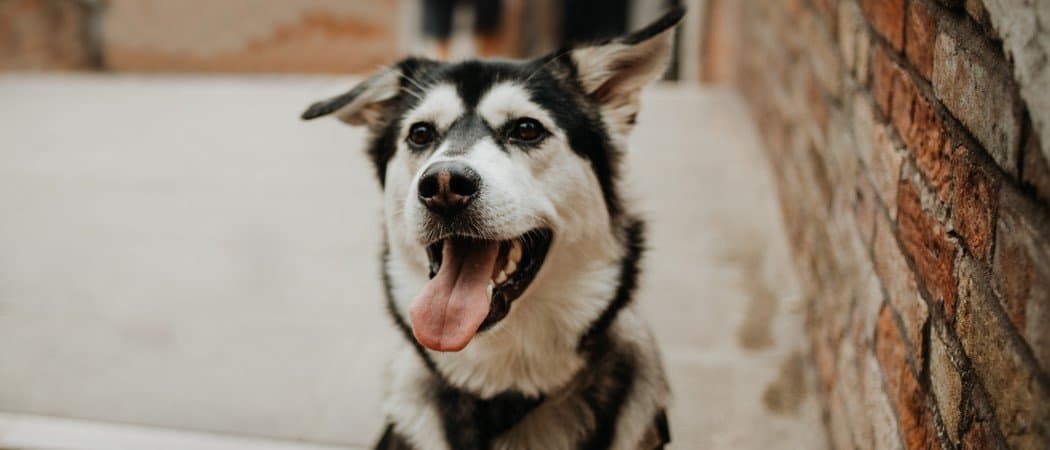
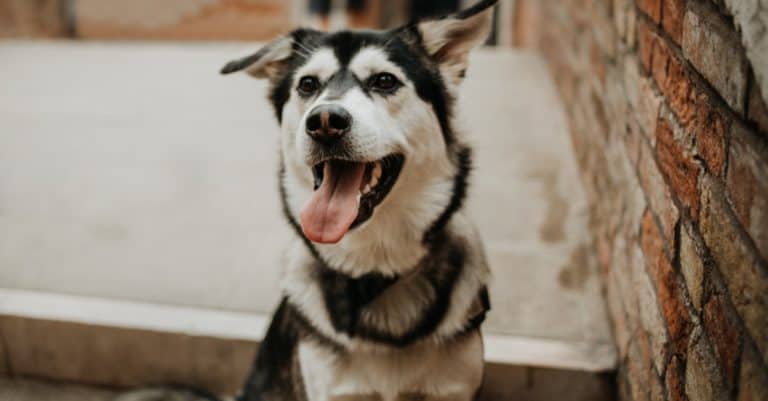
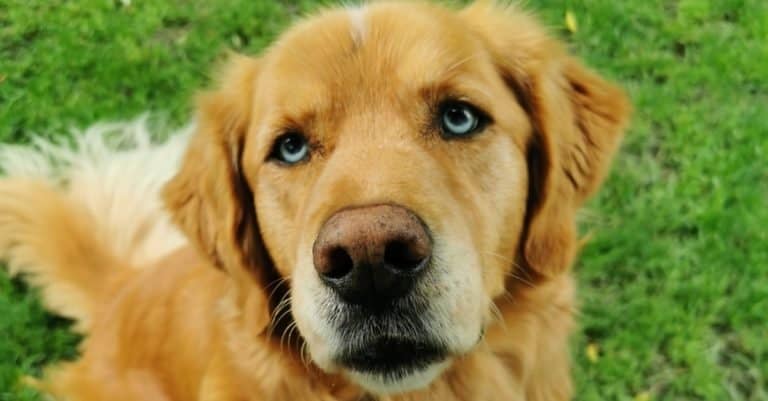
Cute Husky Golden Retriever mix, a Goberian, close-up

At a Glance

Domesticated
Also Known As Golden Husky, Gold Husky, Golden Retriever–Husky mix, Retriever–Husky cross
Diet Omnivore
Activity Cathemeral+
Lifespan 6 years
Weight 36 lbs
Status Not Evaluated
Did You Know?

Goberians aren't a standardized breed-each litter can vary widely in coat length, color, eye color, and personality depending on which parent traits dominate.

Scientific Classification

The Goberian is a crossbreed domestic dog produced by mixing Golden Retriever and Siberian Husky ancestry. As a domestic-dog mix, it is not a formally recognized zoological species/subspecies; it falls under the domestic dog taxon (Canis lupus familiaris).

Kingdom
Animalia
Phylum
Chordata
Class
Mammalia
Order
Carnivora
Family
Canidae
Genus
Canis
Species
Canis lupus

Distinguishing Features

  • Typically medium-to-large build; athletic frame
  • Coat can range from Retriever-like to Husky-like; often double-coated
  • Coloration varies (cream/gold to gray/black/white mixes)
  • Ears may be erect (Husky-like) or floppy (Retriever-like)
  • Temperament often combines high sociability with higher exercise/mental-stimulation needs

Physical Measurements

Males and females differ in size

Height
1 ft 11 in (1 ft 10 in – 2 ft)
1 ft 9 in (1 ft 7 in – 1 ft 11 in)
Length
3 ft 7 in (3 ft 1 in – 3 ft 11 in)
3 ft 6 in (3 ft 1 in – 3 ft 11 in)
Weight
62 lbs (49 lbs – 75 lbs)
55 lbs (44 lbs – 66 lbs)
Tail Length
1 ft 4 in (1 ft 2 in – 1 ft 6 in)
Top Speed
28 mph
Sprints around 40–50 km/h

Appearance

Primary Colors
Secondary Colors
Skin Type Skin color depends on the coat, often with darker nose and lip color but sometimes lighter or brown. Covered by a dense double coat with feathering on tail and legs; sheds moderately to heavily seasonally.
Distinctive Features
  • Domestic dog crossbreed (Golden Retriever x Siberian Husky) classified under Canis lupus familiaris; not a globally standardized or formally recognized single-breed type, so appearance and temperament vary more than in established purebred lines.
  • Coat commonly double-layered and insulating (husky influence), often combined with longer, softer feathering on tail/backs of legs and around neck (retriever influence).
  • Head/face often intermediate: broader retriever-like muzzle with husky-style facial mask; ears may be semi-erect, fully erect, or floppy depending on inheritance.
  • Eyes can be brown, blue, amber, or heterochromatic (one blue/one brown), reflecting husky ancestry; eye color does not predict behavior or health on its own.
  • Tail usually bushy/plumed; may curl slightly like a husky or carry more level like a retriever.
  • Trait/behavior tendency: energetic, intelligent, people-oriented; may combine husky independence/vocalizing with retriever sociability and mouth-carrying behaviors; training and enrichment needs are typically high.
  • Care requirement: frequent brushing (often 2-3 times per week; daily during spring/fall "blow coat"), regular nail/ear care; manage shedding and potential matting in feathered areas.
  • Care requirement: high daily exercise and mental stimulation (structured walks, running, scent games, obedience, retrieval games); without outlets may develop destructive behaviors or excessive vocalization.
  • Care consideration: may have higher prey drive/roaming tendency (husky influence); secure fencing and reliable recall training are important.
  • Health concerns (mix-typical): hip and elbow dysplasia risk (retriever/husky lines), osteoarthritis later in life; maintain lean body condition and appropriate exercise.
  • Health concerns: eye issues can occur (e.g., cataracts, progressive retinal atrophy, corneal dystrophy); periodic veterinary eye exams recommended.
  • Health concerns: skin/allergy issues and hot spots may occur (retriever tendency), especially with dense coats and moisture; keep coat dry/clean and monitor itching.
  • Health concerns: hypothyroidism (reported in both parent populations) and bloat/GDV risk in deep-chested individuals; discuss prevention and feeding routines with a veterinarian.

Sexual Dimorphism

Typical domestic-dog sexual dimorphism: males average larger/heavier with broader head/neck; females often slightly smaller and more refined. Coat color/pattern is not sex-linked and varies primarily by inherited mix.

  • Often taller/heavier with more pronounced ruff/neck thickness.
  • Broader skull and heavier bone; may appear more "husky-like" or "retriever-like" depending on lineage rather than sex.
  • Often lighter frame with a narrower head and slightly finer muzzle.
  • May appear more streamlined; coat length and pattern still primarily driven by inherited parent traits.

Did You Know?

Goberians aren't a standardized breed-each litter can vary widely in coat length, color, eye color, and personality depending on which parent traits dominate.

Many inherit the Husky's pale or "bi-eyed" look (including heterochromia), though brown eyes are common too.

Their coats often combine Golden "feathering" with a Husky-style double coat, making seasonal shedding ("blowing coat") likely.

Temperament commonly blends Golden sociability with Husky independence-often people-loving but not always eager-to-please.

They can be unusually vocal for a retriever-type dog, sometimes "talking" or howling like a Husky.

High endurance is typical: many thrive on longer hikes, running, skijoring, or canicross when conditioned properly.

Because they're a mix, health screening should follow both parent breeds' risks (hips, eyes, thyroid), not a single-breed checklist.

Unique Adaptations

  • Domestic-dog selection: Goberians are bred/raised for human companionship, trainability, and reduced wariness, with huge individual variation typical of crosses.
  • Cold-weather readiness: many inherit insulating undercoat and paw-fur traits associated with northern spitz-type dogs, improving comfort in cool climates (but increasing heat sensitivity).
  • Endurance locomotion: Husky heritage often contributes efficient gait and stamina, while Golden heritage can add strong swimming/retrieving drive; together this can produce an athletic all-around companion.
  • Human-oriented communication: like many domestic dogs, they often use gaze, gestures, and vocal signals to coordinate with people-more than wolves typically do in human settings.

Interesting Behaviors

  • "Greeting committee" behavior: many rush to welcome visitors with full-body wiggles (Golden influence), sometimes paired with excited Husky-style vocalizing.
  • Mouthy carrying: some like to pick up toys, shoes, or soft objects and parade them around-an echo of retriever "soft mouth" tendencies.
  • Digging and snow-play: some inherit Husky instincts to dig resting hollows or cool-down pits and may become animated in cold weather.
  • Roaming/escape attempts: a subset show Husky-like curiosity and will test fences or doorways; reliable recall can take time.
  • High social play drive: many prefer interactive games (fetch, tug, chase) and can become restless without daily engagement.
  • Scent-and-explore walks: they may pull to investigate smells and sights, reflecting a working-dog attention to the environment.

Cultural Significance

The Goberian (Golden Retriever × Siberian Husky; Canis lupus familiaris) is a modern designer cross mixing a family-friendly service and therapy dog with a sled-dog symbol of stamina and teamwork. Its showy coats and bright eyes made it popular online and show that mixed breeds can vary widely.

Myths & Legends

In Inuit and other Arctic oral traditions, sled dogs are often portrayed as vital partners who guide people through storms and darkness-stories that frame working dogs as near-kin and protectors in harsh northern landscapes.

In Norse myth, Fenrir is a huge wolf bound by the gods. Though not a dog, this wolf has long shaped northern Europe's ideas about wolves' power and danger behind domestic dogs.

In ancient Egyptian belief, Anubis-depicted with a jackal/dog head-guided and protected the dead, reflecting a sacred role for canid figures as guardians between worlds.

Mesoamerican tradition includes the dog-associated deity Xolotl, linked with guiding souls to the underworld; dogs appear as spiritual companions and helpers in multiple Indigenous stories across the region.

The 1925 serum run to Nome, told with Balto and Togo, made sled dogs — especially Husky-type dogs — popular heroes, seen as brave for endurance and rescue.

Golden Retrievers trace to 19th-century Scotland at Guisachan (Lord Tweedmouth's estate); the breed's origin story-carefully recorded in breeding notes-became a cornerstone anecdote in retriever history and reputation for dependable companionship.

Conservation Status

NE Not Evaluated

Has not yet been evaluated against the criteria.

Population Stable

Life Cycle

Birth 6 pups
Lifespan 6 years

Lifespan

In the Wild
3–12 years
In Captivity
10–14 years

Reproduction

Mating System Polygynandry
Social Structure Managed Domestic
Breeding Pattern Transient
Fertilization Managed Selective
Birth Type Internal_fertilization

Goberian (Golden Retriever × Siberian Husky) has the same dog breeding: internal fertilization and possible litters with more than one father, but owners usually control mating. Breeding is planned with health checks and size and temperament matching.

Behavior & Ecology

Social Pack Group: 4
Activity Cathemeral, Diurnal
Diet Omnivore Protein-forward meals such as salmon or chicken-based dog food (often well-suited to a Husky-influenced coat and activity level).

Temperament

Affectionate, social, and generally friendly with familiar people; often eager to greet (Golden Retriever influence).
High-energy, endurance-oriented; benefits from daily vigorous activity (running, hiking, skijoring, fetch) and structured play.
Intelligent and trainable but may show Husky-style independence/stubbornness; responds best to consistent positive reinforcement and clear routines.
Mouthy/playful retriever tendencies; may carry objects, enjoy fetch, and use gentle mouthing-needs early bite-inhibition training.
Variable prey drive and roaming/escaping tendency (Husky influence); requires secure fencing, leash management, and reliable recall training.
Can be vocal: may 'talk,' howl, whine, and alert-bark; vocality varies by individual and environment.
Typically good with children when well-socialized, but exuberance can cause accidental knocks-benefits from impulse-control training.
Potential for separation-related behaviors if under-exercised or under-enriched; thrives with companionship, training games, and puzzle feeding.
Breed-specific care: heavy shedding/double-coat management is common; routine brushing and seasonal 'blowout' grooming reduce matting and indoor hair load; avoid shaving the double coat except for medical necessity.
Health tendencies (varies by lineage): risk for hip/elbow dysplasia, certain eye conditions (e.g., cataracts/PRA risk lines), hypothyroidism, and husky-associated sensitivities; maintain lean body condition, joint-friendly exercise, and regular veterinary screening.

Communication

Bark Alerting, excitement, demand
Howl Husky-influenced long-range/attention vocalization
'Talking'/woo-woo sounds Expressive husky-like vocal play
Whine Attention, frustration, anxiety, appeasement
Growl Boundary-setting during play or resource tension
Tail carriage and wag patterns Broad, loose wag often signals affiliative intent; high stiff tail may signal arousal
Ear position and facial expressions Soft eyes vs. hard stare; relaxed mouth vs. lip tension
Play bows, bouncy approach, and pawing Soliciting play/attention
Lean-in, nudging, and body contact Affiliative contact-seeking common in retriever-leaning individuals
Mouthing/carrying objects to communicate excitement or invitation to interact
Scent investigation and urine marking Routine canine information gathering; intensity varies by sex and neuter status

Habitat

Biomes:
Temperate Forest Boreal Forest (Taiga) Tundra Alpine Mediterranean Desert Hot Desert Cold Freshwater Wetland Marine Tropical Dry Forest Tropical Rainforest Savanna Temperate Rainforest +8
Terrain:
Plains Hilly Valley Mountainous Coastal Island Riverine +1
Elevation: Up to 16404 ft 3 in

Ecological Role

Domestic companion/commensal omnivore with limited natural hunting; can act as an opportunistic predator/scavenger in human-dominated environments.

Companionship and social benefits to humans Working roles depending on training (e.g., retrieval, recreational sled/joring, search-and-rescue support) Deterrence/alerting (guard/alert behavior) Occasional pest control via opportunistic chasing of small mammals Potential negative impact if free-roaming (wildlife disturbance/predation), mitigated by responsible ownership

Diet Details

Main Prey:
Small mammals Birds and eggs Fish Invertebrates
Other Foods:
Fruits Vegetables Grains and starches Fungi and plant matter

Human Interaction

Domestication Status

Domesticated

Canis lupus familiaris (domestic dog) was shaped from gray wolves by human selection. The Goberian is a human-made cross of Golden Retriever and Siberian Husky, mixing friendliness and retrieving with endurance and independence. They need lots of exercise, secure fencing, grooming and vet care. Watch for joint, eye, skin and ear problems.

Danger Level

Low
  • Accidental injury from jumping or high-energy play (especially with children/elderly)
  • Mouthing/nipping during adolescence if undertrained or overstimulated
  • Escape/roaming leading to traffic incidents or conflicts with other animals
  • Rare bite risk if fearful, poorly socialized, in pain, or mishandled-reduced with early socialization, supervision, and training

As a Pet

Suitable as Pet

Legality: Generally legal as a companion dog where domestic dogs are permitted; subject to local leash laws, licensing, vaccination requirements, housing/HOA rules, and any breed- or size-related ordinances (restrictions typically target specific breeds rather than this mix).

Care Level: Experienced

Purchase Cost: $300 - $1,500
Lifetime Cost: $18,000 - $40,000

Economic Value

Uses:
Companion animal trade (adoption/sale) Veterinary and preventive healthcare Training and behavior services Grooming and boarding/daycare Pet food and equipment retail Recreational sport participation (canicross, skijoring, bikejoring)
Products:
  • Companionship and family pet role
  • Sport/fitness partner for running and pulling sports
  • Informal property alerting (watchdog behavior varies by individual)
  • Participation in community pet services economy (training classes, grooming, daycare, boarding)

Relationships

Ecological Equivalents 5

Animals that fill a similar ecological role in their ecosystem

Golden Retriever
Golden Retriever Canis lupus familiaris Golden Retriever parent gives the Goberian a strong liking for people, ease of training, and a soft mouth for retrieving. Golden Retrievers can pass on hereditary conditions such as hip and elbow dysplasia, eye diseases (progressive retinal atrophy, cataracts), and an elevated cancer risk. They also require regular training, exercise, and grooming.
Siberian Husky
Siberian Husky Canis lupus familiaris Other parent contributes endurance, cold tolerance, a thick double coat, high vocalization, and tendencies to escape by digging, jumping, or bolting. May increase prey drive and roaming, and carries risks for eye problems (cataracts, corneal dystrophy), hypothyroidism, and skin issues. Requires lots of exercise, secure fencing, and mental stimulation.
Alaskan Malamute
Alaskan Malamute Canis lupus familiaris Northern-type athletic companion with a heavy coat, high exercise needs, and a tendency toward independence or working/pulling behavior. Care considerations: daily structured exercise, heavy-shedding grooming, and firm control around small pets if a prey drive is present.
Labrador Retriever
Labrador Retriever Canis lupus familiaris Comparable medium-large, people-oriented sporting-dog niche. Highlights how Goberians may combine retriever sociability with husky-style independence. Similar care priorities: daily exercise, consistent training, and monitoring orthopedic health (hips and elbows), especially in active, fast-growing adolescent dogs.
German Shepherd Dog
German Shepherd Dog Canis lupus familiaris Comparable active working-companion niche, emphasizing trainability, athleticism, and the need for structured mental work. Useful comparator for management: early socialization, ongoing obedience and impulse-control training, and attention to orthopedic risks in large, active dogs.

The Goberian dog is a mixed breed, combining the genetics of a Siberian Husky and a Golden Retriever for a hybrid pup. Due to the combination of the two breeds, these dogs are friendly and quite energetic. With their incredible intelligence, they are sweet and obedient puppies, inheriting the top qualities from their parents. They even have the floppy ears that Golden Retriever dogs are known for.

Finding a Goberian dog to adopt is relatively easy. They are often found in pet shops, but a shocking number of these dogs are found in rescue shelters as well. Goberians make great family dogs and love being around people. They have a positive temperament, earning a place in the hearts of their families at a relatively fast pace.

3 Pros and Cons of Owning a Goberian

ProsCons
Alert: If you are looking for a watchdog, Goberians are incredibly alert and aware of their surroundings.Health problems: These dogs can inherit health problems from their parents. They may need to spend more time at the vet than other breeds.
Good with children: These dogs are great around children and other pets in the family.Exercise requirement: They need a lot of physical activity every day to stay fit and avoid behavioral issues. Goberians can become restless without enough activity to engage them.
Friendly: Goberians are very friendly and make great family dogs.Difficult to train: Goberians can sometimes be difficult to train, despite their incredible intelligence. However, positivity and calmness could help with these dogs.

Appearance

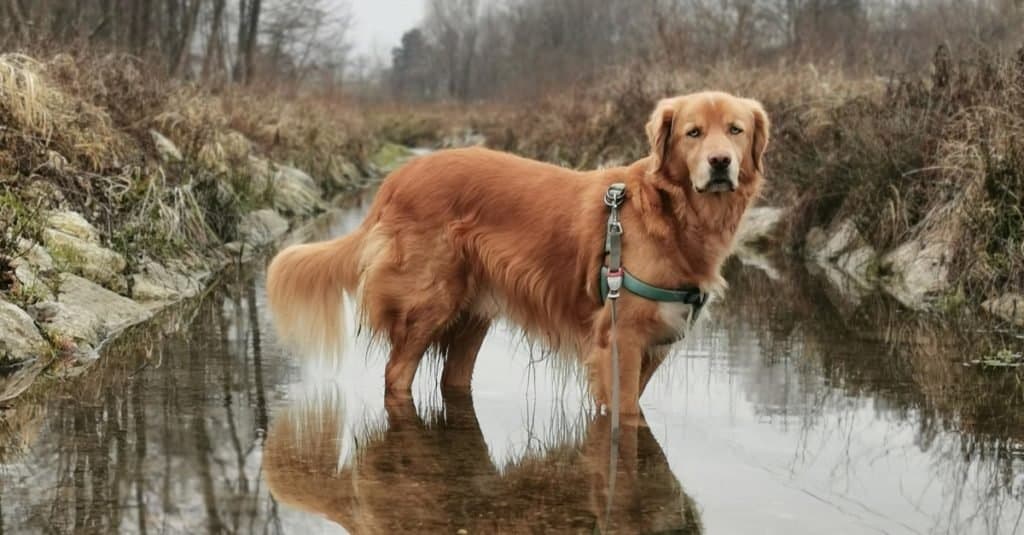
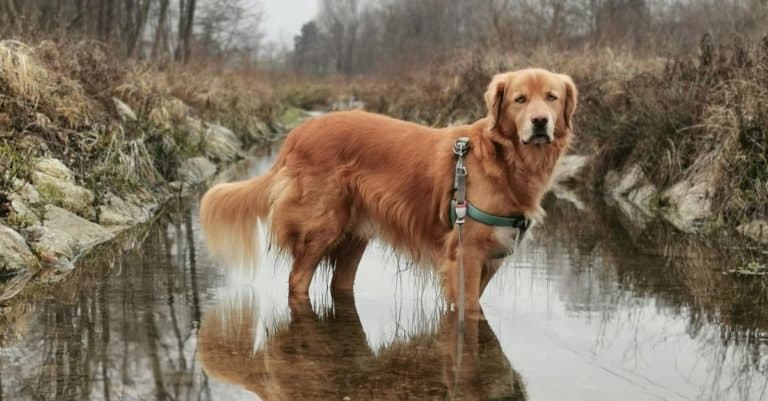
Husky Golden retriever mix, Goberian, playing in a river.

Goberians are the offspring of huskies and golden retrievers

Have you ever seen a canine that reminded you of a Husky, but had the solidly built head of a Golden Retriever? Or a pooch that should be a Husky, but had a long, slightly curled, golden coat? You were looking at a Goberian.

The appearance of these super-friendly and energetic pooches reflects that of their Husky and Golden Retriever parents. Quite often, it is the bone structure and general appearance of the Golden Retriever parent that will be dominant, although Goberians may take on the coat coloring and pattern of the Husky parent.

Size and Weight
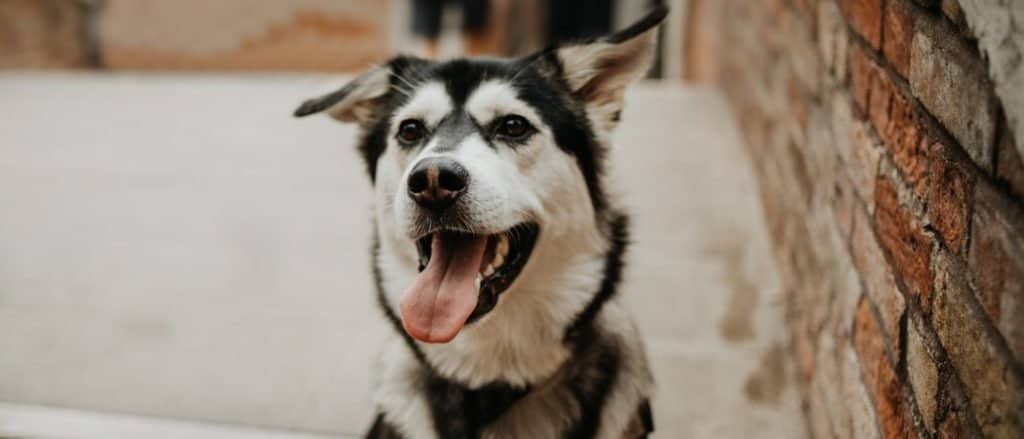
Cute Husky Golden Retriever mix, a Goberian, close-up

Goberian males are larger than females and are capable of outweighing them by 10 lbs.

Goberian male dogs usually weigh around 45 to 80 pounds, while females weigh around 35 to 70 pounds. They are rather large; while males are up to 24 inches in size, females are up to 22 inches in size when they are full-grown.

Common Health Issues
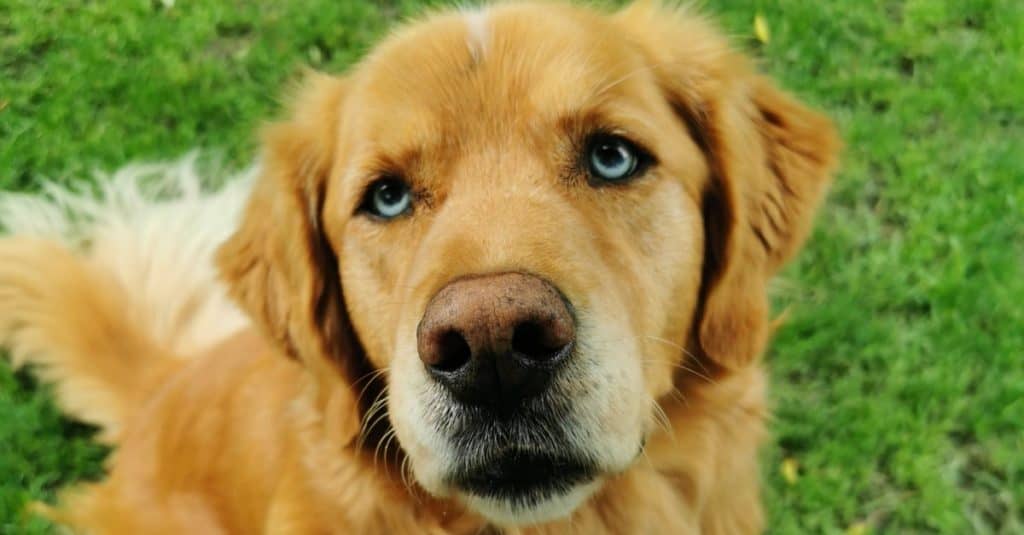
Goberian, is a mix between Golden retriever and husky. is a good dog for a family, active, healthy, strong and social.

Goberians are prone to Von Willebrand’s disease, which affects the ability of their blood to form clots.

As the issue is with all the other hybrid breeds, Goberians are prone to several health conditions that come from the Siberian Husky and the Golden Retriever. However, there can never be a guarantee that a dog will inherit any problems from its parents. After all, the long-term health of the dog cannot be predicted in any way.

Some of the problems that Goberians are prone to include Von Willebrand’s disease, epilepsy, and osteochondritis dissecans. Von Willebrand disease will impact the animal for life, preventing their blood from clotting correctly, leading to major risks if the animal were to become injured. Epilepsy affects the brain, causing seizures that can be damaging to their health. Osteochondritis dissecans impacts the joints, causing the bone to die without the correct circulation of blood.

Goberians can also succumb to eye problems and dysplasia of the joints. The lifespan of these dogs is about 10 to 15 years, so it is important to get them the necessary veterinary care as needed.

Temperament
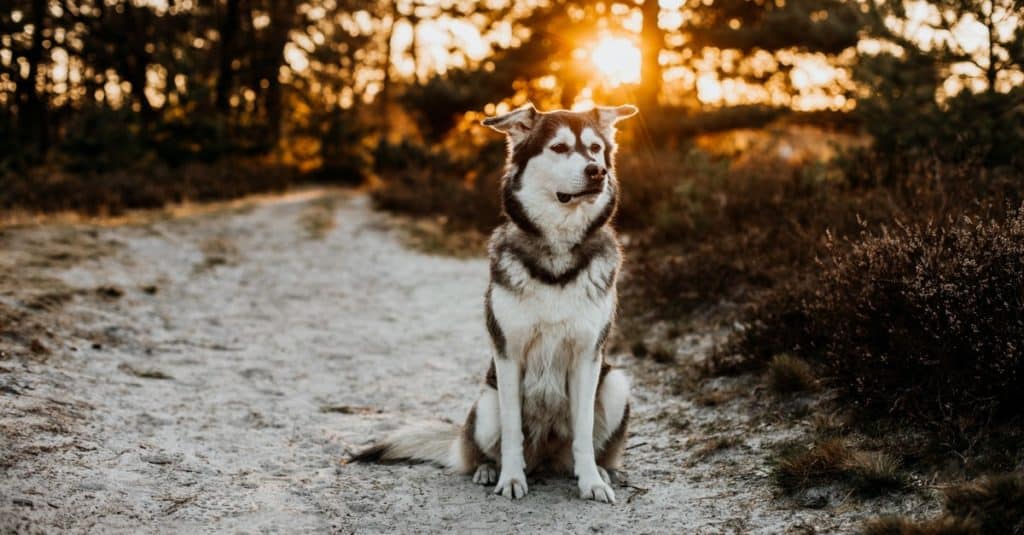
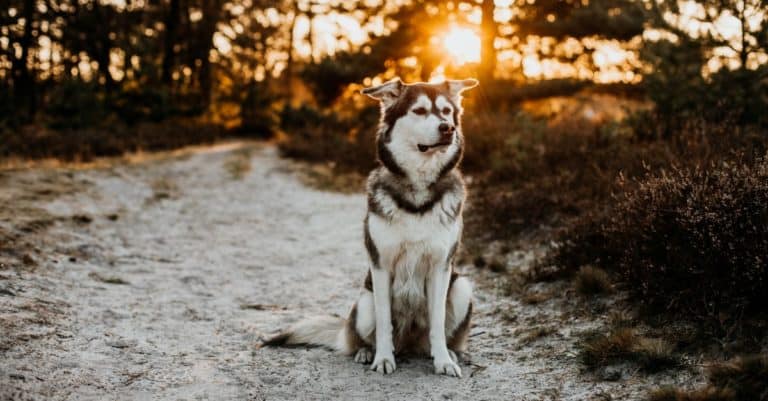
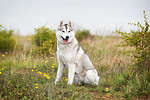
Husky Golden retriever mix, Goberian, sitting in a field

Husky Golden retriever mix, Goberian, sitting in a field.

Goberians have a pretty good temperament. They are loving and friendly and make great family pets, due to their desire to be around people. With the quick bonding that happens with Goberians and their owners, it is easy to see how they soon become a part of the family.

These hybrid dogs make great companions and enjoy a good amount of exercise. They would need a lot of exercise to keep their habits in check and to make sure that the dog does not become antisocial while growing up.

These dogs love jogging, hiking, and occasional trips to the dog park. Goberians are particularly suitable for active people, as they would love to accompany you for outdoor activities that engage their muscles. They are also extremely great with children and other pets.

Goberians also make great watchdogs and will bark at any suspicious activity that they detect. If you are looking for an alert dog, this would be a good choice. No matter which breed they inherit their qualities from, Goberians always end up having wonderful personalities.

How to Take Care of a Goberian

Though many resources teach consumers how to take care of a Golden Retriever or a Siberian Husky, Goberians are a separate breed entirely. Preparing a welcoming environment can help with the bonding and obedience that owners want from a new pet. Here are a few ways to keep them healthy.

The Best Dog Food

For your Goberian to stay healthy and fit, you need to feed them a high-quality diet that usually comprises canine food made from natural ingredients. Avoid foods that are made of artificial ingredients and have preservatives. Protein-based byproducts can offer substantial nutritional support. If the pet has a sensitive stomach or certain restrictions, check with the breeder or shelter for food recommendations.

The food that you feed your Goberian dog should be suitable according to the pet’s size, age, and activity levels. It is important to note that puppies and adults have different food requirements. Additionally, stay in touch with your vet about your dog’s health, since this breed is susceptible to several serious health problems, and discuss the best foods and supplements for early prevention.

Maintenance and Grooming

The coat of Goberians is dense and long. They usually have a double coat. The coat is slightly wavy or straight, but it won’t require much care.

They do not shed much, and you would only need to brush the coat of the dog 2 to 3 times weekly to keep the fur smooth and clean, and the coat will remain healthy. Apart from that, you can give your dog a bath when it gets too dirty. You will sometimes also have to clean their ears and brush their teeth.

Training

Some owners find it difficult to train Goberians. However, consistency is always the key with these dogs. You would have to stay calm and positive while dealing with them. They might not respond well to harshness or scolding since they desire to please their owner with everything they do.

With patience and assertiveness, they usually respond well while training. Some of the techniques that you can use while training these dogs include praises, rewards, and treats.

Goberians are smart, which is why they will pick up commands quickly. However, whether it is difficult or easy to train them would depend on the parental breed from which they have inherited their qualities.

Exercise

These crossbreed dogs crave and need a lot of exercise daily. They make great active companions and would always be eager to accompany you on an exercise trip. It is also important that you let these dogs exercise regularly, as it will help them utilize their energy in the right direction and prevent them from indulging in unwanted behaviors like digging, chewing, and unnecessary barking.

Some of the fun activities that you can enjoy with your Goberians include walking, hiking, cycling, and jogging. Your dog would need at least an hour of exercise every day, besides a lot of playtime and extended trips to the local dog park.

Puppies

While the Goberian puppies are taken care of the same way as Goberian adults, it is important to understand that the needs of the dogs at different age levels might be different.

Puppies would need to be introduced to a social circle early on in life for them to develop good habits. Also, you will have to customize a different diet for the Goberian puppies.
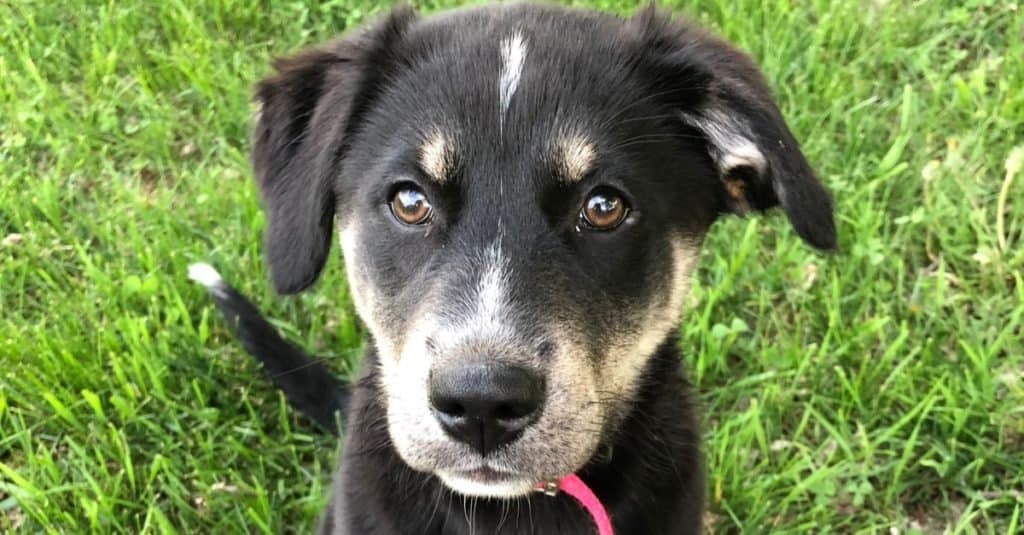
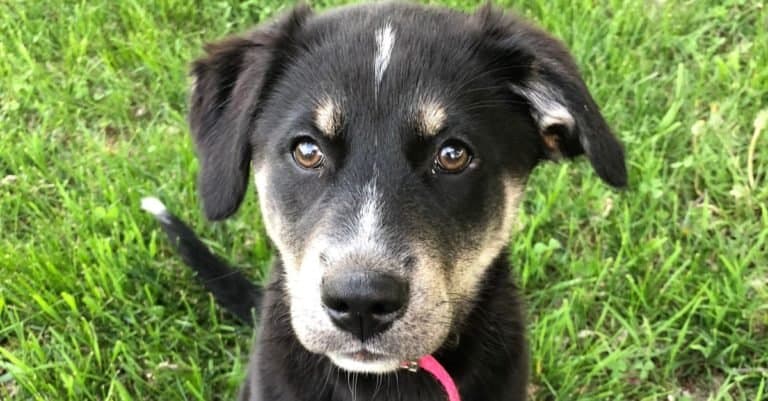
Sweet Goberian puppy playing on the grass.

Sweet Goberian puppy playing on the grass.

Goberians and Children

These crossbreed dogs are great around children as well as other pets of the family. They are very protective of children and enjoy good playtime with them. They also act as alert watchdogs for them.

Dogs Similar to the Goberian

Here are a few dogs that are similar to Goberians:

  • Golden Retriever: These dogs have a sweet temperament and are easy to train. They also make playful mates.
  • Siberian Husky: These dogs are friendly and have a long lifespan. They are known to have a low odor.
  • Labrador Retriever: These dogs are great with children and are easy to groom. They are also very friendly with the owner’s family.
View all 261 animals that start with G

Sources

  1. Dog Time / Accessed June 4, 2021
  2. Pet Guide / Accessed June 4, 2021
  3. Pet Keen / Accessed June 4, 2021
Dana Mayor

About the Author

Dana Mayor

I love good books and the occasional cartoon. I am also endlessly intrigued with the beauty of nature and find hummingbirds, puppies, and marine wildlife to be the most magical creatures of all.
Connect:

Thank you for reading! Have some feedback for us?


Goberian FAQs (Frequently Asked Questions)

These crossbreed dogs are mixed breed dogs that are a hybrid between a golden retriever and a Siberian husky.