






G
Species Profile

Golden Retriever Mix

Canis lupus familiaris

Golden heart, mixed-breed magic
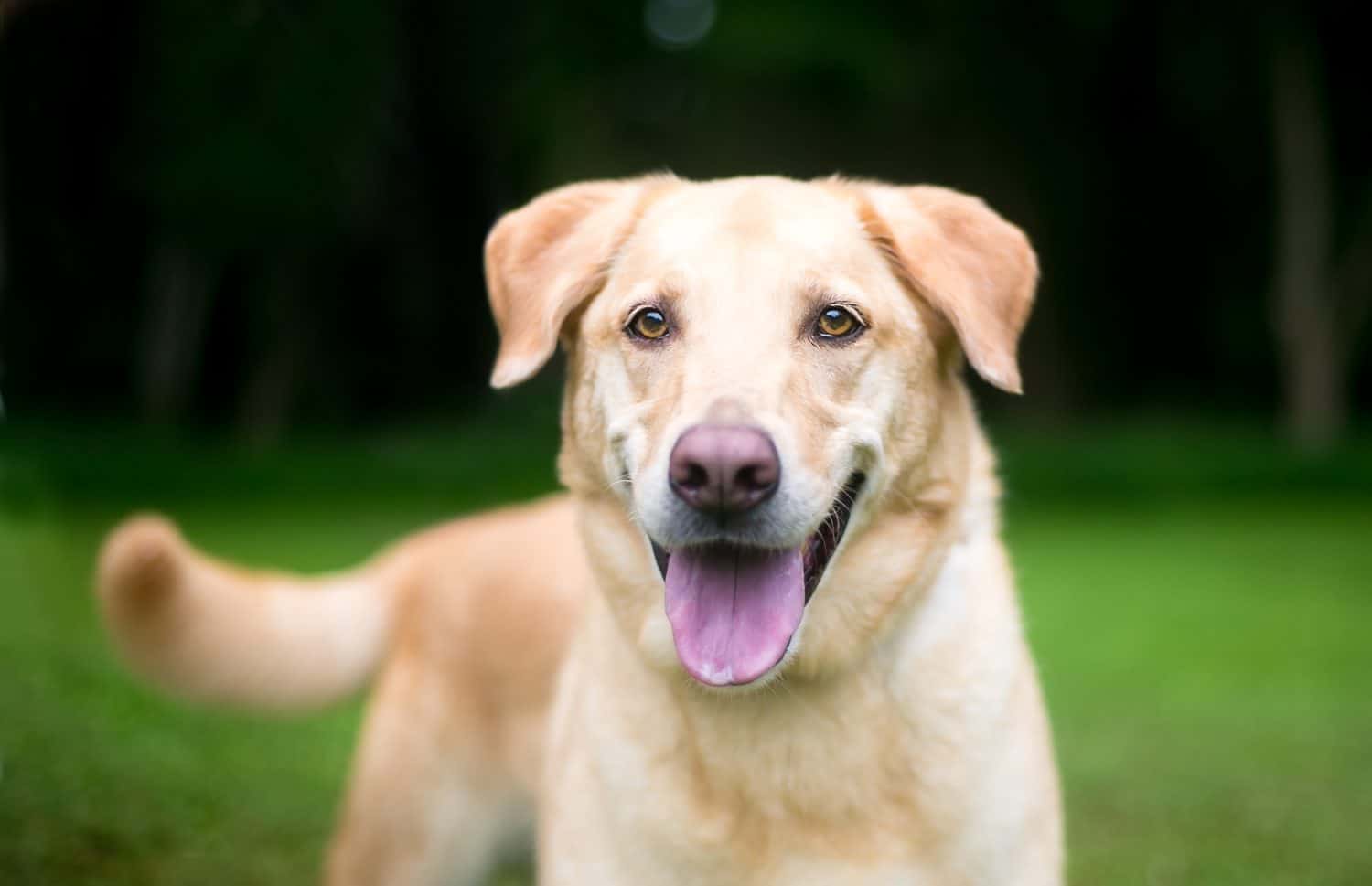
Sponner/Shutterstock.com

Golden Retriever Mix Distribution

Click a location to explore more animals from that region

Origin Location

This map shows the native origin of the Golden Retriever Mix. As a domesticated species, they are now found worldwide.

Loading map...

Found in 1 country

Size Comparison

Human 5'8"
Golden Retriever Mix 1 ft 10 in

Golden Retriever Mix stands at 32% of average human height.

Gollie

At a Glance

Domesticated
Also Known As mutt, mongrel, mixed-breed, crossbreed, Heinz 57, designer cross
Diet Omnivore
Activity Diurnal+
Lifespan 5 years
Weight 40 lbs
Status Not Evaluated
Did You Know?

"Golden mix" isn't one standardized breed-two Golden mixes can look totally different depending on the other parent breed(s).

Scientific Classification

A mixed-breed domestic dog with at least one Golden Retriever in its recent ancestry. Appearance, size, coat type, and temperament can vary widely depending on the other contributing breed(s), but many retain retriever-like traits such as friendliness and high trainability.

Kingdom
Animalia
Phylum
Chordata
Class
Mammalia
Order
Carnivora
Family
Canidae
Genus
Canis
Species
Canis lupus

Distinguishing Features

  • Mixed-breed variability; may show Golden Retriever-like head shape, feathered coat, and friendly demeanor
  • Often medium to large-bodied, but size depends strongly on the other breed(s)
  • Coat may range from short to long/feathered; colors vary (gold/cream common but not required)
  • Typically people-oriented; energy level and prey/working drive vary by mix

Physical Measurements

Males and females differ in size

Height
1 ft 12 in (1 ft 8 in – 2 ft 4 in)
1 ft 9 in (1 ft 7 in – 1 ft 12 in)
Length
3 ft 8 in (3 ft 1 in – 4 ft 1 in)
Weight
71 lbs (55 lbs – 88 lbs)
62 lbs (49 lbs – 75 lbs)
Tail Length
1 ft 3 in (12 in – 1 ft 6 in)
Top Speed
28 mph
About 35-50 km/h

Appearance

Primary Colors
Secondary Colors
Skin Type Domestic dog (Canis lupus familiaris) often has a double coat with variable undercoat. Skin is usually medium-colored; nose, lips, and eye rims usually black or sometimes brown (liver). May get dry or have skin allergies.
Distinctive Features
  • A domestic dog bred for human company and work, not a wild wolf. Usually has softer facial features and many coat colors and patterns compared with wild canids.
  • A Golden Retriever mix often has a friendly, people-oriented look, is eager to please and easy to train, and shows a strong love of fetching and play, though trait strength varies.
  • Golden Retriever mixes vary a lot: size (small to large), head shape (blocky or narrow), ear set (often drop ears but not always), coat length (short to long), and undercoat/feathering vary by the other breed.
  • Coat frequently shows retriever-like traits in many mixes: medium-length coat with some feathering on tail/legs/chest, water-resistant texture, and seasonal shedding; however, some mixes inherit short coats or curlier/wavier coats.
  • Common physical 'retriever-adjacent' silhouette when present: athletic, moderately deep-chested body; strong, straight tail (may be plumed); and soft, expressive eyes-yet these are not reliable identifiers without genetic testing.
  • Likely care needs (varies by coat): routine brushing (often 2-4x/week; daily during heavy shedding), occasional bathing, and coat/feathering detangling if long; coat type from the other breed can increase grooming needs (e.g., curls).
  • Exercise & enrichment: many Golden mixes benefit from daily aerobic activity plus training/mental work (fetch/retrieving games, scent work, basic obedience); exact needs depend on the other breed(s) and the individual's age/health.
  • Training/temperament notes: often social and handler-focused with good trainability, but reactivity, guarding, or high prey drive can appear if contributed by the other breed(s); temperament cannot be assumed without assessment.
  • Health considerations (not guaranteed; risk varies by ancestry): hip and elbow dysplasia risk can be elevated in retriever-type lines; maintain healthy weight and use appropriate exercise for growing puppies.
  • Additional common concerns across many Golden-influenced mixes: ear infections (especially with drop ears and swimming), allergic skin disease/hot spots, and obesity if overfed/under-exercised; routine ear care, weight management, and vet guidance are important.
  • Golden Retrievers have higher cancer rates; a Golden Retriever mix might or might not share that risk depending on family line. Watch for lumps or bumps, get regular vet checks, and know family history.
  • Owner-facing identifiers: friendly approachability, willingness to carry objects/toys, and enjoyment of retrieving/water play are frequently reported traits, but mixed-breed individuals can deviate substantially.

Sexual Dimorphism

Typically modest sexual dimorphism as in many domestic dogs: males average larger and more muscular with broader heads/neck; females often slightly smaller/leaner. Exact differences vary widely in mixed-breed dogs and are influenced by neuter status and the non-Golden lineage.

  • Often heavier bone and broader skull/muzzle than females of similar mix
  • May have a thicker neck/chest and more pronounced musculature
  • Can present as taller/longer-bodied depending on the other breed(s) contributing size genes
  • Often slightly smaller frame and finer head/neck compared with males of similar mix
  • May appear more lightly built/leaner in proportion
  • Size and build may overlap extensively with males, especially after spay/neuter or depending on the other breed(s)

Did You Know?

"Golden mix" isn't one standardized breed-two Golden mixes can look totally different depending on the other parent breed(s).

Many inherit the Golden Retriever's "soft mouth," a gentle bite suited to carrying objects without crushing them.

Retrieving games (fetch, carry, "bring it back") often come naturally and can be used as powerful training rewards.

Coat type can range from short and sleek to long and feathered; shedding and grooming needs vary accordingly.

Some Golden mixes keep the classic "water-dog" enthusiasm: splashing, swimming, and retrieving from ponds or lakes.

Behavior and health risks can be more predictable when you know the mix's other breed(s)-DNA tests can help guide training and care.

Golden ancestry is associated with biddability and social friendliness, but individual temperament still depends on genetics, upbringing, and environment.

Unique Adaptations

  • Domestic-dog adaptability: like all domestic dogs, Golden mixes are tuned to human cues (voice, pointing, gaze) better than wild canids.
  • Neotenous (juvenile-like) social traits common in dogs-tolerance for handling and a desire to engage in play-often strong in Golden-influenced mixes.
  • Retrieving specialization from Golden ancestry: selection for cooperative work with humans, strong play motivation, and object-carrying without damage.
  • Coat variability as an adaptation to diverse homes and climates: mixes may inherit double coats (insulation/water resistance) or single coats (less insulation) depending on the other breed.
  • High trainability "toolkit": many respond well to positive reinforcement and structured tasks (retrieve, heel, place, settle), though drive level depends on the mix.

Interesting Behaviors

  • "Retriever carry" behavior: picking up toys, socks, or household items and proudly transporting them to people.
  • Frequent "check-ins" with humans-many Golden-leaning mixes orient to faces and seek interaction during walks.
  • Mouthy play in adolescence (gentle mouthing, grabbing toys): often a retriever-style play pattern that benefits from chew/toy outlets and impulse-control games.
  • Water attraction: wading, pawing at water bowls, or trying to join swimmers (not universal, but common in retriever-influenced mixes).
  • Social greeting rituals: leaning, full-body wags, and bringing an object to visitors as a "gift."
  • Nose-led exploration: scenting the ground on walks and enjoying food puzzles; many thrive with scentwork-style games.
  • Shadowing/"Velcro" tendencies in some lines, especially if the other breed is people-oriented (e.g., poodle, spaniel, collie types).

Cultural Significance

Golden Retriever mixes (Canis lupus familiaris) show dogs as companions and helpers, not wild animals. Goldens, bred in 19th-century Scotland as game retrievers, are seen as friendly family dogs; mixes also mean rescue, uniqueness, and that each dog's needs and temperament are judged individually.

Myths & Legends

The 'Russian circus dog' story says Golden Retrievers came from pale Russian sheepdogs bought at a circus by Lord Tweedmouth. It was told before studbook records showed the breed began in Scotland.

British sporting tradition stories often cast retrievers as near-mythic partners that would bravely plunge into icy water to recover game for their handler-an idealized narrative that shaped the retriever's reputation for devotion and steadiness.

In many European folk tales, a friendly dog that brings a found object into the house is seen as a lucky gift from local spirits — a common superstition about retriever-type dogs.

Modern cultural lore around "golden" dogs frequently frames them as instinctive comfort-givers-stories of family retrievers sensing sadness or illness are common in contemporary anecdotes and have helped cement their image as gentle companions.

Conservation Status

NE Not Evaluated

Has not yet been evaluated against the criteria.

Population Stable

Life Cycle

Birth 7 pups
Lifespan 5 years

Lifespan

In the Wild
2–10 years
In Captivity
8–16 years

Reproduction

Mating System Polygynandry
Social Structure Managed Domestic
Breeding Pattern Transient
Fertilization Managed Selective
Birth Type Internal_fertilization

Golden Retriever mix (Canis lupus familiaris): Mating involves many mates (polygynandrous) but is often human-managed. Females cycle ~1–2 times/year; gestation ~63 days; litters ~4–8. Screen before breeding for hips, elbows, heart, eyes, and cancers.

Behavior & Ecology

Social Pack Group: 4
Activity Diurnal, Crepuscular
Diet Omnivore Meat-forward foods-commonly chicken or salmon-based kibble/wet food; many Golden Retriever mixes are highly food-motivated and respond strongly to palatable, protein-rich treats.

Temperament

Highly social and people-oriented; compared with the base species context (wolves), shows greater human-directed affiliation, reduced fear distance, and stronger responsiveness to human gestures/voice
Friendly, affiliative, and often tolerant with unfamiliar people and dogs; wide variation-can range from very extroverted 'greeter' to more reserved depending on other breed ancestry and early experiences
Biddable/highly trainable; commonly food- and praise-motivated, with strong reinforcement learning and suitability for obedience, therapy, and service-style tasks
Playful with frequent use of social play (chase, tug, retrieve games); may be mouthy in adolescence (soft mouth tendency can persist, but intensity varies by mix)
Moderate-to-high exercise and enrichment needs; under-stimulation may present as hyperactivity, attention-seeking, nuisance barking, or destructive chewing
Retriever-like 'carry/bring' behaviors and fetching tendencies are common; may show strong interest in water depending on coat/body type and experiences
Generally low territoriality compared with many guarding breeds, but some mixes may develop alert barking or resource guarding; early training and management are important
Common health-linked behavioral considerations: orthopedic discomfort (hip/elbow dysplasia) can reduce tolerance/affiliative behavior; obesity can reduce activity and increase heat stress; anxiety/reactivity can be exacerbated by chronic itch/pain (allergies, otitis)
Breed-mix care requirements that shape behavior: regular exercise (walks, training, play), structured socialization, consistent reward-based training, and grooming appropriate to coat type; monitor ear health especially in floppy-eared individuals
Golden Retriever mixes often have retriever health issues: hip/elbow dysplasia, cruciate ligament disease, allergies and ear infections, obesity, bloat (GDV), and higher cancer risk in some golden lines; mixed ancestry changes risk.

Communication

Bark (alerting, greeting, play solicitation); some retriever mixes are frequent 'talkers' while others are quiet depending on lineage and reinforcement history
Whine/whimper Attention-seeking, frustration, appeasement, anticipation
Growl Distance-increasing signal; may occur in play, resource contexts, or discomfort-interpret with body language
Howl Less frequent than in some breeds; may occur with sirens, separation, or social facilitation
Yelp Pain/startle; can also occur during rough play
Highly expressive body language: tail carriage/wag patterns, ear position, facial tension, and overall posture Loose 'wiggly' bodies are common in friendly greeters
Play signals: play bow, bouncy approach, exaggerated side-steps; retriever mixes often use object-based play to initiate interaction
Appeasement/calming signals: lip licking, yawning, head turns, sniffing the ground, curved approaches
Physical contact solicitation: leaning, pawing, nudging, licking; frequent proximity-seeking with preferred people
Scent communication: urine marking, ground scratching, sniffing routines; generally less territorial marking than some breeds but variable by sex/neuter status and mix
Object-mediated communication: bringing toys/leads or placing objects in a person's lap to request play, fetch, or attention Retriever-like hallmark
Gaze and gesture responsiveness: strong use of eye contact and following human pointing/hand signals; often learns routines and cues quickly
Thermoregulatory and stress cues that affect social behavior: panting, shaking off, displacement behaviors; important in hot weather and for double-coated mixes to avoid heat stress

Habitat

Biomes:
Temperate Forest Temperate Grassland Mediterranean Boreal Forest (Taiga) Tundra Alpine Desert Hot Desert Cold Savanna Tropical Dry Forest Tropical Rainforest Freshwater Wetland Marine +8
Terrain:
Plains Hilly Valley Coastal Mountainous Island
Elevation: Up to 16404 ft 3 in

Ecological Role

Human-subsidized omnivore/commensal and occasional scavenger-predator. In most settings this breed functions primarily as a companion animal whose diet is largely provided by humans; free-roaming individuals may opportunistically hunt small wildlife and scavenge waste, influencing local prey populations and disease/waste dynamics.

companionship and social support to humans working roles in some lines (retrieving, assistance, detection) limited pest control via deterrence/predation of small mammals (context-dependent) nutrient redistribution via waste (localized) can negatively impact wildlife through opportunistic predation if unmanaged (ecological disservice)

Diet Details

Main Prey:
Small mammals Birds and eggs Fish or fish-based foods Invertebrates Meat-based foods provided by humans
Other Foods:
Starches and grains in formulated diets Vegetables Fruits Grasses and plant matter Dietary fiber sources

Human Interaction

Domestication Status

Domesticated

Domestic dogs (Canis lupus familiaris) came from gray wolf ancestors (Canis lupus) and were shaped over thousands of years by humans for companionship, work, and less fear or aggression toward people. A Golden Retriever mix is a mixed-breed dog with at least one Golden Retriever ancestor; its traits reflect this domestication and recent breeding for retrieving and companionship.

Danger Level

Low
  • Bites/scratches (often situational: fear, pain, resource guarding, rough handling)
  • Knock-down risk for children/elderly from exuberant jumping or play
  • Allergen exposure (dander/saliva)
  • Zoonotic risks are low with routine veterinary care; parasites possible without preventives
  • Behavioral risk can increase with poor socialization, neglect, or unmanaged anxiety/reactivity

As a Pet

Suitable as Pet

Legality: Golden Retriever mix is generally legal as a pet where dogs are allowed. It must follow local rules like licensing, leash laws, vaccinations, and limits. Rarely, housing, insurance, or breed bans may apply.

Care Level: Moderate

Purchase Cost: Up to $1,500
Lifetime Cost: $15,000 - $45,000

Economic Value

Uses:
Companion animal industry Veterinary services Training and behavior services Pet food and supplies Grooming services Pet insurance Working roles (limited/individual)
Products:
  • Adoption fees or purchase fees
  • Routine and emergency veterinary care (vaccines, spay/neuter, dentistry)
  • Commercial dog food and treats
  • Leashes, collars/harnesses, crates, beds, toys
  • Grooming (bathing, brushing tools, professional grooming as needed)
  • Training classes/private training
  • Boarding/daycare and pet sitting
  • Preventives (flea/tick/heartworm)
  • Pet insurance premiums

Relationships

Related Species 5

Gray wolf
Gray wolf Canis lupus Shared Species
Coyote
Coyote Canis latrans Shared Genus
Golden jackal
Golden jackal Canis aureus Shared Genus
African golden wolf Canis lupaster Shared Genus
Ethiopian wolf Canis simensis Shared Genus

Ecological Equivalents 4

Animals that fill a similar ecological role in their ecosystem

Golden retrievers are, without a doubt, one of the most popular dog breeds ever! They are smart, friendly, and incredibly devoted to their loved ones. Therefore their intelligence and attentive nature make them brilliant guide and therapy dogs. Additionally, breeders adore them because when they combine this dog’s genetics with other breeds, the result is generally a more obedient and vivacious pooch. Golden retriever mixes have varied personalities, and, as with any crossbreed, they are more uniquely colored than purebreds. However, due to mixed breed personalities being more challenging to predict, you never really know what your dog will be like until they are older.

Unfortunately, some purebred dogs can pass on specific health issues to their offspring. For example, golden retrievers are susceptible to hip dysplasia and cancer. Combining two breeds lessens the chance of either parent’s common health issues affecting the hybrid.

This article will focus on the Gollie, a golden retriever and collie mix. But first, let’s take a look at some other golden hybrids.

Types of Golden Retriever Mixes

While the golden retriever is basically perfect in every way, combining them with another purebred results in something even more special. Here are four of the most popular golden retriever mixes:

Goldendoodle (Golden Retriever and Poodle Mix)
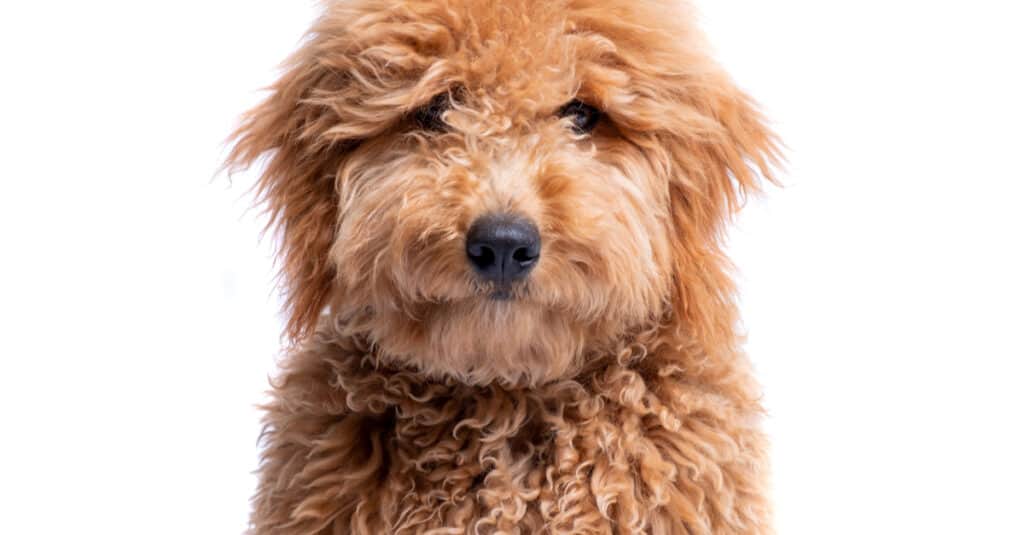
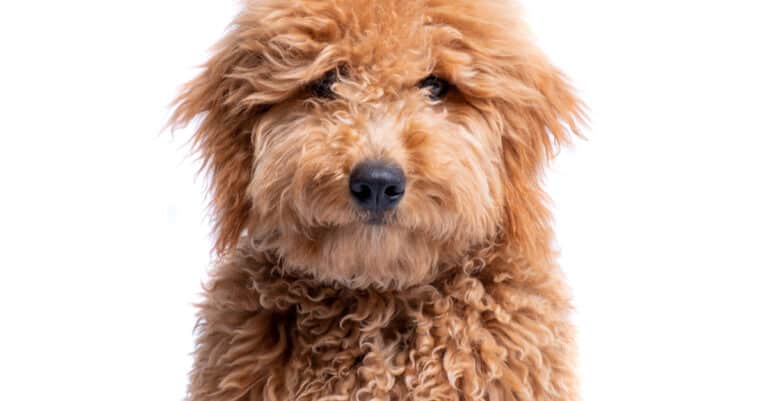
Mini Goldendoodle Puppy

Goldendoodles are perfect for people who suffer from allergies.

Unlike the golden retriever, goldendoodles are low-shedding dogs, thanks to their poodle genes, making them an appealing alternative. But that’s not all the goldendoodle has to offer. While they may look like fluffy bears, these pooches are very playful and athletic and love walking, jogging, swimming, and hiking. Additionally, these hybrids are highly intelligent dogs, making them fairly easy to train, using plenty of positive reinforcement in the process.

Basset Retriever (Golden Retriever and Basset Hound Mix)
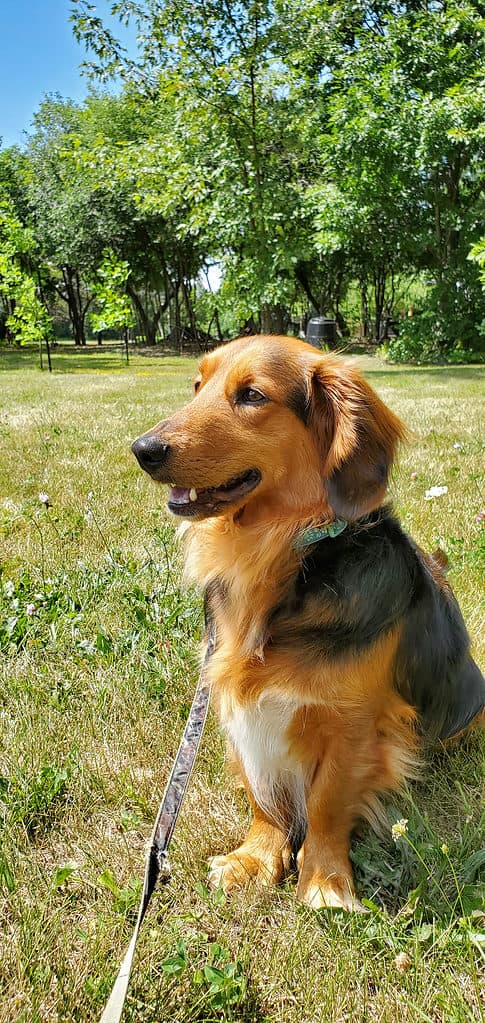
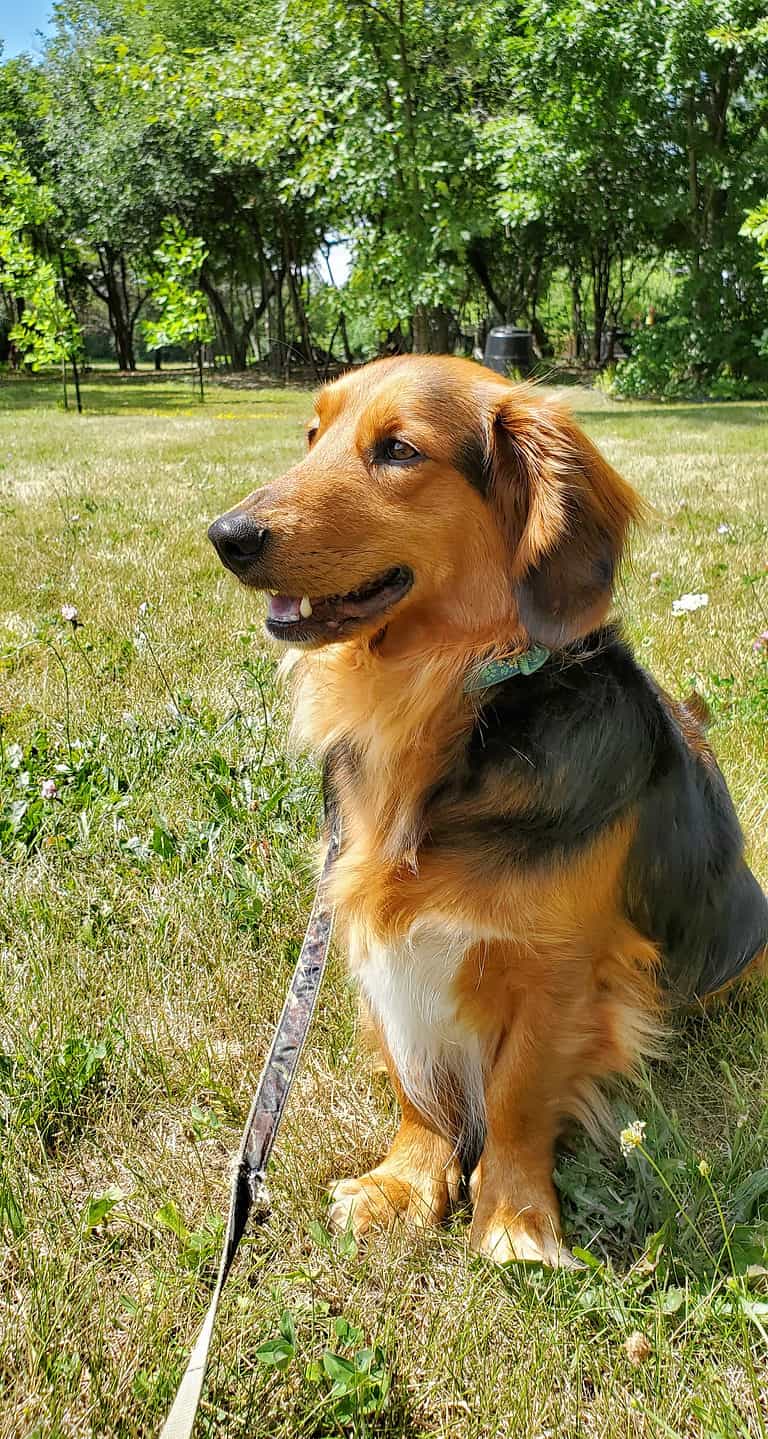
Basset retriever on a leash

Basset retrievers are friendly dogs that get along well with children.

The basset retriever is the offspring of two unlikely breeds: the golden retriever and the basset hound. While the basset hound is stubborn and relatively lazy, the golden retriever is energetic and eager to please. So, the basset retriever is loyal, calm, and occasionally protective. Therefore, they are not aggressive and tend to get along well with kids.

The basset retriever’s grooming needs can vary significantly because they can inherit their coats from either parent, meaning they can have short or long fur. Therefore, if they take after the long-haired golden retriever, they will require more grooming. But, if they inherit the basset hound’s coat, grooming will be minimal.

Goldador (Golden Retriever and Labrador Retriever Mix)

black Goldador puppy playing

If you enjoy running, hiking, hunting, or swimming, your Goldador companion will surely join you.

One of the only breeds that continuously ranks higher in popularity compared to the golden retriever is the Labrador retriever. Therefore, their hybrid, the goldador, is the best of both worlds. When it comes to temperament, the golden retriever and the Labrador have plenty in common, so the goldador shouldn’t be much different.

Similar to its parent breeds, the goldador is very loyal, friendly, and muscular. Additionally, they are the perfect companion for children of all ages. However, the goldador is a large-sized designer breed, so there should always be an adult present when interacting with younger kids, as they could easily knock a child over in excitement.  

Golden Shepherd (German Shepherd and Golden Retriever and Mix)

Happy golden shepherd mix dog in a grassy backyard.

Golden shepherds are well-known for their loving personalities.

Here is another popular hybrid, the golden shepherd is a mix between two of the most loved dog breeds, German shepherds and golden retrievers.  This designer breed, often called the golden German shepherd, is super adorable, highly intelligent, and extremely loyal to its loved ones. However, their appeal is due to their incredibly loving personality. This golden retriever mix makes the perfect companion for families with plenty of free time to play, exercise, and give attention to the golden shepherd.

Golden Retriever Mix Pros and Cons

ProsCons
The perfect hybrid for first-time dog owners due to their easy-going personalityGollies are not suited to apartment living because of their large size and exercise needs
Gollies are highly intelligent and easy to trainThey are susceptible to obesity as they put on weight pretty quickly
The gollie is one of the best dogs to have around childrenGollies are heavy shedders, so they are not a good choice for someone who suffers from allergies

The Best Dog Food for a Golden Retriever Mix

The Gollie is a relatively high-energy dog. Therefore experts recommend dry, high-quality kibble full of nutrients and vitamins for their active lifestyle. It’s advisable to give them between 2.5 to 3 cups of dry dog food, divided into two or three small meals daily, depending on their size and activity level. Whatever you do, do not free-feed this golden retriever mix, as they can put on weight quickly and tend to overeat. Additionally, treats are always great, but only in moderation.

Golden Retriever Mix Size and Weight

The gollie is considered a large breed because its weight ranges from 50 to 75 pounds. Furthermore, they can reach heights of 24 to 25 inches tall.

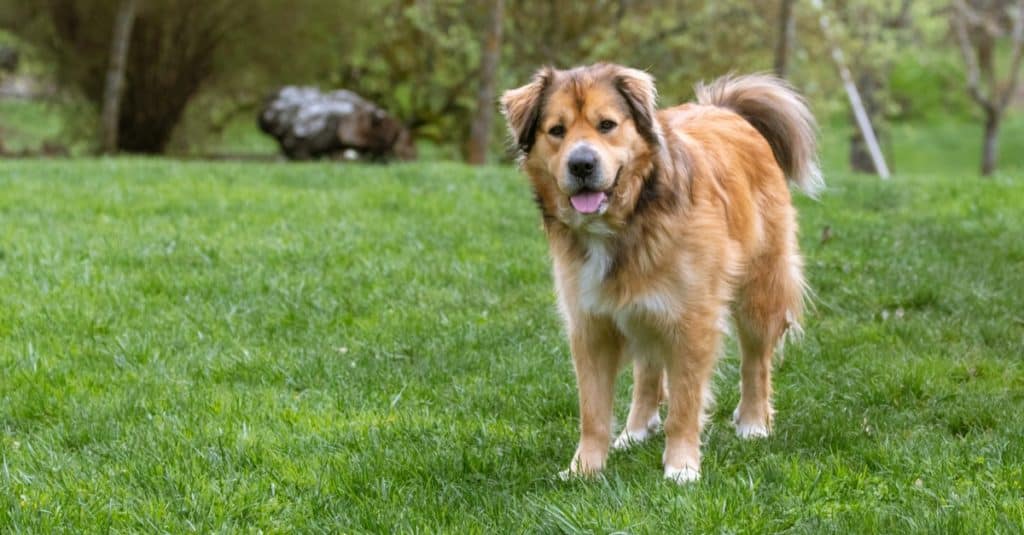
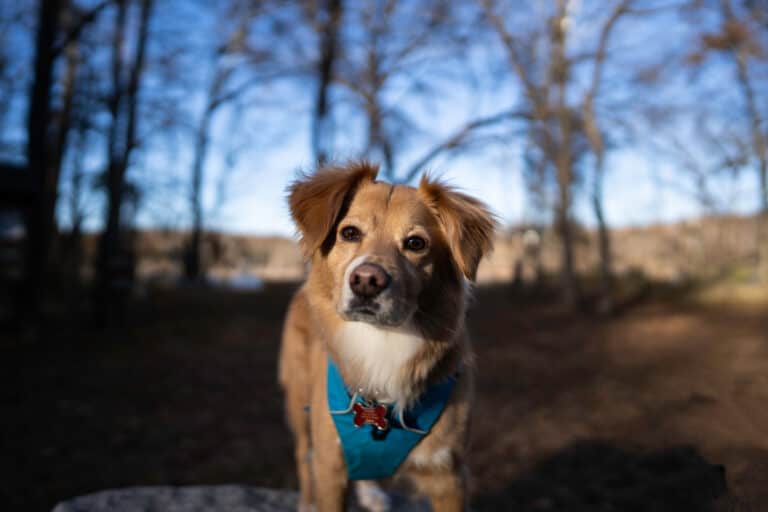
Gollie

The most significant part about owning a Gollie is that this hybrid breed inherited charming and attentive characteristics from their Scottish roots.

Golden Retriever Mix Common Health Issues

Both the golden retriever and the collie are prone to some serious health concerns. For example, the golden retriever generally suffers from cataracts, epilepsy, elbow dysplasia, skin allergies, and heart disease. While collies are prone to gastric torsion, progressive retinal atrophy, dermatomyositis, neutropenia, and arthritis. So, unfortunately, the gollie may inherit some of these conditions. If you suspect something is wrong with your golden retriever mix, hurry down to your local vet for a checkup.

Life Expectancy

If cared for properly, gollies can live long and healthy lives. Their lifespan ranges anywhere from 12 to 15 years.

Golden Retriever Mix Temperament

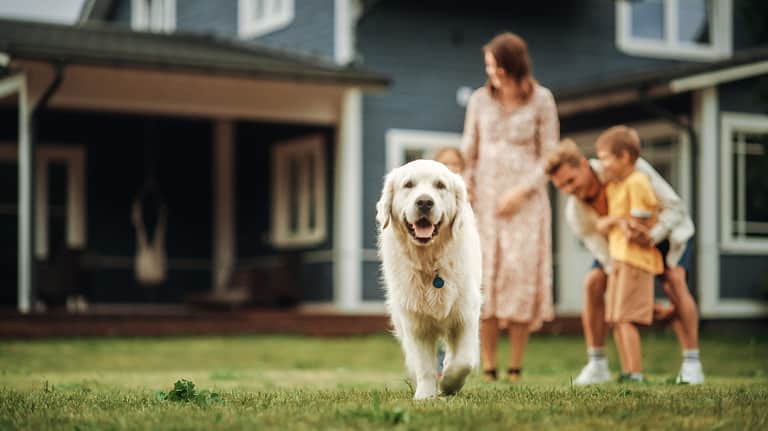
Gollies make excellent family pets who will lick you and your family members to death if you let them. Additionally, they are incredible with children as they are very tolerant and don’t mind some roughhousing. Kids will often lay on them and pull their fur as their silky soft coat probably feels like a pillow. You don’t even have to worry about children sticking their fingers into a gollies mouth because they will most likely lick them instead of snapping their jaws shut.

While gollies make good watchdogs since they generally bark when there is a newcomer at the door, they are not the best guard dogs. Instead of intimidating the stranger, they typically run up to the intruder and greet them with a waggy tail.

Lastly, the gollie makes an excellent service dog, much like the golden retriever, due to its friendly personality and ease of training. These hybrids can effortlessly open doors, pick up items, and assist the disabled, senior, or veteran with anything else they might need. Additionally, this makes them ideal candidates for the armed forces, police, sentries and serving as a courier.

How to Take Care of a Golden Retriever Mix

Caring for a gollie is relatively straightforward. However, due to being a hybrid, they can inherit traits from either parent breed, so their maintenance largely depends on which characteristics they possess.

Grooming

You can expect the gollie to shed a lot, so brushing them daily is mandatory if you want to keep your home hair-free, well, as hairless as possible, anyway. However, it is best to brush them outdoors, as their long, silky fur can easily be carried away by the wind and distributed elsewhere. Of course, that’s your neighbor’s problem, right? The length of this golden retriever mix’s fur will vary, but it is generally long and comes in an array of colors like gold, black, brown, white, tan, and yellow.

Only bathe your gollie when they are filthy, as they need natural oils to keep their coats and skin healthy. This means you shouldn’t wash them more than once every three months.

Training

Because the gollie is so eager to please its owners, they are incredibly easy to train, which is why they make such great pets for novice owners. However, when training, this golden retriever mix needs a lot of positive reinforcement, like treats or praise.

Exercise

Gollies are filled with energy from the moment they are born to well into their senior years, so they need an active family that will take them out on lots of adventures. While keeping them in an apartment is not impossible, it is best to have a secured big backyard where they can let loose and run around to their heart’s content. However, they will still need a good walk or playtime in between as well. As this golden retriever mix is a social butterfly, they really enjoy frequenting dog parks where there are plenty of friends to play with.

Puppies

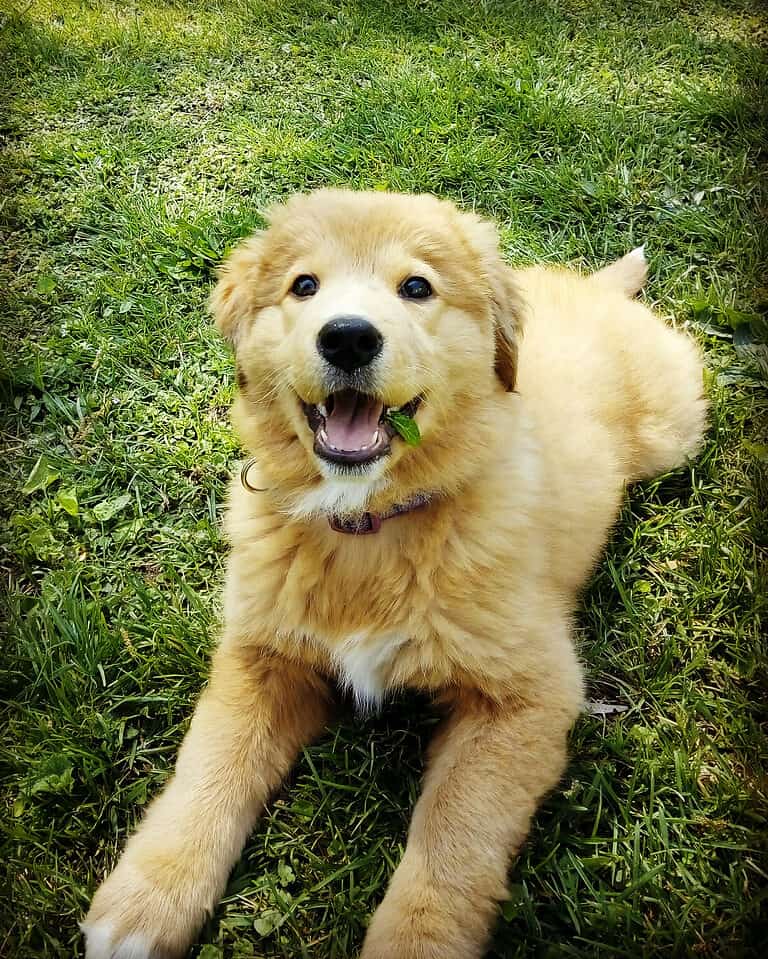
Female gollies can give birth to litters of  4 to 6 pups.
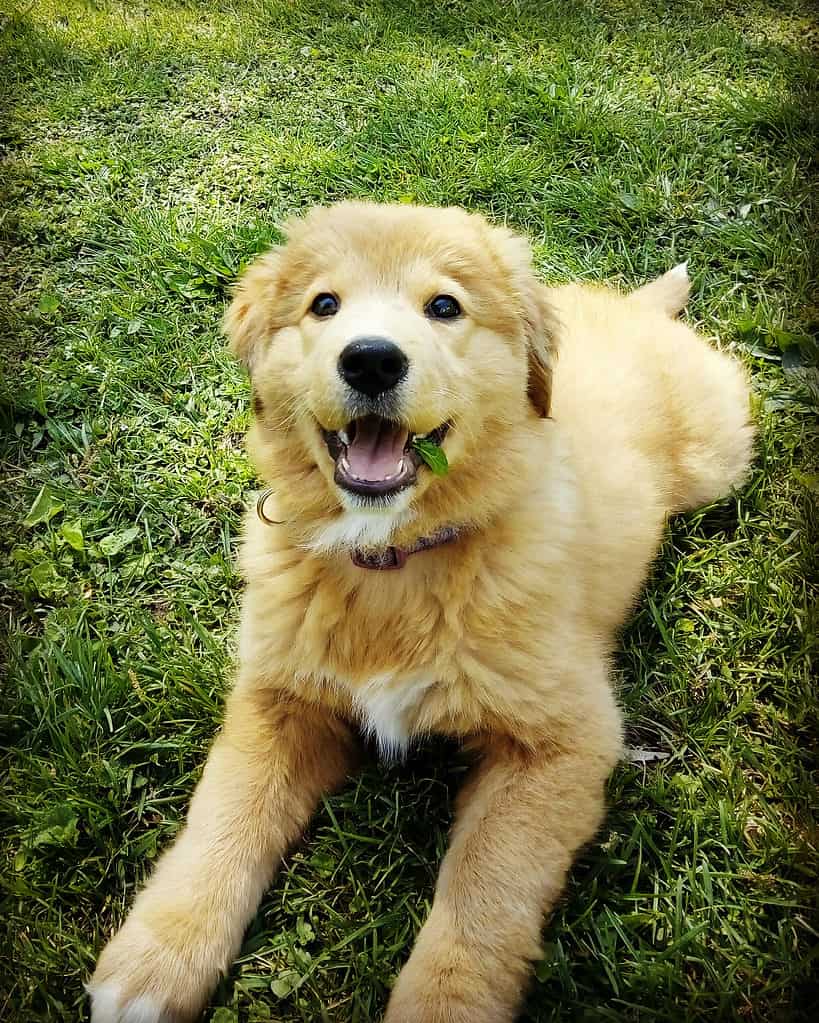
Adorable gollie puppy on the grass

Gollies make ideal candidates for service dogs because they are so easy to train.

Golden Retriever Mix and Children

Due to their amazingly docile nature and puppy-like behavior, gollies make charming additions to almost any family. They adapt well to children and adults of all ages, providing both parties know how to interact with them respectfully.

These dogs make great playmates, so if you have energetic children who need to let off some steam, the gollie is a match made in heaven. However, one of these pups might be a little hard to handle for seniors, as they need a lot of exercise. But they can easily rescue an adult gollie, who will be the perfect companion.

Gollies integrate well with other pets in the home, especially if they are raised together. However, this does not mean they don’t need socialization from a young age. Exposing your gollie to new surroundings, people, and animals is one of the best things you can do for them.

Golden Retriever Mix Cost

A gollie pup from a reputable breeder can cost between $300 to $700, depending on the location, breeder, and pedigree. In addition, other expenses may include grooming tools, medical needs, and accessories like leashes, training manuals, and toys.

Dogs similar to the Golden Retriever Mix

View all 261 animals that start with G

Sources

  1. Pet Keen / Accessed January 13, 2023
  2. Dog Product Picker / Accessed January 13, 2023
  3. Daily Paws / Accessed January 13, 2023
Chanel Coetzee

About the Author

Chanel Coetzee

Chanel Coetzee is a writer at A-Z Animals, primarily focusing on big cats, dogs, and travel. Chanel has been writing and researching about animals for over 10 years. She has also worked closely with big cats like lions, cheetahs, leopards, and tigers at a rescue and rehabilitation center in South Africa since 2009. As a resident of Cape Town, South Africa, Chanel enjoys beach walks with her Stafford bull terrier and traveling off the beaten path.
Connect:

Thank you for reading! Have some feedback for us?


Golden Retriever Mix FAQs (Frequently Asked Questions)

Gollies (golden retriever and collie mix) make excellent family pets who will lick you and your family members to death if you let them. Additionally, they are incredible with children as they are very tolerant and don’t mind some roughhousing.