






P
Species Profile

Pug Mix

Canis lupus familiaris

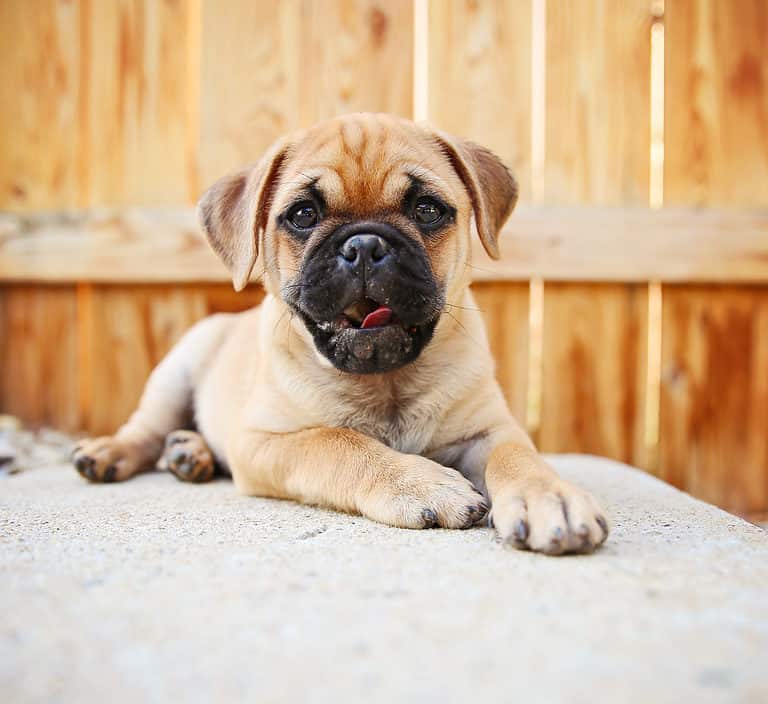
Pug charm, mixed to match.
anetapics/Shutterstock.com

Pug Mix Distribution

Domesticated Species

Found Worldwide

Pug Mix (Canis lupus familiaris) is a mixed-breed dog with Pug roots from China (CN). Kept by people, it lives wherever dogs live—common in cities and suburbs worldwide, especially where pet ownership, vets, and demand for small dogs exist. Found in homes and apartments, not wild habitats.

Size Comparison

Human 5'8"
Pug Mix 12 in

Pug Mix stands at 17% of average human height.

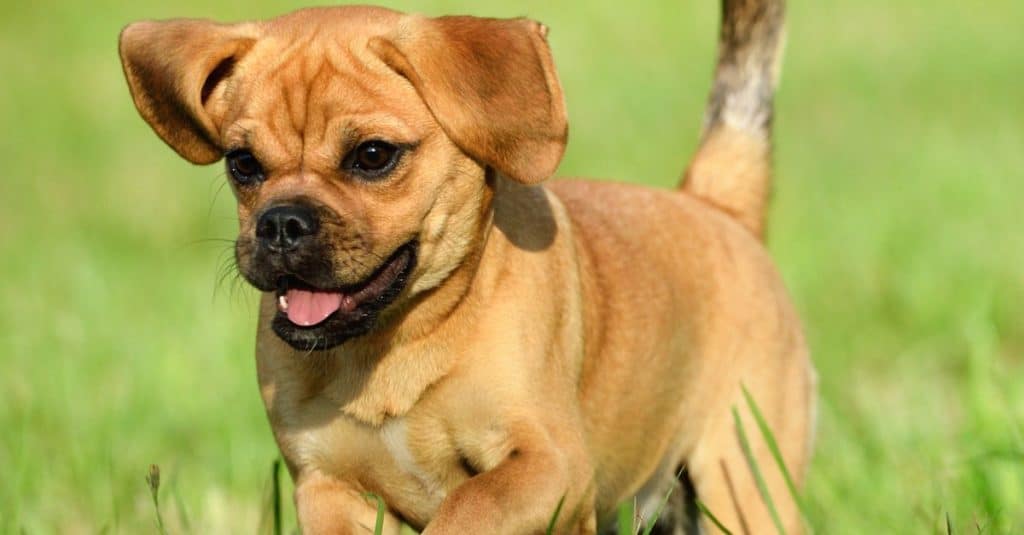
Cute puppy, 10 week-old Puggle Dog (Pug and Beagle mix) playing in the field

At a Glance

Domesticated
Also Known As Pug cross, Pug crossbreed, Pug hybrid, Pug mongrel, Pug mutt
Diet Omnivore
Activity Diurnal+
Lifespan 12 years
Weight 14 lbs
Status Not Evaluated
Did You Know?

"Pug Mix" isn't a single standardized breed-coat, size, and temperament can differ widely even within the same litter.

Scientific Classification

A 'Pug Mix' is a domestic dog of mixed ancestry in which the Pug breed contributes part of the genetic background. Traits vary widely depending on the other breed(s) involved, but many retain some Pug-like companion-dog characteristics.

Kingdom
Animalia
Phylum
Chordata
Class
Mammalia
Order
Carnivora
Family
Canidae
Genus
Canis
Species
Canis lupus

Distinguishing Features

  • Mixed-breed domestic dog with partial Pug ancestry (not a standardized breed)
  • Often small-to-medium body size (varies by cross)
  • May show Pug-like facial traits (shortened muzzle, round eyes, forehead wrinkles), though these can be reduced in some mixes
  • Coat and tail curl vary; some mixes retain the tightly curled Pug tail
  • Temperament commonly described as companion-oriented; actual behavior depends on the other breed(s) and upbringing

Physical Measurements

Males and females differ in size

Height
♂ 1 ft 1 in (11 in – 1 ft 4 in)
♀ 11 in (8 in – 1 ft 1 in)
Length
♂ 1 ft 6 in (1 ft 2 in – 1 ft 10 in)
Weight
♂ 24 lbs (15 lbs – 35 lbs)
♀ 20 lbs (13 lbs – 29 lbs)
Tail Length
♂ 4 in (3 in – 5 in)
♀ 5 in (4 in – 7 in)
Top Speed
20 mph
running

Appearance

Primary Colors
Secondary Colors
Skin Type Domestic dog (Canis lupus familiaris) coat/skin; short-to-medium coat common, with possible sensitive skin and facial-fold areas requiring routine hygiene.
Distinctive Features
  • Mixed-breed category, not a formally standardized single breed; appearance varies widely by non-Pug parentage.
  • Species context: domestic dog (Canis lupus familiaris) within Canidae (Carnivora); companion-selected traits differ from wild Canis lupus.
  • Often retains some Pug-like traits: rounder head, large prominent eyes, facial wrinkles, and a tendency toward a curled or tightly carried tail.
  • Muzzle length is variable; may be brachycephalic (short-faced) or more moderate depending on the mix.
  • Body build ranges from compact and stocky to more athletic; leg length and chest depth depend on the other breed(s).
  • Common health considerations if brachycephalic traits present: noisy breathing, heat intolerance, reduced exercise tolerance; veterinary evaluation recommended.
  • Other frequent concerns (variable): obesity risk, dental crowding, eye irritation/injury, skin-fold dermatitis, and patellar/hip issues influenced by the other breed.
  • Care needs often include weight management, avoiding overheating, regular dental care, wrinkle/skin-fold cleaning if present, and coat grooming appropriate to coat length/density.

Sexual Dimorphism

Sexual dimorphism is usually mild in Pug mixes: males often trend slightly larger and heavier-boned, while females may be a bit smaller and leaner. Differences are inconsistent due to mixed ancestry.

♂
  • Often slightly heavier body mass and broader head/neck
  • May show more prominent musculature depending on the other breed contribution
♀
  • Often slightly smaller frame and lighter build
  • May appear more refined in head shape depending on the other breed contribution

Did You Know?

"Pug Mix" isn't a single standardized breed-coat, size, and temperament can differ widely even within the same litter.

Many Pug mixes inherit some brachycephalic (short-muzzled) features, but others have longer muzzles depending on the non-Pug lineage.

The curled "cinnamon roll" tail associated with Pugs can appear in mixes, but tail shape is highly variable.

Pug ancestry often contributes a strong people-oriented, lap-dog personality typical of many companion lines of the domestic dog.

Common Pug-mix types (by ancestry) include Pug × Beagle ("Puggle"), Pug × Chihuahua, and Pug × Boston Terrier-each with distinct energy and health profiles.

As members of the dog family among carnivoran mammals, all dogs-including Pug mixes-share social communication signals like body posture, facial expression, and scent marking, even when bred primarily for companionship.

Because mixed ancestry can increase genetic diversity, some Pug mixes may have reduced risk for certain inherited conditions compared with a tightly line-bred population-though this is not guaranteed.

Unique Adaptations

  • Domestic-dog flexibility: as domestic dogs, Pug mixes are highly adaptable to human environments, routines, and training styles compared with their wild canid ancestors.
  • Companion-animal sociability: generations of selection for human-directed bonding often produces strong affiliative behaviors (seeking contact, eye-gazing, cuddling).
  • Possible brachycephalic morphology: a shortened skull can create the characteristic Pug-like face and sounds, but may reduce heat tolerance and exercise efficiency.
  • Coat diversity from mixed ancestry: can range from short single coats to denser double coats-affecting shedding, grooming, and temperature comfort.
  • Size and athleticism variability: depending on the other parent breed(s), a Pug mix may be sturdier, leggier, or more endurance-capable than a pure Pug.

Interesting Behaviors

  • Shadowing/"velcro dog" behavior: many Pug mixes follow people room-to-room, reflecting companion-dog selection.
  • Snorting, reverse sneezing, and "talking" grunts: common if a short muzzle/soft-palate anatomy is inherited.
  • Comedy play style: bouncy, front-end "play bows," and quick bursts of zoomies followed by couch recovery.
  • Food-driven learning: many respond well to positive reinforcement with small treats-watch calorie intake.
  • Heat-seeking lounging: frequent preference for warm laps/blankets; may also show sunbathing behavior.
  • Alert barking varies: mixes with scent-hound or terrier ancestry may be more vocal than typical Pugs.
  • Scent exploration: despite "toy" size, many enjoy sniff-walks; hound-influenced mixes may track intensely.

Cultural Significance

Pug mixes (Canis lupus familiaris) show modern pet culture. Families want the Pug’s loving, funny nature plus traits like a longer muzzle, easier to train, or a different coat. Designer mixes (e.g., Puggles) raised popularity and health worries about breathing and heat.

Myths & Legends

In Imperial China, small flat-faced "lion dogs" (including Pug-like companions) were seen as lucky court pets. Palace stories call them well-loved animals of nobles, often given special ceremonial care.

European fascination with Pugs in the early modern era produced anecdotes of these dogs as devoted sentinels and companions in royal and aristocratic households-tales that helped cement the Pug's image as a loyal lap guardian.

The House of Orange in the Netherlands has long told a story of a Pug, often called 'Pompey,' that kept watch and saved a leader from danger, helping make the breed a symbol there.

Across Europe, Pugs became fashionable "parlor dogs," and period writings portray them as comic, humanlike companions-an image that influences how Pug ancestry (including mixes) is culturally perceived today.

Conservation Status

NE Not Evaluated

Has not yet been evaluated against the criteria.

Population Stable

Life Cycle

Birth 4 pups
Lifespan 12 years

Lifespan

In the Wild
8–16 years
In Captivity
8–16 years

Reproduction

Mating System Promiscuity
Social Structure Managed Domestic
Breeding Pattern Transient
Fertilization Managed Selective
Birth Type Internal_fertilization

As a Pug-influenced mixed dog, mating is typically human-controlled rather than free-ranging, with temporary pairings and internal fertilization. Brachycephalic ancestry can increase risks (heat stress, dystocia), sometimes requiring assisted mating or caesarean delivery and careful neonatal care.

Behavior & Ecology

Social Pack Group: 3
Activity Diurnal, Cathemeral
Diet Omnivore Meat-based foods and treats (e.g., chicken or beef flavors), often preferred over plant-heavy options.

Temperament

Species context (Canis lupus familiaris): highly social, human-directed, reduced territorial hunting compared with wolves.
Breed distinction (Pug Mix HUB): typically companion-oriented, people-seeking, and tolerant of handling; variation by other breed.
HUBS: many show moderate play drive and novelty interest, but can be stubborn without consistent rewards.
HUBS: may be less endurance-oriented than many dogs; prefers short interactive sessions over long runs.
Often affectionate and comedic/clownish; may solicit attention via pawing, leaning, or vocalizing.
Can be cautious with strangers if under-socialized; early positive exposure reduces barking and reactivity.
Trainability varies; food motivation common but must balance with obesity risk.
Common health concerns (breed-influenced): brachycephalic airway syndrome, snoring, heat intolerance, exercise intolerance.
Other frequent concerns: obesity, dental crowding, skin-fold dermatitis, allergies, eye injury/ulcers; some mixes add hip dysplasia or patellar luxation.
Care requirements (breed-influenced): avoid heat/humidity, use harness over collar if airway issues, monitor breathing during play.
Care requirements: routine wrinkle/skin care if present, regular dental care, controlled diet, low-impact exercise, mental enrichment.

Communication

Barking Alert/attention-seeking; often higher frequency in small companion mixes
Whining Proximity-seeking, frustration, or anticipation
Growling Resource guarding or discomfort; usually avoidable with training and management
Play grunts/snuffles; "talking" noises during excitement.
Snoring/stertor and snorting More common when brachycephalic traits are present
Body posture and facial expressions; exaggerated due to short muzzle/round eyes in some mixes.
Tail carriage and whole-body wags; may be limited if tail is naturally short/curled.
Pawing, nudging, leaning, and lap-climbing to initiate contact Companion-breed typical
Licking and muzzle nuzzling for affiliation and appeasement.
Scent marking (urine, ground-sniffing) and scratching; less territory-driven than wild canids but still present.
Panting and increased noisy breathing as stress/heat signals; requires handler attention in brachy individuals.

Habitat

Biomes:
Temperate Forest Boreal Forest (Taiga) Tundra Alpine Temperate Grassland Mediterranean Desert Hot Desert Cold Savanna Tropical Dry Forest Tropical Rainforest Freshwater Wetland Marine +8
Terrain:
Plains Hilly Valley Coastal Island Mountainous Plateau Riverine Rocky Sandy Muddy Volcanic Karst +7
Elevation: Up to 16404 ft 3 in

Ecological Role

Domesticated companion omnivore closely tied to human environments; functions primarily as a commensal consumer of human-provided foods with occasional opportunistic predation.

companionship and psychosocial support (including therapy/service roles in some individuals) local scavenging of food waste (minor) alert/guardian signaling (barking) that can deter some pests or intruders incidental control of small pests (rare/opportunistic)

Diet Details

Main Prey:
Small mammals Small birds Insects and other small invertebrates
Other Foods:
Grains and legumes Vegetables Fruit Grasses and plant matter

Human Interaction

Domestication Status

Domesticated

Pug Mix (Canis lupus familiaris) is a mixed-breed dog with Pug ancestry. Pugs were bred as human companions in ancient China and Europe, noted for a short-muzzled (brachycephalic), compact body and friendly, people-oriented nature. Pug Mix traits vary. They are common household pets or rescue dogs, needing vet care, weight and breathing and heat care, grooming, training, and sometimes therapy.

Danger Level

Low
  • Minor bite/scratch risk typical of domestic dogs, usually linked to fear, pain, resource guarding, or poor socialization
  • Injury risk from jumping/knocking over small children or frail adults (varies with the non-Pug parent breed and individual size)
  • Zoonotic risks are low but include common pet-associated concerns (e.g., parasites if not prevented, skin infections) mitigated by routine veterinary care
  • Allergy/asthma triggers from dander/saliva in sensitive individuals

As a Pet

Suitable as Pet

Legality: Pug Mix (Canis lupus familiaris): Generally legal to own, but subject to dog rules (licenses, leashes, noise, shots), landlord/HOA or breed/size limits. Airlines/boarding may restrict brachycephalic (short-nosed) mixes.

Care Level: Moderate

Purchase Cost: Up to $2,000
Lifetime Cost: $15,000 - $45,000

Economic Value

Uses:
Companion animal (pet ownership) Animal sheltering and rescue Veterinary and preventive healthcare services Pet food, grooming, and supplies Training and behavior services Pet insurance market Boarding/daycare services Intentional crossbreeding market (designer mixes in some cases)
Products:
  • adoption fees and rehoming services
  • vaccinations, spay/neuter, parasite prevention
  • dental cleanings and oral care products
  • brachycephalic-supportive gear (e.g., harnesses over collars)
  • specialty diets/weight-management food
  • grooming services (nail trims, deshedding, skin-fold care products where needed)
  • training classes and enrichment products
  • medical interventions for airway, skin, eye, or orthopedic issues (case-dependent)

Relationships

Pugs are unique little dogs with adorable features. They are a very popular breed for crossbreeding as they are laidback, have moderate exercise needs, and are great with children. Unfortunately, the pug has been inbred for decades, and due to their brachycephalic syndrome, they suffer from multiple health problems. However, when combining them with another breed, the offspring may have fewer health conditions than its parents. There are many pug mixes to choose from, but this article will focus on the puggle, a pug and beagle mix. But first, here are a few of the most popular pug mixes.

Types of Pug Mixes

The pug might be one of the most adorable breeds around, but when mixed with another breed, the result is even cuter! So, here are three of the most popular pug hybrids:

Chug

The chug is the perfect option for someone looking for a smaller pug mix. This combination of pug and Chihuahua only weighs between 10 and 20 pounds and measures around 6 to 12 inches tall. Luckily, the chug is an occasional barker, and they don’t have high energy levels, so they make excellent apartment dogs. Additionally, chugs are loyal, intelligent, and affectionate. However, they can be stubborn, making them challenging to train. Lastly, this pug mix will do well in family settings as they are good with kids and other pets.
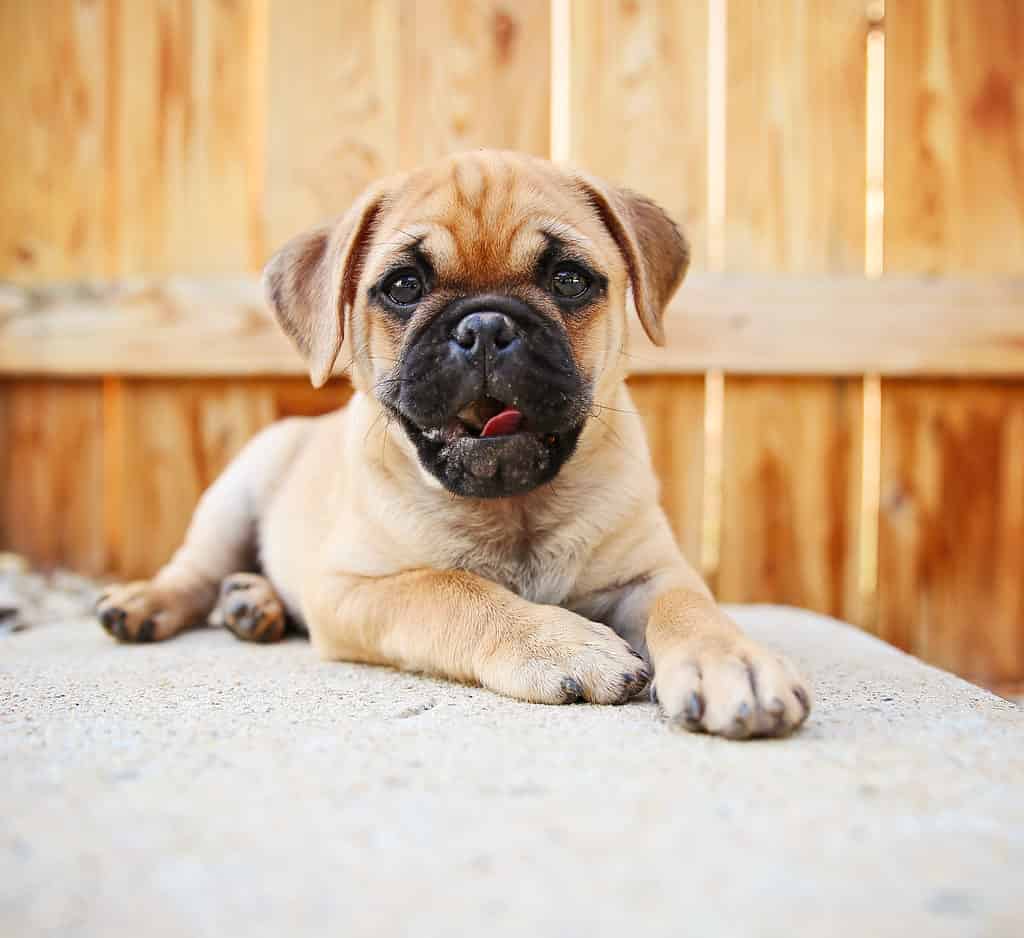
Chug puppy isolated

Chugs make excellent family pets.

Daug

The Daug is a combination of pug and Dachshund, resulting in a reasonably intelligent hybrid that weighs around 15 to 25 pounds and grows up to 15 inches tall. The daug tends to bark a lot, so they need an owner who is home a lot, making them perfect for seniors. Additionally, they are moderately active, requiring around 30 minutes of exercise daily.

Unfortunately, the daug is not hypoallergenic, but they are relatively easy to train. Furthermore, they are affectionate, sweet, and loving, making them great companions for families with children. However, the daug can be protective. If this pug mix is trained and socialized early, it will also get along with other animals.
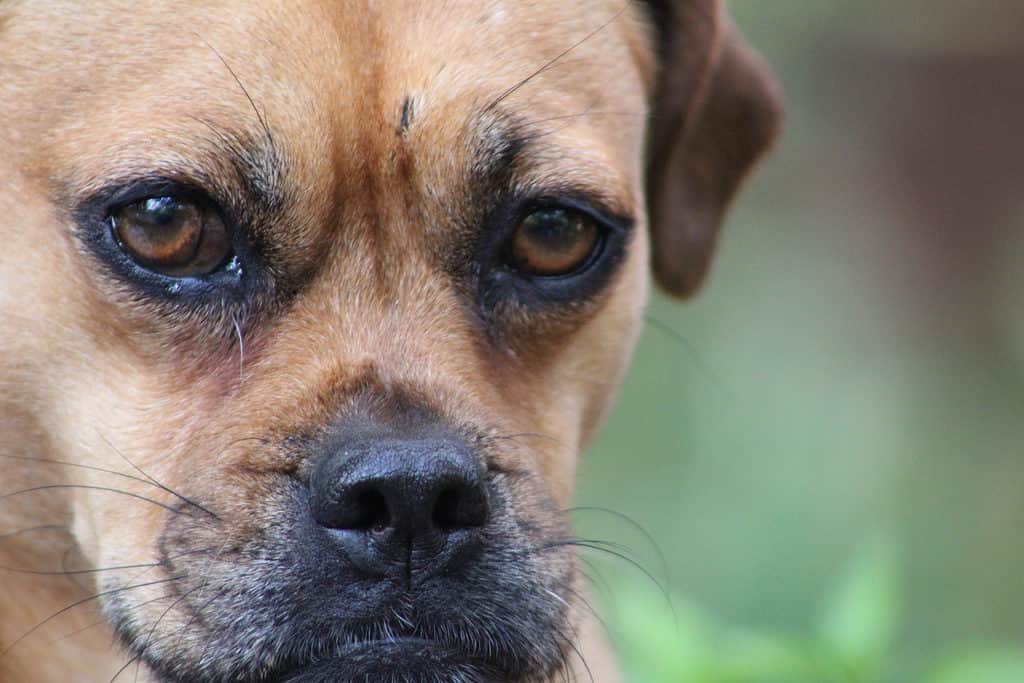
Closeup shot of a daug

Daugs are loving and laidback dogs that make the perfect apartment pet.

Frug

The frug is often called the Frenchie pug, and while it might be small, it has a massive presence. This pug and French bulldog mix is curious and loves being around other dogs. In addition, they love children, so they will thrive in a family setting. However, frugs may suffer from health issues like breathing problems, obesity, and cherry eye.

Frug

Frugs are compact dogs loaded with personality.

Pros and Cons of Owning a Puggle

ProsCons
Puggles love children and make perfect companions for families with kids of any ageThe puggle is tough to train because of its stubborn streak
They make excellent apartment dogs because of their small size and moderate exercise needsThese dogs have a strong impulse to roam, thanks to their incredible sense of smell
These pug mixes require minimal groomingThey are heavy shedders

Pug Mix Size and Weight

It’s hard to say how big the puggle will get, as it can take after either parent. Pugs are categorized as toy dogs, and the beagle falls into the medium-sized dog category, so the puggle could be anything in between. Their weight could range from a petite 14 pounds to over 30 pounds; it is really the luck of the draw. Additionally, their height can vary from 10 to 15 inches.
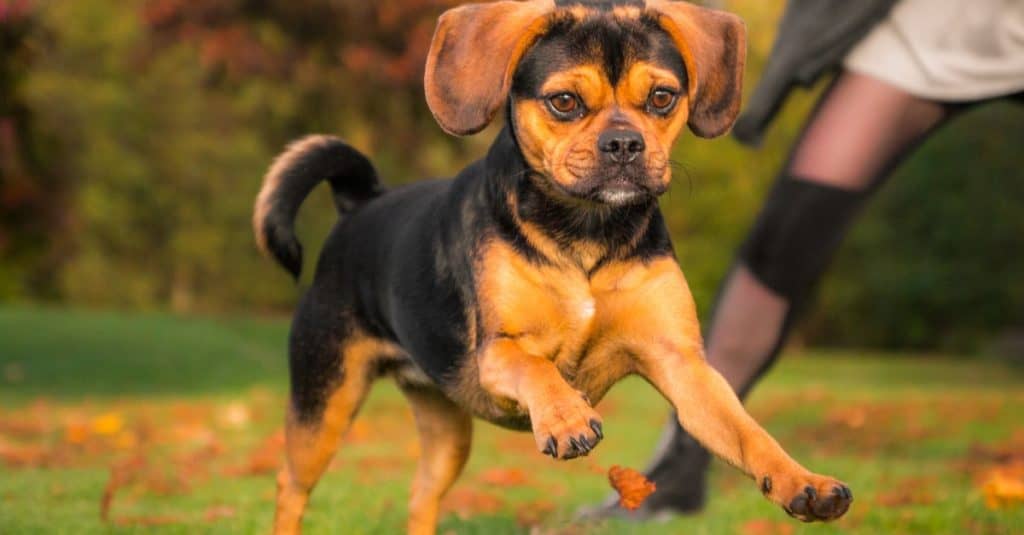
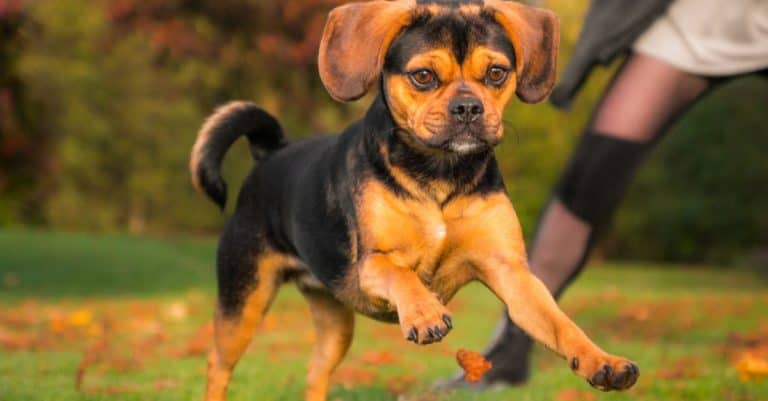
Close-up of a cute Puggle playing outside in autumn

Puggles can be challenging to train due to their stubborn streak.

Pug Mix Common Health Issues

While pug mixes are generally healthier than their purebred parents, they can inherit some of their genetic health conditions, if not all. So, always be on the lookout for the following issues:

Hip Dysplasia

This is a hereditary condition where the thighbone socket is abnormal, and the hip joint doesn’t fit into it properly. Signs can include pain or lameness in one or both hind legs, but a lot of breeds don’t show any symptoms at all. Unfortunately, as the dog gets older, it can develop into arthritis. While genetic, this condition is worsened by environmental factors like rapid growth and injuries sustained from jumping, falling, or running.

Stenotic Nares

Also known as pinched nostrils, stenotic nares is a congenital disorder, which means the breed is born with it. Unfortunately, it mostly affects dogs with short snouts, making breathing challenging. Symptoms can include noisy breathing and little interest in exercise. Also, ensure to check inside their mouths as dogs deprived of oxygen have blue gums. Some ways to minimize the effects or prevent this condition include limiting activity during hot or humid periods and preventing obesity. However, more severe cases will require surgery.

Patellar Luxation

It is not uncommon to see patellar luxation in small dogs. It is also often referred to as slipped stifles. This condition occurs when the thigh bone, knee cap, and calf do not align properly, which causes an abnormal gait or lameness of the leg. While this health issue is present at birth, the misalignment generally occurs later on in life. Sadly, this is another condition that leads to arthritis. Patellar luxation is distinguished by four grades, ranging from mild to severe. The first grade causes temporary lameness in the joint, while the fourth grade can’t be realigned manually and will require surgery.

Hypothyroidism

This condition is caused by a thyroid hormone deficiency and includes symptoms like lack of energy, infertility, mental dullness, and obesity. Additionally, the puggle’s fur may become brittle and start to fall out while the skin darkens and becomes tough. Luckily, this disease is managed with medication. However, your poor pup will be on these drugs for the rest of their lives, but at least they will live.

Cherry Eye

This occurs when the gland in the nictitating membrane (third eyelid) starts to bulge. It is easy to identify, as there is a big red mass in the corner of the dog’s eye. Unfortunately, the only way to remove this mass is through surgery.

Epilepsy

If your puggle is having seizures, it is likely due to epilepsy. Luckily, this condition is easily managed with medication, but unfortunately, it can’t be cured. Epilepsy can be hereditary or caused by an unknown factor, but with the proper care, there is no reason why your pup can’t live a full and happy life.

Life Expectancy

Pug mixes usually have long lifespans, and the puggle is no different. These adorable dogs can live between 10 to 15 years!

Temperament

Because the puggle is sweet, playful, and cuddly, they enjoy being part of a family. The more attention they get, the better, which is why they make such good companions for children. However, they are known for barking, wandering, and destructive behaviors like digging. Therefore, these pooches need early socialization. Exposing them to different sights, sounds, and people ensures they will grow into well-rounded canines.

How to Take Care of a Pug Mix

The puggle might not be a high-maintenance breed, but that doesn’t mean they don’t need care. As with any breed, they still require grooming, training, and exercise.

The Best Dog Food for a Pug Mix

The puggle needs about 1.5 cups of top-quality dog food divided into two meals daily. However, this amount will vary depending on their size, build, metabolism, age, and energy level. Also, since the puggle is a hybrid, there is no way of telling which parent breed it will take after; therefore, food portions will differ depending on your dog’s needs. For example, if your pug mix takes after the beagle and has more energy, it will need a larger portion of food. But if it takes after the pug and is more of a couch potato, then smaller amounts are necessary. Additionally, the type of food you buy makes a difference as well. Dog food with high-quality ingredients and packed with nutrients allows for smaller portions as it fills your pup up quicker, making it last longer.

As puggles are prone to obesity, you mustn’t free-feed them. Instead, owners need to have a strict feeding routine consisting of smaller meals spread over the course of the day so their pups don’t overeat.

Grooming

The puggle is a heavy shedder, so to control any unwanted hair, owners must brush their pug mix at least twice a week. They don’t require monthly baths, as this will wash away the natural oils that keep their skin moist and healthy. Instead, only bathe this hybrid when they are really dirty. However, their facial folds need to be wiped regularly to remove any debris or dirt that could cause infection. Additionally, you need to ensure their eyes are clean and free of any discharge that could cause irritation. Don’t forget about their oral hygiene! These dogs need their teeth brushed at least three times a week with toothpaste specifically formulated for dogs. Furthermore, you need to monitor the length of your dog’s nails; if they start to touch the ground, they need a trim, as short nails hurt less when they jump on you and keep their paws in good condition.

Training

Training a puggle is challenging. Their beagle genes make them want to roam, and they are easily distracted. In addition, pugs have a nasty reputation for being tough to toilet-train, so you can only hope your hybrid doesn’t inherit this trait. Luckily, these dogs respond well to positive reinforcement, so always ensure you have treats nearby.

Exercise

This pug mix is moderately active, and they need around half an hour of exercise daily, including walks, jogging, or a game of fetch in the backyard. However, puggles get bored quickly and will turn to destructive behavior like chewing, digging, barking, or howling. So, if you can’t give them the attention they require, ensure there is plenty of enrichment to keep them busy.

Puppies

A female puggle can give birth to a litter of two to four puppies. However, the first pregnancy usually only results in two pups.

Pug Mix and Children

Thanks to the puggle’s social behavior, they get along well with all types of people and animals, making them excellent family pets. In addition, these pug mixes have all the patience in the world for toddlers and can become quite protective of children.  

Pug Mix Cost

The puggle is a popular hybrid, so they aren’t as expensive as other designer breeds. You can purchase a puggle from a reputable breeder for between $400 and $600, depending on their location, pedigree, and the breeder’s reputation.

View all 246 animals that start with P

Sources

  1. Pet Keen / Accessed January 12, 2023
  2. The Happy Puppy Site / Accessed January 12, 2023
  3. Hills Pet / Accessed January 12, 2023
Chanel Coetzee

About the Author

Chanel Coetzee

Chanel Coetzee is a writer at A-Z Animals, primarily focusing on big cats, dogs, and travel. Chanel has been writing and researching about animals for over 10 years. She has also worked closely with big cats like lions, cheetahs, leopards, and tigers at a rescue and rehabilitation center in South Africa since 2009. As a resident of Cape Town, South Africa, Chanel enjoys beach walks with her Stafford bull terrier and traveling off the beaten path.
Connect:

Thank you for reading! Have some feedback for us?


Pug Mix FAQs (Frequently Asked Questions)

While pug mixes are generally healthier than their purebred parents, they can inherit some of their genetic health conditions, if not all.