




S
Species Profile

Silken Windhound

Canis lupus familiaris

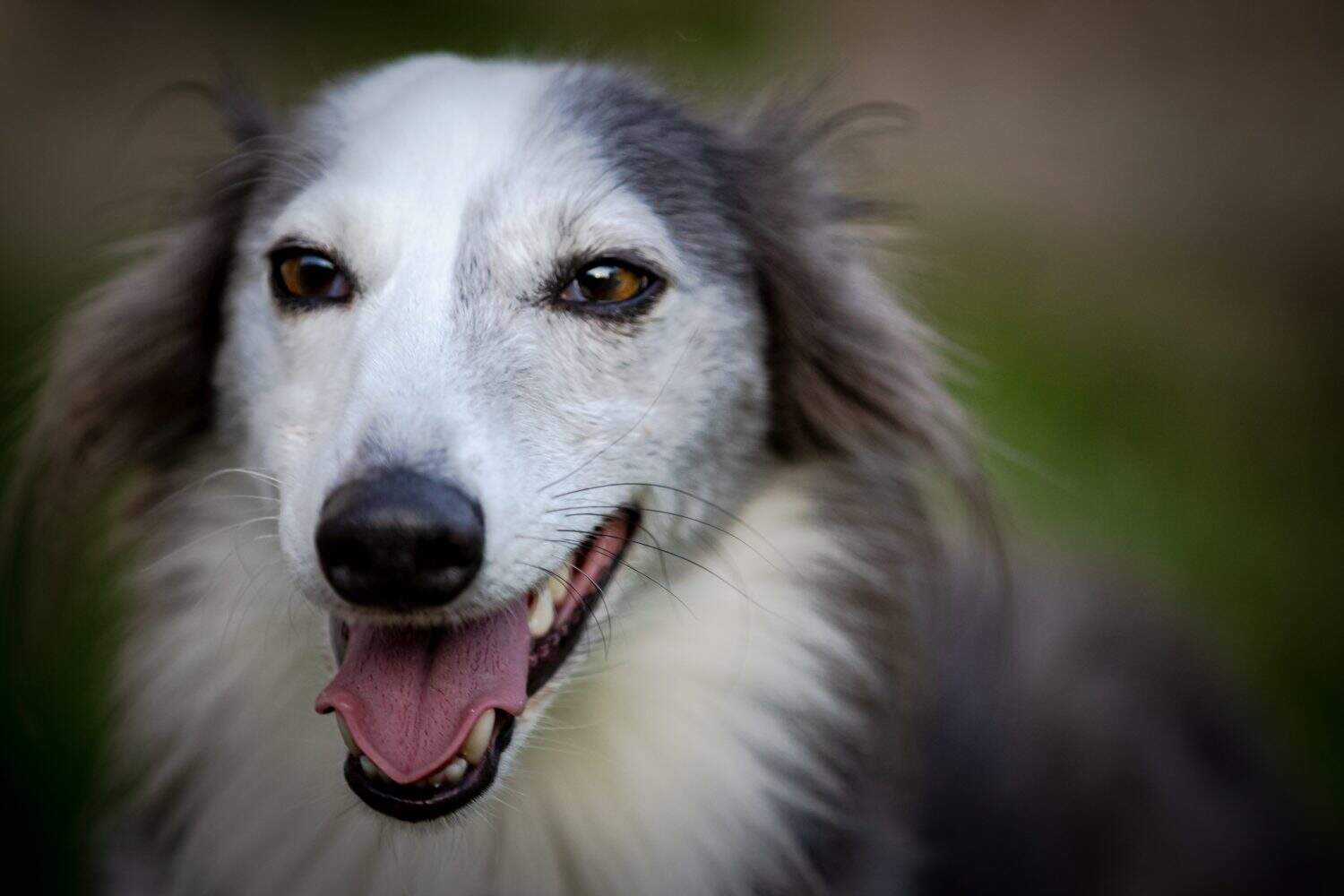
Silky coat. Sighthound speed.
tzuky333/Shutterstock.com

Silken Windhound Distribution

Click a location to explore more animals from that region

Origin Location

This map shows the native origin of the Silken Windhound. As a domesticated species, they are now found worldwide.

Loading map...

Size Comparison

Human 5'8"
Silken Windhound 1 ft 9 in

Silken Windhound stands at 31% of average human height.

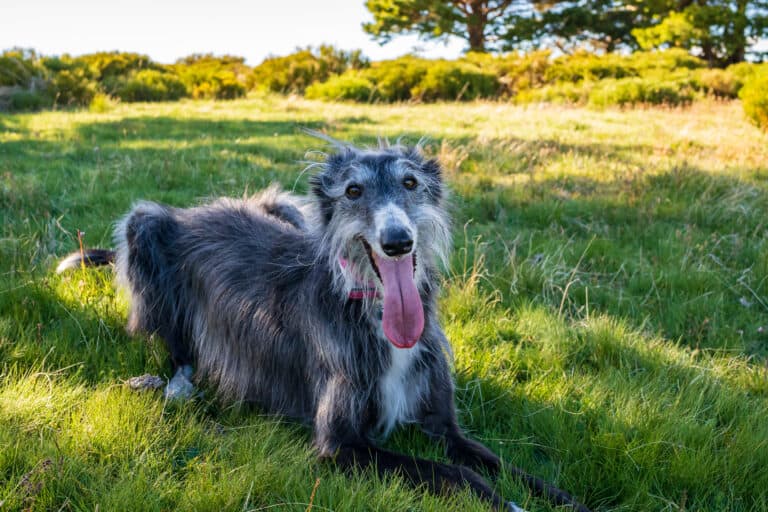
Silken Windhound playing in the gaden

At a Glance

Domesticated
Also Known As Silken, Silken Sighthound, SW
Diet Omnivore
Activity Diurnal+
Lifespan 15 years
Weight 23 lbs
Status Not Evaluated
Did You Know?

Despite the "hound" name, Silken Windhounds are domestic dogs (Canis lupus familiaris), not a separate wild species.

Scientific Classification

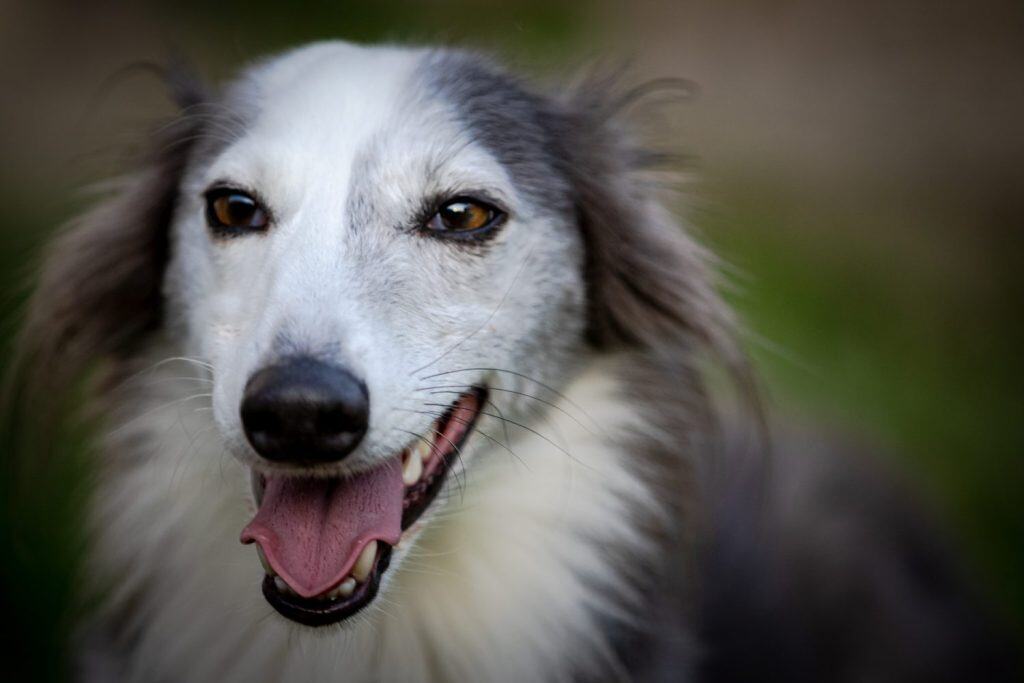
The Silken Windhound is a deliberately developed sighthound-type dog breed known for a silky, flowing coat, a lean athletic build, and a temperament typically described as gentle and companionable. It is a domestic dog breed rather than a wild species.

Kingdom
Animalia
Phylum
Chordata
Class
Mammalia
Order
Carnivora
Family
Canidae
Genus
Canis
Species
Canis lupus

Distinguishing Features

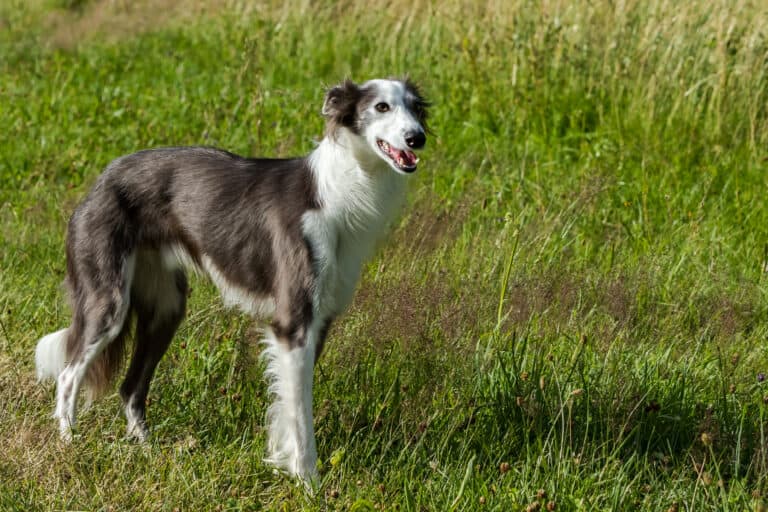
  • Sighthound silhouette: deep chest, tucked-up abdomen, long legs built for speed
  • Silky, medium-to-long coat (often feathered) unlike short-coated windhounds such as Whippets
  • Narrow head and long muzzle typical of coursing hounds
  • Generally lighter and smaller than Borzoi, with a more moderate size and outline

Physical Measurements

Males and females differ in size

Height
♂ 1 ft 9 in (1 ft 7 in – 1 ft 12 in)
♀ 1 ft 8 in (1 ft 5 in – 1 ft 10 in)
Length
♀ 3 ft 7 in (3 ft 1 in – 3 ft 11 in)
Weight
♂ 42 lbs (29 lbs – 55 lbs)
♀ 35 lbs (29 lbs – 44 lbs)
Tail Length
♀ 1 ft 7 in (1 ft 4 in – 1 ft 10 in)
Top Speed
34 mph
running

Appearance

Primary Colors
Secondary Colors
Skin Type Thin, elastic canine skin with fine hair follicles; lightly pigmented in lighter coats and more pigmented under darker coats; prone to minor scrapes from high-speed running in brush.
Distinctive Features
  • Domestic dog breed (not a wild canid): selectively developed modern sighthound, temperament bred for companionship and manageability.
  • Sighthound functional morphology: narrow, aerodynamic head; long neck; deep chest with pronounced tuck-up for sprinting and efficient oxygen uptake.
  • Lean, athletic frame with long limbs and flexible spine for rapid acceleration and sight-driven chase behavior.
  • Signature coat: silky, flowing, medium-length with feathering on ears, legs, tail; softer and more "draped" than many short-coated sighthounds.
  • Movement: light, efficient gait with powerful rear drive; built for bursts of speed rather than endurance pulling or tracking.
  • Head/ears/eyes: refined muzzle, rose or semi-prick ears (often folded back), large expressive eyes aiding visual hunting focus.
  • Behavioral tendencies: gentle and affectionate indoors; strong prey drive outdoors-recall can be unreliable around small fleeing animals.
  • Care requirements: regular brushing to prevent tangles in feathering; occasional bathing; check ears/feathered areas for burrs after runs.
  • Exercise needs: daily opportunities for controlled sprinting (fenced area/lure coursing); avoid repetitive high-impact jumps on hard surfaces in young dogs.
  • Safety: use secure fencing/leash near traffic; sprinting dogs can ignore hazards when visually locked on prey.
  • Health considerations seen in many sighthounds: risk of bloat/GDV; anesthesia sensitivity in some individuals; dental tartar risk with narrow muzzles-routine dental care advised.
  • Injury risk: soft-tissue strains, toe/foot injuries, and superficial skin tears from high-speed turns; keep nails short for traction.

Sexual Dimorphism

Males are typically taller and more muscular with broader heads and heavier bone. Females are usually slightly smaller and finer-boned, often showing a more delicate, streamlined outline while retaining the same silky coat texture.

♂
  • Slightly greater height and weight; more pronounced chest and neck musculature.
  • Broader skull and thicker forelimb bone; overall more substantial silhouette.
  • Feathering may appear fuller due to larger body frame.
♀
  • Slightly smaller, lighter build with finer bone and a narrower head.
  • More visibly tucked waist and lighter muscling while still athletic.
  • Often a more refined, delicate overall outline with the same silky feathering.

Did You Know?

Despite the "hound" name, Silken Windhounds are domestic dogs (Canis lupus familiaris), not a separate wild species.

They were deliberately developed as a modern sighthound with a flowing, silky coat-unusual among lean, sprinting hounds.

Like other sighthounds, they're visually oriented hunters: motion can trigger a powerful chase response.

Many Silkens can reach high speeds in short bursts, then relax into classic "couch sighthound" calm.

Their coat is typically low-odor and often lighter-shedding than many double-coated breeds, but still needs regular grooming to prevent tangles.

They're commonly seen in lure coursing and fast CAT-style events, which mimic the zigzag sprint of fleeing prey.

Temperament is often described as soft, gentle, and people-focused compared with some more aloof coursing hounds.

Unique Adaptations

  • Sighthound functional morphology: deep chest and efficient lung/heart room for sprinting; tucked waist and long limbs for stride length.
  • Flexible spine and powerful rear assembly support rapid acceleration and sharp turns typical of coursing.
  • Wide field of view and strong motion detection (a shared sighthound trait) bias attention toward moving targets.
  • Silky, flowing coat: longer, fine hair offers some insulation and skin protection while maintaining a streamlined outline for running.
  • Light, aerodynamic build: optimized for speed over endurance, distinguishing it from many sturdier, scent-hound types.
  • Domestic-dog adaptability: bred for companionability-more biddable and home-oriented than many landrace coursing hounds.

Interesting Behaviors

  • Sight-driven chase: sudden movement (squirrels, bikes) can flip a "go" switch, so secure fencing and leash skills matter.
  • Sprint-and-switch-off: intense bursts of running followed by long periods of lounging and sleeping.
  • Play style: many enjoy short, fast chase games rather than prolonged wrestling or rough play.
  • "Soft" sensitivity: they can respond best to calm handling and positive training; harsh corrections may shut them down.
  • Selective social confidence: often affectionate with family but may be reserved with strangers until they've assessed them.
  • Coursing instinct patterns: tracking with eyes, head held level, quick directional changes, and rapid acceleration.

Cultural Significance

The Silken Windhound (Canis lupus familiaris) shows how people shaped dogs into a modern sighthound companion. They keep their natural chase drive, are family-friendly, and keep coursing hound heritage alive through lure coursing and sprint events.

Myths & Legends

In European tradition, swift sighthounds—especially greyhound-type dogs—were status symbols for the elite, shown in art and stories as nobles' and hunters' companions; modern sighthounds, including Silken Windhounds, inherit this aura.

Medieval and early modern European stories often show an elegant hunting dog at a lady's feet as a sign of loyalty and guarding. Modern silky-coated sighthounds, Silken Windhound (Canis lupus familiaris), keep that image.

Modern origin anecdotes: breed histories commonly retell the Silken Windhound's deliberately planned development in late-20th-century North America-an "origin story" emphasizing a vision of combining sighthound athleticism with a distinctive silken coat and companion temperament.

Naming lore: "Windhound" echoes an old poetic tradition that likens swift coursing dogs to the wind itself-an evocative name that reinforces the breed's identity as a sight-driven sprinter rather than a scent-tracker.

Conservation Status

NE Not Evaluated

Has not yet been evaluated against the criteria.

Population Stable

Life Cycle

Birth 4 pups
Lifespan 15 years

Lifespan

In the Wild
14–16 years
In Captivity
10–18 years

Reproduction

Mating System Polygynandry
Social Structure Managed Domestic
Breeding Pattern Transient
Fertilization Managed Selective
Birth Type Managed_selective

Silken Windhounds reproduce like other domestic dogs: females in estrus accept one or multiple males, with matings often shaped by breeder selection rather than lasting pair bonds. Internal fertilization occurs, and the dam primarily rears the litter.

Behavior & Ecology

Social Pack Group: 3
Activity Diurnal, Crepuscular, Cathemeral
Diet Omnivore Lean meat (especially poultry or beef) with moderate fat; many individuals also do well with fish-based formulas that support skin/coat.

Temperament

Species context (domestic dog HUBS): highly human-directed social bonding; behavior varies widely with upbringing, socialization, training.
Breed distinction: sighthound-style sociality-often calm indoors, then bursts of fast chase/play outdoors.
Typically gentle, companionable, and sensitive; responds best to positive reinforcement and predictable routines.
Moderate-to-high prey/chase drive; safer with small animals when carefully managed and trained.
Often sociable with other dogs, especially other sighthounds; can be reserved with strangers without early socialization.
Lower tendency toward sustained guarding compared with many domestic dog breeds; may alert-bark but not protective.
Health concerns to monitor (breed-leaning): MDR1 drug sensitivity in some lines; routine DNA screening recommended where available.
Health/care: typical sighthound anesthesia sensitivity and lean-body considerations; choose veterinarians familiar with sighthounds.
Health/care: risk of bloat/GDV like many deep-chested breeds-manage meals, avoid hard exercise around feeding.
Care requirements: regular coat brushing to prevent mats; ear/foot feathering may tangle after outdoor runs.
Exercise needs: daily opportunities for sprinting in safely fenced areas; long off-leash recall can be unreliable.

Communication

bark
whine
howl
growl
yip
Body posture and movement (freezing, stalking, sudden sprint) reflecting sighthound visual hunting tendencies.
Tail/ear carriage changes signaling arousal, comfort, or uncertainty; often subtle in gentle individuals.
Play bows, bouncing, and chase invitations; rapid zoomies common after rest.
Soft mouth-contact, pawing, leaning, and nose nudges for attention-seeking with preferred humans.
Gaze and head orientation used heavily; may track moving stimuli intensely before reacting.
Scent investigation and occasional urine marking; less territorial marking than many spitz/guardian breeds.

Habitat

Biomes:
Temperate Forest Boreal Forest (Taiga) Tundra Alpine Temperate Grassland Mediterranean Desert Hot Desert Cold Savanna Tropical Dry Forest Tropical Rainforest Temperate Rainforest Freshwater Wetland Marine +9
Terrain:
Plains Hilly Coastal Mountainous
Elevation: Up to 16404 ft 3 in

Ecological Role

Domestic companion carnivoran (managed omnivore) with occasional small-prey predation risk if free-ranging.

Companionship and human-animal bonding Activity partner (running/lure sports) promoting human exercise Potential incidental pest deterrence (discouraging rodents/rabbits in yards) Educational/cultural role in responsible breeding, canine sports, and animal welfare advocacy

Diet Details

Main Prey:
Small mammals Small birds Animal-based diet items provided by humans
Other Foods:
Cooked vegetables Fruits Starches and grains Dietary fiber sources

Human Interaction

Domestication Status

Domesticated

Canis lupus familiaris (domestic dogs) were domesticated from gray wolves at least ~15,000 years ago. The Silken Windhound is a modern U.S. sighthound breed (late 20th century), bred from Borzoi lines to be a smaller, athletic coursing dog with a silky coat, gentle nature, strong prey-chase drive, and use in companionship, lure coursing, agility, and therapy.

Danger Level

Low
  • Normal domestic-dog bite risk if fearful, in pain, poorly socialized, or mishandled (typically lower than average in well-bred, well-socialized individuals)
  • High chase drive can cause accidental knocks/bumps during sprinting or play, especially with children or elderly people
  • Risky interactions if allowed off-leash in unsecured areas (may bolt after wildlife; creates traffic/public-safety hazards rather than intentional aggression)
  • Potential dog-to-small-animal predation risk (cats/small pets) if not carefully managed-important for household safety planning

As a Pet

Suitable as Pet

Legality: Generally legal as a pet where domestic dogs are permitted; subject to standard local dog licensing, leash laws, vaccination requirements, and breed-neutral nuisance/animal control ordinances. (Silken Windhounds are not typically targeted by breed-specific legislation, but owners should verify local rules.)

Care Level: Moderate

Purchase Cost: $2,000 - $4,500
Lifetime Cost: $20,000 - $45,000

Economic Value

Uses:
Companion animal ownership (pet services, veterinary care, insurance) Sport and competition (lure coursing, agility, rally/obedience, events) Breeding and conformation (where permitted/recognized) Training services and enrichment products Rescue/rehoming networks (nonprofit and private rehoming costs)
Products:
  • Puppy sales from ethical breeders; adoption/rehoming fees (rarer than common breeds)
  • Veterinary services (routine care; screening for breed-relevant issues)
  • Sport entry fees, travel, equipment (coursing lines, crates, conditioning gear)
  • Grooming tools (pin brush/comb, nail care; typically low professional grooming need)
  • Pet insurance policies and preventive care plans

Relationships

Quick Take

  • Reaching an 18-year lifespan is an achievement requiring a specific genetic screening.
  • Standard ivermectin doses trigger adverse reactions due to a specific genetic sensitivity.
  • The luxurious coat is counter-intuitively low-maintenance, defying assumptions about grooming needs.
  • Francie Stull launched a 10-year breeding project to overcome limitations found in sighthounds.

The silken windhound was first bred in the mid-1980s after a Borzoi breeder named Francie Stull became determined to produce a smaller hound with a long coat, pleasant temperament, good health, and the abilities of larger sighthounds. After nearly a decade of experimentation, mixing beautiful coats with whippets and whippet-based lurcher genetics, the first litter of silken windhounds was born.

The final results produce a medium-sized, lovely hound with a silken coat that’s both beautiful and easy to care for, showing in a rainbow of color combinations. Silken windhounds are moderately active dogs, generally healthy, and usually living well into their late teens. After years of successful genetic strengthening of the line, the name “silken windhound” was officially adopted in 1998, and the International Silken Windhound Society was chartered the following year.

Today, these dogs are found across the U.S. and worldwide, beloved for their mild-mannered, loving temperaments, confident personalities, and beautiful show-dog appearance.

A detailed green and white infographic about the Silken Windhound dog breed featuring sections on its history, health stats, and care requirements.
Part Borzoi, part Whippet, and 100% unique. Discover the decade-long genetic quest that created a dog with a 20-year lifespan and a 'magic' low-maintenance coat. © A-Z Animals

3 Pros and Cons of Owning a Silken Windhound

ProsCons
Loving, calm temperament
These dogs are prized for their calmness and affectionate attitudes.
Can become picky eaters
If allowed to indulge in people’s food, these dogs can develop a pickiness when it comes to diet.
Beautiful, low-maintenance coats
These beautiful dogs come in many colors and require little grooming.
Can slip through their collars
As slim dogs, silken windhounds may require a slip-grip collar to prevent them from running off-leash. 
Healthy with low medical maintenance
Silken windhounds have no common health issues.
Relatively high exercise needs
These dogs require about 45 to 60 minutes of exercise per day.

Size and Weight

Female silken windhounds reach an average height of 18 to 24 inches, with males reaching similar sizes. At full maturity, males can weigh 33 to 55 pounds, while females are more compact, ranging between 22 and 44 pounds.

Common Health Issues

Silken windhounds are generally very healthy, living well into their late teens — the oldest recorded dog celebrated her 20th birthday before passing. However, be sure to request tests from your breeder for the occasional genetically inherited health condition. Bone and joint issues, such as hip dysplasia, can occur but are rare.

Some individuals are more sensitive to certain medications, such as ivermectin, but a genetic test is available to determine whether a dog carries the gene. Owners also report instances of deafness and cataracts in older age.

Temperament

Silken windhounds were explicitly bred to produce dogs with lovely, friendly, and intelligent temperaments. These well-balanced hounds exhibit strong prey drives when out hunting, but they’re affectionate, gentle companions at home. They should be kept on a leash outside, but will gladly cuddle with their family on the couch and laze the day away.

How To Take Care of a Silken Windhound 

These beautiful, low-maintenance dogs have the best of grooming, intelligence, exercise, and temperament worlds. With proper care, your silken windhound will prove a loving and loyal companion who will please and accompany you on any adventure.

The Best Dog Food

Silken windhounds should be fed a mid-sized breed dog food formula suited for moderate energy and consistent exercise levels. Your veterinarian can provide individualized advice tailored to your pup’s needs. Generally, you’ll want to use a different formula for puppies, adult dogs, and seniors to provide the macro- and micronutrients needed for each stage of their lives.

Whether it’s dry food or a raw, human-food-based formulation, your silken windhound requires a high-protein diet complemented by omega-3 and 6 fatty acids and supplements to keep bones, muscles, fur, and skin in healthy shape.

While treats are helpful during training, too much indulgence or “people food” can result in vitamin deficiencies in your pup and lead to potential pickiness or obesity. You should also provide your dog with clean drinking water at all times, regularly washing the bowls to keep them clean.

Maintenance And Grooming
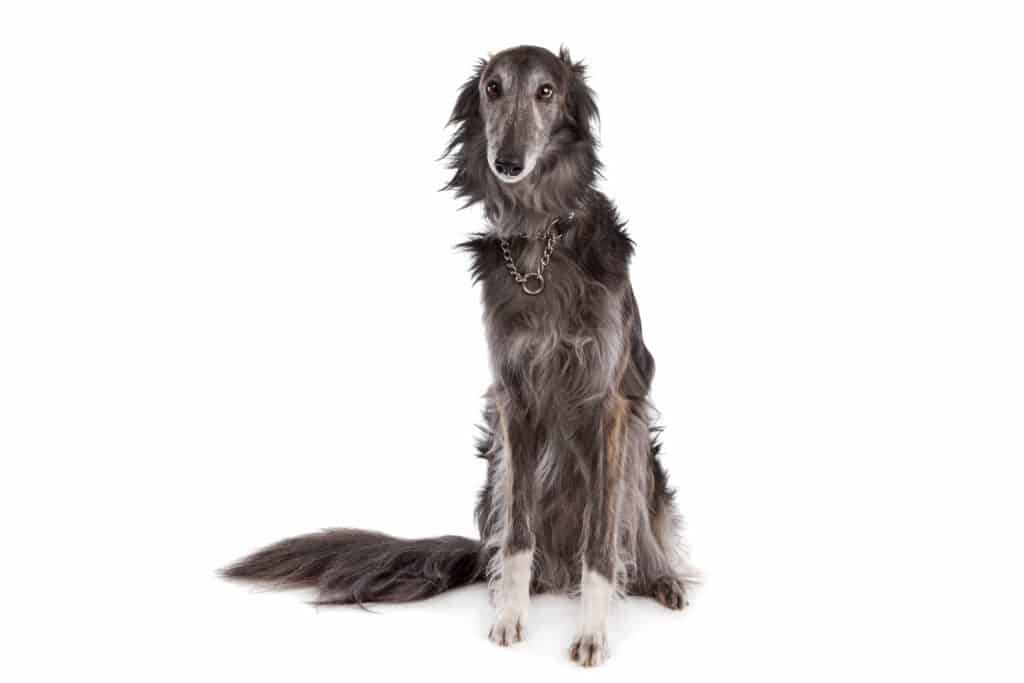
Silken windhound

Silken windhounds were explicitly bred to produce dogs with lovely, friendly, and intelligent temperaments.

Despite the luxurious long coats that come in a rainbow of patterns and colors, silken windhounds are surprisingly low-maintenance, hardly shedding, and only needing a bath occasionally. Regular brushing will help keep your pups clean, clearing loose hairs and debris picked up while outside. Fleas and ticks love longer fur, however, so be sure to check for them during warmer weather. 

Besides managing their coats, owners should regularly trim their dogs’ nails. Too-long nails can make walking uncomfortable and risk breakage or splitting. Dental hygiene is also a must, with a routine teeth-brushing schedule going a long way to prevent plaque and bad breath.

Training

These versatile hounds excel at various dog sports and hunt-related activities and love to please their owners. You’ll often see silken windhounds competing in lure coursing and races, but many others also participate in agility, therapy work, scent tracking, and obedience competitions. These dogs quickly learn new tricks and commands, thriving on rewards and affection during concise training sessions and bonding with their owners as they learn.

Exercise

Like most other sighthounds, silken windhounds adore running. They’re not the most active dogs, but they still require regular exercise in the form of daily walks; typically, about 45 minutes to an hour will suffice. Those living in a house benefit significantly from the ability to run freely off-leash.

Puppies

Positive reinforcement training is a must for silken windhound puppies. These dogs blossom with encouragement and rewards, eager to please their owners and quick to learn basic commands. Some dogs even teach themselves to go potty outside without human intervention, should they have access to outdoor spaces. While these dogs are naturally friendly, early socialization with people and other dogs will go a long way to raising a happy, confident pup. 

Silken Windhound And Children

Silken windhounds make for excellent house pets and are exceptionally loving and tender around children. Allow your dog to naturally get to know your child, and teach your kids how to treat dogs with respect. After a period of supervision, well-socialized dogs will get to know and love your kids, happily cuddling them on the couch and accompanying them on outdoor adventures.

Dogs Similar to Silken Windhound

The Silken Windhound is closely related to other sighthounds, including the Borzoi and Whippet.

.

View all 391 animals that start with S

Sources

  1. Silken Windhound Club of America / Accessed November 5, 2022
  2. International Silken Windhound Society / Accessed November 5, 2022
  3. United Kennel Club / Accessed November 5, 2022
  4. American Kennel Club / Accessed November 5, 2022
Shanti Ryle

About the Author

Shanti Ryle

Shanti Ryle is a content marketer with nearly a decade's experience writing about science, real estate, business, and culture. Her work has been featured in Forbes, Wall Street Journal, Global Finance and Banking, Weedmaps News/Marijuana.com, and other publications. Her favorite animal (by far) is the Pembroke Welsh Corgi!

Thank you for reading! Have some feedback for us?


Silken Windhound FAQs (Frequently Asked Questions)

Silken windhounds are of the sighthound class, though they can be trained in various dog sports such as obedience, agility, lure coursing, and racing. They’re quick to pick up new commands and delight their humans with intelligence and fast learning.