



S
Species Profile

Spanish Water Dog

Canis lupus familiaris

Curly-coated worker: land and water.
Lucia Romero/Shutterstock.com

Spanish Water Dog Distribution

Click a location to explore more animals from that region

Origin Location

This map shows the native origin of the Spanish Water Dog. As a domesticated species, they are now found worldwide.

Loading map...

Found in 1 country

Size Comparison

Human 5'8"
Spanish Water Dog 1 ft 6 in

Spanish Water Dog stands at 26% of average human height.

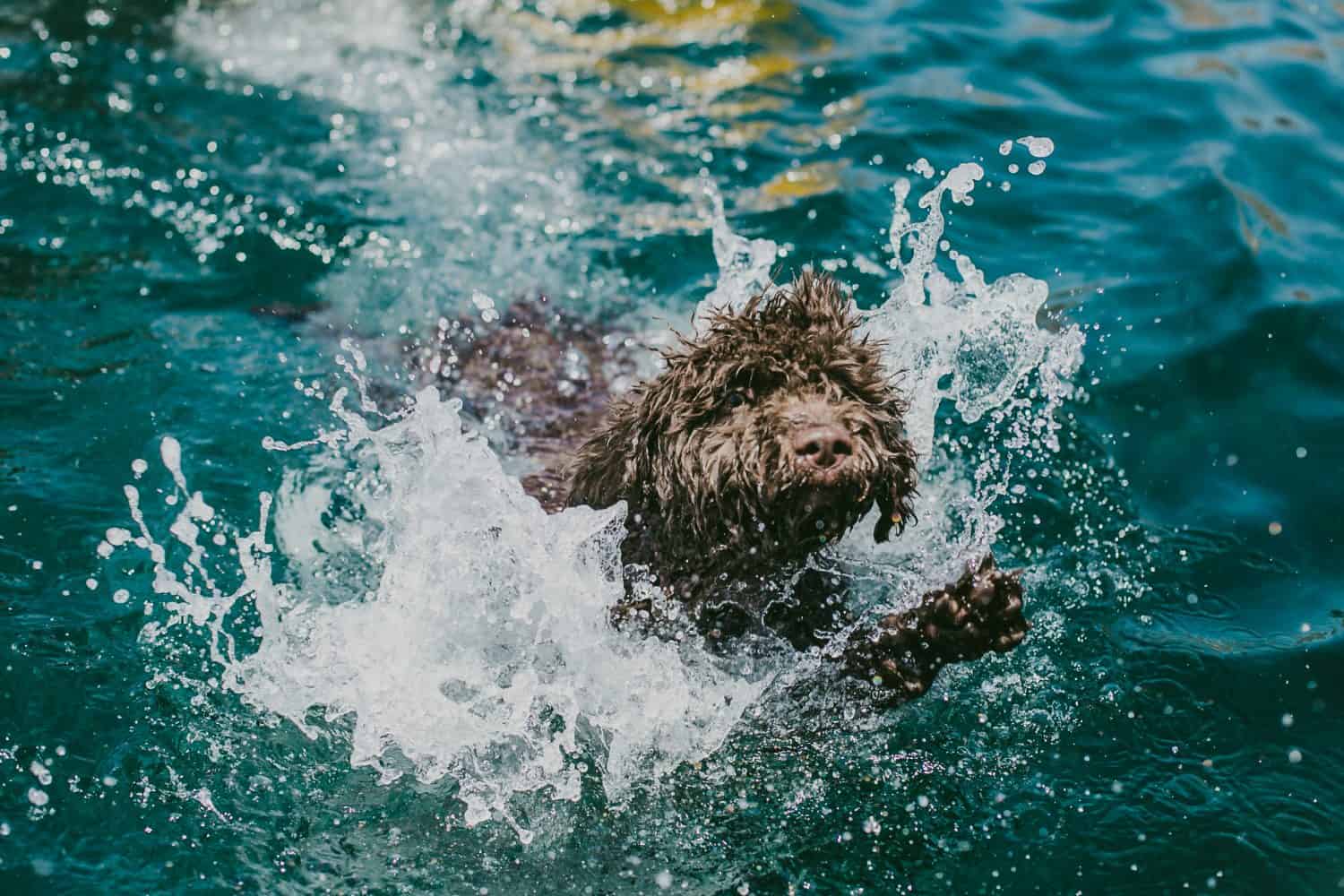
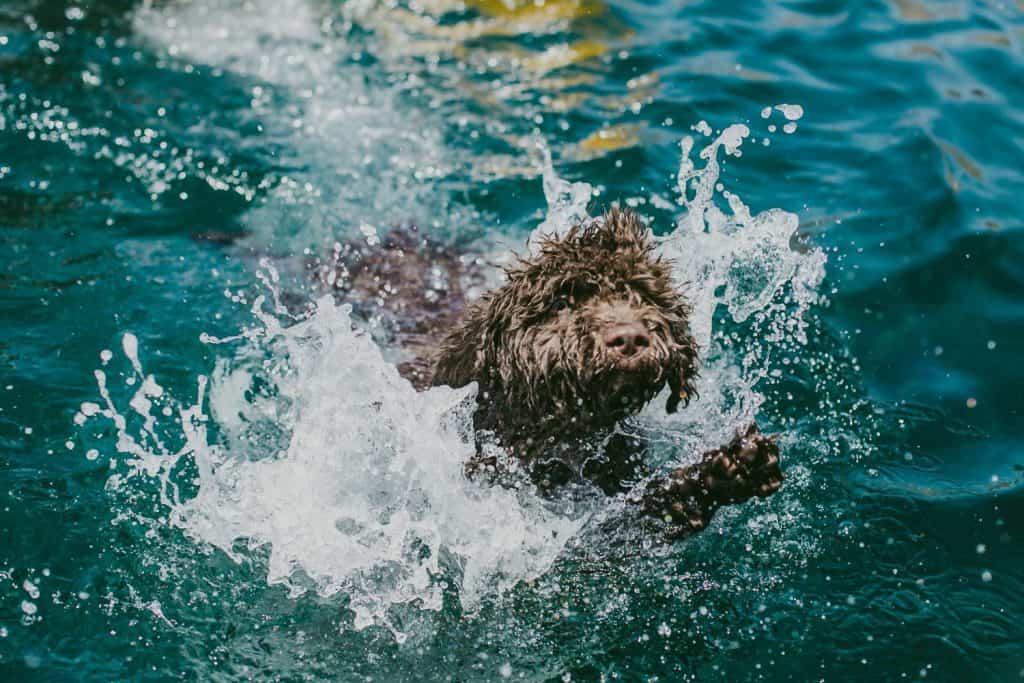
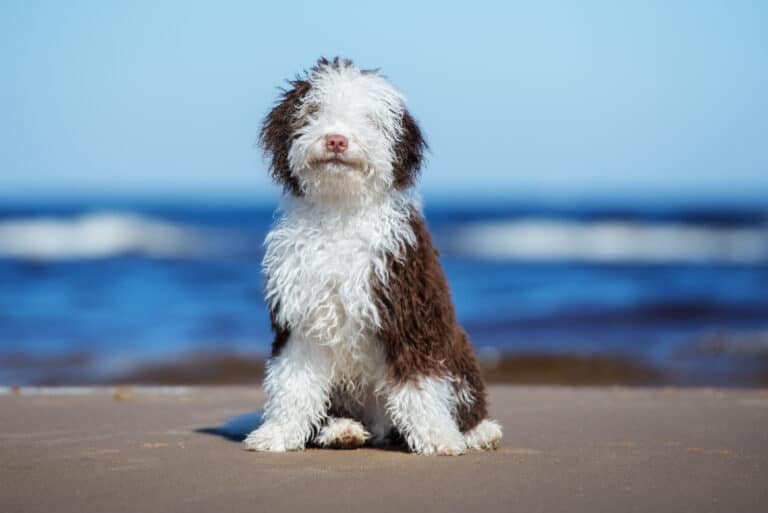
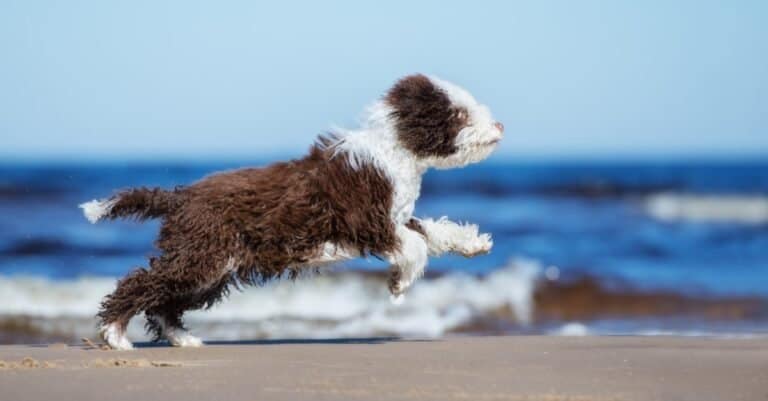
Swimming Spanish Water Dog

At a Glance

Domesticated
Also Known As Perro de Agua Español, Perro de Agua, Water Dog, SWD
Diet Omnivore
Activity Diurnal+
Lifespan 5 years
Weight 22 lbs
Status Not Evaluated
Did You Know?

Historically worked double-duty in Spain: herding livestock and assisting fishers with water retrieving tasks.

Scientific Classification

The Spanish Water Dog is a medium-sized, curly-coated domestic dog breed originating in Spain, traditionally used for herding and water work (retrieving/assistance in fishing contexts).

Kingdom
Animalia
Phylum
Chordata
Class
Mammalia
Order
Carnivora
Family
Canidae
Genus
Canis
Species
Canis lupus

Distinguishing Features

  • Curly, woolly coat that can form cords; typically groomed without extensive brushing
  • Athletic, versatile working build; historically used for herding and water tasks
  • Often solid-colored (commonly black, brown, beige/white) or bi-colored depending on breed standards
  • High trainability and active working temperament typical of water-dog/herding utility types

Physical Measurements

Males and females differ in size

Height
♂ 1 ft 7 in (1 ft 5 in – 1 ft 8 in)
♀ 1 ft 5 in (1 ft 4 in – 1 ft 6 in)
Length
♂ 2 ft 6 in (2 ft 2 in – 2 ft 9 in)
Weight
♂ 44 lbs (40 lbs – 49 lbs)
♀ 35 lbs (31 lbs – 40 lbs)
Tail Length
♂ 9 in (8 in – 11 in)
Top Speed
28 mph
running

Appearance

Primary Colors
Secondary Colors
Skin Type Thick, well-pigmented canine skin under a curly, water-resistant coat; ears need drying/cleaning to reduce otitis risk after swimming.
Distinctive Features
  • Domestic dog breed (Canis lupus familiaris) selectively bred for herding and water work in Spain.
  • Characteristic rustic, woolly single coat: tightly curled; should not be brushed out in show/working trim.
  • Coat often clipped evenly (functional grooming) 1-2 times yearly; matting/cording can occur if unmanaged.
  • Athletic, medium-sized, slightly longer-than-tall silhouette; strong neck and deep chest for stamina.
  • Tail traditionally docked in some regions; many countries require natural tail.
  • High-set, triangular drop ears with heavy coat can trap moisture; increased ear infection risk after water work.
  • Common breed-linked health concerns: hip dysplasia, progressive retinal atrophy, hypothyroidism, allergies/atopy.
  • Care needs: regular ear checks, controlled coat clipping, thorough drying after swimming, and high daily exercise/mental work.

Sexual Dimorphism

Males are typically larger and more robust with broader heads and heavier bone; females tend to be slightly smaller and finer-boned. Coat type and coloration are similar in both sexes.

♂
  • Slightly taller and heavier; broader skull and chest.
  • More pronounced musculature through shoulders and neck.
♀
  • Slightly lighter build; narrower head and chest.
  • Often a more refined overall outline with similar coat texture.

Did You Know?

Historically worked double-duty in Spain: herding livestock and assisting fishers with water retrieving tasks.

The coat is meant to be left in natural curls or cords-brushing can disrupt the cording texture.

Traditionally, the coat was clipped to a uniform length as practical "workwear," not for fashion.

In Spain, the breed is closely tied to rural working life and traditional herding and water work.

Strong swimming ability pairs with tight, woolly curls that help insulate and shed water.

Despite the name, it's also a land worker-many lines were prized primarily for herding.

It's part of a broader "water dog" tradition around the Mediterranean and Atlantic coasts, alongside other curly-coated working dogs.

Unique Adaptations

  • Woolly, curly/corded coat that insulates, offers some abrasion protection, and can be managed for low snagging in brush when clipped evenly.
  • Athletic, compact build suited for agile turning in herding and steady swimming in currents.
  • High trainability and stamina typical of purpose-bred working dogs, reflecting selection for long days in field and water.
  • Versatile "all-rounder" working temperament-capable of switching between livestock control and retrieval/assistance tasks.

Interesting Behaviors

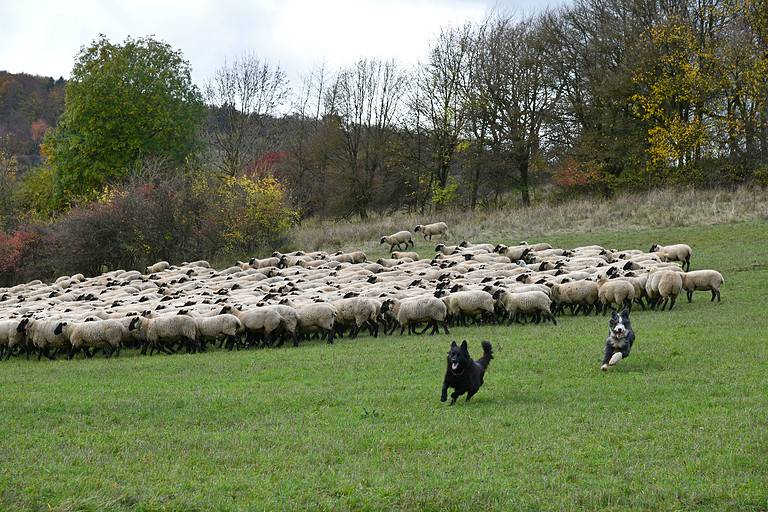
  • Natural herding instincts: may circle, shadow, and "gather" moving people or pets if under-stimulated.
  • Problem-solving drive: enjoys figuring out gates, puzzle toys, and new routines-can become mischievous without jobs.
  • Water enthusiasm: many show confident swimming and retrieving, especially when introduced young and positively.
  • Close handler focus: tends to work with frequent check-ins, making it responsive in training and sport work.
  • Vocal and alert tendencies: may bark to report novel sights/sounds-best shaped early with structured socialization.
  • Mouth-and-carry habits: some individuals like to pick up and transport objects (a useful trait for water/boat tasks).

Cultural Significance

The Spanish Water Dog (Canis lupus familiaris) worked on inland farms herding flocks and along coasts and wetlands helping with fishing and water work. Its corded coat and simple clips show a working past; today it is kept as part of Spain’s farm and sea culture.

Myths & Legends

Spanish rural origin tales describe the Spanish Water Dog as an indispensable "one dog for everything," said to herd in the morning and work nets by afternoon.

Local naming lore links "water dog" identity to the breed's reputation for willingly entering cold water to retrieve items or assist near boats, a trait celebrated in coastal anecdotes.

In traditional shepherd storytelling, tightly corded coats were sometimes likened to protective 'ropes' gifted by fate-symbolizing endurance and resilience through harsh weather and thorny terrain.

Historical anecdotes place water dogs among the everyday helpers of Iberian livelihoods, where their skills were spoken of with the same respect as a trusted tool-an oral-history tradition more than a single written legend.

Conservation Status

NE Not Evaluated

Has not yet been evaluated against the criteria.

Population Stable

Life Cycle

Birth 5 pups
Lifespan 5 years

Lifespan

In the Wild
2–8 years
In Captivity
10–15 years

Reproduction

Mating System Polygynandry
Social Structure Managed Domestic
Breeding Pattern Serial
Fertilization Managed Selective
Birth Type Internal_fertilization

Spanish Water Dogs, like domestic dogs generally, form no stable pair bond and can mate with multiple partners across breeding seasons. In practice, matings are usually human-managed and selectively paired, with internal fertilization and serial breeding across estrus cycles.

Behavior & Ecology

Social Pack Group: 4
Activity Diurnal, Crepuscular, Cathemeral
Diet Omnivore Fish-based or meat-based high-protein meals (often especially motivating for water-work training)

Temperament

Species context (Canis lupus familiaris): highly social, human-oriented, adaptable to household "packs".
Breed distinction: strong working drive (herding + water retrieval); prefers purposeful tasks over idle time.
Typically loyal and affectionate with family; may be reserved or watchful with unfamiliar people.
Intelligent and trainable; can be willful-best with positive, consistent, job-like training.
Often good with other dogs when well-socialized; may attempt to herd children/pets via nudging/circling.
Energy needs: high daily exercise plus mental work (nosework, obedience, retrieving, herding games).
Care requirement: curly coat needs routine checking; matting control; many owners clip rather than brush heavily.
Care requirement: frequent ear inspection/cleaning; water work and curls increase ear infection risk.
Health concerns seen in the breed: hip dysplasia, progressive retinal atrophy, hypothyroidism, allergies/dermatitis.
HUBS pattern: across individuals, sociability and stranger-wary alertness vary with genetics and early socialization.

Communication

Alert barking Stranger/novel stimulus
Demand barking when under-stimulated
Whining/whimpering to seek attention or guidance
Low grumbles during play or mild protest
Intense eye contact and handler checking-in during work
Body blocking/circling and nudging consistent with herding tendencies
Retrieving presentation (bringing objects to hand) as a request to engage
Posture shifts (stiffening, forward lean) signaling uncertainty or guarding
Scent investigation and marking typical of domestic dogs, increased when aroused outdoors

Habitat

Biomes:
Mediterranean Temperate Forest Temperate Grassland Wetland Freshwater Marine Boreal Forest (Taiga) Tundra Alpine Desert Hot Desert Cold Savanna Tropical Dry Forest Tropical Rainforest Temperate Rainforest +9
Terrain:
Coastal Riverine Plains Hilly
Elevation: Up to 16404 ft 3 in

Ecological Role

Domesticated, human-associated canid; working partner (herding and water retrieving) rather than a wild predator, with opportunistic predation/scavenging tendencies typical of domestic dogs.

Livestock management through herding (reduces grazing pressure mismanagement) Assists fishing/water work and retrieval tasks (human economic support) Local pest deterrence/occasional rodent control around farms Social/companion role that supports human wellbeing In feral/roaming contexts, can impact wildlife via predation/scavenging-responsible ownership mitigates ecological harm

Diet Details

Main Prey:
Small mammals Ground-nesting birds and eggs Fish Amphibians Invertebrates
Other Foods:
Fruits Vegetables Grasses and herbs Starches

Human Interaction

Domestication Status

Domesticated

Spanish Water Dog (Canis lupus familiaris) is a medium-sized working breed from Spain (Andalusia, coastal and river areas). It was a farm and sea helper—herding sheep and goats, guarding stock, retrieving and helping fishermen. It has a thick single coat of tight curls or cords, is eager to work, a strong swimmer, and often kept as pet or working dog.

Danger Level

Low
  • Herding-driven nipping or heel-chasing if under-exercised or poorly trained (more common with children running/rough play).
  • Protective/guarding tendencies can lead to barking, wariness, or defensive behavior toward strangers without early socialization.
  • High energy and athleticism can cause accidental knocks/scratches during exuberant play.
  • All dogs can bite if stressed, in pain, or mishandled; risk is reduced with proper socialization, supervision, and training.

As a Pet

Suitable as Pet

Legality: Generally legal to own as a domestic dog breed in most jurisdictions. Subject to standard dog ownership laws (licensing, leash rules) and any local breed restrictions that may apply broadly (not typically a targeted breed).

Care Level: Moderate

Purchase Cost: $1,200 - $2,500
Lifetime Cost: $18,000 - $35,000

Economic Value

Uses:
Companion animal Working/herding dog Water retrieval and maritime utility work Dog sports (agility, obedience, rally, dock/water work, scentwork) Service/assistance and therapy potential (individual-dependent) Breeding and kennel industry Training and grooming services
Products:
  • purchase from breeders or adoption/rehoming
  • professional training (basic obedience, herding foundations, sport training)
  • specialized grooming (clip/trim maintenance; coat management for cords)
  • equipment (working harnesses, long lines, flotation aids for water work, sport gear)
  • veterinary services (preventive care, diagnostics, treatment of inherited conditions)

Relationships

Ecological Equivalents 7

Animals that fill a similar ecological role in their ecosystem

Portuguese Water Dog Canis lupus familiaris Closest functional analogue: a medium-sized, water-capable working dog historically used for fishery assistance and retrieving. Shares a similar drive for swimming and retrieving, though this breed was developed in Portugal.
Lagotto Romagnolo
Lagotto Romagnolo Canis lupus familiaris Curly, woolly-coated water dog with strong scenting and retrieving drive; similar coat-management needs (regular grooming to prevent matting) and a working temperament.
Standard Poodle Canis lupus familiaris Historically a water retriever. Curly coat adapted to wet work and a biddable, athletic temperament, giving a training profile similar to other retrievers; though it has been bred more widely for sport and companionship.
Barbet
Barbet Canis lupus familiaris French water dog with comparable build and coat type. Occupies a similar niche as a versatile water/retrieving companion and all-around working dog.
Border Collie
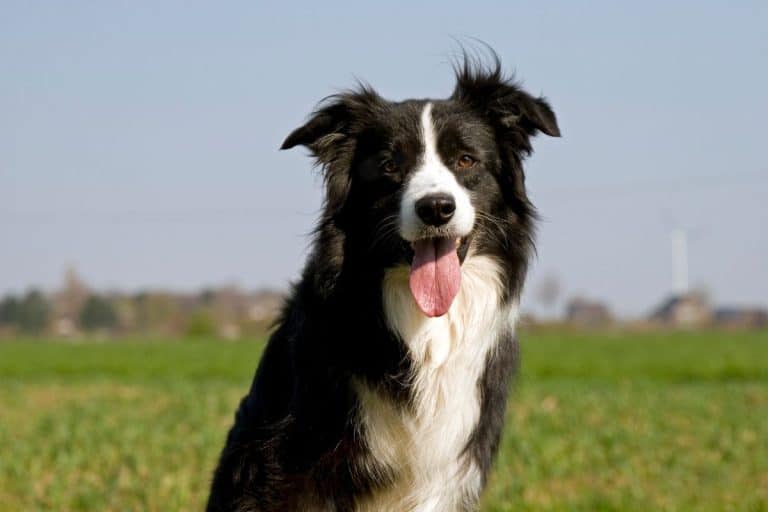
Border Collie Canis lupus familiaris Parallel herding niche: high intelligence and responsiveness to the handler. Spanish Water Dog is more generalist (herding plus water tasks) but overlaps strongly in the stock-work role.
Australian Shepherd
Australian Shepherd Canis lupus familiaris Generalist herding/utility dog with high exercise and mental-stimulation needs; requires similar management to prevent boredom-driven behaviors.
Feral/village dog Canis lupus familiaris Spanish Water Dog differs from free-ranging dogs by having a single-layer curly coat, being easy to train, showing strong handler focus, and performing work such as herding and water retrieving. It requires regular coat checks, daily exercise, and health monitoring for hip and eye problems.

Quick Take

  • Specific CHG markers in the Spanish Water Dog create significant metabolism imbalances.
  • Counter-intuitively, brushing the Spanish Water Dog is actually detrimental to achieving the necessary corded appearance.
  • An annual shearing event is required to reset the corded growth cycle safely.

The Spanish water dog is a breed that was developed in Spain as a water retriever for fishermen and as a herding and guard dog for farmers. It is thought to be descended from African breeds brought to the Iberian Peninsula over 1,000 years ago. Spanish water dogs are medium-sized with adorable, long, curly hair that cascades down over their eyes and helps them thrive in the changeable climate of Spain. As companion pets, they are affectionate, trainable, and low-maintenance. They get along well with children and household pets, but they do have strong herding instincts and need to be trained not to chase and nip too enthusiastically. This is a breed that is sure to bring delight to your family and spark great interest from people you meet on the street with its friendliness and attractive appearance.

An infographic about Spanish Water Dogs featuring a photo of a brown curly-haired dog standing by a body of water, accompanied by text blocks and icons detailing its unique grooming needs and temperament.
Forget everything you know about grooming—brushing this breed is a cardinal sin. Discover why the Spanish Water Dog is one of the most counter-intuitive companions on the planet. © A-Z Animals

3 Pros and Cons of Owning a Spanish Water Dog

ProsCons
Adapts well to small spaces. As a medium-sized dog, this breed can do fine in an apartment or small house. But they are energetic and need plenty of opportunities to run and play outdoors.Very energetic. They are used to running and chasing in their natural environment, so they need lots of vigorous exercise. This should include both structured walks and unstructured play time.
Playful and kid-friendly. Spanish water dogs get along well with other pets and with children. They need to be taught not to nip or herd them too enthusiastically, however.Nip and chew a lot. You’ll have to hide your shoes with this one. As puppies, they chew incessantly and enjoy nipping at pants legs and being dragged around the house. Provide them with toys and train them not to do what you don’t like.
Low-maintenance grooming. The breed standard requires long, curly hair that is not shaved or over-groomed. Their hair will cord naturally as it grows. All that is required is occasional bathing.Health issues. Spanish water dogs are prone to allergies, hip dysplasia, and other issues. Watch their diet and be prepared for regular veterinary checkups and medical treatments as they get older.

The Best Dog Food for a Spanish Water Dog

It’s always important to provide your dog with high-quality food to keep them looking and feeling good. Spending a little more every week on better food can save you and your companion a great deal of discomfort and much higher expenses later to treat preventable medical conditions.

Spanish Water Dog Size and Weight
Types of water dogs - Spanish Water Dog

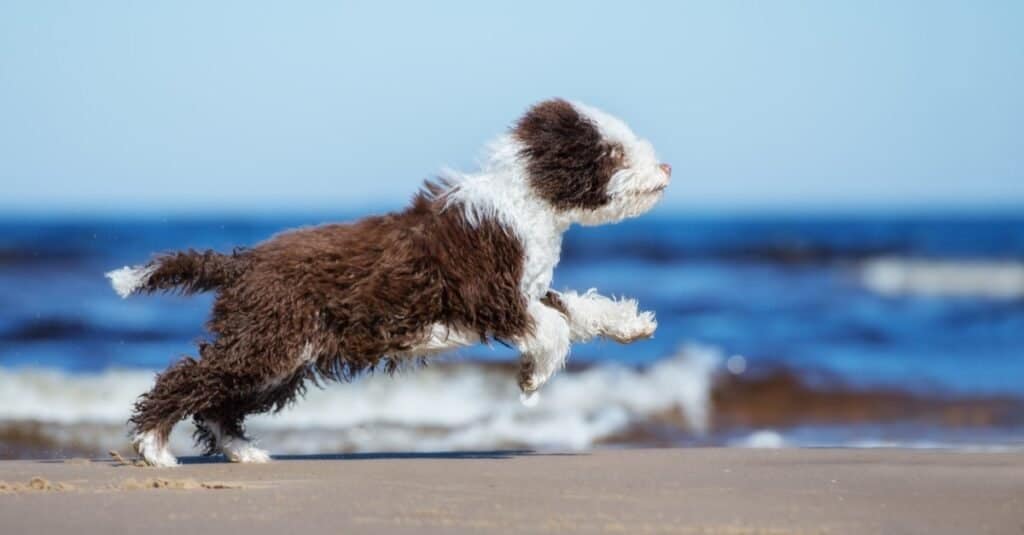
Ranging between 18 and 20 inches tall, Spanish water dogs are medium-sized dogs.

Spanish water dogs are medium-sized. Males range from 17.5 to 19.75 inches tall and can weigh 40 to 49 pounds. Females can be 15.75 to 18 inches tall and weigh anywhere from 31 to 40 pounds as adults.

Spanish Water Dog Common Health Issues

The Spanish water dog has a reasonably long life expectancy of 12 to 14 years. However, a number of different health problems have been found in the breed. Owners need to feed their dog a high-quality dog food and make sure they have regular testing at the vet to catch any of these issues early on, when there may be more treatment options. Below is a list of possible health issues your dog may encounter:

Temperament and Behavior

Spanish water dogs are energetic, playful, and affectionate. Having been bred for retrieving game, herding, and guarding, they love playing games like catch and fetch or just zooming around the yard. Their natural herding instincts will come out with other animals and people, especially children. They will enthusiastically chase things that run and nip at their heels to herd them in a different direction. This behavior can be curbed with early socialization and positive training. They can be wary around strangers — a good behavior in a guard dog — but will warm up as they get to know the person.

How to Take Care of a Spanish Water Dog

Maintenance And Grooming

As water dogs, this breed doesn’t mind a bath as much as other dogs do. But it only needs bathing every 3 to 4 weeks, depending on your family’s lifestyle and how messy the dog’s outdoor play environment has been.

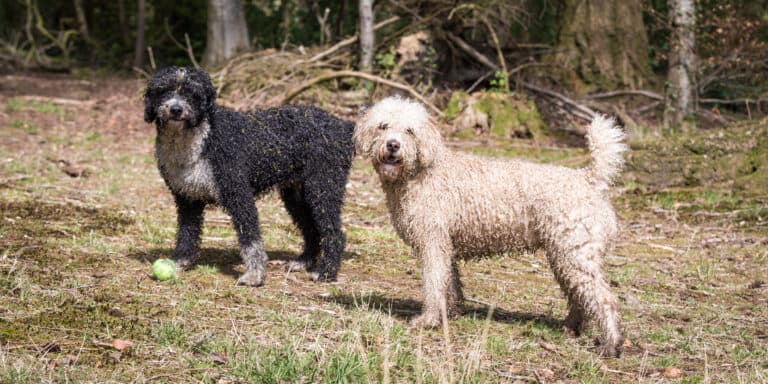
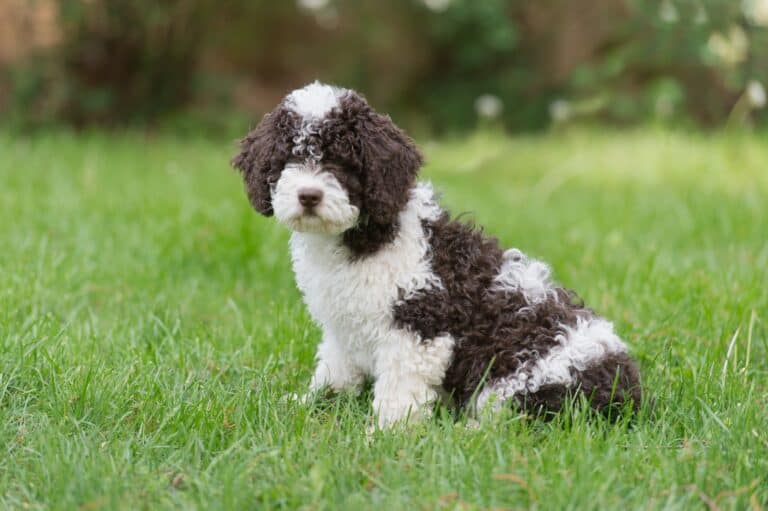
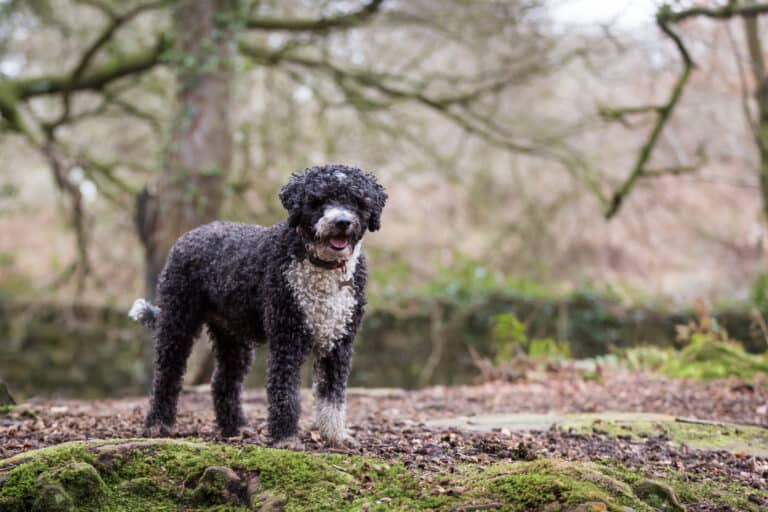
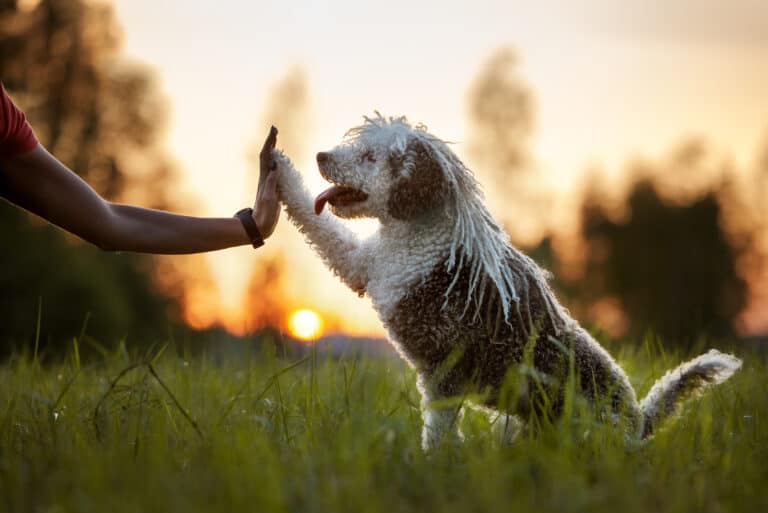
Spanish water dogs have a long, woolly, curly coat with no undercoat. It comes in solid black, beige, white, or brown, or two colors mixed. They shed minimally, and their fur will grow naturally into cords or dreadlocks. The breed standard is to allow the coat to grow and have a natural look, not to clip it or groom it for aesthetic reasons. Although the coat should not be trimmed, it should be sheared down once a year for a fresh start that will eliminate any tangles or mats that have developed.

Training

Spanish water dogs are highly trainable and need to be trained from puppyhood to channel their instincts in ways that are well-mannered and acceptable in your family. Don’t fall into the trap of letting them get away with undesirable behavior because it is cute. Behaviors become increasingly difficult to correct the longer you tolerate them. Training should not be harsh. These dogs are intelligent and eager to please. The best training is to reward positive behavior rather than punish negative behavior. When the pup does something you don’t like, substitute a different behavior, such as giving him a toy when he tries to chew your shoe.

Your dog will likely try to herd your children and your other pets by circling and nipping. With children, this needs to be stopped immediately. The dog should be firmly corrected, removed from the child, and given an activity such as a game of fetch to distract him.

This breed should always be kept on a leash when not in a fenced enclosure. They are curious and smart, so they may try to jump over, climb, or dig under fences and can fit through small openings. Some homeowners prefer invisible fencing, but this does not stop other animals from coming into your yard, or your animal from breaking through if he is determined enough.

Exercise

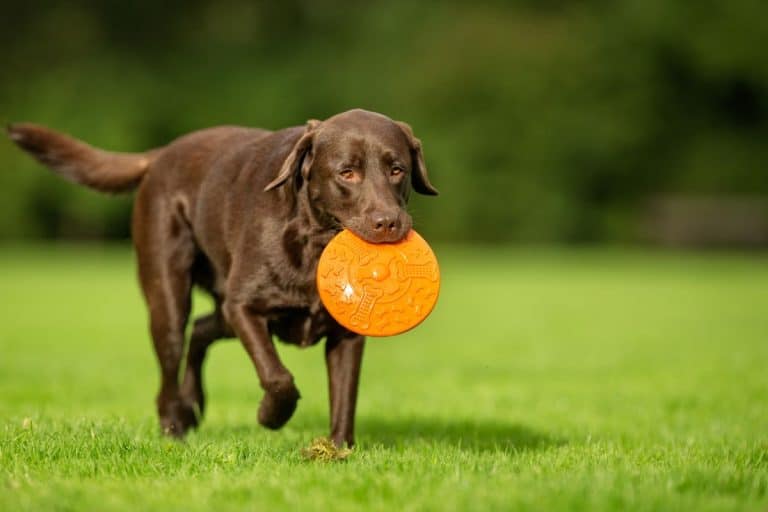
Spanish water dogs require a great deal of exercise, including daily walks and playtime in a fenced yard. They are highly social and prefer to be with you, but can entertain themselves for some time alone in the yard. Just keep an eye out that they’re not working on an escape plot! They enjoy having a job to do that is both physically and mentally stimulating. Catch, fetch, flying disc, and agility tasks are all activities they will enjoy. If you want a sedentary dog, this is not the dog for you.

Spanish Water Dogs and Children

Spanish water dogs do quite well with children when trained and socialized at an early age. Teach your children not to tease or hit the dog, and what to do when the dog is playing too roughly. Train your pet not to chase or nip at your child. Adults should always supervise small children around dogs, especially an energetic herding breed such as this. Older children need to be included in the training regimen for your dog, to help them bond, provide consistency for the animal with various family members, and spread out the task of burning off this dog’s incredible stores of energy.

Dogs Similar to the Spanish Water Dog

  • Portuguese Water Dog: A very similar breed to the Spanish Water Dog. One difference is that they can have wavy or curly coats, whereas the Spanish water dog always has a curly coat.
  • Poodle: Similar in size to the Spanish water dog with a curly coat, but requires much more grooming to stay in good condition. Of the two breeds, the poodle has a higher intelligence level.
  • American Water Spaniel: This breed is smaller and cheaper to purchase and maintain than the Spanish Water Dog. It has less of an impulse to chase and catch prey than the Spanish water dog.

View all 391 animals that start with S

Sources

  1. American Kennel Club / Accessed November 23, 2022
  2. Petnetid / Accessed November 23, 2022
  3. Wag! / Accessed November 23, 2022
  4. Wikipedia / Accessed November 23, 2022
Drew Wood

About the Author

Drew Wood

Drew is a college professor and freelance writer who graduated from the University of Virginia. His travels have taken him to 25 countries and 44 states, where he has enjoyed learning about wildlife in a wide range of environments. In addition to his love of animals, he enjoys scary movies, landscaping, strategy games, and philosophical discussions over a cup of coffee. He is also an emotional support human to a neurotic Spanish Water Dog and a hyperactive Chihuahua mix.

Thank you for reading! Have some feedback for us?


Spanish Water Dog FAQs (Frequently Asked Questions)

Spanish water dogs are somewhat of a rare breed. The initial purchase price of a puppy can be $1,500-$2,500. Food, medical care, and upkeep is approximately $650 a year.