









D
Species Profile

Dalmatian Mix

Canis lupus familiaris

Spots, speed, and a surprise mix!
Mary Swift/Shutterstock.com

Dalmatian Mix Distribution

Click a location to explore more animals from that region

Origin Location

This map shows the native origin of the Dalmatian Mix. As a domesticated species, they are now found worldwide.

Loading map...

Found in 1 country

Size Comparison

Human 5'8"
Dalmatian Mix 1 ft 9 in

Dalmatian Mix stands at 31% of average human height.

A white Dalmation x Pit Bull Terrier mixed breed dog wearing a red collar, looking up at the camera with a head tilt

At a Glance

Domesticated
Also Known As mutt, mongrel, mixed-breed dog, crossbreed, spotted dog, spotted mutt, spotty mutt
Diet Omnivore
Activity Diurnal+
Lifespan 5 years
Weight 32 lbs
Status Not Evaluated
Did You Know?

Dalmatian mixes may develop spots gradually-many pups are born mostly white and "spot in" as they grow.

Scientific Classification

A Dalmatian mix is a domestic dog of mixed ancestry where at least one recent ancestor is a Dalmatian. Traits vary widely depending on the other breed(s), but many have an athletic build, short coat, and high activity needs.

Kingdom
Animalia
Phylum
Chordata
Class
Mammalia
Order
Carnivora
Family
Canidae
Genus
Canis
Species
Canis lupus familiaris

Distinguishing Features

  • Mixed-breed variability; may or may not show Dalmatian spotting
  • Often medium-to-large, athletic, deep-chested build depending on other ancestry
  • Short, sleek coat is common if mixed with other short-coated breeds
  • Energetic temperament is common; working-dog traits may be present

Physical Measurements

Males and females differ in size

Height
1 ft 12 in (1 ft 10 in – 2 ft 2 in)
1 ft 8 in (1 ft 5 in – 1 ft 12 in)
Length
3 ft 2 in (2 ft 9 in – 3 ft 7 in)
3 ft 7 in (3 ft 1 in – 4 ft 1 in)
Weight
62 lbs (51 lbs – 75 lbs)
44 lbs (31 lbs – 62 lbs)
Tail Length
1 ft 1 in (10 in – 1 ft 3 in)
12 in (9 in – 1 ft 3 in)
Top Speed
31 mph
About 50 km/h

Appearance

Primary Colors
Secondary Colors
Skin Type Mammal skin with short to moderate coat; often smooth, short hair when Dalmatian traits dominate. Dalmatian mixes can have thicker undercoat or longer fur. Skin may show color under white spots and can be allergy-prone.
Distinctive Features
  • Species context (domestic dog): fully domestic, highly social canid with wide individual variability; Dalmatian-mix appearance is especially variable because it is not a standardized breed.
  • Often athletic, lean-to-medium build with good endurance; many retain the Dalmatian's high activity level and need for daily exercise and mental engagement.
  • Coat frequently short and low-profile; shedding can be moderate to heavy (short hairs can be noticeable). Some mixes may have a thicker double coat depending on other ancestry.
  • Dalmatian-associated pigmentation features may appear: black or brown (liver) spotting, freckling on skin, and pigmented nose/eye rims; spotting is common but not universal in mixes.
  • Temperament/behavior (variable): many are energetic, people-oriented, and benefit from structured training; mixes may also inherit guarding, herding, or scent-drive traits from the other breed(s).
  • Care requirements: prioritize daily aerobic exercise (walks/runs/play) plus training games; provide early socialization, reward-based obedience, and consistent routines to reduce boredom-related behaviors.
  • Grooming: generally easy coat care (weekly brushing; more during shedding). Routine ear/teeth/nail maintenance; check skin for irritation if the dog has allergy tendencies.
  • May be inherited, not certain: Dalmatian lines can get urate (urate/urolithiasis) urine stones. Owners should talk with a vet about water, diet, and past urine problems.
  • Additional Dalmatian-linked risks that may appear in some mixes: congenital hearing issues (unilateral/bilateral deafness) and skin sensitivities; request BAER hearing testing when possible and monitor for itching/hot spots.

Sexual Dimorphism

Typical domestic-dog sexual dimorphism: males often slightly larger and more muscular; females often slightly smaller with a lighter frame. Degree varies widely with the non-Dalmatian ancestry and whether the dog is neutered/spayed.

  • On average, broader head/neck and more pronounced musculature in shoulders/chest.
  • May have slightly heavier bone structure and larger overall size within the same mix.
  • On average, slightly finer-boned build and narrower head/neck.
  • May appear more lightly framed and proportionally smaller within the same mix.

Did You Know?

Dalmatian mixes may develop spots gradually-many pups are born mostly white and "spot in" as they grow.

A Dalmatian mix can inherit the breed's endurance; historically, Dalmatians were famous for running long distances beside horses and carriages.

Some Dalmatian-line dogs have a distinctive uric-acid metabolism; mixes may or may not inherit the related urinary-stone risk.

Deafness occurs at higher rates in Dalmatians than many breeds; Dalmatian mixes can sometimes inherit this risk, especially with lots of white coat patterning.

The classic "Dalmatian look" comes from specific genes affecting white coat and spotting-mixing can produce ticking, patches, or fewer spots.

Dalmatians are working dogs at heart; many mixes thrive with jobs like running, scent games, or agility.

Unique Adaptations

  • Athletic, efficient gait: Dalmatian ancestry often contributes to a streamlined build suited for distance travel (though structure varies by the other breed).
  • Short, dense coat: frequently low-maintenance and quick-drying; shedding can still be heavy due to short, stiff hairs.
  • High trainability paired with independence: many respond well to positive reinforcement, but can be distractible outdoors without gradual proofing.
  • Possible inherited uric-acid handling differences: some may be predisposed to forming urate urinary stones; risk depends on genetic inheritance, sex, diet, and hydration.
  • Heat/cold considerations: short coats can mean less insulation in cold weather; athletic dogs can also overheat if exercised hard in heat without breaks and water.

Interesting Behaviors

  • Endurance play style: many Dalmatian mixes prefer long runs, steady jogging, or extended fetch sessions over short bursts.
  • "Velcro worker" tendencies: some bond closely to one person and shadow them, especially if the other parent breed is people-focused.
  • Alert announcing: they may be watchful and vocal about new sounds or visitors, shaped by both genetics and socialization.
  • Pattern-fixation: spot patterns often draw attention, and many owners notice strangers interacting more-some dogs become extra social, others cautious, depending on temperament.
  • Mouthy play or object-carrying: common in active breeds; channel into tug rules, structured fetch, or retrieve games.
  • Strong routine learning: many pick up household schedules quickly; without outlets, this can turn into pacing or door-watching.

Cultural Significance

Dalmatian mix (mixed-breed dog) keeps the famous spotted look tied to horses, carriages, and firehouses, where Dalmatians became mascots. It often stands for energy, an active nature, and working-dog past, but looks and behavior are not guaranteed.

Myths & Legends

Old carriage-dog stories from Britain and Europe say spotted dogs ran for miles under axles or beside horses, guarded the coach, calmed the team at night, and built the Dalmatian's tireless loyal image.

Firehouse tradition in the United States recounts Dalmatians racing with horse-drawn fire engines, weaving through commotion and smoke as a steady companion to the horses; the image became a lasting emblem of bravery and readiness.

Naming lore links the 'Dalmatian' to Dalmatia on the Adriatic coast; while the breed's exact origin is debated, the place-name story persists as part of the dog's cultural identity.

Popular storytelling-from 19th-20th century children's tales to modern film-elevated the spotted dog into a symbol of family, teamwork, and perseverance; many owners of Dalmatian mixes still encounter the 'storybook Dalmatian' expectations in public.

Conservation Status

NE Not Evaluated

Has not yet been evaluated against the criteria.

Population Stable

Life Cycle

Birth 6 pups
Lifespan 5 years

Lifespan

In the Wild
3–10 years
In Captivity
11–13 years

Reproduction

Mating System Polygynandry
Social Structure Managed Domestic
Breeding Pattern Serial
Fertilization Managed Selective
Birth Type Internal_fertilization

Dalmatian mix (Canis lupus familiaris): internal fertilization; mating is polygynandrous but usually managed by humans. No lasting pair bond. A mating “tie” often occurs, and litters can have multiple sires.

Behavior & Ecology

Social Pack Group: 5
Activity Diurnal, Crepuscular, Cathemeral
Diet Omnivore Meat-forward, complete-and-balanced dog food (often poultry or fish-based proteins) with controlled purine content if predisposed to urate stones.

Temperament

Highly social, human-oriented companion when trained and well-exercised (species-typical dog sociability with strong handler focus).
Often high-energy, athletic, and endurance-leaning compared with many domestic dogs; needs substantial daily aerobic exercise plus enrichment to reduce frustration behaviors (jumping/mouthing/destructive chewing).
Can be sensitive/reactive if under-socialized; benefits from early, ongoing socialization and reward-based training to prevent leash reactivity and over-arousal around people/dogs.
May show chase/prey interest (running movement, small animals) and strong play drive; reliable recall and impulse-control training are important.
Care requirements (breed-influenced): short coat is generally low-maintenance but benefits from regular brushing for shedding; prioritize structured exercise, mental work (scent games, obedience, agility), and calm-settle practice.
Health concerns more associated with Dalmatian ancestry: increased risk of congenital deafness; screen hearing when possible and use visual/tactile cues in training if needed.
Health concerns more associated with Dalmatian ancestry: predisposition to urate uroliths/hyperuricosuria in some lines-support with hydration, appropriate veterinary diet guidance, frequent potty breaks, and monitoring for urinary signs.
May be prone to skin sensitivity/allergies in some mixes; routine grooming, parasite control, and veterinary evaluation for chronic itch/ear issues can improve comfort and social tolerance.

Communication

bark
growl
whine
howl
yelp
grumble
tail carriage and wag style Loose wag vs. stiff high wag
ear and facial expression changes Soft eyes vs. hard stare, lip tension
body posture and weight shift Play bow, forward lean, freezing
mouth-based signals Licking, panting, yawning as stress signals
scent marking and sniffing Urine marking, ground sniffing for social information
pawing/nudging and physical proximity seeking Leaning, following
gaze direction and gaze aversion Calming/appeasement

Habitat

Biomes:
Temperate Forest Temperate Grassland Mediterranean Boreal Forest (Taiga) Tundra Alpine Desert Hot Desert Cold Savanna Tropical Dry Forest Tropical Rainforest Freshwater Wetland Marine Temperate Rainforest +9
Terrain:
Plains Coastal Hilly Mountainous Valley Plateau Island Riverine +2
Elevation: Up to 16404 ft 3 in

Ecological Role

Domestic companion animal; in free-roaming/feral contexts functions as an opportunistic mesopredator and scavenger closely tied to human ecosystems.

rodent and small pest control in some settings scavenging/cleanup of edible waste in human-dominated areas (can be beneficial but also increases disease risk) participation in human working roles (e.g., alert/guard, assistance, detection) that indirectly influence human-environment interactions nutrient redistribution via feces in areas where dogs roam (may also be an ecological pressure)

Diet Details

Main Prey:
Small mammals Birds Reptiles and amphibians Invertebrates Carrion
Other Foods:
Fallen fruit and berries Grasses and herbaceous plants Root vegetables and cooked starchy plants Food scraps

Human Interaction

Domestication Status

Domesticated

Canis lupus familiaris (domestic dog) is a fully domesticated animal from wolves, shaped by human selection. A Dalmatian mix is a mixed-breed with a recent Dalmatian ancestor. They are often athletic, short-coated and shed a lot, trainable but sometimes sensitive or stubborn, with risks of deafness and urinary stones. They are pets, sport dogs, and often come from shelters.

Danger Level

Moderate
  • bite risk exists as with any medium-to-large, powerful, fast dog-often increased by poor socialization, fear, pain, or mishandling
  • injury from jumping/knocking over children or elderly people due to high energy and exuberant greeting behavior
  • nipping/mouthing during arousal, especially in adolescents without adequate training
  • reactivity toward strangers/dogs can occur in some individuals, depending on genetics, early experiences, and training
  • hearing impairment (if present) can increase startle responses, which can elevate bite risk if the dog is surprised

As a Pet

Suitable as Pet

Legality: Generally legal to own as a pet in most jurisdictions. Subject to local dog licensing/leash laws, housing/breed restrictions (rarely specific to Dalmatian mixes but possible in some rentals/HOAs), and dangerous-dog ordinances if a bite incident occurs.

Care Level: Experienced

Purchase Cost: Up to $1,500
Lifetime Cost: $15,000 - $35,000

Economic Value

Uses:
Companion animal ownership Animal sheltering and rescue adoption Veterinary services and preventive healthcare Pet supplies and nutrition Training and behavior services Canine sports and recreation
Products:
  • adoption fees or purchase fees (when intentionally bred)
  • spay/neuter, vaccinations, parasite prevention
  • routine veterinary care and diagnostics (e.g., hearing evaluation/BAER testing when indicated)
  • specialized diets (including urinary-support diets if needed)
  • training classes, private behavior consults
  • equipment (leashes, harnesses, crates), enrichment toys
  • pet sitting/daycare/boarding for high-energy dogs

Relationships

Ecological Equivalents 3

Animals that fill a similar ecological role in their ecosystem

Dalmatian
Dalmatian Canis lupus familiaris Many Dalmatian mixes retain a high-energy, endurance-type body and short coat, exhibit athletic play, and require daily exercise and training. They may inherit Dalmatian-associated risks such as deafness or urate bladder stones.
Mixed-breed domestic dog Canis lupus familiaris Share human roles as companions or workers and require similar care. Dalmatian mixes vary in size, behavior, and coat, but require daily exercise, mental stimulation, reward-based training, early socialization, and regular health checks.
Sporting and utility dogs Canis lupus familiaris Often overlap in lifestyle demands: high trainability, stamina, and the need for purposeful activities such as running, scent games, structured fetch, and agility. Many Dalmatian mixes fit best in active households; under-stimulation can contribute to nuisance behaviors such as destructive chewing, hyperactivity, and excessive barking.

Quick Take

  • There are over 30 recognized Dalmatian mix breeds, and some of the combinations will genuinely surprise you. See all mix breeds →
  • Dalmatian mixes carry a health vulnerability that most owners never see coming, and it has nothing to do with what the spotted coat might suggest. Explore the health risks →
  • Their 'low maintenance' reputation comes with a real catch. Skipping one care routine could lead to bigger problems down the line. Check the grooming routine →
  • Dalmatian mixes and kids are a natural fit, though there is one specific situation where their friendliest instinct becomes the problem. Read the family caution →

Dalmatian mix breeds range from medium to large dogs, characterized by a unique spotted coat. This canine has a playful nature, accompanied by a very energetic personality, making it a great companion for anyone seeking an affectionate and loyal friend. This breed of dog loves to go for walks as they explore their surroundings and look forward to the adventure ahead. The Dalmatian mix is a beautiful addition to any family, as this friendly breed will surely bring your loved ones lots of joy and happiness.

A comprehensive infographic about Dalmatian mix breeds detailing their size, weight, health risks, and care requirements using icons and text.
They are energetic, loyal, and fiercely intelligent—but these 39 spotted hybrids require much more than just a standard walk to thrive. © A-Z Animals

Dalmatian Mix Amazing Facts

  • This breed typically has a short, glossy coat, which comes in various colors, including black, white, brown, and brindle.
  • Their spots are distinctive in their placement, including different-shaped markings, making them unique.
  • Dalmatian mix dogs are highly intelligent and quickly learn commands and tricks.
  • National Fire Pup Day is observed on October 1 to honor all canine members of America’s fire departments, including Dalmatians, who have worked with firefighters for generations.

The Different Types of Dalmatian Mix Breeds

  • Boxmatian
  • Huskmatian
  • Dorgi
  • Daloodle
  • German Dalmatian
  • Dalmeagle
  • Mastiff Dalmatian
  • Labmatian
  • Chihuamatian
  • Great Dalmatian
  • Chow Dalmatian
  • Border Dalmatian
  • Australian Dalmatian
  • Daschmatian
  • Pugmatian
  • Cocker Dalmatian
  • St. Dalmatian
  • American Dalmatian
  • Pei Dalmatian
  • Dalkita
  • Blue Dalmatian
  • English Dalmatian
  • Golden Dalmatian
  • Great Pyrmatian
  • Rhodesian Dalmatian
  • Pitmatian
  • Dalmahoula
  • Tzumatian
  • Dobermatian
  • Dalfoundland

Owning a Dalmatian Mix: 3 Pros and Cons

ProsCons
Great companions: These dog breeds make excellent companions. Their loyal, loving, and affectionate nature shows toward families, children, and pets. Dalmatian mixes will undoubtedly bring an abundance of joy to any home.Require a lot of exercise: Regular exercise is essential for your dalmatian mix, as they need stimulation to keep their mind and body healthy. However, depending on your dog’s size and energy level, the amount of exercise you provide can vary. Consult your veterinarian to determine the best exercise routine.
Easy to train: While every dog is different, and many have unique learning styles, the Dalmatian mix can be very responsive to training. With patience, consistency, and positive reinforcement, these dogs learn quickly and adapt easily to commands.Tendency to bark often: Due to their instinct to alert owners of potential danger or intruders, the dalmatian mix is known to be very vocal and will generally bark to express their emotions. However, with proper training and socialization, the barking will settle down.
Low maintenance: Dalmatian mix dogs may not require as much grooming maintenance as some other breeds, as many of their coats are short and easy to maintain. These breeds do require regular nail trimming, bathing, and teeth brushing. Researching your dog’s specific needs is essential to ensure they are met and cared for.Always wants attention: Dalmatian mixes are very outgoing and ultimately want to be surrounded by people more often than other dog breeds. This is why knowing your dog and its personality is essential. This way, you can give them the attention they need and deserve.

Size and Weight

The size and weight of a Dalmatian mix can vary greatly depending on the other breed that is mixed in. Generally, these canines can range from medium to large and weigh anywhere from 20 to 80 pounds.

Common Health Issues

Dalmatian mixes are generally healthy dogs but may be prone to certain health issues. These health issues include hip dysplasia, a condition where the hip joint is malformed and can cause pain and lameness.

They may be prone to eye problems, such as cataracts, glaucoma, and progressive retinal atrophy. Other health issues affecting these dogs include allergies, skin problems, and epilepsy. These mixed breeds may also be more prone to deafness than other breeds.

To ensure the best possible care for your pet, speak to a veterinarian about any health concerns.
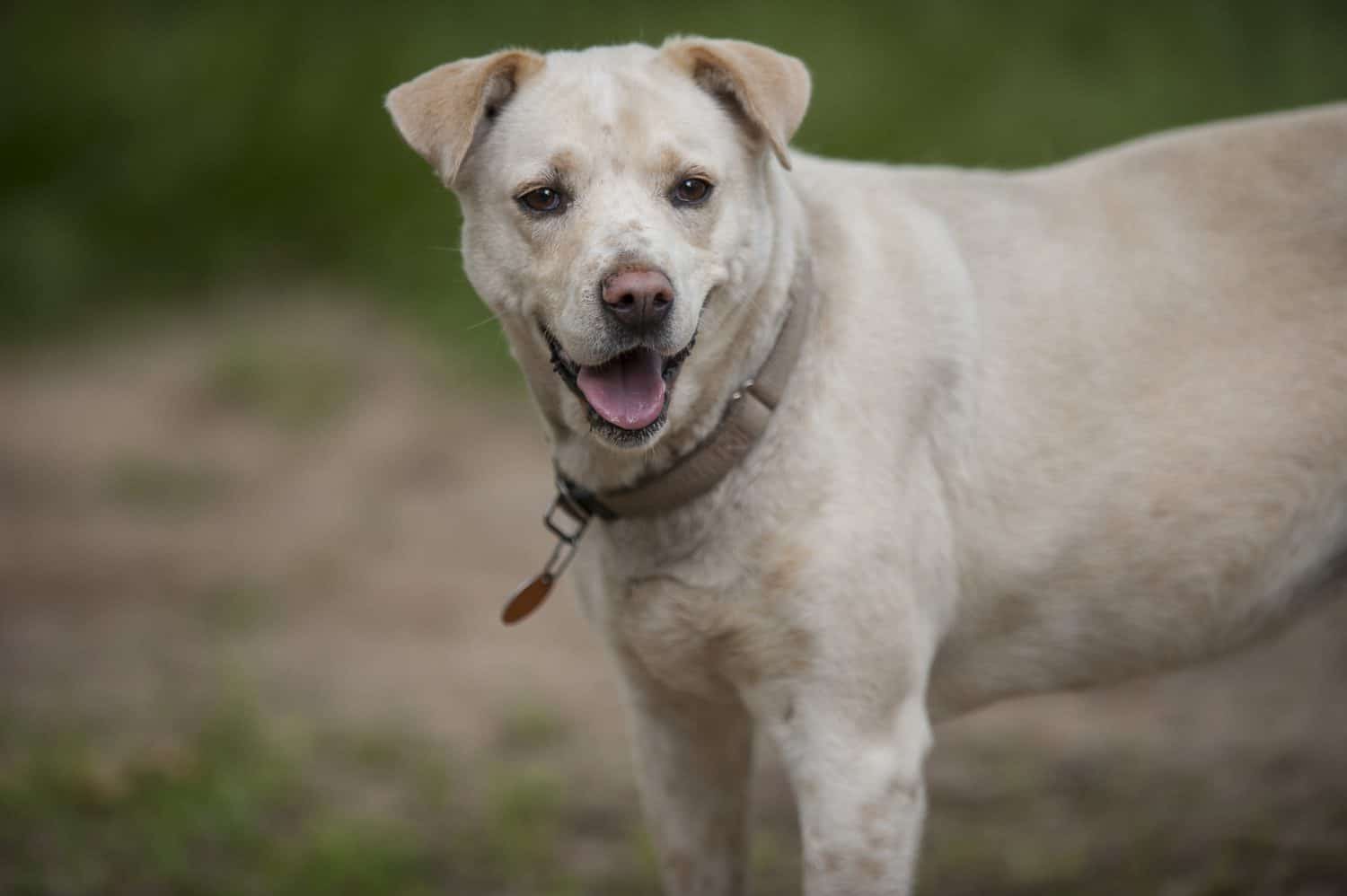
Dalmatian white lab mix looking towards the camera.

Dalmatian mixes are known for their friendly and outgoing nature.

Temperament

Dalmatian mixes are known for their friendly and outgoing nature. They are very social and love being around people, often forming strong bonds with their owners. In addition, these dogs are highly active and require regular exercise, making them great companions for busy families.

Dalmatian mixes are also intelligent and eager to please, making them easy to train. They can be quite vocal, but this is usually just their way of expressing themselves. These dogs make lovely family pets that bring joy and companionship to any home.

How to Take Care of Your Dalmatian Mix

Taking care of your dog is an important responsibility. To keep your Dalmatian mix healthy and happy, provide them with proper nutrition, exercise, and medical care.

Feed your Dalmatian mix a balanced diet, as these necessary minerals and vitamins are needed to gain the correct nutrition. Exercise your dog regularly, as it helps them stay active and healthy. Additionally, be sure to take your pet for regular check-ups and vaccinations. Lastly, provide them with plenty of love and attention, which is vital for their emotional well-being. Taking care of your dog can be a rewarding experience. Your pet can lead a long and happy life with the proper care and attention.

The Best Dog Food for Your Mixed Breed

Your Dalmatian mix must receive the best food possible. Look for dog food for mixed breeds, as this will provide a balanced diet tailored to your dog.

Ensure the dog food contains a balanced amount of protein, healthy fats, vitamins, and minerals. In addition, your dog’s food should be free of artificial colors, flavors, and preservatives. Your Dalmatian mix will gain healthy nutrition with the right dog food.

Maintenance and Grooming

Regular grooming is essential to keep your Dalmatian mix’s coat healthy and free of mats and tangles. Their coats require brushing weekly to remove dirt and debris. Provide occasional baths to keep their coats clean and free from odors.

It is crucial to keep their nails trimmed to avoid discomfort and injury. Regularly check your dog’s ears for any signs of infection. Their ears can be wiped with a damp cloth to keep them clean. Brushing your dog’s teeth once a week will assist them with their dental health and prevent dental decay.

Training

Training your dog can be a rewarding experience. Start training your Dalmatian mix as soon as possible. Start by teaching basic commands such as “sit,” “stay,” and “come.” Then, use positive reinforcement such as treats and verbal praise to reward your dog for following commands.

As your Dalmatian mix becomes more familiar with commands, you can move on to more complex tasks such as agility training and tricks. Consistency is key in training, so it is important to practice regularly. With patience and dedication, you and your Dalmatian mix will be able to build a strong bond and have a successful training experience.

Exercise

Depending on your dog’s age and energy level, introducing them to walks, hikes, and running are all great ways to keep them active. Swimming is also an excellent exercise, especially for Dalmatian mixes, as it is low-impact and can help build muscle.

In addition, providing interactive toys can stimulate your dog’s mind, keeping them entertained and providing an outlet for energy. Finally, physical and mental exercise will keep your dog healthy and prevent behavioral issues.
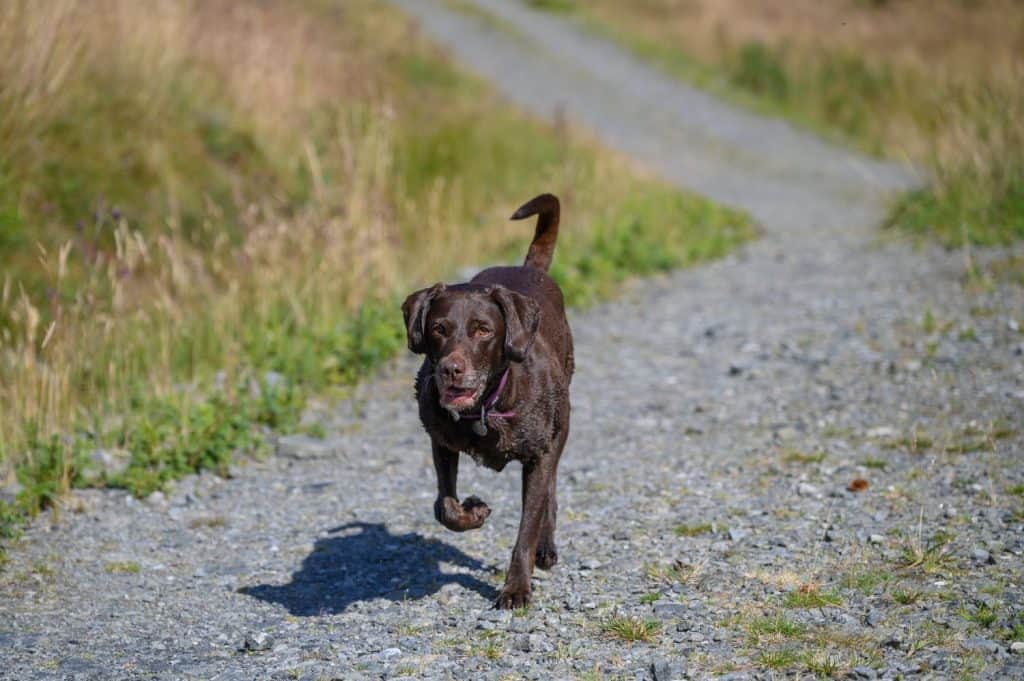
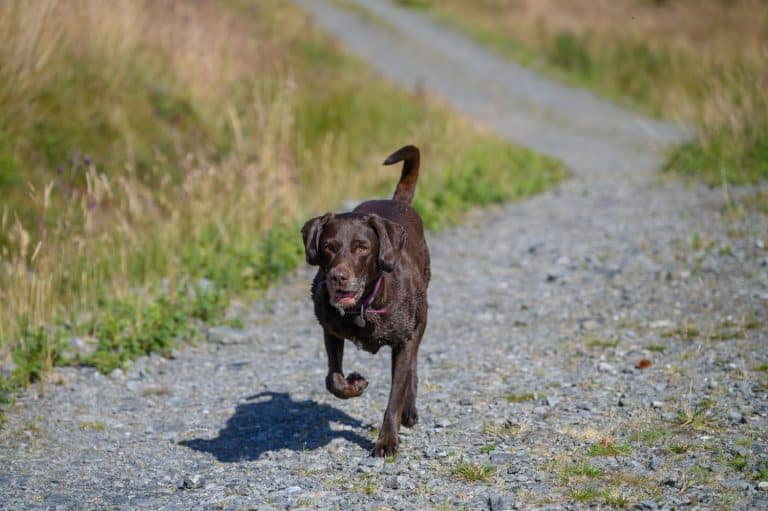
Brown labrador-dalmation cross dog runs along gravel path towards the front of the image, two legs in the air

A brown Labrador-Dalmatian cross. These dogs need a lot of exercise.

Puppies

These adorable puppies are the perfect addition to any family. They are known for their unique spotted coats, which add to their charm and personality. Dalmatian mix puppies are friendly and social, making them excellent pets for children and adults alike. With their loving and playful nature, these beautiful pups will bring joy and laughter to your home.

Dalmatian Mixes and Children

Dalmatian mixes are great playmates for kids because of their friendly and playful nature. These human-loving companions will always treat your loved ones with respect and care because they recognize children as valued members of the family pack. Your child and dog’s relationship will flourish if your dog has been properly socialized and trained.

However, don’t let your Dalmatian mix play with your baby or toddler unattended because their excitable nature may accidentally knock your child over and cause your child to become afraid of your Dalmatian mix.

Dogs Similar to Dalmatian Mix

Dogs similar to the Dalmatian include the English pointer, border collie, and boxer.

  • English pointer: Dalmatians are descendants of pointers, so they share a mix of DNA. Dalmatians and English pointers are about the same height and weight. They also share a playful, loyal temperament.
  • Border collie: Border collies have a sensitive temperament and high energy.
  • Boxer: Like dalmatians, boxers are high-energy dogs that love to run and play. They are also excellent watchdogs and loyal to their owners.
View all 450 animals that start with D

Sources

  1. Wamiz / Accessed January 26, 2023
  2. Greenfield Puppies / Accessed January 26, 2023
  3. Pet Premium / Accessed January 26, 2023
Kayeleen Parsons

About the Author

Kayeleen Parsons

Kayeleen Parsons is a writer at A-Z Animals that thoroughly enjoys writing about animals of all types. She has a love for many animals, but her Cocker Spaniel dog holds a special place in her heart. In addition to being a writer, she's also an English teacher, sharing her knowledge to help her students become excellent in the language and literature. When she's not busy writing, Kayeleen enjoys reading and spending quality time with her family in her homeland of Cape Town.

Thank you for reading! Have some feedback for us?


Dalmatian Mix FAQs (Frequently Asked Questions)

The size and weight of a Dalmatian mix can vary greatly depending on the other breed that is mixed in. Generally, a dalmatian mix can range from medium to large in size and can weigh anywhere from 20 to 80 pounds.