





Quick Take
- Being highly intelligent doesn't make a Husky Jack easier to train. In fact, that intelligence creates a surprising problem most new owners never see coming. See training challenges →
- One of the Husky Jack's health risks gets dramatically worse in hot weather, something most owners don't recognize until it's already a problem. Explore the health risks →
- Husky Jacks are loyal and love to play, yet there's a specific household situation where experts say they're the wrong fit entirely. See who they suit →
- Despite shedding heavily twice a year, the Husky Jack's grooming routine defies what most people expect from high-shedding breeds. Check the grooming routine →
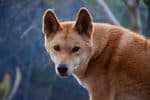
Husky Jacks are a mixed breed with one Siberian Husky parent and one Jack Russell Terrier parent. This hybrid breed was probably first created in the 1990s as a companion dog, but there are no records to indicate exactly when it was first bred. Due to the major differences in the appearance of Siberian Huskies and Jack Russell Terriers, there is a lot of variation in the looks and size of this crossbreed. Their personality can also vary quite a bit, but overall, they are very friendly and high-energy dogs. Since they have a tendency to be more stubborn, they are often a better choice for experienced owners or families with older children.

Owning a Husky Jack: 3 Pros and Cons
| Pros! | Cons! |
|---|---|
| Easy to groom: While these dogs do shed a fair amount, they are easy to groom. Brushing their coat about once a week is typically sufficient. | Can be stubborn: Many of these dogs are very stubborn, which can make training them very challenging. |
| Playful: These dogs are a playful breed and can make a great companion for an active individual. | High exercise needs: Husky Jacks are a very high-energy dog breed and will require a lot of daily exercise. Aim for 45 to 90 minutes each day with this breed. |
| Unique: Due to the mix of traits from the Siberian Husky parent and Jack Russell Terrier parent, they have a very unique appearance. | Not hypoallergenic: Unlike some other mixed-breed dogs, Husky Jacks are not a hypoallergenic breed and aren’t the best choice for homes with allergy sufferers. |
Size and Weight
Husky Jacks are a medium-sized dog breed, typically weighing between 30 and 40 pounds and standing about 17 to 22 inches tall.
Common Health Issues
In general, these dogs are a healthy breed. However, there are still some health issues that they may face, and you’ll want to be aware of them.
Epilepsy is one possible health condition that these dogs may develop. Epilepsy is a neurological disorder that causes seizures. If you suspect your dog is suffering from seizures, contact your veterinarian right away. They may be able to help control the seizures with medicine.
Some of them may also suffer from hip dysplasia. The ball and socket at the hip joint of a dog with hip dysplasia do not line up and develop properly. This causes them to rub against each other, which can make it very painful for the dog to walk. In some cases, surgery may be needed to correct hip dysplasia.
Laryngeal paralysis is another condition to look out for in some of these dogs. A degenerative disease weakens the muscles of the voice box. This can make it more difficult for dogs to breathe, and it is more common in hot weather and can prevent the dog from keeping up with its regular amount of exercise. Contact your veterinarian if you believe your dog has Laryngeal paralysis; surgery may be required to correct it.
Temperament and Behavior
The temperament of this dog can vary based on the specific mix of genes they inherit from the Siberian Husky and Jack Russell Terrier parents. In general, these dogs are very energetic and social. most are friendly around other dogs but may try to assert dominance when in a group. For this reason, these dogs should be supervised around other dogs.
These dogs can also be very independent. While they are very intelligent, they can also be stubborn and mischievous at times, so they are not well-suited for inexperienced owners and can be quite challenging to train. Due to their personality traits and behaviors, Husky Jacks are also not necessarily the best choice for homes with young children.
How to Take Care of a Husky Jack
Since this is such a unique breed, it is important to keep their specific needs in mind as you care for them. Think about this breed’s temperament, nutritional needs, exercise requirements, and grooming needs as you plan to care for your new Husky Jack.
The Best Dog Food
As an active dog breed, it is important to make sure that your dog gets enough food. Choose high-quality food formulated for active dogs for your Husky Jack. In general, these dogs will need about 1.5 to 2.5 cups of food each day, but the exact amount your dog will require may vary based on his or her age, metabolism, health concerns, or other issues. Always check with your veterinarian if you are unsure whether you are feeding your dog the right amount of food or the best formulation for his or her needs.
Puppies have smaller stomachs than their full-grown parents. Because of this, they should be fed smaller meals multiple times a day. Most puppies should eat between three and four times a day before they are six months old. After this time, they can be fed twice a day.
Maintenance and Grooming
These dogs are not a hypoallergenic breed, and they do shed a lot. Twice a year, during seasonal changes, they go through a shedding season and shed even more. However, even with their shedding, they are still a pretty easy breed to maintain. Brushing them once a week can keep their shedding under control.
Your dog should also be bathed about once a month to keep them clean. Keep their ears clear of wax and buildup to prevent infections, and trim their nails regularly to keep them short and prevent pain when walking. Be sure to also brush your Husky Jack’s teeth every day.
Training
These dogs are very intelligent, but also very stubborn. This mix of traits means that they can be a real challenge to train, making them less suitable for inexperienced owners. If you adopt this crossbreed, start training it right away. You may also want to consider enrolling them in an obedience training class. If training your dog at home, use positive reinforcement methods and keep training sessions short.
Exercise
Your dog will require a lot of exercise each day since they are such active dogs. Aim for 60 to 90 minutes of exercise each day. This can include long walks or jogs, games of fetch, or time to run around in a fenced-in backyard. Be sure to also have plenty of toys available in the house for your Husky Jack to play with.
Puppies
Since these dogs can be very stubborn, you’ll want to begin the training process with your new puppy right away. Look for an obedience training class for your puppy where you’ll be able to work with an experienced dog trainer. Also, be sure to socialize your puppy so they learn how to interact and behave in different situations.
Before bringing home your new puppy, purchase all the food and supplies it will need so you’re prepared. Make sure you have a dog bed, crate, toys, leash and collar, and treats for your dog. Also, find a veterinarian and schedule the first checkup to occur shortly after you bring the dog home.
Husky Jacks and Children
Husky Jacks are a very energetic breed and enjoy playtime with their families. They are also very loyal and loving. However, since these dogs can also be very stubborn and challenging to train, they are not generally recommended for homes with smaller children.
If you plan to bring a Husky Jack into a home with young children, be sure to supervise the children closely when they are with the dog to prevent accidental injury to either the child or the dog.
Dogs Similar to the Husky Jack
Siberian Huskies, Jack Russell Terriers, and Jackabees are three breeds that are similar to these dogs.
- Siberian Husky: Husky Jacks are half Siberian Husky, so it makes sense that these two breeds are similar. Both breeds are known to be very stubborn and to shed quite a bit. However, Siberian Huskies can be larger than Husky Jacks. While Husky Jacks only weigh up to 40 pounds, Siberian Huskies may weigh up to 60 pounds.
- Jack Russell Terrier: Jack Russell Terriers and Husky Jacks are both very energetic breeds. Both breeds are also very intelligent. Jack Russell Terriers are smaller than Husky Jacks. They weigh only around 15 pounds, compared to the 30 to 40 pounds of a Husky Jack.
- Jackabee: Jackabees and Husky Jacks both have one parent that is a Jack Russell Terrier. Both crossbreeds inherited the Jack Russell’s high energy and will require a lot of exercise. Jackabees are typically shorter than Husky Jacks. Jackabees are only 10 to 16 inches tall, while Husky Jacks are 17 to 22 inches tall.
Sources
- Walkwalking / Accessed May 10, 2021
- Doggie Designer / Accessed May 10, 2021
- Dog Breed Info / Accessed May 10, 2021
- Shop For Your Cause / Accessed May 10, 2021
- Animal Wised / Accessed May 10, 2021