













B
Species Profile

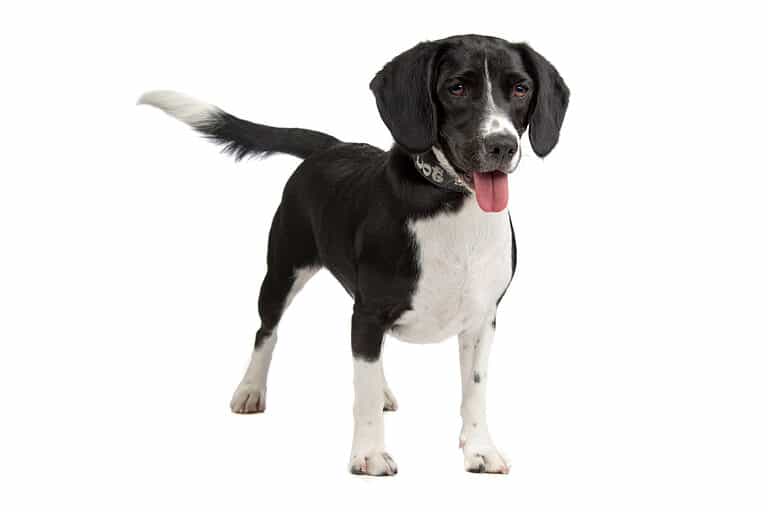
Beagle Mix

Canis lupus familiaris

Follow the nose, love the hound.
Daniel Dror/Shutterstock.com

Beagle Mix Distribution

Domesticated Species

Found Worldwide

Size Comparison

Human 5'8"
Beagle Mix 1 ft 4 in

Beagle Mix stands at 24% of average human height.

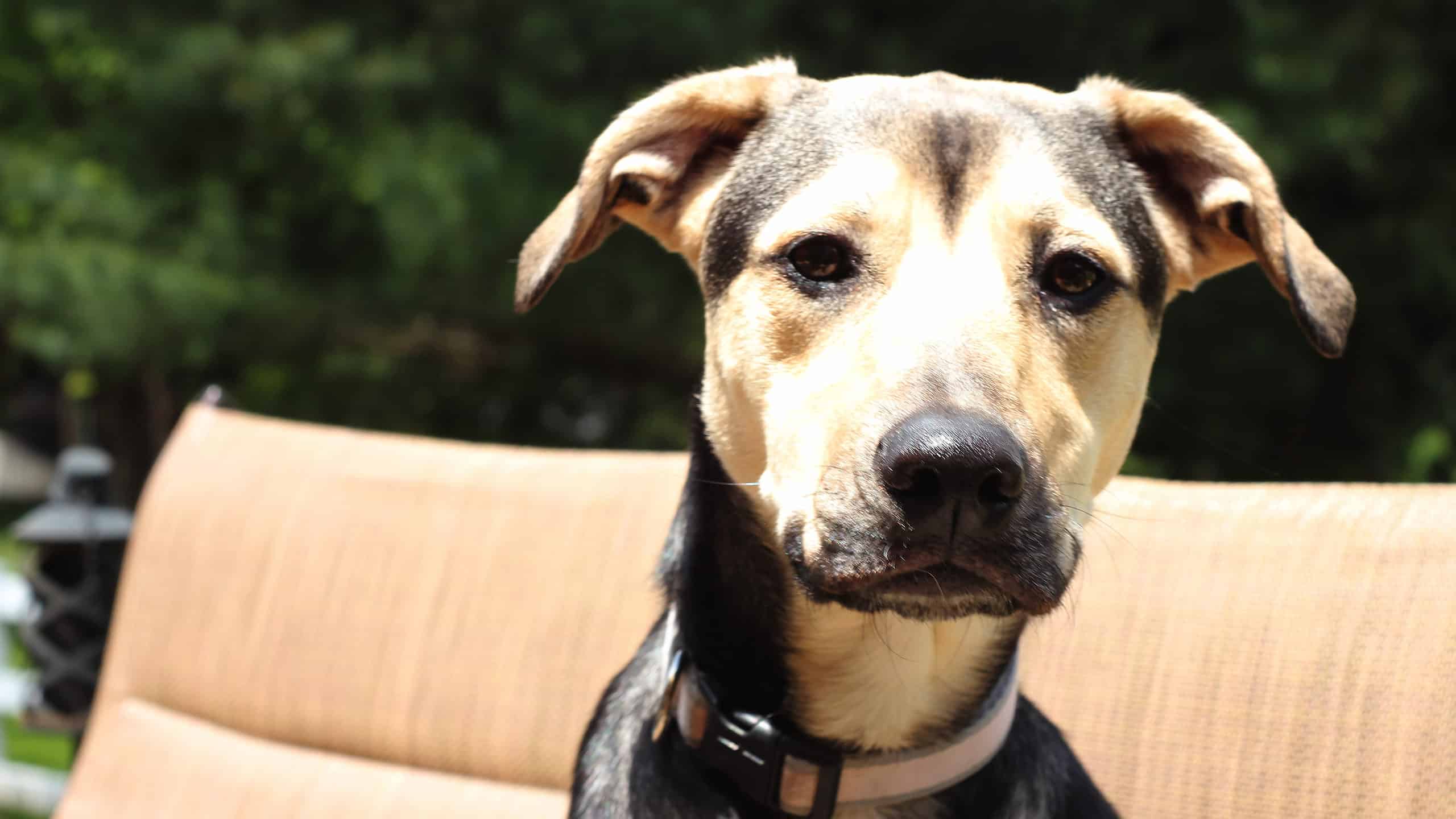
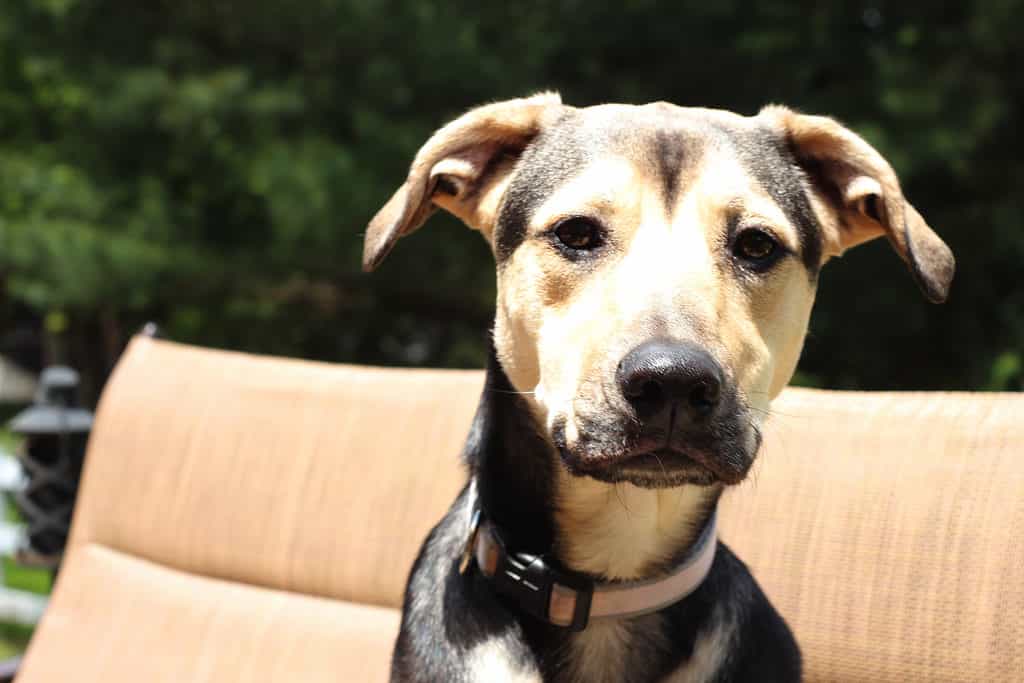
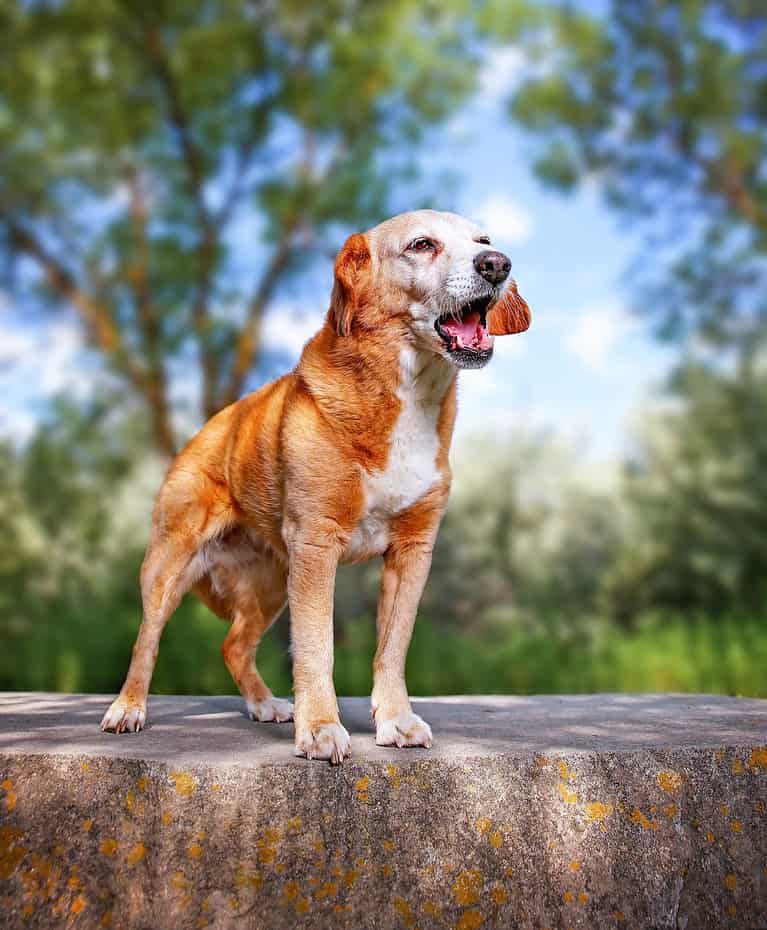
Reagle on a bench

At a Glance

Domesticated
Also Known As Beagle cross, Beagle crossbreed, Beagle hybrid, Beagle-type dog, Beagle mutt, Beagle mongrel
Diet Omnivore
Activity Diurnal+
Lifespan 4 years
Weight 20 lbs
Status Not Evaluated
Did You Know?

"Beagle mix" isn't a standardized breed-looks and temperament can vary widely depending on the other parent(s).

Scientific Classification

A Beagle Mix is a domestic dog of mixed ancestry where Beagle lineage is present or suspected. Appearance and temperament vary depending on the other breed(s) in the mix, but many retain hound traits such as strong scent interest and food motivation.

Kingdom
Animalia
Phylum
Chordata
Class
Mammalia
Order
Carnivora
Family
Canidae
Genus
Canis
Species
Canis lupus

Distinguishing Features

  • Often Beagle-like head/ears (medium-long, drooping) but variable overall size and coat
  • Scent-hound behavior common: persistent sniffing, tracking, and potential wandering if off-leash
  • Typically very food-motivated; can be vocal (bay/howl) depending on mix
  • Temperament commonly friendly/social, but energy level and trainability vary with other ancestry

Physical Measurements

Males and females differ in size

Height
♂ 1 ft 5 in (1 ft 1 in – 1 ft 8 in)
♀ 1 ft 1 in (11 in – 1 ft 4 in)
Length
♂ 3 ft 1 in (2 ft 6 in – 3 ft 7 in)
Weight
♂ 33 lbs (22 lbs – 44 lbs)
♀ 28 lbs (17 lbs – 40 lbs)
Tail Length
♂ 11 in (8 in – 1 ft 3 in)
♀ 9 in (7 in – 12 in)
Top Speed
25 mph
About 20 mph, varies

Appearance

Primary Colors
Secondary Colors
Skin Type Dog skin with short-to-medium, thick fur (single or double coat). Often a bit oily and retains smell like many hounds. Floppy ears trap moisture/heat near ear canal; check regularly.
Distinctive Features
  • Often shows Beagle-like traits such as floppy, pendant ears; a short-to-medium coat; and hound-style coloring (for example tricolor, tan-and-white, or other variable mixes), with overall size and markings varying widely due to mixed ancestry.
  • Not a formal pure breed, a Beagle Mix is a mixed-breed domestic dog (Canis lupus familiaris) with Beagle ancestry; appearance varies widely and is shaped by the other parent breeds.
  • Beagle-influenced head/face often seen: moderately broad skull, defined stop, expressive eyes; muzzle may be medium length with strong scenting behavior (nose-forward exploration).
  • Ears often floppy and set low-to-medium, with soft leather typical of scent hounds; ear length and thickness vary with the mix.
  • Body commonly compact to medium build; chest may be fairly deep for size (hound tendency), with moderate tuck-up; legs and overall height vary widely by the other parent breed.
  • Tail frequently carried upright with a slight curve; may show a white tip (common in Beagles) but not guaranteed.
  • Coat commonly short and easy to brush, but shedding can be moderate to heavy if double-coated genes are present; seasonal shedding is common.
  • Temperament/behavioral appearance cues: many retain hound traits-strong interest in scents/tracking, food motivation, and selective hearing when following a scent; may vocalize (baying/howling) depending on mix.
  • Care requirement (exercise/enrichment): needs daily walks plus sniff-heavy enrichment (nose work, scent games) to meet hound-driven mental needs; secure fencing/leash use recommended due to scent-chasing tendency.
  • Care requirement (weight management): high food motivation predisposes to overeating/weight gain; portion control and slow-feeders can help.
  • Health concerns commonly associated with Beagle ancestry (not guaranteed): predisposition to obesity, otitis externa/ear infections (especially with floppy ears), allergic dermatitis/skin itch, and some orthopedic issues (patellar luxation/hip dysplasia risk varies by the other breed).
  • Health risks depend on the other parent breeds: brachycephalic airway issues, IVDD (back problems), or other inherited conditions may appear; mixed ancestry can lower or shift, not remove, risk.
  • Routine care focus: regular ear cleaning/drying, periodic skin checks, dental care, nail trimming, and consistent recall training; consider microchipping due to wandering risk when scent-tracking.

Sexual Dimorphism

Typical domestic-dog sexual dimorphism is present but usually subtle and varies with overall mix and body size. Males often trend slightly larger with broader heads/neck; females often slightly smaller with a lighter frame. Coat color/pattern usually does not differ by sex.

♂
  • On average may be heavier-boned with broader head and neck; more muscular shoulders depending on mix.
  • May have more prominent musculature and overall mass when intact; neutering can reduce some secondary differences.
♀
  • Often slightly smaller with a finer overall build; may appear more streamlined through shoulders and neck.
  • Mammary development may be visible in mature or previously bred females; otherwise coat/pattern typically similar to males.

Did You Know?

"Beagle mix" isn't a standardized breed-looks and temperament can vary widely depending on the other parent(s).

Many Beagle mixes inherit the Beagle's scent-driven brain: once they catch an odor trail, listening can become optional.

Floppy ears aren't just cute-long ears can help waft scent toward the nose while tracking.

Some Beagle mixes "bay" (a hound-like howl) rather than bark, especially when excited or on a scent.

Food motivation is common; it makes training easier with treats but increases the risk of weight gain.

A strong wanderlust is typical of hound ancestry-secure fencing and leash use matter more than for many other dogs.

Beagle-type hounds have a long history in hunting and modern detection work; many mixes show the same talent in scent games.

Unique Adaptations

  • Highly developed olfaction (species context): like all domestic dogs (Canis lupus familiaris), they possess an olfactory system far more sensitive than humans, often expressed strongly in hound-leaning mixes.
  • Pendulous ears (common Beagle inheritance): can help funnel scent toward the nose during ground-scenting.
  • Endurance trotting: many inherit efficient, steady movement suited to long, nose-led walks rather than short sprints.
  • Vocal signaling (hound trait): baying carries over distance, historically useful when tracking game out of sight.
  • Behavioral adaptability (mixed-breed advantage): a Beagle mix may combine scent-hound drive with the other breed's strengths (e.g., calmer temperament, different coat type), producing a wide range of "fit" for households.

Interesting Behaviors

  • Scent-lock and zigzag tracking: stops mid-walk to "read" smells and may crisscross to relocate a trail.
  • Selective hearing outdoors: responds well at home, but becomes harder to recall when interesting scents appear.
  • Foraging and counter-surfing: opportunistic scavenging driven by high food motivation.
  • Baying, "talking," and alerting: hound vocalizations when excited, bored, or lonely.
  • Nose-to-ground enrichment seeking: uses sniffing to self-soothe; may prefer scent games over fetch.
  • Digging and perimeter checks: some will excavate under fences or patrol boundaries to pursue odors.
  • Pack-oriented attachment: may shadow family members and can be prone to separation distress if under-stimulated.

Cultural Significance

Beagle mix (Canis lupus familiaris) is a mixed breed dog often adopted from shelters. Its Beagle background links to Britain’s pack hounds and to scent work like farm checks and drug detection. Pop culture (Snoopy) makes people expect friendly, curious, nose-led dogs, though individuals vary.

Myths & Legends

In ancient Egypt, the jackal-headed god Anubis-closely associated with canids-guided souls and protected graves, a powerful cultural story behind the idea of dogs as guardians at life's threshold.

In Greek mythology, Cerberus, the multi-headed hound of the Underworld, guarded the realm of the dead-an enduring legend behind "watchdog" symbolism.

In Mesoamerican tradition, the god Xolotl is linked with guiding souls to the underworld; across related stories, dogs appear as spiritual escorts for humans on difficult journeys.

Medieval and early modern Europe carried widespread folk beliefs that dogs could sense spirits or impending death-tales that reinforced the dog's role as a supernatural sentinel in the home.

English hunting stories tell of tiny "pocket" Beagles kept for fun and show; not a real breed today, the tales show how nobles praised and made myths about Beagle-type hounds.

Historical anecdotes describe Queen Elizabeth I keeping small "singing" hounds-often cited in Beagle history as part of the breed's romanticized past and the origin of the Beagle's musical voice in popular imagination.

Conservation Status

NE Not Evaluated

Has not yet been evaluated against the criteria.

Population Stable

Life Cycle

Birth 6 pups
Lifespan 4 years

Lifespan

In the Wild
2–8 years
In Captivity
10–16 years

Reproduction

Mating System Polygynandry
Social Structure Managed Domestic
Breeding Pattern Serial
Fertilization Internal Fertilization
Birth Type Internal_fertilization

Beagle Mixes follow dog breeding: in unmanaged settings, multiple males and females may mate (polygynandry). In homes, humans usually control breeding (managed_domestic). Fertilization is internal during estrus, often with a copulatory "tie."

Behavior & Ecology

Social Pack Group: 4
Activity Diurnal, Crepuscular
Diet Omnivore Strong-smelling, meat-based foods and treats (e.g., chicken, beef, fish-based kibble/wet food), often highly motivating due to Beagle scent-hound ancestry.

Temperament

Sociable, generally people-friendly; often good with other dogs when well-socialized (hound-group bias toward affiliative play)
Scent-driven and distractible outdoors; strong tendency to track odors and 'follow the nose' (more pronounced than many domestic dogs)
Food-motivated and opportunistic; higher risk of counter-surfing/scavenging-distinguishing trait versus the base species context due to ready access to human food
Vocal and expressive; Beagle lineage commonly contributes baying/howling and alert barking (can be a nuisance behavior without training/enrichment)
Curious and persistent; may be stubborn in training-responds best to short sessions, high-value rewards, and scent-based games
Moderate-to-high exercise and enrichment needs; insufficient outlets can lead to nuisance behaviors (digging, chewing, roaming attempts)
Beagle mixes may get overweight without portion control and regular feeding. Drop-eared dogs need routine ear checks/cleaning. Inherited problems (allergies, thyroid, epilepsy, hip or spine) can cause pain and make them grumpy or less social.

Communication

Barking Alert/attention-seeking, sometimes demand barking around food or outings
Baying Hound-style vocalization often triggered by excitement or scent detection; distinguishing Beagle-influenced trait
Howling Can occur with sirens, isolation, or arousal
Whining/whimpering Separation, frustration, or anticipation
Growling Boundary-setting, resource concerns, or discomfort
Scent communication: intensive sniffing, scent marking with urine, ground/track investigation; may 'lock on' to odor trails
Body language: tail carriage/wag rate, ear position, hackles, freezing or lip-licking as stress signals
Proximity seeking and contact: leaning, pawing, nudging, licking; commonly used to solicit attention
Play signals: play bow, bouncy gait; many are socially playful with dogs when properly introduced
Environmental signaling: scratching at doors, pacing, or circling when needing exercise/toilet; digging/roaming attempts can indicate under-stimulation-care need is secure fencing/leash due to scent-following

Habitat

Biomes:
Temperate Forest Temperate Grassland Mediterranean Boreal Forest (Taiga) Tundra Alpine Desert Hot Desert Cold Savanna Tropical Rainforest Tropical Dry Forest Freshwater Wetland Marine +8
Terrain:
Plains Hilly Valley Coastal Mountainous Island Riverine +1
Elevation: Up to 16404 ft 3 in

Ecological Role

Domesticated companion canid; in human environments primarily a commensal/companion, but behaviorally functions as an opportunistic mesopredator/scavenger when roaming.

human companionship and working roles (tracking/scent work) local pest pressure reduction via predation on small mammals (when allowed/roaming) scavenging of food waste (can be harmful if unmanaged) incidental seed dispersal via feces after fruit consumption

Diet Details

Main Prey:
Rodents Rabbits and hares Small birds and eggs Insects and other invertebrates Small reptiles and amphibians
Other Foods:
Fruits Vegetables Grains and starches Wild plant matter Fungi and fermented foods

Human Interaction

Domestication Status

Domesticated

Dogs (Canis lupus familiaris) descended from gray wolves and were bred for thousands of years to work with people. Beagles are small scent hounds used to track hares and game. Beagle Mixes are mixed dogs with Beagle ancestry; they often keep hound traits, strong scent drive, food focus, loud barking, and tracking, while looks and behavior vary.

Danger Level

Low
  • Bite/scratch risk typical of domestic dogs, increased by fear, pain, poor socialization, or resource guarding (food motivation can contribute)
  • Roaming/escape behavior (following scent trails) can lead to traffic accidents or conflicts with people/animals
  • Prey drive/chasing small animals; may cause falls or leash-related injuries if not trained/managed
  • Noise complaints due to baying/howling tendencies in some individuals
  • Zoonotic/parasite considerations common to pet dogs (e.g., fleas/ticks, roundworms/hookworms) if preventive care is lacking

As a Pet

Suitable as Pet

Legality: Beagle Mix (Canis lupus familiaris) is generally legal as a pet, but may face leash rules, anti-barking laws, landlord or HOA limits, breed-specific laws (BSL) if it includes a banned breed, and travel vaccination, microchip, and health certificate rules.

Care Level: Moderate

Purchase Cost: $50 - $1,200
Lifetime Cost: $15,000 - $35,000

Economic Value

Uses:
Companionship and family pet value (adoption, pet supply, grooming, boarding/daycare, training) Working and hobby roles (scentwork/field activities, sport training, occasional detection/therapy placements) Veterinary and preventive-care spending (vaccines, parasite control, dental care, chronic-condition management) Shelter/rescue ecosystem (rehoming fees, foster networks, community animal services)
Products:
  • Adoption/rehoming services and fees; occasional private-sale acquisition
  • Training services (recall, leash skills, impulse control, separation-anxiety support)
  • Scent enrichment products (snuffle mats, puzzle feeders) and high-value treats (often needed for motivation)
  • Containment/security products (secure fencing, long lines, GPS trackers) due to roaming tendencies
  • Veterinary services commonly used by this group (ear care for drop ears, weight management, allergy management, dental cleanings)

Relationships

Ecological Equivalents 5

Animals that fill a similar ecological role in their ecosystem

Beagles are notorious for their love of other pets and children, as they have happy-go-lucky attitudes and love attention. But they can be destructive if they don’t get enough attention and tend to howl when lonely. Additionally, beagles are known for their excessive barking and can be challenging to train due to their independent nature.

This adorable breed has a lot of energy and a curious nature, which is typical for a hound dog. Unfortunately, their adventurous spirit generally causes them to roam. Therefore, owners must ensure they have secured their properties and keep them on a leash when walking. While beagles make excellent family dogs, they will not guard your home. However, they will bark if they sense a stranger is near, but welcome them with open arms.

Several beagle mixes inherit a lot of traits from this adorable breed. This article is going to focus on the reagle (Rottweiler and beagle mix), but first, here are some other popular beagle mixes.

Types of Beagle Mixes

While the beagle is already incredibly cute, there are a few beagle mixes that are even more adorable! Here are four of the most popular hybrids:

Puggle ( Beagle and Pug Mix)

Close-up of a cute Puggle playing outside in autumn

Puggles first originated in the 80s.

The puggle has been around since the 80s, and its popularity has skyrocketed since then. This beagle mix combines the small frame and squished face of the pug with the high energy and athleticism of the beagle. The puggle is categorized as a toy breed at just 10 to 15 inches tall and weighing only 14 to 30 pounds. They are the perfect pet to keep in an apartment. However, these hybrids are not lap dogs.

Bagel (Beagle and Basset Hound Mix)
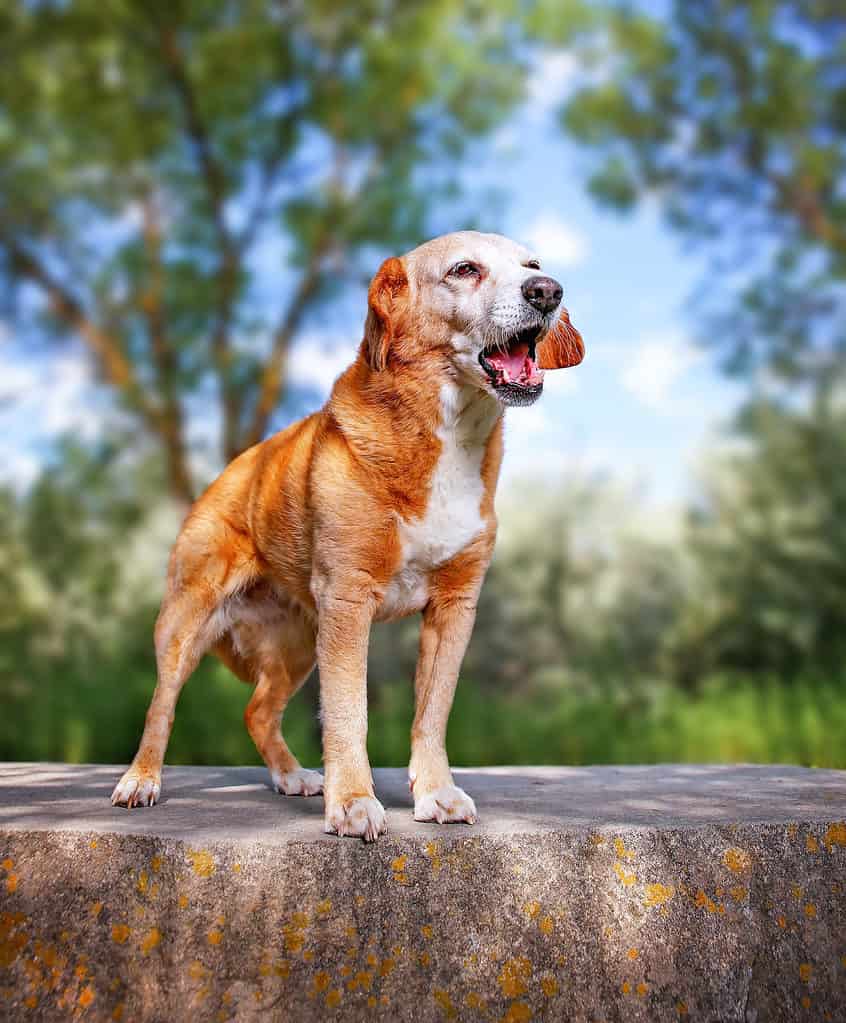
Basset Hound Mix

The Bagel Hound is a friendly breed that enjoys being surrounded by people and animals.

A bagel is a result of crossing a beagle with a basset hound. These adorable hybrids usually have long ears, droopy eyes, and a square head, giving them expressive faces that are hard to say no to. Additionally, bagels have short fur, making them easy to maintain. But don’t be misled by their name; they are muscular and stocky. In fact, they fall into the large breed category as they can weigh up to 60 pounds.

Bocker (Beagle and Cocker Spaniel Mix)
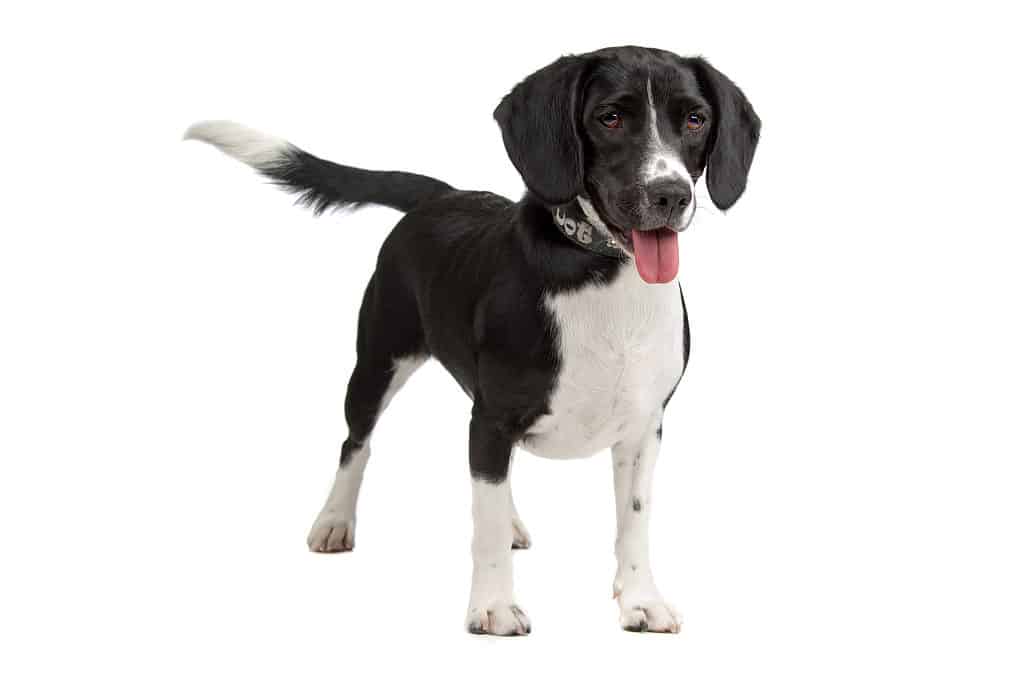
Bocker isolated

Bockers are a great choice for families with children.

Thanks to the bocker’s easy-going, relaxed, and sweet personality, they are a great companion for a family with children. Additionally, their alert nature makes them excellent watchdogs who will always notify you when a stranger is near. However, as a hybrid, it’s hard to say which parent it will take after, but with parents like the beagle and cocker spaniel, a cheerful demeanor is always guaranteed.

Beabull (Beagle and Bulldog Mix)

A Beabull Smiles On A Sunny Day

The beabull has a charming personality that will melt your heart.

The beabull generally inherits the bulldog’s stocky torso, wide hips, underbite, wrinkles, and the beagle’s brown eyes and floppy ears. Their charming personality and affectionate nature make them great companions for other dogs and even cats.

Pros and Cons of Owning a Reagle

ProsCons
Previous Rottweiler owners looking for a smaller version won’t be disappointed with this breedCan be malicious when provoked
Loving and loyal personalitiesLocating a reputable breeder can be challenging
Easy to trainThey are prone to hip dysplasia

The Best Dog Food

These beagle mixes are easy to please when it comes to food. However, this does not mean you can feed them anything. Opting for high-quality dog food, whether wet or dry, is always the way to go. If you are unsure what to buy, check the ingredient list, and if meat is not the first ingredient, it is not a good dog food. Reagles should eat 2.5 cups of kibble per day.

In addition to their daily meals, you can win them over with treats. However, this should only be given in moderation or when training, which will enhance their obedience and help build a bond. The best treats to buy for your reagle are options made with turkey or chicken. However, salmon or something fishy will do the trick if you want to mix things up. But don’t go overboard, as too much protein can cause indigestion and other issues.

Size and Weight

Reagles are large-sized dogs weighing between 50 and 85 pounds and measuring between 15 and 27 inches tall.

Rescued reagle isolated

Reagles are large-sized hybrids.

Common Health Issues

This beagle mix can inherit either parent’s genetic health concerns, but they are generally plagued by the beagle’s afflictions. However, they are typically healthy hybrids, but you should always be on the lookout for minor issues. For example, the reagle is prone to epilepsy. Unfortunately, depression can result from these episodes due to how stressful they are. But luckily, depression can be managed with Valium prescribed by a vet.

Sadly, reagles are prone to various infections and urinary tract diseases — for example, bladder cancer. Therefore, you should always take your beagle mix for regular veterinary check-ups and screen for any sort of cancer. Additionally, reagles are susceptible to eye infections due to their heavy eyelids and large eyes. This allows debris and dirt to accumulate around their eyes, leading to discomfort and infection. So, cleaning your reagle’s eyes regularly is crucial. Speak to your local vet about how to clean their eyes and what products are safe to use at home.

Hip dysplasia is another condition that plagues this beagle mix. Unfortunately, their joints are easy to dislocate, which causes pain and discomfort. Sadly, there is no cure, but there are surgeries that help and rehabilitation programs that can manage this disease.

Lastly, the reagle’s floppy ears are prone to infection, meaning their ears need regular flushes and cleanings.

Life Expectancy

The reagles life expectancy is surprising due to its large size — these tenacious pooches can live between 10 and 15 years with the proper care.

Beagle Mix Temperament

Reagles are sweet, loving, easily trainable, and generally get along with people and other pets if socialized from a young age. They don’t usually inherit the antisocial behaviors associated with Rottweilers and, instead, adopt the beagles’ eager-to-please demeanor.

Reagles are the best students as they love to learn new tricks, so training them is a breeze. Their loyal and gentle nature means they are dedicated to their owners and will protect them with their lives. On the other hand, reagles are affectionate, boisterous, and clumsy, and sometimes they can underestimate their strength. While this beagle mix is not generally aggressive, they will need supervision around younger children or small animals, as their play can turn malicious if provoked.

If reagles are not socialized properly from a young age, they can be distrustful of strangers or new friends. But if they sense that their owners are comfortable around these “intruders,” they will quickly warm up to them, too. Reagles love to be surrounded by their loved ones, so they thrive as indoor dogs. Therefore, if your canines are not allowed inside, this is not the hybrid for you.

Since beagles are notorious for their incredible smelling capabilities, the reagle will also have a great sense of smell. Unfortunately, this causes their nose to lead them, which makes them want to roam and investigate. While this makes them the perfect candidates as service dogs, owners must ensure their properties are secure, and their reagle is always on a leash.

How to Take Care of a Beagle Mix

Caring for the reagle is pretty straightforward, thanks to their short coats and ability to learn new commands quite easily. However, they do require some attention, like:

Grooming

As reagles have short coats, they aren’t heavy shedders. By brushing them two to three times a week, you control the shedding while keeping your pup’s coat healthy. These dogs don’t need regular baths, either. They only need baths when they are really dirty, about every three months. However, their oral health is essential and often overlooked by owners. They need their teeth brushed at least three times a week with dog-friendly toothpaste.

Additionally, they need their nails trimmed once every three months or once they start to touch the ground. Lastly, their eyes and ears need monitoring since this breed is susceptible to eye and ear infections. Therefore, checking both are clean regularly will help your companion stay healthy.

Training

This beagle mix loves to please its owners,  so training them is relatively easy. They respond best to reward-based training with lots of praise and treats. These will aid their eagerness to follow instructions and excitement about the rewards they will receive when they get it right. As reagles will eat just about anything, finding a treat they will like will be easy. But beware of foods with produced meats, soy, or corn. Instead, buy your canine companion healthy treats that won’t cause significant weight gain.

Exercise

The reagle will enjoy walking or jogging daily as it is a moderately active dog. However, their beagle side might cause them to roam, so always ensure they are on a secure leash. Additionally, they enjoy plenty of outdoor time, so they do not make the best apartment dogs. Furthermore, owners with fenced yards need to ensure their properties are appropriately secured, as the reagle is quite an escape artist.

Puppies

Female reagles can have between one and 10 puppies, but they average two to four pups per litter. If you are interested in adopting one of these unique dogs, use a reputable breeder to avoid scams and genetic health defects. It’s best to first approach registered Rottweiler or beagle breeders, but if that doesn’t have the desired result, try looking at shelters. Visit your local beagle or Rottweiler rescue, and ask them to contact you if they find one.

Reagle puppy on a patio

Reagle puppies are hard to find, but you might get lucky at a shelter.

Beagle Mix and Children

This beagle mix usually makes an excellent family pet. Reagles are loyal and loving and enjoy spending time with their loved ones. When socialized from a young age, these hybrids are great with children. However, they can become very protective of the kids, which could be good or bad. That’s why the reagle should constantly be monitored when around young children.

Cost

As the reagle’s parent breeds are readily available, the cost of one of these hybrids is not as high as that of other designer breeds. Their price varies between $800 and $1,200 depending on the breeder, location, and pedigree.

Famous Reagle

There is a famous celebrity who owns a reagle, and her name is Miley Cyrus. In 2012, the Wrecking Ball singer found a reagle pup abandoned outside Walmart and decided to adopt it.

View all 453 animals that start with B

Sources

  1. The Happy Puppy Site / Accessed December 30, 2022
  2. 101 Dog Breeds / Accessed December 30, 2022
  3. A Love of Rottweilers / Accessed December 30, 2022
Chanel Coetzee

About the Author

Chanel Coetzee

Chanel Coetzee is a writer at A-Z Animals, primarily focusing on big cats, dogs, and travel. Chanel has been writing and researching about animals for over 10 years. She has also worked closely with big cats like lions, cheetahs, leopards, and tigers at a rescue and rehabilitation center in South Africa since 2009. As a resident of Cape Town, South Africa, Chanel enjoys beach walks with her Stafford bull terrier and traveling off the beaten path.
Connect:

Thank you for reading! Have some feedback for us?


Beagle Mix FAQs (Frequently Asked Questions)

Reagles are sweet, loving, easily trainable, and generally, get along with people and other pets if socialized from young. They don’t usually inherit the antisocial behaviors associated with Rottweilers and, instead, adopt the beagles’ eager-to-please demeanor.