



B
Species Profile

Border Collie Mix

Canis lupus familiaris

Brains in motion-give me a job
Bianca Grueneberg/Shutterstock.com

Border Collie Mix Distribution

Click a location to explore more animals from that region

Origin Location

This map shows the native origin of the Border Collie Mix. As a domesticated species, they are now found worldwide.

Loading map...

Found in 1 country

Size Comparison

Human 5'8"
Border Collie Mix 1 ft 8 in

Border Collie Mix stands at 30% of average human height.

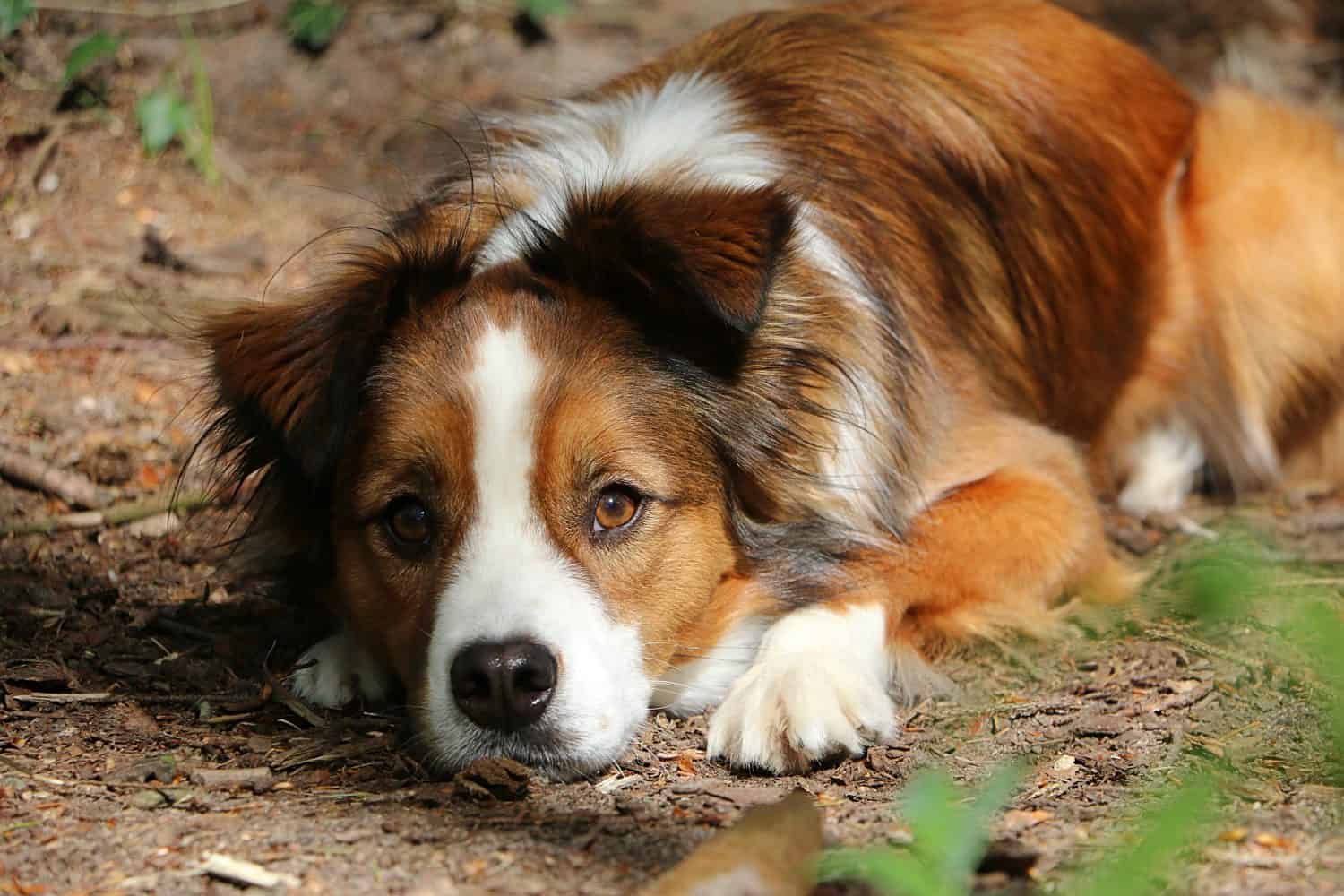
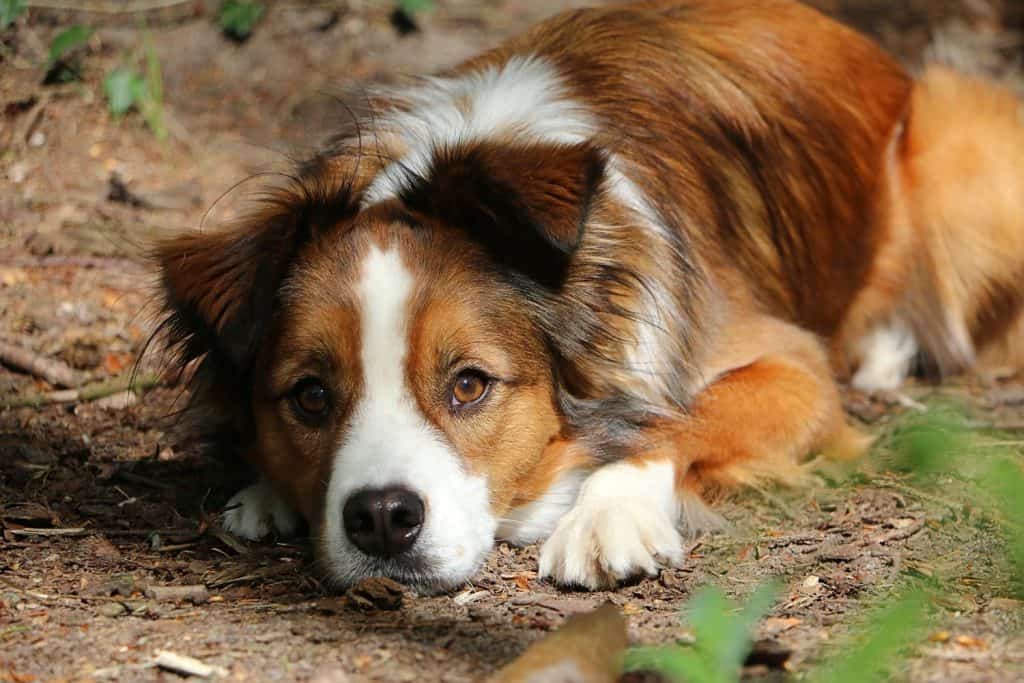
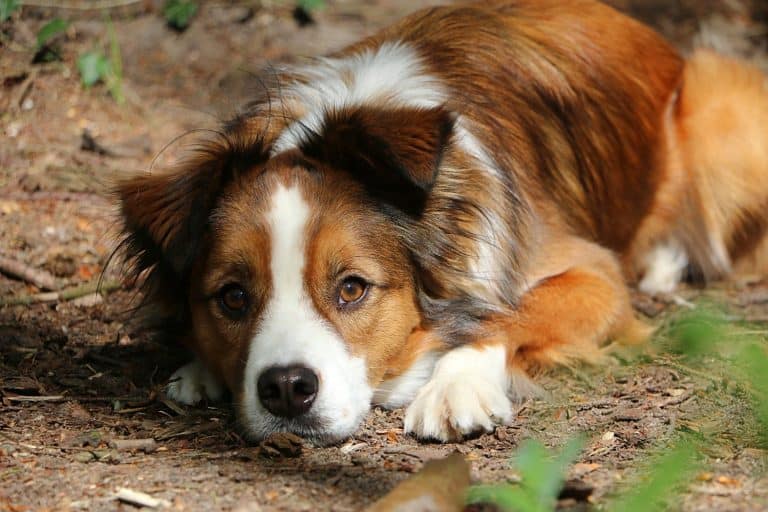
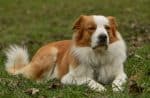
Portrait of a pretty brown and white Border Collie Australian Shepherd mix lying on the forest floor and looking at the camera.

At a Glance

Domesticated
Also Known As mutt, mongrel, mixed-breed dog, crossbreed, mix, rescue dog
Diet Omnivore
Activity Diurnal+
Lifespan 4 years
Weight 28 lbs
Status Not Evaluated
Did You Know?

"Border Collie" refers to the England-Scotland border region where many foundational working lines developed.

Scientific Classification

A mixed-breed domestic dog with at least one Border Collie parent/ancestor. Traits can vary widely, but many individuals show the Border Collie’s typical herding-dog build, high trainability, and high energy/mental-drive.

Kingdom
Animalia
Phylum
Chordata
Class
Mammalia
Order
Carnivora
Family
Canidae
Genus
Canis
Species
Canis lupus

Distinguishing Features

  • Mixed ancestry; appearance and temperament are variable
  • Often medium-sized, athletic build; may have collie-like coat patterns (black/white, merle, tri-color)
  • Typically high intelligence and high exercise/mental-enrichment needs (especially if strongly Border Collie-influenced)
  • May show herding behaviors (stalking, chasing, nipping at heels) depending on ancestry

Physical Measurements

Males and females differ in size

Height
1 ft 9 in (1 ft 6 in – 1 ft 12 in)
1 ft 7 in (1 ft 4 in – 1 ft 10 in)
Length
3 ft 10 in (3 ft 3 in – 4 ft 5 in)
Weight
42 lbs (31 lbs – 55 lbs)
37 lbs (26 lbs – 49 lbs)
Tail Length
1 ft 3 in (12 in – 1 ft 6 in)
Top Speed
30 mph

Appearance

Primary Colors
Secondary Colors
Skin Type Typical dog skin with often double-coated Border Collie-type coat: medium undercoat and rough or smooth topcoat. Skin may be sensitive; needs regular brushing and gentle care. Sheds moderately to heavily seasonally; coat varies with mix.
Distinctive Features
  • Mixed-breed domestic dog with Border Collie ancestry; appearance and temperament can vary markedly by the other breed(s) involved, so no single breed standard applies.
  • Often an athletic, lightly built herding-dog silhouette: deep chest, tucked waist, efficient trot; many are built for endurance rather than bulk (but size/structure can swing smaller or larger in mixes).
  • Head commonly shows a tapered muzzle and alert, intelligent expression; eyes typically oval/almond-shaped with an intense, focused 'working' look in many individuals.
  • Ears frequently semi-erect or erect with tipped ends; some mixes have fully floppy ears depending on ancestry.
  • Tail often long and carried low-to-level with a slight curve; may show feathering in longer-coated individuals.
  • Coat commonly medium length with feathering on legs/tail in rough-coated types; smooth-coated variants exist, and grooming needs range from low to moderate depending on coat.
  • Behavioral hallmark (if Border Collie traits are strong): very high trainability, rapid pattern learning, and strong responsiveness to handler cues; can become bored or develop nuisance behaviors without a job.
  • Herding traits may appear: stalking/crouching, 'eye' (intense stare), circling, chasing movement, and occasional heel-nipping-manage with training, controlled outlets, and impulse-control work.
  • Care requirements: daily exercise plus structured mental enrichment (training sessions, puzzle feeding, scent work, agility-style games). A purely physical outlet is often not enough if Border Collie drive is present.
  • Management needs: early socialization, clear routines, and reinforcement-based training; many do best with consistent boundaries and opportunities to work/learn.
  • Grooming: regular brushing (more during seasonal sheds) to reduce matting and manage undercoat; check ears/paws after outdoor activity; maintain nail and dental care.
  • Health problems (vary by mix) seen in Border Collie lines: hip and elbow dysplasia, epilepsy or unexplained seizures, progressive retinal atrophy and other inherited eye disorders (eye screening recommended), and activity-linked soft-tissue injuries.
  • If merle-pattern genetics are present in the mix: avoid merle-to-merle breeding due to elevated risk of congenital hearing/vision problems; veterinary eye/hearing evaluation can be prudent in merle-pattern dogs.

Sexual Dimorphism

Sexual dimorphism is generally mild to moderate in domestic dogs; Border Collie mixes often show subtle differences, but mixed ancestry can increase or reduce the contrast.

  • Often slightly taller/heavier with a broader skull and thicker neck/shoulders; overall frame may look more robust.
  • Often slightly smaller/lighter with a narrower head and finer bone; may appear more streamlined while retaining athletic build.

Did You Know?

"Border Collie" refers to the England-Scotland border region where many foundational working lines developed.

Many Border Collie mixes inherit the famous "herding eye"-an intense stare used to control livestock movement from a distance.

Border Collie-type dogs excel in dog sports (agility, disc, flyball) because they pair speed with rapid learning and handler focus.

Mixed-breed status means coat, size, and temperament can differ widely-even among littermates-depending on the other breeds in the mix.

The Border Collie is associated with landmark canine cognition studies (e.g., vocabulary learning in dogs like Rico and Chaser), fueling the breed's "genius dog" reputation.

Herding drive can show up as "shadow herding" of kids, bikes, cats, or cars-especially without training and enrichment.

Working-line Border Collie ancestry often favors endurance and responsiveness over a standardized "look," so mixes may be athletic rather than stocky.

Unique Adaptations

  • Exceptional trainability ("biddability"): strong tendency to watch humans and respond to subtle cues-often more pronounced than in many general pet dogs.
  • Herding-style motor patterns: controlled stalk/chase behaviors shaped to manage livestock rather than simply pursue prey.
  • Aerobic stamina and efficient gait: many Border Collie mixes can work or play for long periods when conditioned.
  • Fast learning with pattern sensitivity: they pick up sequences and habits quickly-helpful for sport, but it can also reinforce unwanted routines if practiced.
  • Flexible coat outcomes: mixes may inherit anything from a short, easy-care coat to a dense double coat needing frequent brushing.

Interesting Behaviors

  • Stalking and "eye": crouching, freezing, and staring to influence movement (may emerge during play).
  • Circling and gathering: attempting to bring people/animals together, often arcing around the edges of a group.
  • Heel-nipping or body-blocking: a herding tactic that can appear as ankle chasing without guidance.
  • High motion sensitivity: quick reactions to running, wheels, or sudden changes-common in herding-dog types.
  • Intense toy/ball focus: many will repetitively fetch or chase; they may ignore fatigue without structured breaks.
  • Problem-solving and "operant" behaviors: offering tricks, opening doors, learning routines rapidly-sometimes inventing their own games.
  • Vocal "work chatter": whining, barks, or grumbles during high arousal or when anticipating a task.

Cultural Significance

Border Collie mixes link to sheepdog traditions in the British Isles and to stock work and trials. Today they are seen as smart athlete dogs in agility and frisbee. They are common in shelters and need active homes with games and exercise.

Myths & Legends

Old Hemp (born 1893) is the most-cited foundation sire of the modern Border Collie. Shepherds and trial reports say his quiet, strong style shaped many working dogs that came from him.

People say the name "Border Collie" became common in the early 1900s to separate the border country working sheepdogs from other collies, and is often tied to James Reid using the term in 1915.

Sheepdog-trial stories in Britain and elsewhere tell of Border Collies who stopped stubborn sheep with one stare or drove flocks home through thick fog, building their legend as the shepherd's trusted partner.

Popular culture added modern "breed legend" through the film *Babe* (1995), where the Border Collie character Fly helped define the public image of the patient, highly trainable sheepdog.

In many pastoral communities, the shepherd's dog is treated as more than a tool-folklore and oral history often frame the best dogs as having near-human judgment, able to anticipate danger, weather, and livestock behavior.

Conservation Status

NE Not Evaluated

Has not yet been evaluated against the criteria.

Population Stable

Life Cycle

Birth 5 pups
Lifespan 4 years

Lifespan

In the Wild
1–8 years
In Captivity
10–17 years

Reproduction

Mating System Polygynandry
Social Structure Managed Domestic
Breeding Pattern Transient
Fertilization Internal Fertilization
Birth Type Internal_fertilization

Domestic dog (Canis lupus familiaris) usually mates with many partners; multi-sire litters are common. Mating includes a mating "tie." Females cycle about twice a year. Care is mostly by the mother. Border Collie mixes are often human-bred; test for hip dysplasia, epilepsy, CEA, MDR1.

Behavior & Ecology

Social Pack Group: 5
Activity Diurnal, Crepuscular
Diet Omnivore High-quality animal protein (e.g., meat-based foods such as chicken, beef, lamb, or fish)

Temperament

Highly trainable and cue-sensitive (Border Collie influence); quick to learn both desired behaviors and unintended habits
High energy with high mental drive; needs daily aerobic exercise plus problem-solving/obedience/scentwork to prevent frustration behaviors
Herding-derived control tendencies: intense focus/stare, circling, chasing or heel-nipping of running children/pets/bikes if not redirected
Often sensitive to harsh handling; responds best to consistent, reward-based training and clear routines
Can be vigilant and reactive to motion/sounds in some lines/mixes; benefits from early socialization, decompression time, and gradual exposure
Care requirements: sustained daily engagement (training sessions, enrichment feeders, structured play), secure fencing/leash management due to chase drive, and rest training to prevent chronic arousal
Common health concerns (breed-influenced but mix-dependent): hip/elbow dysplasia, epilepsy, progressive retinal atrophy/other inherited eye disease (including Collie Eye Anomaly in some lines), degenerative myelopathy (risk varies), and anxiety-related issues; consider screening/vet guidance, especially for eyes/hips
Additional genetic/med sensitivity note (mix-dependent): MDR1 drug sensitivity can occur if collie-type ancestry is present; discuss testing when relevant

Communication

bark Alert, demand, play
whine/whimper Attention, frustration, anticipation
growl Warning, play-growl, resource guarding
howl Less common; social/response howling
yelp Startle/pain
Intense gaze/"eye" and stalking posture Herding-style control signal
Body blocking, circling, and directional movement to influence others' paths People/pets
Ear and tail carriage changes signaling arousal, uncertainty, or confidence
Play bow, bouncy gait, and inhibited mouthing during play
Licking, leaning, pawing, and nose nudges for affiliation/attention
Scent marking (urine marking), sniffing, and over-marking for social information
Panting, pacing, displacement behaviors (yawning, lip-licking) as stress/overstimulation signals

Habitat

Biomes:
Temperate Forest Temperate Grassland Boreal Forest (Taiga) Tundra Alpine Mediterranean Desert Hot Desert Cold Savanna Tropical Rainforest Tropical Dry Forest Wetland Freshwater Marine +8
Terrain:
Mountainous Hilly Plateau Plains Valley Coastal Island Riverine +2
Elevation: Up to 18044 ft 8 in

Ecological Role

Human-commensal omnivorous mesopredator/scavenger; in this breed mix commonly a working/companion herding-type dog with high reliance on human-provided food.

Rodent/pest deterrence around homes and farms (opportunistic predation and presence) Carrion/scavenging cleanup in human-dominated landscapes (where permitted; often discouraged for safety) Support of livestock management via herding behavior (indirect ecosystem/agricultural service, not through diet) Human social/working roles (companionship, sport, service/working tasks) that shape resource flows and animal management

Diet Details

Main Prey:
Small mammals Birds and eggs Invertebrates Carrion and human-provided animal products
Other Foods:
Wild fruits and berries Grasses and sedges Root vegetables and leafy greens Grains and starches

Human Interaction

Domestication Status

Domesticated

Canis lupus familiaris is the fully domesticated dog, shaped by thousands of years of human selection for work and companionship. A Border Collie mix has Border Collie ancestry and often shows strong herding drive, is easy to train, has strong human focus, and high activity needs. Appearance and temperament vary. Roles: pet, herder, sport, service work, shelter rehoming.

Danger Level

Moderate
  • Herding-related nipping/heel-biting (especially toward running children, joggers, cyclists) if under-trained or under-stimulated
  • Chasing behaviors and strong motion sensitivity can cause accidental collisions or knocked-down incidents
  • Mouthy play, over-arousal, or resource guarding in some individuals, especially without early socialization
  • Bite risk increases with fear, pain, or mishandling; any dog can bite, and high-drive dogs can escalate faster when overstimulated

As a Pet

Suitable as Pet

Legality: Border Collie mixes are usually legal where pet dogs are allowed but must follow local license, rabies vaccine, leash and nuisance rules. Housing, insurance, or travel may limit them; travel can need microchip, rabies proof, quarantine.

Care Level: Experienced

Purchase Cost: Up to $1,500
Lifetime Cost: $15,000 - $40,000

Economic Value

Uses:
Companion animal Working/herding dog Sport/competition dog Service/assistance potential (individual-dependent) Training/behavior services market
Products:
  • companionship and family pet value
  • livestock herding labor (where instinct and training fit)
  • competition outcomes and related revenue (agility/obedience/disc events)
  • professional training, daycare, and enrichment services demand
  • rescue/adoption ecosystem (shelters, foster networks)

Relationships

Quick Take

  • Keeping this hybrid in an apartment is more than just inconvenient. The article uses language that is much stronger than that.
  • The Border Collsky inherits a health risk from its Husky parent that can appear in puppies as young as three months, and most new owners never see it coming.
  • Two working-dog parents sounds like a recipe for a well-behaved hybrid, but the temperament reality is far more complicated.
  • Border Collsky puppies can cost anywhere from $50 to $1,000, and the difference between those price points tells you everything about the breeder you're dealing with.

It’s hard not to love the captivating personality of the border collie. Their lust for life, intelligence, and never-ending energy is enough to catch anyone’s attention. However, border collie mixes have gained popularity over the years. These hybrids are typically healthier than their purebred parents, and they might have characteristics you find appealing in a different breed. Therefore, learning about the different border collie mixes is a great start to finding your next favorite breed.

This article will focus on the border collsky (border collie and husky mix), but before delving into this adorable hybrid, have a look at some other popular border collie mixes.

An infographic about Border Collie mix breeds featuring a central illustration of a Border Collsky with bulleted sections on health, temperament, care guides, and pricing.
More than just a pretty face: discover why the Border Collsky is the high-energy, high-intelligence challenge that purebred owners are flocking to. © A-Z Animals

Types of Border Collie Mixes

If you love border collies, you might be interested to know what their offspring would be like when crossed with a different breed. So, here are three of the most fascinating border collie mixes:

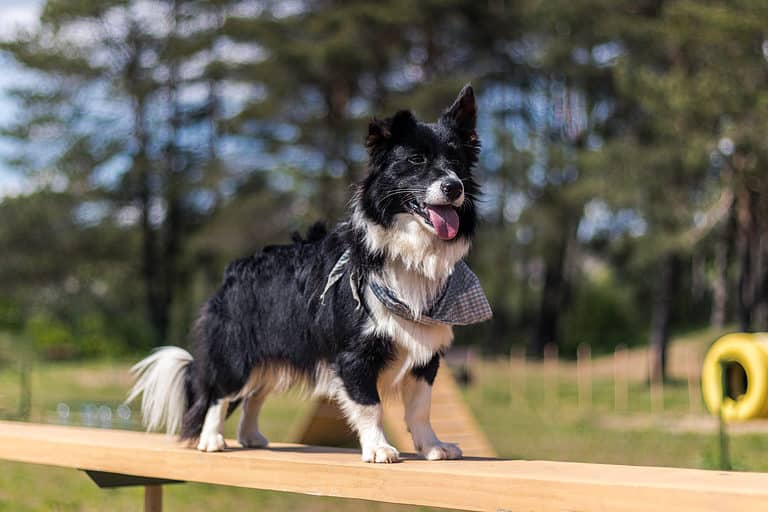
Collcorgie (Border Collie and Corgi Mix)
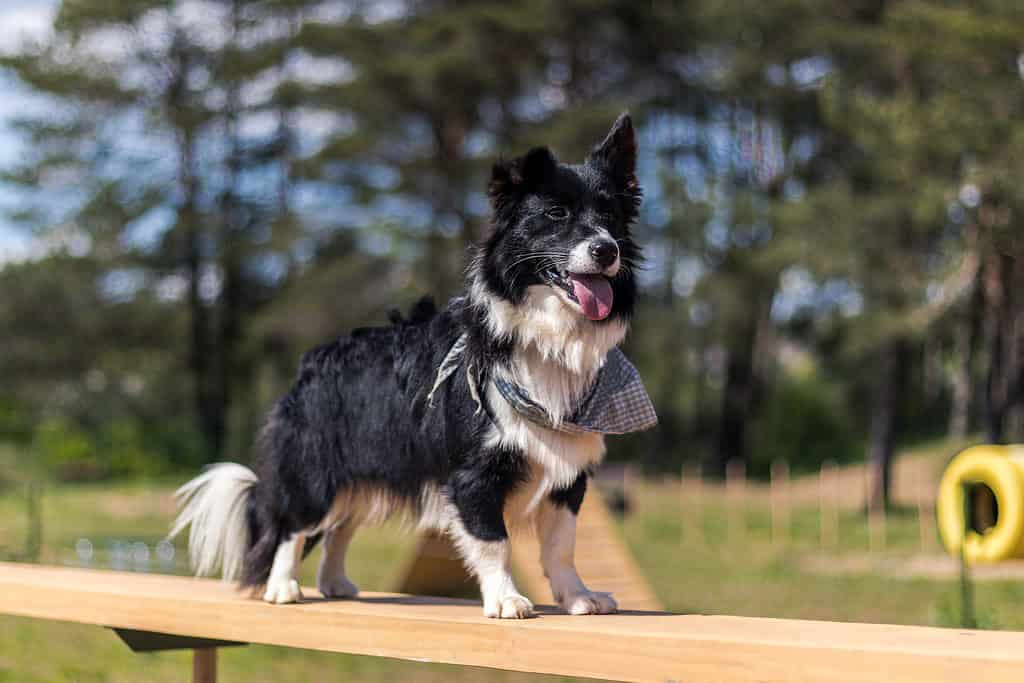
The collcorgi running

The Collcorgie is a loving and affectionate canine companion.

The Collcorgie is quite a mouthful to say! This designer breed is a cross between a border collie and a corgi, resulting in a loving and affectionate canine companion. However, they are best suited to families with older children, as they display herding behaviors like nipping at ankles. Additionally, if owners do not train them properly, they can become defensive, territorial, and aggressive.

While it is not impossible to inherit some of their parent breed’s health conditions, they are generally healthy dogs. Furthermore, collcorgies often have thick, long, wavy coats. Therefore, they are heavy shedders and will require extensive grooming.

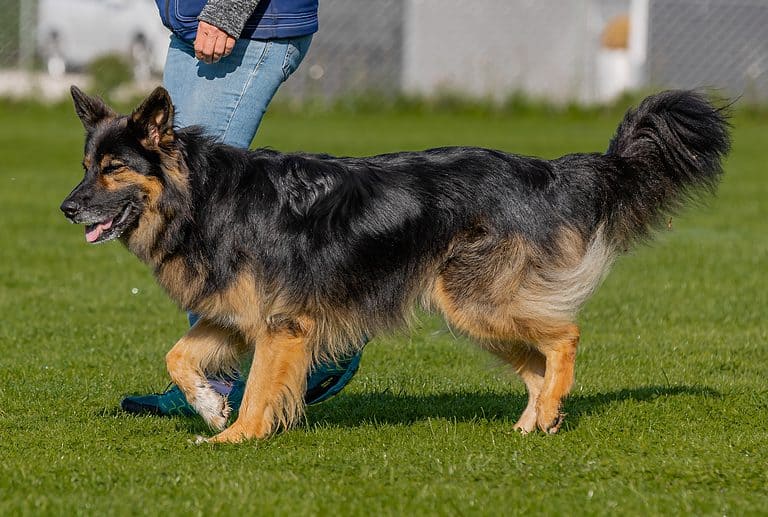
German Collie (Border Collie and German Shepherd Mix)
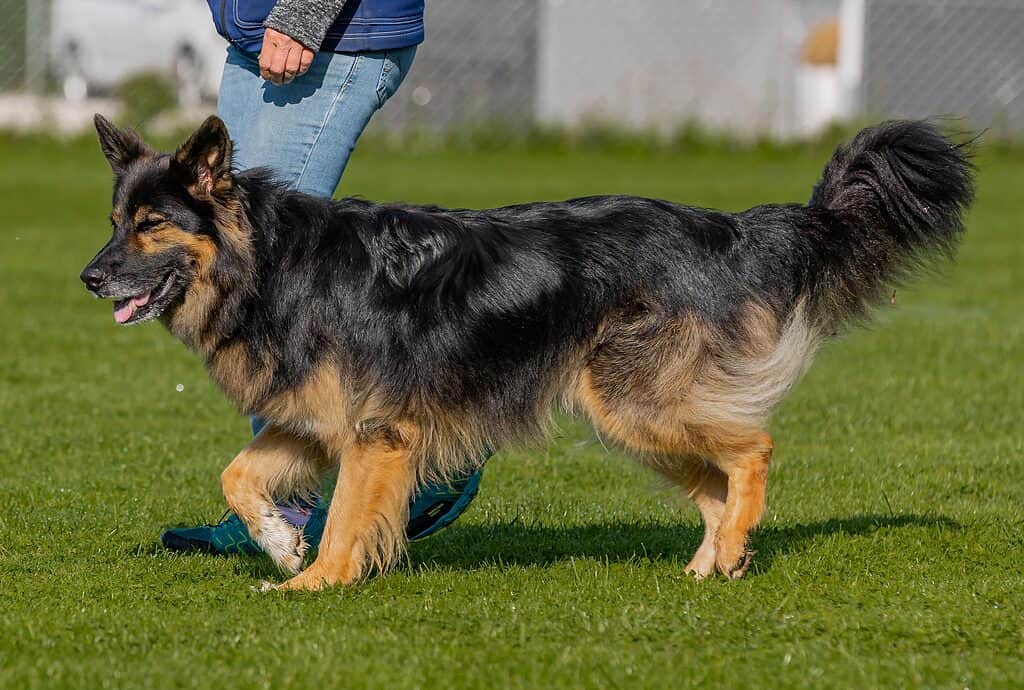
German collie running

The German Collie is a loyal companion.

The German collie, also called the shollie, is the result of crossbreeding a border collie and a German shepherd. This hybrid is energetic, intelligent, and loyal, inheriting some of the best characteristics from both parents. Additionally, this border collie mix is a fantastic family dog that loves to be around its humans and will protect them with its life. Furthermore, their energetic and playful nature means they are not well-suited for apartment living. Instead, they need a large backyard with space to burn off their excess energy.

German collies typically have dense, straight, medium-length hair, making them heavy shedders. Unfortunately, this means they need a vigorous grooming routine. Therefore, they will need daily brushing to keep their coats tangle-free, shiny, and healthy.

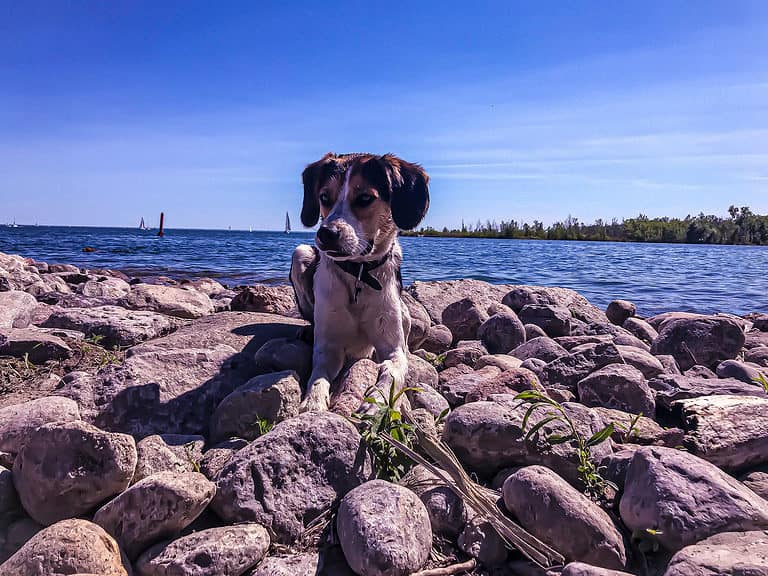
Collie Beagler (Border Collie and Beagle Mix)
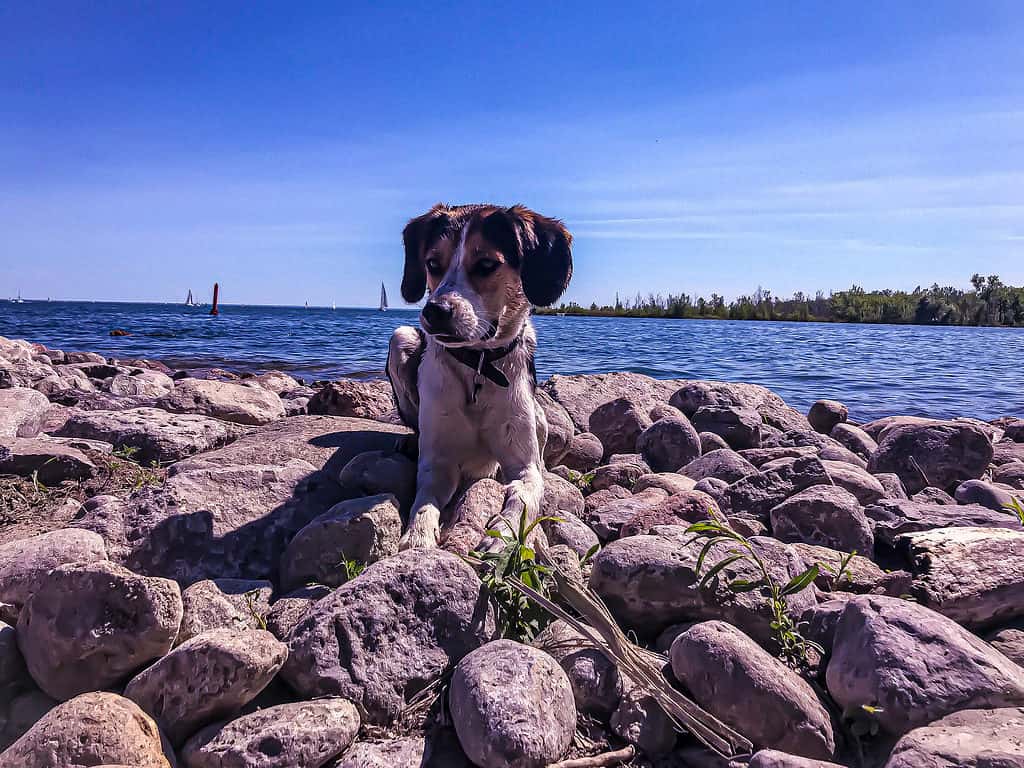
Collie beagler on rocks

Collie beaglers are a mix between a beagle and a border collie.

The collie beagle has a strong personality. They might not be everyone’s cup of tea because of their powerful herding instinct and high prey drive. This is a hybrid you should not leave unsupervised with small children or small animals. However, this border collie mix is eager to please its owner, making it easy to train.

The collie beagle does not usually inherit any severe health conditions from its parent breeds, but it is not impossible. Hip dysplasia and epilepsy are two diseases to pay close attention to. But reputable breeders should always screen their breeding pairs for any hereditary concerns.

This border collie mix must get both physical and mental stimulation. Firstly, it keeps both their mind and body healthy. Secondly, it will keep them from acting out with destructive behavior like chewing, barking, messing in the house, and digging. So, as soon as that puppy comes home with you, you should start an exercise routine.

Pros and Cons of Owning a Border Collie Mix

Pros Cons
Has a long lifespan because it is a healthy breed.Can display destructive behaviors when lonely.
Loyal and affectionate.High energy levels, only suited to an active family.
Great stamina and is a fantastic workout buddy.Requires mental stimulation to prevent it from being aggressive.

Size and Weight

The border collsky is a medium to large-sized dog weighing between 30 and 55 pounds. Additionally, their height ranges from 18 to 22 inches.

Common Health Issues

While the border collie mix is relatively healthy, they can sometimes inherit their parent breeds’ health conditions, which include:

Deafness

The border collsky may become deaf in one or both ears. If you suspect your pooch is a little hard of hearing, take it for a brainstem auditory evoked response (BAER) test.

Collie Eye Anomaly

This hereditary disease is often found in border collies, Australian shepherds, Nova Scotia duck-tolling retrievers, and Shetland sheepdogs. It can cause vision loss, and in severe cases, complete blindness.

Heart Diseases

The border collsky is susceptible to various heart diseases that can cause abnormal heart rhythm and murmurs. Diagnosis can be made through:

  • X-ray
  • ECG
  • Echocardiogram

Most treatments include weight control and medication.

Hip Dysplasia

This border collie mix is prone to hip dysplasia, a painful and debilitating condition resulting from abnormal joint sockets. While hereditary, other factors can contribute to the deterioration, such as:

  • Injury
  • Excessive weight gain
  • Excessive exercise

Taking your hybrid for regular vet checkups is essential, as some dogs display symptoms while others don’t. Luckily, it can be managed through medication or hip replacement surgery. Unfortunately, there is no cure. However, breeders can prevent this by not breeding with dogs with hip dysplasia parentage.

Elbow Dysplasia

Elbow dysplasia is a structural defect in the elbow joint caused by inflammation, injury, or disrupted anconeal process. This condition occurs mainly in large breeds, leading to pain, lameness, and arthritis.

Eye Disease

As the border collsky’s parent breeds are both prone to eye problems, they may also be plagued by the same ailment. For example, Siberian huskies are no strangers to cataracts; it is even present in puppies as young as three months. Therefore, vets recommend bringing this border collie mix in once a year for an examination.

Life Expectancy

Border collskies have a long lifespan if cared for properly. This hybrid can live for around 10 to 15 years.

Temperament

Because the border collsky’s parent breeds are hardworking dogs, mainly used to herd animals and pull sleds, they will need proper socialization to cope with new people. Additionally, they could inherit the husky’s strong prey drive, so they need to be exposed to different pets from a young age. However, they also retain fantastic qualities from their parents, like stamina, determination, and a great work ethic. Furthermore, these hybrids love their owners and need plenty of attention. So, if left alone for too long, they can become depressed and anxious, leading to destructive behavior.

How to Take Care of a Border Collie Mix

The border collsky’s maintenance routine can be quite demanding. So, if you do not have the time to dedicate to this energetic breed, this is not the hybrid for you.

The Best Dog Food

It is always best to feed your border collsky a high-energy-based diet. There are several dog foods that cater to active dog breeds. Alternatively, you could opt for medium-sized dog food to cater to their size. Lastly, their food needs to be age-specific: puppy, adult, and senior.

Because of their endless energy, these border collie mixes need three meals a day, so they receive energy throughout the day. However, the quantity will differ depending on their size. While many people love feeding their dogs from their plates, owners really should not do this. Human food will make your pup put on weight very quickly and cause obesity, which leads to other health complications.

Grooming

The border collsky comes from two heavy-shedding parents, so if you do not brush them every day, there will be hair all over your home. Additionally, they need their teeth brushed at least three times a week. Their nails and ears need trimming and cleaning every 3 to 4 weeks, but let a professional take care of this. If you don’t know what you are doing, you can severely injure your canine companion.

Training

It’s important to socialize the border collsky from a young age. Once they get used to different situations, like new places, strangers, and different animals, they will grow into calm adults that don’t see anything new as a threat. Thanks to their border collie parent, this hybrid is incredibly smart, so training should be easy. However, they have stubborn streaks and require plenty of mental stimulation, making things a bit more challenging. So, when teaching your border collie mix new tricks, use activities they enjoy alongside positive reinforcement for best results.

Exercise

The border collsky has a lot of energy to burn; they never seem to run out of stamina. So, this hybrid thrives in homes with large backyards and plenty of open space to run. Additionally, their parents are working dogs; giving them a job or purpose would be ideal.

Keeping this designer breed in an apartment would be cruel; they are happiest when playing outside with their owners. However, if they do not get the necessary exercise, they will start to display destructive behavior like digging, barking, and chewing.

Puppies

Female border collskies can have between 4 and 8 puppies per litter. These pups might be hard to find because this hybrid is pretty rare. But there is a possibility you could find one at a rescue or shelter. You can put your name down and ask to be informed if they come across one.

Border Collie Mix and Children

The border collsky is not the best dog to have around small children. Due to their reserved nature and herding instinct, they could nip your kids. In addition, they can be very protective of their owners and do display aggressive behavior, if provoked.

Cost

Border collsky puppies cost around $50 to $1000, depending on their location, breeder, pedigree, and size. You must use a reputable breeder, as puppy mills and backyard breeders don’t screen for genetic health conditions. Reputable breeders can tell you about the parents’ medical history, provide proof, and answer any questions you throw at them. Additionally, if someone wants to sell you a puppy younger than 8 weeks, do not accept, as this is not the norm.

Dogs similar to the Border Collie Mix

View all 453 animals that start with B

Sources

  1. My Beagle Buddy / Accessed January 14, 2023
  2. Prefurred / Accessed January 14, 2023
  3. We Love Doodles / Accessed January 14, 2023
Chanel Coetzee

About the Author

Chanel Coetzee

Chanel Coetzee is a writer at A-Z Animals, primarily focusing on big cats, dogs, and travel. Chanel has been writing and researching about animals for over 10 years. She has also worked closely with big cats like lions, cheetahs, leopards, and tigers at a rescue and rehabilitation center in South Africa since 2009. As a resident of Cape Town, South Africa, Chanel enjoys beach walks with her Stafford bull terrier and traveling off the beaten path.
Connect:

Thank you for reading! Have some feedback for us?


Border Collie Mix FAQs (Frequently Asked Questions)

The German collie, also called the shollie, is the result of crossbreeding a border collie and a German shepherd. This hybrid is energetic, intelligent, and loyal, inheriting some of the best characteristics from both parents.