







Quick Take
- The bullador is considered highly intelligent, yet owners consistently struggle to train it. See training tips →
- Hybrid dogs are bred to be healthier than their parents, yet the bullador breaks that rule in a surprising way. Explore inherited health issues →
- Getting your bullador's diet wrong doesn't just cause weight gain. It triggers a much bigger problem. See diet recommendations →
- How big will your bullador actually get? Even breeders can't give you a straight answer, and there's a real reason why that's the case. Check size ranges →
The bulldog charms dog lovers around the world with its adorable face and laid-back personality. But, several bulldog mixes are just as cute, if not cuter, like the American bullhuahua (American bulldog and Chihuahua mix) and beabull ( bulldog and beagle mix). However, this article will focus on a specific mixed breed, the adorable bullador.
These fantastic hybrids are a cross between a Labrador and an English bulldog. They are medium to large-sized dogs that are incredibly active and loyal, characteristics they inherit from their parent breeds.
People often confuse bulladors with Labrabulls (Labrador retriever and pit bull mix). Furthermore, despite being a hybrid breed, dog lovers often find bulladors in shelters, so if you are interested in these dogs, try adopting one before splurging on a pup from a breeder.

5 Different Types of Bulldog Mixes
There are several types of bulldog hybrids, each with unique features and characteristics, so if you love bulldogs, look at these adorable mixes.
1. Beabull (Bulldog and Beagle Mix)
The beabull is the result of crossbreeding a bulldog and a beagle. They generally have barrel-shaped bodies, long muzzles with an underbite, and wrinkly, floppy ears. Additionally, beabulls are lovable and friendly but have a mischievous and stubborn streak. Because of their even-tempered and loyal natures, these dogs make fantastic family pets. Beabulls are not very active dogs, but they do have the occasional burst of energy, especially when they are puppies. However, they do not make the best pets for novice owners as they can be extremely headstrong.
2. Bullenees (Bulldog and Great Pyrenees Mix)
The Bullenees is a mix of the English bulldog and the Great Pyrenees. They are a spunky breed with an inquisitive streak, so they would do well with an owner who can keep an eye on them in case they get into trouble! Furthermore, they need a lot of attention in general and don’t like being on their own for too long. This hybrid needs socialization and training from a young age. However, they are sensitive dogs, so positive reinforcement is the perfect training method.
3. Busky (Bulldog and Husky)
When bulldogs are crossbred with huskies, it results in the busky hybrid. They are large-sized dogs with even bigger hearts, as they are incredibly loving, affectionate, loyal, and playful. Additionally, buskies have a lot of energy and need regular exercise, between 45 minutes to one hour a day. However, if they take after the bulldog, over-exerting themselves can harm their health, as bulldogs overheat easily.
4. Bull Shepherd (Bulldog and German Shepherd)
The Bull shepherd is a mix between a bulldog and a German shepherd. However, this hybrid gains most of its appearance from the German shepherd, including its coat. While the bulldog has short and sleek fur, German shepherds have medium-long fur and a double coat. Therefore, bull shepherds will usually have a double coat as well, which is often snow and water-resistant.
5. American Bullhuahua(Bulldog and Chihuahua)
The American bullhuahua is a cross between a bulldog and a Chihuahua. Because they inherit features from both parent breeds, their appearance will vary. However, this hybrid often has striking Chihuahua features. American bullhuahuas’ heads are generally broad and round, with round eyes set far apart. Additionally, they usually have an underbite, which is not a desirable trait because it can lead to dental issues.
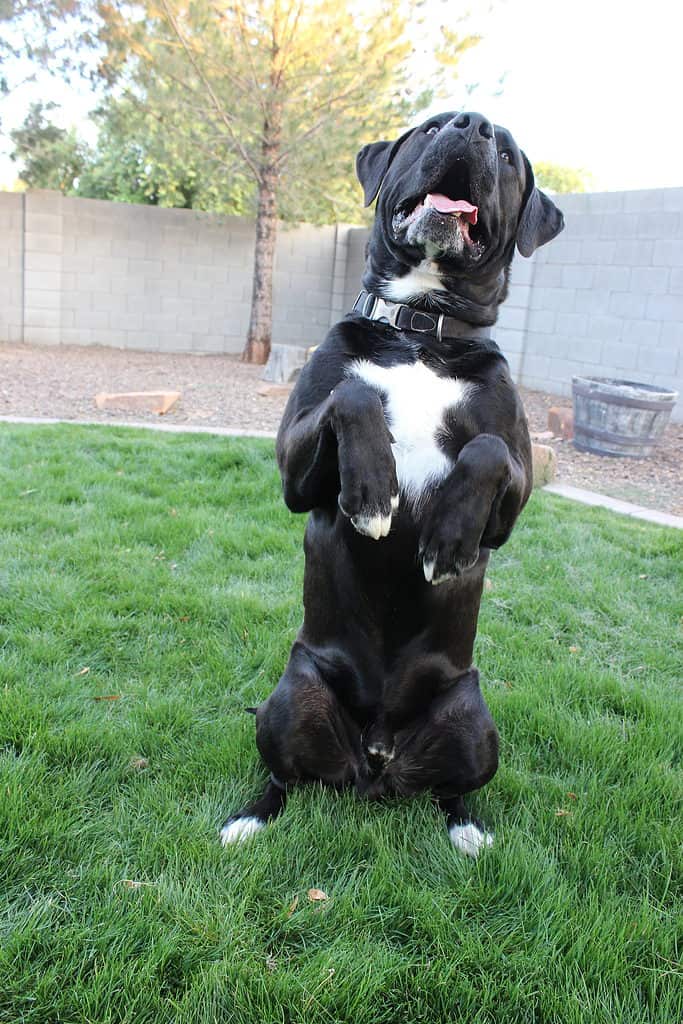
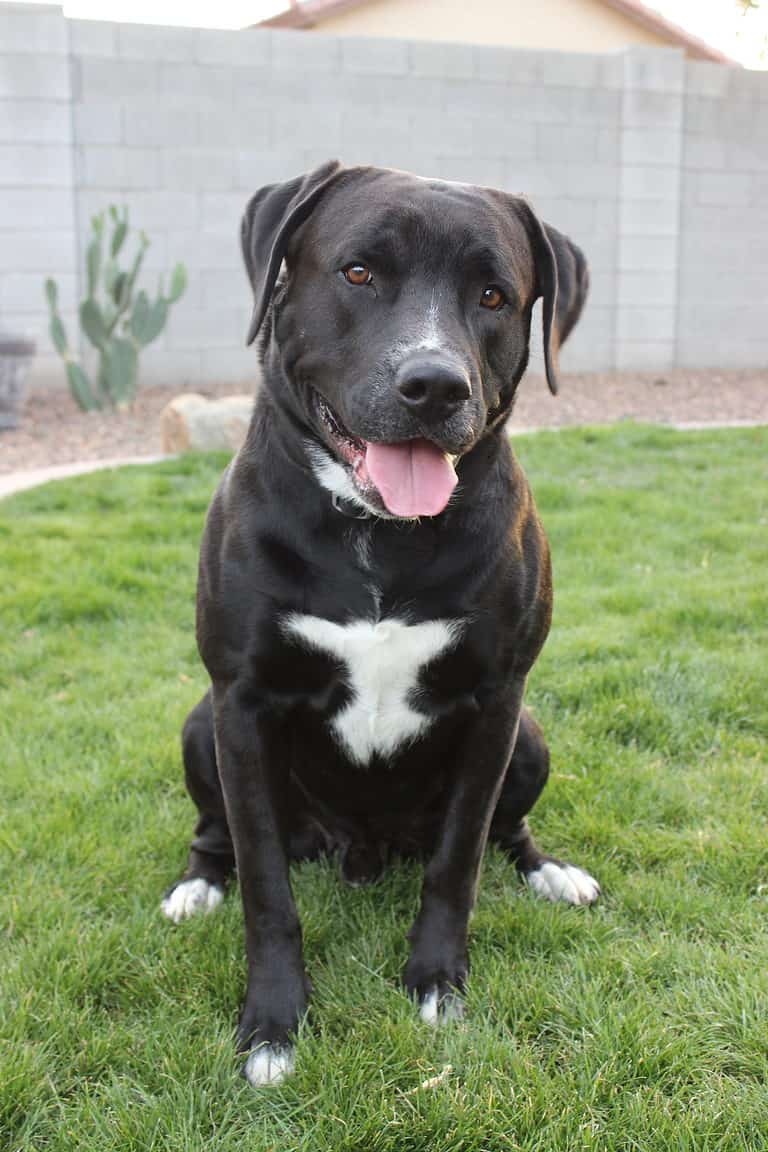
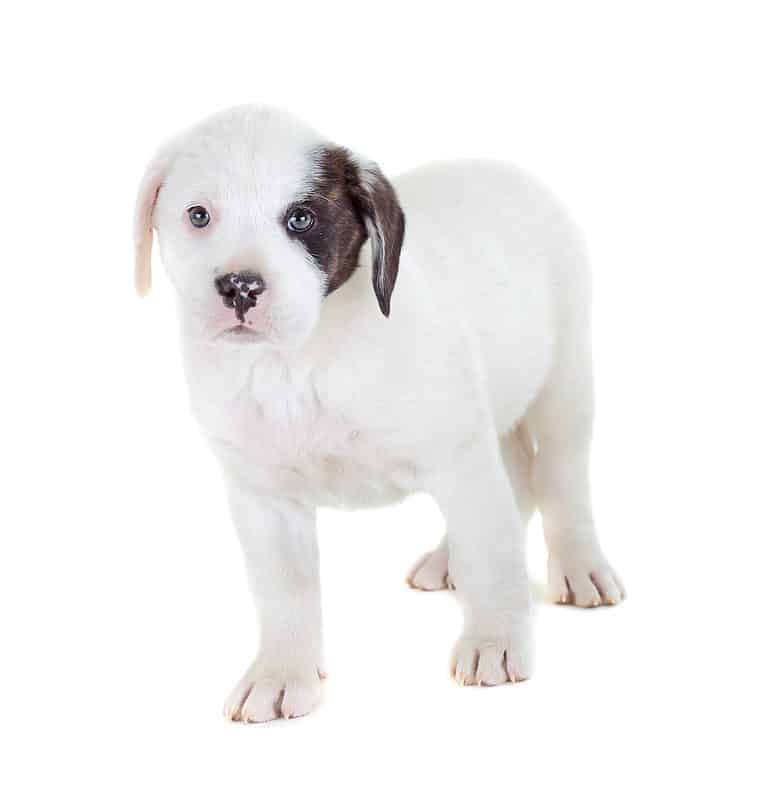
Bulladors are a mix between a bulldog and a Labrador retriever.
©JennaUK/Shutterstock.com
Pros and Cons of Owning a Bullador
| Pros | Cons |
|---|---|
| Good with children | Can suffer from separation anxiety |
| Highly intelligent | Prone to obesity |
| Make fantastic companions | Usually stubborn, making them hard to train |
The Best Dog Food for a Bulldog Mix
Because bulladors are medium to large-sized dogs, they can consume up to three to four cups of kibble a day. Additionally, the kibble should have large pieces that prevent the pup from gobbling and must be age and activity-level-specific. For example, if your bullador is large, high-quality large-sized dog food will work best.
Labrador retrievers and bulldogs are prone to obesity, so free-feeding the bullador is not an option. Instead, feed them 3-4 small meals daily. Furthermore, when choosing a dog food, look for a brand that lists meat as their first ingredient instead of foods with high carbohydrate or grain content, as these foods make the dog want to eat even more. Lastly, bulldogs and Labrador retrievers are susceptible to joint issues and hip dysplasia, so choosing a dog food with glucosamine benefits their health.
Bullador Size and Weight
As the bullador can inherit different traits from either parent breed, their size and weight can vary. For example, the English bulldog is a stocky, medium-sized dog. Males can weigh around 50 pounds, and females weigh approximately 40 pounds. English bulldogs are stout and usually only grow 14 to 15 inches tall.
Labrador retriever males usually weigh between 65 to 80 pounds, while females weigh around 55 to 70 pounds. As a result, they are much taller than bulldogs; they generally measure between 21.5 to 24.5 inches tall. Additionally, Labradors are medium-sized dogs with solid and athletic builds.
So how big do bulladors get? It’s really a gamble; they could be small, medium, or large. But, on average, their weight varies from 50 to 80 pounds. In addition, they can measure between 20 and 25 inches tall. Typically, bulladors have stocky, muscular bodies with large heads and droopy faces caused by loose skin. However, there are tall, athletic bulladors with tight facial skin, so it’s really the luck of the draw.
Bullador Common Health Issues
It’s not common for hybrid dogs to experience the same health conditions as their parents. Surprisingly, most crossbreeds were initially bred to weed out specific health issues that plagued purebred dogs. Therefore, resulting in a mix that is superior to their parents. However, the bullador can inherit health concerns from either the bulldog or the Labrador. Therefore, owners should look for symptoms affecting these breeds, including elbow and hip dysplasia and obesity. Additionally, bulldogs are susceptible to bloat (Gastric dilatation and volvulus). Luckily, because the bullador has a modified version of a bulldog’s facial features, they may be less prone to skin issues from heavy facial folds or breathing problems than purebred bulldogs, but these issues can still occur in some bulladors.
Life Expectancy
The bulldog doesn’t have a long lifespan compared to other breeds because of its many health issues. Their life expectancy is typically 8 to 10 years, though some studies suggest it may be slightly lower due to health issues. In contrast, the Labrador retriever has a lifespan of 10 to 12 years. So, determining how long your bullador is going to live depends mainly on its genetic line. However, on average, this breed can live for 8 to 10 years.
Bullador Temperament
Bulladors are notorious for having the best traits and mannerisms from both parents, as they are usually friendly, playful, and sociable. However, while both parent breeds are intelligent, bulldogs have a stubborn streak, which might make your bullador hard to train. But, with their Labrador retriever genes, training is not impossible; it only requires patience and persistence.
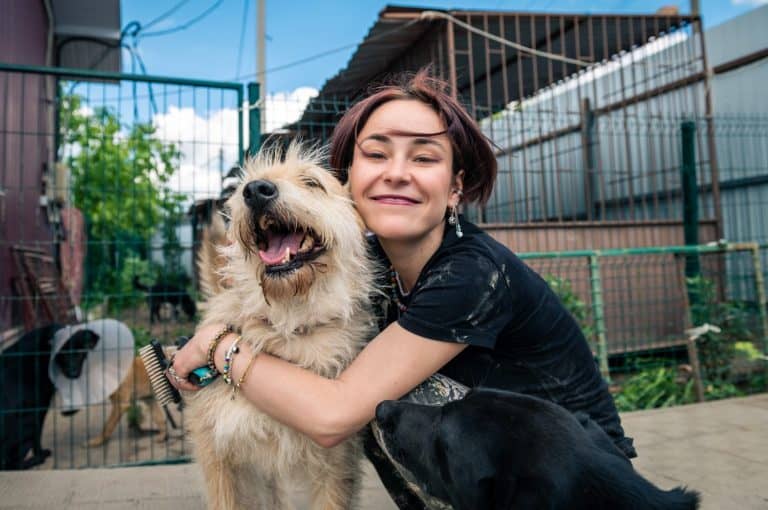
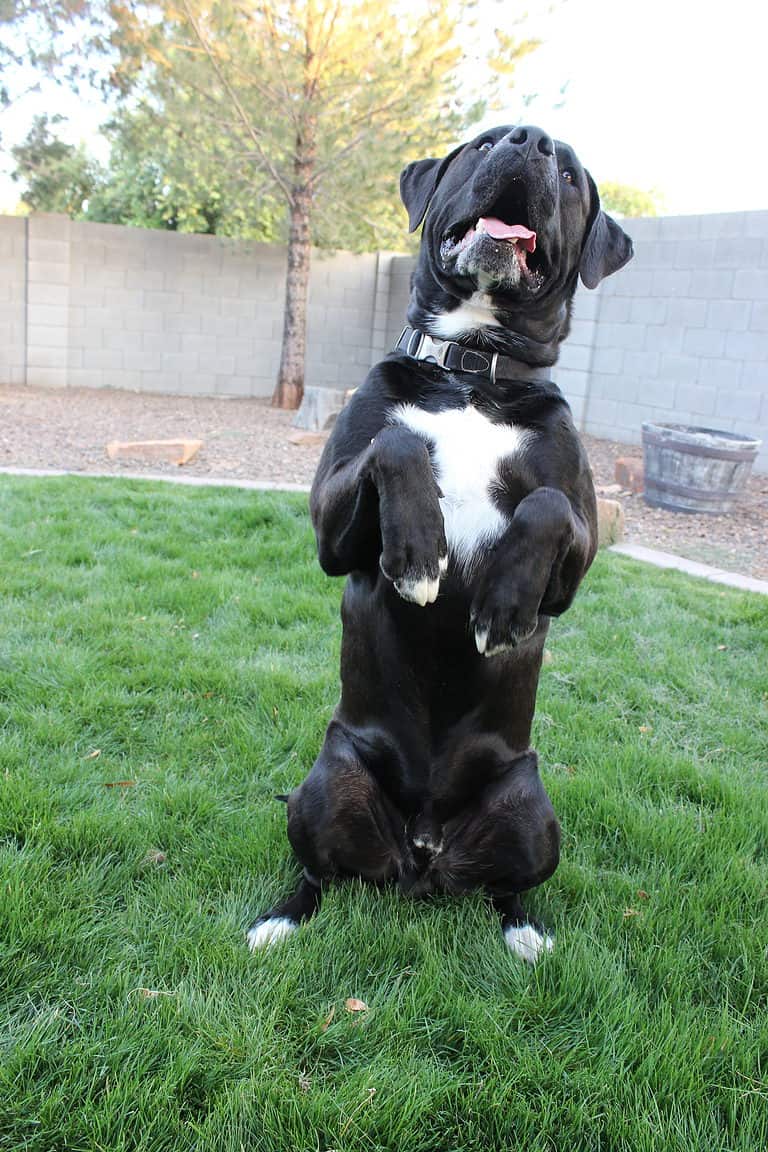
This bulldog mix is loyal to its family, and it makes fantastic companion dogs that always want to be by your side. In fact, Bulladors can suffer from separation anxiety if left alone too often.
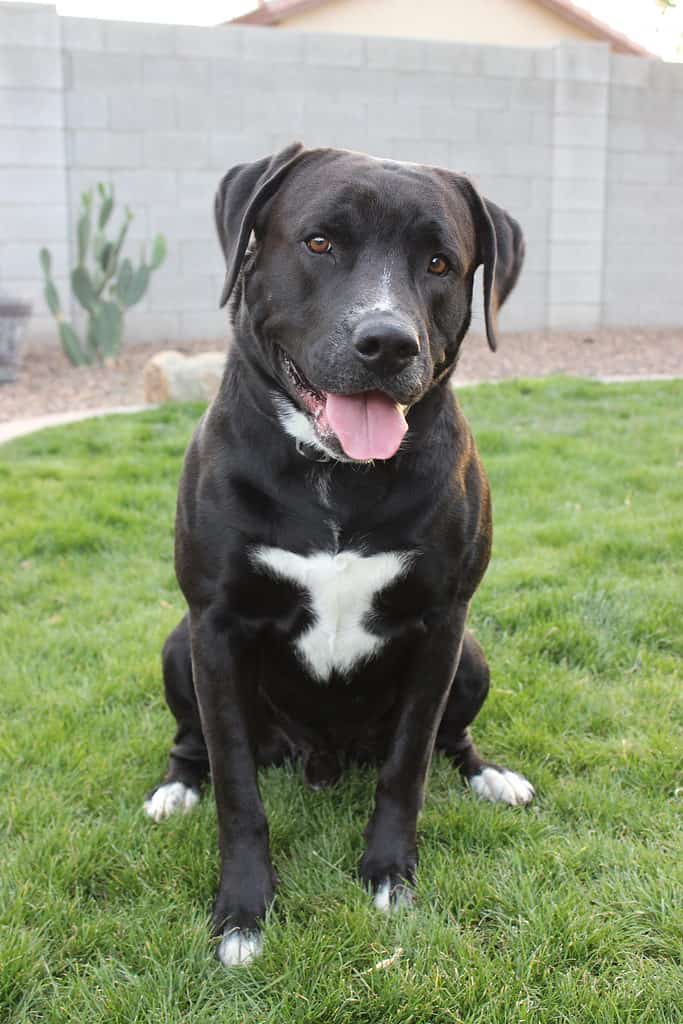
Bulladors are lovable dogs that crave human attention.
©JennaUK/Shutterstock.com
How to Take Care of this Bulldog Mix
Because bulladors generally inherit their coats from the Labrador, they usually have a dense, water-proof double–coat that comes in various colors like red, black, yellow, tan, and brown. Taking care of these dogs will require some effort on the owner’s part, but no more than most breeds.
Grooming
These bulldog mixes are considered light shedders but become moderate shedders during the spring and fall. While they do not require professional grooming, bulladors need regular brushing to pick up loose hair and keep their coats healthy. Additionally, their floppy ears can pick up a lot of wax, dirt, and debris, so they are prone to infections if they are not checked and cleaned frequently. Lastly, bulladors need their teeth brushed with dog-friendly toothpaste three times a week.
Training
As mentioned above, bulladors have a stubborn streak, and training them might be tough for first-time dog owners. However, they are highly intelligent, and it is possible to teach them with persistence and patience. The best method is to use positive reinforcement and start training early. But if owners are not up to the task, hiring a professional dog trainer can be very helpful.
Exercise
Because the bullador is prone to hip dysplasia, it requires regular exercise to maintain a healthy weight. But, due to their high energy levels, staying fit should not be a problem. They like nothing more than going for a long walk or hike with their owners or playing fetch in the backyard. However, if they don’t get the physical and mental stimulation they need, it can cause boredom or depression, and they can act out in destructive ways. So if you are not able to devote at least an hour to exercise with your bullador daily, then they are not the breed for you.
Puppies
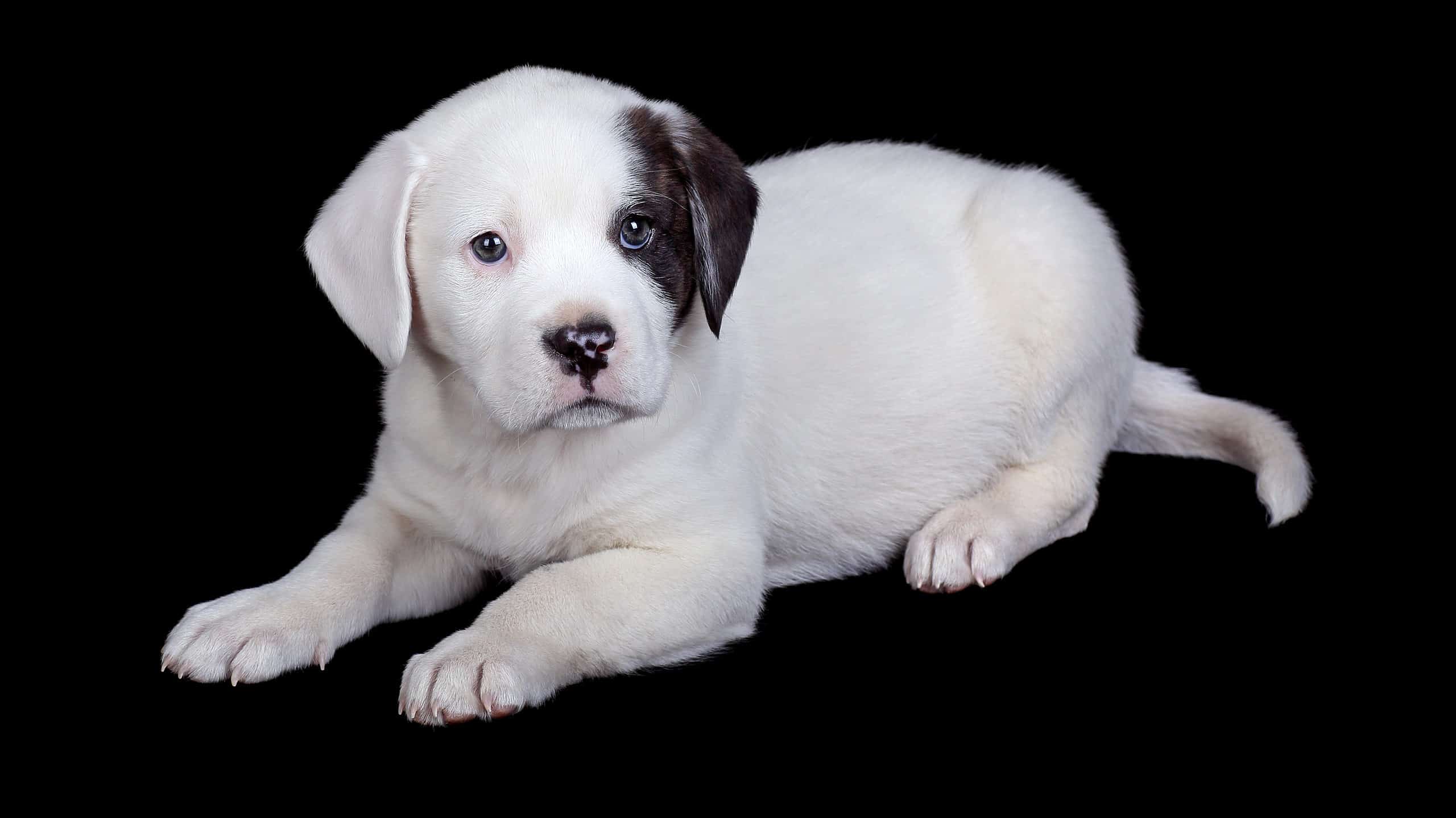
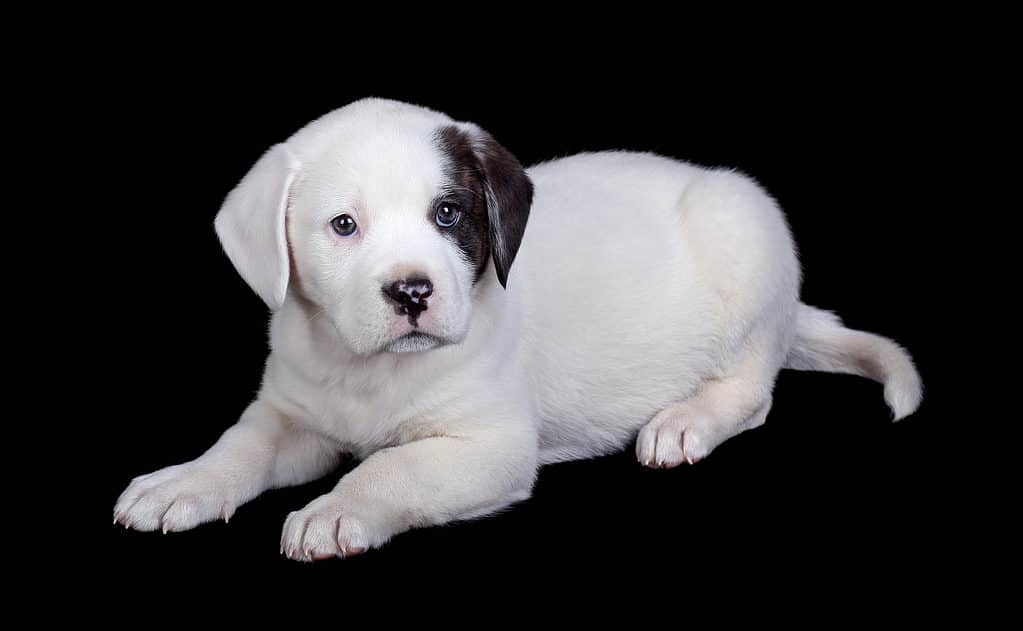
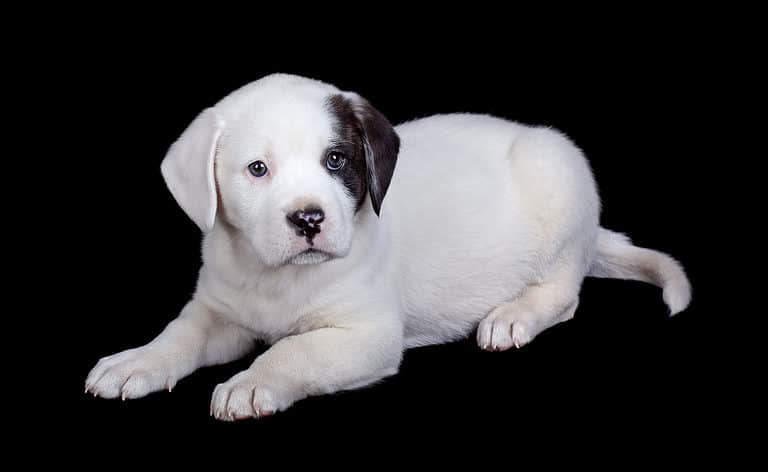
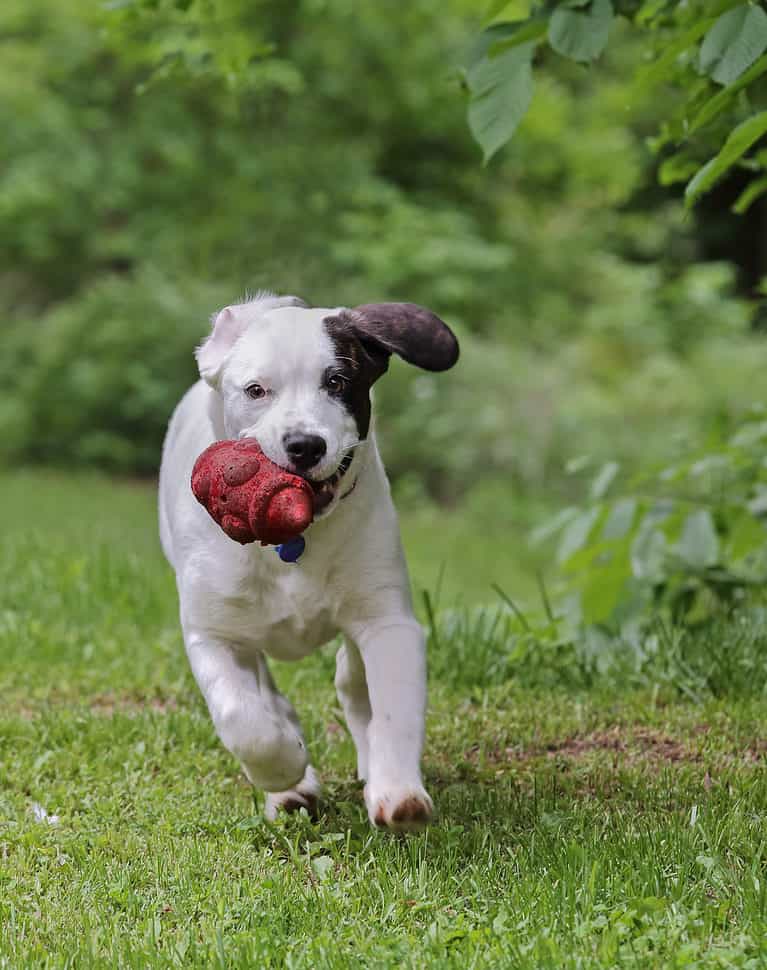
Female bulladors can give birth to a litter of 5 to 10 puppies. While extremely cute, these pups can be destructive and naughty, so obedience training and socialization should start as soon as possible. Furthermore, because this breed is prone to joint and bone conditions, puppies are even more susceptible to injury as their joints and bones are still growing. So, it’s best not to overdo it with the exercise.
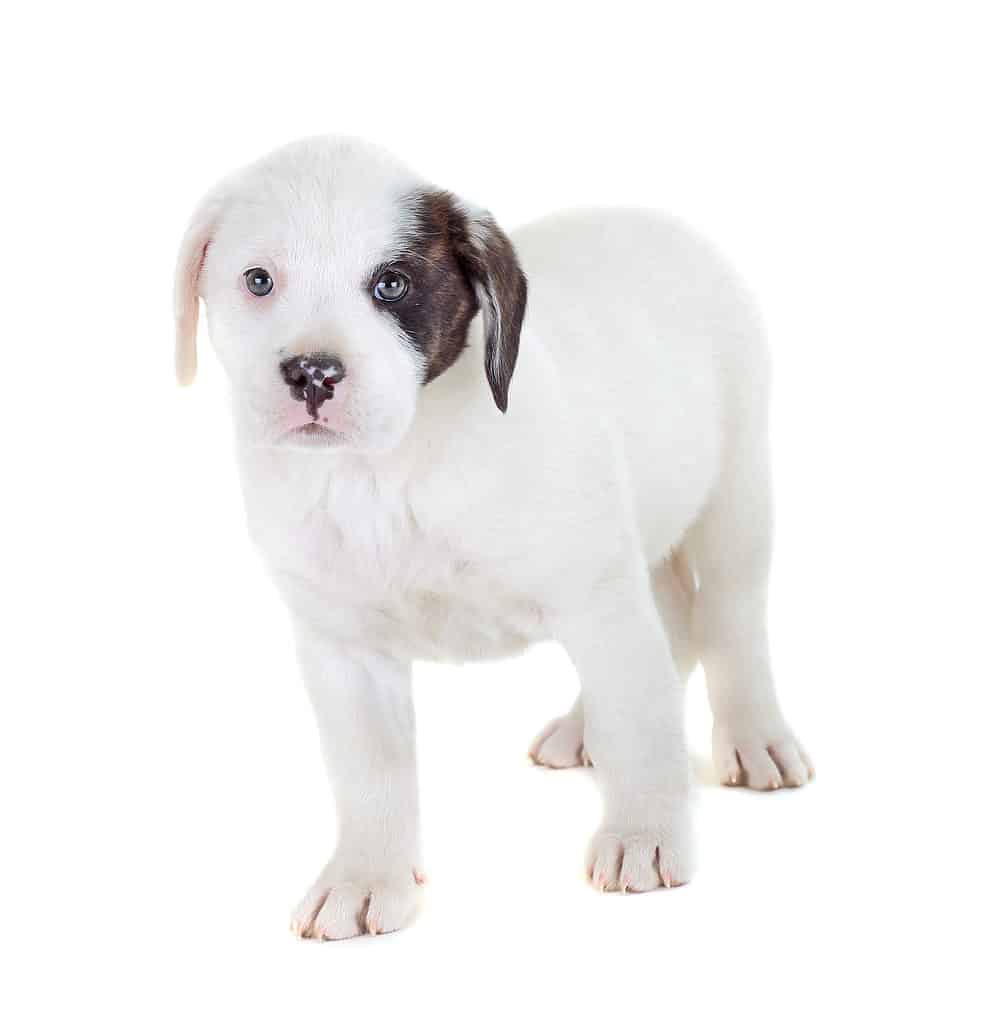
Bullador puppies can be destructive and mischievous, but they are so cute!
©Charles Brutlag/Shutterstock.com
Bullador and Children
These adorable bulldog mixes are friendly and playful, making them fantastic family pets. As with their parents, bulladors get very attached to their owners and enjoy being in their company all the time. And while these dogs usually show no sign of aggression, they are big enough to knock over a small child in excitement, so they should constantly be monitored around kids. Additionally, some bulladors can be protective, but this is very rare.
Does this Bulldog Mix Get Along with Other Pets?
The bullador gets along with other dogs and cats. However, although they may be a bit nervous when meeting the new addition, it won’t last long.
Bulldog Mix Pictures
View all of our Bulldog Mix pictures in the gallery.

Charles Brutlag/Shutterstock.com
Sources
- The Labrador Site / Accessed December 12, 2022
- Petkeen / Accessed December 12, 2022
- Pet Guide / Accessed December 12, 2022