G
Species Profile

Golden Newfie

Canis lupus familiaris

Gentle giant, born to swim.
Danielle W Press/Shutterstock.com

Golden Newfie Distribution

Click a location to explore more animals from that region

Origin Location

This map shows the native origin of the Golden Newfie. As a domesticated species, they are now found worldwide.

Loading map...

Size Comparison

Human 5'8"
Golden Newfie 2 ft 2 in

Golden Newfie stands at 38% of average human height.

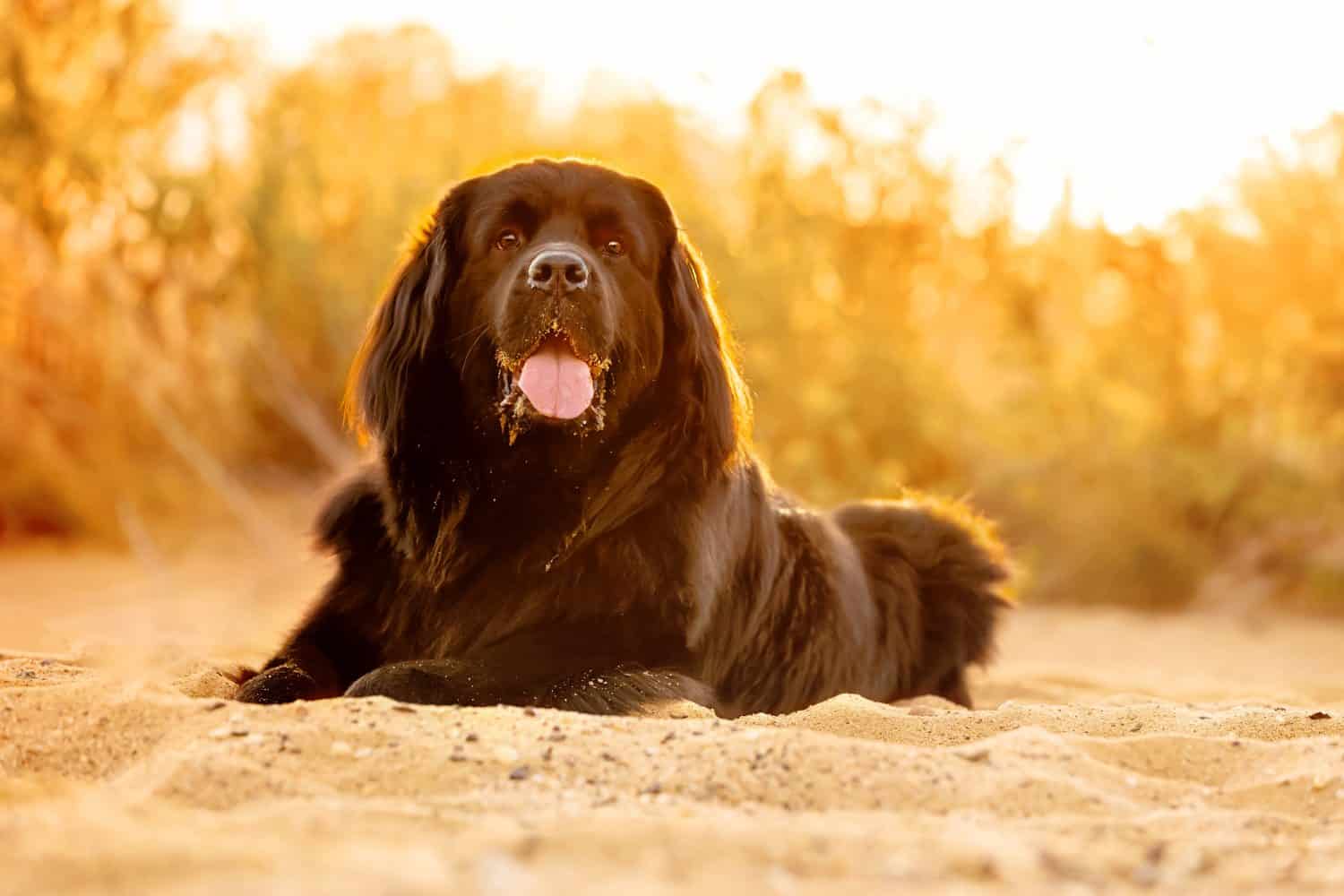
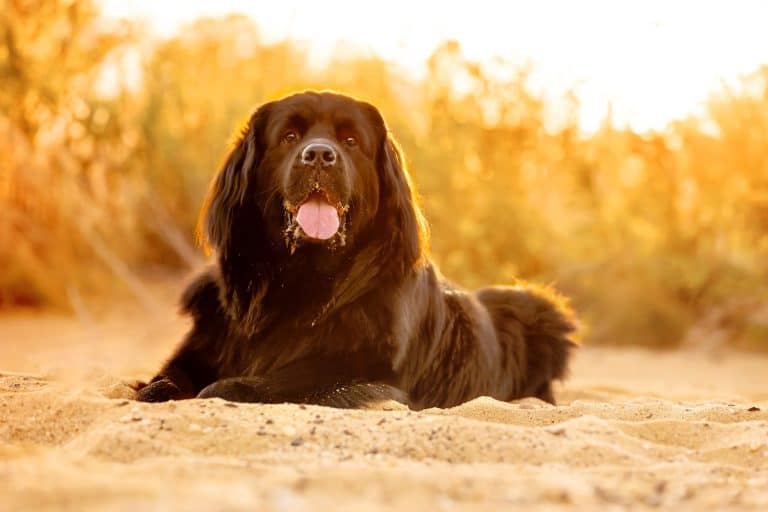
gorgeous huge Newfie on sand with tongue hanging with warm hazy sunset peeking through the grass -Beautiful gigantic Newfoundland dog out at golden hour on sandy beach

At a Glance

Domesticated
Diet Omnivore
Activity Diurnal+
Lifespan 10 years
Weight 70 lbs
Status Not Evaluated
Did You Know?

A Golden Newfie isn't a standardized pure breed-litters can vary widely in size, coat, and drool level even among siblings.

Scientific Classification

A large, often fluffy mixed-breed domestic dog typically produced by crossing a Golden Retriever with a Newfoundland. Traits commonly include a large frame, dense double coat, strong swimming affinity, and a generally sociable temperament.

Kingdom
Animalia
Phylum
Chordata
Class
Mammalia
Order
Carnivora
Family
Canidae
Genus
Canis
Species
Canis lupus

Distinguishing Features

  • Large-bodied retriever-type dog, frequently with Newfoundland-like mass and coat density
  • Coat often golden to cream (but can vary), typically medium-long and water-resistant
  • Webbed feet and strong swimming ability are common
  • Generally gentle, people-oriented demeanor; can be boisterous when young

Physical Measurements

Males and females differ in size

Height
♂ 2 ft 3 in (2 ft – 2 ft 5 in)
♀ 2 ft (1 ft 10 in – 2 ft 2 in)
Length
♂ 4 ft 9 in (4 ft 1 in – 5 ft 5 in)
♀ 4 ft 6 in (3 ft 11 in – 5 ft 1 in)
Weight
♂ 104 lbs (79 lbs – 130 lbs)
♀ 97 lbs (75 lbs – 119 lbs)
Tail Length
♂ 1 ft 4 in (1 ft 1 in – 1 ft 6 in)
♀ 1 ft 3 in (12 in – 1 ft 6 in)
Top Speed
25 mph
About 35-45 km/h

Appearance

Primary Colors
Secondary Colors
Skin Type Thick, dense double coat (water-resistant outer coat with insulating undercoat); medium-long to long, often plush with feathering; heavy seasonal shedding and frequent undercoat blow-outs; skin prone to moisture-related irritation if not dried well after swimming.
Distinctive Features
  • Mixed-breed domestic dog (Golden Retriever × Newfoundland) within Canis lupus familiaris; distinguished from the base species (domestic dog in general) by a consistent 'giant/large companion' look combining retriever feathering with Newfoundland bulk and coat density.
  • Large, heavy-boned frame with broad chest; typically stronger, more massive build than a pure Golden Retriever while often a bit lighter/less blocky than a pure Newfoundland.
  • Coat commonly appears fluffier and denser than many domestic dogs; pronounced ruff/neck mane and abundant tail feathering are common.
  • Strong swimming affinity: many inherit webbed feet, powerful rear drive, and water-work enthusiasm; often confident in water compared with many domestic dogs overall.
  • Head often broad with a softer retriever expression; ears are drop/pendant and can trap moisture, increasing ear infection risk if not maintained.
  • Temperament tendencies: gentle, sociable, people-oriented; often patient with families and other pets, but may be exuberant and physically strong-benefits from early training and impulse control.
  • Grooming/care: frequent brushing (several times weekly; daily during shedding seasons), regular de-shedding, and thorough drying after swimming to reduce hot spots and odor.
  • Exercise needs: moderate daily exercise plus mental enrichment; low-impact activities (swimming, structured walks) are often joint-friendlier than repetitive high-impact jumping, especially during growth.
  • Heat sensitivity is common due to heavy coat; requires shade, cool water, and avoidance of strenuous activity in hot/humid conditions.
  • Common health concerns to screen for (parent-breed overlap): hip dysplasia, elbow dysplasia, cruciate ligament issues; maintain lean body condition to reduce orthopedic strain.
  • Cardiac screening is important (Newfoundland-associated risks such as subaortic stenosis and other heart disease; also general large-breed cardiac concerns).
  • Bloat/GDV risk (large, deep-chested dogs): consider meal management (multiple smaller meals, slower feeding) and discuss gastropexy with a veterinarian when appropriate.
  • Skin and ear issues: hot spots (acute moist dermatitis), mat-related skin irritation, and otitis externa-often triggered by moisture, trapped undercoat, or allergies.
  • Lifespan and growth: large/giant growth rate requires controlled calories and appropriate calcium/phosphorus balance in puppyhood to support joints and reduce developmental orthopedic disease risk.
  • Drool can be moderate to heavy (more Newfoundland-leaning individuals), especially after drinking or in warm weather.

Sexual Dimorphism

As in many large domestic dogs, males tend to be noticeably larger and heavier-boned than females, though size varies widely because this is a mixed-breed cross.

♂
  • Greater average height and body mass; thicker neck/ruff and more blocky head in some individuals.
  • May show more pronounced chest breadth and heavier bone structure.
♀
  • Typically slightly smaller and lighter-framed with a narrower head and chest.
  • Often appears a bit more refined in outline while retaining dense coat and feathering.

Did You Know?

A Golden Newfie isn't a standardized pure breed-litters can vary widely in size, coat, and drool level even among siblings.

Many inherit the Newfoundland's natural "water-dog" build: broad chest, powerful rear drive, and often some degree of webbed feet.

The dense double coat can come in golden, cream, honey, or darker "golden-brown," sometimes with feathering like a Golden.

Both parent breeds were developed to work closely with people-so this mix often thrives on companionship and can struggle with long isolation.

Swimming is frequently a favorite "job," combining the Golden's retrieving instincts with the Newfoundland's strength in water.

Because both parent breeds are large, slow-maturing dogs, joint-friendly growth (controlled calories, sensible exercise) matters more than early speed or distance.

They often have a soft mouth (common in retrievers), making them naturally careful when carrying toys or training dummies.

Unique Adaptations

  • Large-breed power and endurance: the Newfoundland's build often adds strength for pulling, swimming, and steady "draft-style" work compared with many dogs in the same species.
  • Cold-weather tolerance: a dense, insulating double coat can improve comfort in cool, wet conditions (while increasing risk of overheating in heat).
  • Water efficiency traits: broad paws (sometimes with more noticeable webbing), strong neck/shoulders, and buoyant body type can support confident swimming.
  • Human-directed cooperation: generations of selection in both parent breeds favor trainability, responsiveness, and low predatory aggression compared with the ancestral wolf baseline of Canis lupus.
  • Soft-mouth tendency: reduced bite pressure during carrying/retrieving behaviors, useful for gentle play and training games.
  • Social temperament: a strong inclination toward affiliative behavior with humans and other dogs, reflecting domestication and gundog/water-dog selection.

Interesting Behaviors

  • "Lifeguard hovering": staying close to people near water, circling or nudging as if to supervise swimmers (common in water-oriented retrievers and Newfoundlands).
  • Retrieval-with-a-twist: happily carrying anything from tennis balls to household items, sometimes "presenting" them as a social greeting.
  • Leaning and full-body cuddling: using their mass to press against favorite people for contact and reassurance.
  • Shadowing: following family members room-to-room; many are happiest when included in daily routines.
  • Water seeking: choosing puddles, sprinklers, shorelines, or even snowbanks for play-often self-rewarding behavior.
  • Mouthy greeting: gentle mouthing of hands/leashes when excited (best redirected early with training and appropriate chew items).
  • Slow-to-heat preference: choosing cool floors, shade, or water breaks-especially in warm weather due to heavy coat.

Cultural Significance

The Golden Newfie (Canis lupus familiaris) mixes Golden Retriever and Newfoundland lines: Scottish gundog retrieving and Newfoundland water rescue and hauling. Often a gentle, sociable, obedient, water-loving family dog. Not standardized—pick by temperament and do health checks.

Myths & Legends

Newfoundland coastal folklore long repeated that the Newfoundland dog was born of a dog-otter union-an origin tale used to explain the breed's love of water and seemingly "webbed" feet.

Sea stories from Atlantic Canada tell of strong black dogs jumping from docks into rough seas to pull lines and bring sailors to shore, making the Newfoundland an almost legendary lifesaver of stormy surf.

Seaman, a Newfoundland dog that traveled with the Lewis and Clark Expedition (1804-1806), is famous in expedition journals for guarding camps and swimming strong currents, showing the breed's frontier reputation.

The Golden Retriever's origin story says that in 19th-century Scotland Dudley Marjoribanks (Lord Tweedmouth) bred yellow retrievers at Guisachan, shaping the breed as a hardworking dog friendly to people.

In dog-show and seafaring traditions, the black-and-white 'Landseer' look (named for painter Edwin Landseer) gained romantic stories of noble water-rescue dogs, making Newfoundlands seem like heroic water guardians.

Conservation Status

NE Not Evaluated

Has not yet been evaluated against the criteria.

Population Stable

Life Cycle

Birth 6 pups
Lifespan 10 years

Lifespan

In the Wild
8–12 years
In Captivity
9–12 years

Reproduction

Mating System Polygynandry
Social Structure Managed Domestic
Breeding Pattern Transient
Fertilization Managed Selective
Birth Type Managed_selective

Domestic dogs (Canis lupus familiaris) often mate with multiple partners. Golden Newfie breeding is usually managed by people: planned pairings, timed to the female’s heat, sometimes artificial insemination and vet care. No lasting pair bonds; other adults usually don’t help raise pups.

Behavior & Ecology

Social Pack Group: 4
Activity Diurnal, Crepuscular
Diet Omnivore Meat- and fish-forward foods (e.g., salmon, beef, chicken) paired with moderate-fat, large-breed-appropriate kibble.

Temperament

Highly sociable, people-oriented, and typically friendly with familiar humans (domestication accentuates cooperative/affiliative behavior versus the base species' wild survival-focused sociality)
Gentle, patient demeanor is common; many show a "nanny-dog" style tolerance but still require supervision with small children due to very large body size
Often biddable/trainable and food- or praise-motivated; responds well to positive reinforcement and consistent routines
Moderate-to-low reactivity is common, but some individuals can be protective/watchful (more Newfoundland-leaning) and may alert-bark at strangers
Strong water affinity and retrieval/carrying tendencies are frequent; many enjoy swimming, wading, and water games
Energy level is usually moderate: needs daily exercise and mental work but often has an "off switch" indoors when adequately exercised
Potential behavior challenges: jumping/over-greeting, leash pulling, and mouthing from retriever heritage; occasional separation distress if under-enriched or over-attached
Care requirements (breed-typical): heavy shedding/dense coat-regular brushing and coat drying after swims; heat sensitivity-avoid strenuous activity in hot weather
Watch for hip/elbow dysplasia, cruciate injuries, cardiac disease (subaortic stenosis), bloat/GDV in deep-chested dogs, skin and ear problems from swimming, and higher cancer risk; keep weight controlled.

Communication

barking Alerting, excitement, demand, or play
whining/whimpering Attention-seeking, frustration, or anxiety
growling Resource guarding, discomfort, or play-context dependent
howling Less common; may occur in response to sirens or social facilitation
low "grumble/woo" vocalizations Often social/affiliative, more common in some large gentle lines
body language: relaxed loose posture, play bow, facial softening, ear and tail carriage changes
tail wagging with whole-body wag Common in friendly greetings; intensity varies by individual
leaning/pressure-seeking contact Affiliative behavior; common in large companion breeds
pawing/nudging with nose to solicit interaction
licking/mouthing Social/appeasement or play; needs training due to size
scent investigation and limited scent marking More environmental than territorial in many pet contexts
eye contact and "check-ins" with caregivers during novel situations Human-directed social referencing
water-play signaling: splashing, entering/exiting water repeatedly, retrieving objects from water to initiate interaction

Habitat

Biomes:
Temperate Forest Boreal Forest (Taiga) Tundra Alpine Temperate Grassland Mediterranean Desert Cold Freshwater Wetland Marine Savanna Tropical Rainforest Tropical Dry Forest +7
Terrain:
Plains Hilly Mountainous Coastal Valley Plateau Island +1
Elevation: Up to 14763 ft 9 in

Ecological Role

Domesticated companion and human-associated omnivore; locally can function as a small-prey predator and scavenger when unsupervised.

Companionship and social support to humans Deterrence of some wildlife/intruders via presence Incidental control of small pest species (rodents) in free-ranging contexts Nutrient redistribution via waste (human-managed) Support roles in human activities (e.g., therapy, assistance, water-related recreation)

Diet Details

Main Prey:
Rodents Rabbits and hares Small birds and eggs Fish Carrion and food scraps
Other Foods:
Grasses Berries and fallen fruit Vegetables Starches and grains Fungi and plant material

Human Interaction

Domestication Status

Domesticated

The Golden Newfie (Golden Retriever × Newfoundland, Canis lupus familiaris) is a large domestic dog mix from wolves and shaped by people. They are gentle and people friendly and often love water. Thick, water resistant double coat needs frequent brushing and drying. Early training, activity, and careful puppy growth help. Watch for hip, elbow, heart, bloat, ear, skin, and cancer risks.

Danger Level

Low
  • Accidental injury due to large size/strength (knocking over children or elderly, leash pulling)
  • Bite risk exists as with any dog, usually linked to poor socialization, fear/pain, or mishandling-reduced with early training and responsible ownership
  • Resource guarding or overexuberant mouthing can occur in some individuals if not addressed
  • Zoonotic risks are low but include typical dog-associated concerns (parasites, bites/scratches leading to infection) mitigated by vaccination, hygiene, and vet care

As a Pet

Suitable as Pet

Legality: Generally legal as a companion dog in most jurisdictions. Not typically subject to breed-specific bans; however, local rules may restrict large dogs via housing/insurance policies, leash laws, licensing, nuisance ordinances, or general "dangerous dog" statutes based on behavior.

Care Level: Moderate

Purchase Cost: $150 - $2,500
Lifetime Cost: $20,000 - $50,000

Economic Value

Uses:
Companion animal (family pet) Service/assistance and mobility-support potential (individual-dependent; training-intensive) Therapy/animal-assisted interventions (temperament-dependent; certification varies) Working/recreation (water rescue-style activities, dock diving, retrieving sports) Consumer services economy (training, veterinary care, grooming, boarding/daycare) HUBS (range of human interactions across the group): household companionship; child-friendly family settings; public-facing roles (therapy visits, trained assistance); recreation with owners (hiking, swimming, boating); commercial interactions (groomers/boarding/vets); community interactions (dog parks, obedience clubs); occasional shelter/rescue intake and rehoming when size/coat/medical costs exceed owner capacity.
Products:
  • Puppy sales/adoption placements
  • Stud services (where intentionally bred)
  • Training services (puppy classes, obedience, CGC/therapy prep)
  • Grooming services (de-shedding, de-matting, sanitary trims)
  • Veterinary services (orthopedic care, cardiac workups, preventive care)
  • Pet supplies suited to giant breeds (large crates, beds, harnesses, joint supplements)

Relationships

Quick Take

  • Golden Newfies can top 130 pounds, but there is one behavioral trait that makes them surprisingly well-suited for families with young children. Meet the nanny dog →
  • Their working-dog roots make Golden Newfies unusually easy to train, though one common training approach can backfire badly with this breed. See training tips →
  • Golden Newfies carry a hidden heart condition that can cut their lifespan short, something most new owners never see coming. Learn about heart risks →
  • That dense, beautiful coat hides a grooming trap in a spot most owners overlook, and skipping it can lead to serious infection. Check the ear care warning →

The Golden Newfie is a handsome and confident dog. It is a combination of golden retrievers and Newfoundland dogs. These hybrid dogs are sweet and gentle, known for being very patient with children. These crossbreed dogs are typically available through reputable breeders or can be adopted from rescue shelters.

Golden Newfies have dense fur and can often weigh more than 132 pounds. They need a lot of space and exercise, and are known to shed and drool a lot. These dogs were developed in the 20th century in the United States of America.

Golden Retrievers are one of the most popular dog breeds in the United States. They were originally bred in Scotland in the 1800s to hunt and retrieve waterfowl, but since then have become beloved for their gentle and loyal behavior as a family dog. Newfoundlands originated in the Canadian province of Newfoundland (hence the name) in the 1700s. They are much larger dogs than the Golden Retrievers and were bred as working dogs to haul in fishing nets and perform water rescues. They are also very loving and good with children.

An educational infographic about the Golden Newfie dog breed featuring illustrations of the dog, a size comparison to a human, and icons for health and care needs.
They weigh as much as a grown adult and shed like a storm, but their reputation as the world's most patient protectors remains unmatched. © A-Z Animals

3 Pros and Cons of Ownership

As wonderful as the Golden Newfies can be, they have their challenges. Here are some of the pros and cons of owning these dogs:

ProsCons
Good with kids: Golden Newfies are extremely good with children and very patient around them.Prone to obesity: If overfed, these dogs can develop serious obesity issues.
Great Swimmers: These dogs instinctively know how to swim and love it! They also try to rescue anyone in trouble.Shedding: Golden Newfies are known to shed a lot, which could cause substantial sinus irritability for anyone who has an allergy to pet dander.
Outdoor animals: These dogs love going outdoors and enjoy at least one hour of exercise every day.Drooling: Another problem is that of drooling. These dogs drool excessively, which can be cumbersome to constantly clean up.

Size and Weight

Golden Newfies are giant dogs and can grow up to be 24 to 27 inches in size. They can weigh around 75 to 138 pounds.

Common Health Issues

Like every living creature, the Golden Newfie also tends to have certain health problems that it inherits from its parent breeds. Hip dysplasia is a common issue for this dog due to the potential for improper growth within the hip socket. Redness and irritation of the eyelids can lead the Golden Newfie to have a condition that is known as cherry eye.

Bloating and obesity are both common issues for Golden Newfies. However, with the right diet, these problems can easily be controlled by the owner.

Unfortunately, not every condition is as predictable. Even within a relatively short lifespan of 10 years, the Golden Newfie breed can succumb to a congenital heart defect called subaortic stenosis. This condition prevents proper blood flow and can shorten their lifespan.

Temperament
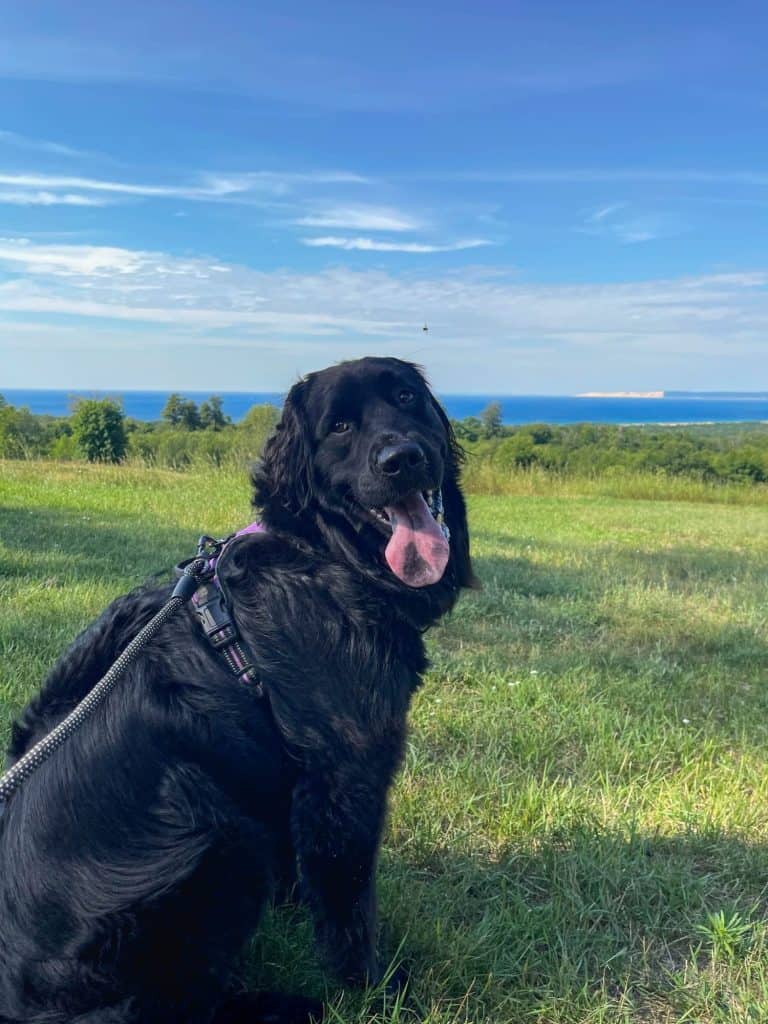
Happy Golden Newfie in Northern Michigan

The Golden Newfoundland is known for its nanny nature around children, and its parent dog, the Newfoundland, is much the same.

The temperament of a Golden Newfie is rather peaceful, and they are patient around the family’s children. They rarely become flustered, taking most things in stride. They bond closely with family members and can get quite protective of them. These dogs rarely get hostile or aggressive. They are often described as “nanny dogs,” as they are particularly caring towards the children and other young members of the family.

These dogs might look lazy, but that is not the case at all. They like to be out and about and are always eager to wander outdoors with you. They will also be happy to relax on your couch once they have had enough exercise for the day, which they need plenty of.

Most Golden Newfies get along very well with other animals. However, this might not always be the case, which is why it is important for owners to socialize these dogs from a very young age.

Care

The Golden Newfie may be lovable and active, but it needs proper care like any other pet. Here are a few ways new owners can make their pup feel welcome and safe in their home.

Best Dog Food

Golden Newfies are big dogs and have a large appetite. However, make sure that they do not overeat, as they are susceptible to obesity. For the best diet, feed your Golden Newfie a high-quality kibble that gives it plenty of protein. This type of food helps to fill up the dog quickly, reducing its urge to eat again and again throughout the day. Some dogs, like the Golden Newfie, are susceptible to bloat, so owners should be cautious not to let their dog eat too fast or too close to exercise time. Another consideration, if your Golden Newfie’s shedding is getting out of control, browse the various dog foods that help with excess shedding.

Maintenance and Grooming

Golden Newfies do not have the easiest coats to maintain. It is incredibly dense, potentially becoming matted if it is not kept in good condition. Regular brushing each day can prevent this type of issue. Make sure to detangle all areas, including the fur under the armpits, groin, and legs.

Always pay special attention to the ears to prevent infection. The Golden Newfie loves to get wet, and the folding of the ears can trap moisture without upkeep. Their ear canals have to be dried after every swim or bath. Check your dog’s ears every day for redness, discomfort, and waxy build-up.

Training

Both parent breeds of the Golden Newfie are working dogs. Therefore, it is easy to train these dogs, as they make obedient and eager students. They are quick learners and are very keen to learn new things from their owners.

They enjoy all opportunities to learn something new. In terms of trainability, owners do not need extensive experience to train these dogs. First-time dog owners can easily do so.

However, these dogs can be a little sensitive sometimes and may not respond well to harsh training methods and negative reinforcement. To get the best results, be patient with them and apply positive reinforcement. You can introduce tasty treats to make the training sessions more successful.

Exercise

Golden Newfies do need a substantial amount of exercise. They need at least an hour of exercise each day for them to be in good shape. These dogs love swimming, regardless of the weather. They instinctively know how to swim and tend to make rescue attempts for anyone they think might need help in water.
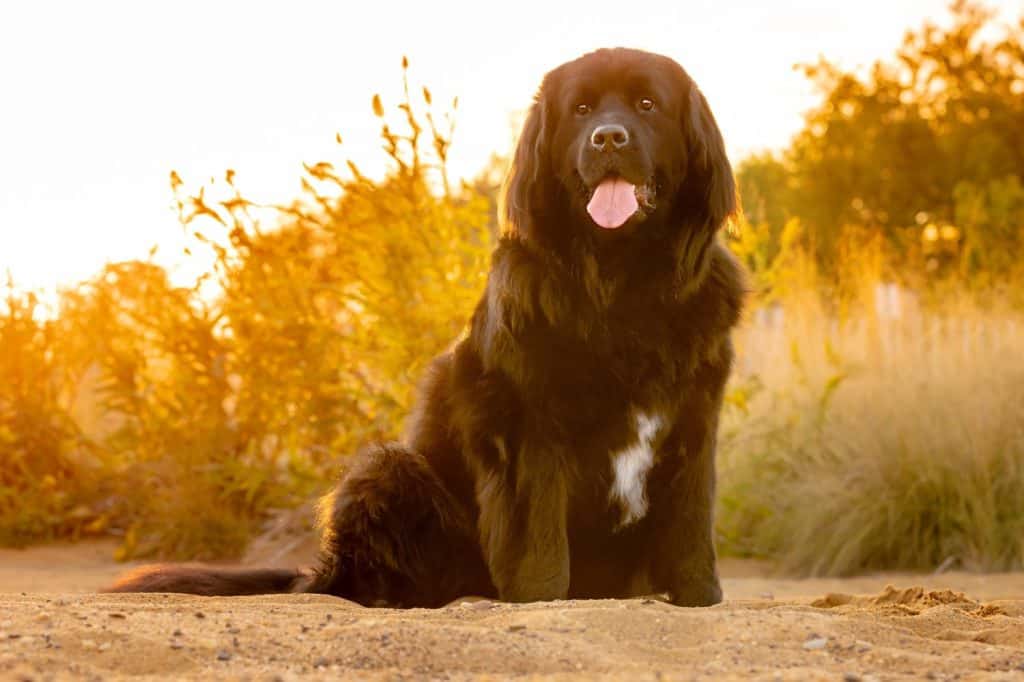
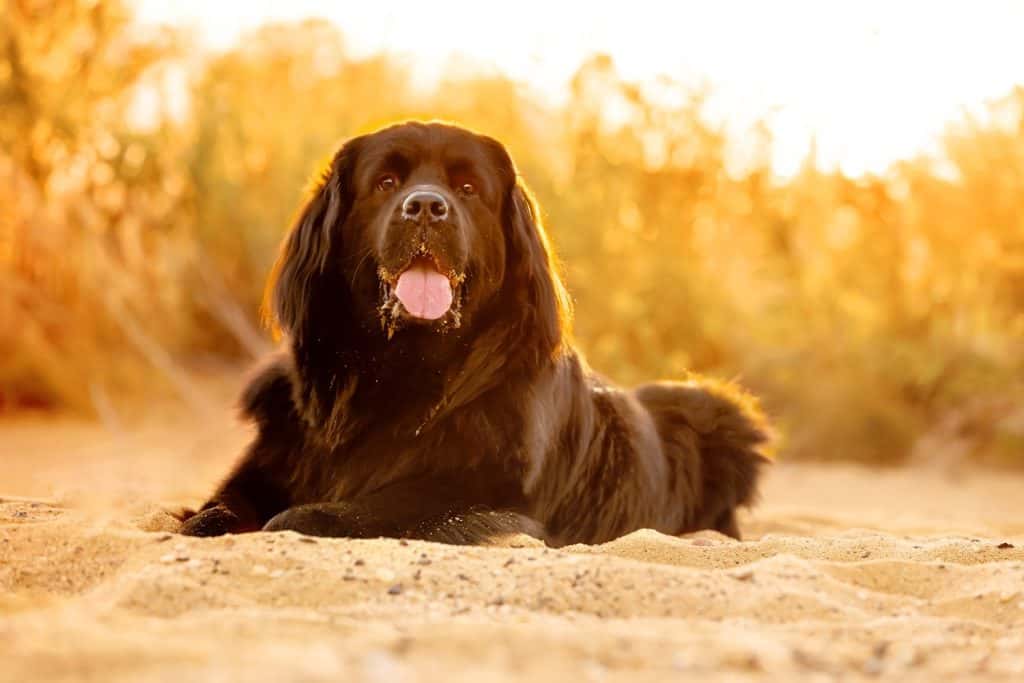
Beautiful gigantic Newfoundland dog on sandy beach with warm hazy sunset peeking through the grass - gorgeous huge Newfie on sand with tongue hanging out at golden hour

Golden Newfies need a fair amount of exercise daily.

Puppies

The Golden Newfie puppies can be taken care of much in the same way as you take care of an adult Golden Newfie. They need to be fed good quality food, but in smaller quantities than adults, as their stomachs cannot digest food as quickly. Introducing the puppies to a social circle early on in life can be incredibly helpful, teaching them good habits for the future.

Children

As noted above, Golden Newfies are often called “nanny dogs” as they are known to be very protective of the kids in the family. They are very patient around the kids and act gently towards them. They are also very playful around the kids, but rarely get aggressive or hostile.

Similar Dogs

For those who may not be completely sold on this crossbreed dog, here are a few other options that are similar to Golden Newfies:

  • Golden Retriever: These dogs are sweet, easy to train, and make playful companions for children in the family.
  • Newfoundland: These dogs are known to be very patient and friendly. They have a strong build and personality.
  • Bernese Mountain Dog: These dogs make excellent family dogs and are loved by many. They are also very intelligent.
View all 261 animals that start with G

Sources

  1. Dog Zone / Accessed May 21, 2021
  2. Wag Walking / Accessed May 21, 2021
  3. K9 Of Mine / Accessed May 21, 2021
  4. Doggie Designer / Accessed May 21, 2021
  5. Newfoundland Dog / Accessed May 21, 2021
Thank you for reading! Have some feedback for us?


Golden Newfie FAQs (Frequently Asked Questions)

These dogs are a combination of golden retrievers and Newfoundland dogs. These hybrid dogs are sweet and gentle and are known to be very patient with children.