N S W E
Wildlife Expeditions

Wildlife of
Paraíba

Paraiba stands out for wildlife where Atlantic coastal forests and mangroves meet the semi-arid Caatinga, creating sharp habitat contrasts and high biodiversity.
7 Species
56,439.84 km² Land Area
Overview

About Paraíba

Paraíba's wildlife is shaped by sharp habitat changes over short distances: humid Atlantic coastal areas near João Pessoa turn quickly into the thorny, drought-tolerant Caatinga inland. This mix of biomes and river basins makes rich natural wealth, with forest birds and mammals, estuaries that are nurseries, and animals that live in dry places and handle big seasonal changes. On the coast, fragments of Atlantic Forest, dune plants, beaches, mangroves, and estuaries support many birds, reptiles, and nursery grounds for fish and crustaceans. Inland, the Caatinga's dry forests and shrublands hold animals adapted to rain pulses, sheltering in rocky outcrops and using temporary water in river valleys and reservoirs. You can see coastal wetland species and endemic dry-area species on the same trip, making Paraíba a small showcase of northeastern Brazil's variety.

Physical Features

Geography

Paraíba's wildlife lives along an east–west moisture gradient: humid Atlantic coastal habitats (mangroves, coastal sandy plains, beaches and dunes, and Atlantic Forest remnants) give way inland to a semi-humid transition belt and a semi-arid interior of thorn scrub and seasonally dry forest. Rivers, reservoirs, and the Borborema Plateau make wet corridors and cool refuges.

56,439.84 km² Land Area
21st largest state in Brazil (by area) Size Rank
Brazil Country
State Type
Elevation Range

Sea level to ~1,197 m (Pico do Jabre, Serra de Teixeira)

Coastline

Atlantic Ocean coastline (short but ecologically important), with reef-influenced nearshore waters, beaches/dunes, and mangrove-lined estuaries near João Pessoa/Cabedelo and the Mamanguape River mouth.

Key Landscapes

Atlantic Ocean coastline (beaches, dunes, and reef-influenced nearshore waters) Coastal mangroves and estuaries (notably the Mamanguape River estuary and the Paraiba River estuary area near Joao Pessoa/Cabedelo) Coastal sandy plains and shrub/woodland on marine sands, plus coastal lowlands and tablelands (coastal plateaus) Humid eastern Atlantic Forest remnants (the coastal forest zone) Semi-humid transition belt between the humid coast and the semi-arid interior (a mosaic of seasonal woodland, scrub, and agricultural landscapes) Borborema Plateau and associated highlands (including the Teixeira Range area and Jabre Peak), creating altitudinal and moisture-driven habitat variation across the state's coast-to-interior divide)
Parks & Reserves

Protected Areas

Paraíba's protected areas guard two zones: fragmented Atlantic Forest and coastal habitats (sandplain, mangroves, estuaries, reefs) and semi-arid dry forest, thorn scrub, rock outcrops, and river corridors inland (Cariri, Seridó, Borborema). Federal strict units, Environmental Protection Areas, Extractive Reserves, state parks, and natural monuments protect manatees, mangroves, fisheries, inselbergs, forest pockets, and reefs used by seabirds and sea turtles.

Protected Coverage

About 10-12% of Paraiba's land area is within protected areas (mostly sustainable-use Environmental Protection Areas and Extractive Reserves; strict-protection coverage is much smaller).

State & Provincial Parks

Pedra da Boca State Park (Paraiba)

~150-200 ha (approx.)

Dramatic granite inselbergs and surrounding semi-arid scrub create nesting and roosting habitat for raptors and bats and support dry-forest mammals; a standout interior site for scenery and biodiversity.

Caatinga parakeet (Eupsittula cactorum) Tropical mockingbird (Mimus gilvus) Crab-eating fox (Cerdocyon thous) Common marmoset (Callithrix jacchus) Boa constrictor (Boa constrictor)

Jabre Peak State Park (Paraiba)

~800-1,000 ha (approx.)

Protects Paraiba's highest peak and a rare high-elevation humid forest enclave within the semi-arid region, important for forest birds, pollinators, and cooler-climate plant communities.

Tayra (Eira barbara) Red-legged seriema (Cariama cristata) Toucans and aracaris (Ramphastos/Pteroglossus spp., locally) Masked water-tyrant (Fluvicola nengeta) South American coati (Nasua nasua)

Pau-Ferro Forest State Park (Areia, Paraiba)

~600 ha (approx.)

Key remnant of Atlantic Forest in Paraiba's highland forest zone, important for maintaining regional connectivity for forest-dependent birds and mammals and protecting watershed headwaters.

Seven-colored tanager (Tangara fastuosa) Common marmoset (Callithrix jacchus) Tayra (Eira barbara) Ocelot (Leopardus pardalis) Tinamous (Tinamus/Crypturellus spp., locally)

Red Sand Marine State Park (Cabedelo, Paraiba)

~200-300 ha (approx., marine area)

Nearshore reef and sandbank system used by reef fish, seabirds, and sea turtles; notable for marine biodiversity very close to the capital region (high conservation value but sensitive to visitation pressure).

Green sea turtle (Chelonia mydas) Hawksbill sea turtle (Eretmochelys imbricata) Brown booby (Sula leucogaster) Royal tern (Thalasseus maximus) Parrotfishes (Scarus/Sparisoma spp.)

Wilderness Areas

  • Roadless semi-arid thorn scrub and seasonally dry woodland mosaics in the interior Cariri region of Paraiba (seasonal stream channels, rocky outcrops, and dense thorn vegetation; largest blocks are away from major reservoirs and highways).
  • Rugged uplands and escarpments of the Borborema Plateau, including Jabre Peak and the Teixeira mountain range, where steep terrain limits access and retains semi-natural vegetation patches.
  • High-elevation humid forest enclaves (upland forest "islands") around Areia, Bananeiras, and Alagoa Grande, with relatively intact headwaters and steep-slope refuges.
  • Mangrove forests and tidal channels of the Mamanguape River estuary (including the protected estuary area known for West Indian manatees and waterbirds), where backwater channels function as de facto roadless habitat.
Animals

Wildlife

Paraíba's wildlife is shaped by a sharp coastal-interior gradient: Atlantic Forest remnants, mangroves, estuaries and sandy beaches near João Pessoa and the north-coast river mouths transition inland to the semi-arid Caatinga, with rocky outcrops, thorn scrub, seasonal streams and reservoirs. This mix creates a distinctive "two-biome" fauna-coastal and estuarine species (including marine turtles and dolphins) alongside Caatinga-adapted birds, reptiles and mammals, plus a set of highly threatened Atlantic Forest endemics surviving in fragmented forest patches.
≈120-150 species (including bats; higher diversity near coastal forest/river corridors) Mammals
≈450-520 species (coast + Caatinga + migrants) Birds
≈90-120 species Reptiles
≈50-80 species (strongly seasonal in the semi-arid interior) Amphibians
≈250-400+ species (freshwater basins plus coastal/marine species along the shoreline and estuaries) Fish
Examples

Iconic Species

West Indian Manatee One of Paraíba's signature coastal mammals, best associated with protected estuaries and mangroves on the north coast (notably around the Mamanguape system), where calm, shallow waters support feeding and refuge.
Hawksbill Sea Turtle A flagship species of Brazil's Northeast beaches; Paraíba's coastline is part of the regional nesting/nearshore foraging landscape that draws attention to marine conservation.
Green Sea Turtle Commonly encountered offshore and along the coast compared with other sea turtles; its presence highlights the importance of nearshore reefs, seagrass areas and clean beaches.
Guiana Dolphin A characteristic small dolphin of bays and estuaries along Brazil's Atlantic coast, frequently associated with mangrove-lined channels and productive river mouths.
Blond Capuchin A rare and locally emblematic primate of the Northeastern Atlantic Forest; where it persists, it is a highlight for visitors interested in endemic and threatened fauna.
Three-banded Armadillo An iconic Caatinga specialist famous for rolling into a ball; it represents Paraíba's semi-arid interior wildlife and the conservation value of Caatinga habitats.
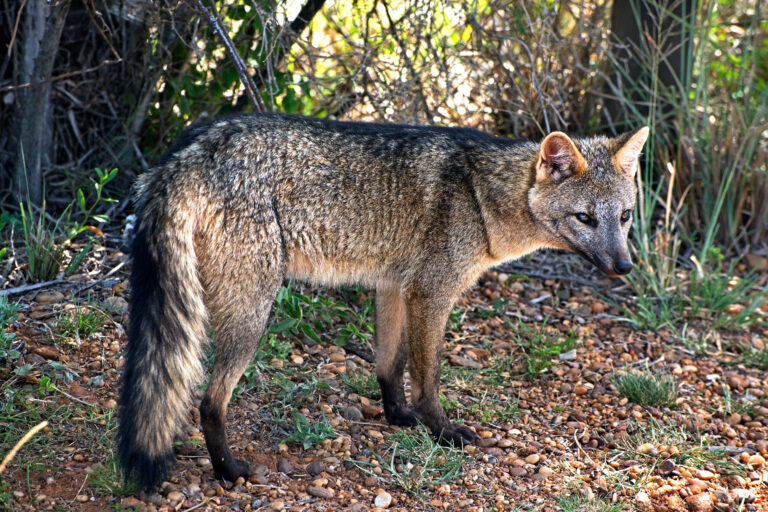
Crab-eating Fox
Crab-eating Fox A widespread and adaptable canid often associated with Caatinga and mosaic landscapes; it is among the most frequently seen medium-sized mammals in many parts of the state.
Cactus Parakeet A quintessential Caatinga parrot, closely tied to dry scrub and cactus-rich areas-its calls and flocks are part of the everyday soundscape inland.
Red-cowled Cardinal A vivid, easily recognized Caatinga bird that helps define the interior's birdwatching experience.

Endemic & Rare Species

Blond Capuchin

Sapajus flavius

Critically Endangered (IUCN); Northeastern Atlantic Forest endemic with highly fragmented habitat

One of the most conservation-significant mammals in Paraiba's coastal-forest remnants, sensitive to forest loss and hunting pressure.

West Indian Manatee

Trichechus manatus

Vulnerable (IUCN); small, fragmented populations on the Brazilian coast

Paraiba's estuaries and mangroves are part of a key stronghold area in Northeast Brazil, with protected zones important for recovery efforts.

Hawksbill Sea Turtle

Eretmochelys imbricata

Critically Endangered (IUCN)

Threatened globally by bycatch, illegal harvest and habitat degradation; Paraíba's coast forms part of the species' crucial western Atlantic nesting/foraging region.

Three-banded Armadillo

Tolypeutes tricinctus

Vulnerable (IUCN); Caatinga endemic

A true Caatinga specialty whose presence indicates relatively intact dryland habitat; vulnerable to hunting and habitat conversion.

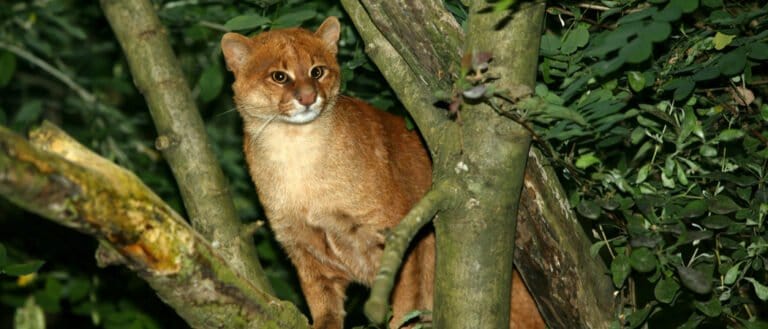
Oncilla (Northern Tiger Cat)

Leopardus tigrinus

Vulnerable (IUCN) in many assessments; locally rare and elusive

A small wild cat associated with forest and rugged landscapes; in Paraíba it is more often detected through camera traps than direct sightings, underscoring its low density and sensitivity to fragmentation.

Notable Populations

  • North-coast estuaries and mangroves (especially the Mamanguape system) support one of the better-known manatee-use areas in Northeast Brazil, making the region nationally significant for coastal megafauna conservation.
  • Paraíba's beaches and nearshore waters contribute to the broader Northeast Brazil hotspot for sea turtles (notably hawksbill and green turtles) through nesting, juvenile development and coastal foraging.
  • Caatinga interiors hold strong representations of dry-forest bird communities (e.g., parakeets, cardinals, seriemas and other xeric specialists), providing a complementary assemblage to the coastal Atlantic Forest fauna.

Recent Changes

  • Manatee conservation actions in Northeast Brazil-including releases/translocations and protected-area management-have increased sightings in some north-coast estuarine zones, though boat strikes and entanglement remain risks.
  • Sea turtle monitoring and beach protection have improved hatchling output at many Northeast sites over recent decades, but coastal lighting, urban expansion and fisheries bycatch continue to pressure populations.
  • Ongoing Atlantic Forest fragmentation near the coast has reduced connectivity for forest specialists (including threatened primates), concentrating many sensitive species into small, isolated remnants.
  • More frequent/intense drought cycles in the semi-arid interior have increased stress on Caatinga wetlands and seasonal water bodies, affecting amphibian breeding success and concentrating wildlife around reservoirs (with knock-on effects like human-wildlife conflict).
Visit

Wildlife Viewing

Paraíba offers varied wildlife viewing in a small area. Coastal Atlantic Forest near Joao Pessoa has beaches, coral reefs, estuaries, mangroves and sandy scrub. Inland are semi-arid thorn scrub and seasonal rivers. Watch shorebirds, mangrove life, reef fish and sea turtles, interior raptors and dry-forest specialists, and night walks for reptiles and small mammals after rains.

Best Seasons

Rainy/greener season in the interior (typically Feb-May; varies by year)

Best window for inland semi-arid thorn-scrub wildlife: vegetation greens up, water sources expand, and bird activity increases. Expect more singing/displaying birds, easier mammal/reptile sightings near water, and better overall comfort for long field days. Some dirt roads/trails can become slower after heavy rains.

Dry season / clearer weather (typically Jun-Oct)

Excellent for coastal wildlife watching: clearer water for snorkeling over reefs and natural pools, reliable beach/estuary birding, and comfortable temperatures for long walks. Inland areas are drier-wildlife concentrates around remaining water, but midday heat can be intense and some species are less active.

Sea turtle season (generally Sep-Mar, peaking in many areas Nov-Jan; exact timing depends on local beaches)

Prime time for turtle-focused trips along the coast with monitoring groups (night patrols where permitted, nest checks, hatchling releases when scheduled). Combine with dawn shorebirding and mangrove boat trips. Book ahead for any organized turtle activities.

Shoulder months (Nov-Jan for coastal birding + turtles; May-Jun for mixed coast/inland)

Good all-around planning months when you can pair inland green-up (late rainy season) or early dry-season coast with fewer crowds. Expect variable weather-carry rain protection and keep itineraries flexible.

Top Wildlife Experiences

  • Sea turtle monitoring and hatchling events with local conservation programs on Paraiba's coastline (commonly around beaches near the Joao Pessoa-Conde corridor and the northern coast near Baia da Traicao/Lucena depending on current project sites and schedules).
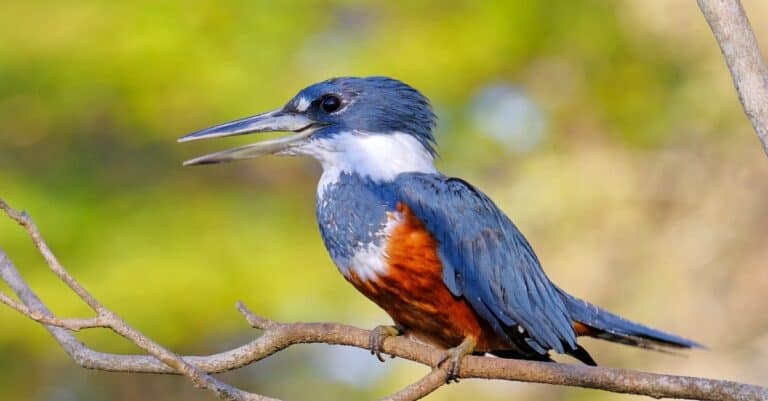
  • Sunrise birding and photography in mangroves and estuaries around the Paraiba River system (Cabedelo/Santa Rita area): look for herons, egrets, kingfishers, ibises, shorebirds, and mangrove specialists; best with a small-boat guide or kayak.
  • Reef and tidal-pool snorkeling at low tide on the Joao Pessoa coast (for example, Seixas and nearby natural pools): observe reef fish, octopus, sea urchins, and crustaceans-go with an operator that follows reef-safe practices and avoids touching wildlife.
  • Coastal scrub-and-dune walks for birds and reptiles in protected beach vegetation near Joao Pessoa-Conde: search for colorful passerines, raptors overhead, and track activity at dawn/dusk when temperatures are mild.
  • Day trip inland for semi-arid interior dry-forest specialists and raptors: focus on early morning birding along thorn scrub edges, rocky hills, and seasonal streams; finish with a night walk/spotlight for geckos, snakes (with expert handling rules), and nocturnal mammals.
  • Kayak or quiet boat outing on calm river sections/lagoon margins to watch wildlife without engine noise-excellent for close-range bird observation and learning about mangrove ecology.
  • Community-based wildlife and cultural experience in Potiguara territory on the northern coast (Baia da Traicao region): combine guided nature walks/birding in coastal habitats with local ecological knowledge and responsible visitation norms.

Wildlife Watching Types

Sea turtle watching and conservation-based beach patrol experiences (seasonal; only with authorized programs) Mangrove and estuary birding (shorebirds, waders, kingfishers, raptors) Reef/natural-pool snorkeling for marine life (fish and invertebrates) Coastal scrub-and-dune wildlife walks (birds, reptiles, pollinators) Semi-arid interior birding for dry-forest specialists and endemics (best after rains) Nocturnal wildlife walks/spotlighting (reptiles, amphibians in wetter months, nocturnal birds) River/lagoon paddling safaris (low-impact observation and photography) Wildlife photography trips (sunrise/sunset on coast; early mornings inland)

Guided Options

  • Turtle conservation programs operating on Paraiba's coast (often affiliated with national/partner networks): inquire locally for authorized night patrols, nest monitoring visits, and scheduled hatchling releases-participation rules are strict and vary by beach.
  • Local birding guides based in Joao Pessoa/Cabedelo offering mangrove/estuary dawn outings, shorebird identification, and photographic positioning (often combining multiple micro-habitats in a single morning).
  • Kayak/SUP ecotours in mangroves and calm river sections near Joao Pessoa and Cabedelo-choose operators advertising wildlife-friendly routes, small groups, and no-wildlife-touch policies.
  • Community-based ecotourism guides in the Baia da Traicao (Potiguara) region for coastal nature walks, birding, and cultural interpretation; book via local associations or accredited community initiatives.
  • Interior nature guides (often arranged from Joao Pessoa or regional hubs) for birding circuits and night walks-look for guides with experience in heat safety, ethical spotlighting, and species identification.
  • Marine natural pool/snorkel operators on the Joao Pessoa coast-select those that schedule around tides, brief guests on reef etiquette, and keep group sizes manageable.
Habitats

Ecosystems

Paraíba shows a change from east to west: humid Atlantic coastal lowlands near João Pessoa with mangroves, coastal dunes, restinga scrub, and small Atlantic Forest patches; a central Borborema Plateau/Agreste zone with seasonal plants and upland moist-forest "islands"; and a mostly semi-arid Caatinga interior. Rivers (Paraíba, Piranhas-Açu) make river corridors and wetlands; a narrow continental shelf supports nearshore marine habitats.

Biomes

Tropical Rainforest

Occurs as Atlantic Forest remnants and humid forest enclaves (brejos de altitude) on wetter coastal/near-coastal areas and higher elevations; typically highly fragmented and surrounded by agriculture/urban areas.

Small and fragmented; mainly the coastal strip and scattered upland enclaves (roughly a few percent of the state).

Tropical Dry Forest

Represents the Caatinga domain inland: seasonally dry thorn woodland/forest with deciduous trees, cacti and shrubs; includes more open and more wooded variants depending on soils and rainfall.

Dominant inland biome across much of central-to-western Paraíba (roughly half to two-thirds of the state).

Freshwater

River networks, reservoirs, seasonal streams, and associated riparian zones; key basins include the Paraiba River and parts of the Piranhas-Acu system, with many intermittent waterways in the semi-arid interior.

Linear and patchy along drainage networks and impoundments; present statewide but densest as riparian corridors and reservoirs in the interior.

Marine

Coastal Atlantic waters and nearshore benthic habitats along Paraíba's shoreline, supporting fisheries and coastal food webs; influenced by estuaries and reef-like beachrock features in places.

Along the entire coastline and nearshore zone (narrow coastal frontage relative to total state area).

Wetland

Mangrove-fringed estuaries, tidal flats, coastal lagoons/lowland wetlands, and small inland floodplain/impoundment-associated wetlands (often seasonal).

Localized-most extensive in estuaries near the coast, with smaller scattered patches inland.

Habitats

Rainforest

Atlantic Forest remnants near the coast and humid upland forest enclaves on higher terrain (more moist, evergreen to semi-evergreen formations).

Forest

Mosaic of native forest fragments (Atlantic Forest and upland enclaves) embedded in agricultural and urban landscapes, with strong edge effects and fragmentation.

Deciduous Forest

Seasonally dry Caatinga woodlands where many trees shed leaves in the dry season; structure varies from taller stands on better soils to lower, thornier formations.

Woodland

Open Caatinga woodland with scattered trees over shrub layers, common across semi-arid interior and transition zones.

Shrubland

Thorny Caatinga shrublands with cacti and bromeliads, especially on shallower soils and drier sectors; many areas are strongly seasonal and drought-adapted.

Grassland

Open herbaceous areas in disturbed zones, river margins, and some upland/Agreste mosaics; often intermixed with shrubs and used for grazing.

River/Stream

Riparian corridors along the Rio Paraíba and other basins, providing perennial or semi-perennial refuges, gallery vegetation, and water-dependent fauna in otherwise dry regions.

Lake

Natural lagoons are limited, but there are waterbodies in lowlands and coastal settings; ecological importance often tied to birds and seasonal hydrology.

Pond

Common as small reservoirs (açudes) and farm ponds in the interior; many are seasonal or strongly influenced by drought cycles.

Marsh

Fresh to brackish marsh vegetation in low-lying coastal zones and around slow-flowing waters, especially near estuary margins and impoundments.

Mangrove

Mangrove forests in estuaries near João Pessoa and other coastal river mouths, supporting nursery habitat for fish and crustaceans and stabilizing shorelines.

Estuary

River-mouth mixing zones with strong salinity gradients, mudflats, mangroves, and high productivity; key for fisheries and migratory/coastal birds.

Coastal

Narrow coastal plain with dunes, cliffs in places, beachrock/reef-like features, and a dense human footprint (tourism and urbanization).

Beach

Sandy beaches along the Atlantic coast, with adjacent dunes and coastal shrub vegetation and high recreational use.

Rocky Shore

Localized rocky outcrops and beachrock platforms that create tidepool-like microhabitats and increase coastal habitat heterogeneity.

Seabed/Benthic

Nearshore sandy and muddy bottoms on the continental shelf, influenced by river sediment inputs and supporting benthic communities.

Agricultural/Farmland

Extensive croplands and pasture (including sugarcane zones nearer the coast and mixed farming/ranching inland), a major driver of habitat fragmentation.

Urban

Concentrated around João Pessoa and other cities, with coastal development pressure affecting dunes, estuaries, and remaining forest fragments.

Ecoregions

Brazilian semi-arid thorn scrub Pernambuco coastal forests Pernambuco interior forests Northeastern Brazil coastal dune and shrublands Northeastern Brazil mangroves
Protection

Conservation

Primary Threats

  • On Paraíba's coast, Atlantic Forest is broken into pieces by sugarcane fields and growing cities near João Pessoa. Mangroves and restingas are squeezed by shoreline use, shrimp ponds, and ports. Inland, Caatinga is cleared for pasture, small farms, and wood cutting, reducing native cover and links.
  • Sugarcane and pasture expansion in the coastal belt and Brejo region drives further loss of forest remnants and riparian corridors. In the semi-arid interior, drought-adapted livestock systems and irrigated agriculture along river valleys increase pressure on native Caatinga and water resources, especially in dry years.
  • Rapid growth in the João Pessoa metropolitan area increases land conversion, stormwater runoff, and encroachment on dunes/restingas and mangroves; new housing and tourism developments near beaches raise disturbance and fragment coastal habitats used by turtles and shorebirds.
  • Untreated/partially treated sewage and urban runoff degrade rivers and estuaries (notably near metropolitan areas), affecting mangroves and nearshore reefs. Solid waste (including plastics) accumulates on beaches and in estuaries, interacting with marine fauna. Agricultural chemicals and sediment from eroding catchments add chronic water-quality stress.
  • Nearshore reefs and estuaries face heavy fishing pressure (artisanal gillnets, traps, and targeted reef/estuarine species), reducing fish biomass and altering food webs. Bycatch and gear entanglement are recurring risks for sea turtles and manatees in shallow coastal waters.
  • High-use beaches, boat traffic, and reef tourism (e.g., popular reef platforms) increase noise, trampling, anchoring damage, and wildlife disturbance. Off-road vehicles and intense nighttime beach use can disrupt sea turtle nesting and hatchling orientation in suitable stretches of coastline.
  • More frequent/intense drought and heat in the Caatinga interior increases mortality risk, reduces forage, and intensifies wildfire likelihood, while also amplifying competition for water. On the coast, sea-level rise and stronger storm surges accelerate erosion and can reduce viable nesting habitat for turtles and degrade mangrove edges.
  • Dams/reservoir operations and water diversions in Paraíba's river basins alter seasonal flow, sediment delivery, and salinity dynamics that maintain estuaries and mangroves. In the semi-arid, channel modifications and reservoir reliance can reduce aquatic connectivity and concentrate pollutants during low-flow periods.
  • Water scarcity is a central constraint: intensive extraction from reservoirs, rivers, and groundwater for cities and irrigation reduces environmental flows, especially during multi-year droughts. In Caatinga zones, chronic fuelwood/charcoal demand depletes woody biomass and slows natural regeneration.
  • In inland Caatinga, opportunistic hunting for meat and retaliation against perceived pests affects armadillos and other wildlife. Along forest fragments, capture pressure can reduce populations of conspicuous mammals and birds already limited by small habitat patches.
  • Illegal capture and trade of songbirds remains a recurrent issue in Northeast Brazil and can affect Paraíba's bird populations; primates (notably capuchins) are also vulnerable to capture for pets where accessible forest fragments remain.
  • Tilapia and other introduced fish in reservoirs and river systems compete with and prey on native aquatic fauna. In peri-urban/coastal zones, free-ranging cats and dogs increase predation pressure on small vertebrates and can disturb turtle nesting areas; invasive plants can simplify understory and riparian habitats.
  • Road expansion increases wildlife-vehicle collisions and further fragments small forest remnants. Coastal and inland energy and transport corridors (roads, transmission lines, and associated development) open access to previously less-disturbed Caatinga areas and can increase disturbance and land speculation.
  • Extraction of sand and other aggregates in riverbeds and floodplains increases turbidity, destabilizes banks, and degrades aquatic habitats; quarrying for construction materials can remove native vegetation and disturb karst/rocky habitats that host specialized Caatinga biota.
  • Illegal or poorly controlled cutting for fuelwood, fencing, and small-scale timber is a persistent driver of Caatinga degradation, especially near settlements and roads, reducing structural complexity needed by many species and increasing erosion on shallow soils.
Fun Facts

Did You Know?

Paraíba helped the recent finding of the blond capuchin (Sapajus flavius). The monkey was named long ago, mixed up with other capuchins, and thought lost until found in Northeast Atlantic Forest fragments in the 2000s.

In Paraíba's semi-arid seasonally dry tropical forest and scrublands, some frogs wait out droughts underground. Pleurodema diplolister can enter dormancy (aestivation) and re-emerge after rains to breed in pools that last only days.

Manatees in the Mamanguape region don't just roam the open sea: they use brackish mangrove channels and river mouths, moving between saltwater and freshwater zones-so sightings often happen in calm estuary waters rather than on exposed beaches.

Hawksbill sea turtles (Eretmochelys imbricata) live near coral and rocky reefs and mostly eat sponges. Paraiba's nearshore reefs off Joao Pessoa, like the Picaozinho pools, offer this feeding habitat.

Paraíba shows a "two Brazils" effect: a short drive west from the humid coast leads to animals adapted to drought in the semi-arid dry-forest. Atlantic Forest specialists and dryland animals are only hours apart.

The West Indian manatee (Trichechus manatus) — the largest plant-eating sea mammal in the Atlantic — is an important species on Paraiba's north coast; adults reach about 4 m, weigh hundreds of kilograms, and are monitored at the Mamanguape estuary.

Mamanguape River Mouth Environmental Protection Area (created in 1993; about 14,600 hectares) is Paraiba's largest coastal protected area and one of Brazil's best-known sanctuaries for West Indian manatees, combining mangroves, river channels, and seagrass-feeding areas in one estuarine system.

Joao Pessoa's Buraquinho Forest (in the Benjamim Maranhao Botanical Garden; about 515 hectares) is Paraiba's largest protected Atlantic Forest in the capital and one of the biggest urban forest islands in Brazil's Northeast, home to wildlife near neighborhoods.

Guaribas Biological Reserve (4,028.55 hectares) is Paraíba's largest federal strictly protected conservation unit, preserving rare Atlantic Forest tableland vegetation and sandy-soil habitats that have been heavily cleared elsewhere in Brazil's Northeast.

Almas Farm Private Natural Heritage Reserve in Paraiba's Cariri (about 3,500 hectares) is one of Brazil's largest private reserves in the semi-arid seasonally dry tropical forest, protecting a big block of dry thorn forest for animals that travel far.

Thank you for reading! Have some feedback for us?